Country
Fossil hunting in India
India preserves the full sweep of geological time: Mesoproterozoic stromatolites in the Vindhyan basins, Late Jurassic petrified forests in the Thar Desert, Late Cretaceous dinosaur nesting grounds in Gujarat, and Mio-Pliocene petrified wood across Tamil Nadu. Several sites are protected as National Geological Monuments by the Geological Survey of India.
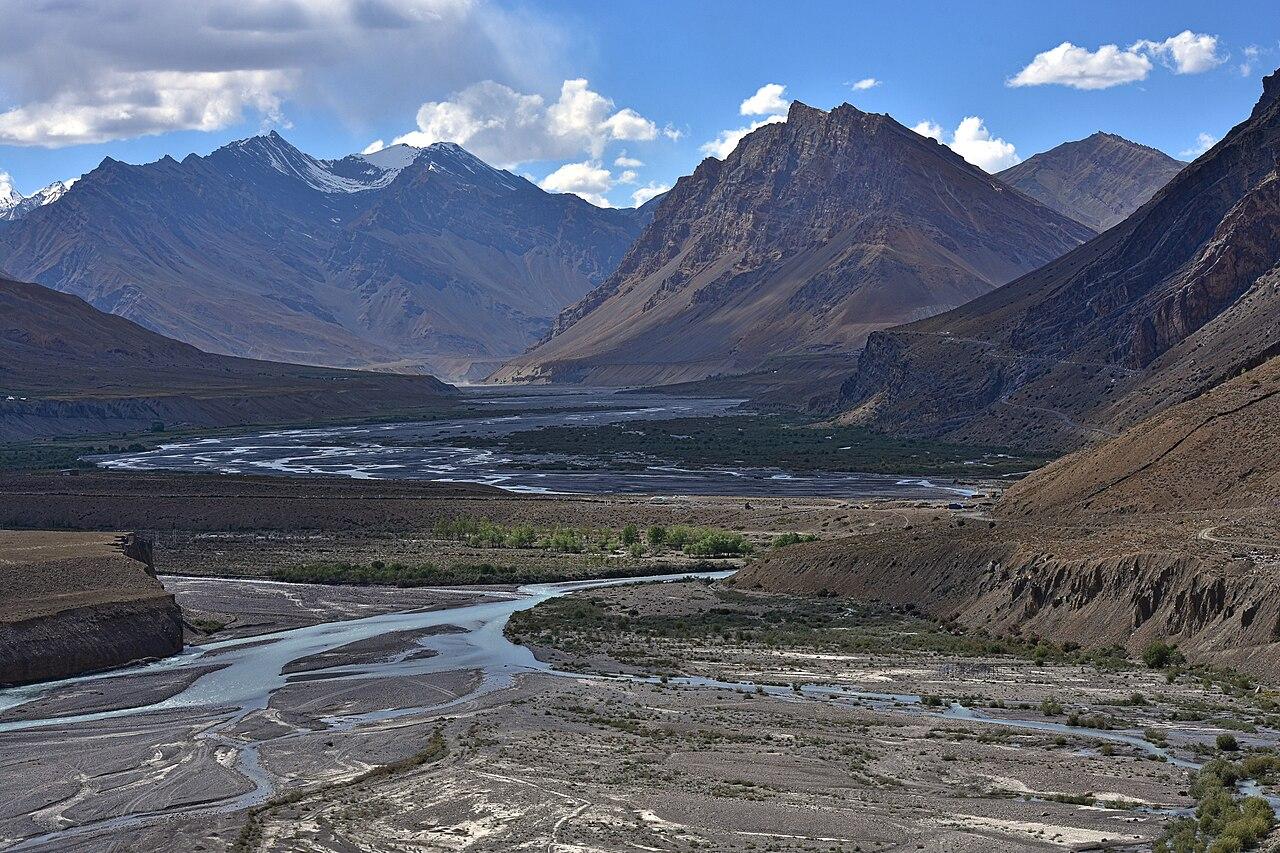
Indian fossil-collecting law has tightened considerably since the December 2024 Himachal Pradesh High Court ruling that banned extraction in the Spiti Valley. Most of the country's well-known sites are now viewing-only, either as National Parks, National Geological Monuments, or state-protected heritage areas. Removal of fossil material is treated as a violation of the Antiquities and Art Treasures Act of 1972.
Travel is the main practical hurdle. Spiti requires high-altitude acclimatization (4,400m+) and is only accessible by road from May through October. The Thar Desert sites need early-morning or late-afternoon visits to avoid extreme heat. Several sites in central India are remote and best reached with a hired guide who knows the local terrain and protected boundaries.
Top picks: Raiyoli Dinosaur Park, Gujarat (Late Cretaceous eggs and Rajasaurus, viewing only). Ghughua National Fossil Park, Madhya Pradesh (Late Cretaceous petrified wood and dinosaur eggs). Akal Wood Fossil Park, Rajasthan (Early Jurassic petrified logs). Salkhan Fossils Park, Uttar Pradesh (1.4-billion-year-old stromatolites).
8 fossil sites
Updated 4 August 2026
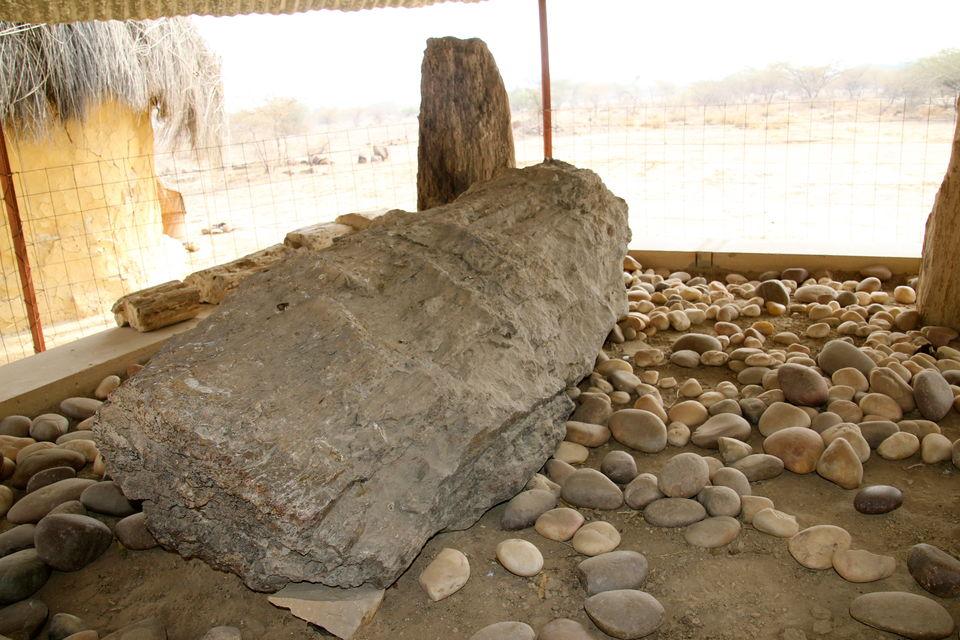
Akal Wood Fossil Park Fossil Hunting Guide
Rajasthan, India
Petrified Wood, Plants, Gastropods
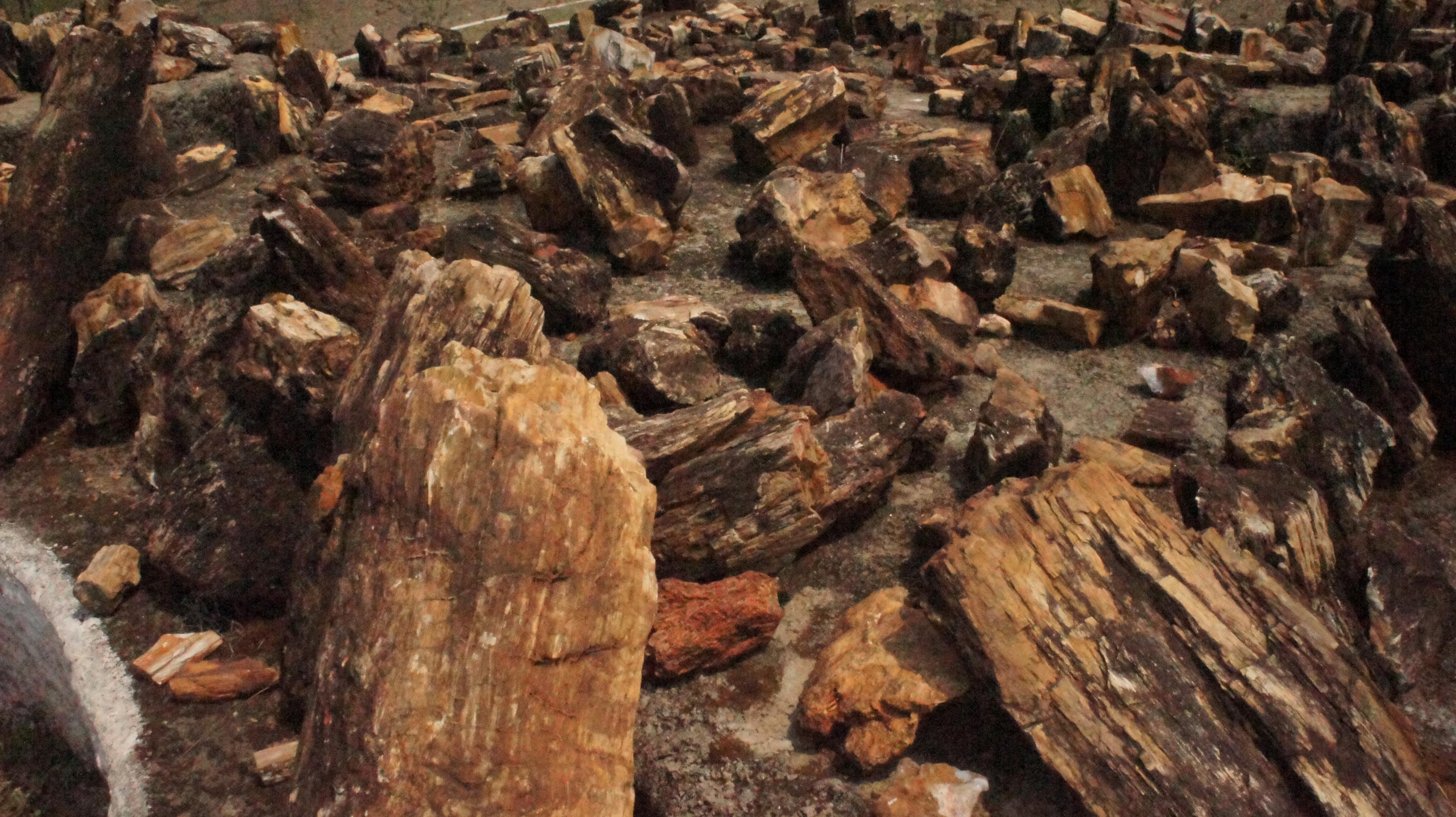
Ghughua National Fossil Park Fossil Hunting Guide
Madhya Pradesh, India
Petrified Wood, Seeds and Fruits, Dinosaur Eggs, Plants
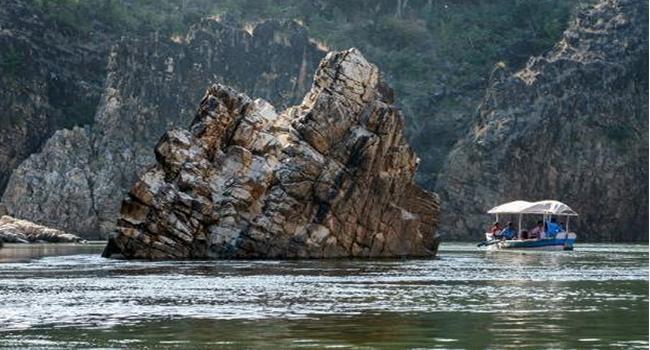
Lameta Geological Park Fossil Hunting Guide
Madhya Pradesh, India
Isisaurus colberti, Jainosaurus septentrionalis, Rajasaurus narmadensis, Indosuchus raptorius
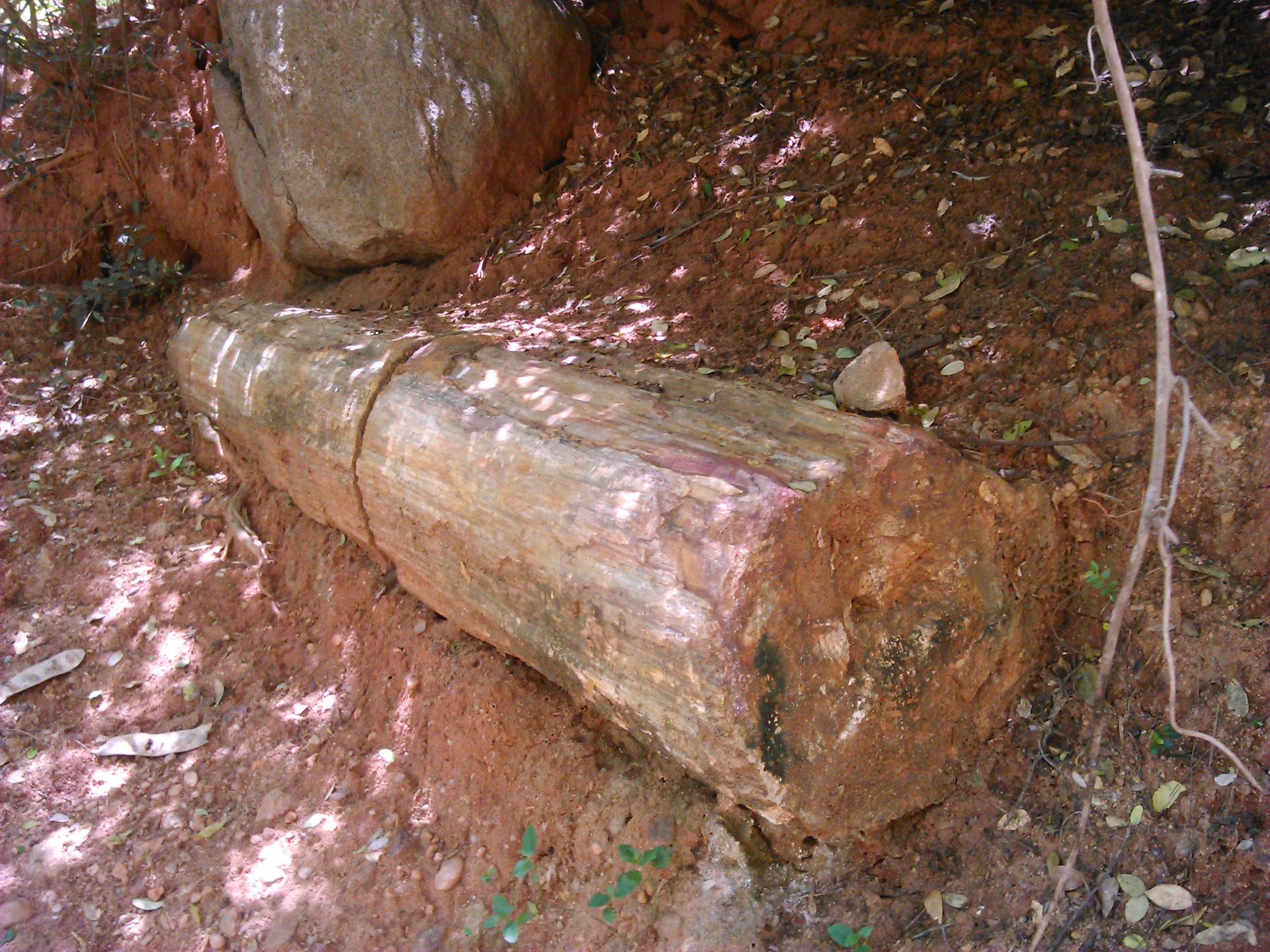
National Fossil Wood Park at Tiruvakkarai Fossil Hunting Guide
Tamil Nadu, India
Petrified Wood, Plants
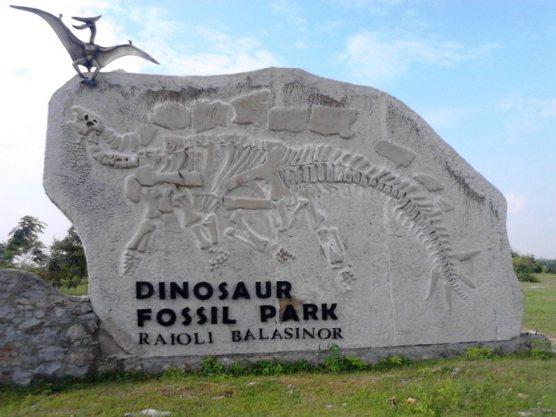
Raiyoli (Balasinor) Dinosaur Fossil Park
Gujarat, India
Dinosaur Eggs, Dinosaur Bones, Dinosaurs, Rajasaurus narmadensis
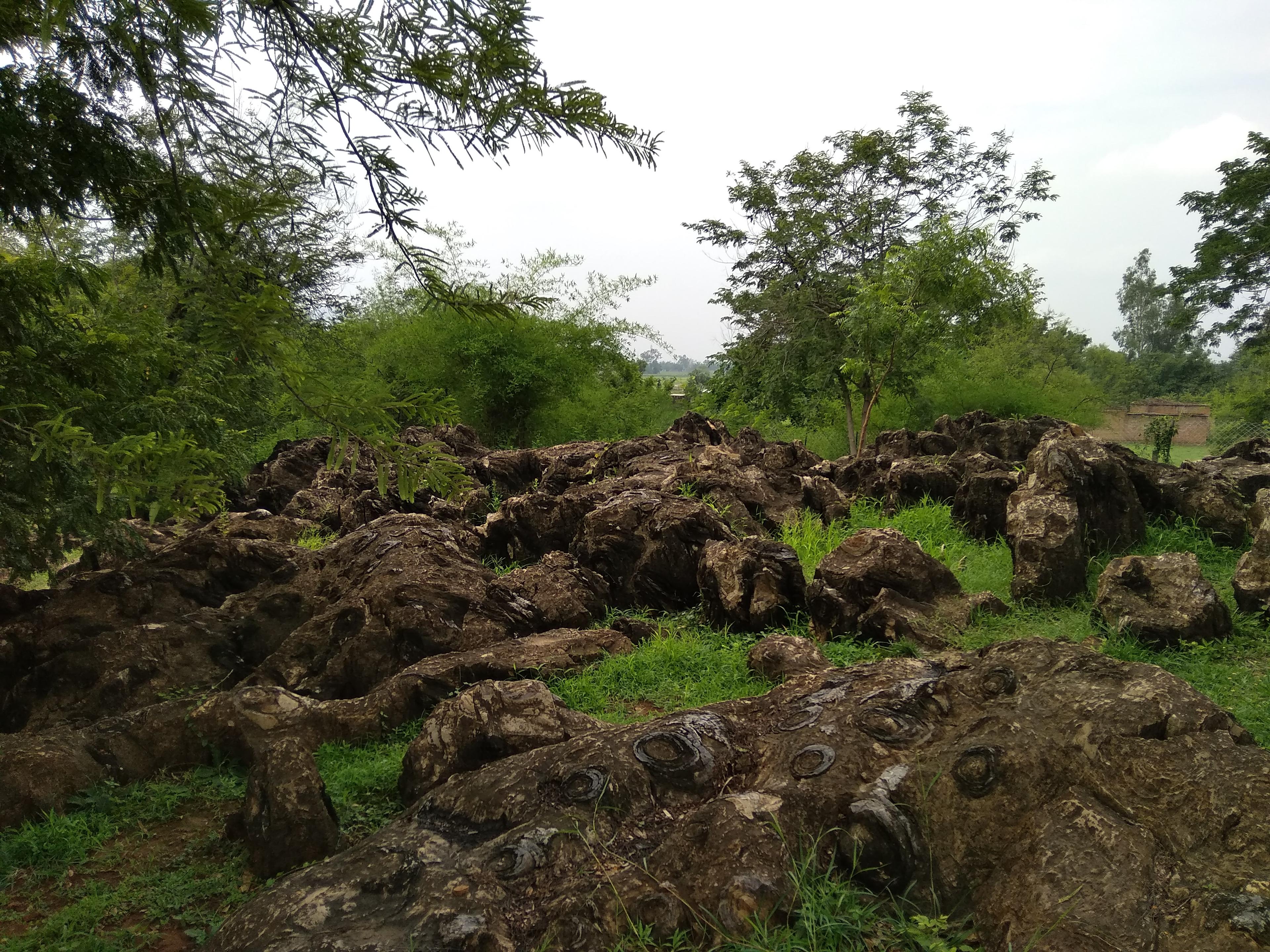
Salkhan Fossils Park: 1.4-Billion-Year-Old Stromatolites
Uttar Pradesh, India
Stromatolites, Microbialites
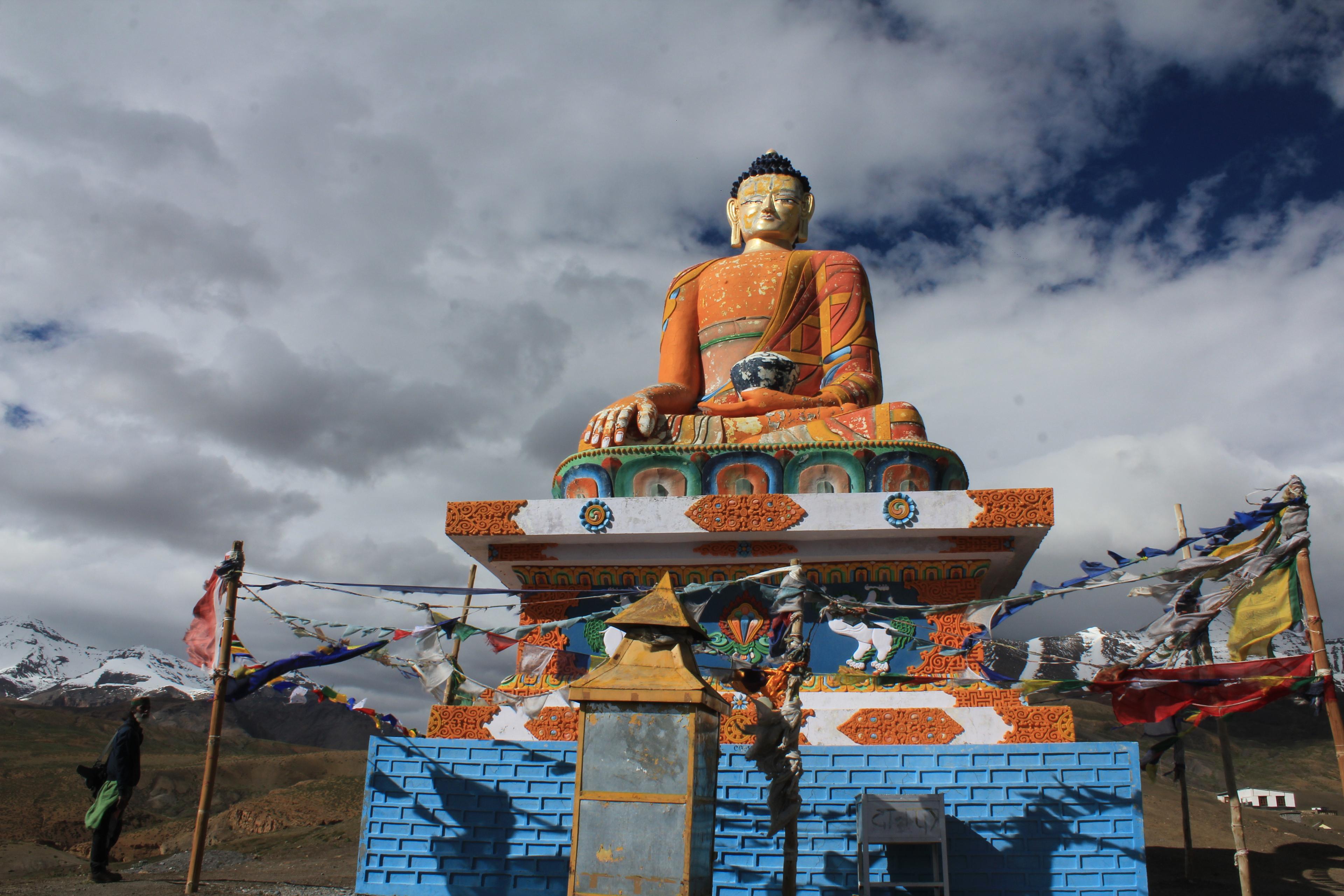
Spiti Valley: Shaligram Ammonites of the Tethys Sea
Himachal Pradesh, India
Ammonites, Belemnites, Marine invertebrates
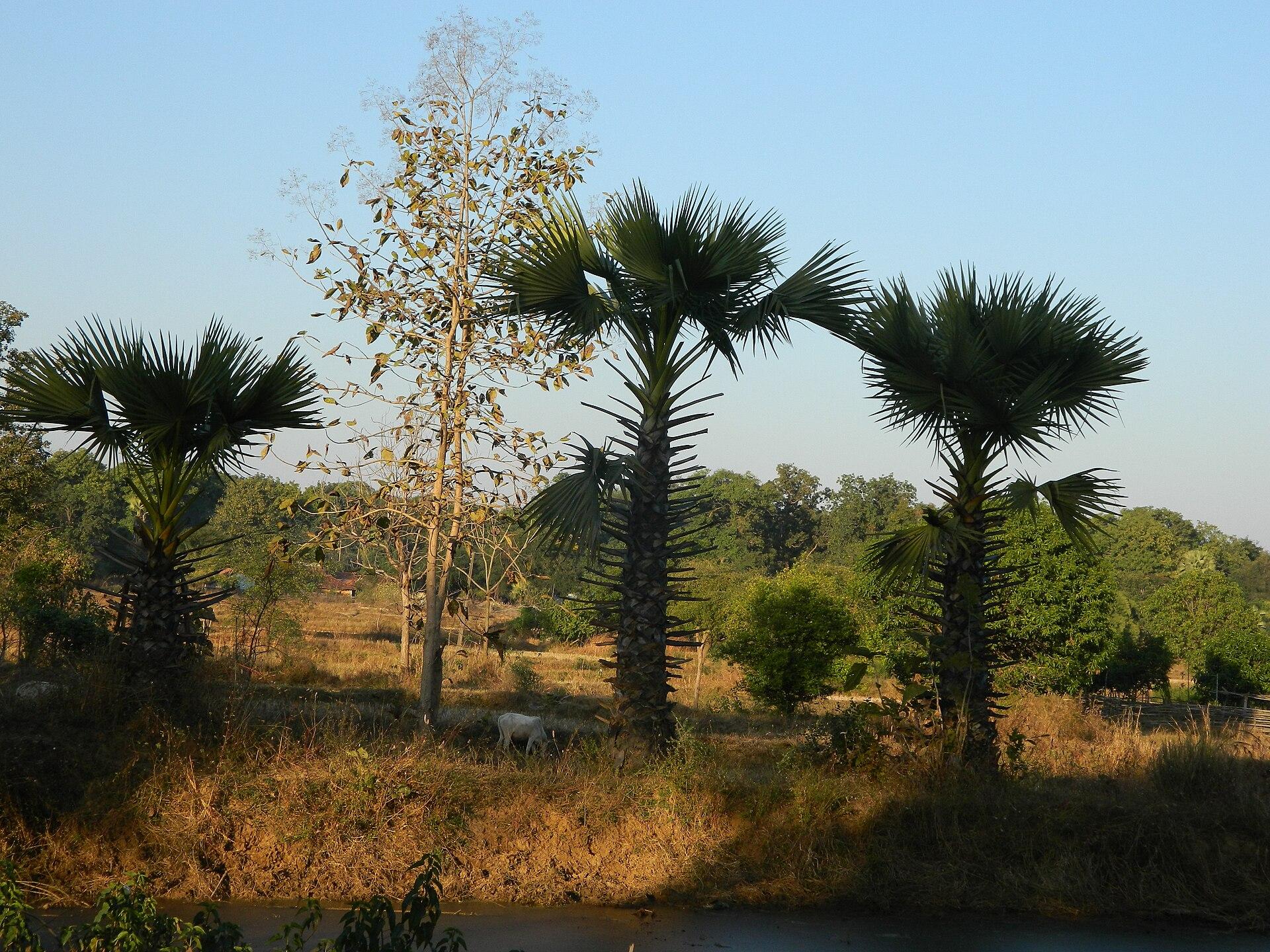
Wadadham Fossil Park Fossil Hunting Guide
Maharashtra, India
Dinosaur Bones, Dinosaurs, Sauropod remains, Plants