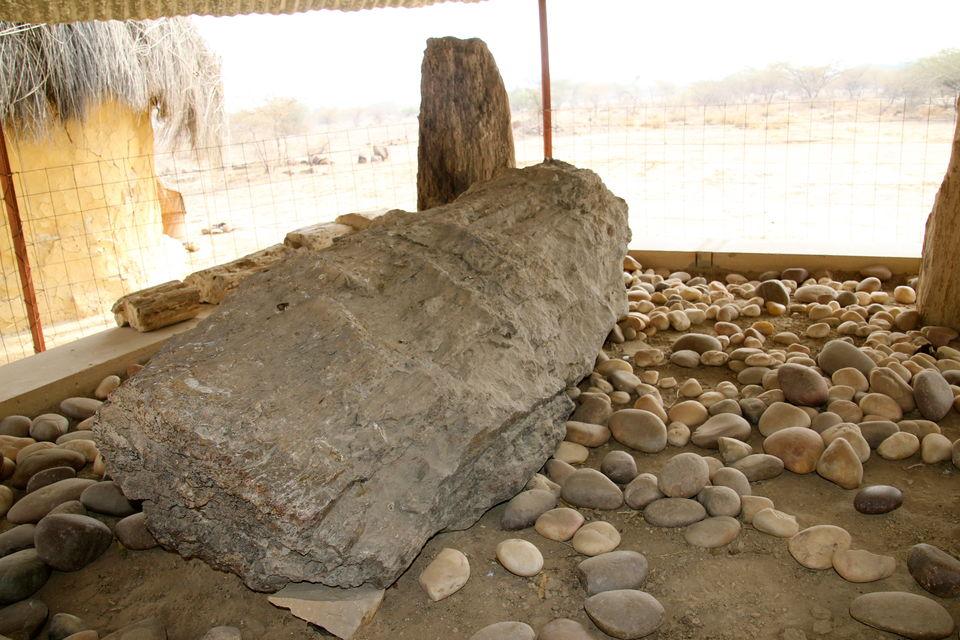
Akal Wood Fossil Park Fossil Hunting Guide
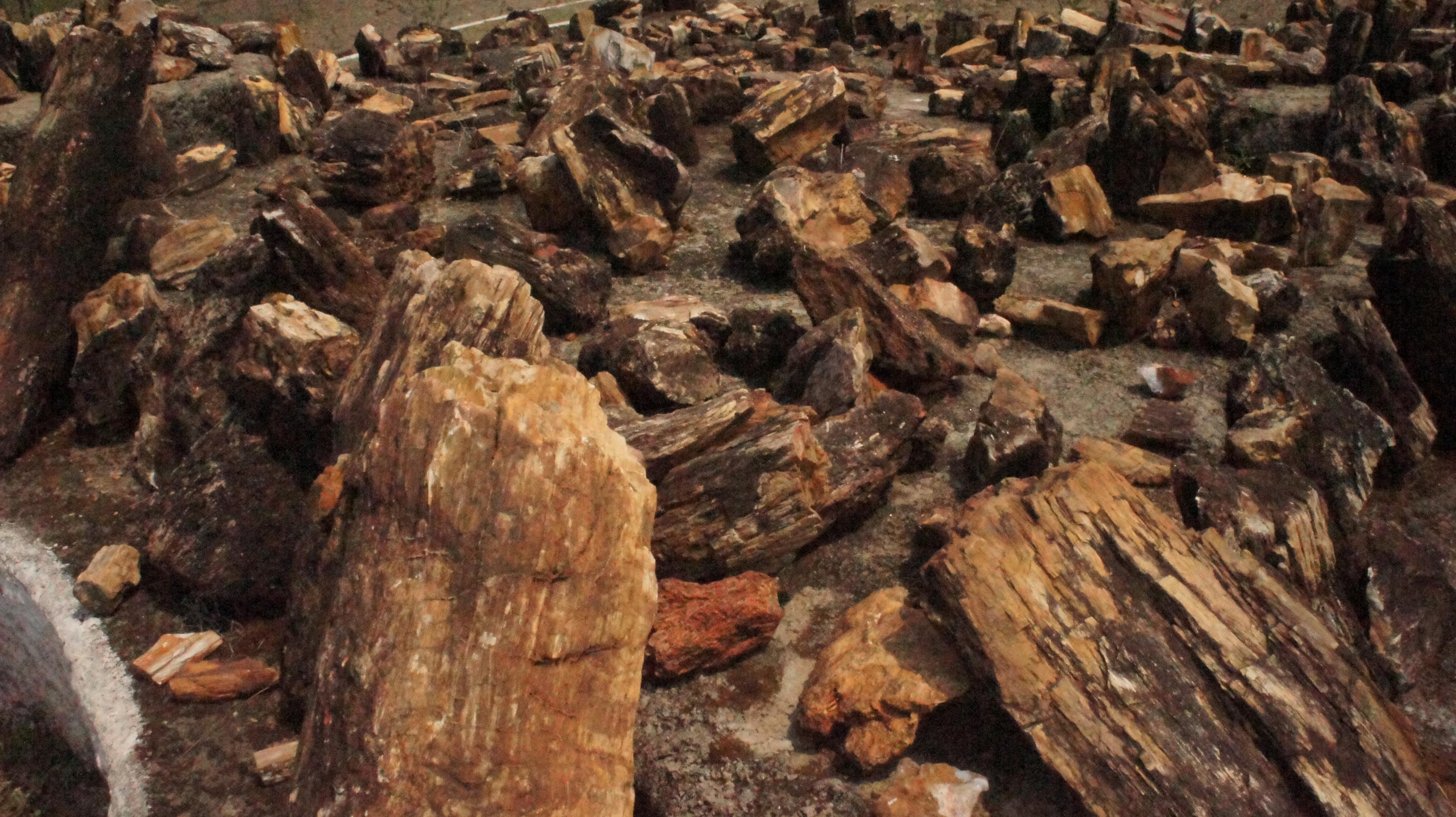
Image: Rajarshi MITRA (CC BY 2.0)
A 21-hectare protected park in the Thar Desert that preserves Early Jurassic petrified gymnosperm logs from a coastal forest that grew along a receding shallow sea 180 million years ago.
By Edward Chen · Updated 1 August 2026
Introduction
Akal Wood Fossil Park sits 17 kilometres southwest of Jaisalmer on the road to Barmer, in the arid heart of the Thar Desert. The 21-hectare fenced site preserves dozens of petrified gymnosperm logs, some up to 13 metres long, embedded in the desert pavement where they have weathered out of the Early Jurassic Lathi Formation. These trees grew in a coastal forest along a receding shallow sea roughly 180 million years ago, when this stretch of western India sat near the coast of the supercontinent Gondwana. The site was protected as a National Geological Monument by the Geological Survey of India in part to stop local villagers from breaking up the petrified logs for fuel and construction material. This guide covers how to reach the park from Jaisalmer, what visitors can see in the open-air enclosure, the geological setting of the Lathi Formation, and the strict no-collection rules that protect a small, exposed, slow-replenishing fossil resource.
Location and Directions
Akal Wood Fossil Park lies along the Jaisalmer-Barmer road (State Highway 15) about 17 kilometres southwest of Jaisalmer city. The drive takes around 30 minutes by car or hired taxi.
From Jaisalmer Fort, take the Sam Road south, then turn west onto the Barmer Road at the bypass roundabout. The park entrance is on the south (left) side of the road approximately 17 kilometres from the city, with a small brown sign marking the turnoff. The access road is paved and suitable for any vehicle.
Most visitors come as a half-day excursion from Jaisalmer. The site can be combined with a visit to Lodhruva (an old capital of the Bhati Rajputs, 15 kilometres further northwest) or with the Sam sand dunes (40 kilometres west).
The nearest airport and railhead are both in Jaisalmer, with daily flights from Delhi and Jaipur and trains from Jaipur, Delhi, and Bikaner. Hotel options range from luxury heritage properties inside the fort to modest guesthouses near the bus stand.
The park has a small visitor centre, a parking area, and a fenced enclosure with a walking circuit roughly 500 metres long. Total time on site is typically 45 to 90 minutes including the visitor centre.
Best time to visit is October through March, when daytime temperatures are 15 to 25°C. From April through June the desert is brutally hot (often above 45°C), and visiting is realistic only in the very early morning or late afternoon. The monsoon (July to September) brings short, intense rainfall, but the desert is generally accessible.
What Fossils You'll Find
The park's fossils are entirely in place. The walking circuit passes close to most of the major specimens. Off-trail movement is discouraged but the fence is open to the surrounding desert in places.
Petrified gymnosperm logs are the headline feature. The park contains approximately 25 large trunk specimens and dozens of smaller fragments. The largest specimen is a single log over 13 metres long, lying horizontally where it was buried in coastal sands during the Early Jurassic. Most logs are oriented in roughly the same direction, suggesting transport by a current before final burial. The wood has been replaced by silica (chalcedony and opaline material), preserving the original growth rings, knot patterns, and external bark texture in places.
The trees are predominantly gymnosperms, conifer and cycad-like forms typical of the Mesozoic flora of Gondwana. No angiosperms have been identified. Flowering plants had not yet evolved at the time these forests grew.
Fossilized gastropod shells are reported from the surrounding Lathi Formation sediments, though they are not the primary feature of the park. Visitors are unlikely to see invertebrate fossils on the marked trail. These occur in less-eroded outcrops outside the park boundary.
The interpretive centre holds a small collection of polished cross-sections cut from earlier specimens (before the no-collection rules took effect), showing the colour banding and ring structure to good effect.
Geologic History
The petrified wood at Akal is preserved in the Lathi Formation, the basal unit of the Jurassic sedimentary sequence in the Jaisalmer Basin. The Lathi consists mainly of medium- to coarse-grained sandstones, conglomerates, and silty mudstones deposited during the Early Jurassic, roughly 180 million years ago.
At that time, this part of India was on the southwestern coast of the supercontinent Gondwana, near the equator and bordered to the west by a shallow Tethyan sea that was beginning to open. The climate was warm, humid, and seasonally wet, a tropical setting that supported dense gymnosperm forests on the coastal plain. Rivers from the rising hinterland carried sediment and woody debris toward the coast, where rising sea levels periodically buried the forests under sand and silt.
The trees at Akal appear to represent one such burial event: a forest of large gymnosperms was buried in coastal sand, perhaps after a major storm or flood. Buried under oxygen-poor sediment and saturated with silica-rich groundwater, the wood was gradually replaced cell-by-cell with silica, preserving the original microscopic structure. The same process produced the petrified forests of Arizona's Chinle Formation and Patagonia's Cerro Cuadrado.
After Jurassic burial, the Lathi was overlain by progressively younger Mesozoic and Cenozoic sediments. The breakup of Gondwana through the Cretaceous and the eventual collision of India with Asia in the Cenozoic uplifted the Jaisalmer Basin and tilted the sequence. Modern desert erosion has now stripped most of the overburden and exposed the Lathi at the surface, where the silica-rich petrified logs resist weathering far better than the surrounding sandstone matrix and stand out as durable surface features.
How Akal Became a Fossil Collecting Site
The petrified logs of Akal have been known to local people for centuries. Villagers used the silica-rich wood as building material, boundary markers, and even fuel, silica wood burns poorly, but in a desert with limited firewood, anything that holds together as a log was historically useful.
The Geological Survey of India documented the site systematically in the 1970s and 1980s, recognizing that it represents the most accessible exposure of Early Jurassic petrified wood in northwestern India. The site was declared a National Geological Monument to halt local extraction and to protect the remaining specimens for scientific study and public education.
Management was transferred to the Rajasthan Forest Department in partnership with the GSI. A perimeter fence was constructed, a visitor centre added, and the major specimens were left in place rather than relocated to a museum. The decision to preserve the trees in situ rather than transport them was made specifically to maintain the original orientation and burial context, which carry information about the depositional environment.
No commercial collecting or excavation has ever been permitted within the park boundary. The exposed specimens are entirely the result of natural desert erosion.
Collecting Rules and Regulations
Collecting is strictly prohibited. Akal is a National Geological Monument under the protection of the Geological Survey of India, and the surrounding land is administered by the Rajasthan Forest Department. Removal of any natural material, including petrified wood fragments, is a criminal offence under the Antiquities and Art Treasures Act, 1972 and the Forest Conservation Act, 1980.
Practical rules:
- Examine the logs in place. Do not touch them or attempt to chip samples.
- Stay on the marked walking circuit. Off-trail movement disturbs unexposed specimens and is discouraged.
- Entry fees are nominal (typically 25 to 75 rupees for Indian visitors, 100 to 300 rupees for foreign visitors). Confirm current fees at the gate.
- Site hours are typically 9:00 to 17:00, daily. Hours may be reduced in summer when daytime temperatures are extreme.
- Carry plenty of water and sun protection. The walking circuit is entirely exposed, with no shade.
- Visit in early morning or late afternoon from April through September to avoid heat stress. Daytime temperatures regularly exceed 45°C from May through July.
- Wear sturdy closed-toe shoes. The desert surface is loose gravel and broken sandstone.
- Mobile phone coverage is intermittent. Carry water and tell someone in Jaisalmer where you are going.
- Watch for snakes (saw-scaled viper, Indian cobra) during the warmer months. Stay alert near the bases of logs and on rocky ground.
Safety
Akal is a fenced, managed park with paths and shelters over the main logs, so the site itself is straightforward. The Thar Desert around it is not.
Heat is the dominant risk. Summer temperatures in this part of Rajasthan regularly exceed 45 degrees Celsius, and there is almost no natural shade beyond the shelters. Visit early in the morning or late in the afternoon, avoid the middle of the day entirely from April through June, carry water, and cover your head. Heat exhaustion comes on quickly for visitors not used to desert conditions.
Sun and dust. Ultraviolet exposure is high and the light off pale sand is harsh, so use strong sun protection and sunglasses. Wind lifts fine dust, which is uncomfortable for contact-lens wearers and anyone with a respiratory condition, so a scarf is genuinely useful.
The ground is stony and uneven between the shelters, so wear closed shoes rather than sandals. Watch for snakes and scorpions in the warmer months, particularly around the base of rocks and logs, and do not put hands into gaps you cannot see into.
The park is 17 kilometres out of Jaisalmer on the Barmer road with no facilities nearby, so carry your own water and use facilities in town before setting out. The petrified logs are protected, and touching or climbing on them is not permitted, quite apart from being unsafe on weathered stone.
Sources
- "Akal Wood Fossil Park." Wikipedia. https://en.wikipedia.org/wiki/Akal_Wood_Fossil_Park
- Geological Survey of India. "National Geological Monuments of India." https://www.gsi.gov.in/
- Government of Rajasthan, Department of Tourism. "Akal Wood Fossil Park." https://www.tourism.rajasthan.gov.in/
- Government of India, Ministry of Culture. "The Antiquities and Art Treasures Act, 1972." https://www.indiaculture.gov.in/sites/default/files/acts_rules/TheAntiquitiesandArtTreasuresAct1972_12.03.2018.pdf (link no longer available)
Nearby sites
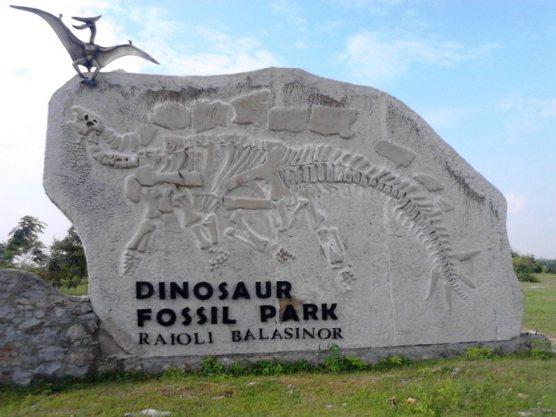 Raiyoli (Balasinor) Dinosaur Fossil ParkDinosaur Eggs, Dinosaur Bones
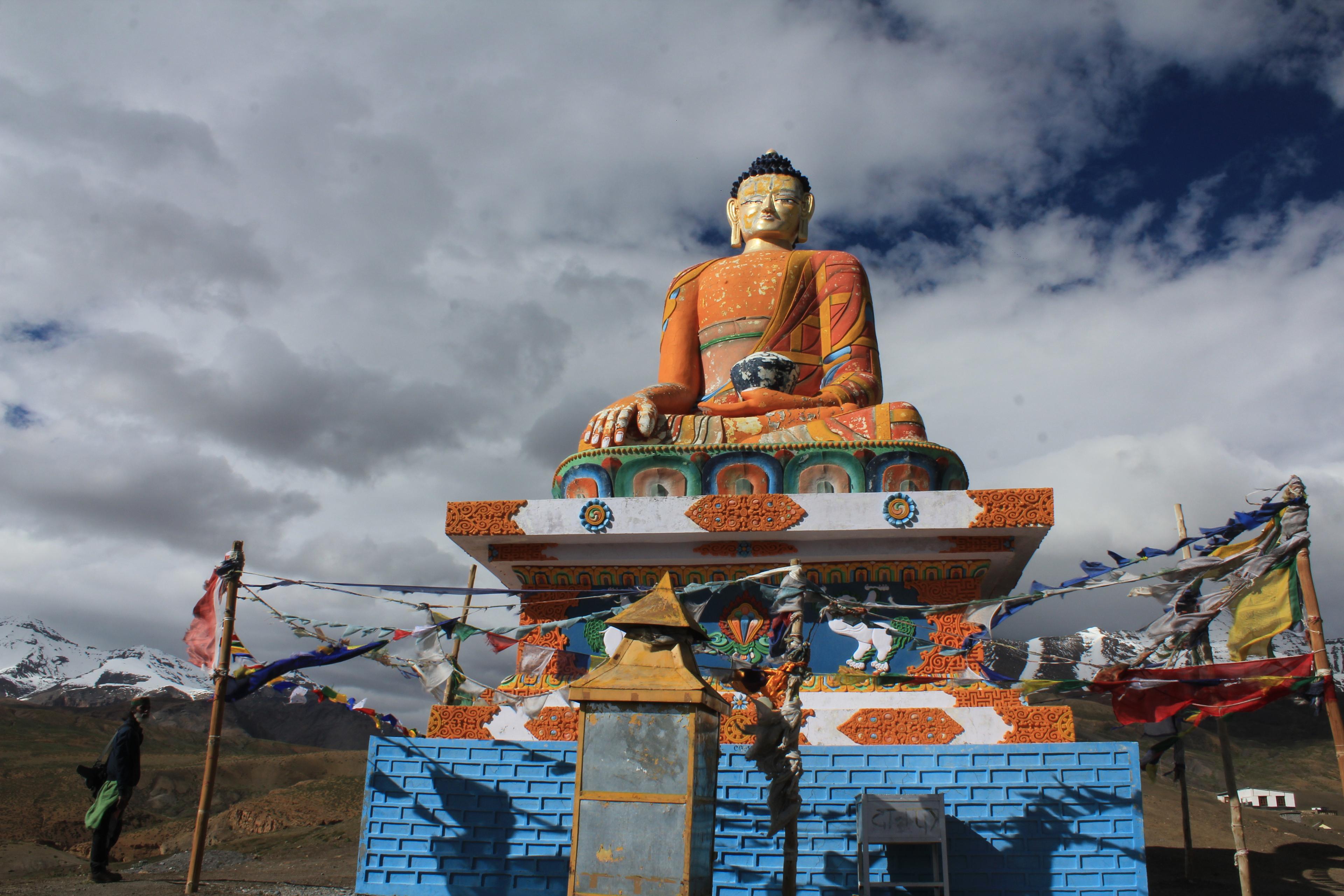 Spiti Valley: Shaligram Ammonites of the Tethys SeaAmmonites, Belemnites
 Lameta Geological Park Fossil Hunting GuideIsisaurus colberti, Jainosaurus septentrionalis
 Ghughua National Fossil Park Fossil Hunting GuidePetrified Wood, Seeds and Fruits