Bay Area Fossil Hunting Guide
Bay Area fossil hunting — sites within driving distance of San Francisco
Fossil hunting near San Francisco rewards collectors who know the geology of the central California coast. Within a day's drive of the Bay Area, the Miocene Monterey Formation crops out repeatedly along the Marin and Santa Cruz coast, the Briones Sandstone of Mount Diablo State Park preserves rich shell fossils, and the Late Miocene Purisima Formation at Half Moon Bay produces marine vertebrate material. This guide names the six most accessible sites, what each produces, what's legal to collect, and which formation is exposed at each.
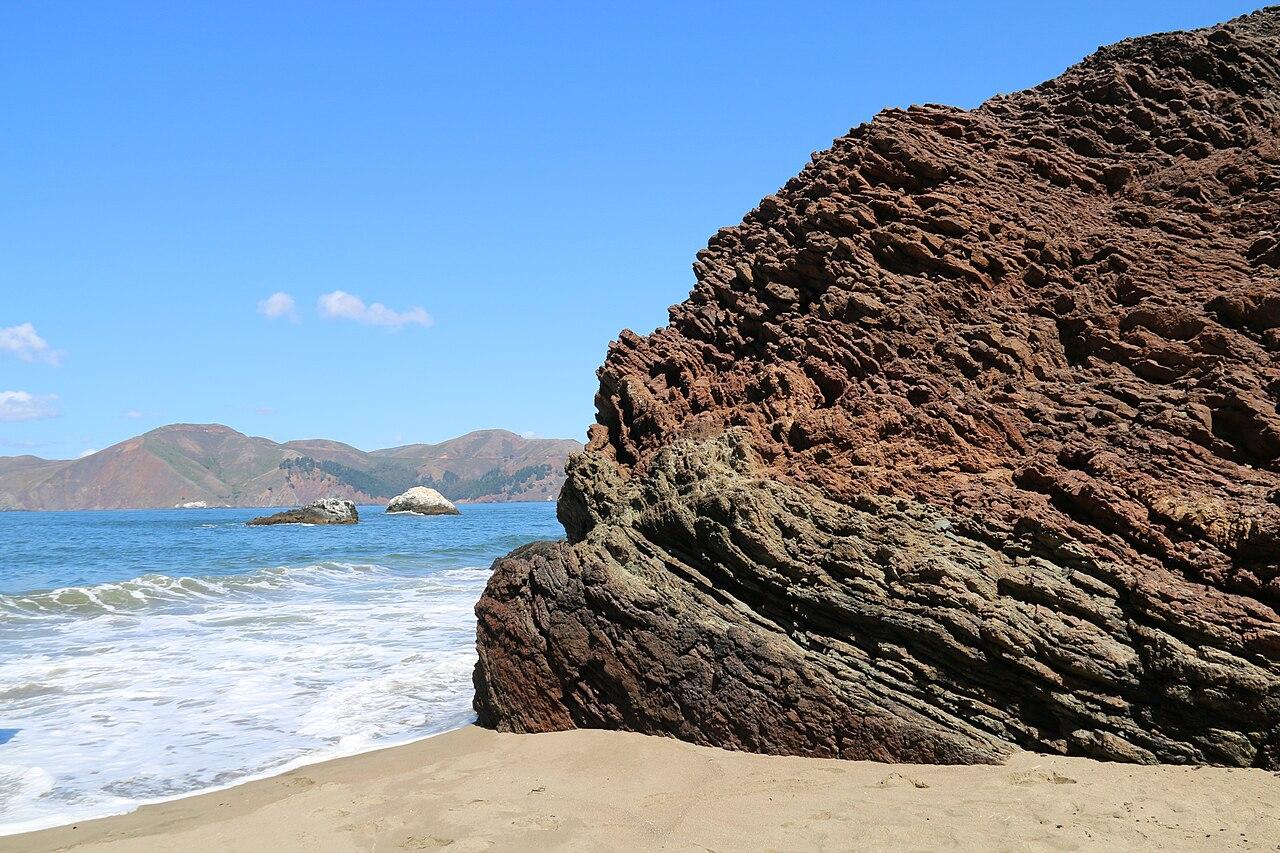
6 fossil sites
Updated 4 August 2026
Why the Bay Area is unexpectedly fossil-rich
The Bay Area sits at the western edge of a Miocene marine basin system that flooded much of central California between 23 and 5 million years ago. The Monterey Formation — the source of most of California's coastal hydrocarbons — was deposited under these seas as a siliceous, organic-rich mudstone, and it crops out along the Marin coast, the Santa Cruz Mountains, and the Santa Barbara Channel. Where the formation reaches the modern shoreline (Bolinas, Capitola, Jalama), winter storms continuously expose fresh material. The California Geological Survey's Geologic Map of California shows the Monterey Formation as the dominant Miocene unit across this corridor.
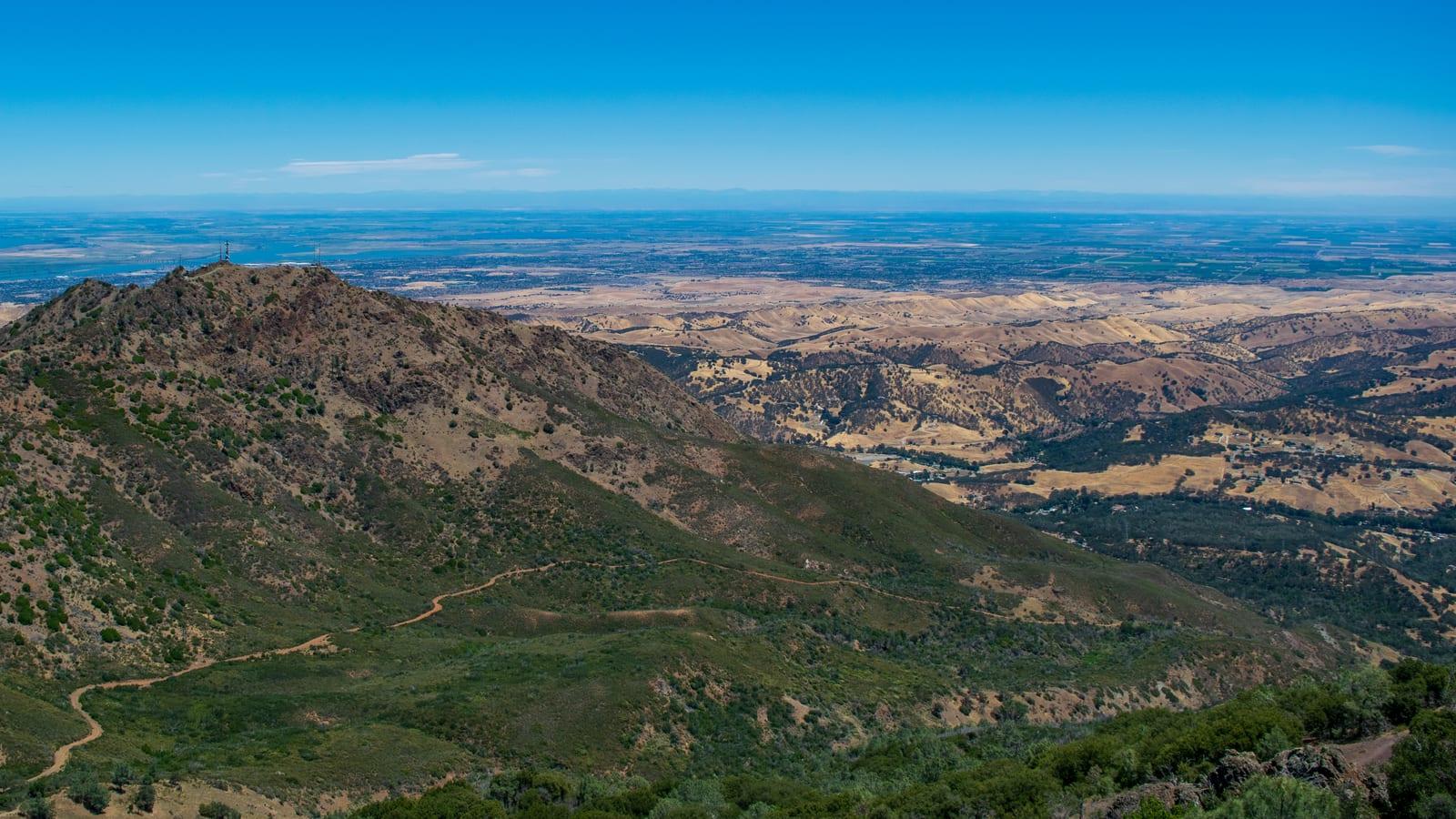
East of the central coast, the Mount Diablo block exposes a different sequence — the Miocene Briones Sandstone, which California State Parks describes as "particularly rich in shell fossils" in its Mount Diablo GeoGem Note, plus the Pleistocene Green Valley Formation with mastodon material. The mountain's summit building was deliberately constructed from fossiliferous sandstone blocks quarried within the park boundary. Together, the central California coast and the Mount Diablo block give Bay Area collectors a remarkably complete Miocene-to-Pleistocene marine record within a few hours' drive.
- 1
Find Fossils on Capitola Beach Fossil Hunting Guide
California, United States
Free collectingShark TeethBivalvesGastropodsCapitola Beach near Santa Cruz, about 75 miles south of San Francisco, exposes the Miocene Santa Cruz Mudstone (a member of the Monterey Formation family of siliceous shales) in the cliff base and wave-cut platform. Shark teeth, bony fish material, and occasional marine mammal fragments occur in loose scree at the cliff base. The beach is publicly accessible and no permit is required for surface collection of common invertebrate and shark-tooth material under the California State Parks coastal access rules; the underlying lithology and Miocene age are documented by the California Geological Survey. Best after winter storms, when wave action scours the platform clean of sand.
Read the full guide → - 2
Mt. Diablo Fossil Hunting Guide
California, United States
Viewing onlyClamsPectensOther shallow-marine invertebratesMount Diablo State Park, in Contra Costa County about 50 miles east of San Francisco, exposes a sequence including the Miocene Briones Sandstone — explicitly identified by California State Parks as 'particularly rich in shell fossils' — and the Pleistocene Green Valley Formation, which preserves mastodon material from the area's final emergence from the sea. The summit building was constructed in the 1930s from fossiliferous sandstone blocks quarried within the park, and marine fossils are visible directly in the building's walls. Collection inside the state park is prohibited; this is a viewing-only site.
Read the full guide → - 3
Half Moon Bay Fossil Hunting Guide
San Mateo County, California, United States
Viewing onlyBivalvesSand DollarsShark TeethThe cliffs and wave-cut platforms around Half Moon Bay, 30 miles south of San Francisco, expose the Late Miocene Purisima Formation — a siliceous mudstone-and-sandstone unit roughly 7 to 2.5 million years old that has yielded important Pliocene-age marine vertebrate material from the central California coast, including whale, dolphin, and shark fossils described in California Geological Survey publications. Public-beach surface collection of common invertebrate fossils and shark teeth is permitted under California State Parks rules; vertebrate material is restricted.
Read the full guide → - 4
Find Fossils at Bolinas Lagoon Fossil Hunting Guide
California, United States
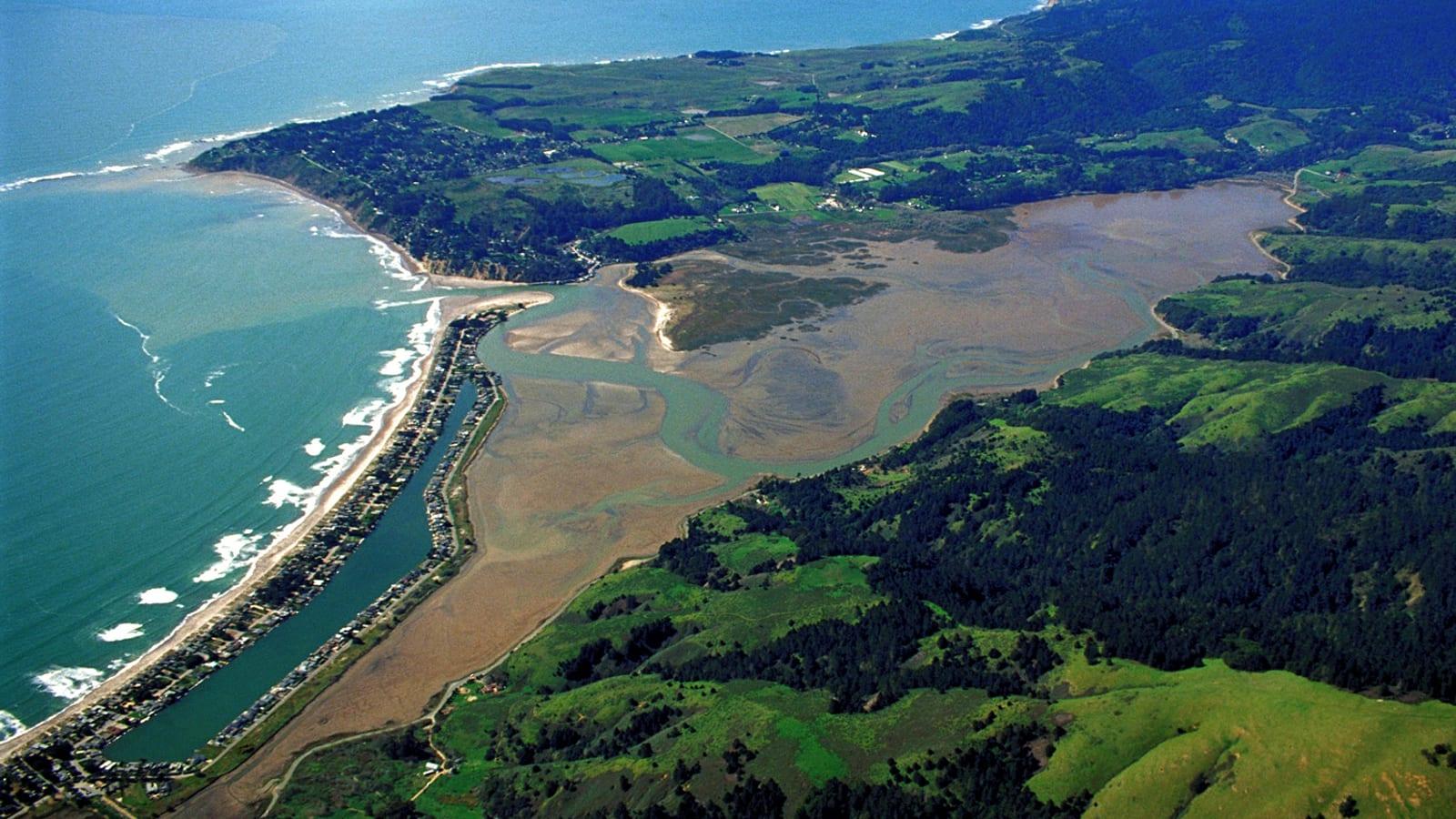
Viewing onlyFish VertebraeMarine Mammal FragmentsDiatomsBolinas Lagoon on the Marin coast, about a 45-minute drive north of San Francisco, sits at the western margin of the Point Reyes peninsula where the Miocene Monterey Formation siliceous shales are exposed along road cuts and the lagoon shore. The Monterey Formation produces diatoms, radiolarians, fish vertebrae, and occasional marine mammal fragments. The lagoon itself is a protected National Estuarine Sanctuary and collection there is prohibited; legal collecting is from road-cut exposures outside the protected zone.
Read the full guide → - 5
Rincon Point Fossil Hunting Guide
Santa Barbara County, California, United States
Viewing onlyBivalvesGastropodsRincon Point straddles the Santa Barbara / Ventura county line, about 320 miles south of San Francisco — a long day's drive but a popular weekend trip for Bay Area collectors heading down US-101. The shoreline platform exposes Pliocene-Pleistocene Santa Barbara Formation mudstones with abundant gastropods, bivalves, and occasional vertebrate material. Surface collection of common invertebrate material from the foreshore is permitted under California State Parks coastal access rules.
Read the full guide → - 6
Jalama Beach Fossil Hunting Guide
California, United States
Viewing onlyN/AJalama Beach is a Santa Barbara County park 15 miles south of Lompoc, accessible from US-101 — a 4–5 hour drive from San Francisco. The cliff sequence is the Miocene Monterey Formation, finely laminated siliceous shale roughly 16 to 7 million years old. The Santa Barbara Museum of Natural History runs field trips here for fish, gastropod, bivalve, bird, and marine mammal fossils from the late Miocene to early Pliocene. Petrified whale bone has been recovered on the beach. Camping is available at the county campground for multi-day collecting trips.
Read the full guide →
Frequently asked questions
- Where can I go fossil hunting in San Francisco and the Bay Area?
- Within driving distance of San Francisco, the most accessible sites are Capitola Beach (Miocene Santa Cruz Mudstone, ~75 miles south), Half Moon Bay (Late Miocene Purisima Formation, ~30 miles south), Mount Diablo State Park (Miocene Briones Sandstone, ~50 miles east, viewing only), and Bolinas Lagoon (Miocene Monterey Formation, ~45 minutes north). For a longer trip, the Monterey Shale at Jalama Beach (Santa Barbara County) and the Santa Barbara Formation at Rincon Point are reachable as a weekend down US-101. All these sites have the formation, age, and access status documented by the California Geological Survey, California State Parks, or the Santa Barbara Museum of Natural History.
- Are there any free fossil sites near San Francisco?
- Yes. Capitola Beach, Half Moon Bay's public beaches, and Bolinas Lagoon road-cut exposures (outside the protected estuarine sanctuary) are all free to access. Surface collection of common invertebrate fossils and shark teeth from loose foreshore material is permitted under California State Parks coastal access rules without a permit, but the cliff faces themselves may not be dug or chiselled. Mount Diablo is also free to enter for the day-use fee but collecting inside the state park is prohibited — it is a viewing site only.
- Can I keep fossils I find near San Francisco?
- It depends on where you collected them and what they are. Common invertebrate fossils and shark teeth collected from loose foreshore material at public beaches like Capitola, Half Moon Bay, and Jalama can be kept under California State Parks coastal-access conventions. Vertebrate fossils (whale bone, marine mammal teeth, fish skeletons) recovered from state-park land are restricted — if you find something significant, photograph it and contact the California Geological Survey or a regional museum (Santa Barbara MNH, California Academy of Sciences) for guidance. Inside National Park Service units (Cabrillo, Golden Gate NRA) and Mojave National Preserve, all fossil collection is prohibited under the Paleontological Resources Preservation Act.
- What is the closest fossil site to San Francisco?
- Bolinas Lagoon on the Marin coast is the closest documented fossil locality — roughly a 45-minute drive north from San Francisco across the Golden Gate Bridge. The Miocene Monterey Formation is exposed in road cuts and along the lagoon margins, producing fish vertebrae, diatomite layers, and microfossil-bearing shale. Collection inside the protected estuarine sanctuary is prohibited; legal collecting is restricted to public road-cut exposures outside the sanctuary boundary. For the closest collecting-permitted beach site, Half Moon Bay is about 30 miles south of the city.
Recommended resources
- California Geological Survey — State geological survey publishing the Geologic Map of California and formation-by-formation documentation used throughout this guide.
- California State Parks — Manages Mount Diablo State Park (GeoGem Note 8 documents the park's Briones Sandstone and Green Valley Formation fossils) and the beach access points for Capitola, Half Moon Bay, and the central coast.
- Santa Barbara Museum of Natural History — Earth-sciences division runs guided fossil field trips to Jalama Beach and curates regional collections from the Monterey Formation.
More California guides
- 8 best fossil hunting sites in California — statewide picks from La Brea to Shark Tooth Hill
- All documented California fossil sites — full site directory filtered by state