Cabrillo National Monument Fossil Hunting Guide
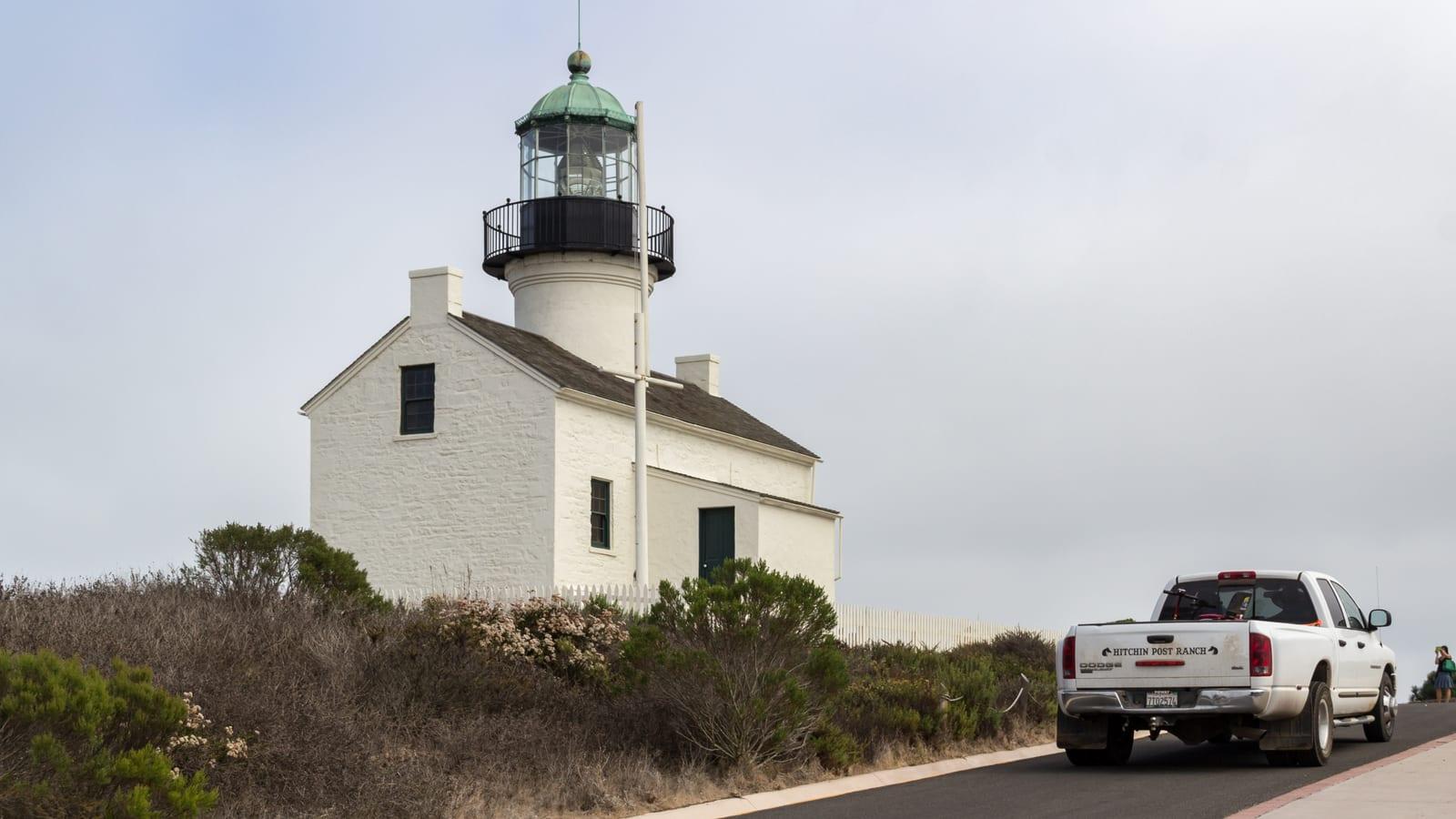
Image: Bernard Gagnon (CC BY-SA 3.0)
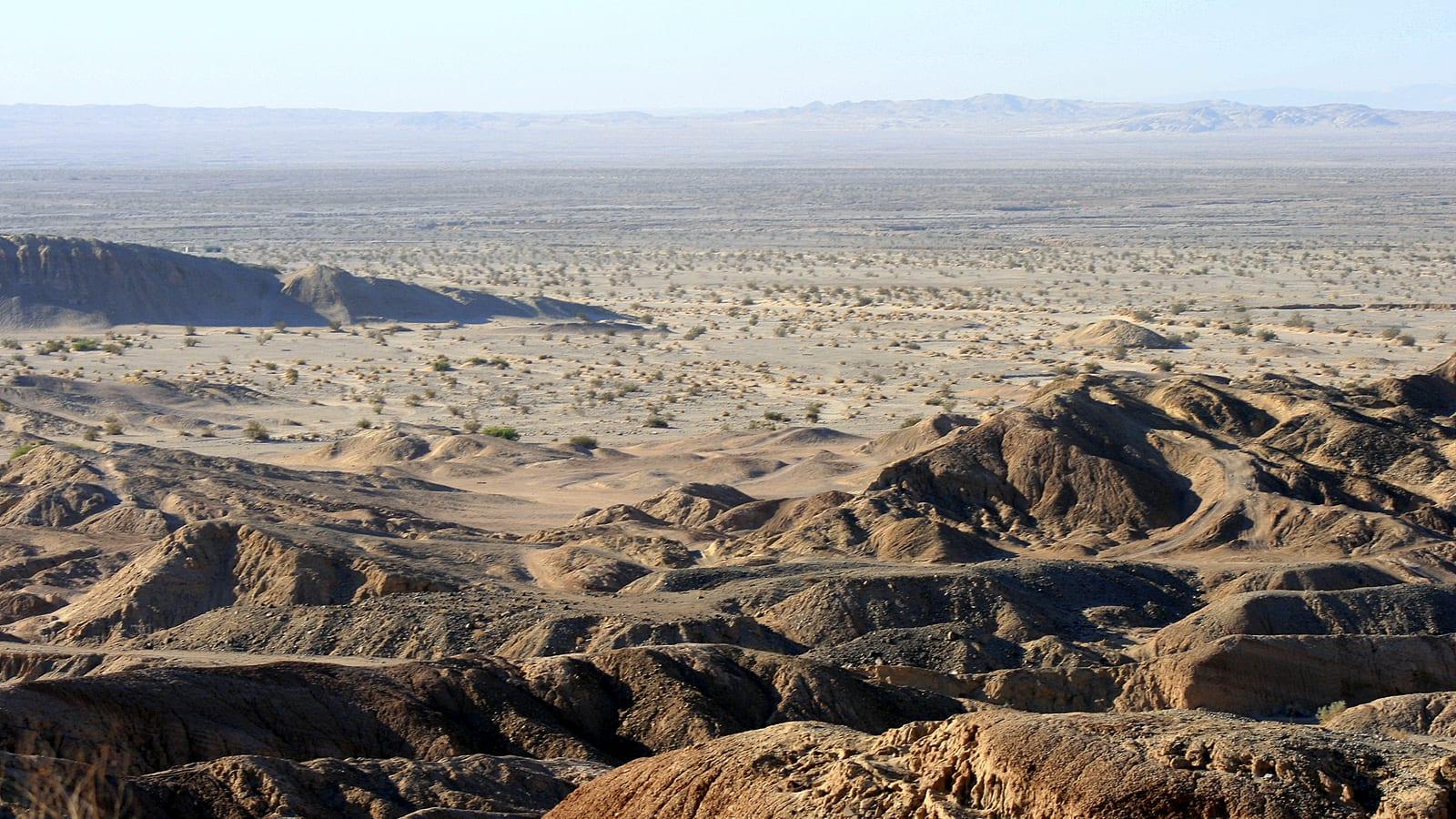
Geology : The geologic history of Cabrillo National Monument is dominated by two periods of time – when the rocks formed, and when they were uplifted and shaped into the peninsula we see today.
By Edward Chen · Updated 3 August 2026
Introduction
Cabrillo National Monument occupies the tip of the Point Loma peninsula at the southern end of San Diego, and the rocks that make up that peninsula are among the most fossil-rich Late Cretaceous exposures accessible to the public in southern California. The Point Loma Formation, approximately 76 million years old, is exposed in the tidal zone and cliff faces on the monument's west side, and it preserves an unusually complete snapshot of a Late Cretaceous seafloor community. Collecting is prohibited, this is a National Park Service unit, but the fossils are large enough to see clearly without any tools. Trace fossils in particular are visible at near-eye level on cliff faces and tidal-flat surfaces, and on a low-tide visit the variety of structures exposed across the platform can keep a careful observer occupied for a full morning. The monument also has a working lighthouse, World War II gun emplacements, and a visitor centre, so the geology is one component of a broader half-day visit.
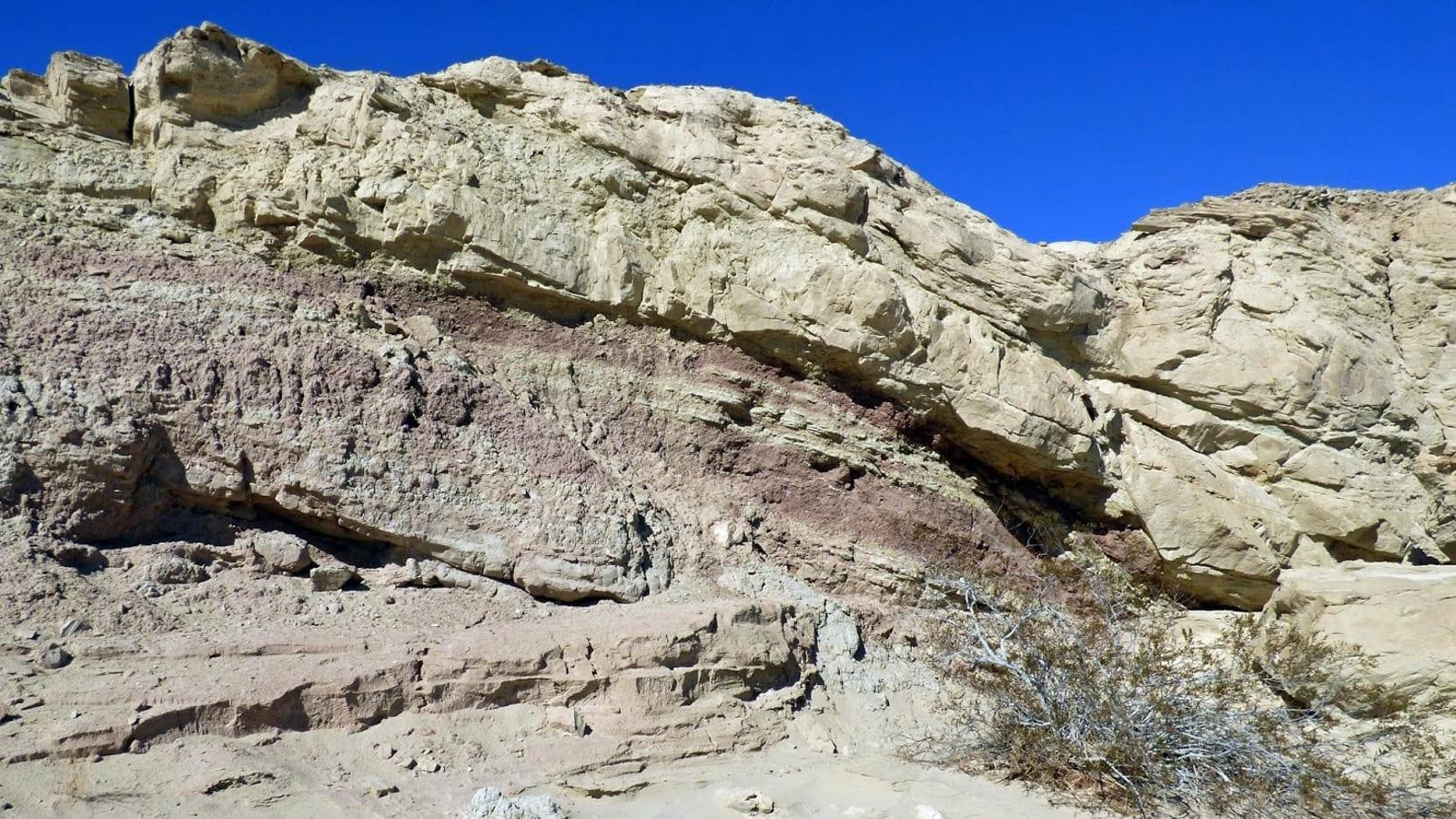
 Photo: Zimbres ---Credit to Eurico Zimbres, CC BY-SA 3.0, via Wikimedia Commons
Location and Directions
Cabrillo National Monument is located at 1800 Cabrillo Memorial Drive, San Diego, CA 92106, at the southern tip of the Point Loma peninsula.
By car from central San Diego, take Interstate 8 west to the Nimitz Boulevard exit and follow signs for Point Loma and Cabrillo National Monument. The drive is approximately 10 miles (16 km) from downtown San Diego and takes 20 to 30 minutes depending on traffic. The monument entrance fee is approximately $20 per vehicle, valid for seven days. NPS America the Beautiful annual passes are accepted. Motorcycles pay approximately $15. Walk-in and bicycle entry is approximately $10 per person.
By public transport, MTS Bus Route 84 serves Cabrillo National Monument on weekdays only (Monday through Friday), with hourly stops at the Visitor Center complex. The bus does not run on weekends or holidays. Check the San Diego Metropolitan Transit System website (sdmts.com) for current schedules and stop locations.
The tidal zone on the western face of the monument is accessible via a trail from the Bayside Trail parking area. Check tide predictions for Point Loma before visiting, the San Diego NOAA tide gauge is the relevant reference. A low tide below 0.5 metres (1.6 feet) exposes the most productive sections of the tidal platform. Bring footwear that can get wet. The platform surface is uneven and there are shallow pools. Plan to arrive at least an hour before predicted low tide.
 Photo: Zimbres ---Credit to Eurico Zimbres, CC BY-SA 3.0, via Wikimedia Commons
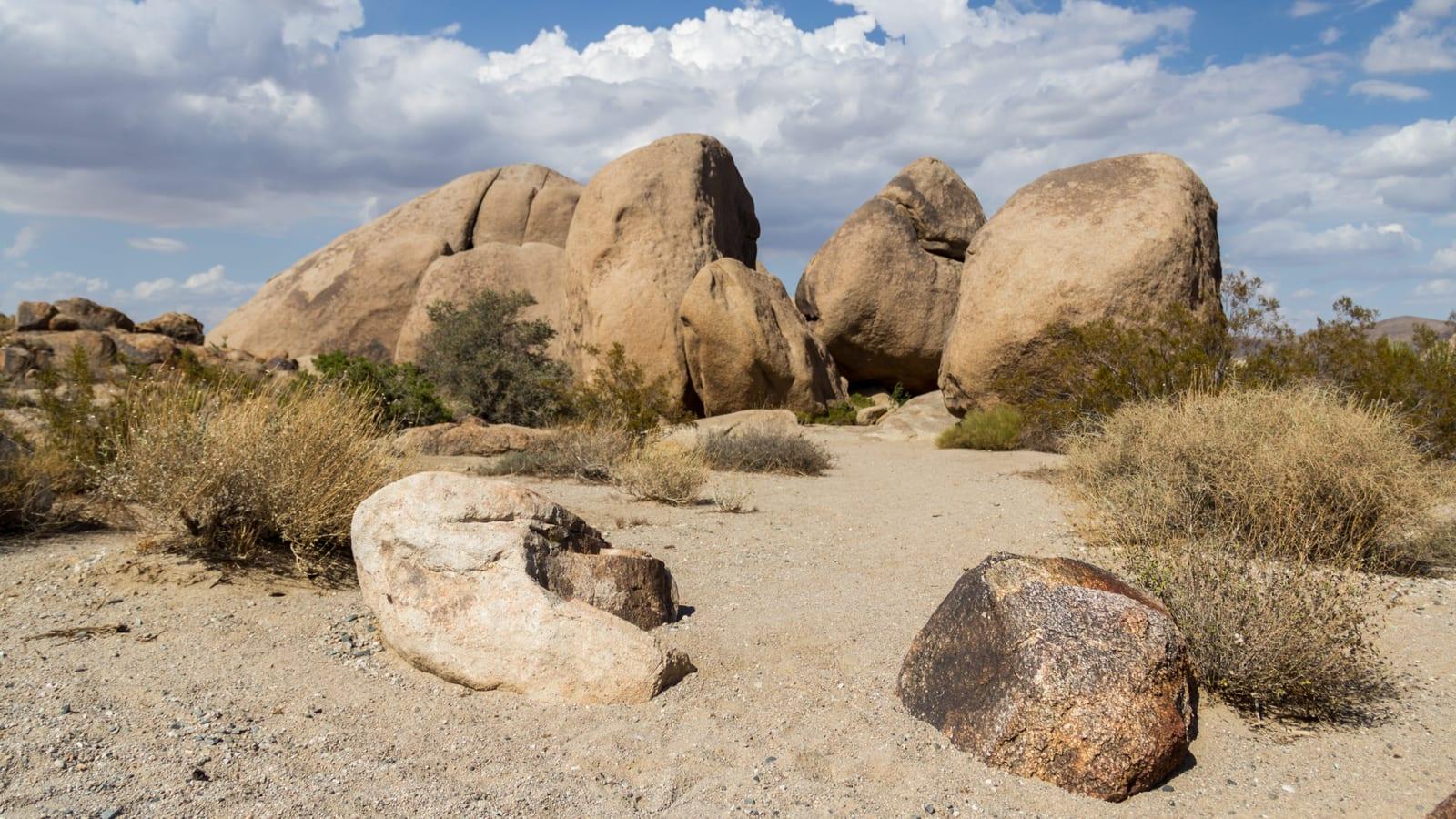
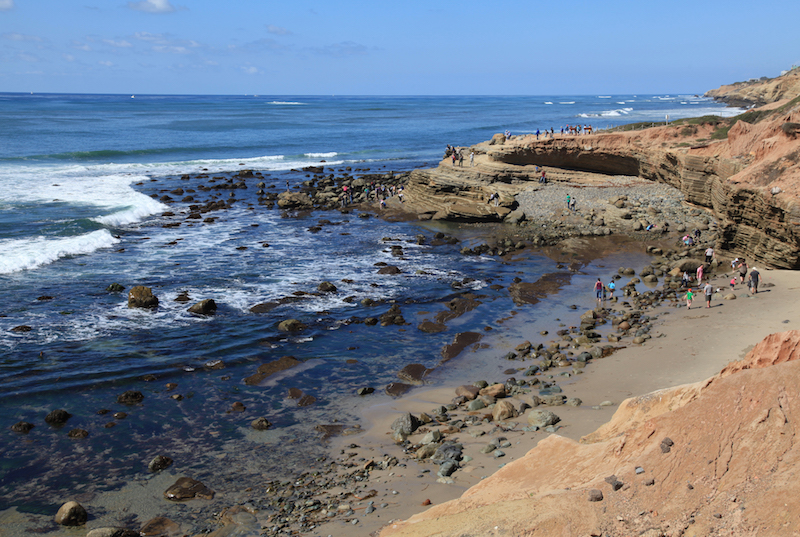 Photo: NPS Photo / Dan Zeller, public domain, via National Park Service
What You'll See
The Point Loma Formation at Cabrillo preserves both body fossils and an exceptionally well-developed trace fossil suite. The trace fossils are the highlight, visible on vertical cliff faces and horizontal platform surfaces without any digging.
- Ophiomorpha burrows. The most conspicuous fossil at the site. These are the preserved burrows of Cretaceous ghost shrimp (Callianassa-like crustaceans), identifiable by their knobby, pelleted wall texture and roughly cylindrical form, 3 to 5 centimetres in diameter. Burrow systems branch repeatedly and can extend over several metres of cliff face. The pellet texture on the burrow wall is caused by the shrimp lining its tunnel with faecal pellets to stabilise the sediment.
- Thalassinoides burrows. A second, smaller type of crustacean burrow, smoother-walled and more regularly branching than Ophiomorpha. Thalassinoides systems appear as Y- and T-shaped junctions on bedding plane surfaces and represent a different ecological strategy, a more open, shallowly-buried burrow network versus the deep reinforced shafts of Ophiomorpha.
- Inoceramid bivalves. Large ribbed clam shells embedded in the tidal-zone rock faces. Inoceramids were characteristic Late Cretaceous marine bivalves. Their shells reach 10 to 20 centimetres across and have a distinctive radiating ribbed surface and characteristic pearly, fibrous shell structure that weathers distinctively on exposed surfaces.
- Shark teeth. Rare but occasionally found in loose material in tidal pools. Most are fragmentary. Complete teeth are uncommon and typically small.
Geologic History
The Point Loma Formation was deposited approximately 76 million years ago, in the Campanian stage of the Late Cretaceous Period. At that time, the San Diego area lay at the edge of the Western Interior Seaway's Pacific margin, and a turbidite system, submarine slope fans built from sediment gravity flows, was depositing thick sequences of sand and mud in deep water offshore from an emerging island arc and coastal range.
The burrow-rich beds at Cabrillo represent the shallower, better-oxygenated portions of this depositional system, where benthic communities of burrowing crustaceans, bivalves, and mobile invertebrates colonised sandy and muddy substrates between turbidity current events. The density and diversity of the trace fossil suite indicates that bottom-water oxygen levels were sufficient to support a varied macrobenthos, a useful contrast with the anoxic conditions that produced the Monterey Formation deposits further north.
After deposition, the Point Loma Formation was buried under younger Cretaceous and Cenozoic sediments, then uplifted and tilted by compressional and strike-slip tectonics during the Miocene and Pliocene as the San Andreas Fault system developed. Ongoing coastal erosion at Point Loma, at an average rate of several centimetres per year, continuously re-exposes fresh sections of the formation along the cliff face and tidal platform.
 Photo: Credit to Eurico Zimbres Zimbres, CC BY-SA 3.0, via Wikimedia Commons
Visiting Rules and Regulations
Cabrillo National Monument is administered by the National Park Service. Federal law prohibits the collection or removal of any natural object, including fossils, rocks, and shells, from any NPS unit. This applies to every part of the monument including the tidal zone, cliff faces, and trails.
Do not attempt to remove or loosen any fossil material. Do not use tools of any kind on rock surfaces. Photography and documentation are unrestricted and actively encouraged by the monument's interpretive programme. If you observe what appears to be a significant or newly exposed fossil feature, for example, articulated vertebrate bones or a newly collapsed cliff section with exposed material, report it to the visitor centre staff rather than attempting to collect or mark it yourself.
The tidal platform involves uneven footing, submerged rocks, and shallow pools. Wear appropriate footwear and be aware of incoming swells, particularly in winter. Stay on the designated trails when approaching the tidal zone. The visitor centre, open daily, has interpretive exhibits covering the Cretaceous geology and palaeontology of Point Loma and is worth 30 minutes before or after the tidal walk. Allow approximately 2 hours for a full visit including the tidal zone, the lighthouse area, and the visitor centre.
Safety
Cabrillo sits at the tip of Point Loma, and its two attractions, the cliff-top views and the tide pools below, carry quite different risks.
The tide pools are the main hazard. The rocky intertidal is reached by a steep path and is accessible only around low tide. Check a tide table, go on a falling tide, and be off the rocks before the water turns, since the way back can be cut off. The rock is slick with algae and cut by channels, waves surge across the platform without warning, and people are injured here regularly. Never turn your back on the sea, and wear closed shoes with grip.
Stay back from the cliff edges. The bluffs are weak, undercut sandstone and mudstone that collapse without warning. Remain behind fences and on marked paths, and do not climb down to reach an exposure.
The tide pool area is a protected marine reserve. Nothing may be collected, moved permanently, or taken, including rocks and fossils, and rangers enforce this. Look, photograph, and return anything you lift to exactly where it was.
Note the practicalities. The monument sits inside an active naval installation, so you pass through a controlled entrance and the gates close at set times. Check hours before travelling, particularly for the tide pool road, which has its own seasonal schedule. Sun exposure on the point is strong even on cool days, and there is little shade.
Sources
- National Park Service. "Geology of Cabrillo National Monument." https://www.nps.gov/cabr/learn/nature/geology.htm
- National Park Service. "Life on the Rocks: Point Loma's Preserved Past." https://www.nps.gov/cabr/blogs/life-on-the-rocks-part-2-point-loma-s-preserved-past.htm
- Kennedy, M.P., and Moore, G.W. "Stratigraphic relations of Upper Cretaceous and Eocene formations, San Diego coastal area, California." AAPG Bulletin, 1971.
- Kern, J.P. "Paleontology and depositional environments of the Point Loma Formation, San Diego County, California." San Diego Society of Natural History Transactions, 1973.