China Fossil Site Guide
7 Best Fossil Sites in China
China protects its great fossil deposits in place, under roofs and inside geoparks. None of the seven sites in this guide allows collecting, and China's 2010 Regulation on the Protection of Paleontological Fossils makes removal and export illegal. What you get instead is bone and soft tissue still in the rock where it was buried. The list runs from the 520-million-year-old Chengjiang biota to the Jehol feathered dinosaurs at Sihetun, with Triassic sea reptiles and Jurassic bonebeds in between. Admission varies: the Chengjiang museum is free, Lufeng sells a scenic-area ticket, Zigong charges, and three sites publish nothing you can check in advance. Telephone the county culture and tourism bureau before a long drive.
7 fossil sites
Updated 12 October 2026
Why China holds so many Lagerstätten
Each of these sites exists because something stopped the decay. At Chengjiang, storms swept shelf animals into oxygen-poor water and buried them in mud fine enough to record guts, gills and eyes as films. Those beds, in the Yu'anshan Member of the Chiungchussu Formation, are 520 to 515 million years old, roughly 10 million years before the Burgess Shale. The two Triassic sites worked differently, and both lay in semi-enclosed, low-oxygen basins on the Yangtze Platform. At Luoping, microbial mats sealed carcasses on the limestone surfaces, and 99 percent of the counted specimens were complete. At Guanling, sedimentation ran slowly on a drowned platform margin, and anoxic bottom water kept skeletons articulated over a long span of time.
The Jurassic sites are terrestrial, and the rock is red. Lufeng sits on an intermontane lake and floodplain system, and most of its articulated sauropodomorphs were buried in fine overbank mudstone with little post-mortem transport. Dashanpu is the opposite case, a channel bonebed where many animals lie jumbled in a single bed. Both Dashanpu and Yunyang expose the lower Shaximiao Formation, which carries disproportionate weight because Middle Jurassic rock is scarce worldwide. A zircon sample from below the Yunyang bone horizon gave a maximum depositional age of 166.0 plus or minus 1.5 million years. The youngest site is Sihetun, where Early Cretaceous rift lakes in western Liaoning were blanketed by fine volcanic ash close to 124.6 million years ago.
- 1
Sihetun Fossil Dig Site Guide
Liaoning, China
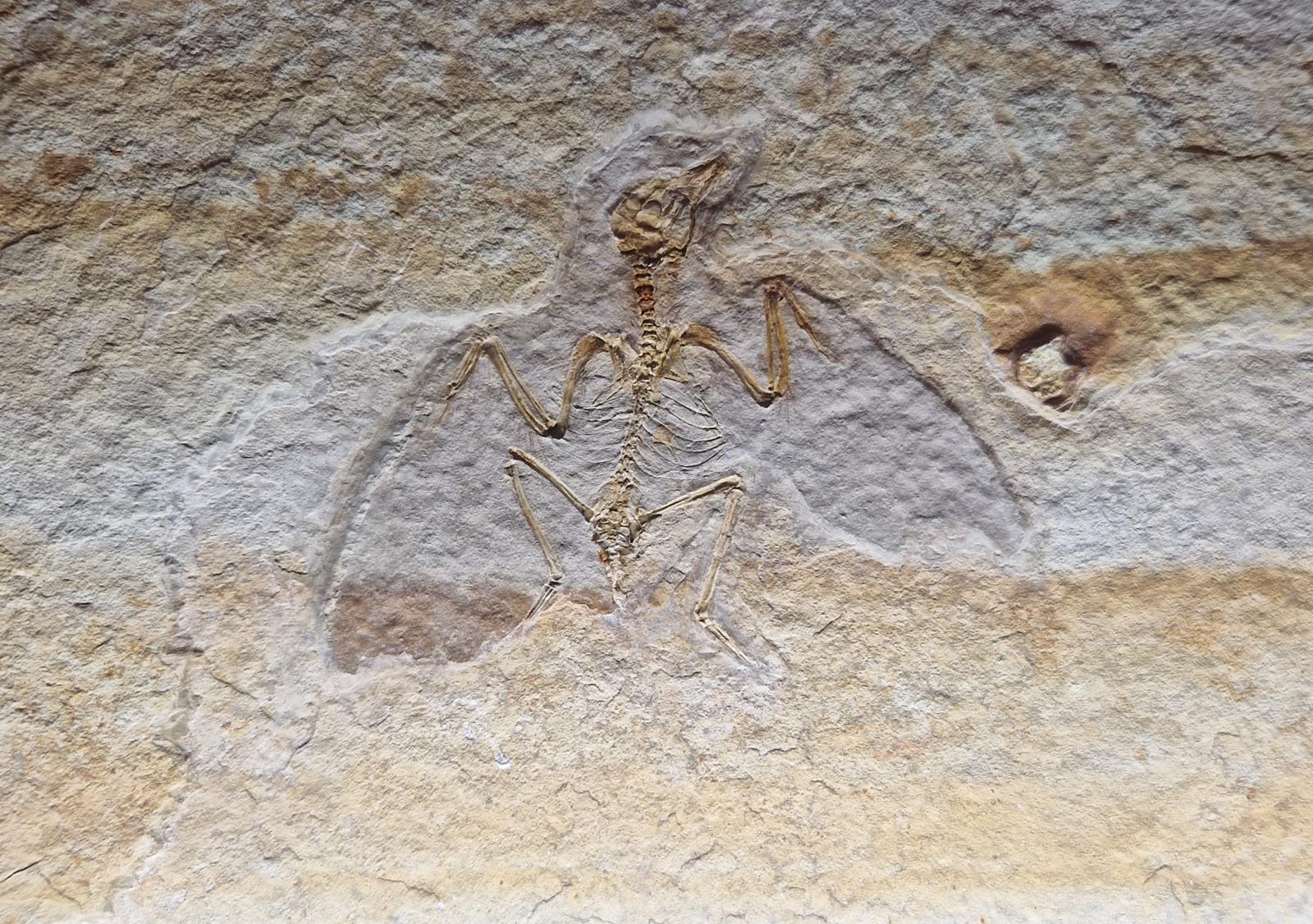
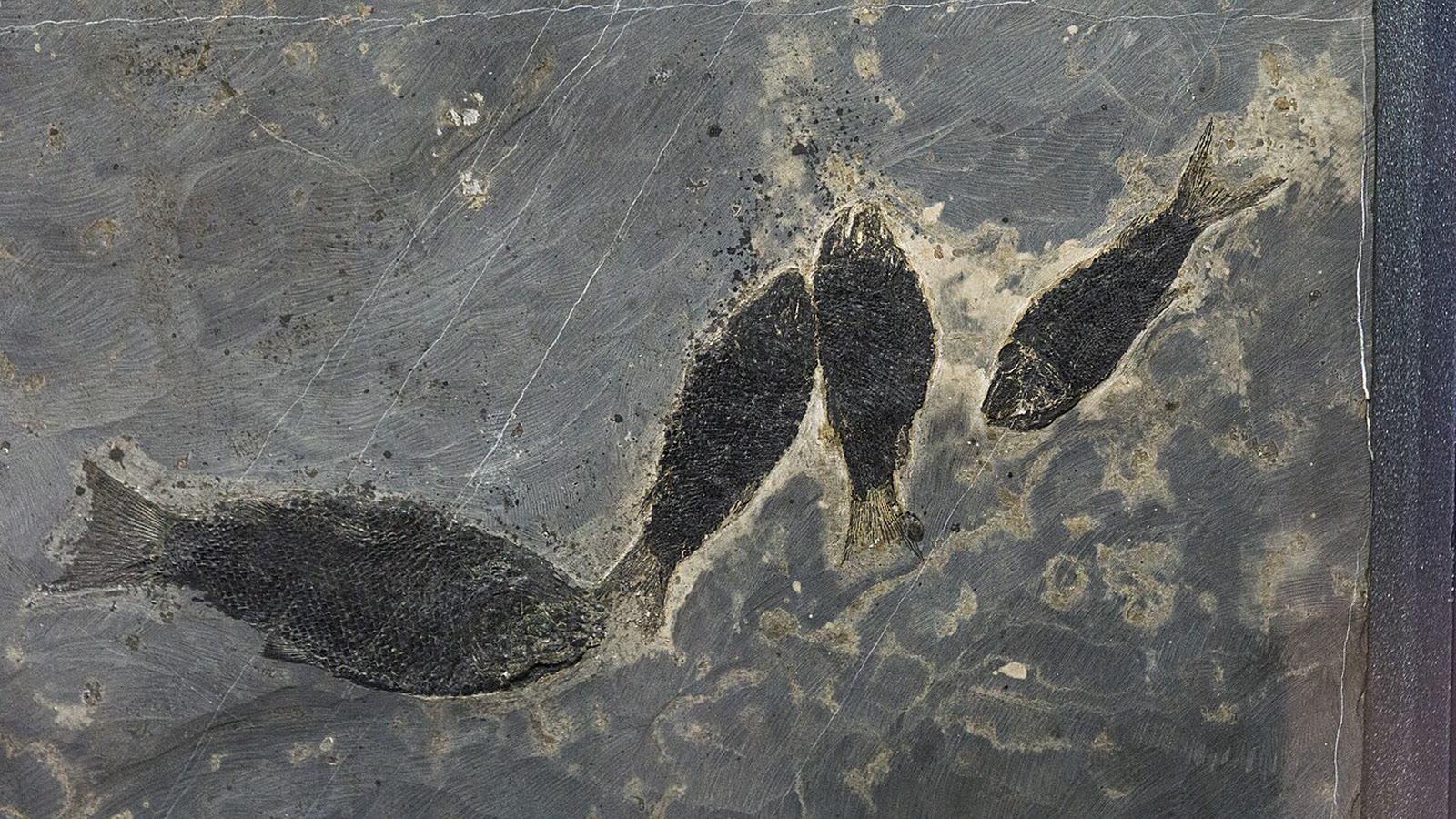
Viewing onlyFeathered dinosaursEarly birdsPterosaursIn 1996 a farmer split a slab of shale above Sihetun and found the first feathered non-avian dinosaur ever described. Rather than empty the site, the authorities roofed it, and about 26 partly excavated specimens stay in the bedding planes where they died. Raised walkways look down on dig faces holding parrot-faced ceratopsians, early birds with feather impressions, salamanders with skin outlines and mass-mortality fish layers. Entry was around 60 to 80 yuan at last report, hours run roughly 08:30 to 17:00, and winter hours are reduced. Collecting is illegal anywhere on the Yixian and Jiufotang outcrops in this area, and so is buying slabs from villagers.
Read the full guide → - 2
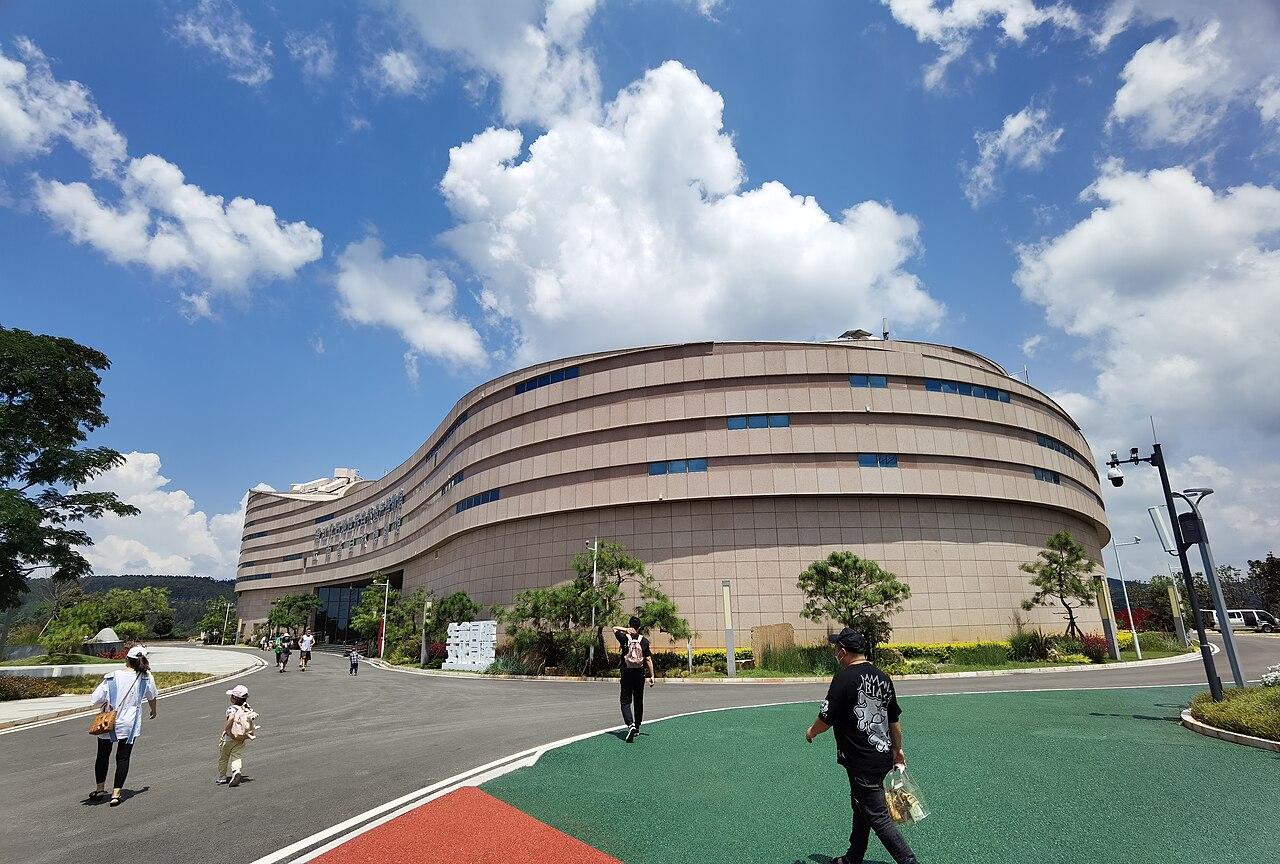
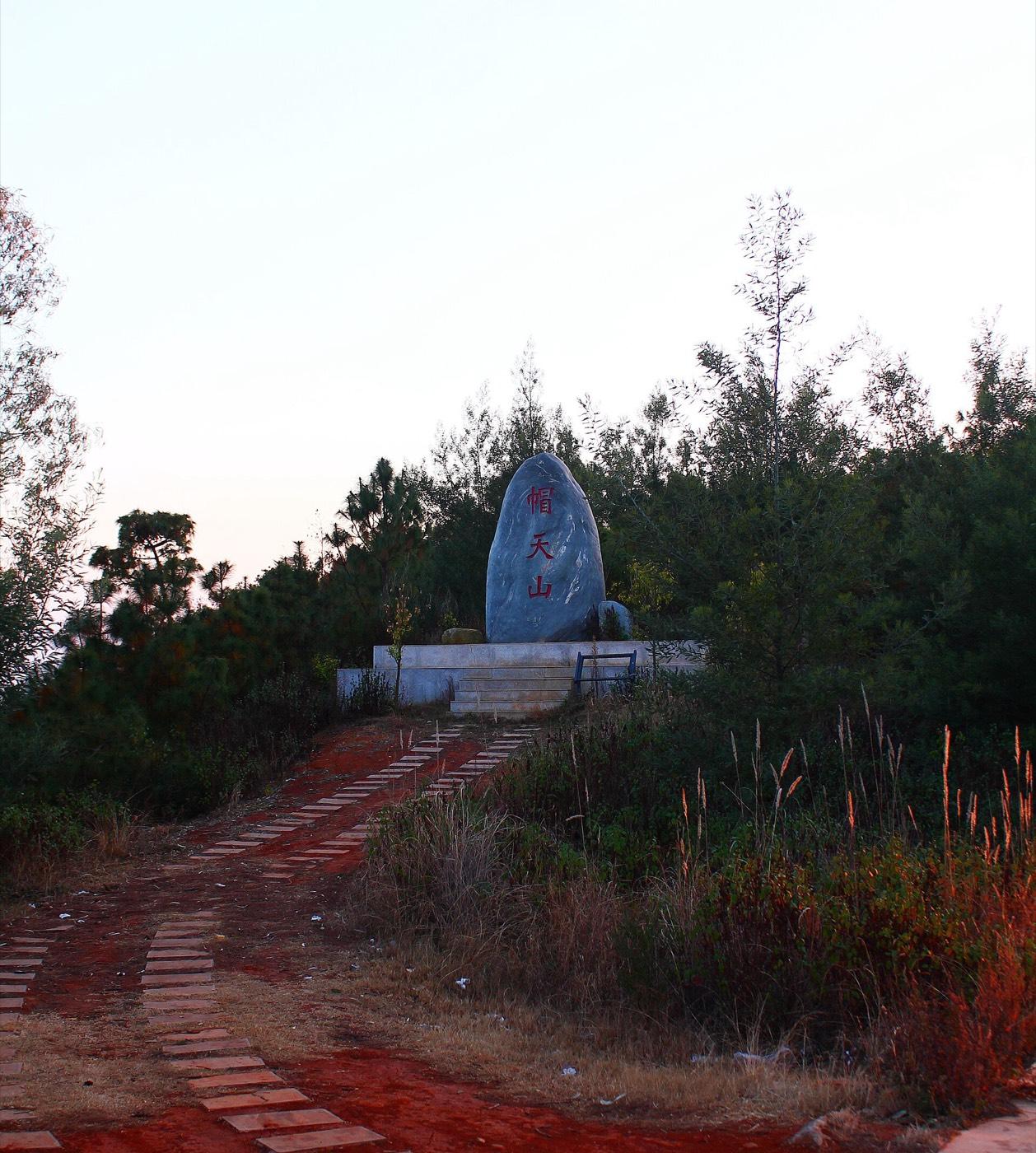
Chengjiang Fossil Site, Maotianshan Fossil Hunting Guide
Yunnan, China
Viewing onlyTrilobitesArthropodsWormsChengjiang is the oldest of the three places on Earth that preserve Cambrian animals without hard parts. Close to 200 species are described, and priapulid worms dominate the assemblage, which is why it is studied for community structure rather than for individual oddities. The specimens are small, flat and dark, and they need the lighting and interpretation the purpose-built on-site museum provides. Admission to that museum is free, but confirm opening before you travel, because hours shift seasonally and around Chinese public holidays. UNESCO inscribed the site in 2012, Chinese law treats fossils of scientific value as state property, and the market here carries both stolen material and forgeries.
Read the full guide → - 3
Luoping Biota National Geopark Fossil Hunting Guide
Yunnan, China
Viewing onlyCrustaceansFishMarine reptilesNearly 20,000 macrofossils have been logged from a 16-meter interval of limestone near Daaozi village. Arthropods make up more than 90 percent of that count, and several of the horseshoe crabs keep their appendages, which is unusual for a fossil xiphosurid. Marine reptiles are under 1 percent of the counted specimens, so discount the popular accounts that describe them as common. The main section is engineered ground from an intensive excavation, and no source confirms whether it is open to the public. The Luoping County Museum in the county town is the one confirmed place to see the material, and collecting is prohibited throughout.
Read the full guide → - 4
Lufeng World Dinosaur Valley Fossil Hunting Guide
Yunnan, China
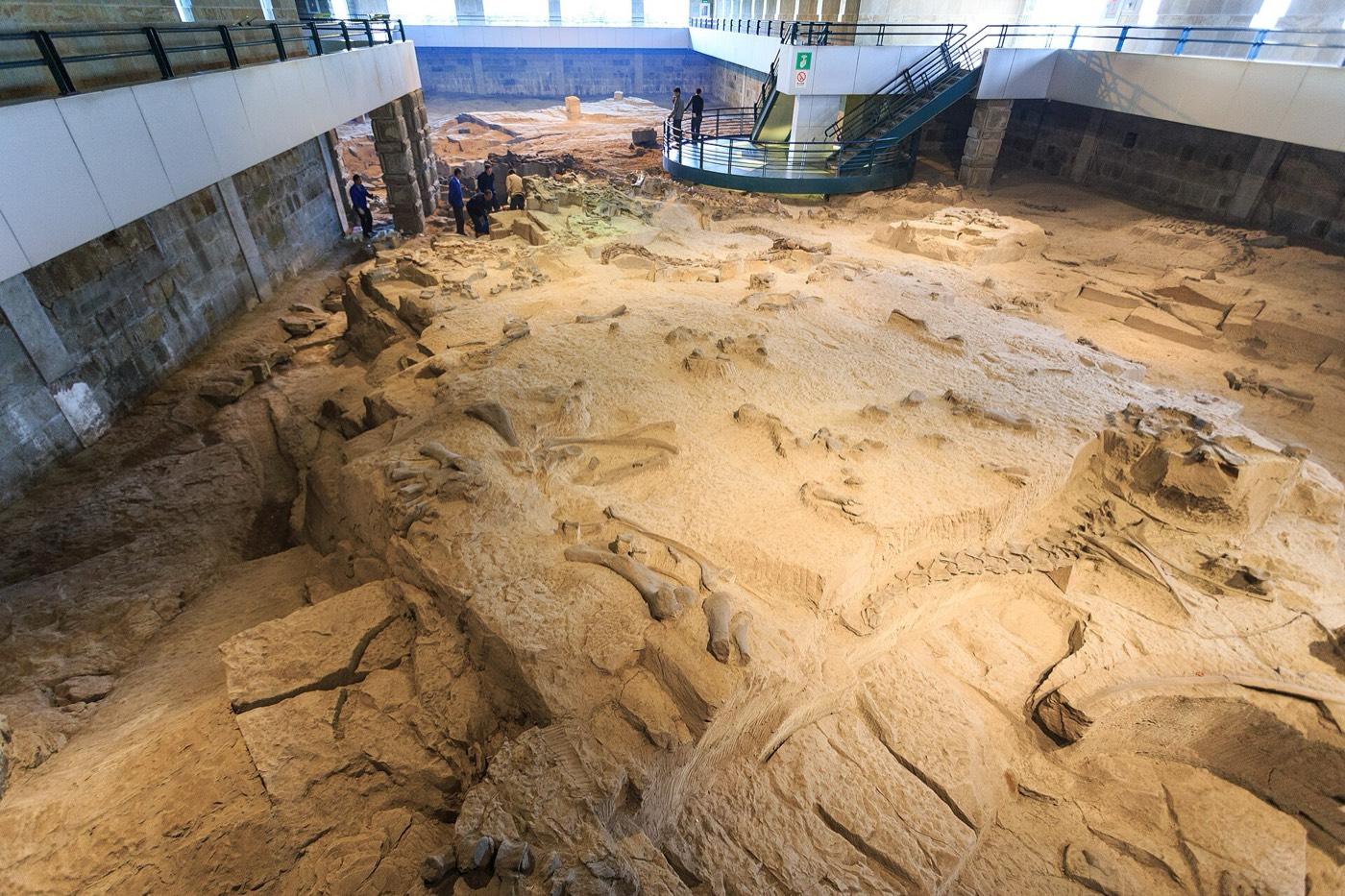
Viewing onlyLufengosaurus hueneiYunnanosaurus huangiSinosaurus triassicusRoughly 150 articulated skeletons have come out of the Lower Lufeng Formation since farmers turned up bones north of the modern park in 1938. Yang Zhongjian described the type material in a 1941 monograph, and these hills are the type unit of the Lufeng Saurischian Fauna. The Original Site Hall is the reason to come, with at least 20 articulated specimens still in matrix on the original quarry floor. The adjoining museum holds mounted casts and original cranial material, including one of the most complete Early Jurassic theropods in Asia. The standard adult scenic-area ticket was about 120 CNY at the time of writing, and the paved grounds and outdoor recreation area suit family visitors. Collecting is prohibited, and the in-place skeletons may not be touched.
Read the full guide → - 5
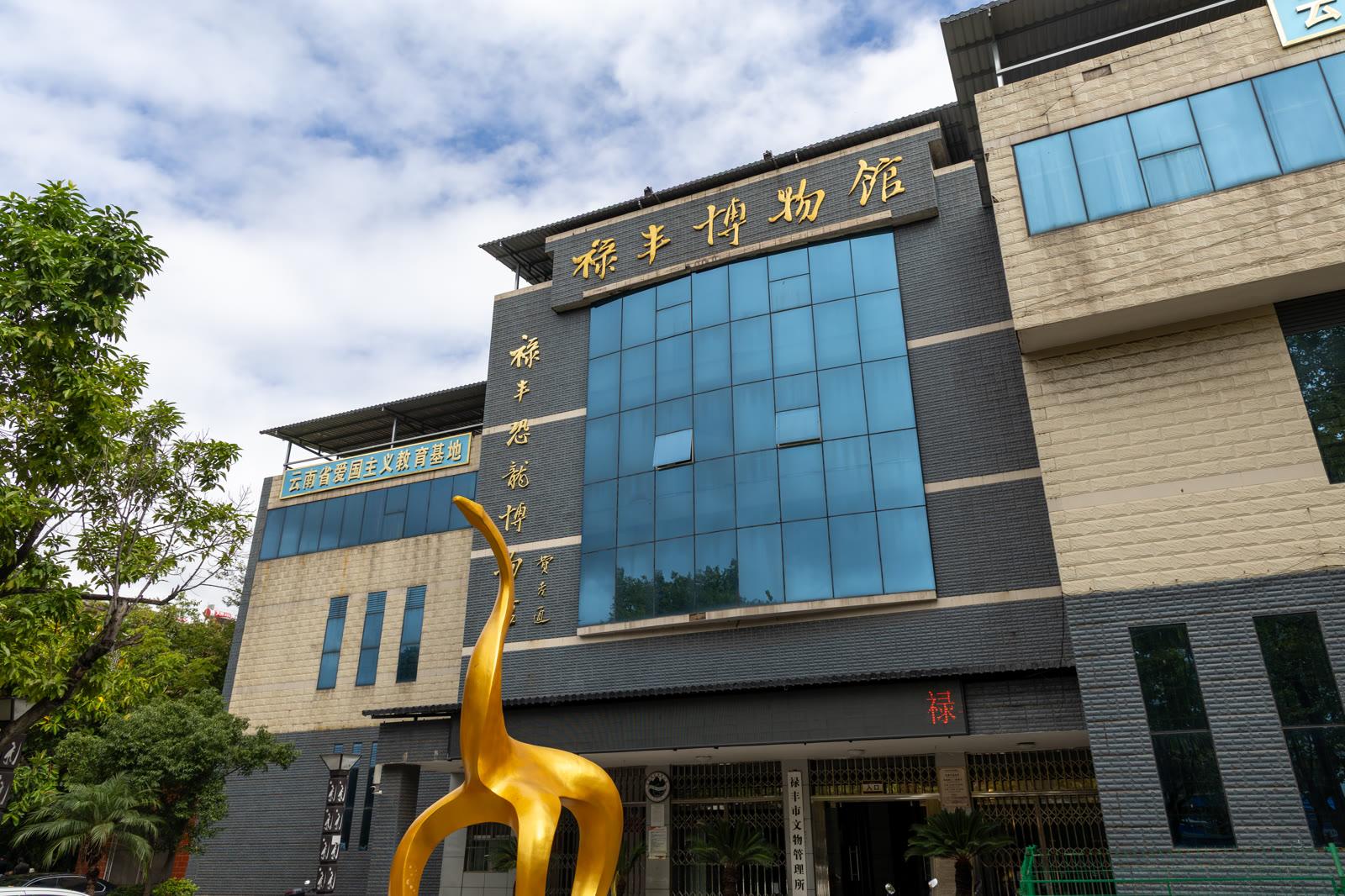
Zigong Dinosaur Museum, Dashanpu Fossil Hunting Guide
Sichuan, China
Pay to digDinosaursSauropodsStegosaursQuarrying at Dashanpu exposed a dense Middle Jurassic bonebed, and the authorities roofed the excavation and built a museum over it rather than emptying it. It opened in 1987 as the first museum in Asia devoted almost entirely to dinosaurs. What registers in person is the density, a jumble of many animals in one bed rather than a single mounted skeleton. Short-necked sauropods with bony tail clubs, long-necked forms, an early stegosaur, theropods, fish, turtles and crocodile relatives all come from these beds. Admission is charged and the hall is indoors, which makes this the easiest site here to plan around, and nothing may be collected.
Read the full guide → - 6
Yunyang Dinosaur Fossil Wall Fossil Hunting Guide
Chongqing, China
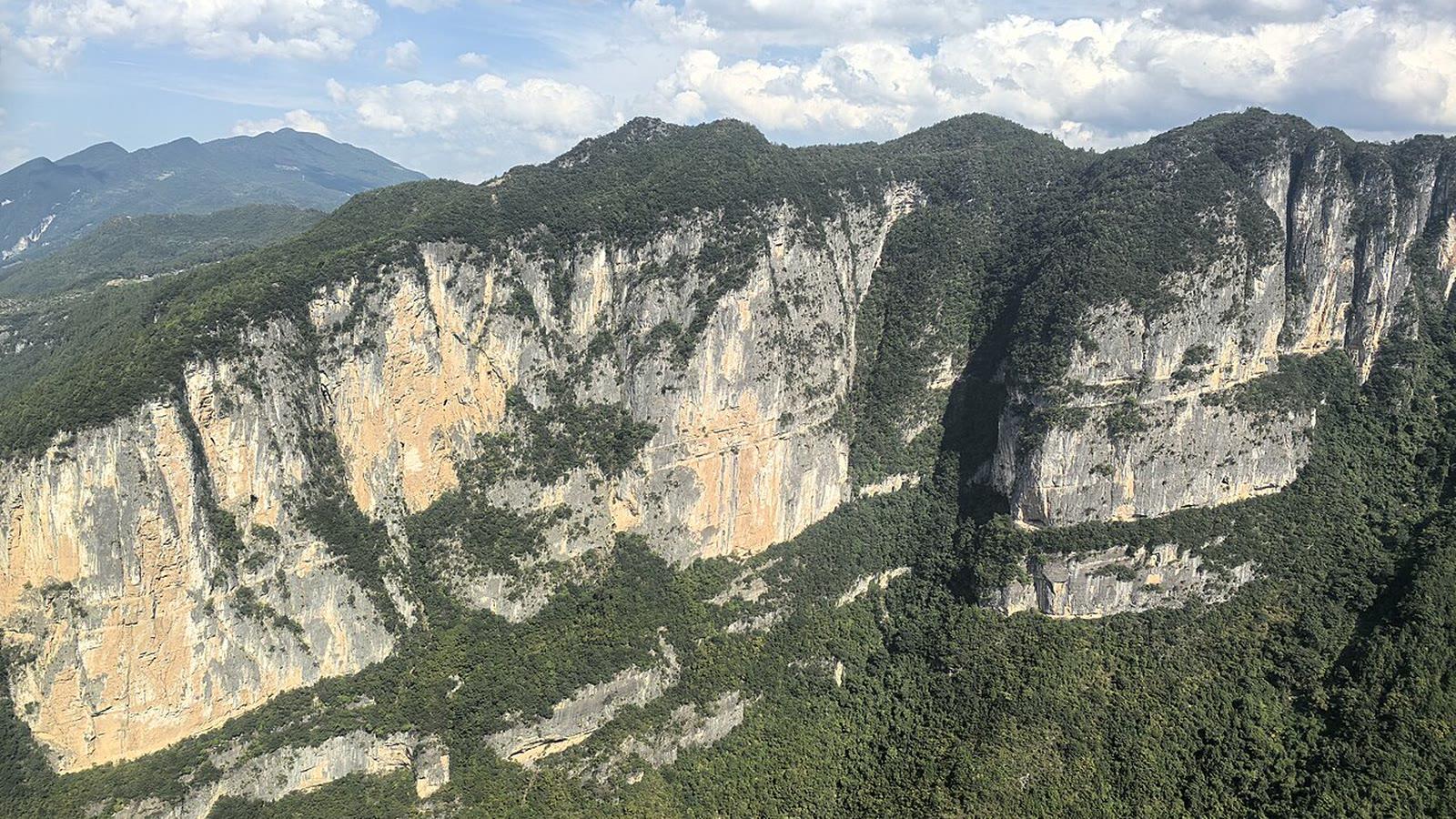
Viewing onlyDinosaursSauropodsStegosaursUNESCO records one outcrop at Pu'an as 150 meters wide and 6 to 10 meters high, with about 5,000 dinosaur fossils exposed on it. None of it has been lifted out, and a roofed structure the government calls the Yunyang On-site Dinosaur Fossil Protected Shelter covers the rock. The face belongs to an 18-kilometer belt that Chinese sources call the Great Wall of Dinosaur Fossils. UNESCO added the surrounding Yunyang Global Geopark to its network in 2025, and that geopark also holds sinkholes, canyons, caves and stone columns. No source publishes hours, a price or a booking rule for the shelter, so telephone the Yunyang county culture and tourism bureau first. Nothing may be taken, and the exposed bone must not be touched.
Read the full guide → - 7
Guanling Fossil National Geopark Fossil Hunting Guide
Guizhou, China
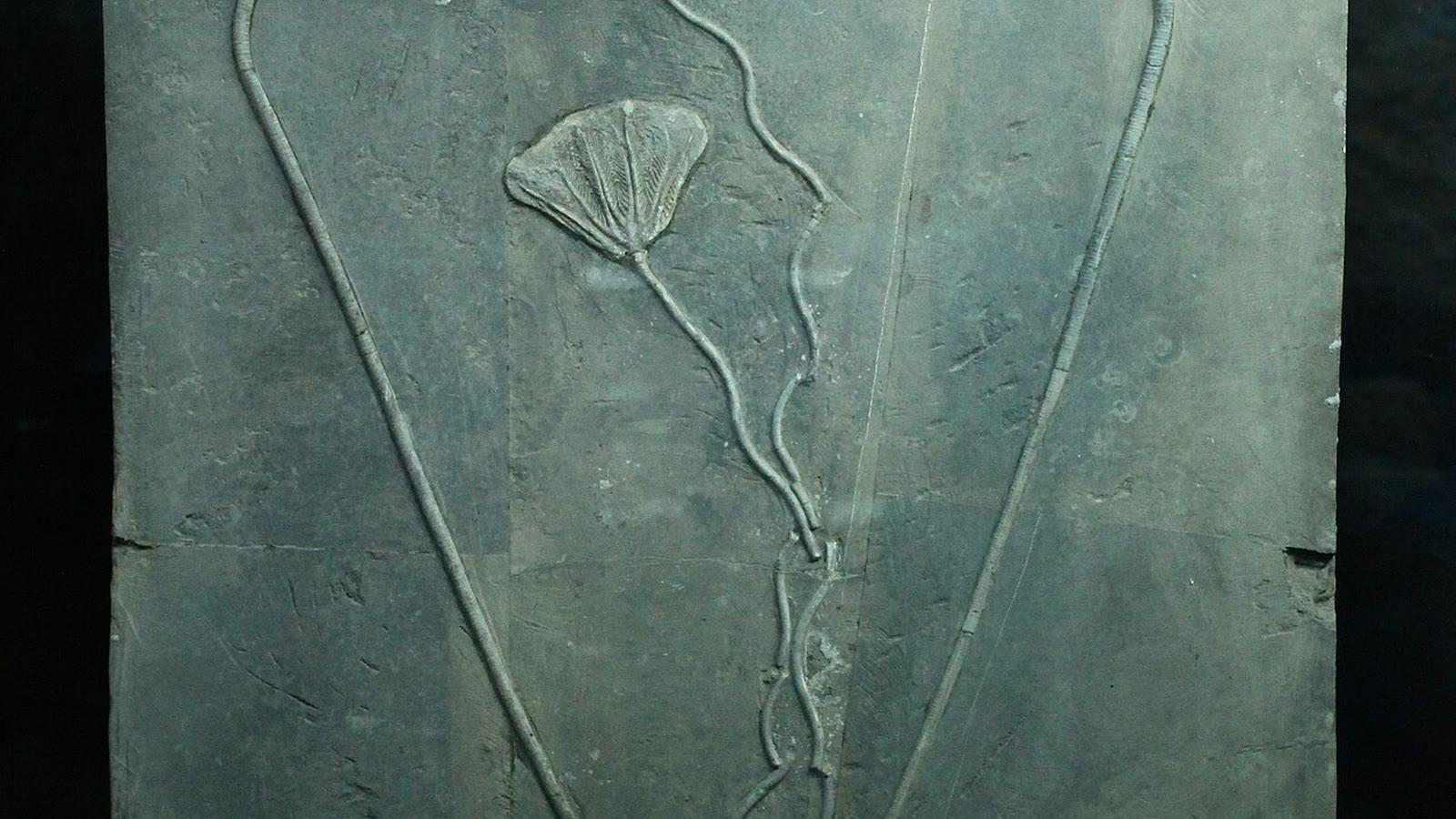
Viewing onlyMarine reptilesIchthyosaursCrinoidsBlack shales near Xinpu hold a Late Triassic fauna of three ichthyosaur species, four thalattosaur species and two rare placodonts. The crinoids are the other reason the site matters, because they grew in large colonies attached to driftwood and floated with it. Wang and co-authors read that habit as the first crinoid to go pseudoplanktonic rather than root to the sea floor. The State Council approved the locality as a national geopark in 2004, and China put it on the UNESCO World Heritage tentative list in January 2019. Opening, admission and guiding are undocumented, one visitor report says parts of the site were shut, and the Geological Museum of Guizhou in Guiyang is the fallback. Collecting is prohibited, and a reported paid dig-and-keep area behind the museum cannot be verified, so do not plan a trip around it.
Read the full guide →
Planning your visit
When to visit
The summer rain decides most of this. In Yunnan and Guizhou the rainy season runs roughly June to September, which makes unsurfaced approaches difficult and turns the farm tracks into Daaozi greasy. Chongqing summers are long, hot and humid, and heavy rain brings landslides and rockfall onto the narrow, steep roads through the Three Gorges hill country toward Pu'an. Western Liaoning sits at the other extreme, with January well below freezing and reduced winter hours at Sihetun, so the shoulder months suit it best. Avoid Chinese public holidays where you can, because crowding at Zigong during Golden Week is severe. Both Chengjiang, at around 1,700 meters, and Lufeng, at about 1,800 meters, can produce mild altitude effects on a first day from sea level.
What to bring
A torch and a hand lens do more for these sites than a camera, because the specimens are small and flat and a flash kills the relief on a crinoid slab. Carry a warm layer for Liaoning in the cold months, since the shelter at Sihetun tracks the outside temperature, and water for the warm ones. Boots with ankle support are worth the weight at Luoping, where the spoil heaps from the excavation are loose underfoot. Take a printed map or a screenshot of the Lufeng park layout, because signage there is primarily Chinese. Sun protection matters more than the air temperature suggests at Chengjiang and Lufeng, both well above 1,500 meters.
Rules and access
Collecting is prohibited at all seven sites, with no exception anywhere in this guide. China's 2010 Regulation on the Protection of Paleontological Fossils makes removal and export of any vertebrate fossil illegal, along with scientifically valuable invertebrate and plant fossils, and vertebrate fossils are treated as state property. Field collection at these localities is reserved for permitted research institutions, which at Sihetun means the Institute of Vertebrate Paleontology and Paleoanthropology of the Chinese Academy of Sciences, and at Lufeng the same institute working with the Yunnan provincial authorities. Enforcement is active following international prosecutions for fossil trafficking.
On site, that means staying on the walkways at Sihetun and in the Original Site Hall at Lufeng, staying behind the barriers inside the Yunyang shelter, and keeping off any cut face at Luoping. Do not touch exposed bone, and do not hammer or scrape a face or the spoil around a building. Photography of in-place specimens is allowed subject to posted rules, and drones need prior written permission in the Lufeng scenic area. Do not buy fossils anywhere near these localities, and do not attempt to take any out of China, because the legal exposure is the buyer's.
Getting there
Kunming is the hub for three of the seven. Chengjiang is about 60 kilometers from the city, Lufeng is about 80 kilometers west on the G56 expressway, and Luoping county town sits on the Shanghai to Kunming rail corridor between Kunming and Qujing. Guanling county town is on the same rail corridor, with Anshun as the nearest city of any size and Xinpu Town a further road journey north-west. Zigong is reachable by rail and road from Chengdu and Chongqing, with local buses and taxis out to Dashanpu. Yunyang county seat sits on the Yangtze about 40 kilometers north-west of Pu'an, reached from Chongqing city or Wanzhou, with Pu'an a further drive south-east into hill country. Sihetun is the outlier: fly or take the train from Beijing or Shenyang to Chaoyang, then drive about an hour to Beipiao and on to the geopark.
Want every documented location, not just the curated top sites? Browse the full index of Chinese fossil sites for the complete list, including the Inner Mongolia and Hong Kong localities that this guide leaves out.
Frequently asked questions
- Can you collect fossils in China?
- No, and not at any site in this guide. Under China's 2010 Regulation on the Protection of Paleontological Fossils, removal and export of any vertebrate fossil, or any scientifically valuable invertebrate or plant fossil, is illegal. Vertebrate fossils are treated as state property, and enforcement is active following international prosecutions for fossil trafficking. Do not buy specimens from villagers, roadside sellers or anyone near a protected locality, because material offered to tourists is frequently either illegal or fake. Sihetun, Luoping, Guanling and Yunyang are all protected geological localities, Chengjiang is a UNESCO World Heritage Site, and Zigong and Lufeng are museums. At Guanling, a paid area behind the museum where a visitor may dig and keep one piece is reported but cannot be confirmed from the park or from any government source.
- What fossils can you see in China?
- The seven sites cover four separate Lagerstätten and two Jurassic bonebeds. Chengjiang holds soft-bodied Cambrian animals, close to 200 described species, including one of the earliest known chordates and the large predator with grasping frontal appendages. Guanling and Luoping are Triassic marine, with ichthyosaurs, thalattosaurs, placodonts and driftwood crinoids at the first, and crustaceans, more than 25 fish taxa and articulated horseshoe crabs at the second. Lufeng covers Early Jurassic sauropodomorphs, a crested basal theropod and tritylodontid synapsids. Dashanpu and Yunyang hold Middle Jurassic sauropods, stegosaurs, theropods, turtles and crocodile relatives. Sihetun holds the Jehol biota, where feathers, fur, skin outlines and gut contents survive as dark carbonaceous films, along with the earliest known flowering plant.
- When is the best time to visit Chinese fossil sites?
- Work around the summer rain and the public holidays. The rainy season in Yunnan and Guizhou runs roughly June to September and makes unsurfaced approaches difficult, and at Luoping the farm tracks into Daaozi turn greasy. Chongqing summers are long, hot and humid, and heavy rain brings landslides and rockfall onto the narrow Three Gorges roads to Pu'an. Western Liaoning has hard winters, with January well below freezing, so take a warm layer to Sihetun and check the reduced winter hours before travelling. Avoid Chinese public holidays if you can, because crowding at Zigong during Golden Week is severe. Chengjiang sits at around 1,700 meters and Lufeng at about 1,800, which is enough to affect visitors arriving from sea level on their first day.
- Which Chinese fossil site is easiest to reach?
- Zigong and Lufeng. Zigong is an indoor museum reachable by rail and road from Chengdu and Chongqing, with local buses and taxis out to Dashanpu, 7 kilometers north-east of the city centre. Lufeng is about an hour west of Kunming Changshui International Airport on the G56 expressway, with long-distance buses from Kunming West Bus Station for visitors without a car, published hours of roughly 08:30 to 17:30 and a ticketed entrance. Chengjiang is 60 kilometers from Kunming with a free museum. The hard ones are Luoping, Guanling and Yunyang, where no source this guide could verify publishes hours, prices or booking rules, so telephone the county culture and tourism bureau before committing to a drive.
- Do you need to speak Chinese?
- It helps a great deal at the remote sites. Interpretive panels at Sihetun are in Mandarin with limited English, and the practical difficulty there is language and distance rather than terrain. A Chinese-speaking driver or guide makes the trip from Chaoyang to Beipiao and on to the geopark far easier, and transport for the return leg is best arranged before you arrive rather than found in the village. Signage at Lufeng is primarily Chinese with limited English, so carry a printed map or a screenshot of the park layout. At Luoping, Guanling and Yunyang, a phone call in Chinese to the county bureau is the only reliable way to confirm that a site is open.
- Where can you see the material if a site is closed?
- Every one of these localities has a museum behind it. The Luoping County Museum in the county town displays specimens from the Guanling Formation at Daaozi, labelled with their collection years. The Geological Museum of Guizhou in Guiyang displays Guanling material, including an articulated ichthyosaur. The Liaoning Paleontological Museum in Shenyang holds Jehol specimens for comparison with the in-place material at Sihetun. The Yunnan Provincial Museum in Kunming holds additional Lufeng material and is free with photo identification. Research collections sit elsewhere again: the Chengdu Geological Center holds the Luoping specimens under the LPI and LPV catalogue prefixes, and the Chongqing Laboratory of Geoheritage Protection and Research holds the Yunyang material.
Recommended resources
- UNESCO World Heritage: Chengjiang Fossil Site · The inscription record for the 2012 listing, and the authority for the site's protected status and boundaries.
- UNESCO Global Geoparks: Yunyang · The geopark description that gives the 150-meter fossil wall, the 18-kilometer fossil-bearing belt and the 175 to 161 million year range.
- IUGS Geoheritage: Dashanpu Middle Jurassic dinosaur fossils site · The International Union of Geological Sciences entry that lists Dashanpu as a geoheritage site of international standing.
- UNESCO tentative list: Guizhou Triassic Fossil Sites · China's January 2019 submission, which carries the Guanling Biota component boundary, its 676-hectare core area and its buffer zone.