Guanling Fossil National Geopark Fossil Hunting Guide
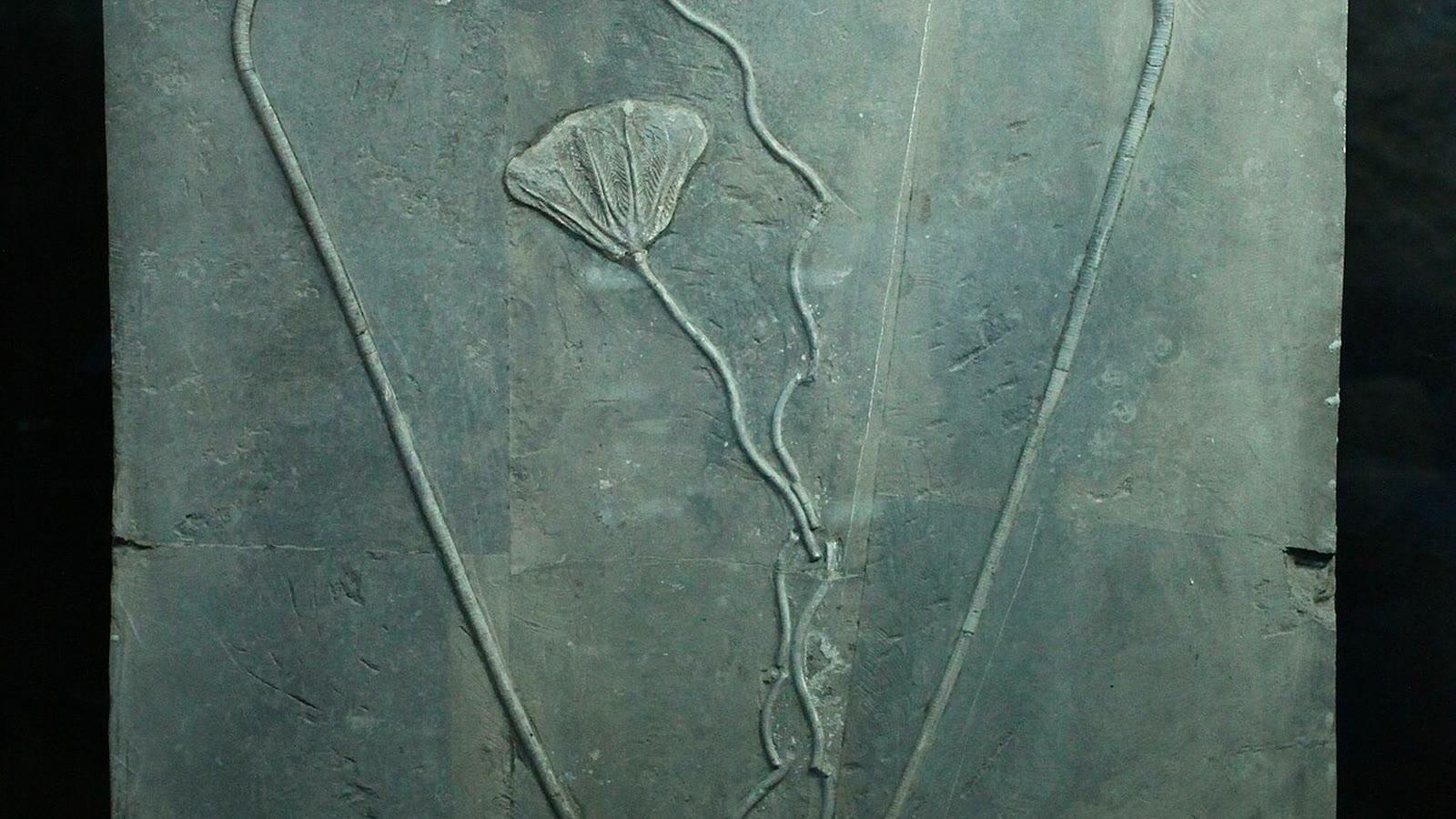
Image: 乌拉跨氪 (CC BY-SA 3.0)
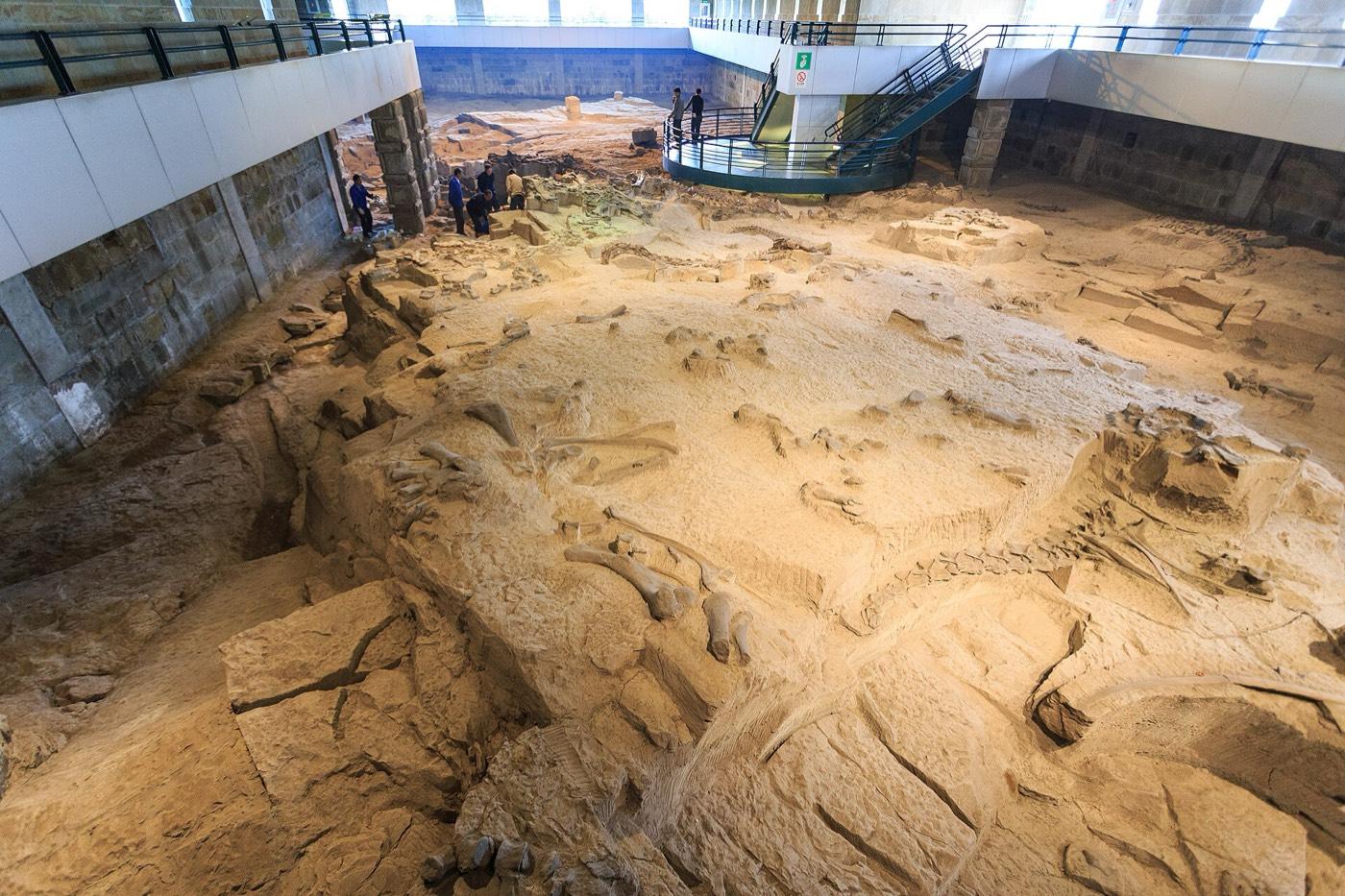
A Late Triassic marine reptile and pelagic crinoid locality in the lower Xiaowa Formation at Xinpu, Guanling County, Guizhou. The State Council approved it as a national geopark in 2004 and it is protected in place.
By Edward Chen · Published 12 October 2026
Introduction
Black shales near Xinpu in Guanling County hold a Late Triassic marine fauna of ichthyosaurs, thalattosaurs, placodonts and stalked crinoids. Wang and co-authors described the deposit in 2008 as a marine reptile and pelagic crinoid Lagerstätte.
Their study assigns the fossils to the lower member of the Carnian Xiaowa Formation. The same beds carry older names in earlier work, and the naming question matters for anyone reading the literature. The section below sets it out.
The State Council approved the locality as a national geopark in 2004. In January 2019 China submitted it to the UNESCO World Heritage tentative list. It goes there as the Guanling Biota component of the Guizhou Triassic Fossil Sites, under criterion (viii).
Read this page as a guide to a protected scientific locality and its museum, not to a collecting ground. Nothing here may be taken.
One warning before anything else. This page and the Luoping Biota National Geopark page both mention a Guanling Formation. They are not the same rocks. Guanling is Carnian, about 237 to 227 million years old. Luoping is Anisian, about 247 to 241 million years old, and sits roughly 200 km away in Yunnan.
Location and Directions
The geopark lies at Wolonggang in Xinpu Town, Guanling Buyei and Miao Autonomous County, Anshun prefecture, south-west Guizhou.
GPS: 25.8892°N, 105.4259°E. That point is the coordinate China filed with UNESCO for the Guanling Biota component.
The nominated area covers 676 hectares with a buffer zone of 2,937 hectares. Beyond that boundary the same fossil-bearing beds have been traced across roughly 200 square kilometres of Xinpu and Gangwu townships.
Anshun is the nearest city of any size, and Guanling county town sits on the Shanghai to Kunming rail corridor. Xinpu Town is a further road journey north-west of the county town.
Opening hours, admission and guiding are not documented by the park authority in any source this page could verify. Travel platforms carry conflicting entries, including a suspension notice with no year attached. Telephone the park or the county culture and tourism bureau before travelling.
What Fossils You'll Find
Nothing is collectable. What follows is what the beds contain and what the museum displays.
Marine reptiles are the headline group. Wang and co-authors record a fauna dominated by three ichthyosaur species and four thalattosaur species, with two rare placodont species.
Guanlingsaurus liangae is the large toothless-snouted ichthyosaur of the assemblage, described by Yin and colleagues in 2000. Some later workers transfer it to Shastasaurus, so you will meet both names.
Qianichthyosaurus zhoui, named by Li in 1999, is the small ichthyosaur. Complete individuals turn up often, juveniles and pregnant females among them.
Guizhouichthyosaurus tangae is the other common ichthyosaur. Xinpusaurus and Anshunsaurus are the thalattosaurs.
Sinocyamodus xinpuensis is the placodont, and it was the first member of that group found in the eastern Tethys. Odontochelys semitestacea, among the oldest known turtles, also comes from these beds.
Crinoids are the other reason the site matters. Traumatocrinus occurs in large colonies attached to driftwood. Wang and co-authors read that habit as the first crinoid to adopt a pseudoplanktonic life. The animal floated with the wood instead of rooting to the sea floor.
Invertebrates are mostly pelagic. Trachyceratid ammonites and halobiid bivalves are the common forms. Fishes are scarce.
 Photo: 乌拉跨氪, CC BY-SA 3.0, via Wikimedia Commons

Geologic History
The host unit needs a plain statement, because three names apply to one body of rock.
The fossils sit in the lower member of the Xiaowa Formation. Earlier papers call the same interval the Wayao Formation, or the Wayao Member of the Falang Formation. Chinese workers raised it to formation rank in 2002 and renamed it Xiaowa. The rename avoided a clash with an Eocene unit that already carried the name Wayao.
This page uses Xiaowa Formation, lower member. Two reasons. Wang and co-authors use it in the 2008 paper that defines the deposit, and it is the name now carried by the current stratigraphic literature.
Does Wayao belong at the top of the Guanling Formation or at the base of the Falang Formation? The historical assignment was to the base of the Falang Formation. The Guanling Formation is a separate and older Anisian unit. The Guanling Biota does not come from it, and the shared county name is the only link.
The biota occupies a narrow slice of the lower member, mainly 5 to 11 metres above its base. Conodonts and ammonites place the beds in the early Carnian. The International Commission on Stratigraphy puts the Carnian between about 237 and 227.3 million years ago.
Wang and co-authors reconstruct the setting as the drowned southern margin of the Yangtze Platform during a maximum flooding interval. Sedimentation ran slowly. Bottom sediments stayed anoxic, so carcasses accumulated and stayed articulated over a long span of time.
The same authors add a caution worth repeating. Currents may have concentrated the fossils, which means the assemblage need not reflect one original living community.
Hu and co-authors place Guanling in a sequence of three South China Triassic faunas. The Panxian fauna and the Luoping biota come first in the Anisian. The Xingyi fauna follows in the late Ladinian. Guanling is the youngest, in the middle Carnian.
 Photo: Jonathan Chen, CC BY 4.0, via Wikimedia Commons

Collecting Rules and Regulations
Collecting is prohibited. Treat the whole geopark as look and photograph only.
The reasons are layered. The site is a national geopark approved by the State Council. It is a World Heritage tentative-list component. Its fossils are listed under the National Key Protection List of Fossils of China, and Sinocyamodus xinpuensis sits in Class I, the highest category.
Day-to-day management runs through the Administration of Guizhou Guanling Biota National Geological Park together with the county natural resources office. A master plan covered the park from 2013 to 2023.
Visitors have described a paid area behind the museum where a person may dig and keep one piece. This page cannot verify that from the park or from any government source, so do not plan a trip around it. If a digging area exists, ask the staff in writing what the material is and where it came from before paying.
Removing protected fossil material from China without authorisation is an offence. Do not buy specimens from roadside sellers near a protected locality.
 Photo: Jonathan Chen, CC BY 4.0, via Wikimedia Commons

Safety
Confirm the park is open before you set out. One visitor report says parts of the site were shut. No official notice settles the question, and a wasted day here is a long drive.
The terrain is karst hill country at moderate altitude. Slopes above the exposures are steep and the shale weathers to loose flakes. Keep off any face that is being worked or stabilised.
Summer in south-west Guizhou is wet. Heavy rain makes mountain roads slippery and brings rockfall onto them.
Mobile coverage in the townships is reasonable, but the park sits away from the main settlements. Carry water and tell someone your plan.
Bring a torch and a hand lens for the museum galleries. Both help more than a camera flash, which flattens the relief on a crinoid slab.
If the park is closed, the Geological Museum of Guizhou in Guiyang displays Guanling material, including an articulated Guizhouichthyosaurus tangae.
Sources
https://whc.unesco.org/en/tentativelists/6381/ https://palass.org/publications/palaeontology-journal/archive/51/1/article_pp27-61 https://pmc.ncbi.nlm.nih.gov/articles/PMC3119007/ https://en.wikipedia.org/wiki/Xiaowa_Formation https://stratigraphy.org/chart https://paleobiodb.org/data1.2/colls/list.txt?base_name=Guizhouichthyosaurus&show=loc,coords,strat
Nearby sites
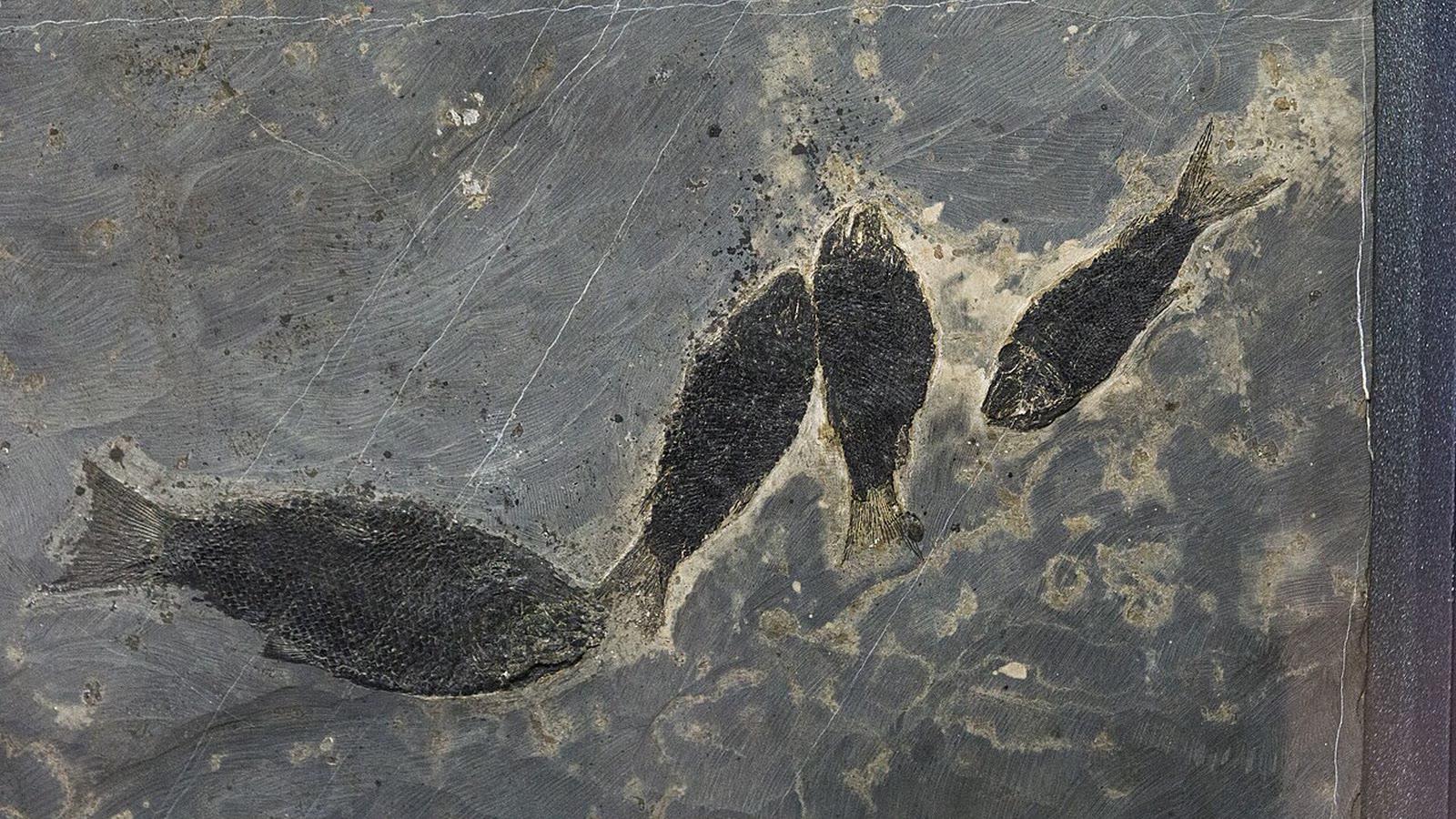 Luoping Biota National Geopark Fossil Hunting GuideCrustaceans, Fish
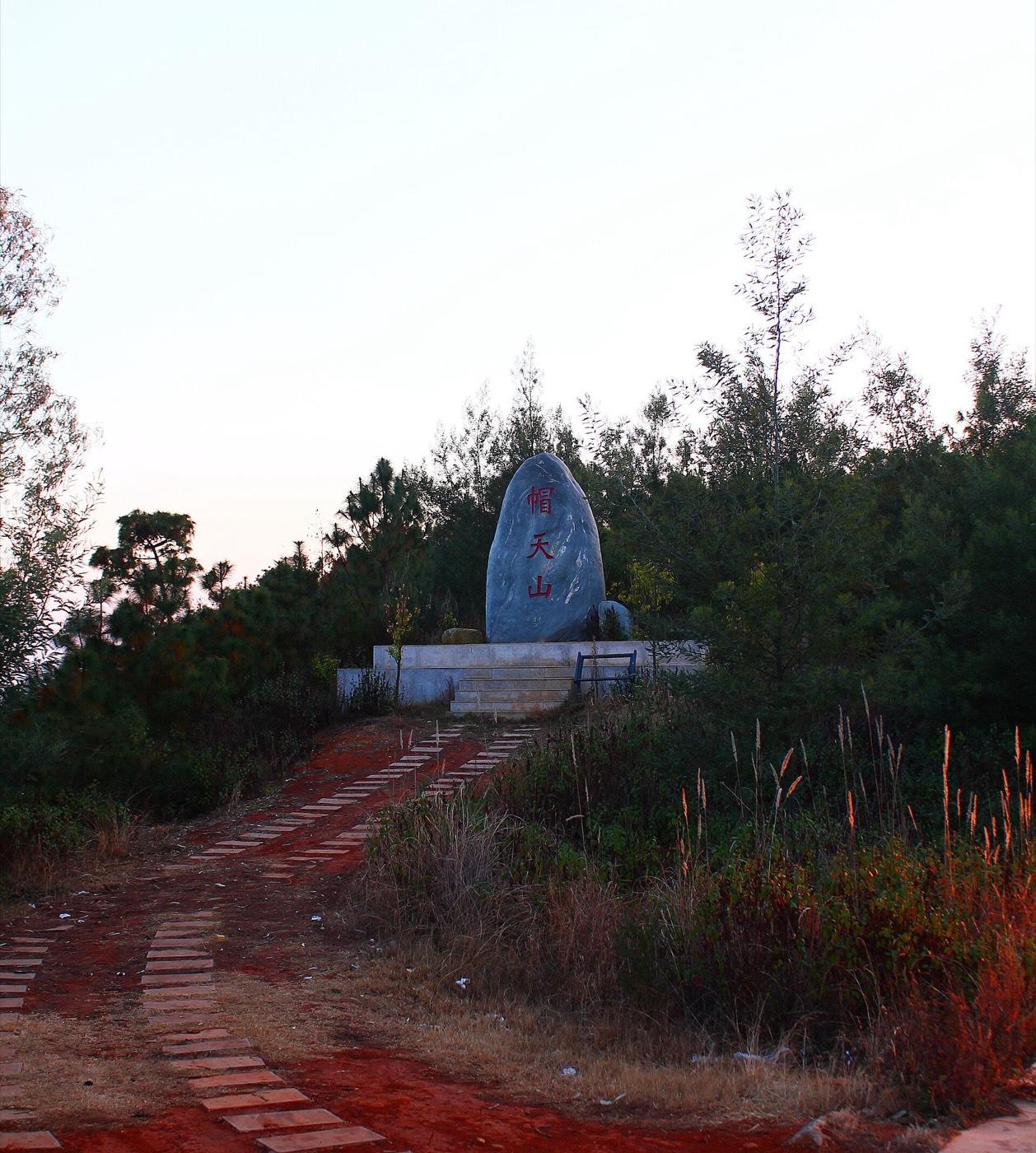 Chengjiang Fossil Site, Maotianshan Fossil Hunting GuideTrilobites, Arthropods
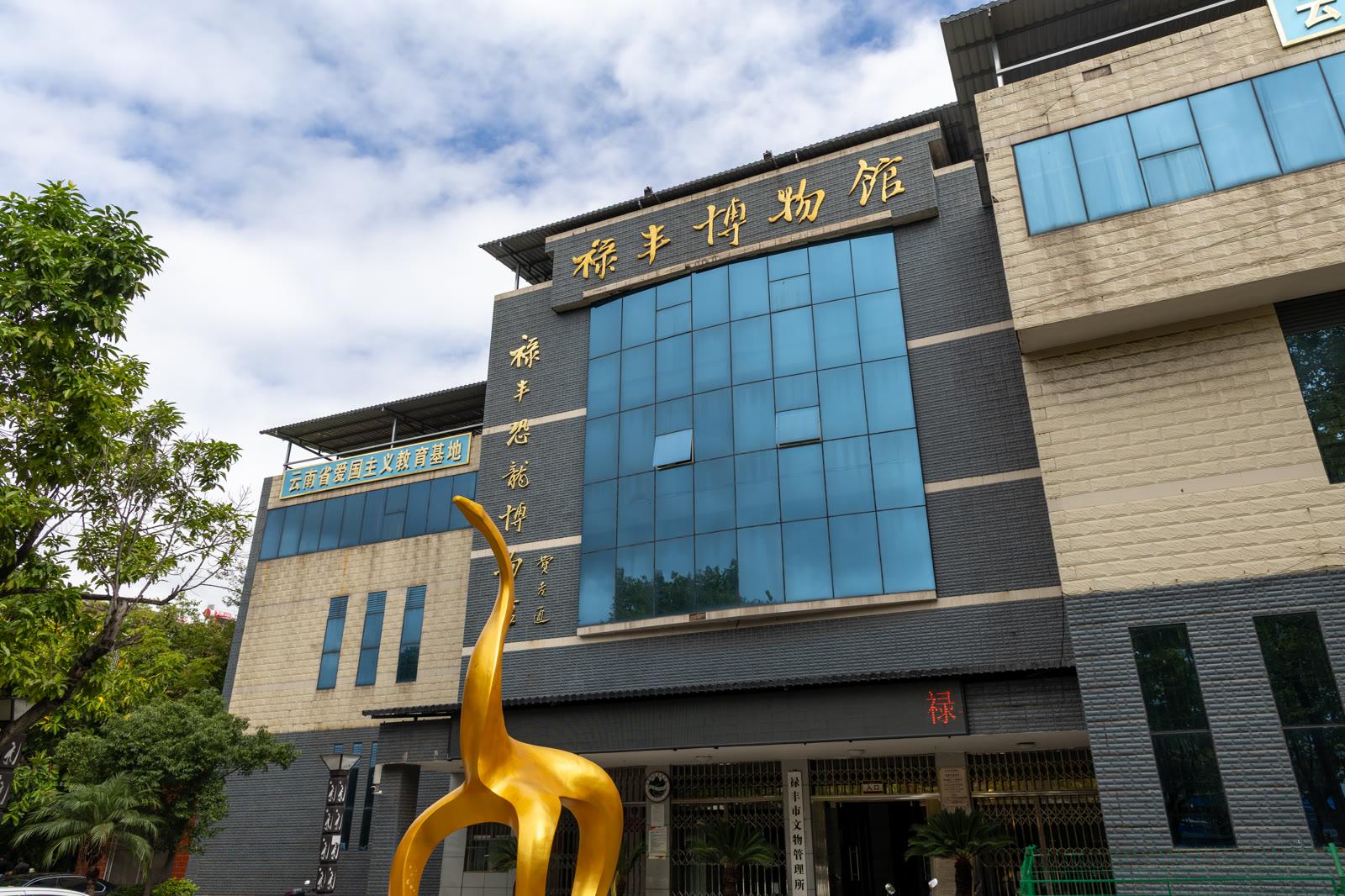 Lufeng World Dinosaur Valley Fossil Hunting GuideLufengosaurus huenei, Yunnanosaurus huangi
 Zigong Dinosaur Museum, Dashanpu Fossil Hunting GuideDinosaurs, Sauropods