Cowan Lake State Park Fossil Hunting Guide
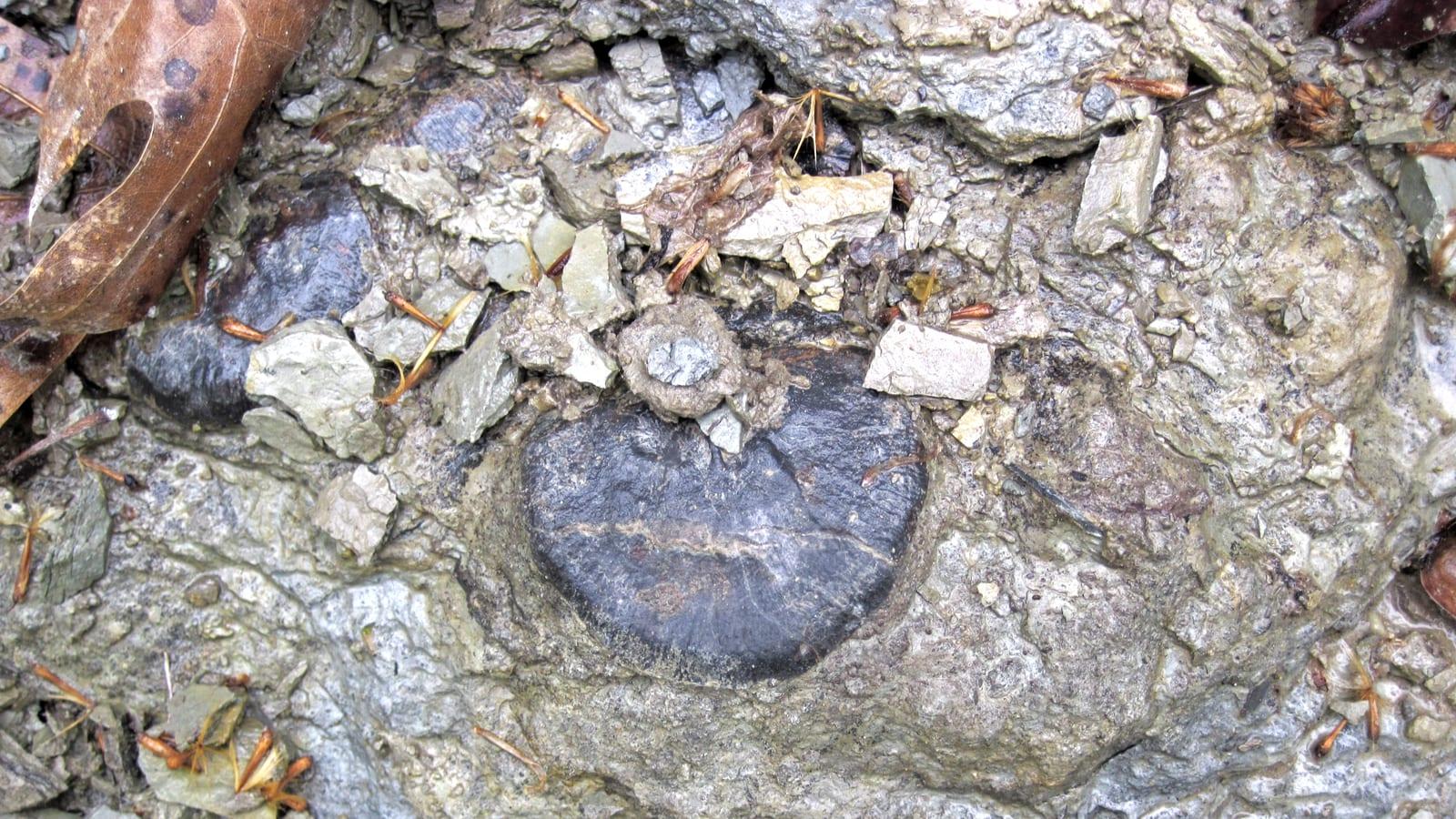
Image: Kfasimpaur (Public domain)
The emergency spillway at Cowan Lake State Park in Clinton County, Ohio cuts through Upper Ordovician limestone of the Liberty and Whitewater Formations. Brachiopods, bryozoans, horn corals, gastropods, and trilobites weather out of it. Free, and unlike nearby Caesar Creek it needs no permit.
By Edward Chen · Updated 31 July 2026
Introduction
Cowan Lake State Park lies in Clinton County in southwestern Ohio, a few miles south of Wilmington. Like several of the region's best collecting sites, its fossil ground is not a natural exposure but an engineered one. The lake's emergency spillway is a wide channel cut down through flat-lying Upper Ordovician limestone and shale, and the rock it exposes is fossil-bearing from end to end.
The obvious comparison is Caesar Creek, which sits a short drive away and works the same rock. The practical difference is paperwork. Caesar Creek requires a free permit from the Army Corps of Engineers and prohibits tools entirely. Cowan Lake is a state park, requires no permit at all, and is a good deal quieter. If you want to collect Cincinnatian fossils without arranging anything in advance, this is the easier of the two.
Location and Directions
Cowan Lake State Park is at 1750 Osborn Road, Wilmington, near 39.383 degrees north, 83.869 degrees west. The park is signed from US-68 and State Route 350 south of Wilmington, and it is an easy drive from Interstate 71.
The collecting ground is the emergency spillway below the dam, not the lake shore or the beach. Park at the nearest lot to the dam and walk down into the spillway channel. The productive material is the loose rubble on the channel floor and the weathered rock along its sides.
The rest of the park is a conventional state park, with a marina, campground, cabins, a swimming beach, and trails, so a collecting trip combines easily with an ordinary day out. Wilmington, a few minutes north, has food, fuel, and supplies.
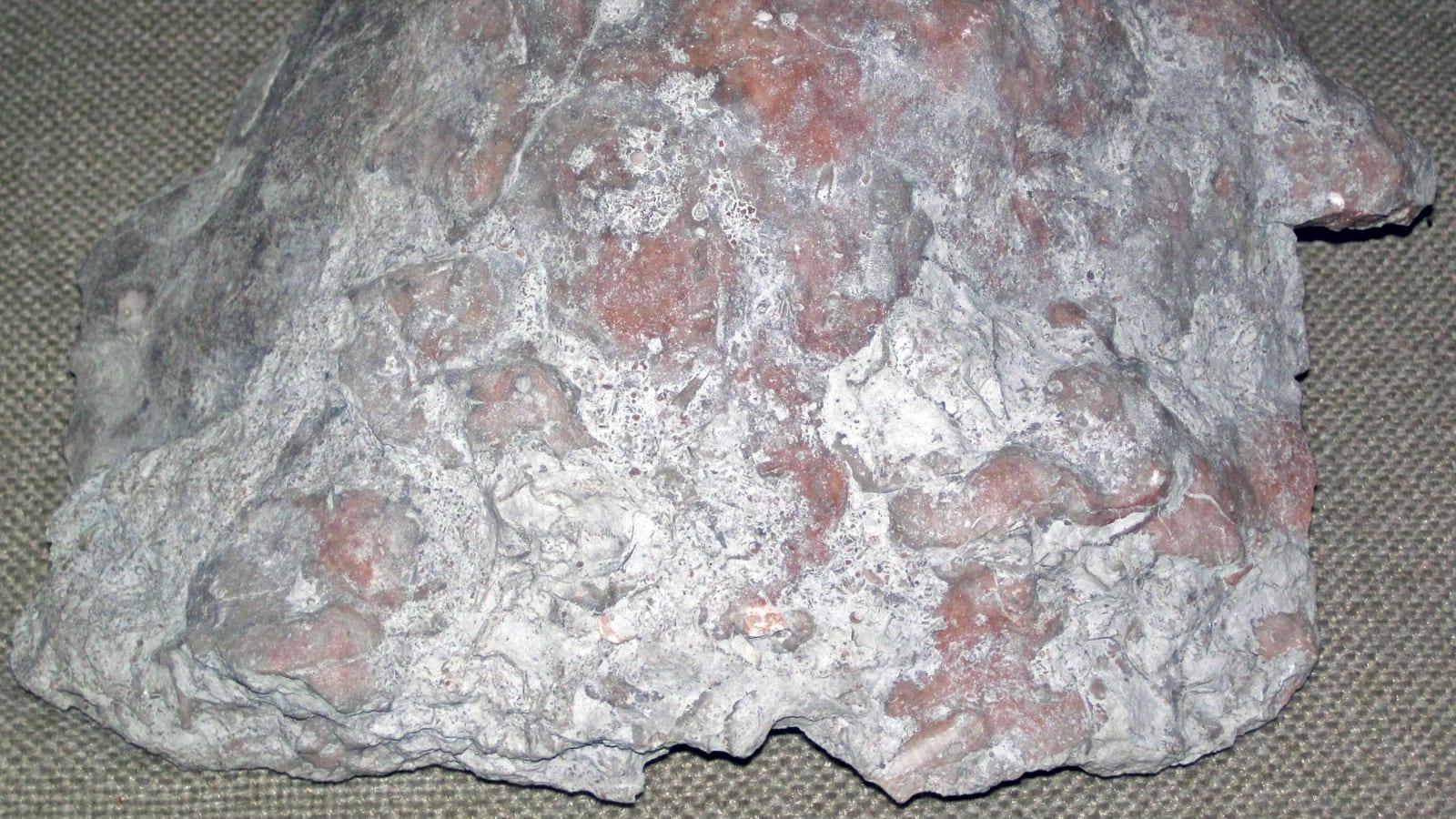
Photo: Smithsonian National Museum of Natural History, CC0, via Smithsonian Open Access
What Fossils You'll Find
The spillway exposes Richmondian strata, the upper part of the Cincinnatian sequence, and the fauna is the classic southwestern Ohio assemblage.
Crinoid remains are usually disarticulated into stem sections and loose columnals rather than whole heads. Gastropods turn up as coiled shells and internal moulds. Trilobites are present and are the scarce prize, as they are everywhere in this rock.
Time your visit for spring if you can. The winter freeze and thaw cycle breaks the shale and limestone apart and frees a fresh crop of fossils, so the exposure is at its richest before the summer picks it over. Rain has the same effect on a smaller scale, so the days after wet weather are better than a dry spell.
Geologic History
The rock here belongs to the Liberty and Whitewater Formations, deposited in the Late Ordovician roughly 445 to 443 million years ago. At that time this part of North America lay south of the equator under a shallow tropical sea, and the beds alternate between quiet mud and shelly carbonate as sea level and storm energy shifted across the sea floor.
These rocks are at the surface because of the Cincinnati Arch, a broad upward warp in the crust that lifted Ordovician strata across southwestern Ohio, southeastern Indiana, and northern Kentucky, allowing erosion to strip the younger cover off the crest. That single structure is why the whole Cincinnati region is known for rock of this age, and why Cowan Lake, Caesar Creek, Trammel, and Hueston Woods all work broadly the same sequence.
The exposure itself is modern. Building the dam and cutting the emergency spillway opened a clean section through beds that would otherwise sit under soil and woodland, and the channel keeps weathering, which is what keeps it productive.
Collecting Rules and Regulations
Collecting is allowed at Cowan Lake and no permit is required. This is a genuine difference from Caesar Creek, and it is worth knowing before you plan a trip around one or the other.
Collect for personal use rather than for sale, and keep to a reasonable quantity so the spillway stays productive for the people after you. Work the loose material rather than attacking the standing rock, and do not undercut or climb the channel walls.
Ohio state park rules apply across the site, and the state park system asks visitors to check with park staff about current conditions. Because the spillway is an active flood-control structure, access can be restricted when water is being managed, so it is worth confirming before a long drive.
Safety
The spillway is a large open channel and the hazards are those of loose rock and weather rather than height or water. The floor is uneven rubble and the slabs shift underfoot, so wear boots with a firm sole and good grip and watch your footing rather than your feet.
Keep clear of the base of the channel walls. The rock is layered and weathering, and blocks work loose along the bedding, which is the same reason not to climb them. Loose material can also be dislodged by anyone above you, so avoid working directly below other visitors.
There is little shade in the channel. Carry water and sun protection in summer, and expect the rock to hold heat. Spring visits, which are the most productive, often mean cold water underfoot and slick surfaces after rain or snowmelt, so dress for wet feet. Supervise children on the uneven ground, and keep away from the water control structures themselves.
Sources
https://ohiodnr.gov/go-and-do/plan-a-visit/find-a-property/cowan-lake-state-park https://ohiodnr.gov/discover-and-learn/safety-conservation/about-odnr/geologic-survey/rocks-fossils-identification/fossil-collecting-in-ohio https://www.ordovicianatlas.org/fossil-collecting/
Frequently asked questions
- Do you need a permit to collect fossils at Cowan Lake?
- No. Cowan Lake needs no permit, which is the practical difference between it and Caesar Creek State Park a short drive away, where a free Army Corps permit is required.
- Where do you collect at Cowan Lake State Park?
- The emergency spillway below the dam. The channel cuts through Upper Ordovician limestone and shale, and the whole exposure is fossil-bearing.
- When is the best time to visit?
- Spring. The winter freeze and thaw cycle breaks up the rock and frees a new crop of fossils, so the exposure is at its most productive before summer visitors work it over.