East Fork State Park Fossil Hunting Guide
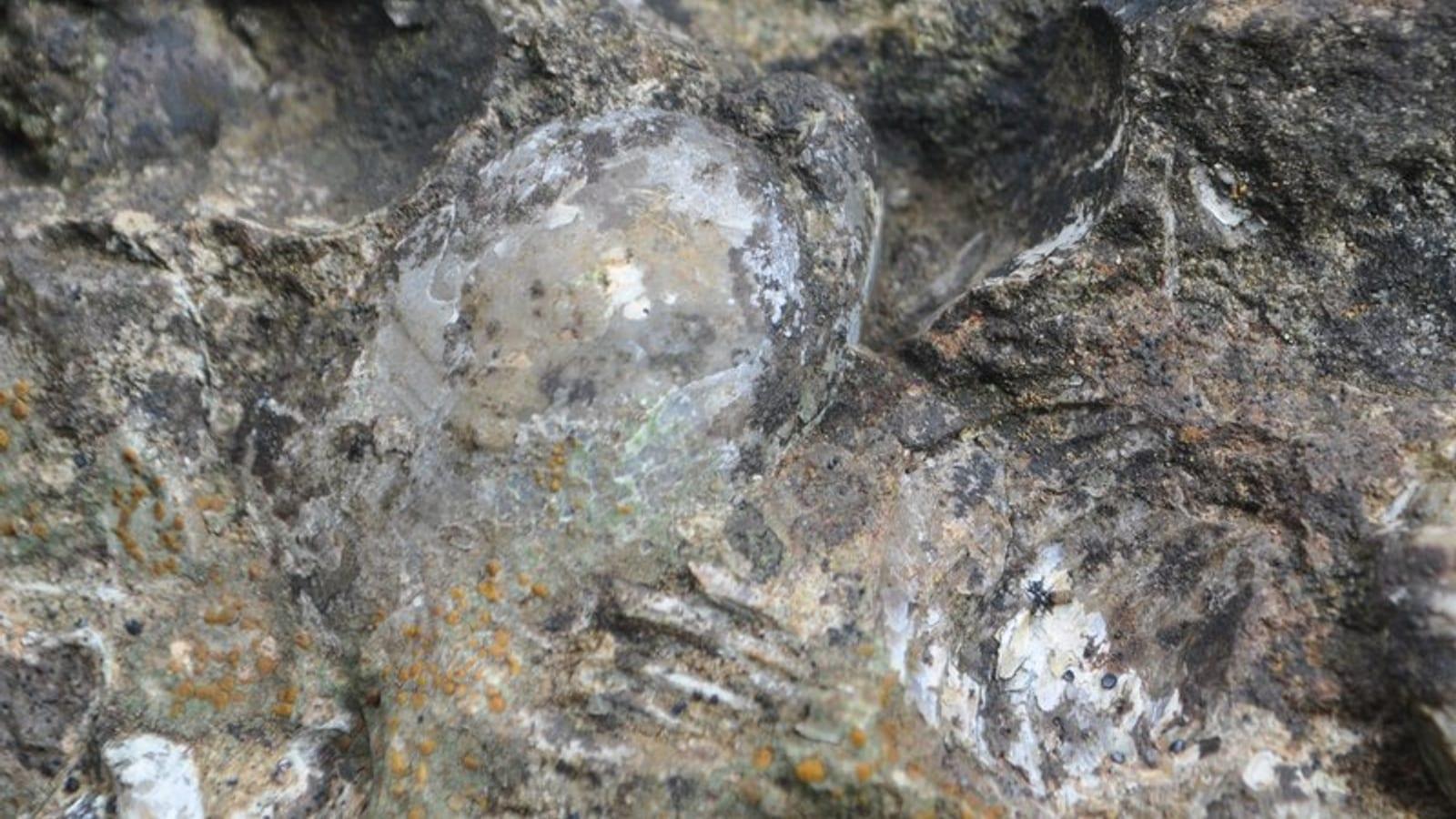
Image: Ombaghel (Public domain)
East Fork State Park sits on the south shore of William H. Harsha Lake in Clermont County, Ohio, about 25 miles east of Cincinnati.
By Edward Chen · Updated 1 August 2026
 Photo: Ombaghel, Public domain via Wikimedia Commons

Introduction
East Fork State Park sits on the south shore of William H. Harsha Lake in Clermont County, Ohio, about 25 miles east of Cincinnati. The park covers roughly 4,870 acres of rolling Bluegrass-region terrain, and the rock exposed across that ground is some of the most fossil-rich Late Ordovician limestone and shale anywhere in North America. When the U.S. Army Corps of Engineers cut the emergency spillway for the lake's earthen dam in the 1970s, they sliced through layered Maysvillian and Richmondian rocks of the Cincinnatian Series and left behind a long, stepped exposure that has produced brachiopods, bryozoans, crinoid columnals, horn corals, and occasional trilobite fragments for fifty years. Surface collecting of these common invertebrates is permitted on the spillway and along several nearby roadcuts under Ohio Division of Parks and Watercraft rules, with limits. This guide walks through how to reach the productive exposures, what fossils to look for in each rock type, the geological story behind the assemblage, and the current collecting rules visitors should follow.
Location and Directions
East Fork State Park is located at 3294 Elklick Road, Bethel, OH 45106. The park's main office sits on the south side of the lake. The most productive fossil exposure is the emergency spillway on the north side of the dam, at the southwest corner of the lake near the towns of Batavia and Afton.
From Cincinnati, take Interstate 275 east to Exit 65 (Ohio 32 east, toward Batavia). Follow Ohio 32 east for about 9 miles and exit at Half Acre Road. Turn south on Half Acre Road, then left onto Old State Route 32. The spillway access pulloff is on the north side of the road, where Old State Route 32 crosses the dry concrete spillway channel. Look for the broad concrete weir and a small dirt pulloff with room for several cars. There is no formal parking lot at the spillway. Park on the gravel shoulder and walk down the riprap into the channel. Wear sturdy boots, since the spillway floor is uneven concrete grading into broken shale and limestone.
For the main park entrance and the campground, continue on Ohio 32 to Bantam Road and follow the brown park signs south to Elklick Road. The Bethel-Maple Road and Elklick Road roadcuts pass through the same rock units and offer secondary collecting opportunities. Pull off well clear of the travel lane and stay outside the white shoulder line.
The spillway is open year round during daylight hours. Avoid it during periods of high lake level, when water can spill over the weir without warning, and after heavy rain when the channel runs wet.
What Fossils You'll Find
The exposures at East Fork are Late Ordovician shallow marine deposits, dominated by shells, bryozoans, and skeletal debris. Most pieces wash free of the soft shale after rain and can be picked up loose. You will rarely need to break rock.
- Brachiopods. The most abundant fossils. Rafinesquina alternata (a large, flat, fan-shaped brachiopod) is the easiest to spot, often weathering out whole. Strophomena, Platystrophia (with its strong wing-like extensions), Hebertella, and the small bean-shaped Zygospira are also common. Look for symmetrical shells with radiating ribs.
- Bryozoans. Twig-like and frond-like colonial fossils, often making up most of the rock matrix. Constellaria, Heterotrypa, and ramose forms of Prasopora are typical. The flat encrusting bryozoans cover larger brachiopod shells.
- Crinoid debris. Disc-shaped columnals are everywhere in the shale slabs, mostly isolated ossicles rather than articulated stems. Cup or calyx material is rare but not unheard of.
- Horn corals. Small solitary rugose corals, conical or curved, occur in thin limestone bands. They are less abundant here than they are farther south in the Cincinnatian.
- Trilobites. Fragmentary material is the rule. Pygidia and cephala of Flexicalymene and Isotelus (the Ohio state fossil) turn up occasionally, and complete enrolled Flexicalymene specimens have been documented from the spillway. They are uncommon enough that finding one is the highlight of a trip.
- Other invertebrates. Cephalopod fragments, gastropods, and the cup-shaped problematic Ischadites turn up in small numbers.
The best collecting is the loose float in the spillway channel and at the base of the spillway slope after a heavy rain has washed fresh material down. Look for whitish or buff-colored chips against the gray shale background. Those are usually fossil hash.
 Photo: Wilson44691, CC0, via Wikimedia Commons

Geologic History
The rocks at East Fork belong to the Cincinnatian Series of the Upper Ordovician, deposited about 450 to 443 million years ago during the Maysvillian and Richmondian stages. The specific formations exposed in the spillway and along the south shore of the lake are the Bull Fork Formation (upper Maysvillian) and the lower Whitewater Formation (Richmondian), both built of alternating beds of fossiliferous limestone and gray to greenish shale.
In Late Ordovician time, the area that is now southwest Ohio sat at about 20 degrees south latitude, on the warm, shallow continental shelf of the paleocontinent Laurentia. The Iapetus Ocean lay to the southeast and the Taconic mountain belt was rising along the eastern margin, shedding mud into the shelf seas. The shallow water hosted an enormous diversity of filter-feeding invertebrates. Brachiopods carpeted the sea floor, bryozoans built low thickets, crinoids stood in dense gardens, and trilobites cruised the soft mud between them. Episodic storms tore through the community and reworked shells into sheets of broken material, then a quiet interval of mud deposition would bury everything before the cycle repeated. The result, repeated thousands of times up section, is the alternating limestone-shale couplets that give the Cincinnatian its layer-cake appearance.
After deposition, gentle uplift of the Cincinnati Arch lifted these rocks above sea level. They were never deeply buried, so most fossils kept their original calcite shells and the rock stayed soft and easy to split. Ohio Valley streams have spent the last few million years cutting through the section and exposing it across this part of the state.
How East Fork State Park Became a Fossil Collecting Site
The fossil exposure at East Fork is a side effect of dam construction, not a former quarry or research excavation. The U.S. Army Corps of Engineers built the East Fork Dam between 1972 and 1978 to control flooding on the East Fork of the Little Miami River. The dam impounds William H. Harsha Lake, named for the local congressman who championed the project. To handle extreme floods, the Corps cut a wide auxiliary spillway through the natural ridge on the north side of the dam, removing tens of thousands of cubic yards of Bull Fork and Whitewater rock and leaving the bedrock exposed as a stepped concrete-lined channel. The walls and floor of that cut, along with the slopes of the embankment, have been weathering ever since, and they continue to shed fresh fossils into the channel each winter.
The State of Ohio opened East Fork State Park around the new lake in 1978. The park is managed by the Ohio Department of Natural Resources Division of Parks and Watercraft, while the lake and the dam infrastructure remain Corps of Engineers property. Local fossil clubs, including the Dry Dredgers based at the University of Cincinnati, have led trips to the spillway and to the nearby Caesar Creek emergency spillway for decades.
Collecting Rules and Regulations
Surface collecting is allowed for personal, non-commercial use. Under Ohio Administrative Code 1501:46-3-04 and Division of Parks and Watercraft policy, visitors may pick up loose fossils from the surface for personal collections. Commercial collecting, sale of specimens, and use of power tools are prohibited.
Practical rules:
- Take only what you can carry in one hand, in line with Ohio State Parks' guidance on common invertebrate fossils. The historical practice on the spillway is a few specimens per visit, not buckets.
- Surface collecting only. Do not dig into the spillway slope, use hammers and chisels on bedrock, or pry material out of the wall. Hand picking of loose float in the channel is the accepted method.
- Vertebrate fossils are not expected here, but if you encounter anything that looks like a bone or a fish element, leave it in place and report it to the park office.
- Do not collect on the dam structure itself, on the concrete weir, or on Corps of Engineers property posted as restricted.
- Roadcut collecting along Ohio 32, Bantam Road, and Elklick Road is at your own risk. Park well off the pavement, wear a hi-vis vest, and stay clear of traffic.
- A standard Ohio State Park entry pass is not required. Parking and access are free. Camping, boating, and beach fees are separate.
- Confirm current park rules with the East Fork State Park office or the ODNR Division of Parks and Watercraft before each visit.
Safety
The spillway is the main hazard and the weather is the main variable. The channel is a working flood-control structure. Water can come over the weir when the lake is high, and the floor runs wet after heavy rain. Check the forecast and the lake level before you walk down, and stay out of the channel if either is rising.
Getting in and out means crossing riprap, which is loose angular block that shifts underfoot. Wear boots with ankle support rather than trainers. The shale slope above the channel sheds material continuously, which is why the collecting is good, so work the loose float at the base rather than climbing the face.
The roadcuts on Ohio 32, Bantam Road, and Elklick Road sit beside live traffic. Park well off the pavement, stay outside the white line, and wear a high-visibility vest. Ohio 32 is a four-lane highway and is not a place to let children wander.
Ticks are present from spring through autumn in the grass above the channel, and poison ivy grows along the access path. Cover your legs, check yourself the same day, and learn the three-leaf pattern before you go. There is no shade in the spillway and no water source. Bring your own.
Sources
- Ohio Department of Natural Resources, "East Fork State Park." https://ohiodnr.gov/go-and-do/plan-a-visit/find-a-property/east-fork-state-park
- U.S. Army Corps of Engineers, Louisville District, "William H. Harsha Lake / East Fork Lake." https://www.lrl.usace.army.mil/Missions/Civil-Works/Recreation/Lakes/William-H-Harsha-Lake/
- Ohio Geological Survey, "Geology of Ohio: The Ordovician." https://ohiodnr.gov/discover-and-learn/safety-conservation/about-odnr/geologic-survey
- Dry Dredgers (University of Cincinnati), "Cincinnatian Stratigraphy and Field Localities." http://www.drydredgers.org/
- Davis, R.A. and Cuffey, R.J., eds., 1998. "Sampling the Layer Cake That Isn't: The Stratigraphy and Paleontology of the Type-Cincinnatian." Ohio Division of Geological Survey Guidebook 13.
Nearby sites
 Trammel Fossil Park Fossil Hunting GuideTrilobites, Brachiopods
 Cowan Lake State Park Fossil Hunting GuideBrachiopods, Bryozoans
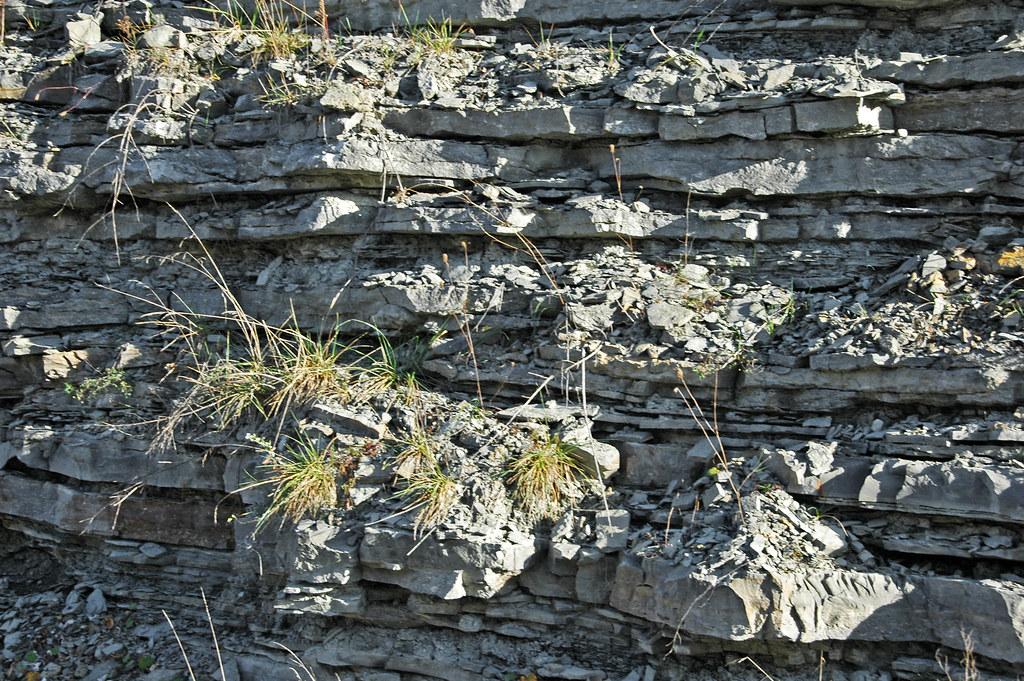 Maysville Ordovician Roadcut Fossil Hunting GuideBrachiopods, Trilobites
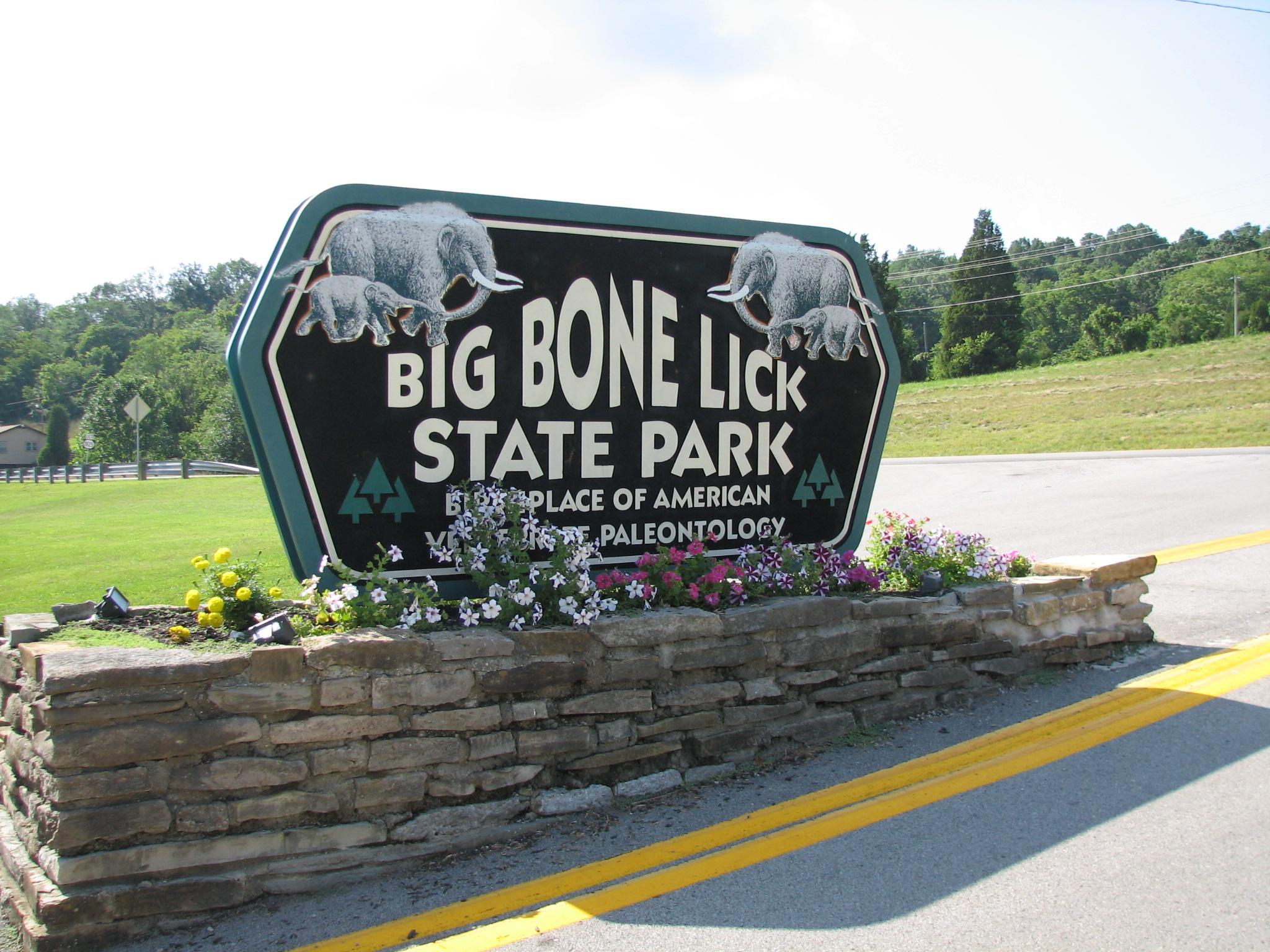 Big Bone Lick State Historic Site Fossil Hunting GuideAmerican mastodon (Mammut americanum), Columbian mammoth (Mammuthus columbi)