Crowley's Ridge Pleistocene Gravel Fossil Guide
Image: Wilson44691 (Public domain)
Crowley's Ridge is a long, loess-capped upland rising above the flat Arkansas Delta, built of older gravels and dusted with Ice Age windblown silt. Its gravel pits occasionally yield the teeth and bones of mammoths, mastodons, and horses, while the ridge itself preserves petrified wood and fossil leaves. Pits are private and vertebrate fossils are significant, so permission and care are essential.
By Edward Chen · Published 22 June 2026
Introduction
Crowley's Ridge is one of the strangest landforms in the American South: a narrow, rolling upland that rises 250 to 550 feet above the dead-flat Mississippi Alluvial Plain and runs some 200 miles, from the Arkansas-Missouri border down through northeastern Arkansas to Helena. While most of the Delta is too deeply buried in young river mud to hold many fossils, the ridge and its gravels are different. Its gravel pits sometimes turn up the teeth and bones of Ice Age giants, and the ridge preserves petrified wood and the impressions of ancient leaves and bark.
The ridge is built of older sands and gravels and capped by a thin blanket of Pleistocene loess, fine windblown dust that settled here during the Ice Age. The fossils fall into two groups: silicified wood and plant impressions from older deposits, and Pleistocene vertebrate remains, such as mammoth, mastodon, and horse teeth, that show up in the gravel. Because the pits are private operations and the big animal fossils are scientifically valuable, collecting here is about permission and careful reporting.
Location and Directions
Crowley's Ridge stretches north to south through northeastern Arkansas, passing near Jonesboro and through counties including Greene, Craighead, and Phillips, roughly near 35.95°N, 90.65°W. Crowley's Ridge State Park near Paragould and the Crowley's Ridge Parkway scenic route are good ways to experience the landform, though the parks themselves are for viewing, not collecting.
There is no public fossil-digging site here. Petrified wood is found on parts of the ridge, and vertebrate fossils come mainly from commercial gravel pits, all of which are private property. To collect, you must identify and get permission from the landowner or pit operator first. Bring sturdy footwear, water, and bags, and read the Arkansas Geological Survey's fossil-collecting guidance before heading out. Spring, after rains have washed exposures, is often the best time to look.
What Fossils You'll Find
Crowley's Ridge offers two very different kinds of fossil. From the ridge and its older deposits come petrified wood, including large silicified conifer stumps, some weighing several tons, found historically near Wittsburg and Piggott, along with petrified nuts and the imprints of leaves, bark, and ferns. These plant fossils record forests far older than the Ice Age loess on top.
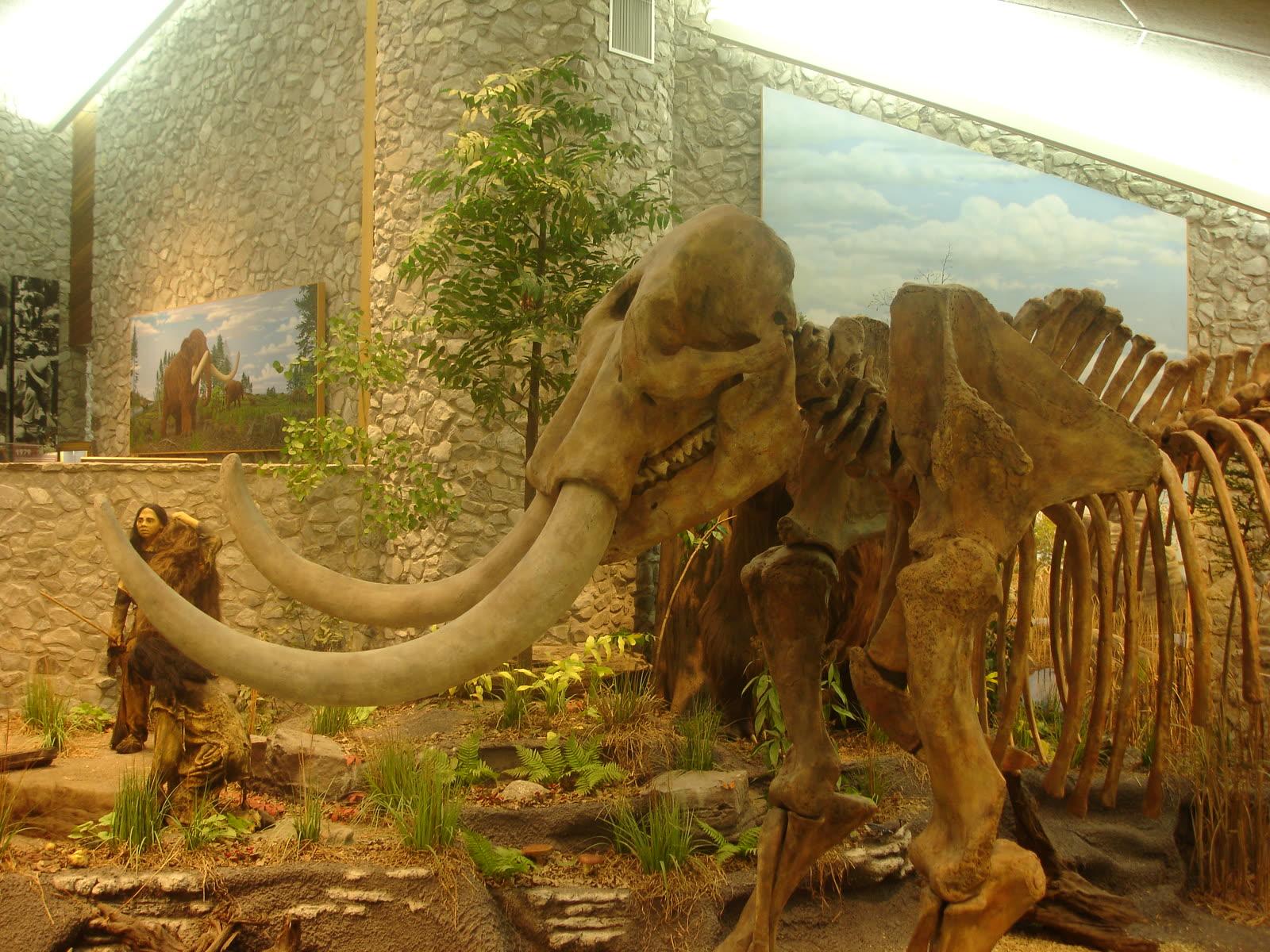
The second group is the Pleistocene vertebrate fauna found in gravel pits adjacent to and within the ridge. These pits occasionally reveal the teeth and bones of large Ice Age mammals, including mammoths, mastodons, and horses, animals that roamed the continent until roughly ten thousand years ago. Such finds are usually isolated teeth or individual bones rather than skeletons, and they are the headline fossils of the region.
Geologic History
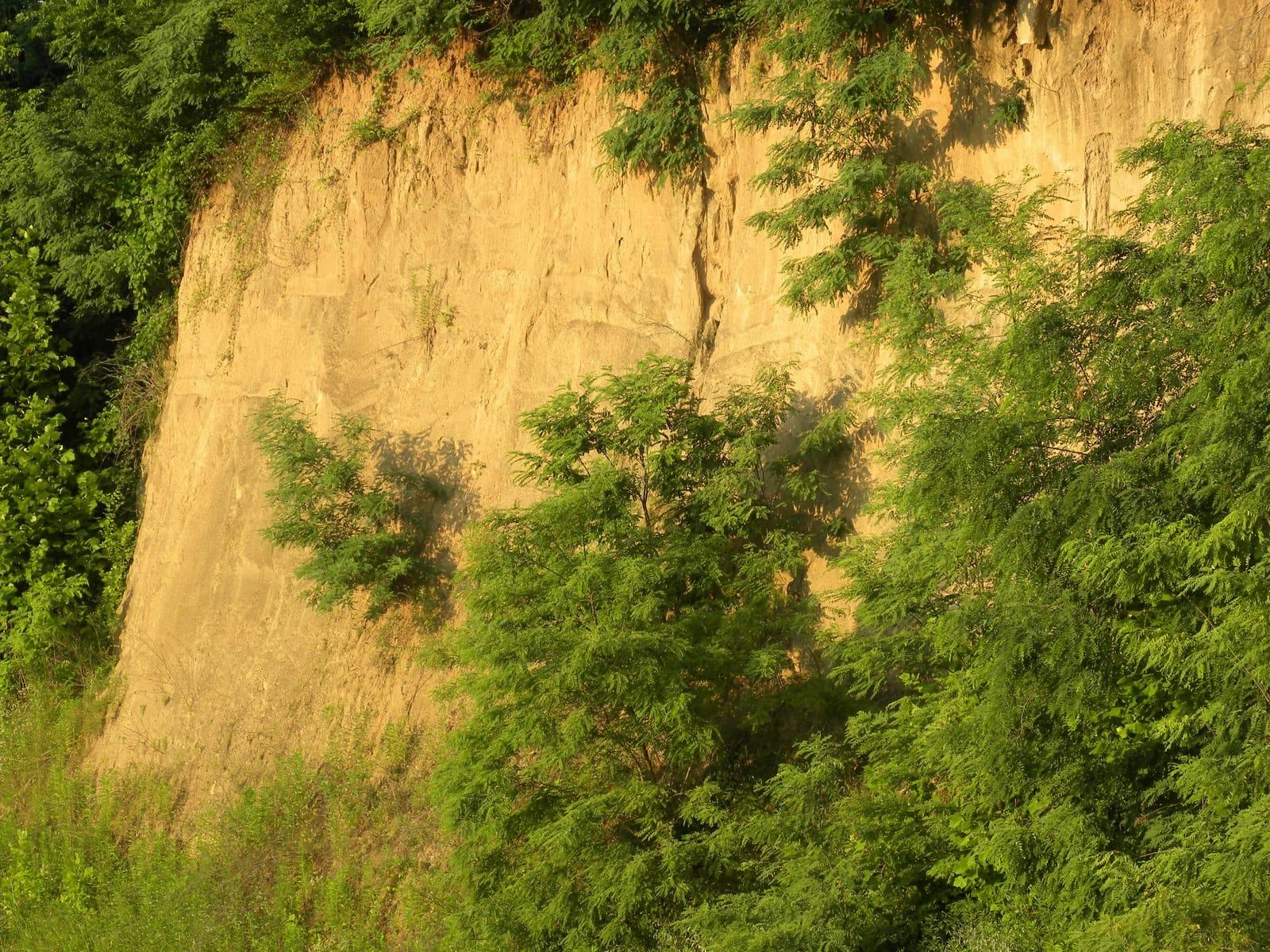
Crowley's Ridge is a remnant upland left standing when the ancestral Mississippi and Ohio rivers carved down the broad lowland on either side of it during and after the Ice Age. The ridge is built largely of older Tertiary and Quaternary sands and gravels, and it is capped by a thin layer of Pleistocene loess, such as the Peoria Loess, that ranges from a few feet to about thirty feet thick and dates to roughly ten to twenty-five thousand years ago. This loess is glacial rock flour, ground up by ice far to the north and blown in on Ice Age winds.
The petrified wood and plant impressions come from the older deposits within the ridge, while the mammoth, mastodon, and horse remains were buried in the gravels during the Pleistocene, when these animals lived across the region. Erosion of the ridge and the digging of gravel pits expose both kinds of fossil, which is why the gravel pits are the most reliable source of Ice Age bone.
Collecting Rules and Regulations
Access depends entirely on land ownership. The productive gravel pits and most petrified-wood sites are private property, so you must get the landowner's or operator's permission before entering or collecting, and trespassing in an active pit is both illegal and dangerous. The state parks along the ridge protect their features, so do not collect within them. Petrified wood and common plant fossils may generally be collected for personal use where you have permission. Ice Age vertebrate fossils such as mammoth and mastodon teeth and bones are scientifically important. If you find vertebrate material, note exactly where it came from and consider reporting it to the Arkansas Geological Survey or a museum, since context greatly increases a specimen's value. Take only a reasonable amount, do not sell material collected as a courtesy without the owner's agreement, and follow the Arkansas Geological Survey's collecting guidelines.
Safety
Active gravel pits are hazardous, with heavy machinery, steep and unstable walls, and deep water, so never enter one without permission and an escort, and keep well clear of working equipment and pit edges. Loess and gravel banks can collapse, so do not undercut them or stand beneath overhangs. Summers in the Delta are hot and humid, so carry water and sun protection and watch for heat illness. Be alert for venomous snakes, ticks, chiggers, and poison ivy. Avoid pits and stream banks after heavy rain when they are slick and prone to slumping, and always tell someone where you are going.
Sources
https://en.wikipedia.org/wiki/Crowley%27s_Ridge https://geology.arkansas.gov/docs/pdf/geology/Collecting-Fossils-in-Arkansas.pdf https://www.arkansasstateparks.com/articles/photo-essay-stories-stones https://encyclopediaofarkansas.net/entries/fossils-5026/