Quaternary · 2.58 Ma – present
Quaternary fossil sites
The current period, defined by repeated ice ages, the rise of modern human evolution, and the late Pleistocene megafauna extinctions. Quaternary fossil sites include cave deposits, tar pits, river gravels, and permafrost-preserved Ice Age remains.

The Quaternary covers the last 2.6 million years and includes the present day. Ice sheets advanced and retreated repeatedly. Sea level fell by more than 100 meters during glacial maxima and rose again between them. Humans evolved, spread across every continent, and arrived alongside the megafauna that then disappeared.
Quaternary fossils are young enough that bone often survives as bone rather than as stone. Caves, tar seeps, and river gravels concentrate the material. Mammoth, mastodon, giant sloth, and dire wolf all come from such settings. Marine terraces preserve shells that differ little from those on the beach below them.
Twenty-three entries here fall in the Quaternary. Fifteen are viewing sites, which reflects how often Quaternary material sits inside caves and reserves. Naracoorte in South Australia and Atapuerca in Spain both hold World Heritage status. Six sites allow free collecting, mostly coastal exposures and river gravels. Radiocarbon dating works on material younger than about 50,000 years, so many Quaternary finds carry a real calendar age rather than a stage name.
23 fossil sites
Updated 4 August 2026
Life of the period
Three to know from the Quaternary
You will not find all of these yourself. They are the animals and plants that make the period worth reading about.

Woolly mammothMammuthus A small population survived on Wrangel Island in the Arctic Ocean until roughly 4,000 years ago. The pyramids at Giza were already old by then.
anagoria, CC BY 3.0

Sabre-toothed catSmilodon The canines were long, flat, and fragile, unsuited to bone. It probably used its heavy forelimbs to pin prey first, then bit the throat. The La Brea tar seeps have produced thousands of individuals.
Michael Barera, CC BY-SA 4.0

Giant ground slothMegalonyx Thomas Jefferson described the claws in 1797 and thought they came from a huge lion. The species name honours him anyway. It is West Virginia's state fossil.
Bloopityboop, CC BY-SA 4.0
All Quaternary sites
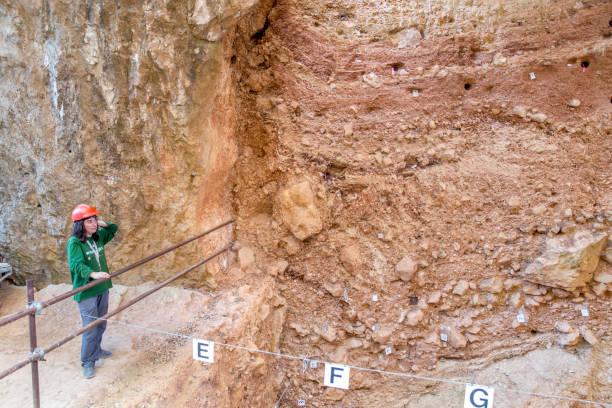
Atapuerca Archaeological Site Fossil Guide
Castile and León, Spain
Hominin remains, Homo antecessor, Cave bears, Lithic tools
Big Bone Lick State Historic Site Fossil Hunting Guide
Kentucky, United States
American mastodon (Mammut americanum), Columbian mammoth (Mammuthus columbi), Jefferson's ground sloth (Megalonyx jeffersonii), Ancient bison (Bison antiquus)
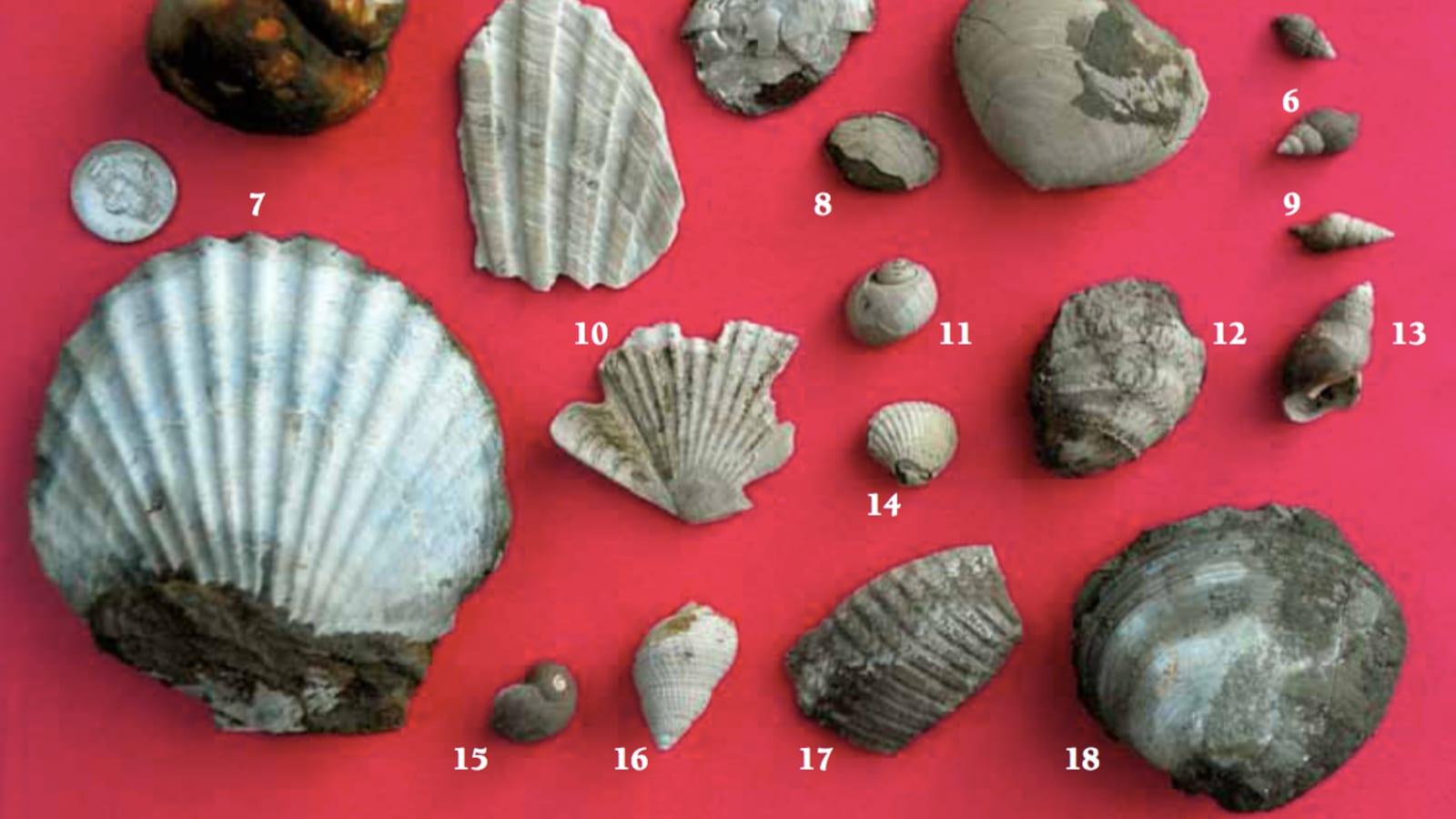
Centerville Beach Fossil Hunting Guide
California, United States
Patinopecten sp. (Giant Pacific Scallop), Natica clausa (Moon Snail), Clinocardium meekianum (Cockle), Nucella canaliculata (Channeled Dogwinkle)
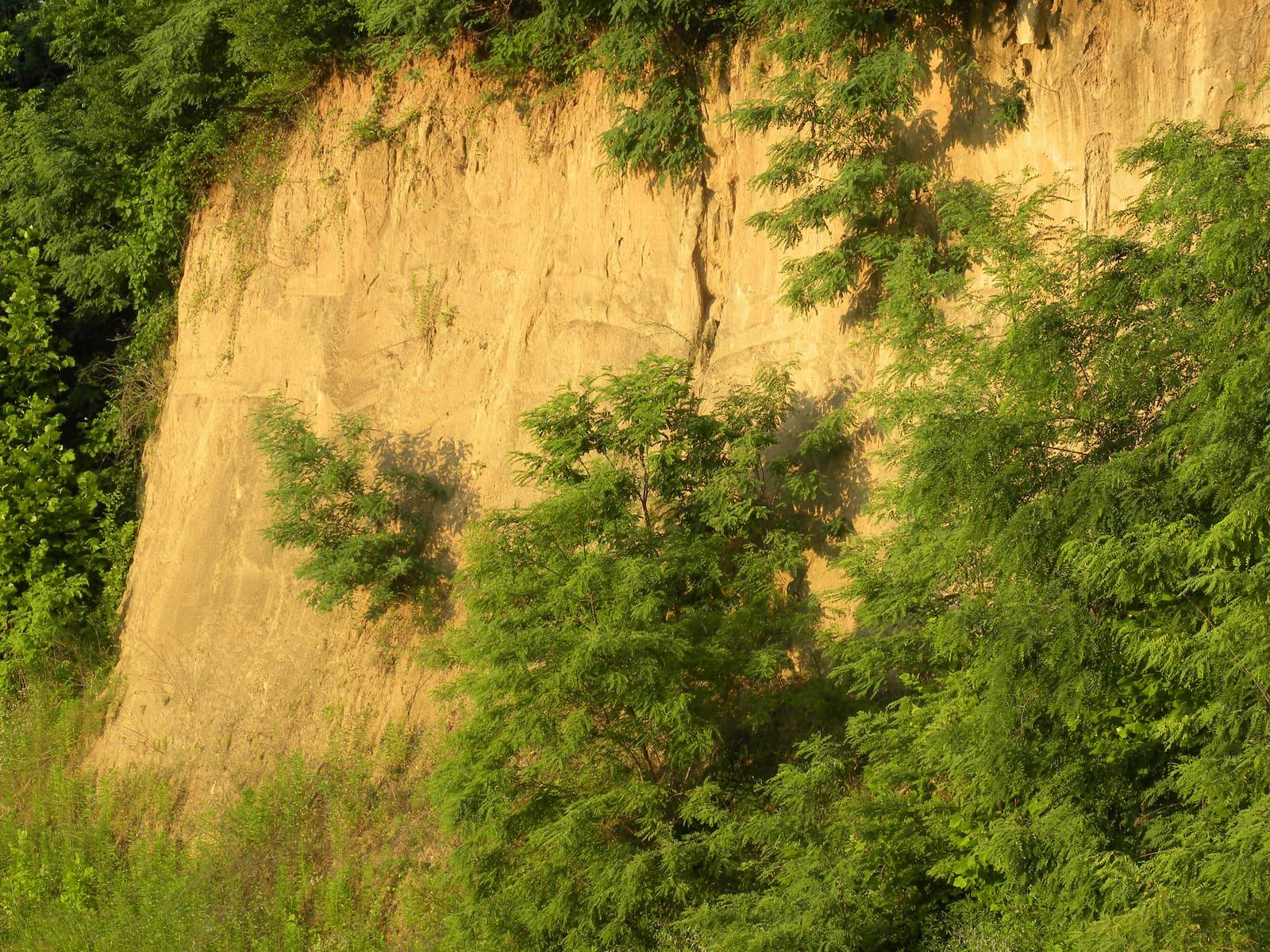
Crowley's Ridge Pleistocene Gravel Fossil Guide
Arkansas, United States
Petrified wood, Mammoths, Mastodons, Horses
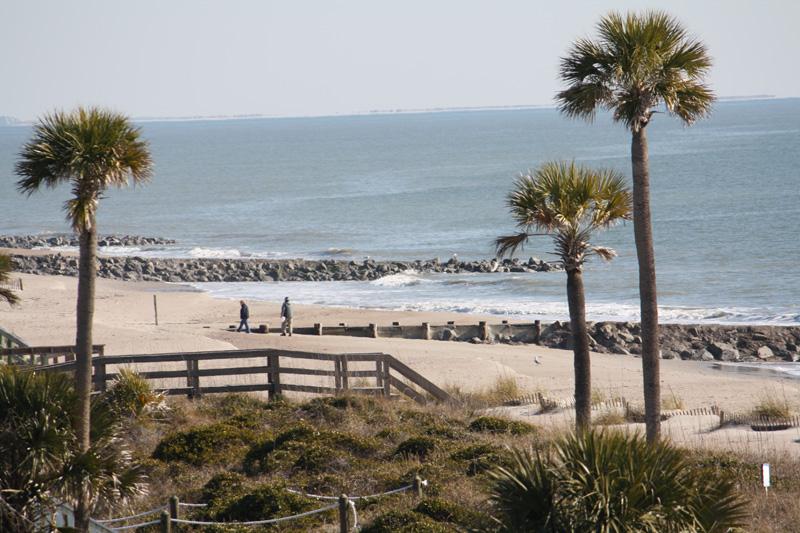
Edisto Beach State Park Fossil Hunting Guide
South Carolina, United States
Shark Teeth, Megalodon, Pleistocene mammal bones, Whale Bone
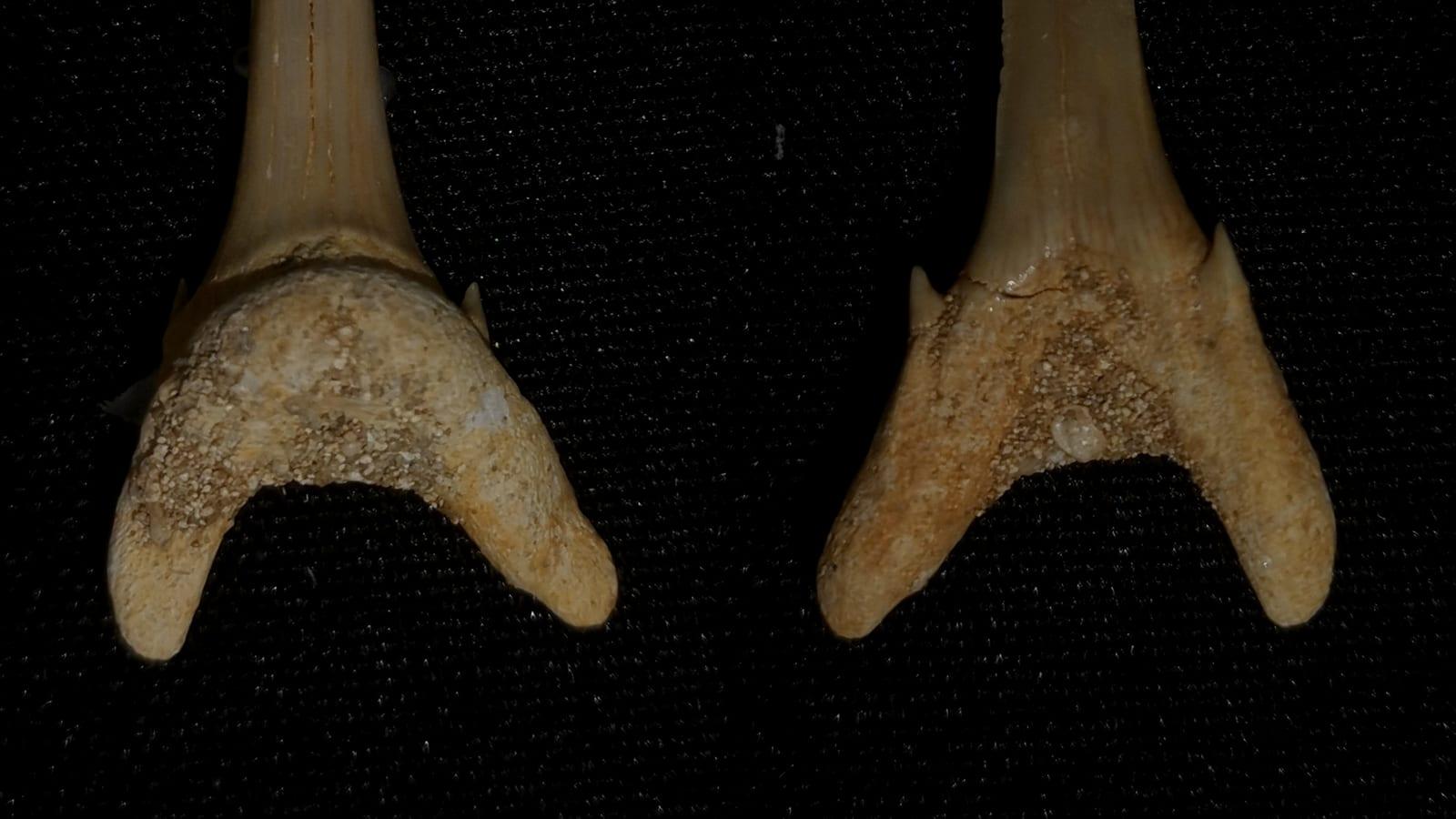
Fort Clinch State Park Fossil Hunting Guide
Florida, United States
Shark Teeth, Mollusks
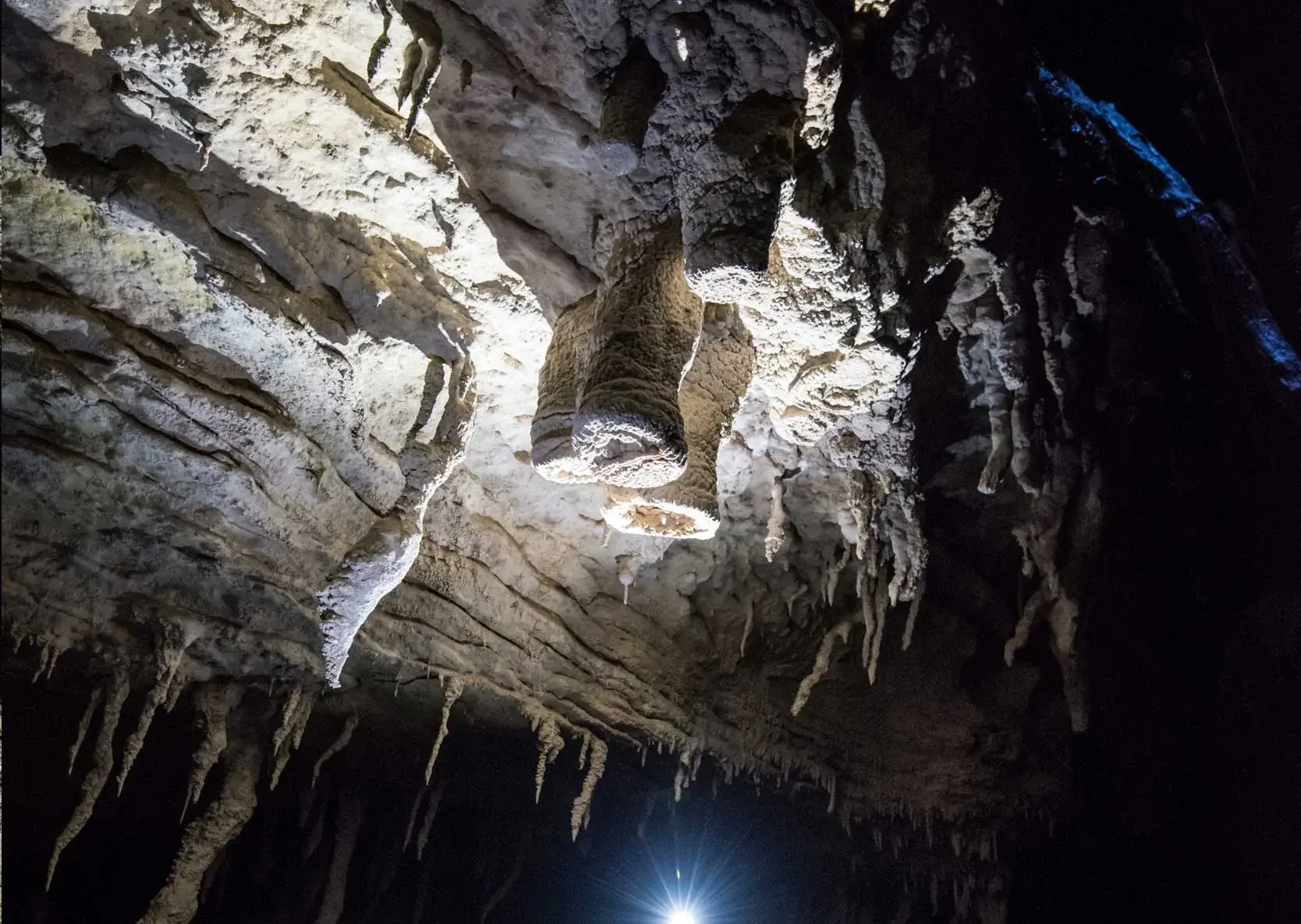
Honeycomb Hill Caves Fossil Hunting Guide
West Coast, New Zealand
Moa (Pachyornis, Dinornis, Megalapteryx), Haast's eagle (Hieraaetus moorei), Finsch's duck (Chenonetta finschi), New Zealand owlet-nightjar (Aegotheles novaezealandiae)
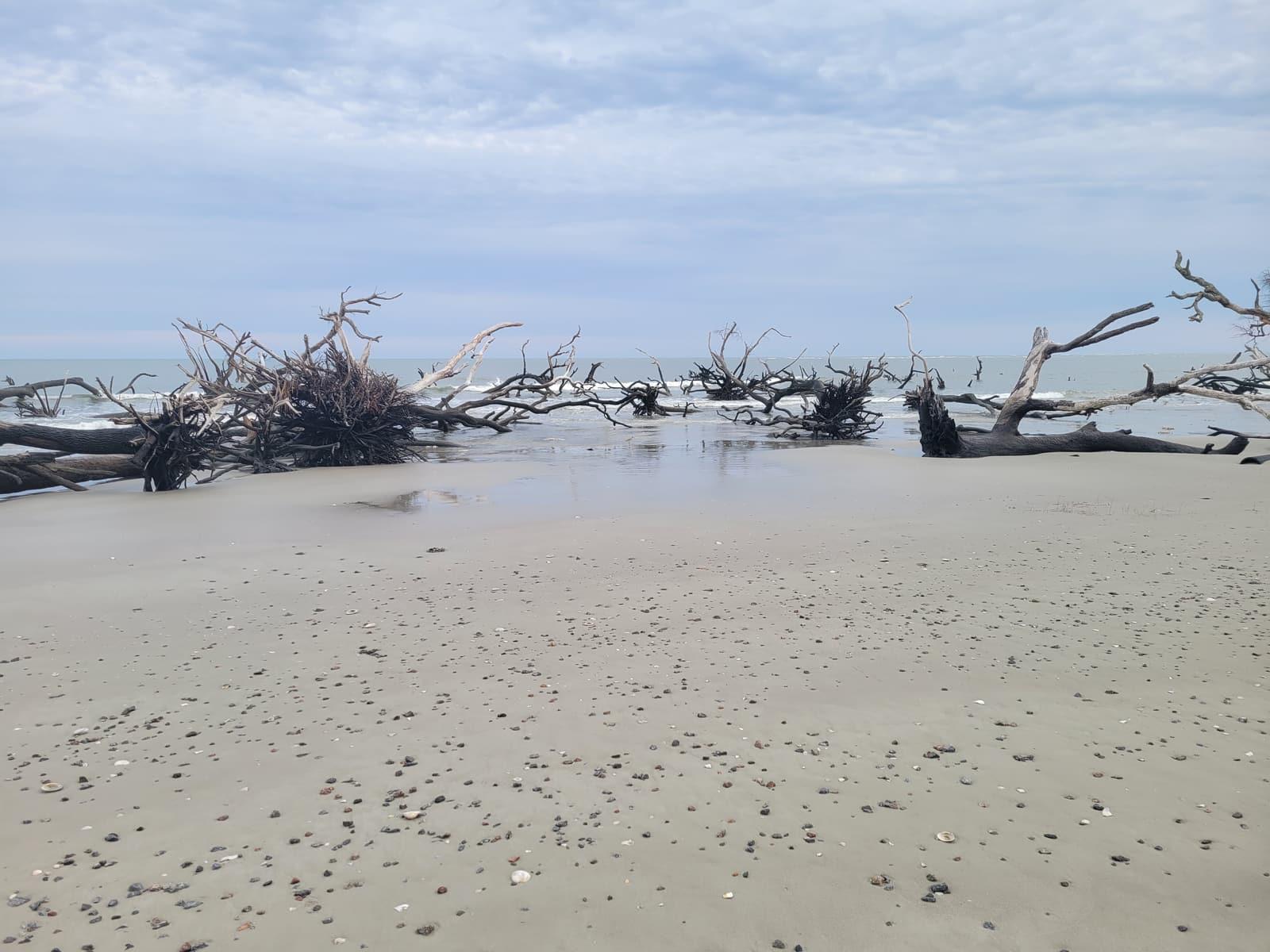
Hunting Island State Park Fossil Guide
South Carolina, United States
Shark Teeth, Megalodon teeth, Fossil bone, Marine shells
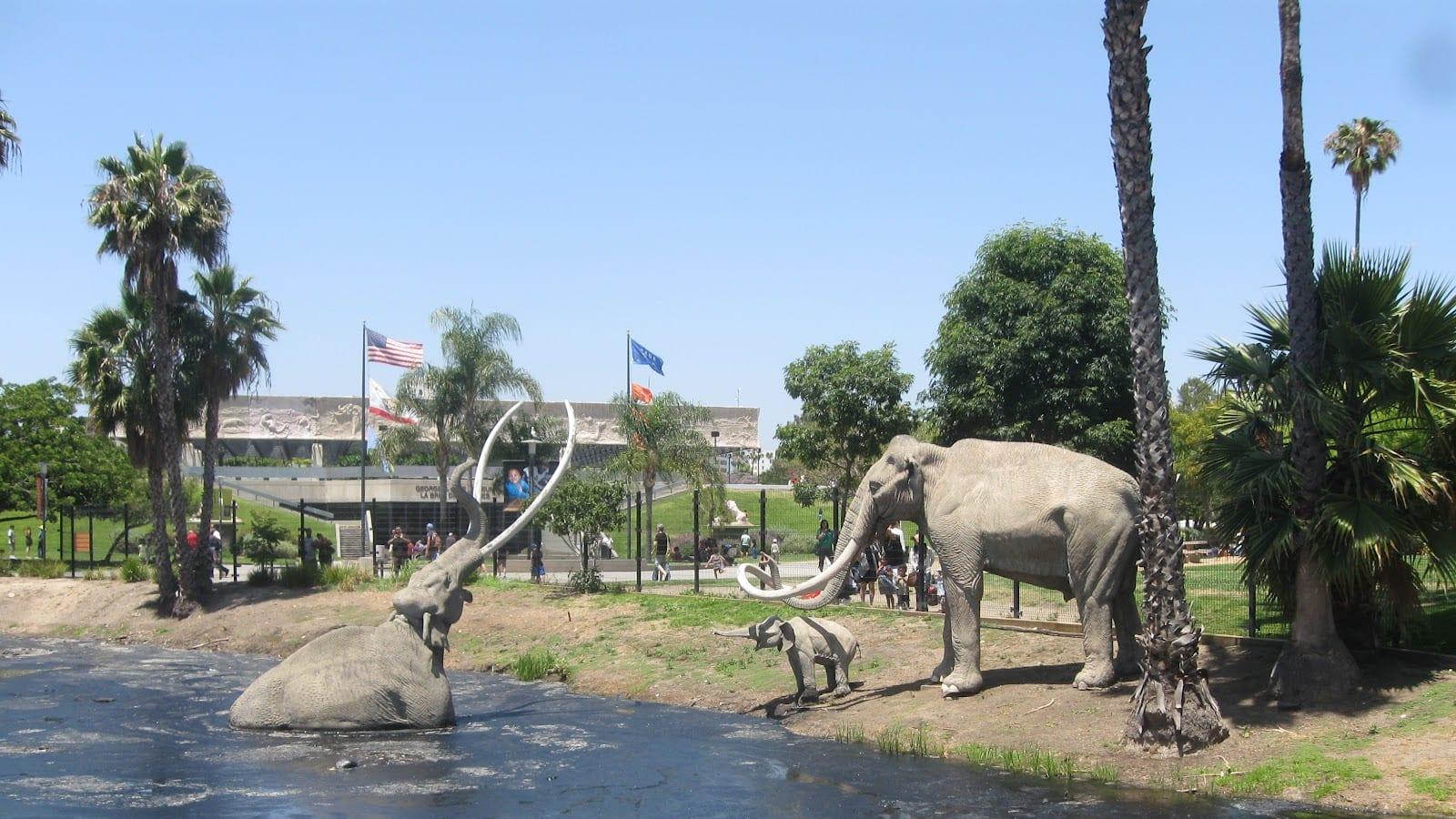
La Brea Tar Pits Fossil Hunting Guide
California, United States
Dire Wolf, Saber-toothed Cat, Columbian Mammoth, Ground Sloth
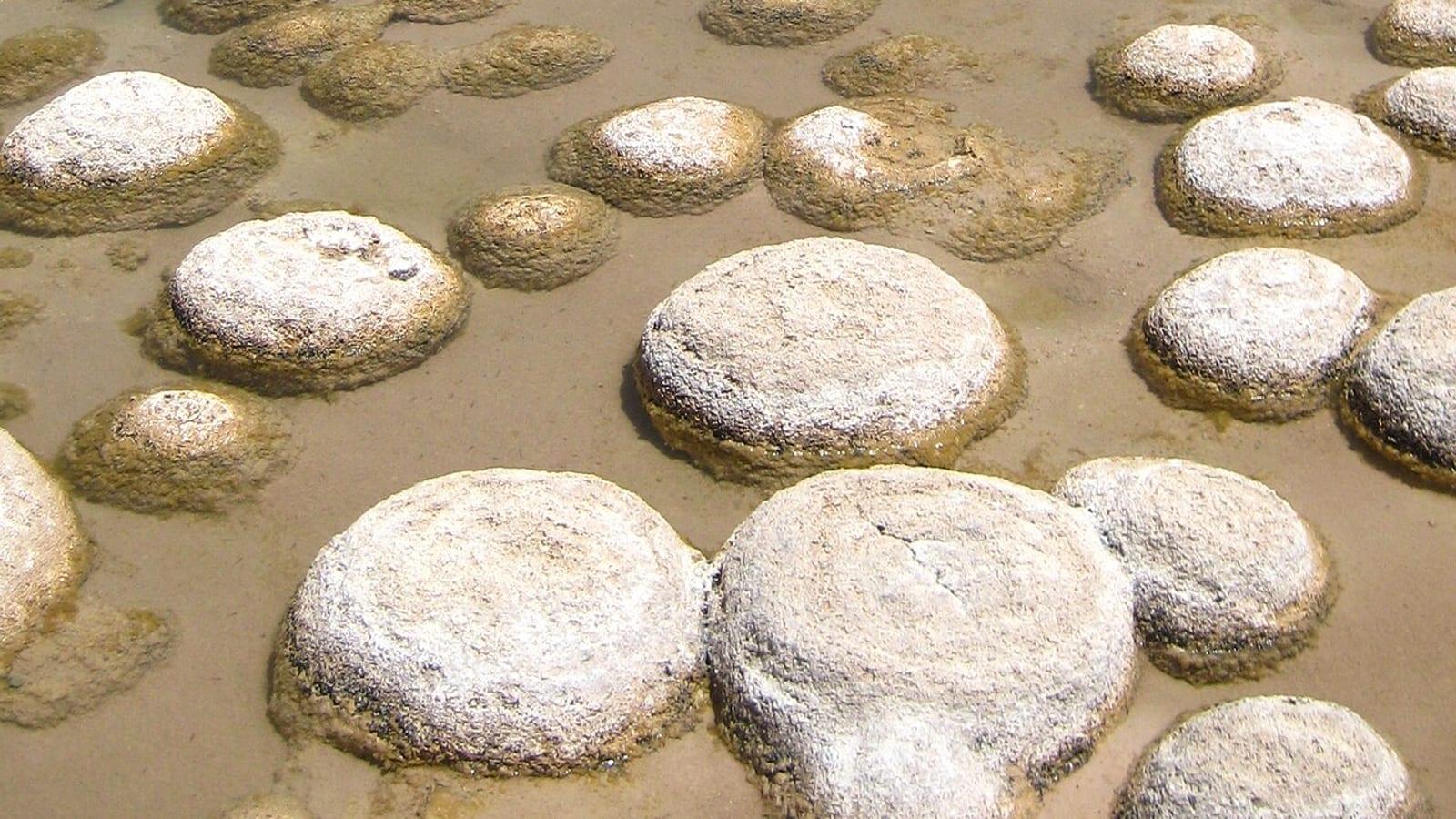
Lake Clifton Thrombolites Yalgorup National Park Fossil Hunting Guide
Australia
Thrombolites
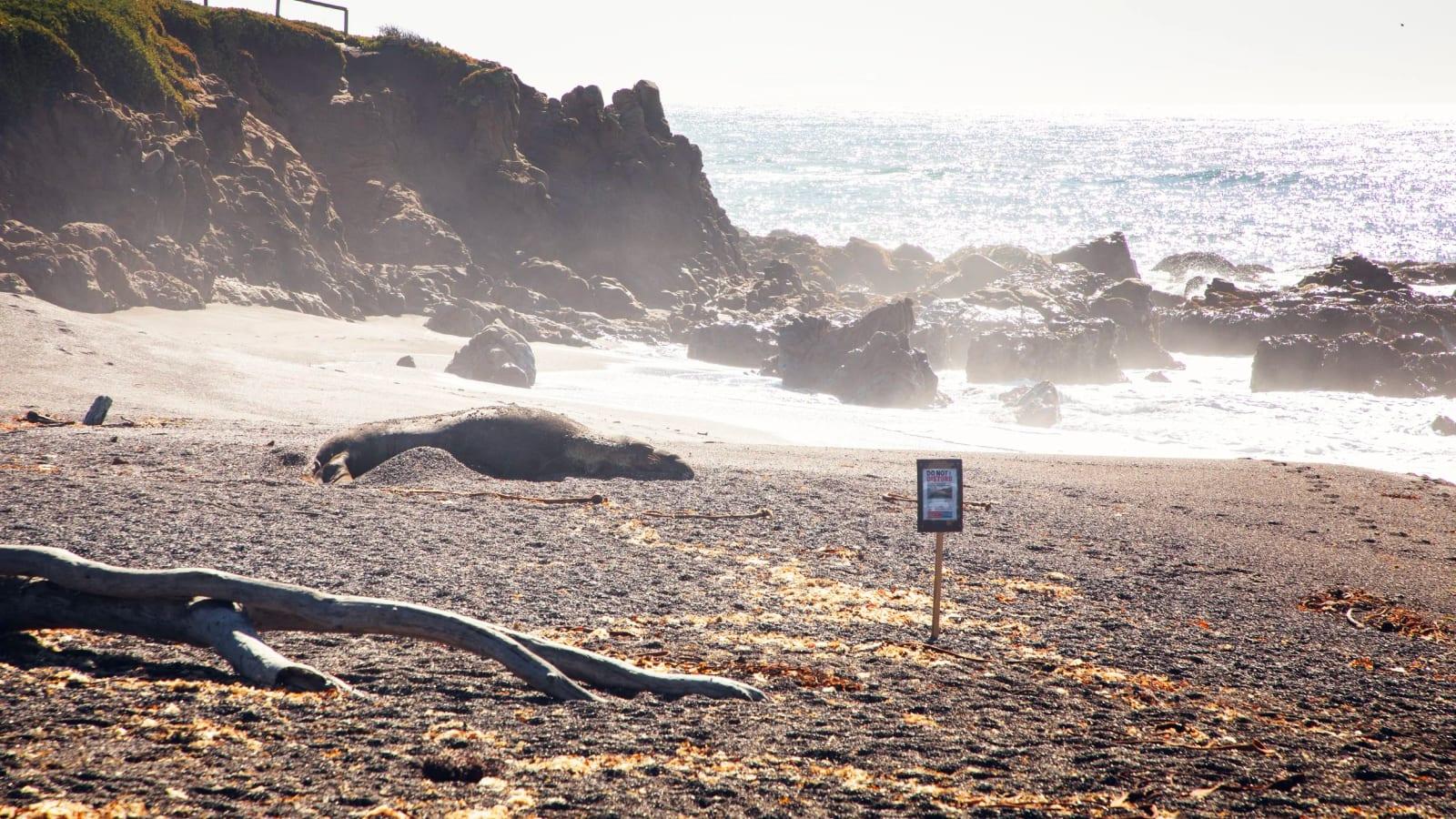
Moonstone Beach, Cambria Fossil Hunting Guide
San Luis Obispo County, California, United States
Bivalves, Sand Dollars, Barnacles, Gastropods
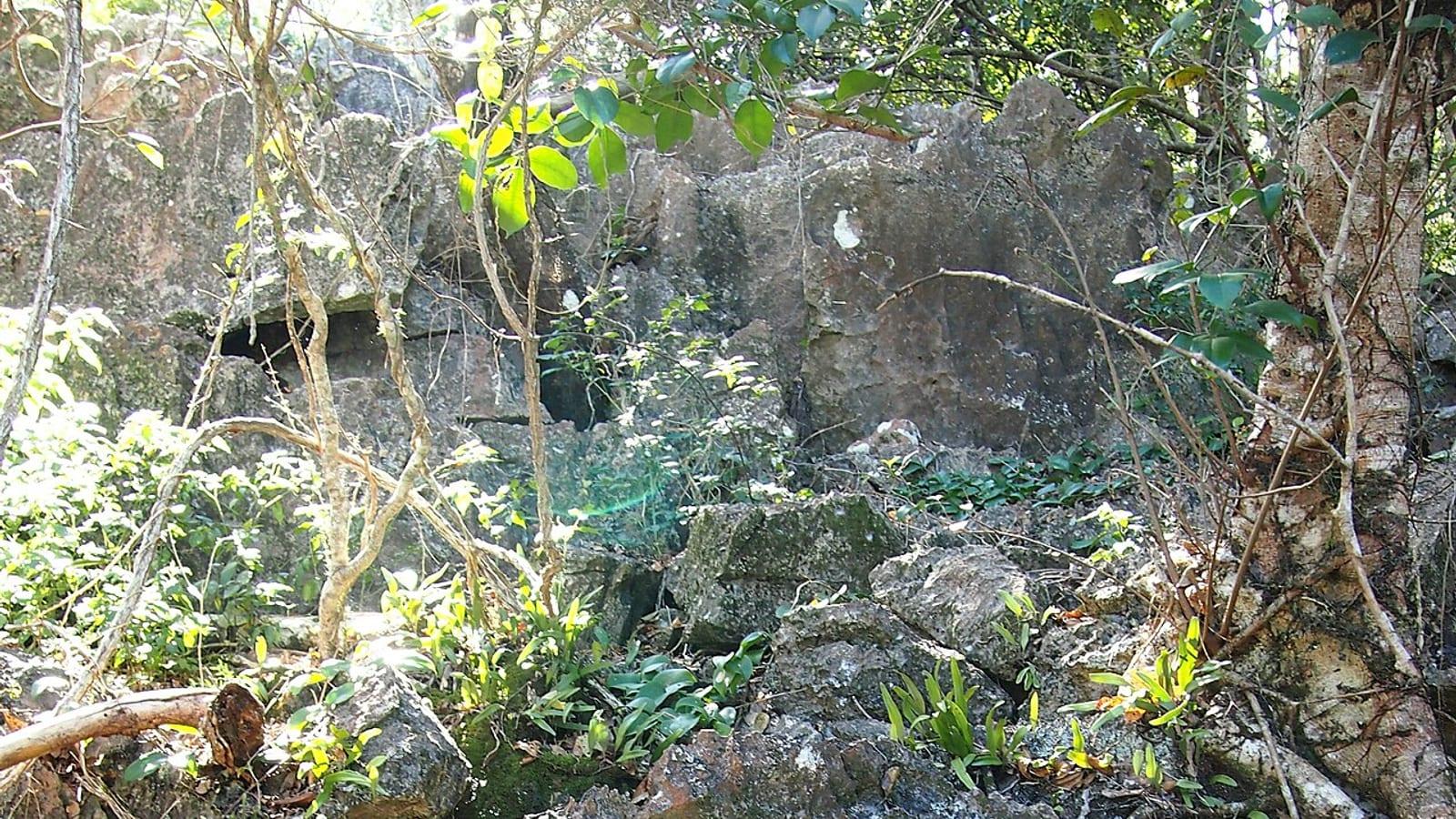
Mount Etna Caves National Park Fossil Hunting Guide
Australia
Pleistocene fossil assemblage, Invictokoala monticola, Quinkana, Varanus komodoensis
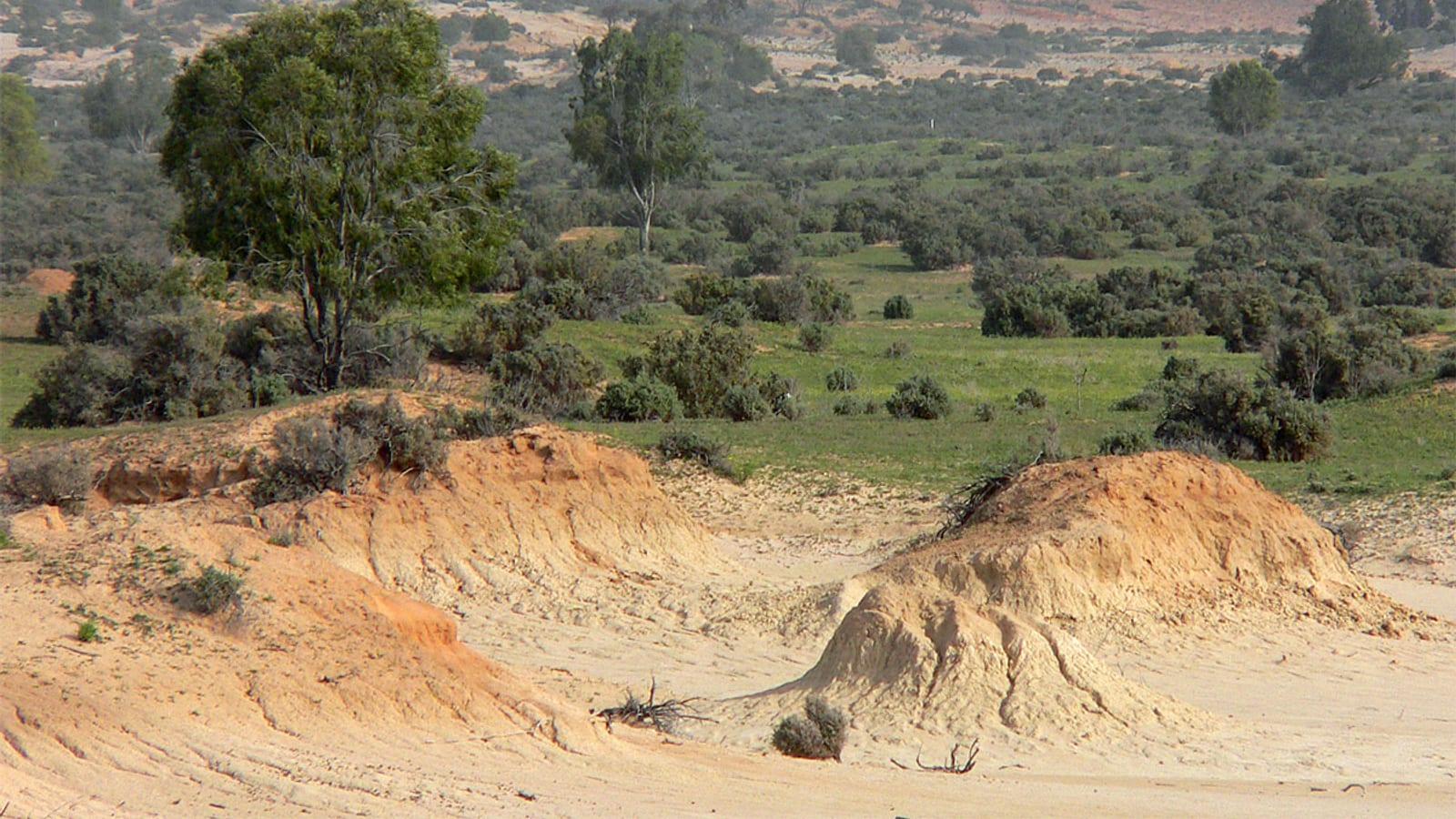
Mungo National Park Fossil Hunting Guide
Australia
Mungo Lady, Mungo Man, Zygomaturus trilobus, Genyornis newtoni
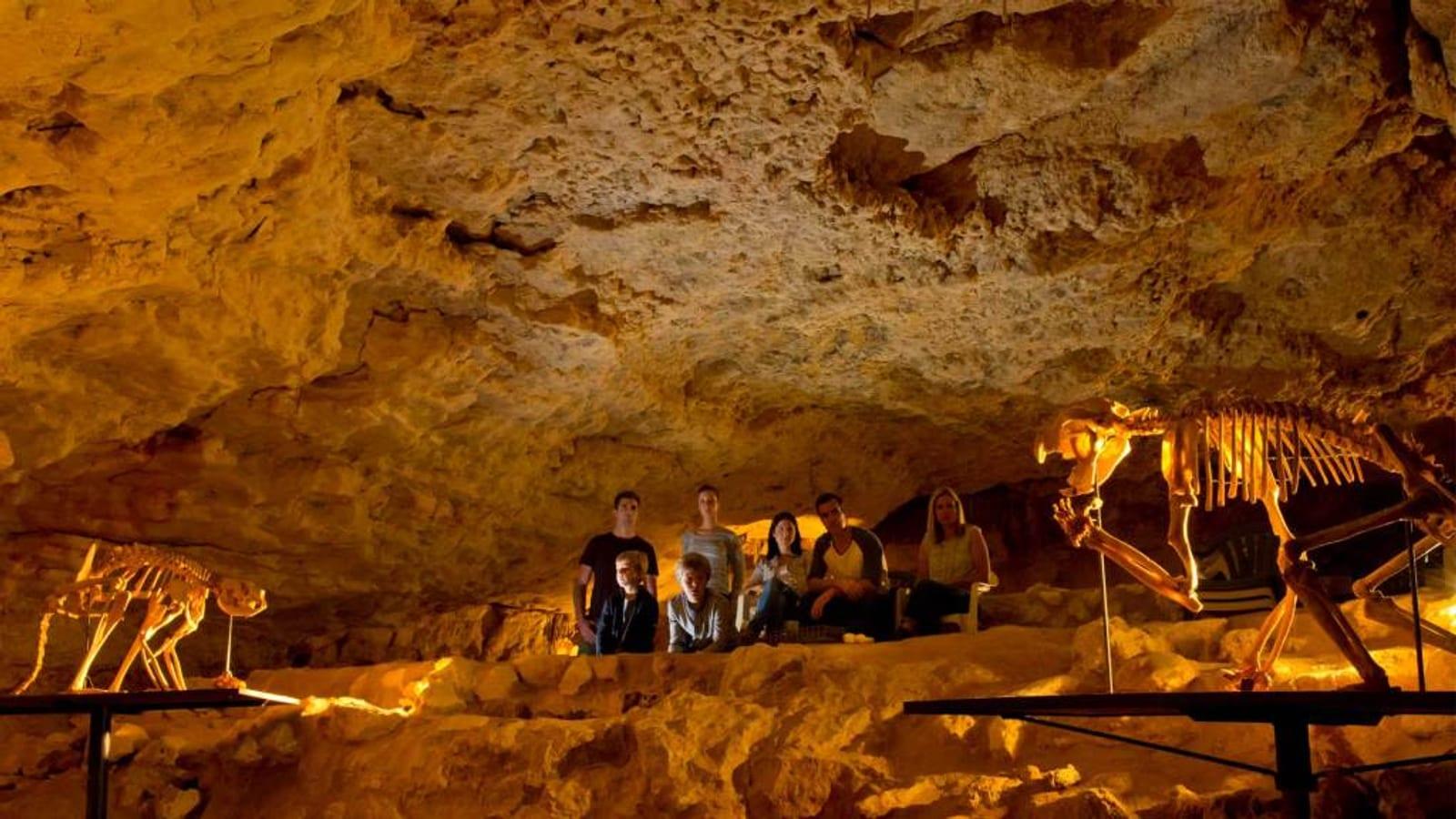
Naracoorte Caves Fossil Hunting Guide
South Australia, Australia
Diprotodon, Thylacoleo carnifex, Procoptodon, Megalania
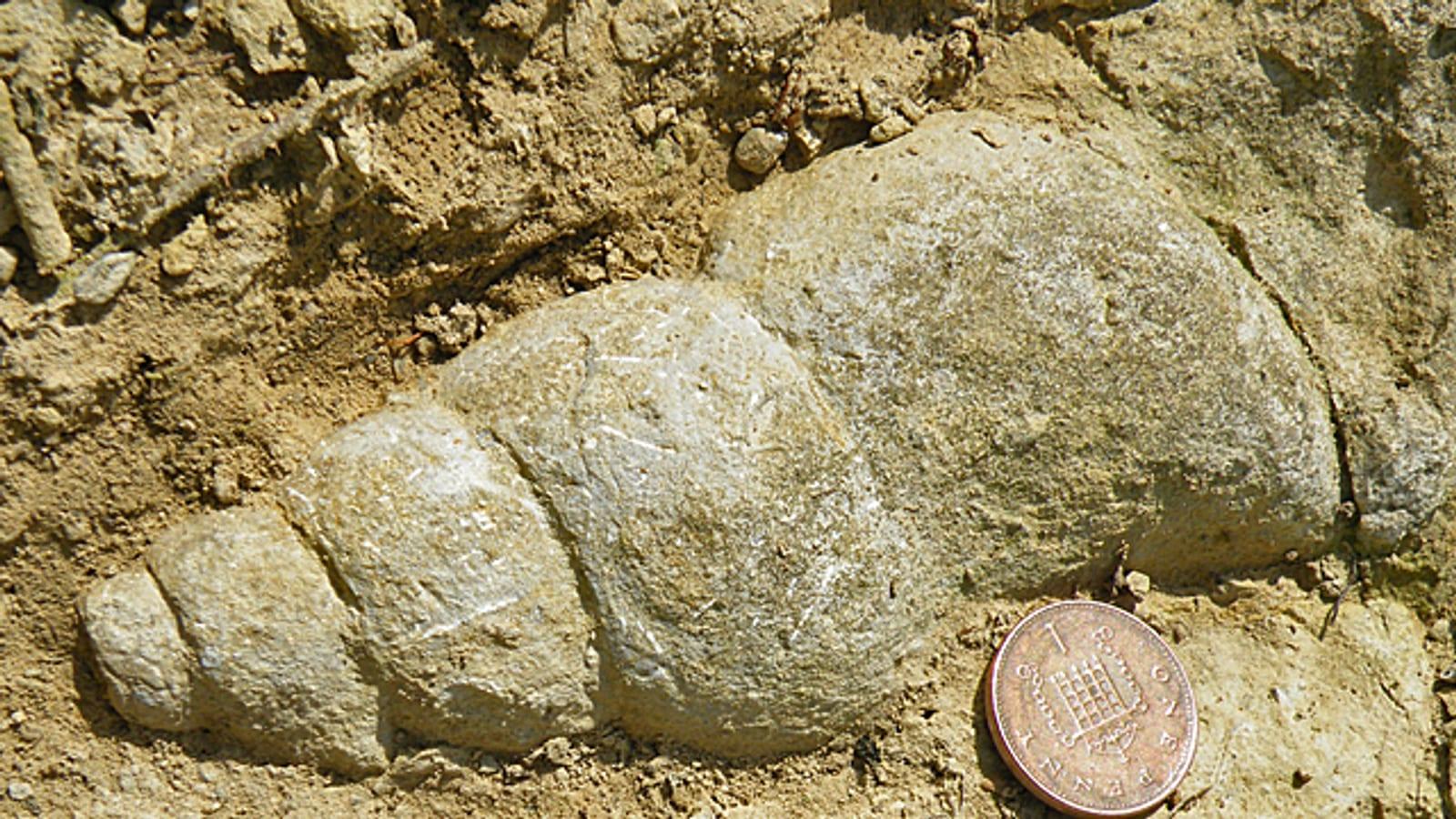
Rincon Point Fossil Hunting Guide
Santa Barbara County, California, United States
Bivalves, Gastropods
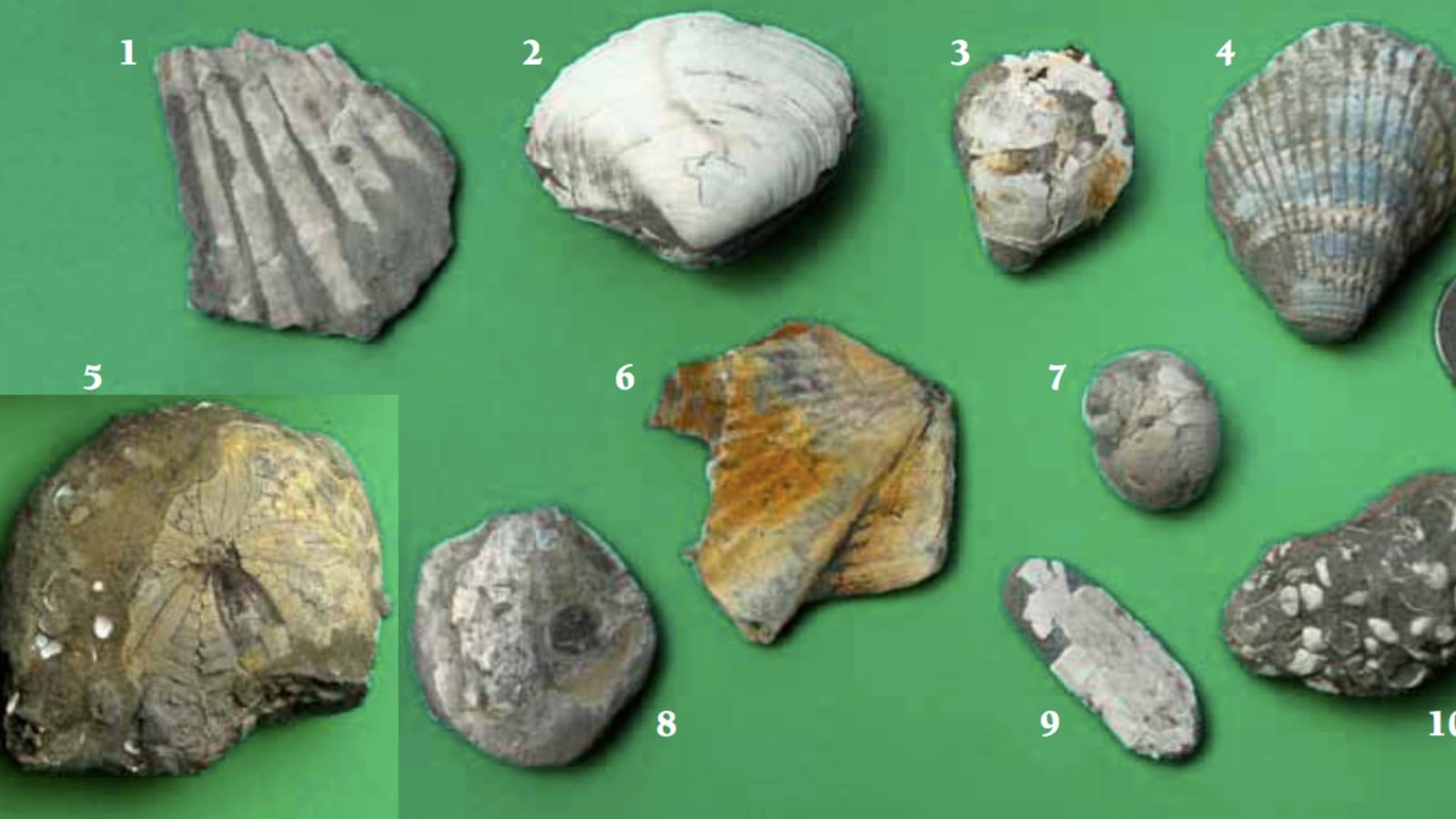
Scotia Bluffs Fossil Hunting Guide
Humboldt County, California, United States
Bivalves, Gastropods, Sand Dollars, Foraminifera
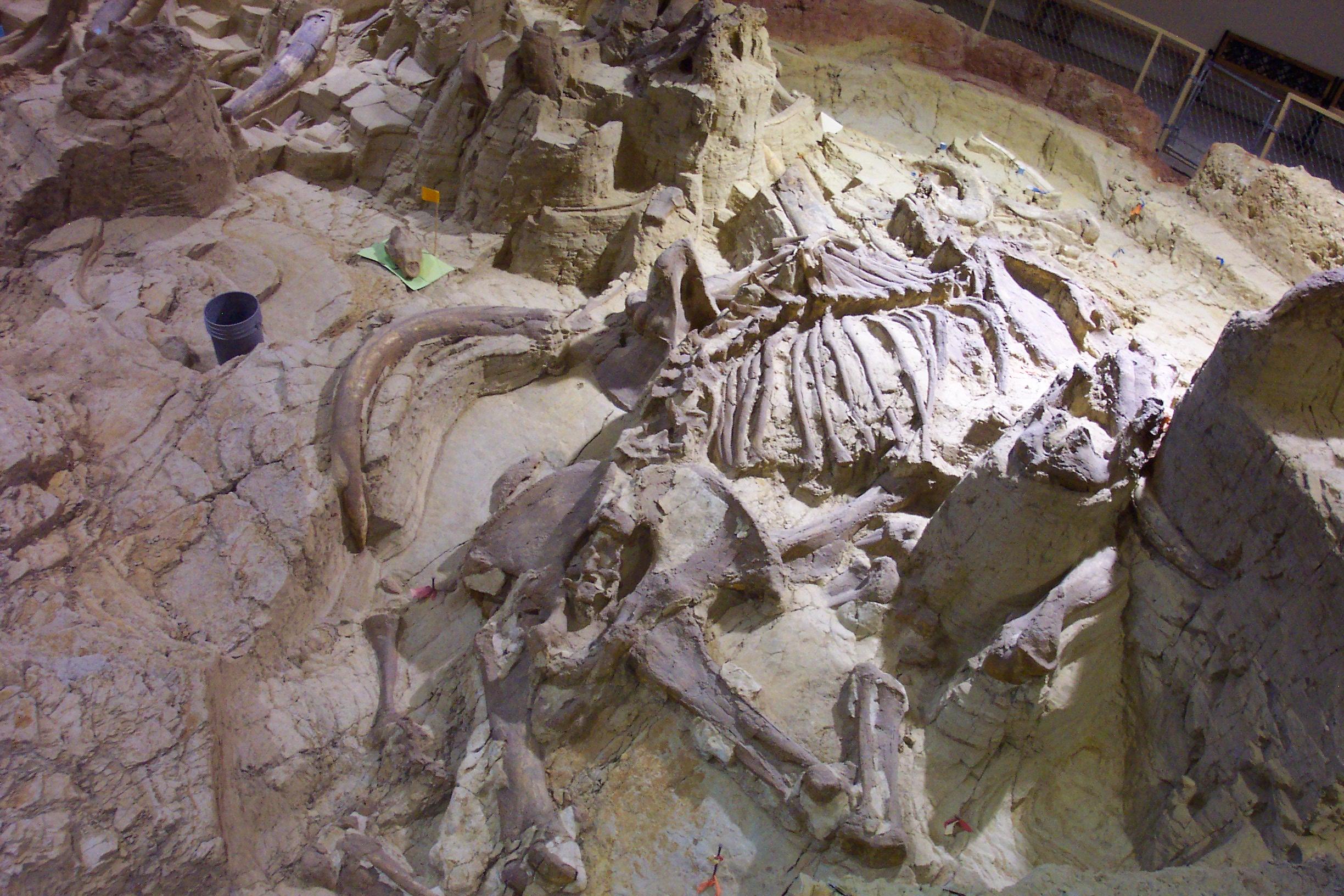
The Mammoth Site of Hot Springs Fossil Hunting Guide
South Dakota, United States
Columbian mammoth (Mammuthus columbi), Woolly mammoth (Mammuthus primigenius), Short-faced bear (Arctodus simus), Camel
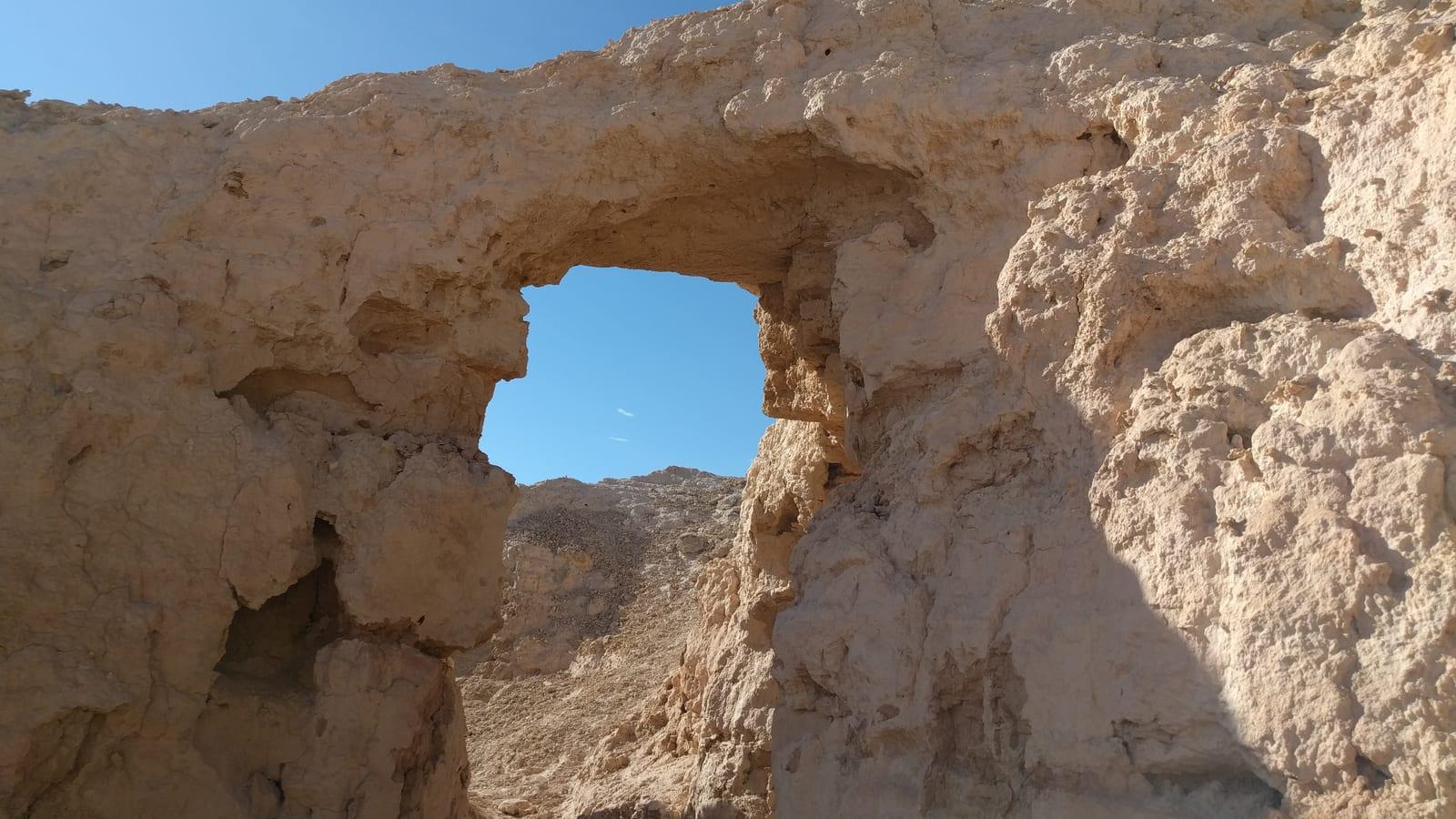
Tule Springs Fossil Beds National Monument Fossil Hunting Guide
Nevada, United States
Mammoth, Ground Sloth
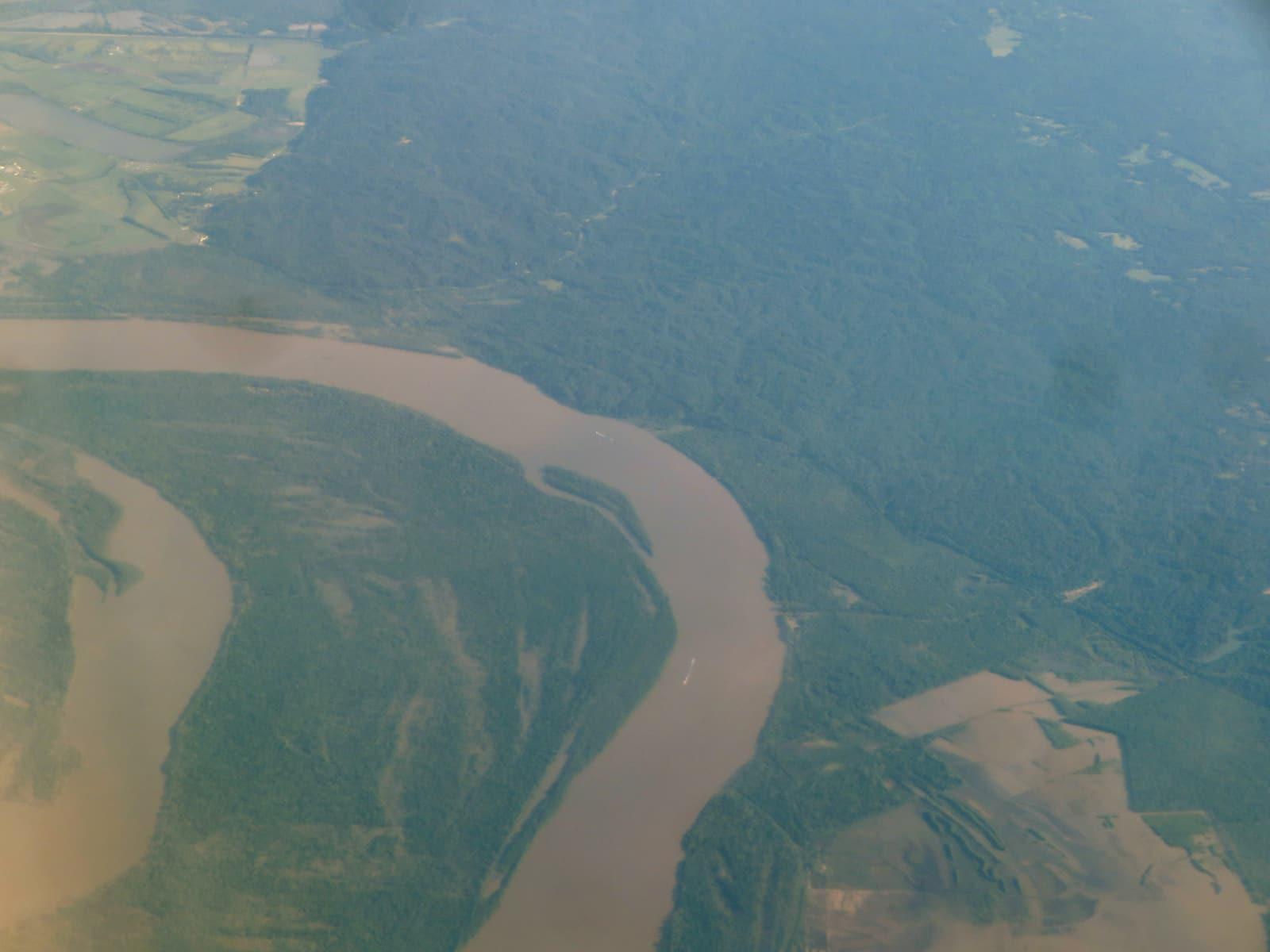
Tunica Hills Loess Fossil Guide
Louisiana, United States
Mastodons, Mammoths, Ice Age mammals, Land snails
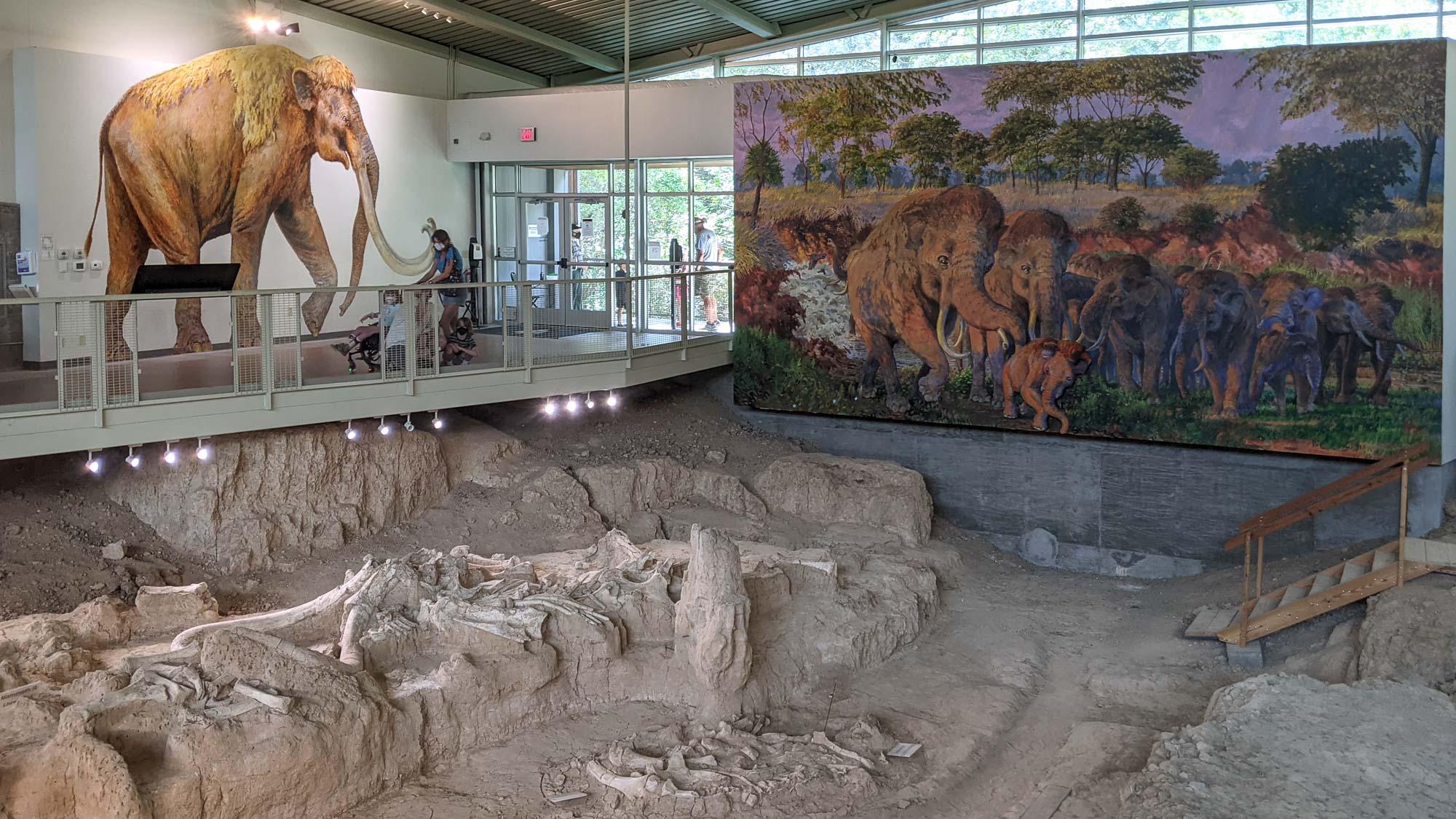
Waco Mammoth National Monument Fossil Hunting Guide
Texas, United States
Columbian mammoth (Mammuthus columbi), American camel (Camelops), Western horse (Equus), Saber-toothed cat (?)
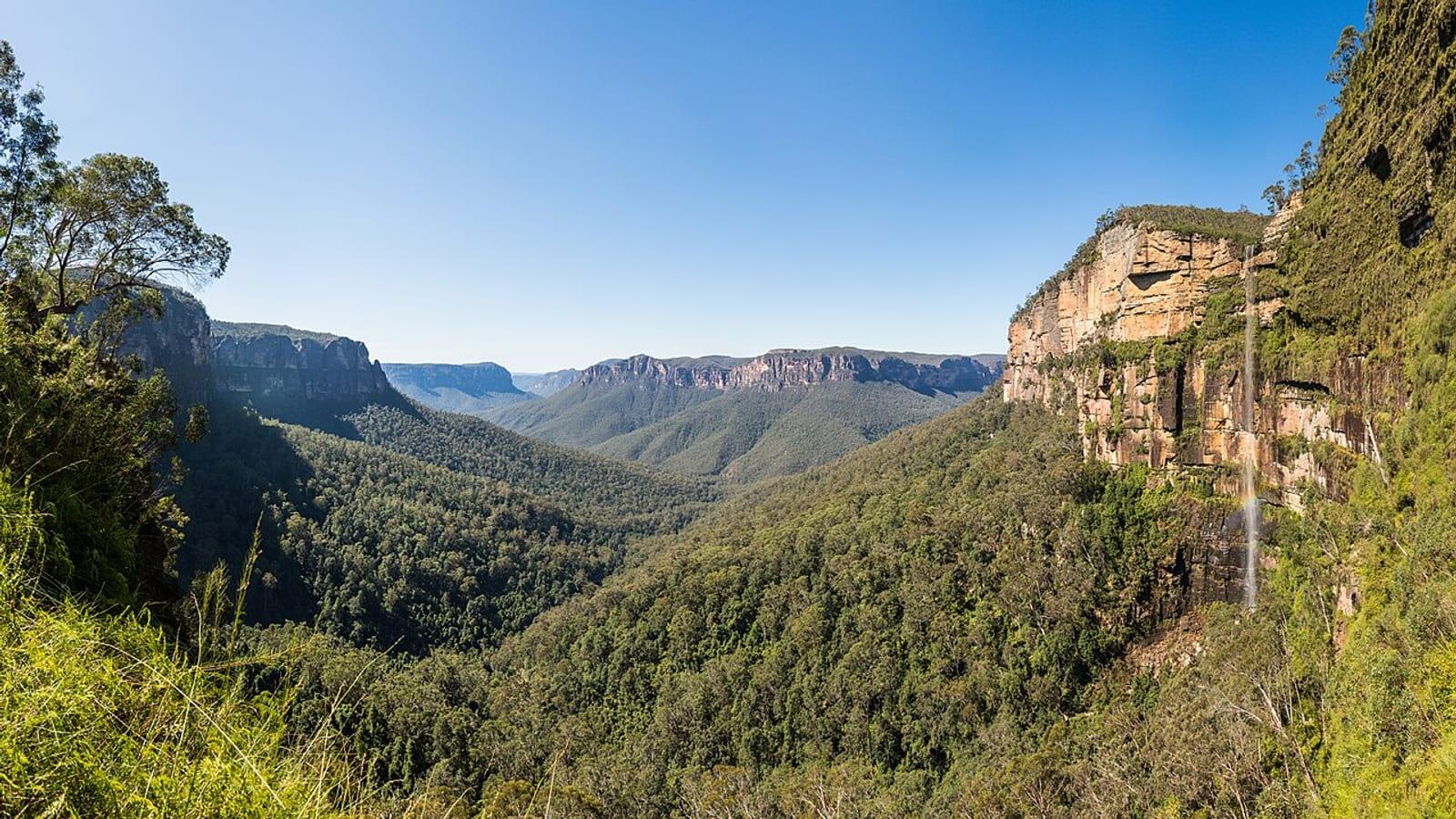
Wellington Caves Fossil Hunting Guide
Wellington
Diprotodon, Thylacoleo carnifex, Procoptodon, Diprotodon optatum
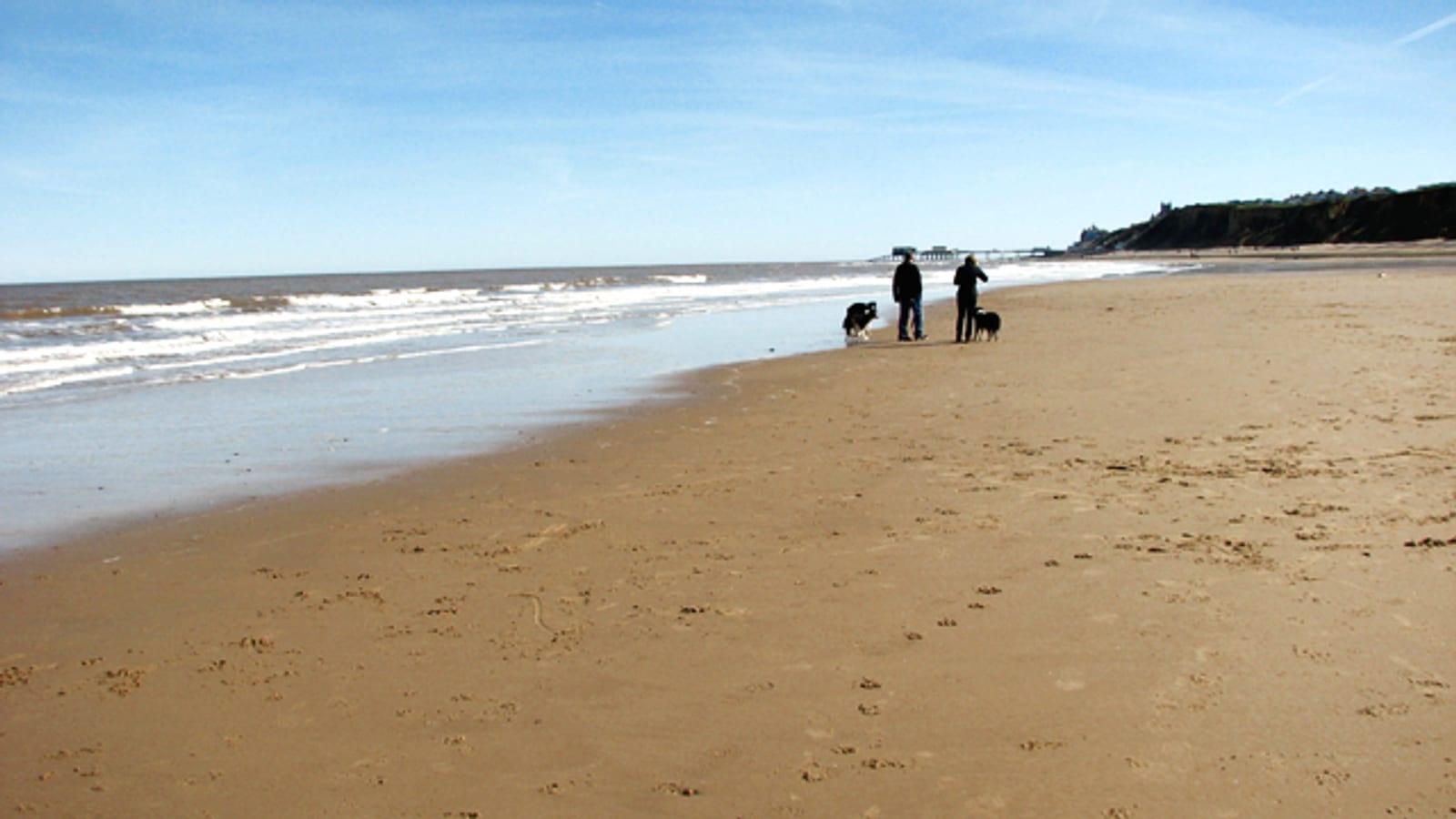
West Runton Fossil Hunting Guide
West Runton
Mammal remains, Freshwater shells, Plant material, Echinoids and sponges
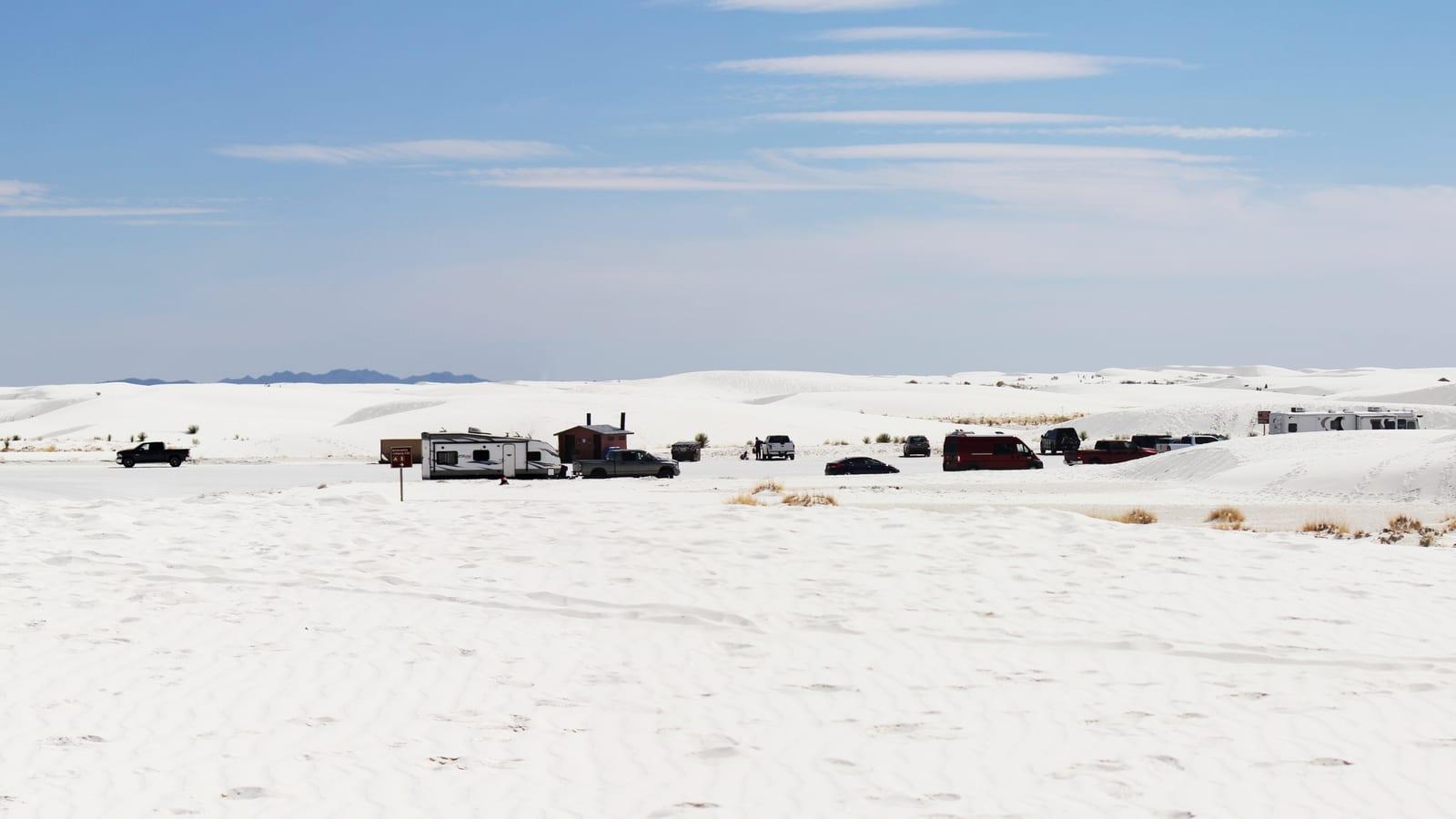
White Sands National Park Fossil Hunting Guide
New Mexico, United States
Human footprints, Smaller vertebrate tracks
Frequently asked questions
- Is Quaternary material really fossilized?
- Often only partly. Bone from the last few tens of thousands of years may keep its original protein. Older or mineral-rich settings produce fully permineralized bone. Both count as fossils, and both need the same care.
- Where can I find Ice Age fossils?
- River gravels, coastal exposures, and caves. In the United States, the Carolinas and the Florida rivers produce mammoth and mastodon teeth. Caves preserve smaller vertebrates but are usually protected and dangerous to enter.
- What happened to the megafauna?
- Most large mammals died out between about 50,000 and 10,000 years ago. Climate change at the end of the last glaciation and hunting pressure from expanding human populations both contributed. The relative weight of each cause is still debated.