Dinosaur Park (Laurel, Maryland) Fossil Hunting Guide
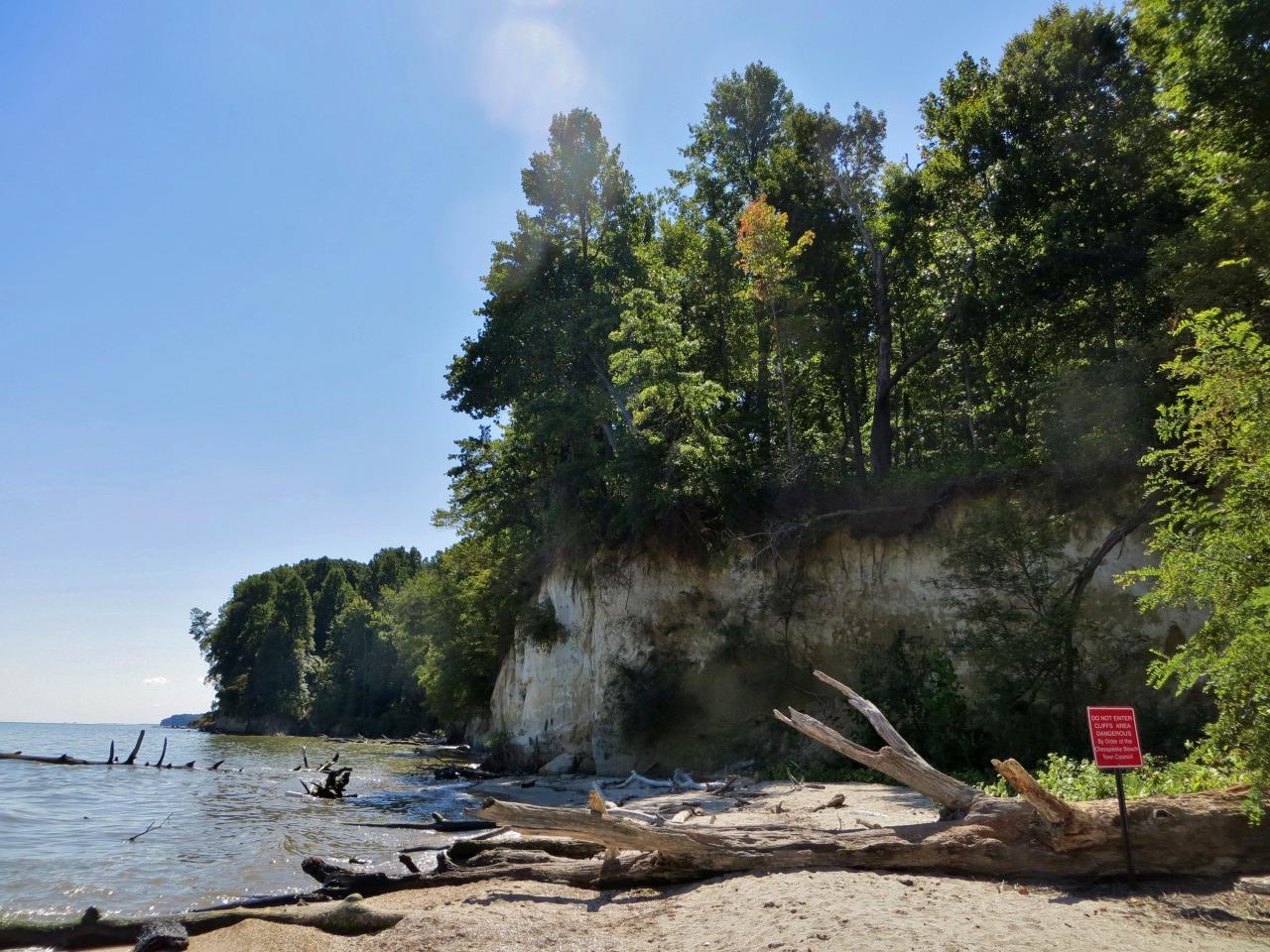
Image: Paul (CC BY-SA 2.0)
Dinosaur Park in Laurel, Maryland preserves an Early Cretaceous Arundel Clay deposit that has produced theropod, sauropod, and nodosaur material since 1858. The 7.5-acre Prince George's County park hosts public surface-collection sessions on the first and third Saturdays of each month, supervised by paleontologists. Digging by visitors is prohibited and all finds go to the Smithsonian.
By Edward Chen · Published 15 June 2026
Introduction
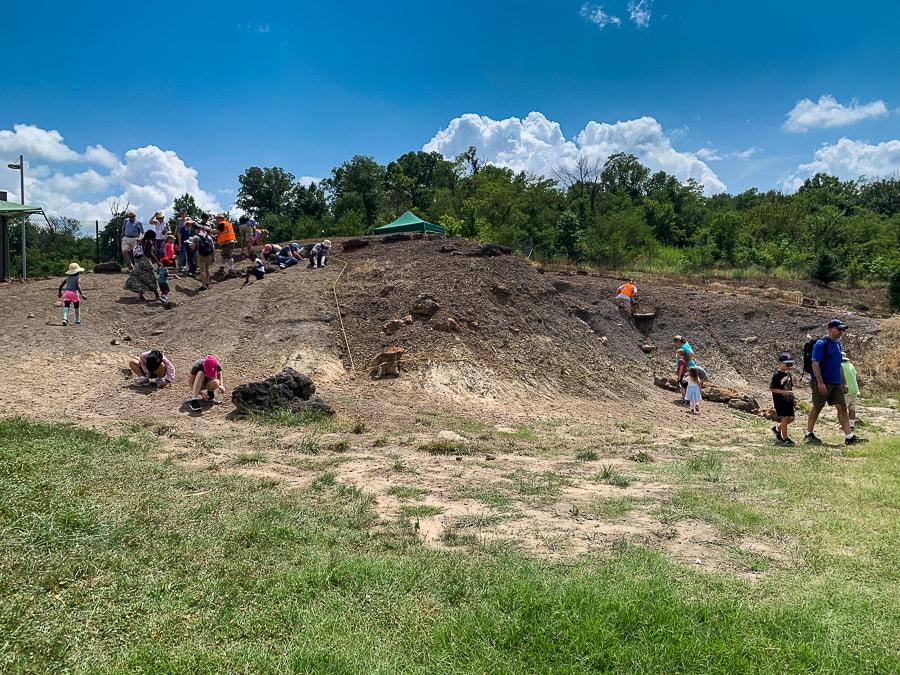
Dinosaur Park is a 7.5-acre paleontological preserve in Laurel, Maryland, in northern Prince George's County. The park protects an exposure of the Early Cretaceous Arundel Clay, the same iron-bearing clay deposit that 19th-century miners stripped for the Muirkirk furnace and that produced the first dinosaur fossils described from Maryland. The park is operated by the Prince George's County Department of Parks and Recreation in partnership with paleontologists from the Smithsonian National Museum of Natural History and other institutions. Public surface-collection sessions are held on the first and third Saturdays of each month from noon to 4:00 pm, weather permitting. Visitors may pick fossils off the surface of the fenced dig area under the direction of staff but may not dig, and all scientifically significant finds are catalogued and deposited at the Smithsonian.
This guide covers the history of the deposit, what the Arundel Clay produces, the visit format, and the rules that protect the site for future generations.
Location and Directions
Dinosaur Park is at 13200 Mid-Atlantic Boulevard in Laurel, near the historic community of Muirkirk on the Washington-Baltimore corridor. From the Capital Beltway (I-495) take the Baltimore-Washington Parkway (MD-295) north to Powder Mill Road (MD-212), then east a short distance to Mid-Atlantic Boulevard. The park entrance is on the west side of the road. Parking is in a small gravel lot. The site is closed except during the public open-house sessions on the first and third Saturdays of each month.
Visit format
A typical open-house begins with a short introduction from staff at the park's interpretive shelter, then visitors are admitted in small groups to the fenced surface-collection area. Staff demonstrate how to identify fossil bone, fossil wood, ironstone nodules, and tooth fragments on the weathered clay surface. Visitors point out finds for staff review. Finds judged scientifically important are catalogued and retained, while common material is sometimes returned to visitors at staff discretion. No tools other than soft brushes are permitted. Children are welcome and learn quickly. Sessions run roughly noon to 4:00 pm regardless of the weather, though heavy rain may close the dig surface.
What Fossils You'll Find
The Arundel Clay is an Early Cretaceous lignitic clay deposited in a system of low-lying coastal swamps and river floodplains on the Atlantic Coastal Plain, roughly 115 to 110 million years ago (Aptian-Albian). The clay is locally rich in siderite (iron carbonate) and ironstone nodules. It was the iron-bearing layer that the Muirkirk furnace exploited for charcoal-smelted iron during the 19th century. The same iron-rich environment that drew miners also preserves fossil bone, wood, and tooth material as dark, often heavy specimens embedded in the clay.
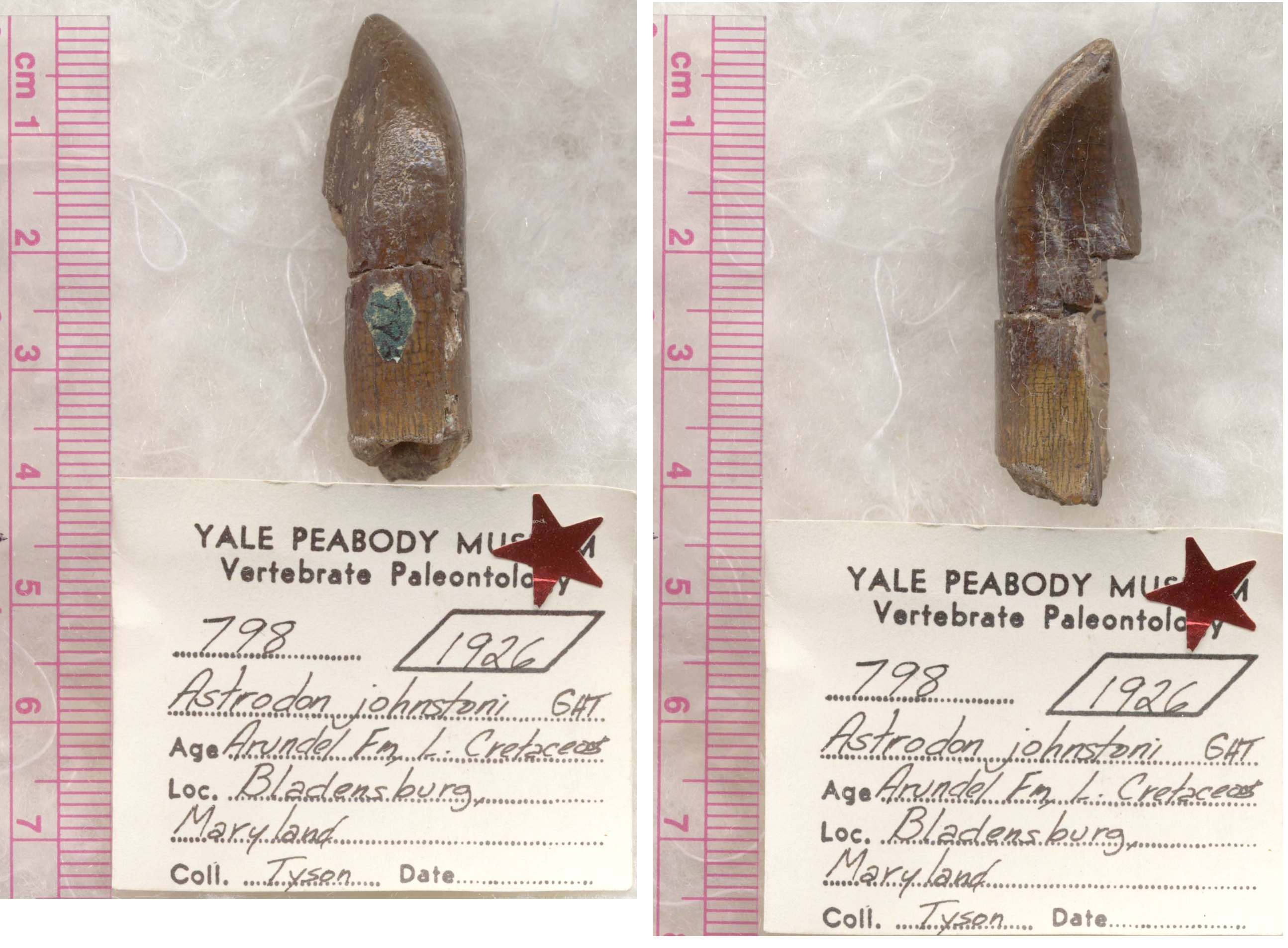 Photo: Carpenter, Kenneth, CC BY-SA 4.0, via Wikimedia Commons
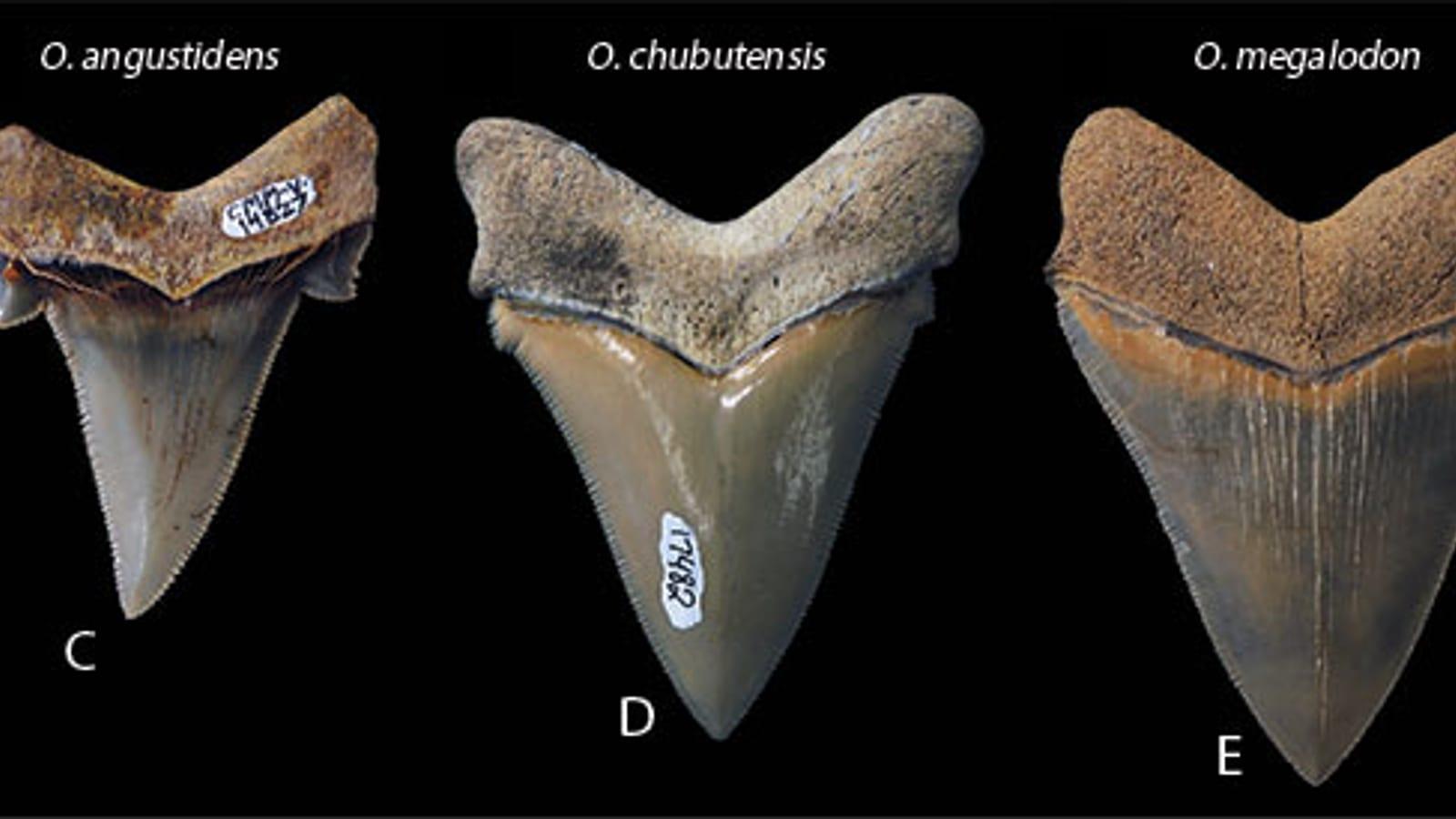
 Photo: Creator:Dmitry Bogdanov, CC BY 3.0, via Wikimedia Commons
The site has produced material from several dinosaur groups since the 1850s. Sauropod bone is represented mostly by Astrodon johnstoni, a brachiosaurid sauropod and Maryland's state dinosaur, named from teeth recovered nearby in 1858 and reported by Christopher Johnston the same year. Theropod teeth assignable to small and mid-sized predators turn up periodically. Nodosaur (armored dinosaur) material, including osteoderms, has been documented. Non-dinosaurian finds include turtle shell fragments, crocodile teeth and osteoderms, small mammal teeth, fish vertebrae, and abundant fossil wood and plant impressions. Conifer cones and the distinctive cone-scales of Pinus and related forms are common.
"In 1858, African American miners working in open pit mines were the first to discover dinosaur fossils in Maryland." Prince George's County Parks and Recreation
Geologic History
The Atlantic Coastal Plain along the Mid-Atlantic seaboard preserves a wedge of sediments shed off the Appalachian highlands and onto the modern continental shelf since the breakup of Pangaea opened the North Atlantic in the Jurassic. The Arundel Clay is part of the lower Potomac Group, a Cretaceous fluvial-and-deltaic succession that crops out from New Jersey to the Carolinas. At Muirkirk the Arundel formed in a swampy basin behind a low rise that trapped fine clay, organic litter, and the carcasses of animals washed in from surrounding floodplains. Iron-rich groundwater later precipitated siderite cement in the clay, producing the ironstone nodules and lignite seams that 19th-century miners stripped for iron ore and that simultaneously preserved fossil bone.
The Muirkirk deposit was first noted scientifically in the 1850s when ironworks miners began bringing bones to the attention of local geologists, notably Philip Thomas Tyson. In 1858 the dental specimens that Christopher Johnston named Astrodon johnstoni established Maryland as a productive dinosaur-bearing state. Subsequent collecting by John Bell Hatcher, Othniel Charles Marsh, and Gilmore documented a diverse fauna. After the Muirkirk furnace closed, the site was repurposed for the General Shale Co. brick clay pit and continued to yield fossils until industrial use ended in the late 20th century. Prince George's County acquired the property and opened it as Dinosaur Park in 2009.
How Dinosaur Park Came to Be
The park is the result of a multi-year campaign by paleontologists, county staff, and local citizens to preserve a working Early Cretaceous fossil locality with public access. The Dinosaur Fund, a community group anchored at the Smithsonian, helped negotiate the public-private partnership that allows supervised surface collection while ensuring scientifically important finds enter institutional collections.
Collecting Rules & Regulations
Is Fossil Collecting Allowed?
Surface collection is supervised only. Visitors may not dig and may not take fossils home.
Key Points:
- Open to the public only during scheduled sessions on the first and third Saturdays of the month, noon to 4:00 pm.
- No digging by visitors. No tools other than soft brushes.
- Significant finds are catalogued and deposited at the Smithsonian.
- Children are welcome and supervised by staff.
- The fenced fossil bed is closed to entry outside of staff-led sessions.
Safety
Dinosaur Park opens to the public only during staffed sessions, and a paleontologist is present throughout. That structure removes most of the risk, and the rest is straightforward.
Check the schedule before travelling. The park is not open for casual drop-in collecting. Public fossil-hunting sessions run on set dates, usually a couple of times a month, and outside those hours the fenced site is closed. Prince George's County publishes the calendar.
The surface is uneven clay and gravel. The Arundel Clay exposure is a graded search area rather than rough ground, but it is muddy, uneven, and slippery after rain. Wear closed shoes you do not mind ruining, and expect to kneel, so old trousers help.
Sun and heat. The search area is open with no shade, and Maryland summers are hot and humid. Bring water and sun protection, since sessions run for a couple of hours.
Ticks are present in the vegetation around the site, and Maryland is Lyme-endemic, so long trousers and a check afterwards are sensible.
Note that finds stay at the park. This is a research site, and anything you turn up is recorded and retained by staff rather than taken home, which is the trade for being allowed to search a protected dinosaur locality at all. Supervise children, who are welcome and well catered for here.