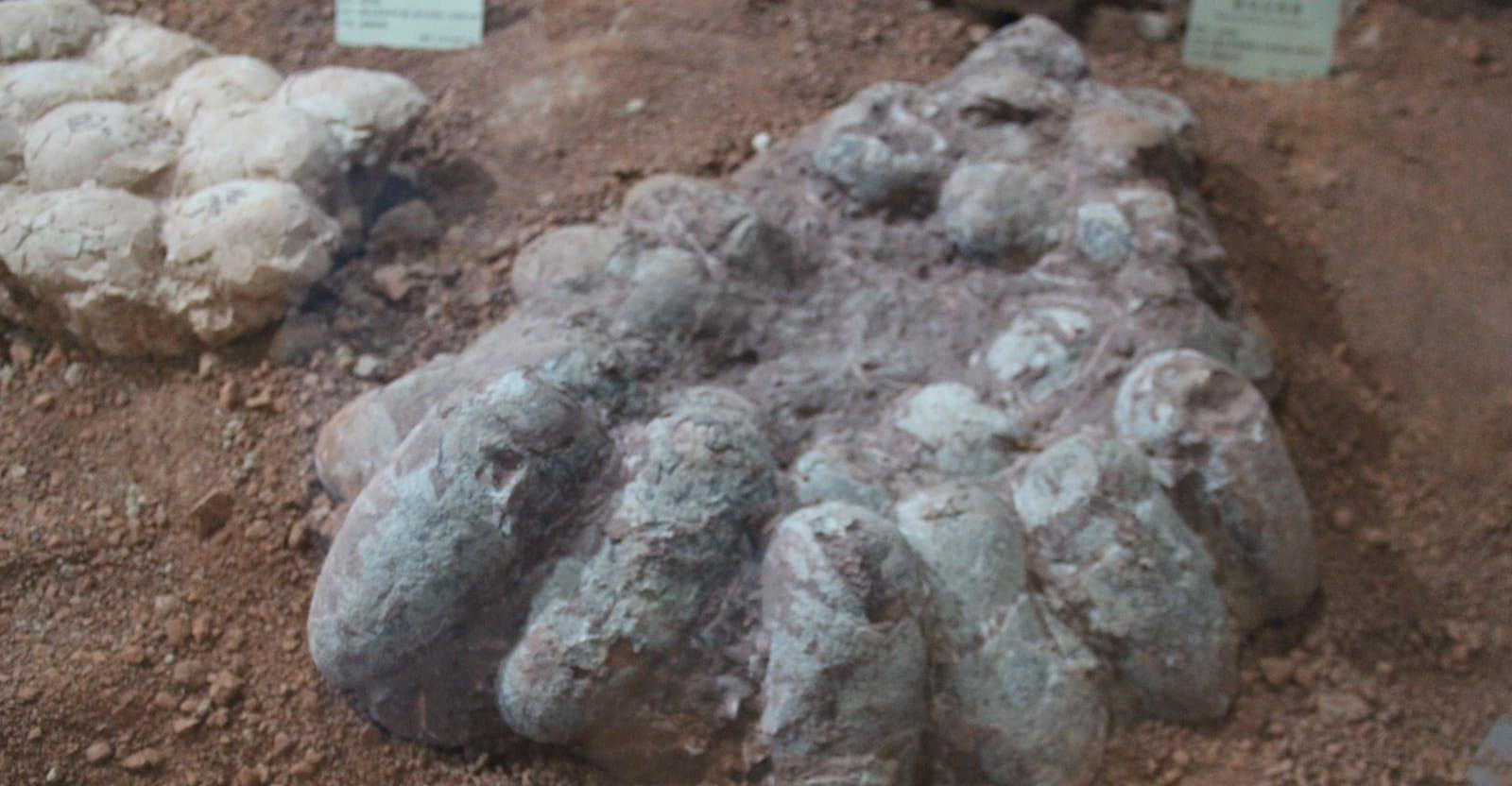
Egg Mountain and the Two Medicine Formation Fossil Guide
Image: Gary Todd (CC0)
Egg Mountain near Choteau, Montana, is the Maiasaura nesting site on the Willow Creek Anticline that first showed dinosaurs cared for their young. The Late Cretaceous Two Medicine Formation here preserved nests, eggs, embryos, and juveniles. The site is reached on guided tours run by the Two Medicine Dinosaur Center in Bynum, not by open public collecting.
By Edward Chen · Published 21 June 2026
Introduction
Egg Mountain is the site that changed how scientists understood dinosaur behavior. On a low rise on the Willow Creek Anticline near Choteau, Montana, crews working the Late Cretaceous Two Medicine Formation found a colonial nesting ground of the duckbill dinosaur Maiasaura, complete with nests, eggs, embryos, and clustered juveniles. The evidence that adults returned to the same nesting ground and that young stayed in the nest provided the first strong case that at least some dinosaurs cared for their young. The dinosaur was named Maiasaura, meaning "good mother lizard," for exactly this reason.
The original discovery traces to 1977, when Marion Brandvold of Bynum found bones of juvenile dinosaurs in the area. The work that followed, led by Jack Horner and others, turned the Willow Creek Anticline into one of the most informative dinosaur nesting localities known.
Location and Directions
Egg Mountain sits on the Willow Creek Anticline along the Rocky Mountain Front near Choteau, in Teton County, north-central Montana, near 47.78°N, 112.45°W. The area lies west of US Highway 89 between Choteau and Bynum.
The way to visit the actual outcrop is through guided tours arranged by the Two Medicine Dinosaur Center in Bynum, which interprets the Egg Mountain and Maiasaura story. The Old Trail Museum in Choteau covers the broader Two Medicine fossil record and is the other regional stop. Confirm tour schedules in advance, since the digs and tours run seasonally in summer, and do not attempt to reach the site on your own.
What Fossils You'll Find
The fossils that make Egg Mountain famous are nests and eggs. Maiasaura built bowl-shaped nests six to seven feet across that could hold around twenty-five eggs, and the site preserved eggs, embryos inside eggs, hatchlings, and bonebeds of juveniles and adults. The same beds on the anticline yielded eggs and remains of the small predator Troodon and the small plant-eater Orodromeus, making it a rare place where the nesting biology of several dinosaurs can be compared.
This is a research and education site, not a collecting locality. Visitors on a tour see the outcrop and the ongoing scientific work and learn the story, but fossils are excavated by the institution under proper authority rather than taken home by guests.
Geologic History
The Two Medicine Formation was deposited between roughly 80 and 74 million years ago, during the Campanian age of the Late Cretaceous, on a coastal plain east of the rising mountains and west of the Western Interior Seaway. The climate was seasonal and at times dry, and the floodplain sediments preserved nesting grounds on slightly raised, well-drained ground. At Egg Mountain, fine sediments buried the nests and the animals around them, preserving eggs and delicate juvenile bones. Later folding along the Willow Creek Anticline and subsequent erosion brought these nesting beds to the surface, where they were discovered.
Collecting Rules and Regulations
There is no public fossil collecting at Egg Mountain. The site is accessed only through guided tours run by the Two Medicine Dinosaur Center, and the fossils are excavated and curated by qualified institutions. Vertebrate fossils, including eggs and bones, are protected, and visitors may not collect them. The proper way to experience the site is to book a tour, follow the guide's instructions, and leave all fossils in place. For hands-on digging, ask the dinosaur center about any participatory programs they run on appropriate land under their supervision.
Safety
Tours cross open, uneven ground on the Rocky Mountain Front, so wear sturdy boots and be ready for sun, wind, and fast-changing weather. Carry water, sun protection, and a layer for cool or stormy conditions even in summer. This is grizzly bear and rattlesnake country along the Front, so follow your guide's instructions and stay with the group. Afternoon thunderstorms and lightning are common on the open prairie, and the dirt access roads can be rough or muddy. Follow all directions from tour staff and do not wander off on your own.
Sources
https://www.nps.gov/articles/mesozoic-egg-mountain-dawson-2014.htm https://en.wikipedia.org/wiki/Two_Medicine_Formation https://centralmontana.com/specialinterest/dinosaurs/ https://oldtrailmuseum.org/egg-mountain/
Nearby sites
 Clarkia Fossil Bowl Fossil Hunting GuidePlants, Leaves
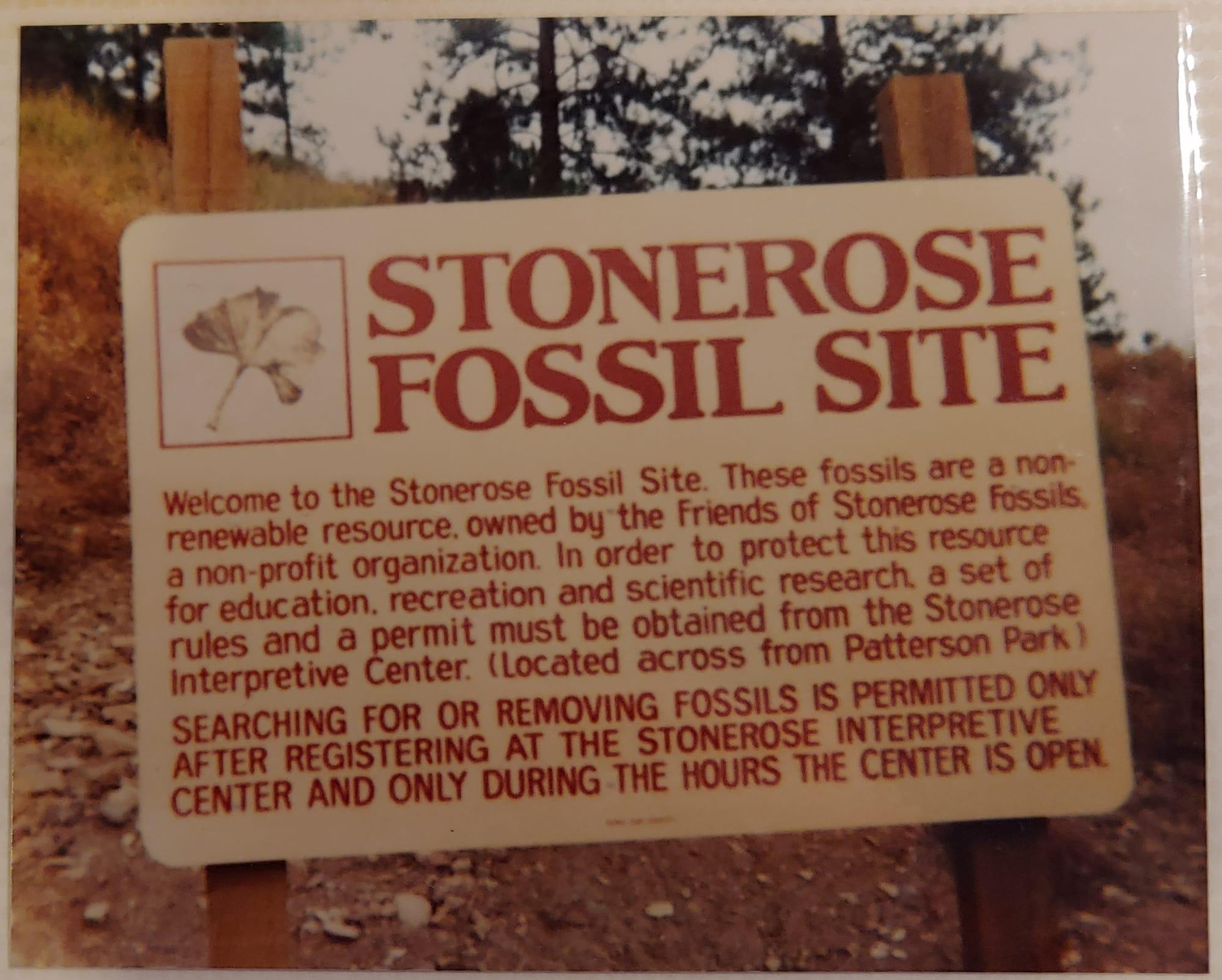 Stonerose Interpretive Center Fossil Hunting GuideFossil Leaves, Insects
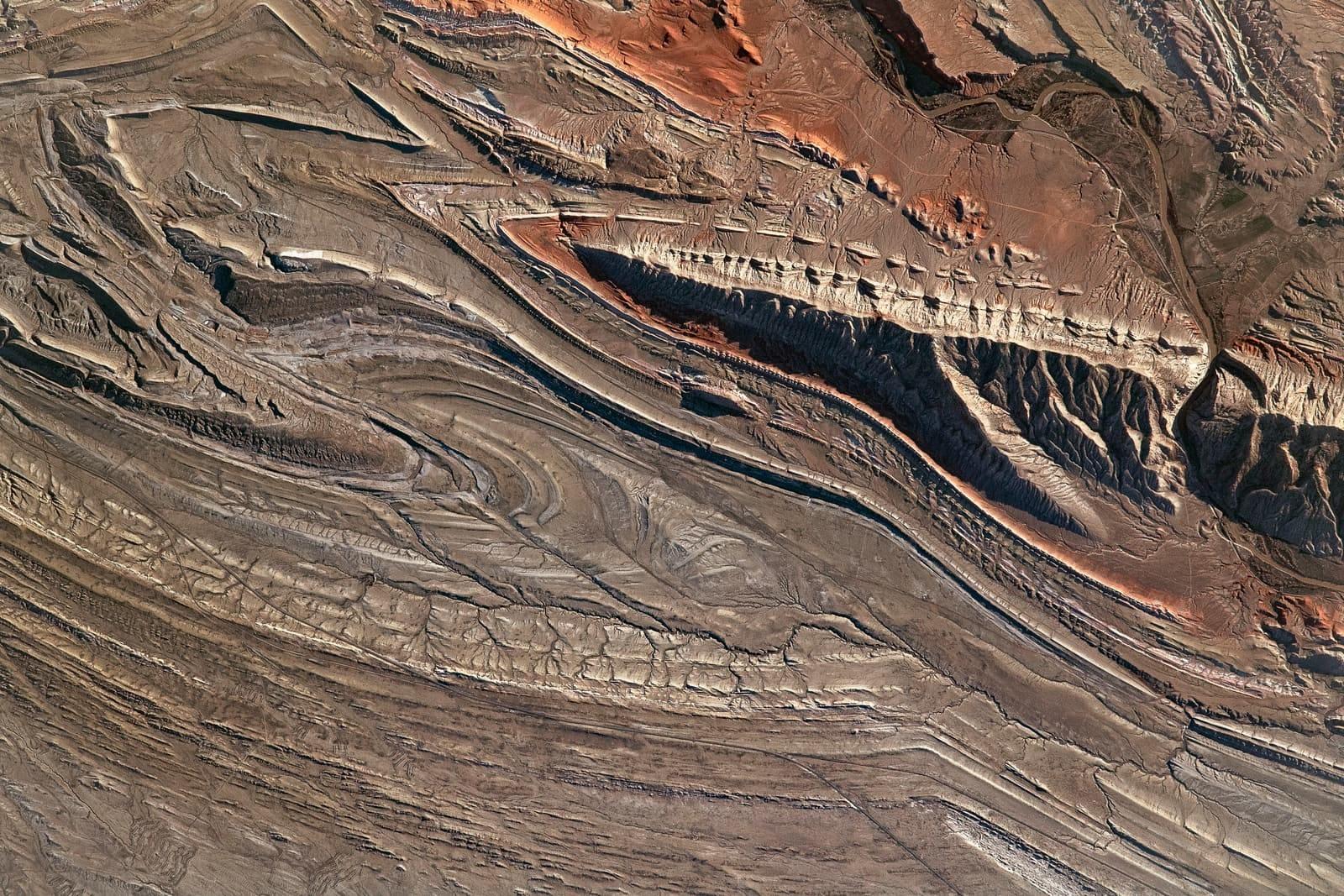 Bighorn Basin Willwood Formation Fossil Hunting GuideEarly mammal teeth, Dawn horse
 Ginkgo Petrified Forest State Park Fossil Hunting GuidePetrified wood (Ginkgo), Petrified wood (50+ species)