Mazon Creek Fossil Hunting Guide
The Mazon Creek beds of Grundy County, Illinois are a world-famous Carboniferous deposit preserving soft-bodied animals inside siderite concretions, including the Tully Monster, found nowhere else on Earth. Public collecting is at Mazonia-Braidwood, by permit, in season.
By Edward Chen · Updated 4 August 2026
Introduction
Mazon Creek is one of a small number of fossil deposits that changed what paleontologists thought was possible. Most rocks preserve only shells and bones. The Carboniferous beds of Grundy County, Illinois preserve jellyfish, worms, insect wings, and larval fish, sealed inside ironstone nodules that fit in your hand.
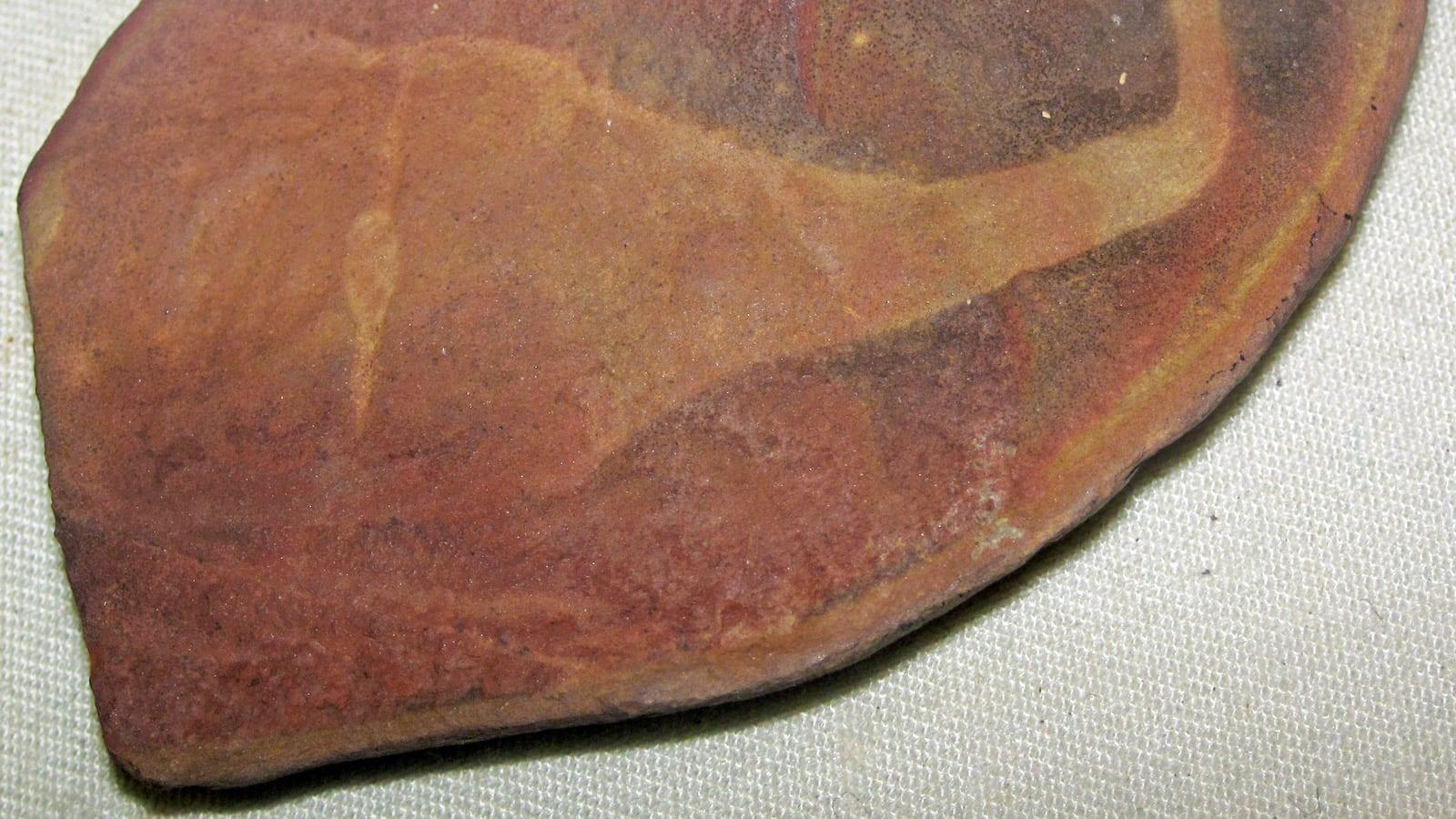
The site is famous above all for Tullimonstrum gregarium, the Tully Monster, a soft-bodied animal with eyes on a rigid transverse bar and a long clawed proboscis, which looks like nothing else alive or extinct. It has been found nowhere else on Earth, and it has been the Illinois state fossil since 1989.
The collecting itself is unusual. You do not find fossils here, you find concretions, and what is inside stays hidden until the nodule opens. That gap between collecting and discovery, often months later, is what makes Mazon Creek collecting distinctive.
Photo: Smithsonian National Museum of Natural History, CC0, via Smithsonian Open Access
Location and Directions
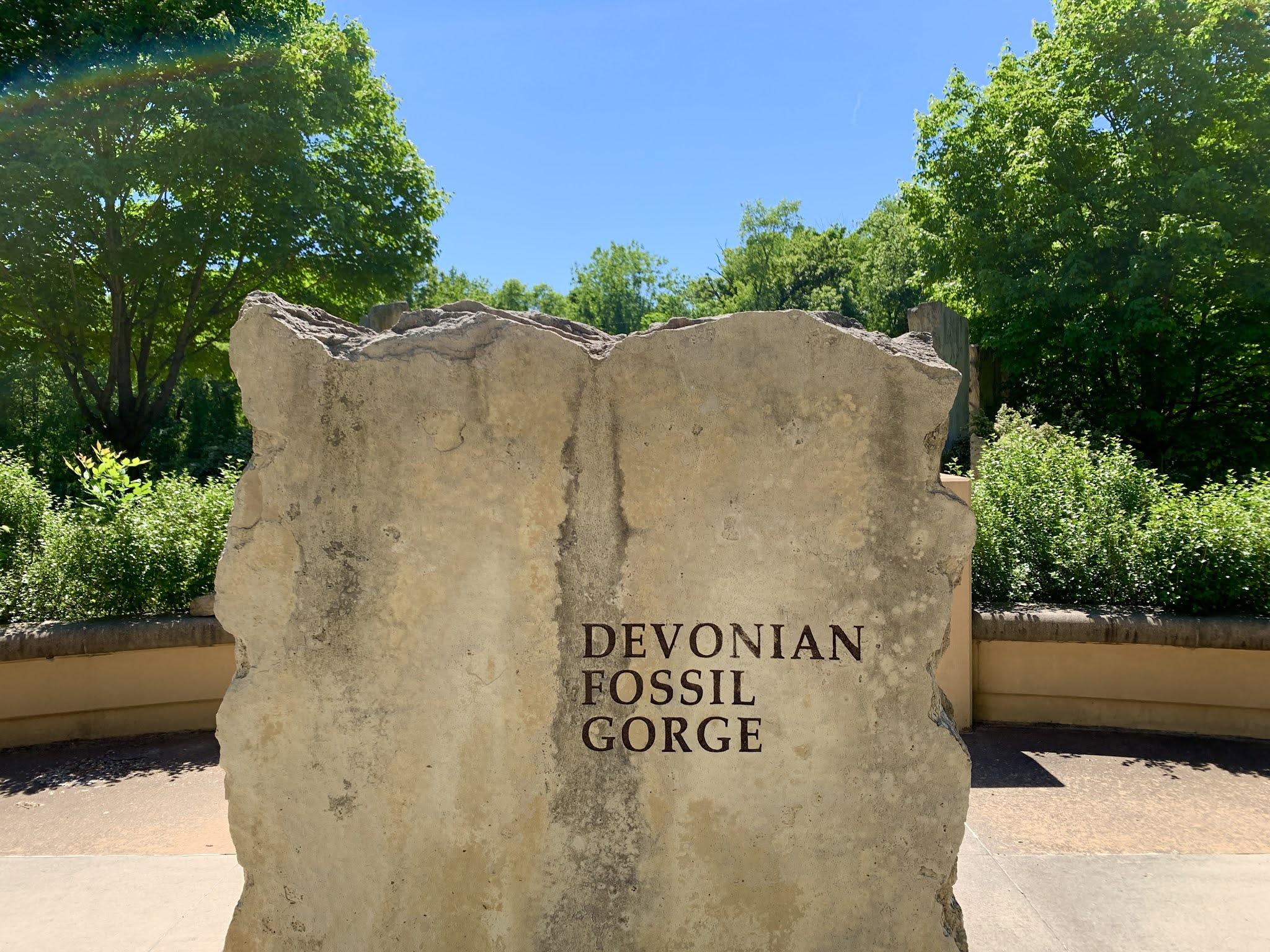
Public collecting is at Mazonia-Braidwood State Fish and Wildlife Area, a 1,017-acre site in Grundy County about three miles south-east of Braidwood, on Illinois Route 53 at Huston Road, near 41.238 degrees north, 88.204 degrees west. Braidwood is roughly an hour south-west of Chicago.
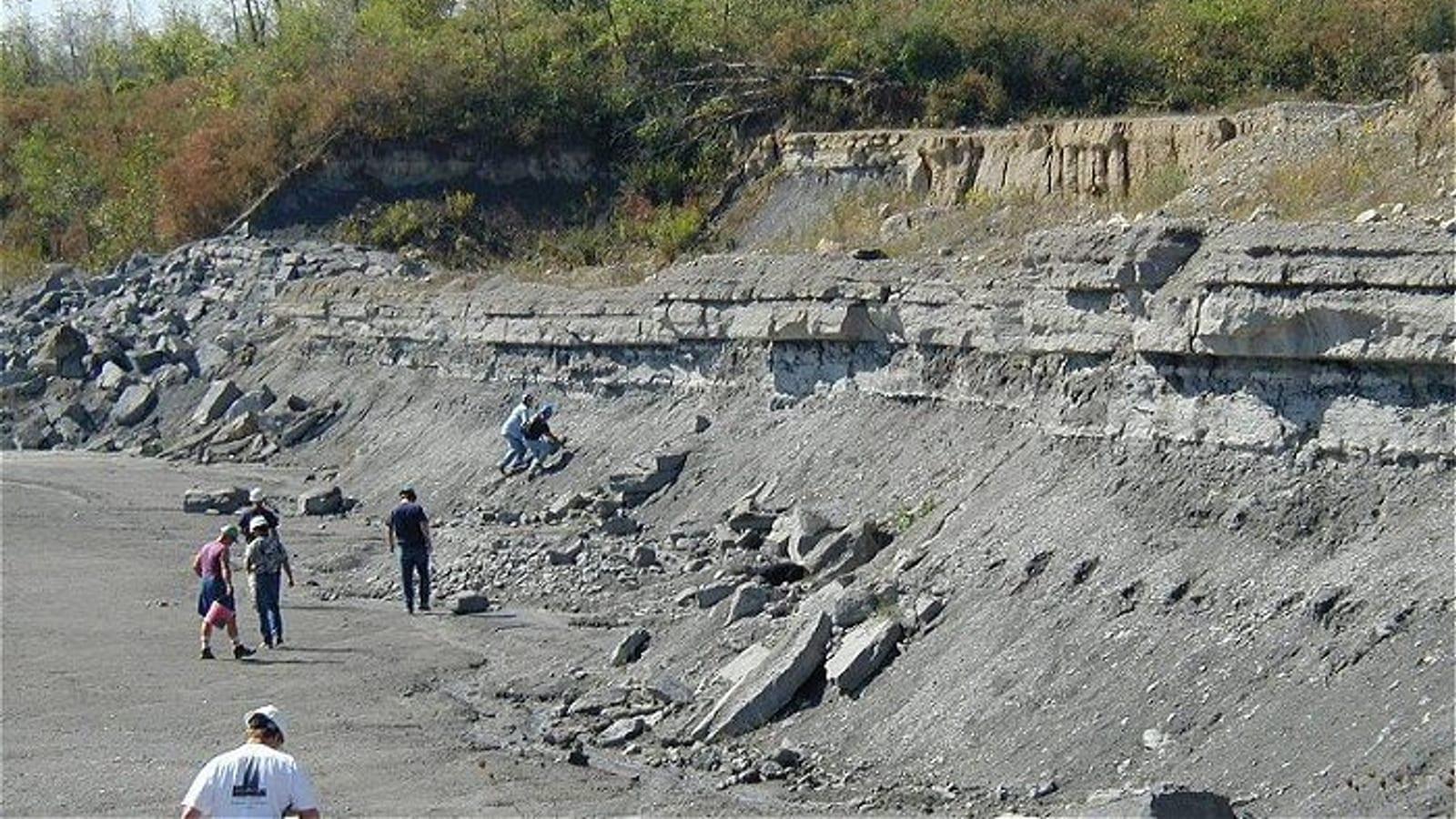
The ground here is the former Pit 11, a Peabody Coal Company strip mine that opened around 1956 and worked until 1974. Stripping the coal brought the overlying Francis Creek Shale, concretions and all, to the surface as spoil. When mining ended, the pits flooded and the state took the land on, and the spoil ground became the collecting area.
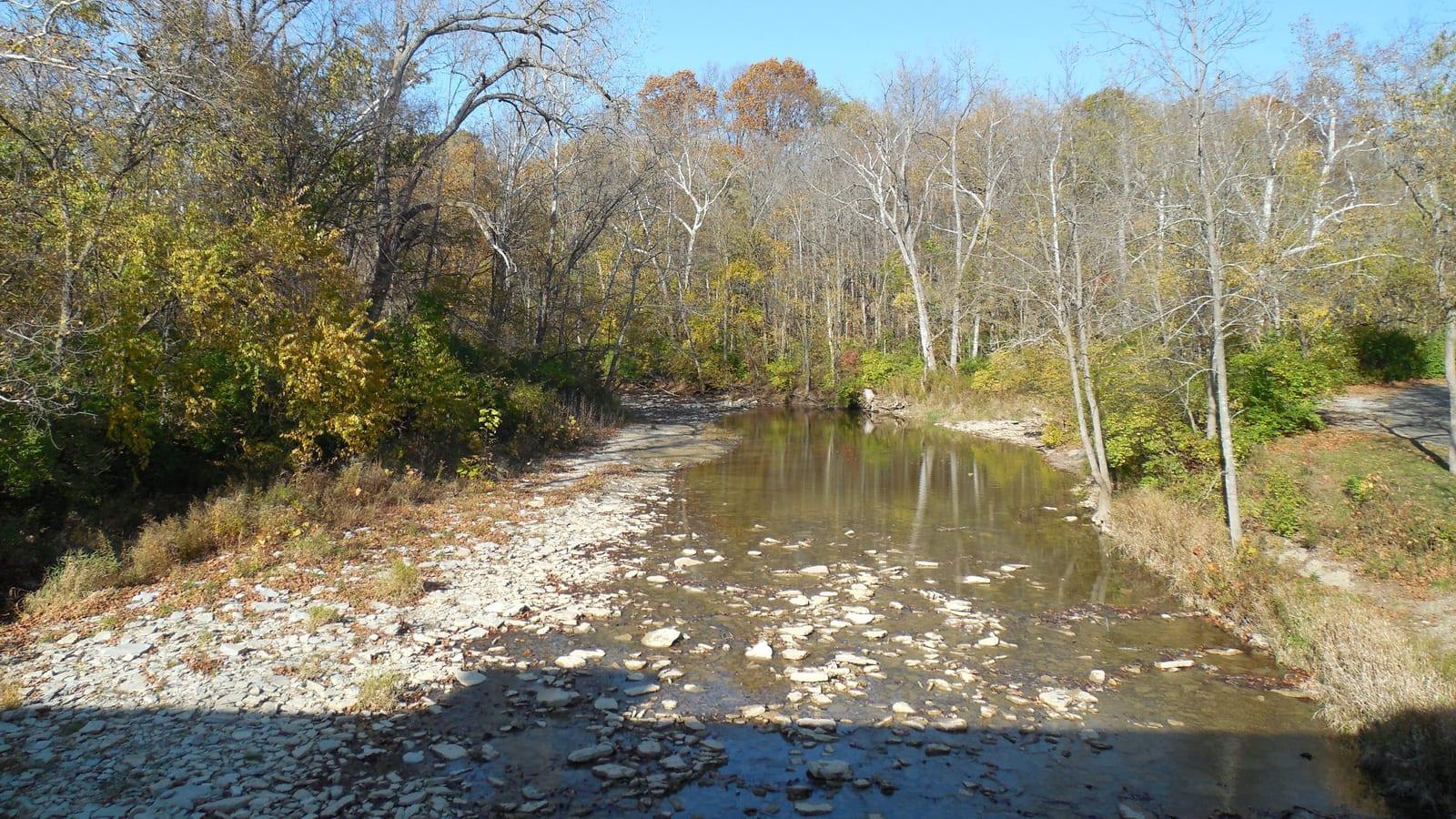
Get the permit before you go. Collecting requires an Illinois DNR fossil collecting permit for the site, and it is worth reading the conditions rather than skimming them. Note also that the historic name "Mazon Creek" covers a wider area including the creek itself and other exposures, many on private land. Mazonia-Braidwood is the part open to the public.
Photo: Smithsonian National Museum of Natural History, CC0, via Smithsonian Open Access
What Fossils You'll Find
Mazon Creek fossils are divided into two assemblages. The Braidwood biota is the freshwater and near-shore one, full of land plants washed into the delta: ferns, seed ferns, horsetails, and lycopod fragments, along with insects, spiders, millipedes, and freshwater crustaceans. The Essex biota is marine, with jellyfish, polychaete worms, shrimp, cephalopods, and the Tully Monster. Pit 11 is known particularly for Essex material, so the marine assemblage is well represented at Mazonia-Braidwood.
Plants are by far the most common find. Animals are scarcer, and soft-bodied animals scarcer still, but the reason people persist is that a Mazon Creek animal fossil is often complete, showing gut contents, limbs, and outlines that simply do not survive anywhere else.
Opening concretions is the skill, and patience beats force. Hitting a nodule usually shatters both rock and fossil. The reliable method is freeze and thaw: soak the concretions, leave them outside through the winter in a bucket of water, and let repeated freezing split them cleanly along the plane the fossil lies on. Collectors routinely wait a full season to see what they picked up.
 Photo: James St. John, CC BY 2.0, via Wikimedia Commons
Geologic History
Around 309 to 307 million years ago, in the Late Carboniferous, this part of Illinois was a river delta on a tropical coastline. Behind it lay the vast coal swamps that give the period its name, and in front lay a shallow sea.
The delta shed enormous quantities of mud, and it did so fast. Animals and plants swept into the delta were buried almost immediately, before decay or scavengers could work on them. Groundwater carrying dissolved iron then did something crucial: siderite, an iron carbonate, precipitated around each buried organism, forming a hard nodule that set early and sealed the remains inside a rigid capsule.
That sequence is why soft tissue survives. The concretion formed before the body collapsed, so the nodule holds a three-dimensional cast of an animal that had no hard parts at all. The surrounding shale, the Francis Creek Shale, compacted around the already-hardened nodules.
The fossils would still be buried if not for coal mining. Stripping the Colchester coal seam brought the Francis Creek Shale up as waste and spread it across the surface, which is the only reason the deposit is collectable at all.
Photo: Smithsonian National Museum of Natural History, CC0, via Smithsonian Open Access
Collecting Rules and Regulations
A permit is required. Collecting at Mazonia-Braidwood needs an Illinois DNR fossil collecting permit for the site. Obtain it before you arrive.
There is a season. The permit is valid from 1 March to 30 September only. Outside those dates, collecting is not permitted, which is the single most important planning point for this site and the one most often missed.
Collect for personal use. Commercial collecting is not permitted.
Observe site rules. Mazonia-Braidwood is a fish and wildlife area with flooded pits, waterfowl habitat, and hunting seasons. Areas are closed at various times, and the collecting ground is defined. Read the permit conditions and the posted signage.
The wider Mazon Creek area, including the creek itself, is largely private, and access there needs the landowner's permission. Do not assume a famous name means open ground.
Safety
The flooded pits are the hazard that matters. Mazonia-Braidwood is a former strip mine, and the water in the pits is deep, cold, and steep-sided, with no gradual shoreline in many places. Stay back from the edges, particularly on loose spoil, and supervise children closely.
The spoil ground itself is uneven and unconsolidated, made of dumped shale that shifts underfoot. Wear boots with a firm sole and good grip. Concretions are heavy, and a bucket of them fills faster than you expect, so carry sensibly rather than overloading and stumbling on bad ground.
The site is open with little shade. Carry water and sun protection, and expect insects near the water in summer. Ticks are present in the vegetation. Note that this is an active fish and wildlife area with hunting seasons, so check what else is happening on the ground before you visit, and wear bright colours in autumn.
Sources
https://dnr.illinois.gov/parks/park.mazonia-braidwood.html https://dnr.illinois.gov/content/dam/soi/en/web/dnr/parks/activity/documents/mzb-fossilpermit.pdf https://www.esconi.org/ https://www.isgs.illinois.edu/
Frequently asked questions
- Do you need a permit to collect at Mazon Creek?
- Yes. Collecting at Mazonia-Braidwood State Fish and Wildlife Area requires a fossil collecting permit from the Illinois DNR, and it is valid only from 1 March to 30 September.
- What is the Tully Monster?
- Tullimonstrum gregarium, a soft-bodied animal with stalked eyes and a long proboscis, known only from the Mazon Creek beds. It has been the Illinois state fossil since 1989 and has never been found anywhere else on Earth.
- How do you find fossils in Mazon Creek concretions?
- The fossils are sealed inside ironstone nodules. Collect the concretions, then open them, most reliably by repeated freeze and thaw cycles over the winter rather than by hitting them.
.jpg)