Carboniferous · 358.9 – 298.9 Ma
Carboniferous fossil sites
Carboniferous coal swamps preserved entire forests of giant clubmosses and tree ferns, alongside the world's largest-ever insects and the first true reptiles. Marine Carboniferous sites include the iconic Mazon Creek lagerstätte and the limestone coral reefs of the British Mid- and Upper-Carboniferous.

The Carboniferous split into two worlds. Warm shallow seas laid down thick limestone across what is now Britain and the American Midwest. Vast coastal swamps grew the forests that later became coal. Oxygen levels rose higher than at any other time in Earth history, and arthropods reached sizes never repeated since.
Which fossils you find depends on which of those worlds you stand in. Limestone yields crinoids, brachiopods, corals, and bryozoans. Crinoid stems break into small discs that litter some bedding planes. Coal measure shales instead yield plants. Lepidodendron bark carries a diamond pattern of leaf scars, and ferns preserve as dark films on grey shale.
Of the eighteen Carboniferous entries here, thirteen allow free collecting. That is the highest proportion of any period covered. Six sit in the United Kingdom. Joggins in Nova Scotia stands apart from the rest of them. There the Bay of Fundy tides erode fossil trees still standing in growth position, exactly where they grew.
18 fossil sites
Updated 4 August 2026
Life of the period
Three to know from the Carboniferous
You will not find all of these yourself. They are the animals and plants that make the period worth reading about.

Giant millipedeArthropleura The largest land arthropod known, with estimates around 2.5 metres. It left trackways as wide as a footpath. High oxygen levels in Carboniferous air allowed arthropods to reach sizes impossible today.
Prehistorica CM, CC BY 4.0

Giant dragonflyMeganeura A wingspan near 70 centimetres, comparable to a large gull. Insects breathe through tubes rather than lungs, and that system only scales up in oxygen-rich air, which the Carboniferous had.
Michael Barera, CC BY-SA 4.0

Scale treeLepidodendron Grew over 30 metres in a few years, reproduced once, then died. It was closer to a giant clubmoss than to any modern tree. Its bark carries the diamond leaf scars you find in coal measure shale.
James St. John, CC BY 2.0
All Carboniferous sites
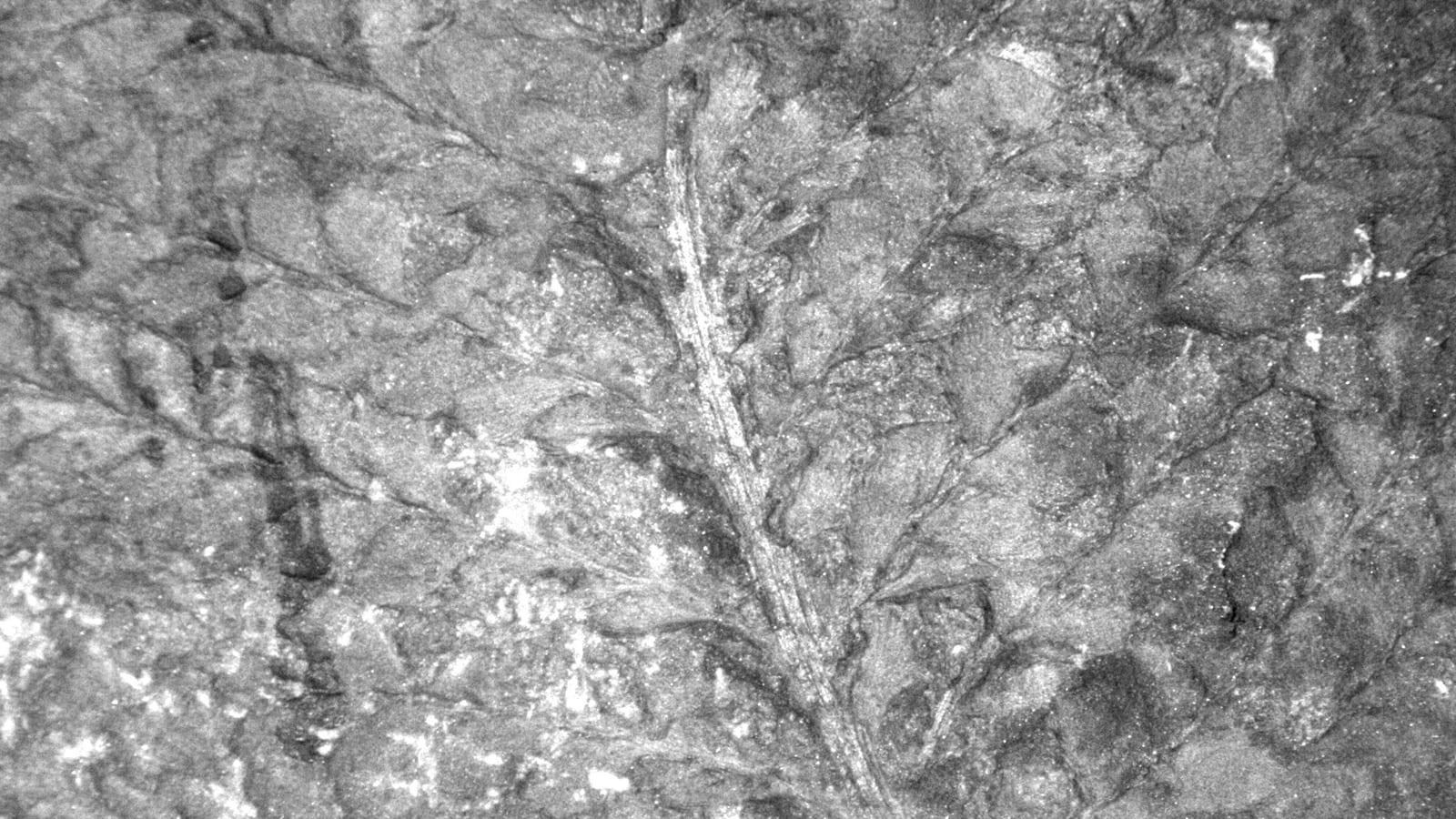
Ambridge Fossil Hunting Guide
Pennsylvania, United States
Plant Fossils, Marine Invertebrate Fossils
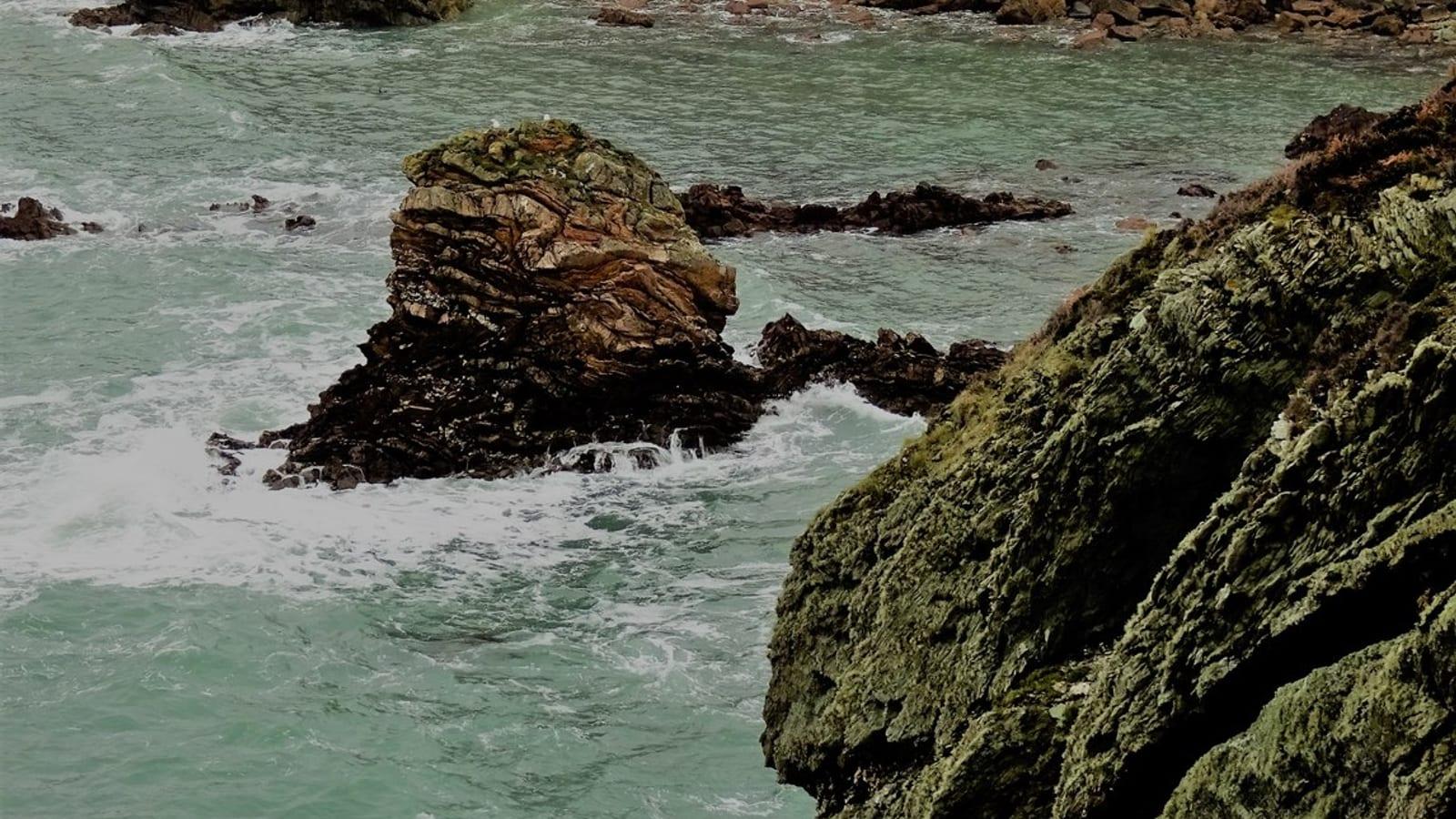
Caim Anglesey Carboniferous Corals Fossil Hunting Guide
United Kingdom
Corals, Brachiopods, Bivalves
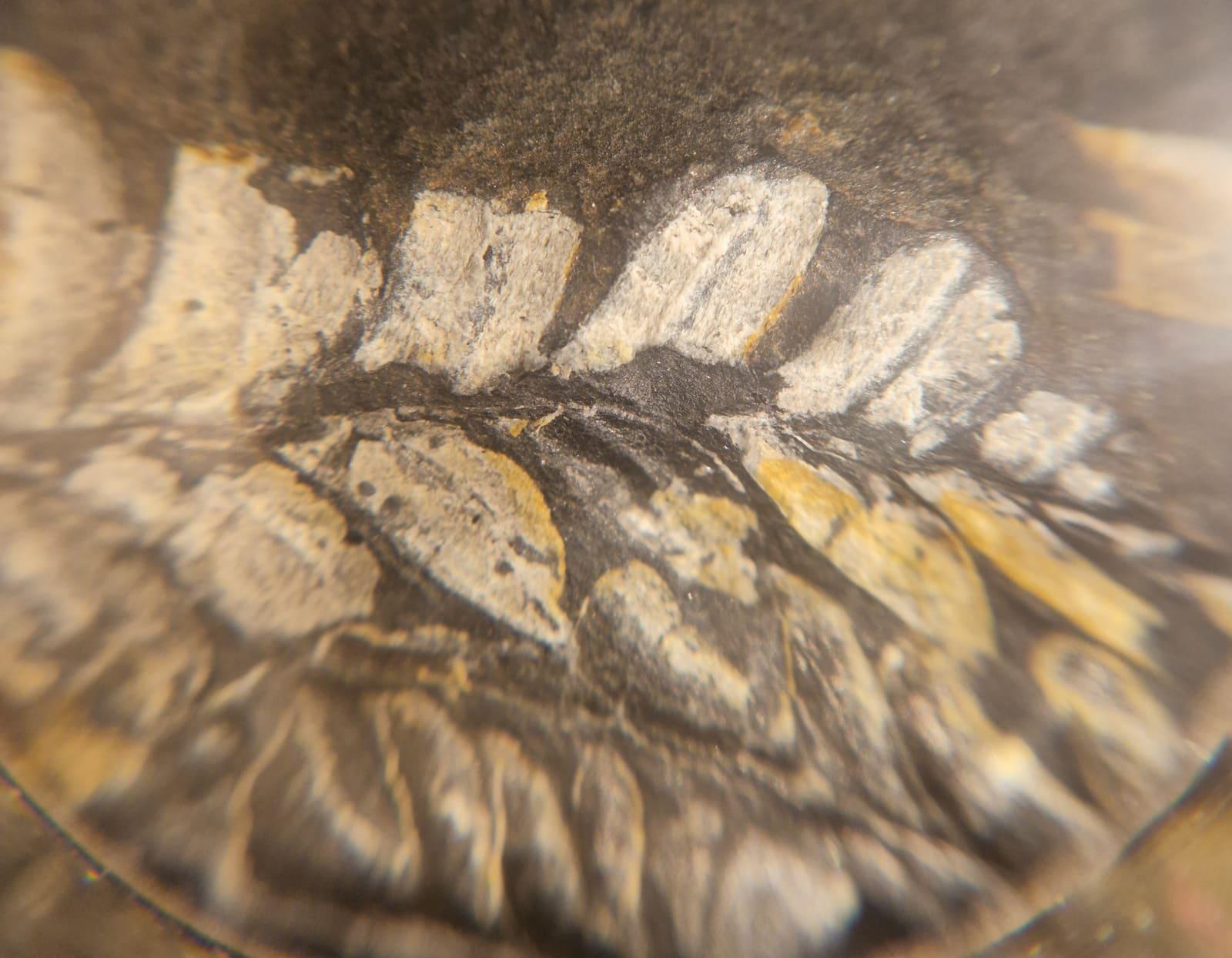
Centralia Anthracite Plant Fossils Hunting Guide
Pennsylvania, United States
Ferns, Seed fern fronds, Calamites stems, Lepidodendron bark
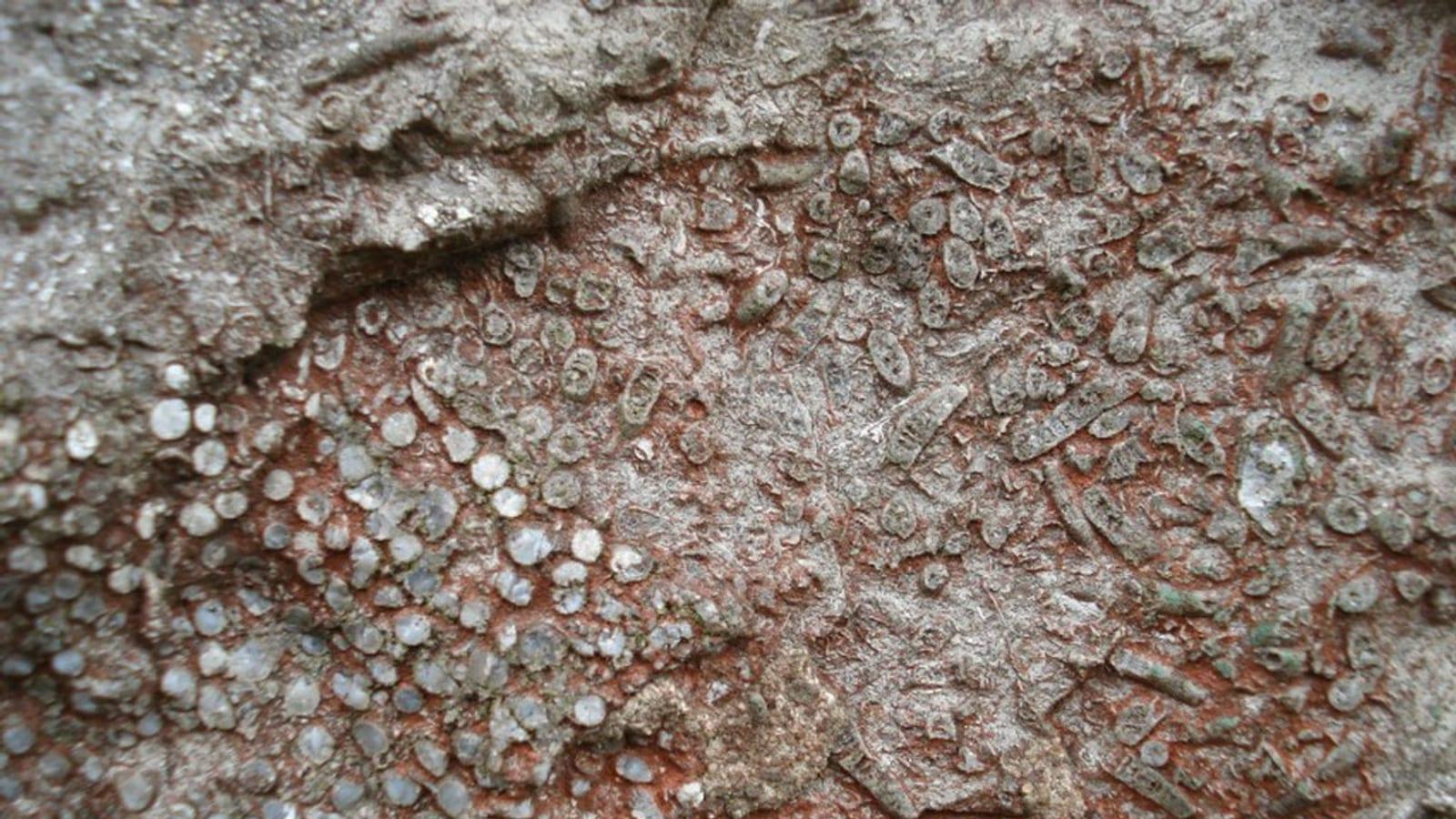
Halkyn Mountain Fossil Hunting Guide
Wales, United Kingdom
Brachiopods, Crinoids, Corals, Bryozoans
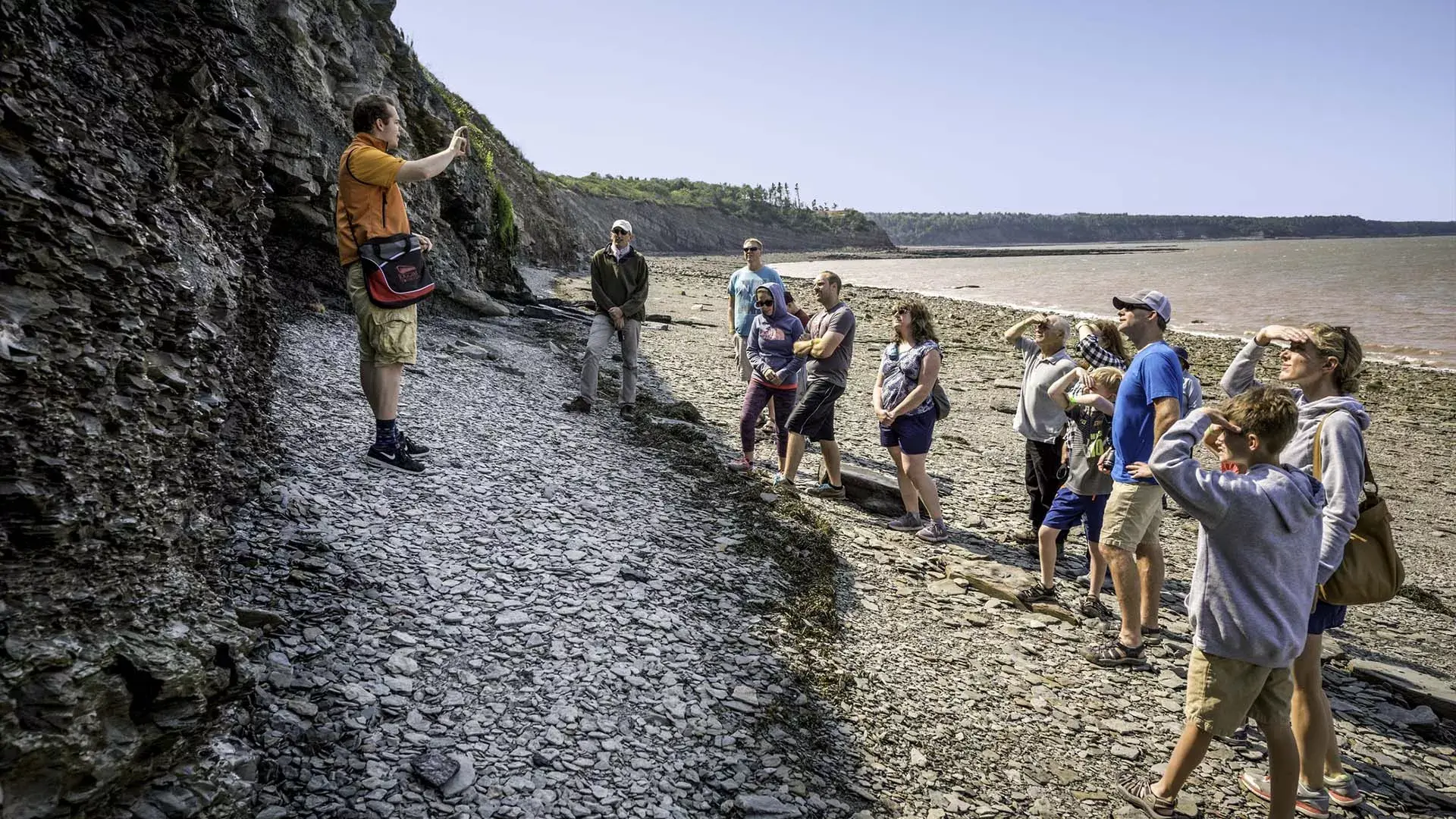
Joggins Fossil Cliffs Fossil Hunting Guide
Nova Scotia, Canada
Lycopsid trees, Plant fossils, Tetrapod trackways, Early reptiles
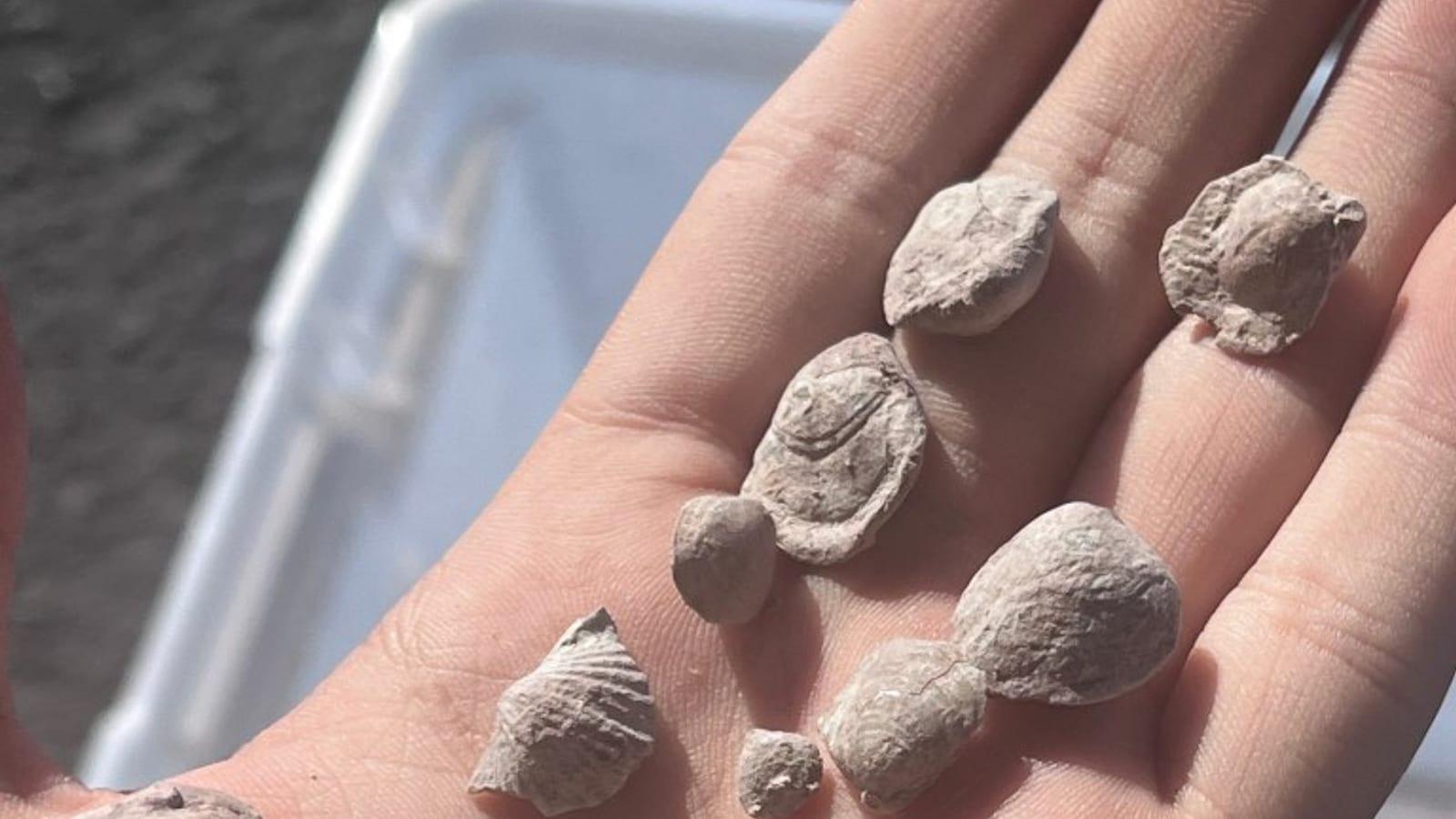
Kohls Ranch Fossils, Mogollon Rim Fossil Hunting Guide
Gila County, Arizona, United States
Brachiopods, Crinoids, Corals, Bryozoans
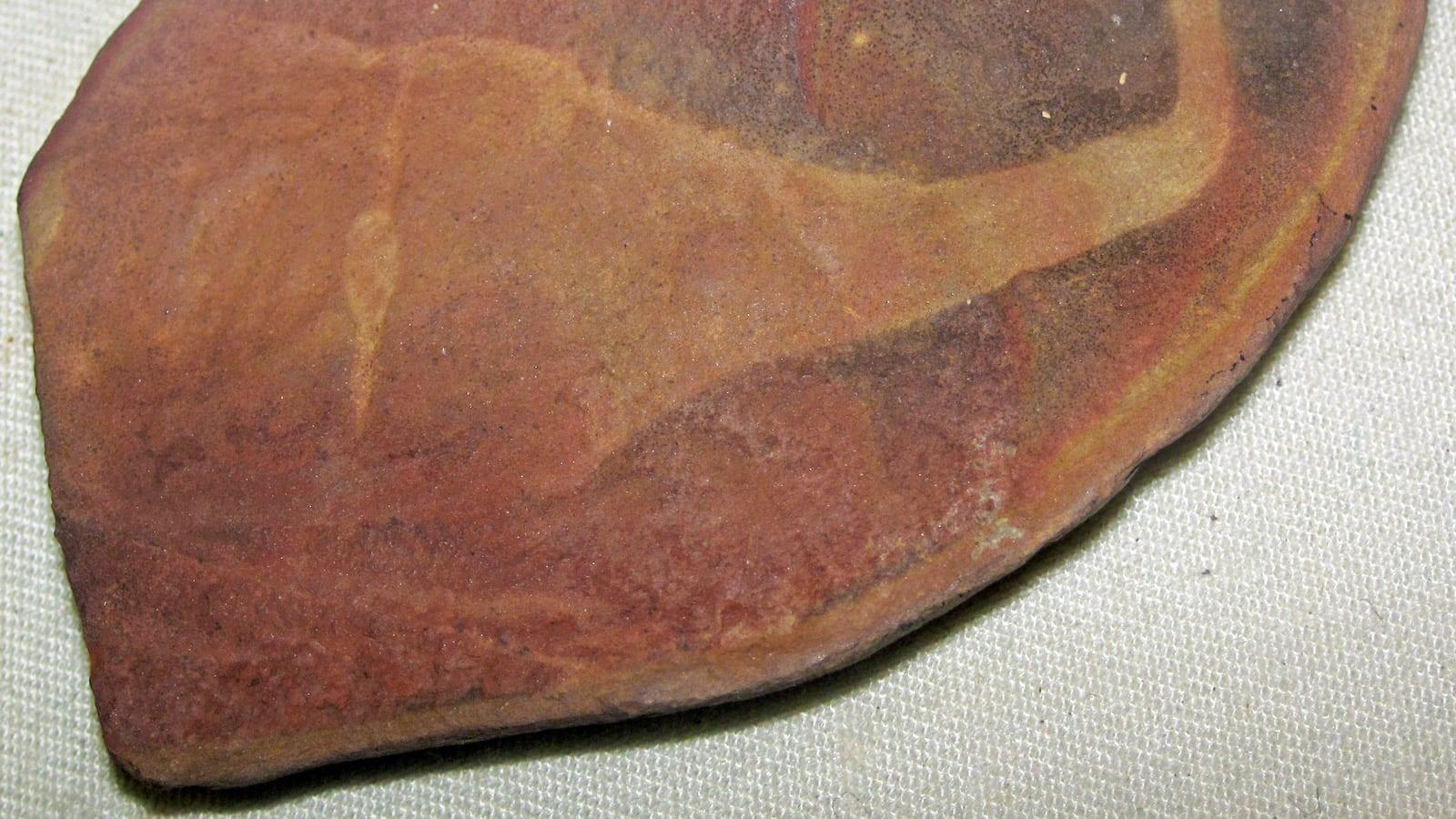
Mazon Creek Fossil Hunting Guide
Illinois, United States
Plants, Insects, Crustaceans, Jellyfish
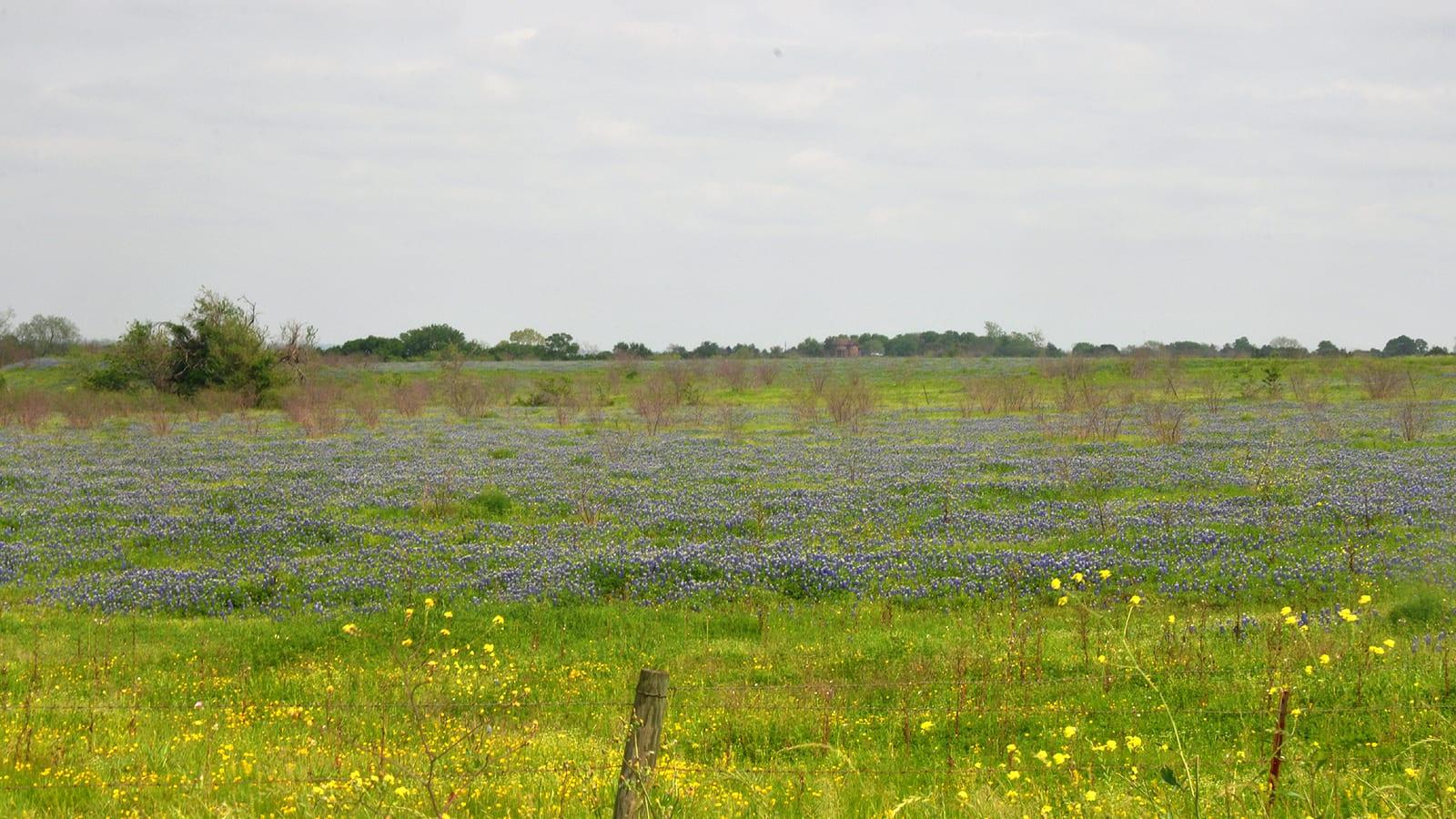
Mineral Wells Fossil Park Fossil Hunting Guide
Texas, United States
Crinoids, Echinoids, Brachiopods, Bivalves
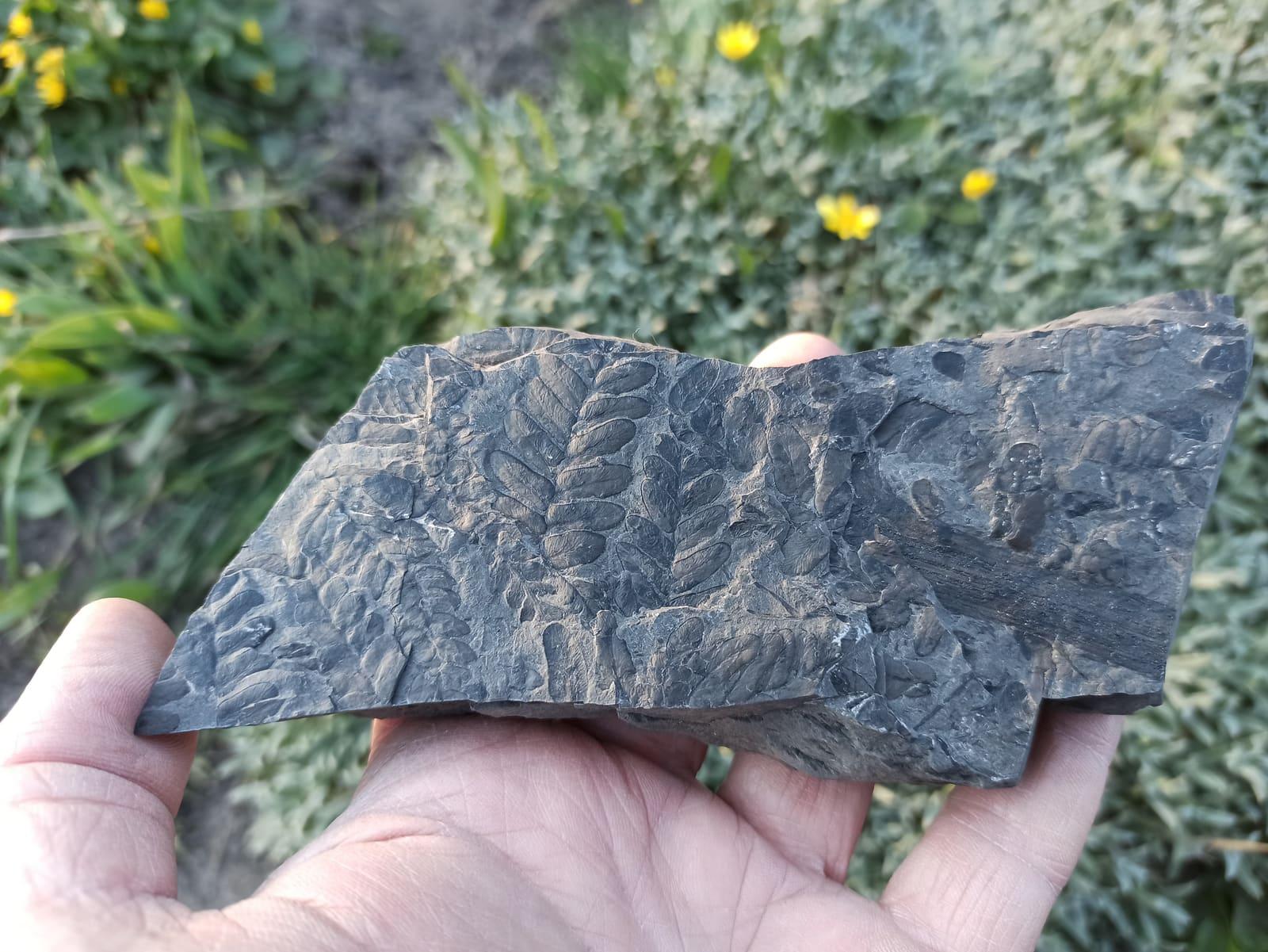
Pratts Ferry Carboniferous Fossil Site Guide
Alabama, United States
Plants, Crinoids, Brachiopods, Bryozoans
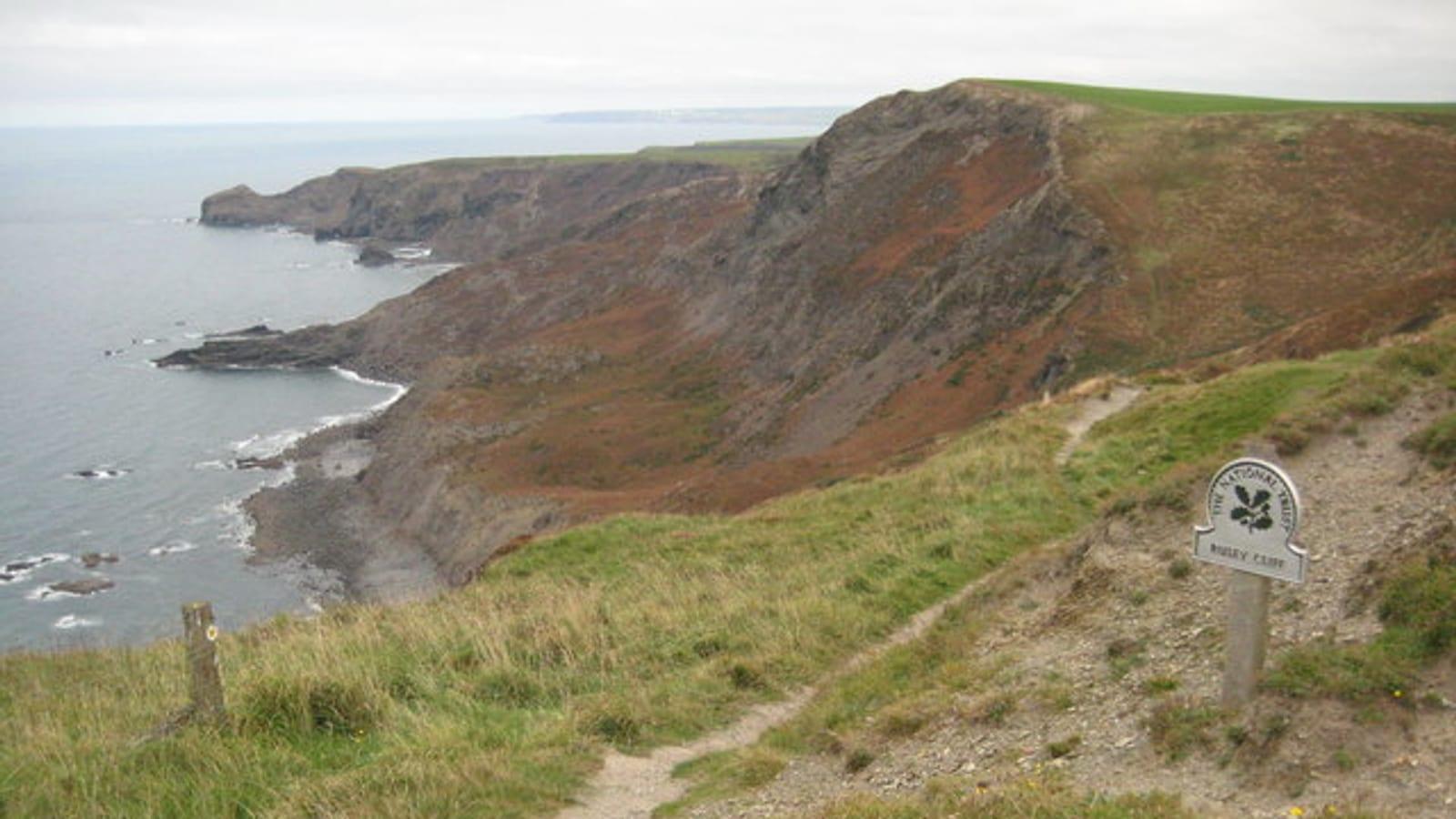
Rusey Cliff Cornwall Fossil Hunting Guide
United Kingdom
Plant remains, Corals, Brachiopods, Goniatites
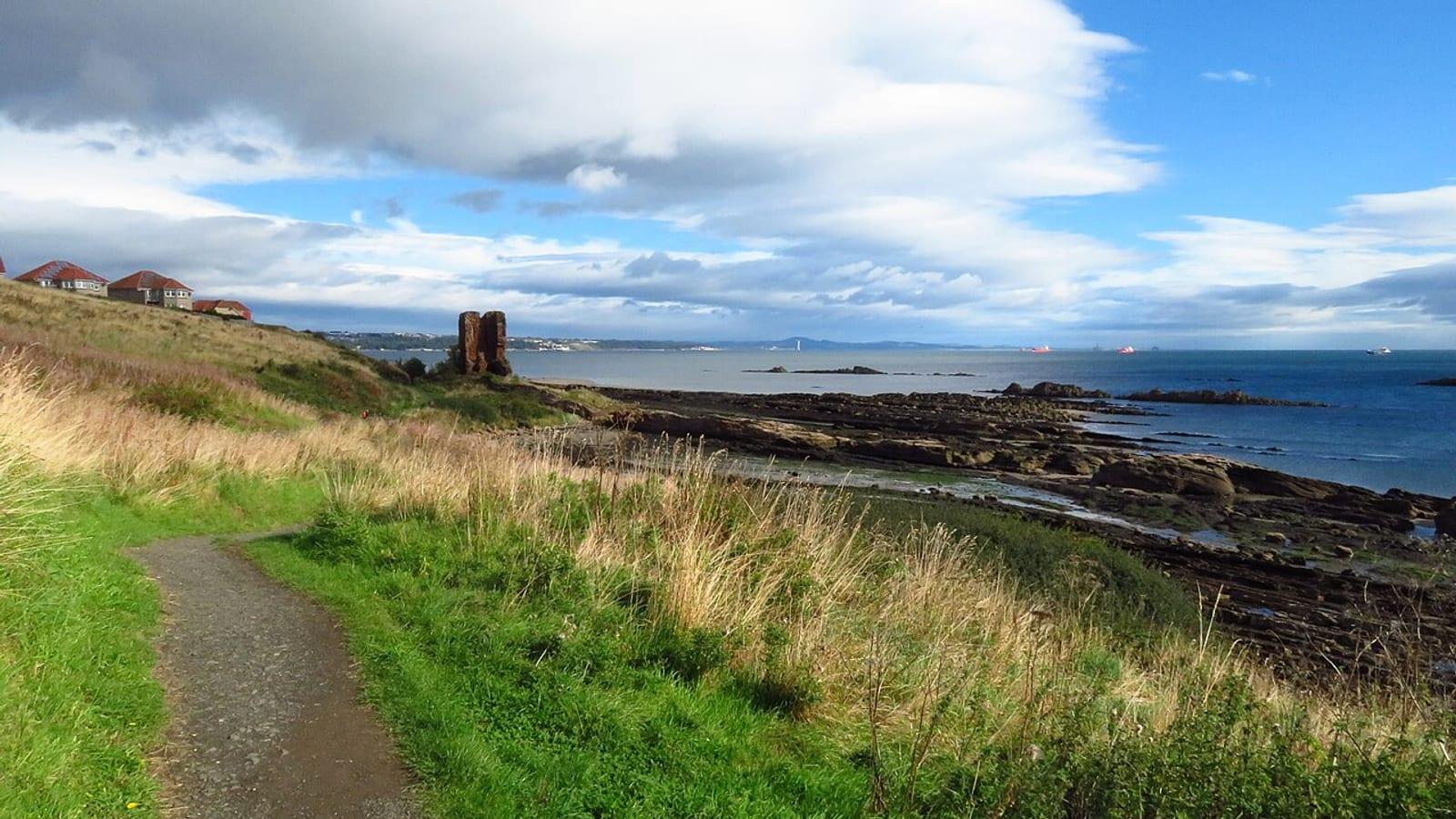
Seafield Tower Fossil Hunting Guide
United Kingdom
Crinoid stems, Bryozoans, Rugose and tabulate corals, Brachiopod shells
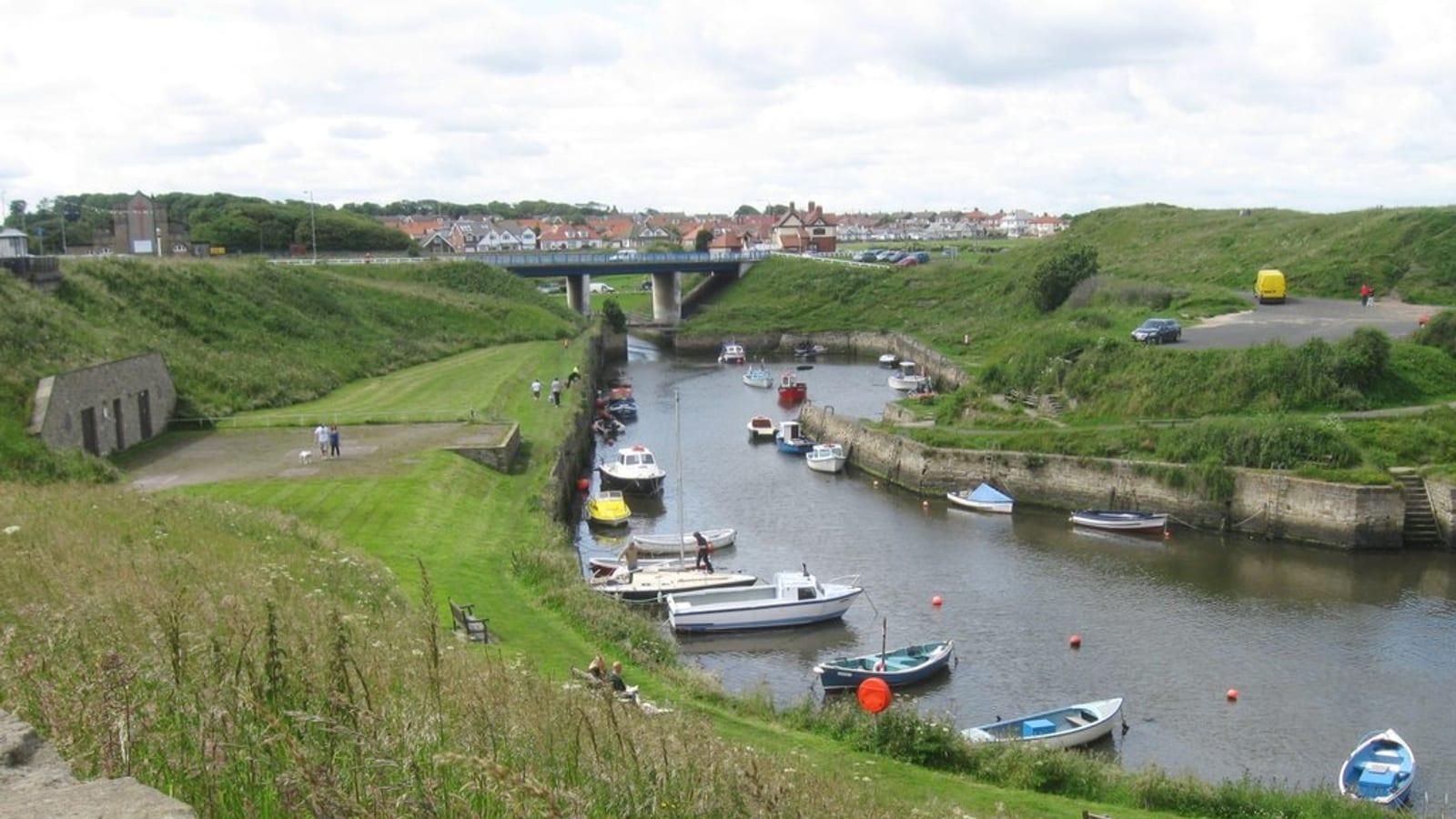
Seaton Sluice Northumberland Fossil Hunting Guide
Seaton Sluice
Plant remains, Coal, Corals, Bivalves
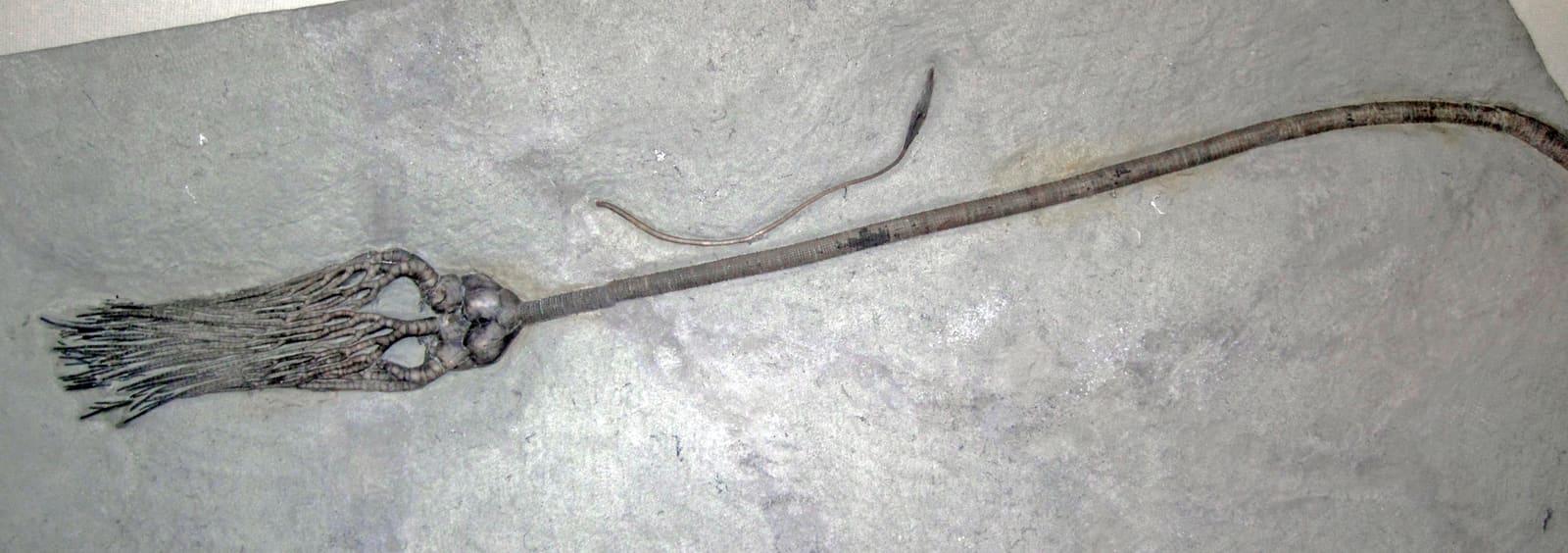
Springfield Plateau Crinoid Sites (Caplinger Mills) Fossil Guide
Missouri, United States
Crinoids, Brachiopods, Bryozoans, Blastoids
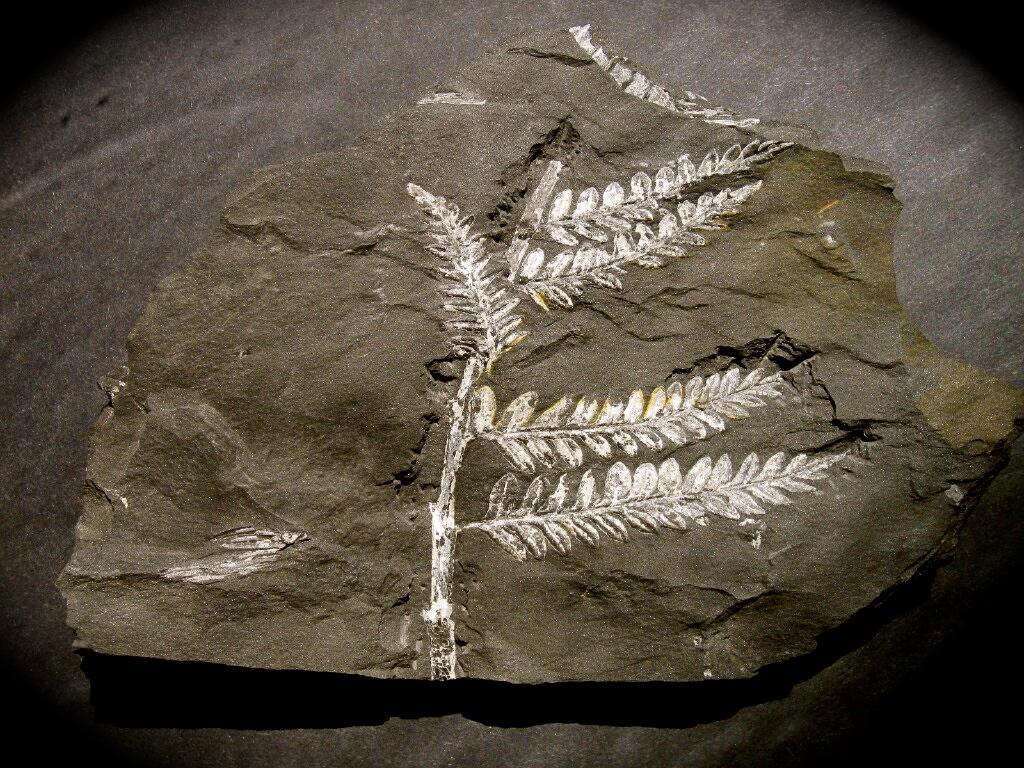
St. Clair Fern Fossils Hunting Guide
Pennsylvania, United States
Fossil ferns (Alethopteris), Fossil ferns (Neuropteris), Fossil ferns (Pecopteris), Sphenophyllum
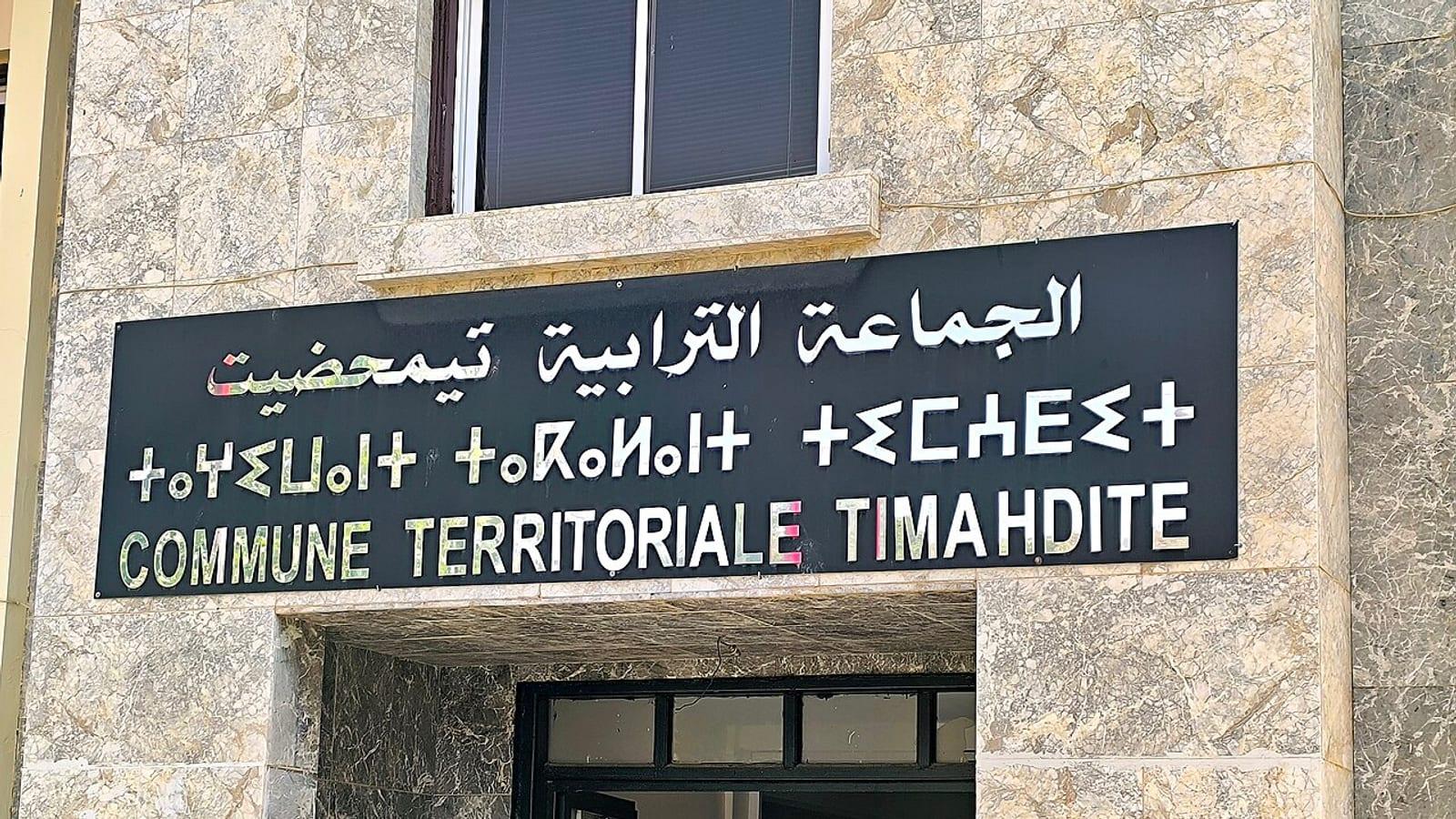
Timahdite Brachiopod Collecting Site Fossil Hunting Guide
Morocco
brachiopods, Spiriferid brachiopods, Terebratulid brachiopods, Crinoid columnals
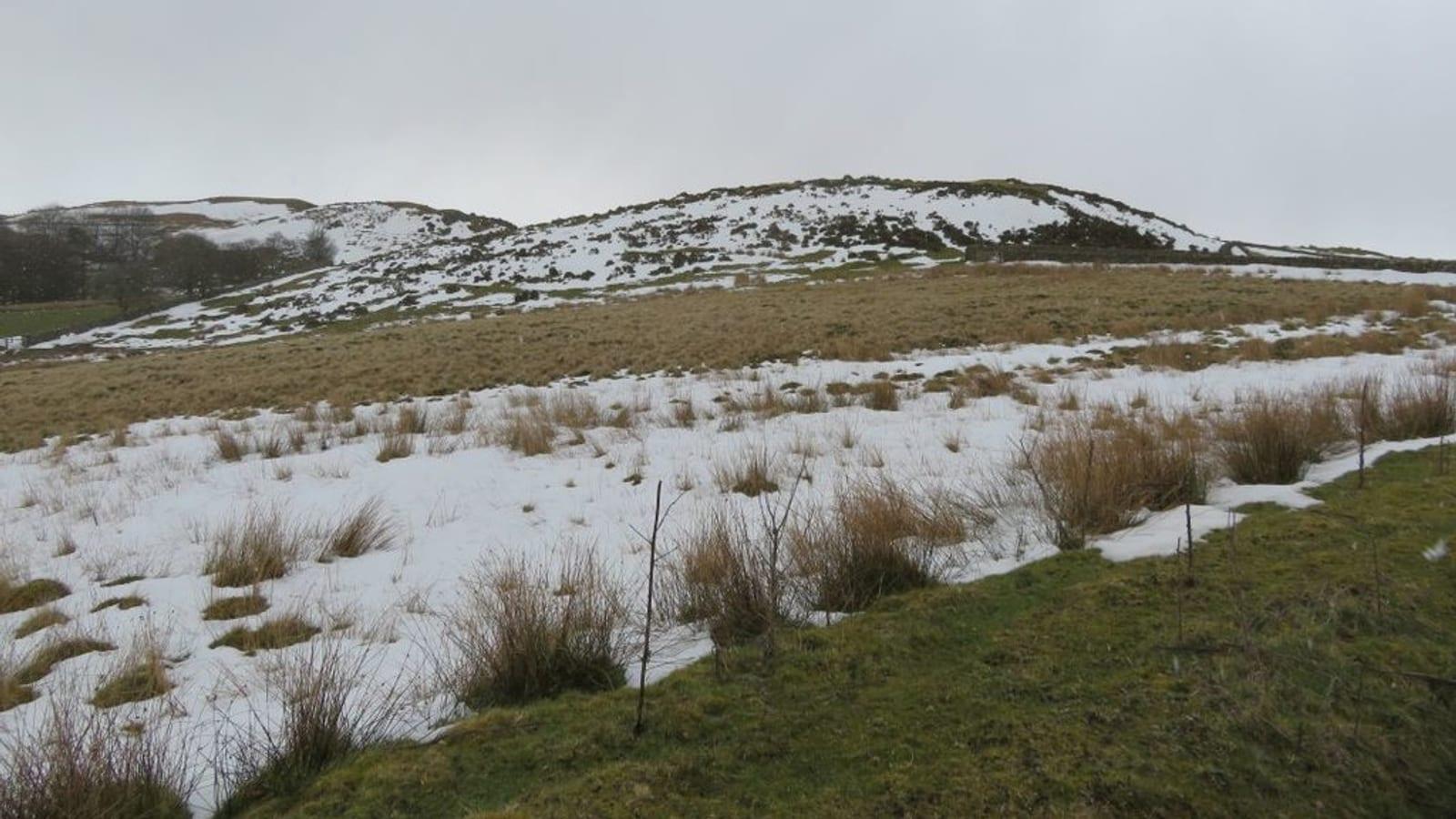
Upper Gilwern Hill Wales Fossil Hunting Guide
United Kingdom
Brachiopods, Solitary corals, Crinoid columnals, Bryozoans
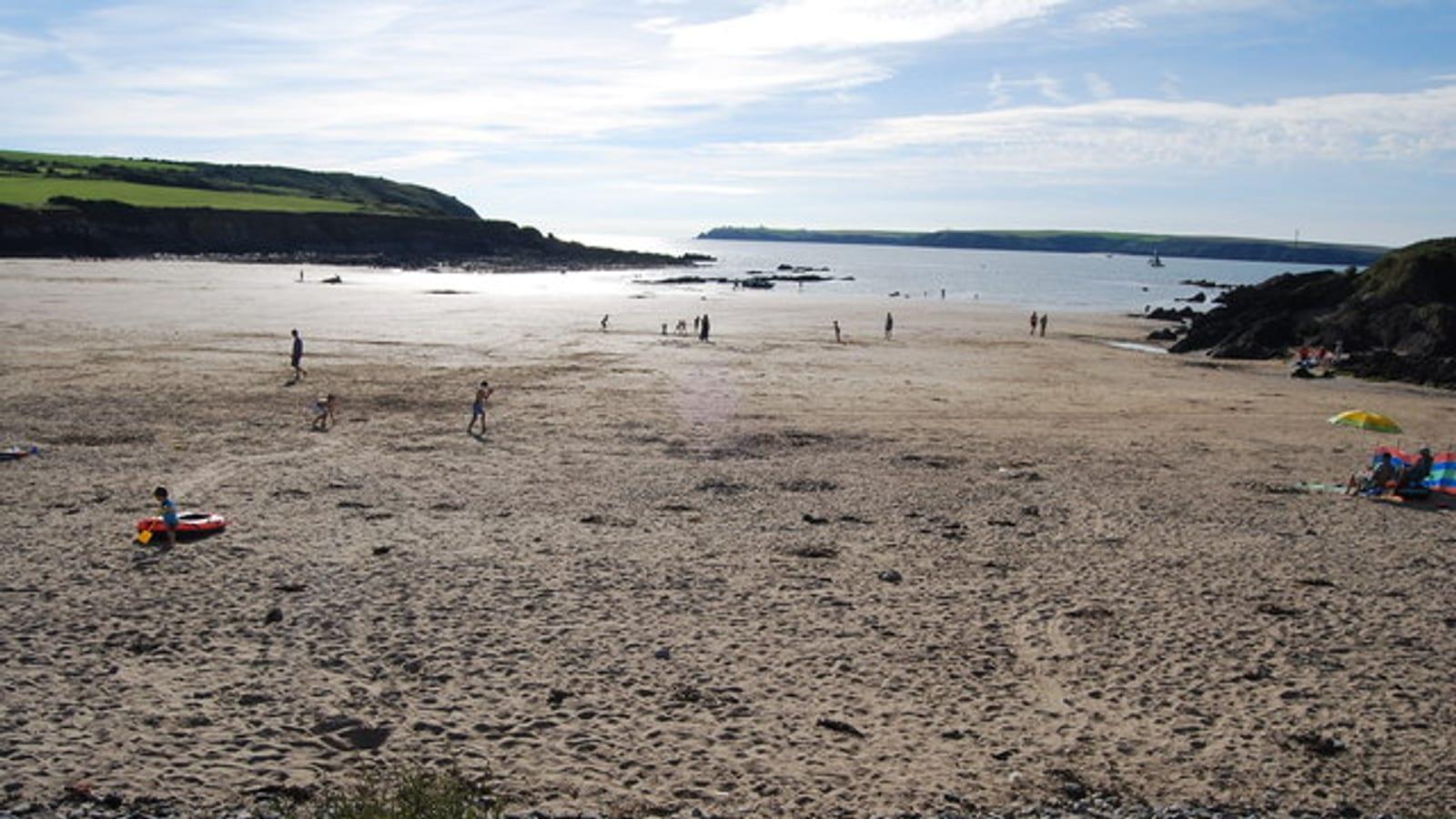
West Angle Bay Fossil Hunting Guide
United Kingdom
Crinoid ossicles, Bryozoa, Corals, Brachiopods
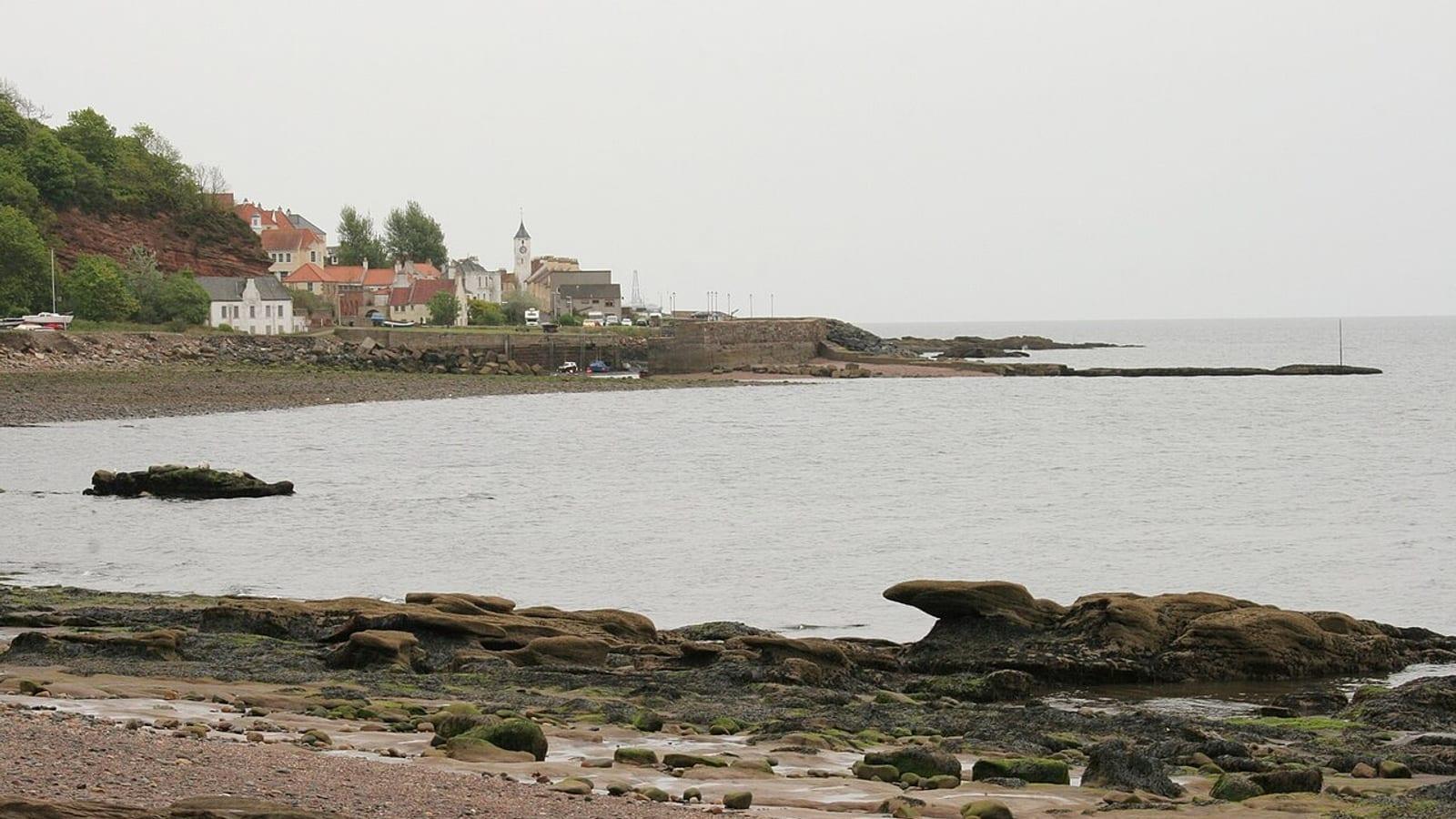
West Wemyss Fife Scotland Fossil Hunting Guide
United Kingdom
Lepidodendron, Sigillaria, Neuropteris, Pecopteris
Frequently asked questions
- What is the difference between coal measure and limestone fossils?
- Coal measures formed in freshwater swamps and yield plants, with occasional insects and amphibians. Limestone formed in clear marine water and yields crinoids, brachiopods, and corals. The two assemblages rarely occur in the same bed.
- How do I identify a Lepidodendron?
- Look for a regular diamond pattern across the surface of a bark cast. Each diamond is a leaf scar. The pattern spirals around the trunk and looks like nothing on a modern tree.
- What are the small discs in Carboniferous limestone?
- Crinoid ossicles, the stacked segments of a crinoid stem. Each disc has a central hole and often a star-shaped or fluted outline. Complete crowns are rare because the stems fell apart soon after death.