India Fossil Site Guide
7 Best Fossil Sites in India
India protects its fossil localities as parks and National Geological Monuments. None of the seven sites in this guide allows collecting. All are viewing only, and several charge a small entry fee. What they give you instead is bone, eggshell and petrified wood left in the rock where it was buried. The list runs from microbial mounds 1.4 billion years old on the Kaimur Plateau to titanosaur nest clutches in the Narmada valley. The Geological Survey of India, the state forest departments and the state tourism departments manage these sites between them.
7 fossil sites
Updated 12 October 2026
From Proterozoic microbial mounds to the last Indian dinosaurs
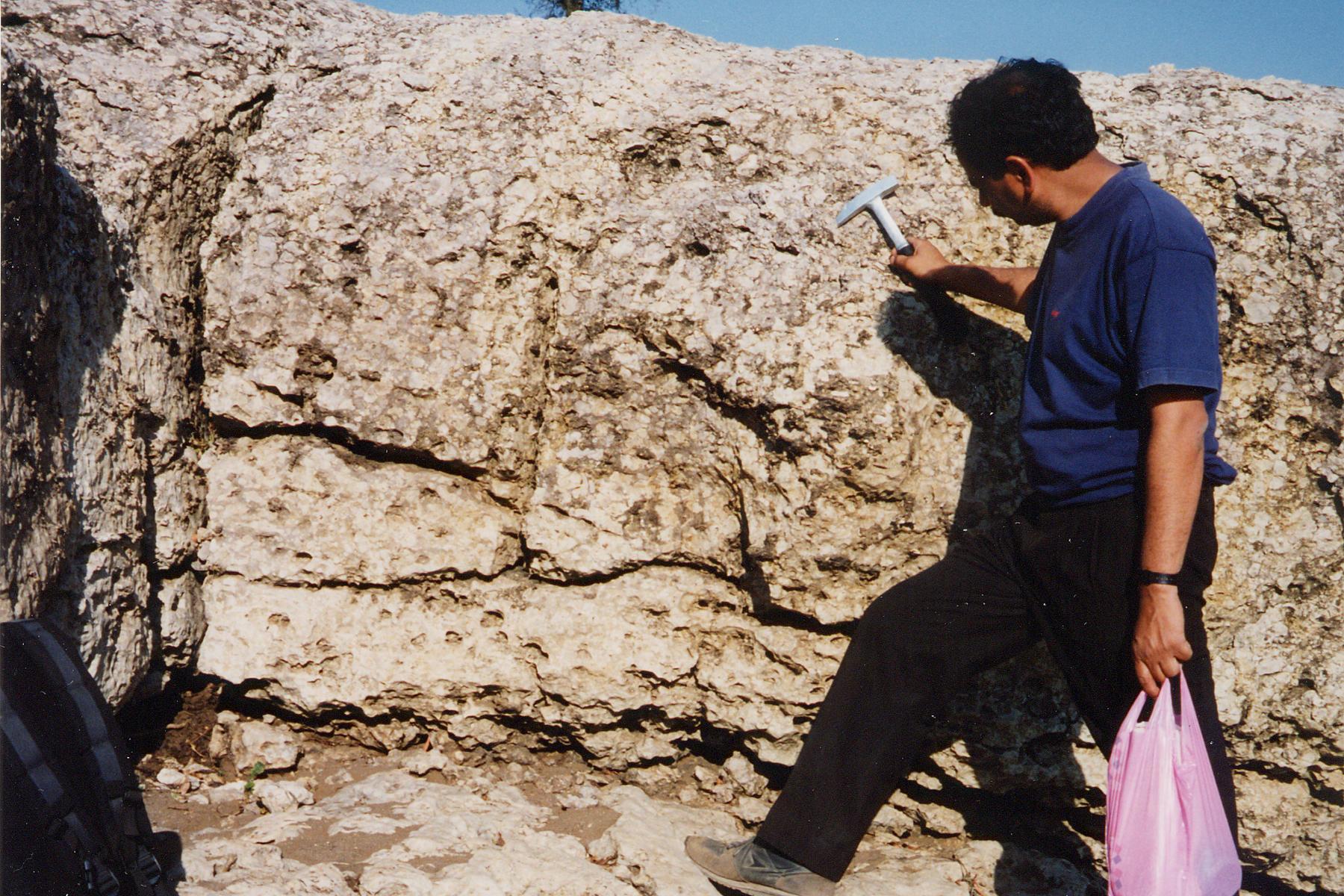
The oldest fossils on this list predate animals by about 800 million years. At Salkhan, the Semri Group at the base of the Vindhyan Supergroup carries stromatolites built by cyanobacterial mats roughly 1.4 billion years ago. The Vindhyan basin escaped the deformation that metamorphosed most rock of that age, so the original millimeter laminations survive. Two Jurassic sites record India's Gondwana coastline. The Lathi Formation at Akal buried a coastal gymnosperm forest in sand about 180 million years ago, when western India sat on the Gondwana shore. The Spiti Shale in Himachal Pradesh is the opposite setting: dark mudstone on an oxygen-poor Tethyan shelf, 150 to 100 million years ago.
The Late Cretaceous dominates Indian paleontology because the Lameta Formation does. This floodplain sequence underlies the Deccan Traps basalts across central India, and it dates to the final million years of the Maastrichtian. Titanosaurs nested on its calcareous surfaces, and seasonal floods buried the clutches whole, at Lameta Ghat near Jabalpur and at Raiyoli in Gujarat. Ghughua preserves the next chapter, plant beds deposited in lakes between individual Deccan lava flows. The youngest site is Saketi in Sirmaur district, where the Tatrot Formation of the Siwalik Group holds Neogene mammals. The Siwalik Group is the debris of the Himalaya, shed off the rising range into a trough along its southern front.
- 1
Lameta Geological Park Fossil Hunting Guide
Madhya Pradesh, India
Viewing onlyIsisaurus colbertiJainosaurus septentrionalisRajasaurus narmadensisLameta Ghat is the type locality of the Lameta Formation and the source of India's first named dinosaur, described by Richard Lydekker in 1877. The Geological Survey of India approved it in January 2022 as the country's first formal geological park, and UNESCO recognizes Lamheta as a geoheritage site. Riverbank access is free at the time of writing, with on-site notices rather than a finished visitor centre. Hundreds of titanosaur egg clutches are recorded across the Narmada valley, and a 2023 PLOS One study logged more than 50 of them. Viewing only: do not pick up bone fragments, eggshell or loose rock.
Read the full guide → - 2
Raiyoli (Balasinor) Dinosaur Fossil Park
Gujarat, India
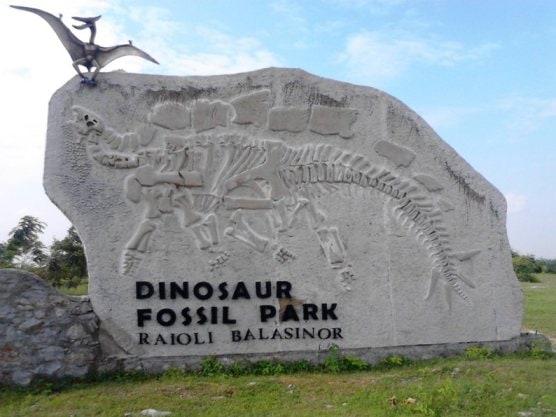
Viewing onlyDinosaur EggsDinosaur BonesDinosaursRaiyoli holds one of the densest concentrations of dinosaur eggs and bones anywhere, found in 1981 when limestone quarrying cut into a nesting horizon. More than two hundred egg clutches are recorded, and the eggs are 12 to 18 centimeters across. The holotype of a 7.5-meter abelisaurid theropod, short-snouted and horn-crested, was assembled from material here and from associated Narmada valley sites. A roofed open-air enclosure keeps clutches and isolated bones in their original matrix, and the 2019 museum holds casts and full-size reconstructions. Gujarat Tourism charges entry and runs hourly guided tours, and removal of any natural material is a criminal offense.
Read the full guide → - 3
Spiti Valley: Shaligram Ammonites of the Tethys Sea
Himachal Pradesh, India
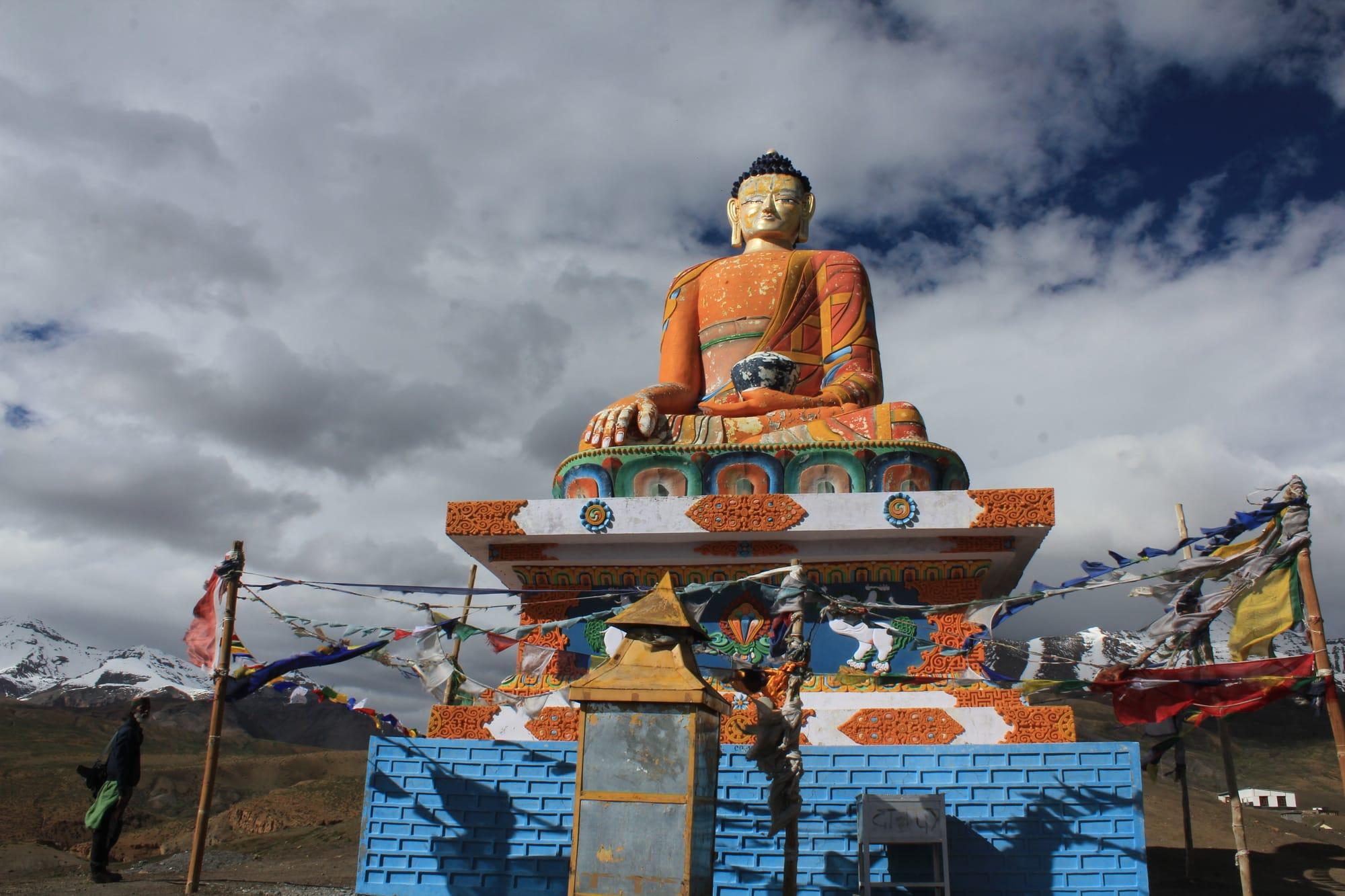
Viewing onlyAmmonitesBelemnitesMarine invertebratesAmmonites and belemnites weather out of the Spiti Shale slopes above Langza and Hikkim, at about 4,400 meters on the southern edge of the Tibetan plateau. The coiled shells are venerated in Hindu tradition as Shaligrams, and Carl Diener's monographs of the 1890s remain reference works for Tethyan stratigraphy. A December 2024 Himachal Pradesh High Court ruling banned all extraction, trade and collection, and checkpoints out of the valley now enforce it. The slopes carry no fee, but they are unmarked, and a local guide costs 500 to 1,500 rupees a day. This is the hardest site here to reach, and acute mountain sickness is a real risk, so acclimatize in Kaza for at least two days.
Read the full guide → - 4
Salkhan Fossils Park: 1.4-Billion-Year-Old Stromatolites
Uttar Pradesh, India
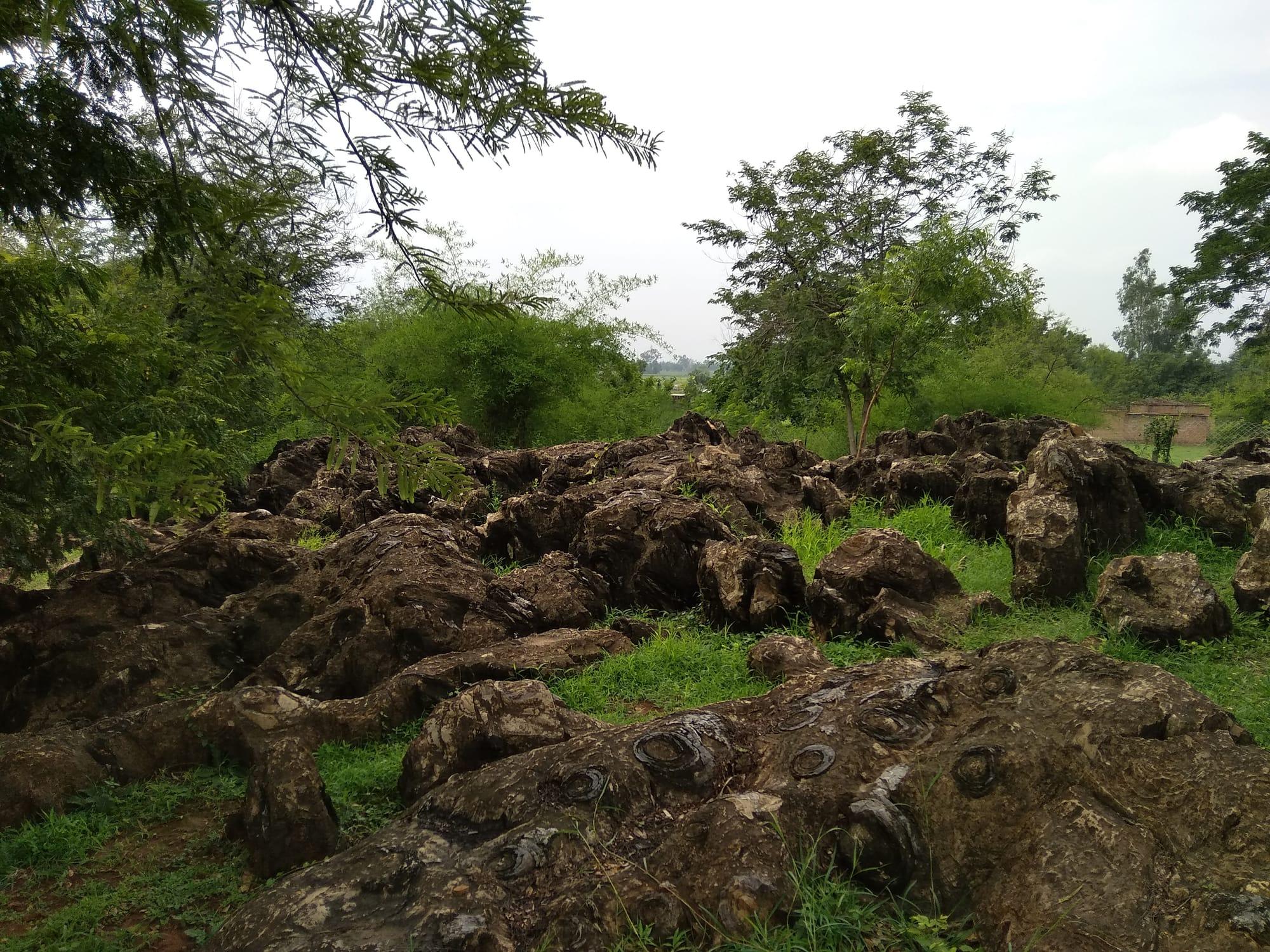
Viewing onlyStromatolitesMicrobialitesSalkhan is a bedding plane rather than a quarry, where weathering has exposed the tops of hundreds of microbial mounds about 1.4 billion years old. Three forms sit side by side: tall conical Conophyton, broad Collenia domes over a meter across, and branching columnar stromatolites. The Uttar Pradesh Forest Department protected the outcrop after cement quarrying spread across the Kaimur Plateau to within a few kilometers of it. Entry is free or nominal and hours are dawn to dusk, but there is no museum, no shade and no water. Chipping or removal is a criminal offense, and the domes stand in low relief, so walk the plane carefully.
Read the full guide → - 5
Akal Wood Fossil Park Fossil Hunting Guide
Rajasthan, India
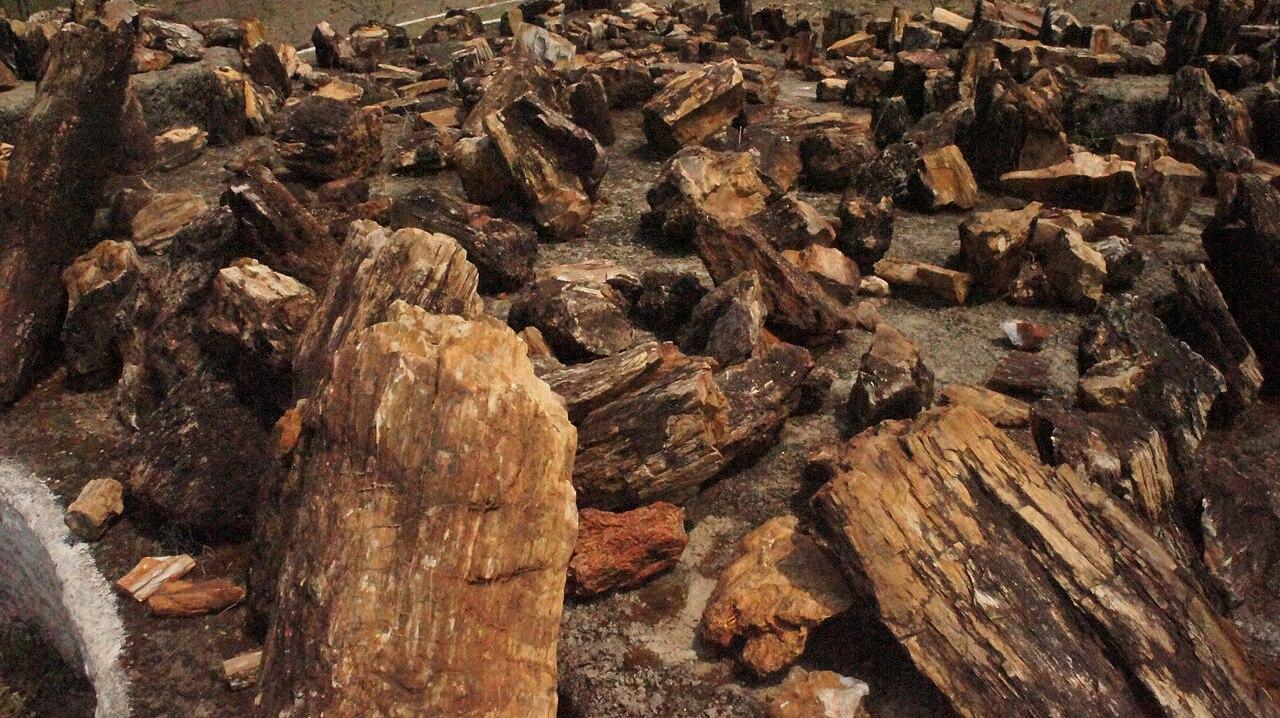
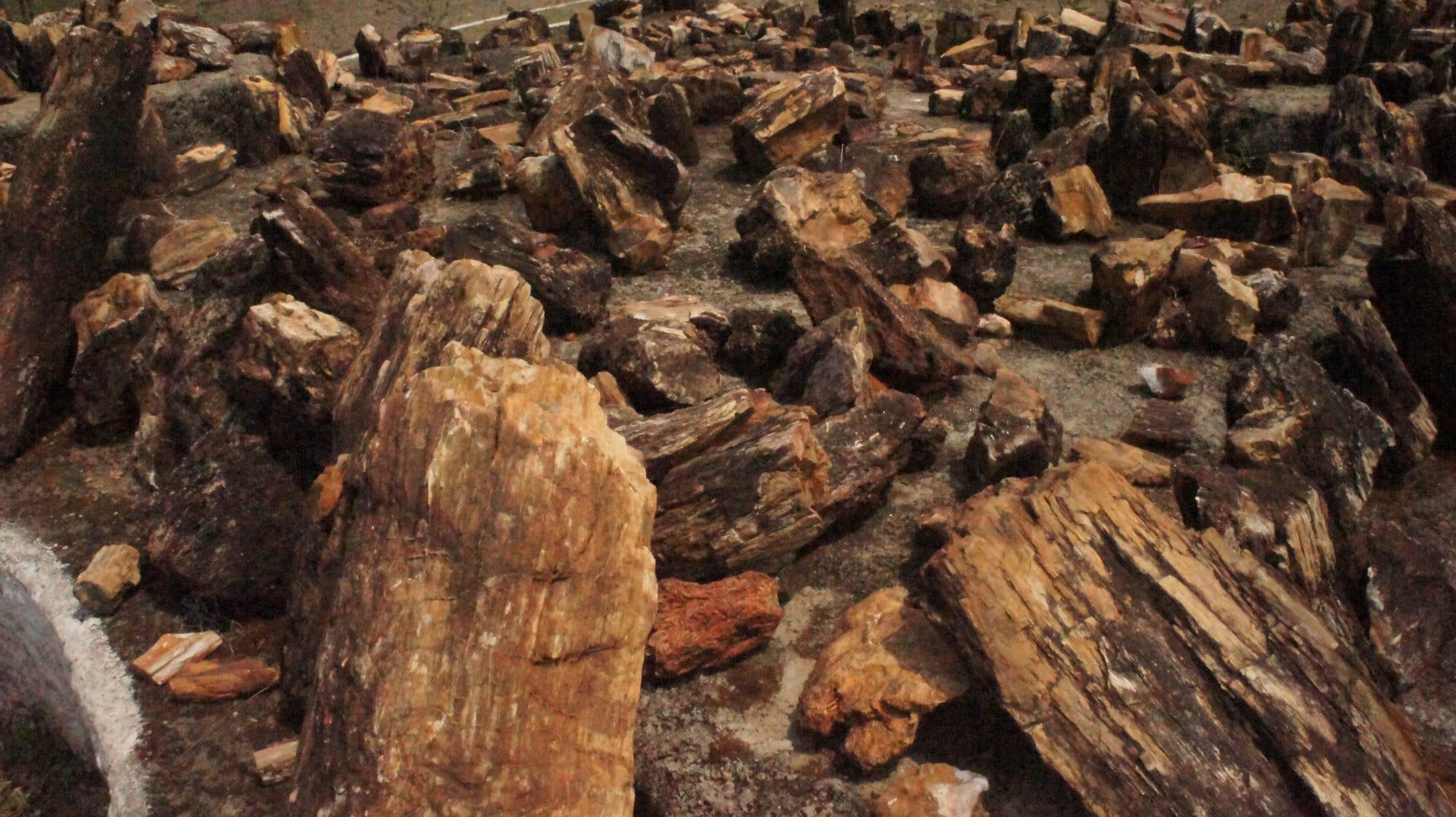
Viewing onlyPetrified WoodPlantsGastropodsAkal Wood Fossil Park is 21 hectares of fenced Thar Desert 17 kilometers southwest of Jaisalmer, with about 25 large petrified trunks and dozens of smaller fragments. The longest log runs over 13 meters, and most lie in roughly one direction, which points to transport by a current before burial. Silica replacement held the growth rings, knot patterns and some bark texture in the Early Jurassic Lathi Formation wood. The Geological Survey of India declared it a National Geological Monument partly to stop villagers breaking the logs up for building material and fuel. Entry is nominal, the walking circuit runs about 500 meters with no shade, and touching or sampling the logs is prohibited.
Read the full guide → - 6
Shivalik Fossil Park, Saketi Fossil Hunting Guide
Himachal Pradesh, India
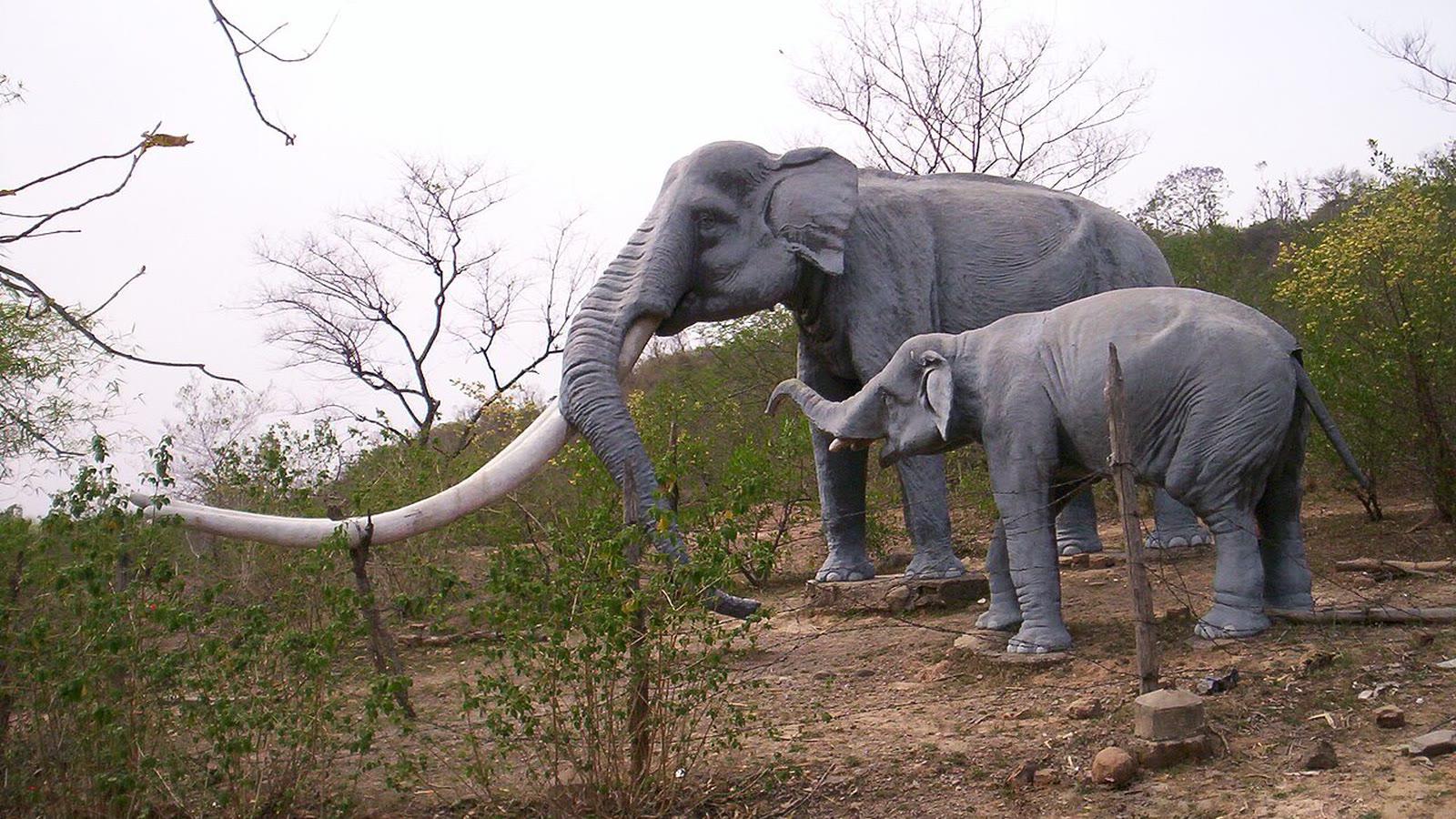
Viewing onlyMammalsProboscideansGiant tortoiseThe Geological Survey of India notified Saketi as a National Geological Monument in 1974. The park stands on the Tatrot Formation beds that produced the bones in its own museum. Six life-size fiberglass models stand outside: proboscideans, a short-necked giraffid, a hippopotamid, a giant tortoise, a saber-toothed cat and a crocodilian. They earn their place, because the museum bones are fragmentary and the models show what those fragments belonged to. No government page publishes hours or an entry charge, so telephone the forest office at Nahan before you travel, and collect nothing.
Read the full guide → - 7
Ghughua National Fossil Park Fossil Hunting Guide
Madhya Pradesh, India
Viewing onlyPetrified WoodSeeds and FruitsDinosaur EggsGhughua became a National Park in 1983 to stop the removal of petrified logs for building material and fuel. The 75 hectares hold more than 30 trunk fragments, some over six meters long, with the wood grain and growth rings intact. Fossil palm fruits, smaller seeds and leaf impressions occur in the same Deccan Intertrappean horizons, laid down in lakes between individual lava flows. A 1.5-kilometer trail loop takes about 90 minutes, entry is nominal, and a forest guide comes with the ticket for groups. Removal of any natural material is an offense under the Wild Life (Protection) Act, 1972, and the park asks visitors not to touch the logs at all.
Read the full guide →
Planning your visit
When to visit
October through March is the window for six of the seven sites. Jabalpur sits around 20 to 30 degrees Celsius then, and the Kaimur Plateau and the Thar Desert are both walkable. April through June rules out open ground: the Thar passes 45 degrees Celsius and Salkhan, Ghughua and Saketi all pass 40 degrees with almost no shade. The monsoon, July through September, swells the Narmada over the lower Lameta exposures, makes the interior tracks at Ghughua impassable, fills the Markanda at Saketi and brings dense vegetation that hides the smaller stromatolite domes. Spiti runs on the reverse calendar and is snowbound from November through April, with the Manali road over the Kunzum La open only from late May or June through October.
What to bring
Water, more than you expect to drink, because Salkhan has no facilities at all and the nearest supply is Robertsganj, 15 kilometers away. Closed shoes with a firm sole suit every site here, and the Akal and Ghughua ground is loose gravel and broken sandstone with sharp silicified fragments standing proud of the soil. Sun protection and a scarf earn their place in the Thar, where wind lifts fine dust. Carry insect repellent for the warmer months at Lameta Ghat, and a hand lens for Ghughua, where cellular wood structure shows in some of the trunks. For Spiti, bring layers, strong sun protection against the ultraviolet at 4,400 meters, and travel insurance that explicitly covers high altitude.
Rules and access
Collecting is prohibited at all seven sites, without exception. Nothing in this guide is a collecting ground, and no site in India named here allows a visitor to take anything home. The Antiquities and Art Treasures Act, 1972 treats fossils as national heritage. Lameta Ghat adds the Ancient Monuments and Archaeological Sites and Remains Act, 1958 and Madhya Pradesh state heritage regulations. Ghughua, as a National Park, adds the Wild Life (Protection) Act, 1972 and the Forest Conservation Act, 1980, which cover soil and stones as well as fossils. Spiti is now under the December 2024 Himachal Pradesh High Court ban on extraction, trade and collection, which also makes buying Shaligrams from vendors unlawful.
In practice this means staying on marked paths and behind temporary fencing, leaving loose bone fragments and eggshell where they lie, and reporting anything that looks like bone to park staff rather than pocketing it. A specimen with a recorded position is worth something to a museum, and a specimen in a bag is worth nothing to anyone. Photography for personal use is welcome at every site, though commercial photography at Raiyoli needs advance permission from the Gujarat Tourism Department, and drones at Lameta Ghat need advance permission from the Geological Survey of India regional office in Jabalpur.
Getting there
Jabalpur is the hub for two sites. Dumna Airport has daily service from Delhi, Mumbai and Hyderabad, Jabalpur Junction is on the main Delhi to Mumbai and Delhi to Chennai rail routes, Lameta Ghat is 12 kilometers southwest of the city, and Ghughua is about 76 kilometers south. Raiyoli is roughly 100 kilometers east-northeast of Ahmedabad and about two hours by road. Salkhan is 100 kilometers south of Varanasi, two and a half to three hours by road through Mirzapur and Robertsganj. Jaisalmer has both the airport and the railhead for Akal, 17 kilometers out on the Barmer road. Saketi is 21 kilometers from Nahan, reached by bus from Chandigarh or Ambala to Kala Amb and then a short taxi leg. Spiti needs a full trip of its own, by road from Manali over the Kunzum La in summer or from Shimla through Kinnaur for most of the year, then a local taxi from Kaza.
Want every documented location, not just the curated top sites? Browse the full index of Indian fossil sites for the complete list, including the Tamil Nadu fossil wood parks and the Gondwana localities in Maharashtra and Chhattisgarh that this guide leaves out.
Frequently asked questions
- Can you collect fossils in India?
- No, not at any site in this guide. All seven are protected as parks, National Geological Monuments or forest department land, and every one of them is viewing only. The Antiquities and Art Treasures Act, 1972 treats fossils as national heritage, and Ghughua adds the Wild Life (Protection) Act, 1972 and the Forest Conservation Act, 1980. In Spiti, a December 2024 Himachal Pradesh High Court ruling banned extraction, trade and collection outright, and enforcement at checkpoints out of the valley has tightened since. Do not buy specimens from roadside or religious vendors either, because that trade is no longer legal. Research collection is restricted to permitted teams working under the Geological Survey of India and the state governments.
- What fossils can you see in India?
- The range is wider than any one site suggests. Salkhan exposes stromatolites built by microbial mats about 1.4 billion years ago, which predate animals by roughly 800 million years. Spiti produces Late Jurassic to Early Cretaceous ammonites and belemnites from the floor of the Tethys Sea, now at 4,400 meters. Akal and Ghughua hold petrified wood, Early Jurassic gymnosperm logs in the Thar Desert and a mixed gymnosperm and palm flora in the Deccan Intertrappean beds. Lameta Ghat and Raiyoli hold titanosaur egg clutches, sauropod and abelisaurid bone from the last million years of the Cretaceous. Saketi covers the Siwalik mammals, including proboscideans, a short-necked giraffid, a hippopotamid and a giant tortoise.
- When is the best time to visit Indian fossil sites?
- October through March for the central, western and northern plains sites. Daytime temperatures at Jabalpur sit around 20 to 30 degrees Celsius in that window, and the Kaimur Plateau and the Thar Desert are both bearable. April through June is the problem: the Thar passes 45 degrees Celsius, and Salkhan, Ghughua and Saketi all pass 40 degrees on open ground with almost no shade. The monsoon runs July through September, swells the Narmada over the lower Lameta exposures, makes the interior tracks at Ghughua impassable and floods the Markanda at Saketi. Spiti runs on a different calendar and is effectively closed by snow from November through April, with the Manali road over the Kunzum La open only from late May or June through October.
- Which Indian fossil site suits a first visit or a family?
- Raiyoli, because it does the interpretation for you. The museum opened in 2019 with casts and life-size reconstructions, the walk to the roofed excavation enclosure is paved, guided tours run hourly with the entrance fee, and Ahmedabad is two hours away. Saketi is the other easy one, where six life-size models stand outside the museum and make sense of fragmentary bone. Lameta Ghat works as a half-day trip from Jabalpur combined with the Bhedaghat marble gorge, which is the standard local circuit. Spiti is the opposite end of the scale and suits experienced high-altitude travelers with several days to spare.
- Do Indian fossil parks charge admission?
- It varies, and the published figures move. Lameta Ghat has no admission charge at the time of writing, and Salkhan is free or carries a nominal gate fee. Akal charges roughly 25 to 75 rupees for Indian visitors and 100 to 300 rupees for foreign visitors. Ghughua is around 50 to 150 rupees for adults, free for children under 12, with a higher foreign-visitor rate. Raiyoli runs about 30 to 100 rupees for Indian adults and 200 to 500 rupees for foreign visitors. For Saketi, no Himachal Pradesh government page and no Geological Survey of India page publishes an entry charge at all, so telephone the forest office at Nahan.
- Where can you see Indian fossils indoors?
- Each of the managed parks has its own display. Raiyoli's Dinosaur Fossil Park Museum holds casts of the major specimens and the interpretation of the excavated surfaces. The Siwalik Fossil Museum opened on the Saketi park premises in May 2014, and the Geological Survey of India published a catalogue of its fossils in 2013. Akal's interpretive centre holds polished cross-sections cut from earlier specimens, and Ghughua's centre holds material recovered during park development. For prepared Lameta material, the Geological Museum at the Geological Survey of India headquarters in Calcutta and the Indian Statistical Institute in Kolkata hold the principal academic collections, and the Mahakaushal University museum in Jabalpur holds prepared specimens too.
Recommended resources
- Geological Survey of India · The agency behind the National Geological Monument designations at Akal and Saketi and behind the geological park at Lamheta. Research permits for all three run through it.
- Gujarat Tourism: Balasinor Dinosaur Fossil Park · The operator's own page for Raiyoli. Check it for current fees and hours before driving out from Ahmedabad, because both change.
- Rajasthan Department of Tourism · Covers Akal Wood Fossil Park, which the Rajasthan Forest Department manages in partnership with the Geological Survey of India.
- District Administration, Dindori: Places of Interest · The district page for Ghughua National Fossil Park, with the local practicalities for a site two hours out of Jabalpur.
- Indian Stratigraphic Lexicon: Tatrot Formation · Takes the Markanda River section at Saketi as the reference section for the Tatrot Formation and records 48 mammalian taxa from it.