Antelope Creek Fossil Hunting Guide
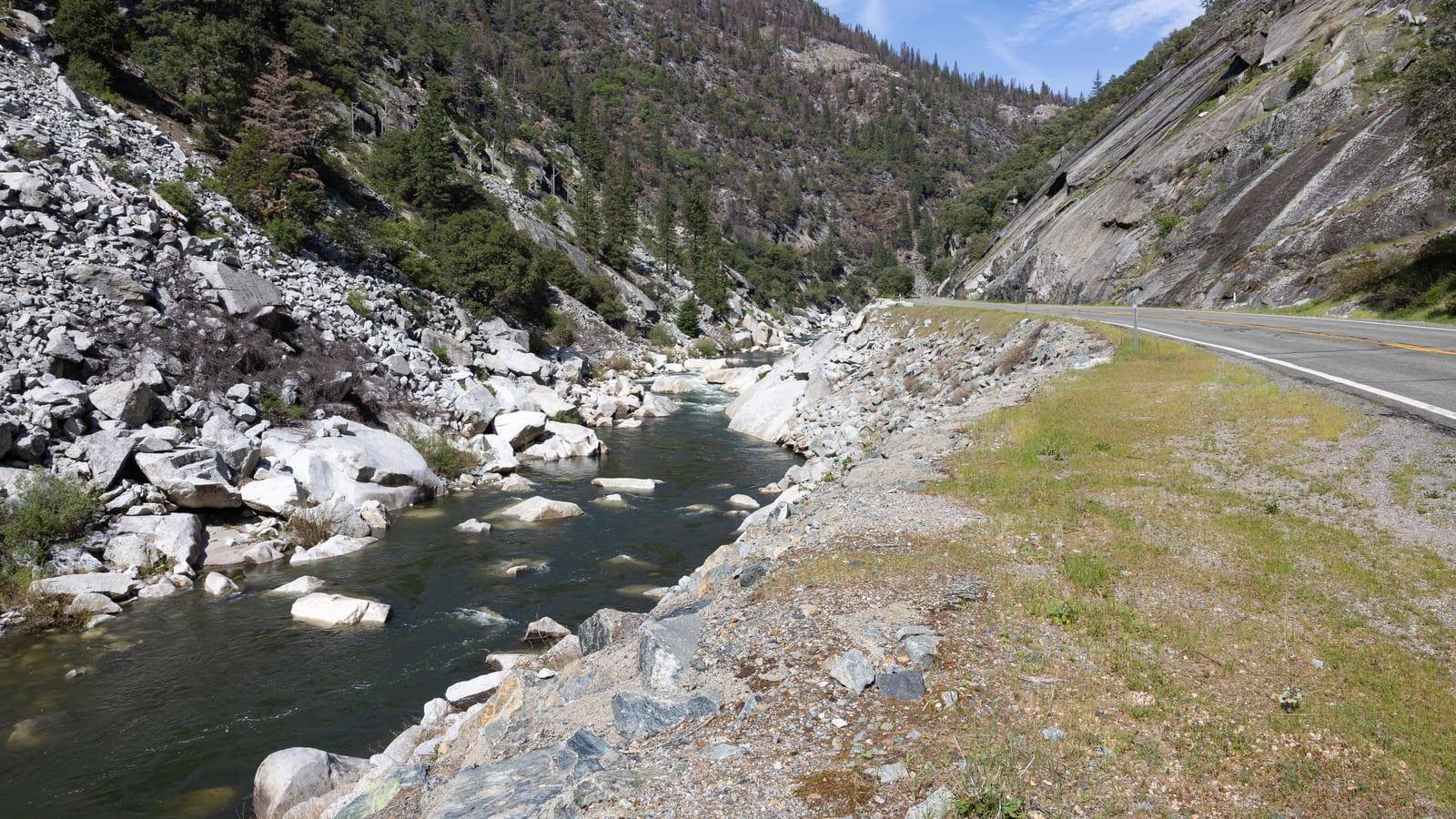
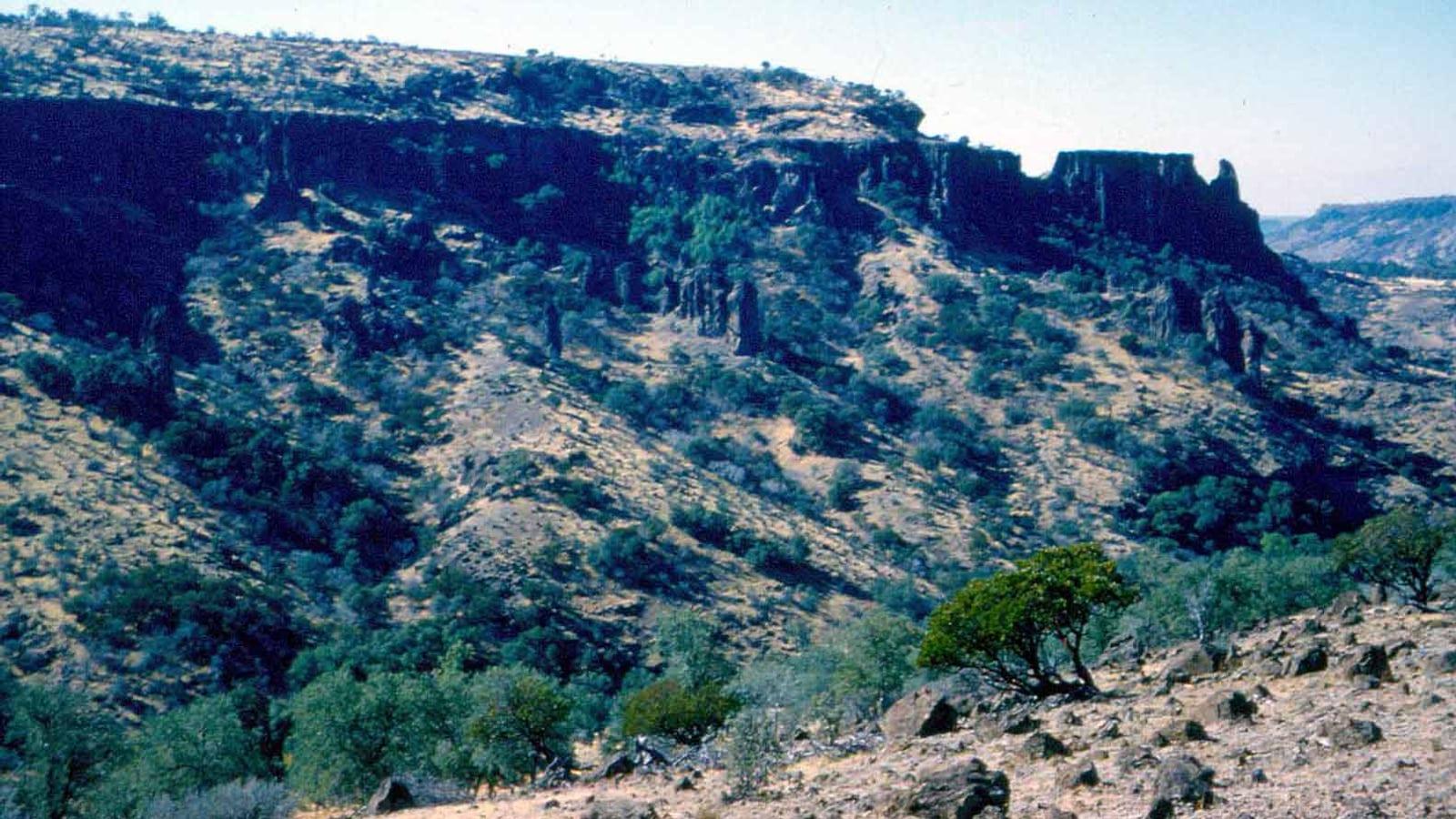
Image: California Department of Fish and Wildlife (CC BY 2.0)
Antelope Creek in Tehama County exposes the Upper Cretaceous Chico Formation, a shallow-marine unit that yields ammonites, clams, and snails from a sea of about 72 million years ago, with rare bone from land animals washed in from nearby shores.
By Edward Chen · Updated 11 July 2026
Introduction
Antelope Creek, in Tehama County east of the Sacramento Valley, cuts through the Upper Cretaceous Chico Formation. This shallow-marine sandstone and mudstone was deposited along the edge of a sea that covered the region about 72 million years ago, and it yields ammonites, clams, and snails, along with rare scraps of bone from land animals whose remains washed offshore.
The Chico Formation stretches through northern California and into southern Oregon and is one of the main Cretaceous marine units in the state. While most of what turns up along Antelope Creek is invertebrate, the formation as a whole is known for occasional dinosaur and marine reptile material, which is why any bone here matters scientifically.
Location and Directions
Antelope Creek drains the foothills east of Red Bluff in Tehama County, near 40.24°N, 121.88°W. Fossil-bearing exposures of the Chico Formation appear along the creek and its banks where the rock is cut and weathered. Red Bluff, to the west, is the nearest town for fuel, food, and supplies.
Much of this country is a mix of private ranch land and scattered public parcels, and back roads can be rough. Sort out access and land ownership before heading in, and do not enter posted property.
What Fossils You'll Find
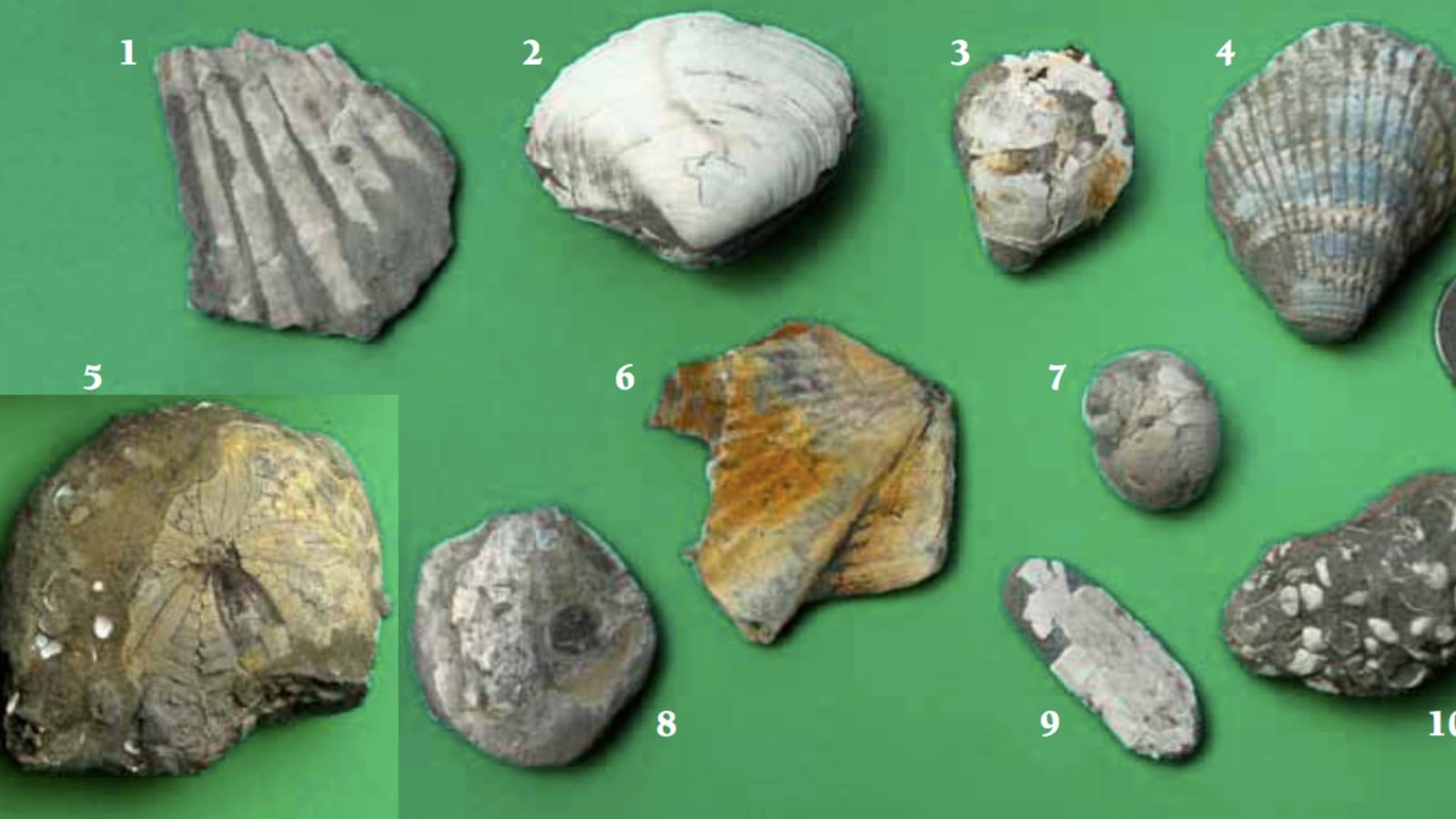
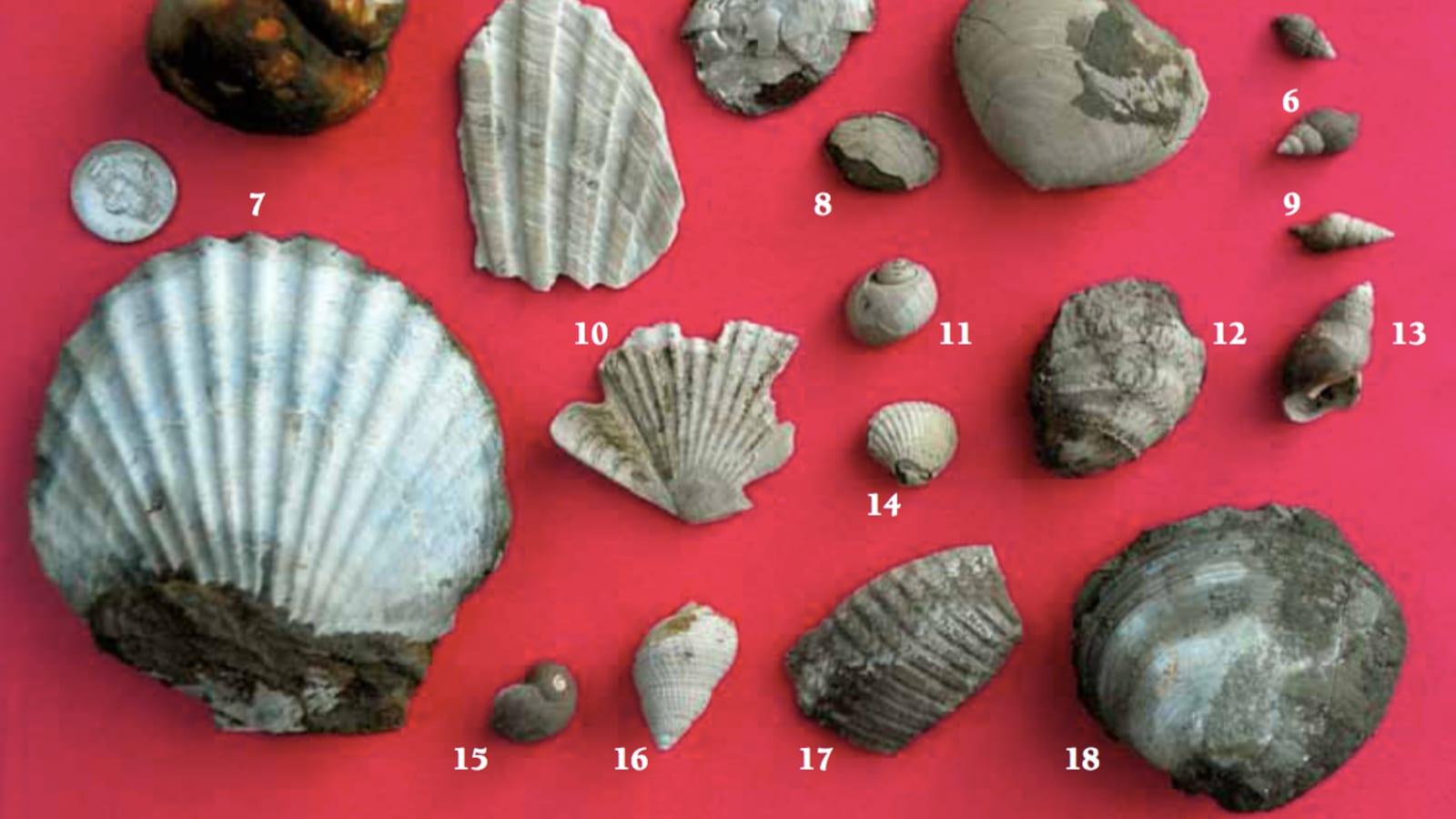
The Chico Formation here preserves a Cretaceous marine fauna. Ammonites, the coiled cephalopod shells, are among the more sought-after finds, sometimes preserved in hard concretions. Bivalves, including thick clams and oysters, are common, and gastropods, the marine snails, occur through the beds.
Preservation varies with the rock. In the sandier beds shells often survive as moulds and casts, the original shell material dissolved away and only the shape left behind, which still shows ornament clearly enough to identify. In the concretions the preservation is better, and a shell can come out with its surface detail intact.
Look along freshly cut banks and in the gravel of the creek bed, where running water has already freed and concentrated the harder shells and concretions. Splitting weathered concretions can reveal ammonites inside, though this is worth doing only where you have permission to collect.
Winter and early spring are the productive seasons, for the same reason they are the difficult ones. Storm flow scours the creek, cuts fresh faces into the banks, and moves new material into the gravel bars. By late summer the creek is low and the accessible surfaces have been picked over, though the low water does make the bed itself easier to walk.
Geologic History
During the Late Cretaceous, a sea lay along the western edge of North America, and sand and mud shed from the rising land to the east built up along its floor to form the Chico Formation. Ammonites and other sea animals lived in that water, while rivers occasionally carried the bones of dinosaurs and other land animals out into the shallow sea.
The formation takes its name from the town of Chico, about forty miles south-east, where it was first described. It is one of the more extensive Cretaceous marine units in California, traceable in a discontinuous belt along the western foothills of the Sierra Nevada and the eastern Sacramento Valley and northwards into southern Oregon.
Later uplift of the Coast Ranges and the Sierra foothills, along with the down-cutting of streams like Antelope Creek, has exposed these old marine beds at the surface, capped in places by much younger volcanic rock from the Cascades. That volcanic cover is worth noticing on the ground, because the abrupt change from dark Cascade lava above to pale marine sandstone below is often the clearest signal that you are looking at the right rock.
Collecting Rules and Regulations
Land ownership governs collecting here. Much of the ground along Antelope Creek is private, and you must have the owner's permission before entering or collecting. On any public parcels, casual collecting of common invertebrate fossils for personal use may be allowed, but vertebrate fossils, including dinosaur and marine reptile bone, are protected and should never be collected.
Because ownership is mixed and boundaries are unclear on the ground, confirm the land status before collecting, and when in doubt treat the site as viewing only. If you find bone or an articulated specimen, photograph it, note the location, and report it to a museum or the University of California Museum of Paleontology rather than removing it.
Safety
The creek and its banks can be steep, slick, and unstable, so watch your footing and keep clear of undercut faces. Water levels rise quickly after rain, so avoid the creek bed in wet weather. A creek that is ankle-deep and placid can be running hard within an hour of a storm in the foothills upstream, even where it is not raining on you.
Summers here are hot and dry, and Tehama County regularly runs well above 100 degrees Fahrenheit through July and August. That is a genuine constraint rather than a discomfort: carry considerably more water than you expect to need, start early, and avoid the middle of the day entirely. The same season brings high wildfire risk, so check current conditions and any access restrictions before setting out, and do not park a hot vehicle in dry grass.
Watch for rattlesnakes, ticks, and poison oak in the brush. Rattlesnakes are common in this country and are most active in the warmer months, so look before putting a hand onto a ledge or into a gap between rocks. Cell coverage in these foothills is unreliable, so secure permission, tell someone your route and your expected return, and do not rely on a phone to get help.
Sources
https://ucmp.berkeley.edu/mesozoic/cretaceous/cretaceous.html https://en.wikipedia.org/wiki/Chico_Formation https://pubs.usgs.gov/bul/0826/report.pdf