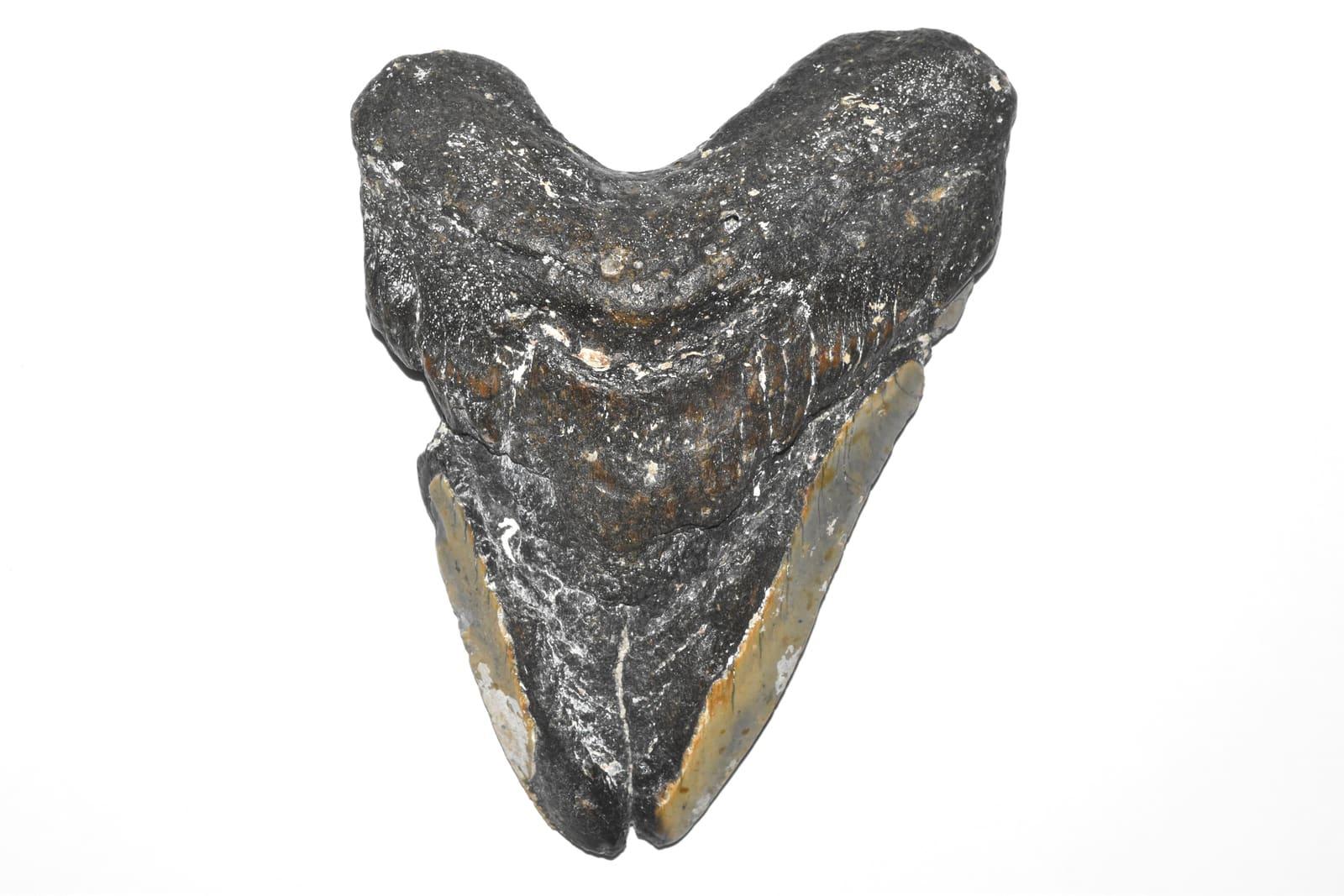
Cooper River Dive Sites Fossil Guide
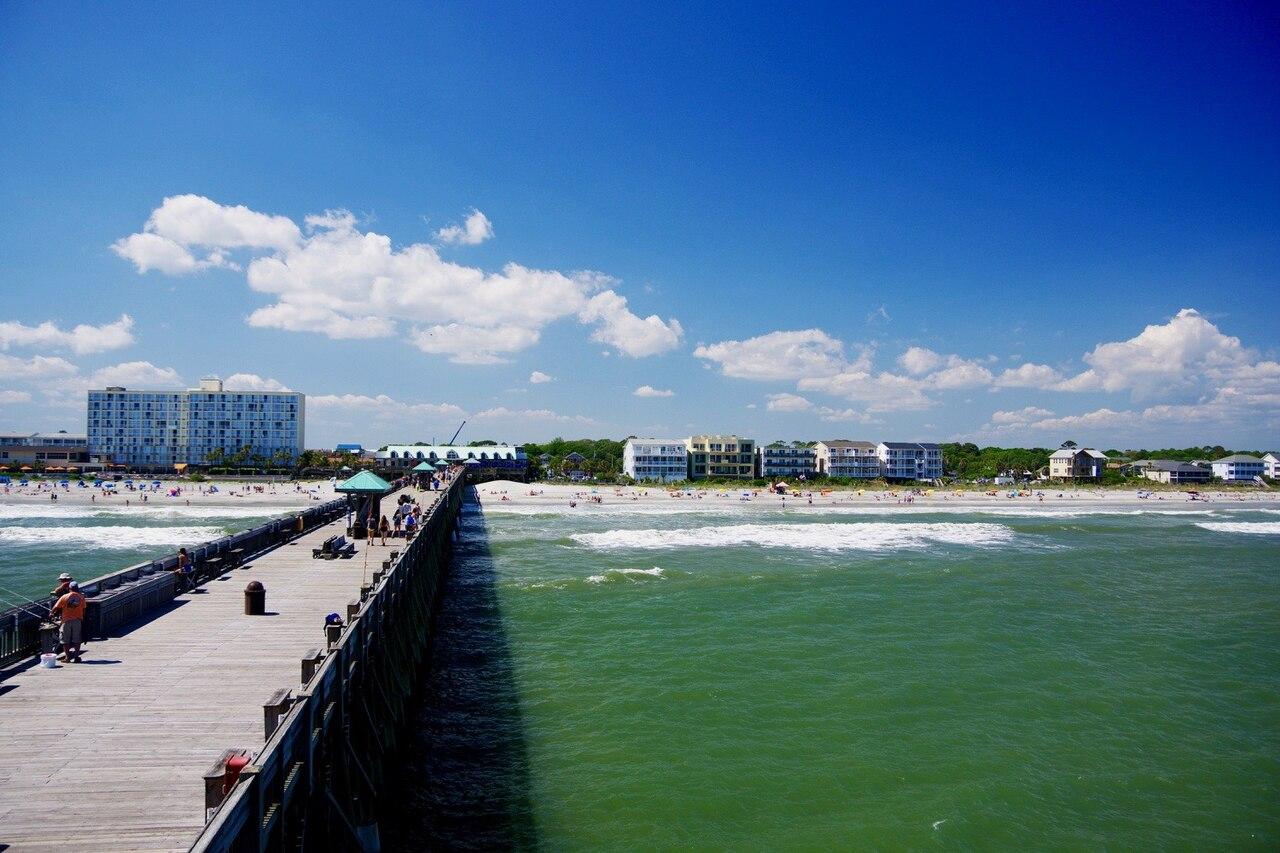
Image: Fred Cherrygarden (CC BY-SA 4.0)
The Cooper River north of Charleston, South Carolina, is a black-water scuba destination where fossil shark teeth, including megalodon, lie in gravel beds 20 to 50 feet down. Divers also recover mastodon, whale, horse, and giant ground sloth material. A state Hobby License is required, and only surface collecting is allowed. Most divers go with a local charter.
By Edward Chen · Published 21 June 2026
Introduction
The Cooper River is one of the best places on earth to dive for a fossil megalodon tooth. The river bottom, north of Charleston, is strewn with gravel beds where fossils erode out of the banks and accumulate, anywhere from about 20 to 50 feet down. Divers there recover the serrated teeth of the extinct giant shark Otodus megalodon and its relatives, along with teeth from many other sharks. The water is stained dark by tannins, so this is black-water diving where a light shows only a narrow beam a foot or so ahead.
The fossils are not the only thing on the river bottom. Divers also bring up bones and teeth of land and sea mammals washed and mixed into the gravels over time, plus human artifacts spanning thousands of years. That mix is part of why South Carolina regulates collecting here so closely.
Location and Directions
The Cooper River runs through Berkeley County, north of Charleston, with the popular dive reaches between the Lake Moultrie tailrace and the area around Cordesville and Huger. Boat access is from public and private ramps in that stretch, near 33.07°N, 79.92°W. Charleston is the regional hub for lodging, dive shops, and air fills.
The dive sites are in the river itself and are reached by boat, not from shore. Most visiting divers book a local charter operator who knows the productive gravel beds, manages the boat, and handles the strong tidal currents. Plan around the tides, because slack water gives the safest and most workable conditions on the river bottom.
What Fossils You'll Find
Fossil shark teeth are the main draw, headlined by megalodon teeth and including teeth from many other extinct and living sharks. Beyond sharks, the gravels yield bones and teeth of giant ground sloth, mastodon, whale, horse, crocodile, and turtle, reflecting both marine and land animals mixed together. Divers also encounter human-made artifacts such as arrowheads, spear points, pottery shards, and colonial-era objects, which are protected and treated differently from fossils.
Collecting is by hand from the surface of the river bottom. You pick up what is loose and exposed in the gravel. Digging and excavating are not allowed, so finds depend on what the current has uncovered.
Geologic History
The fossils in the Cooper River come from several sources of different ages, reworked together into the modern river gravels. Shark teeth such as megalodon weathered out of Miocene and Pliocene marine deposits, while older marine units like the Oligocene Ashley Formation underlie the area, and Ice Age (Pleistocene) deposits contributed the mastodon, sloth, and horse remains. Over time the river cut down through these layers and concentrated the heavy, durable material, teeth and bone, into gravel lags on the channel floor. Because the deposits are mixed and span tens of millions of years, a single dive can turn up a Miocene shark tooth and an Ice Age mammal bone side by side.
Collecting Rules and Regulations
South Carolina requires a Hobby License to collect fossils and artifacts while sport diving in state waters, issued through the state's Maritime Research Division. Only surface collecting is permitted, meaning no digging or excavating into the river bottom or banks. The license application takes roughly four weeks to process, so apply well before your trip. Divers are also expected to report certain finds as a condition of the license. State wildlife and heritage authorities do enforce these rules. Confirm the current license requirements and reporting process before diving, and go with a charter operator familiar with the regulations. Do not dig the banks, which is generally illegal because of erosion concerns.
Safety
Cooper River fossil diving is for trained, experienced divers. Near-zero visibility, depths to around 50 feet, strong tidal currents, and boat traffic make it an advanced dive. Dive only within your training, use a dive light and a reliable buddy system, and plan around slack tide. Boat traffic is a serious hazard, so use proper dive flags and stay aware of vessels. Watch for entanglement in submerged debris and lines on the river bottom. Alligators inhabit these waterways, so be aware on the surface and at ramps. Go with a reputable local charter that knows the river and the conditions.
Sources
https://www.fossilguy.com/trips/cooper-river-2020/index.htm http://www.scubadiving.com/what-its-fossil-dive-south-carolina https://blog.padi.com/cooper-river-diving-for-megalodon-shark-fossils/ https://www.postandcourier.com/news/dnr-cracks-down-on-fossil-hunters/article_f7c52752-a108-11e6-a6b0-1745f70896e0.html