Hunting Island State Park Fossil Guide
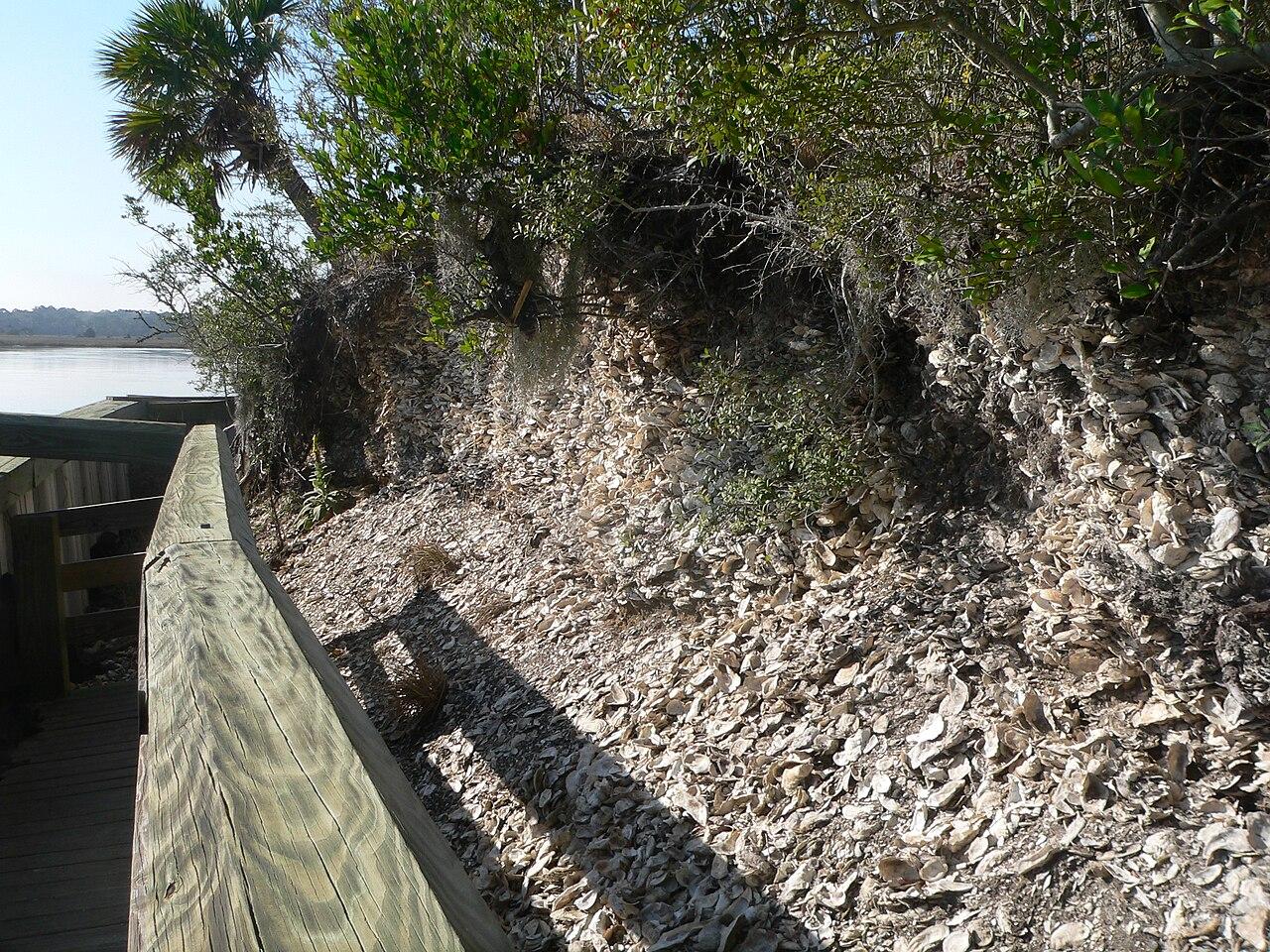
Image: CurlingMan13 (CC BY-SA 4.0)
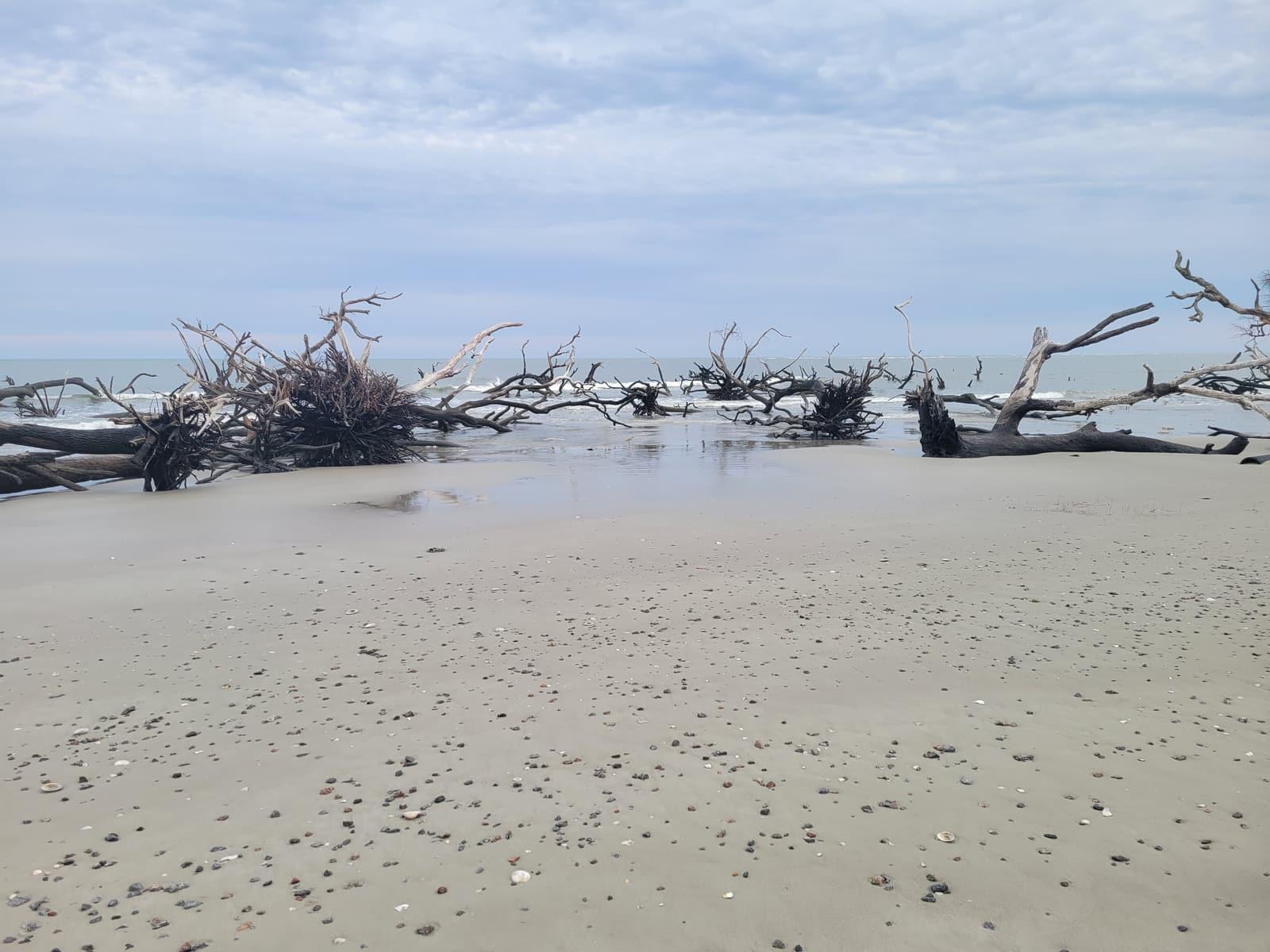
Hunting Island State Park near Beaufort, South Carolina, is a barrier-island park where fossil shark teeth wash up along the tide line. Strong erosion on this island keeps turning over the beach, exposing dark fossil teeth, bone fragments, and shells. South Carolina allows collecting a reasonable amount of surface teeth above the low-water line, but no digging. Park admission applies.
By Edward Chen · Updated 31 July 2026
Introduction
Hunting Island State Park is a barrier-island park on the South Carolina coast where the beach gives up fossil shark teeth to patient walkers. The island erodes fast, and that constant reworking of sand is good news for fossil hunters, because waves keep uncovering dark, mineralised teeth, bone fragments, and shells along the tide line. The teeth are fossils washed in from older marine deposits offshore and along the shoreface, not modern teeth, and the dark color sets them apart from the pale shell hash.
The park is the most visited state park in South Carolina, known for its lighthouse, maritime forest, and long stretches of beach. For fossil hunting, the appeal is simple and accessible. Walk the wet sand at low tide and scan for triangular dark shapes.
Location and Directions
Hunting Island lies in Beaufort County, about 15 miles east of the town of Beaufort, reached by US Highway 21 (Sea Island Parkway), near 32.375°N, 80.438°W. The park entrance is on the main highway, with parking lots serving the beach, the lighthouse, and the day-use areas.
There is a park admission fee per person, so budget for that on arrival. From the parking areas, walk to the beach and work the open intertidal sand and the wrack line. The northern stretches near the lighthouse and the eroding sections of beach are good places to start, since active erosion exposes fresh material.
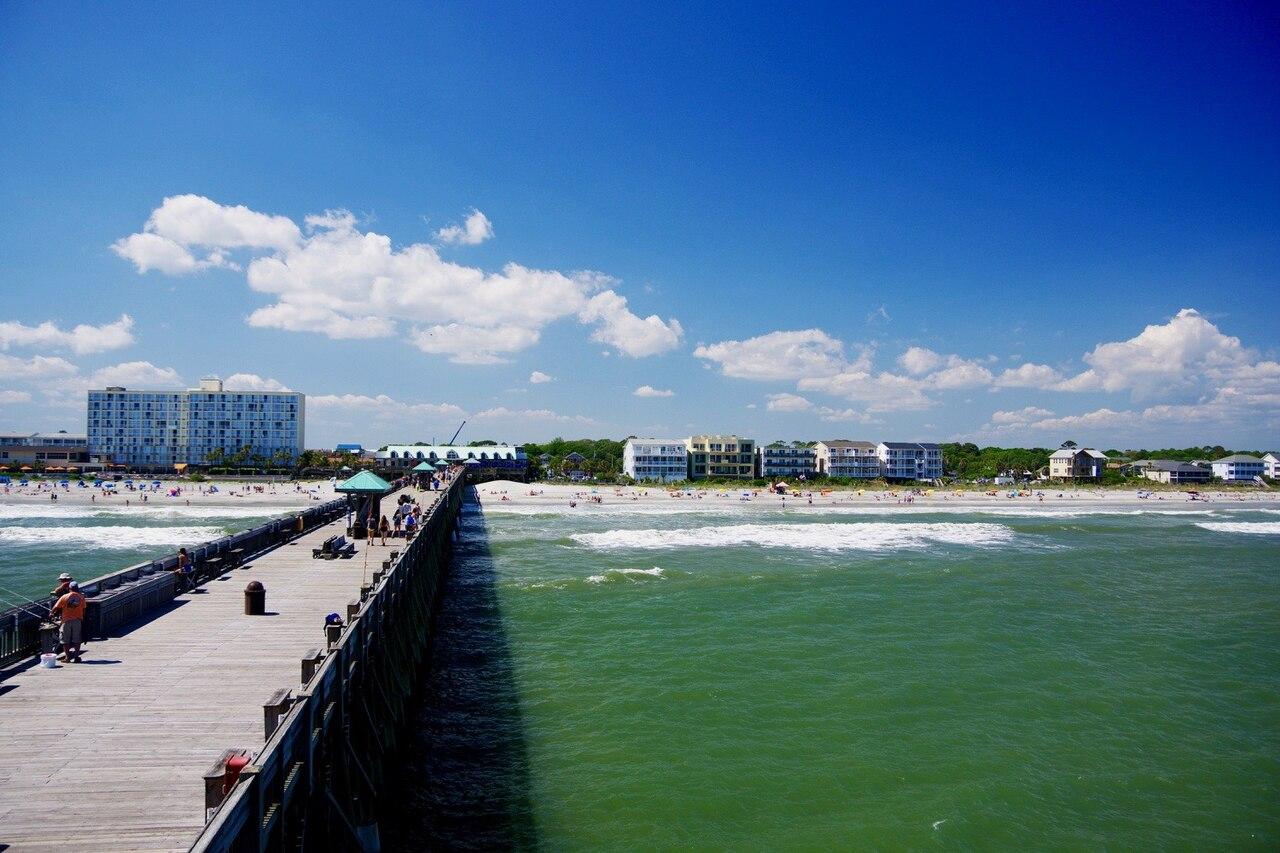
 Photo: bobistraveling, CC BY 2.0, via Wikimedia Commons
What Fossils You'll Find
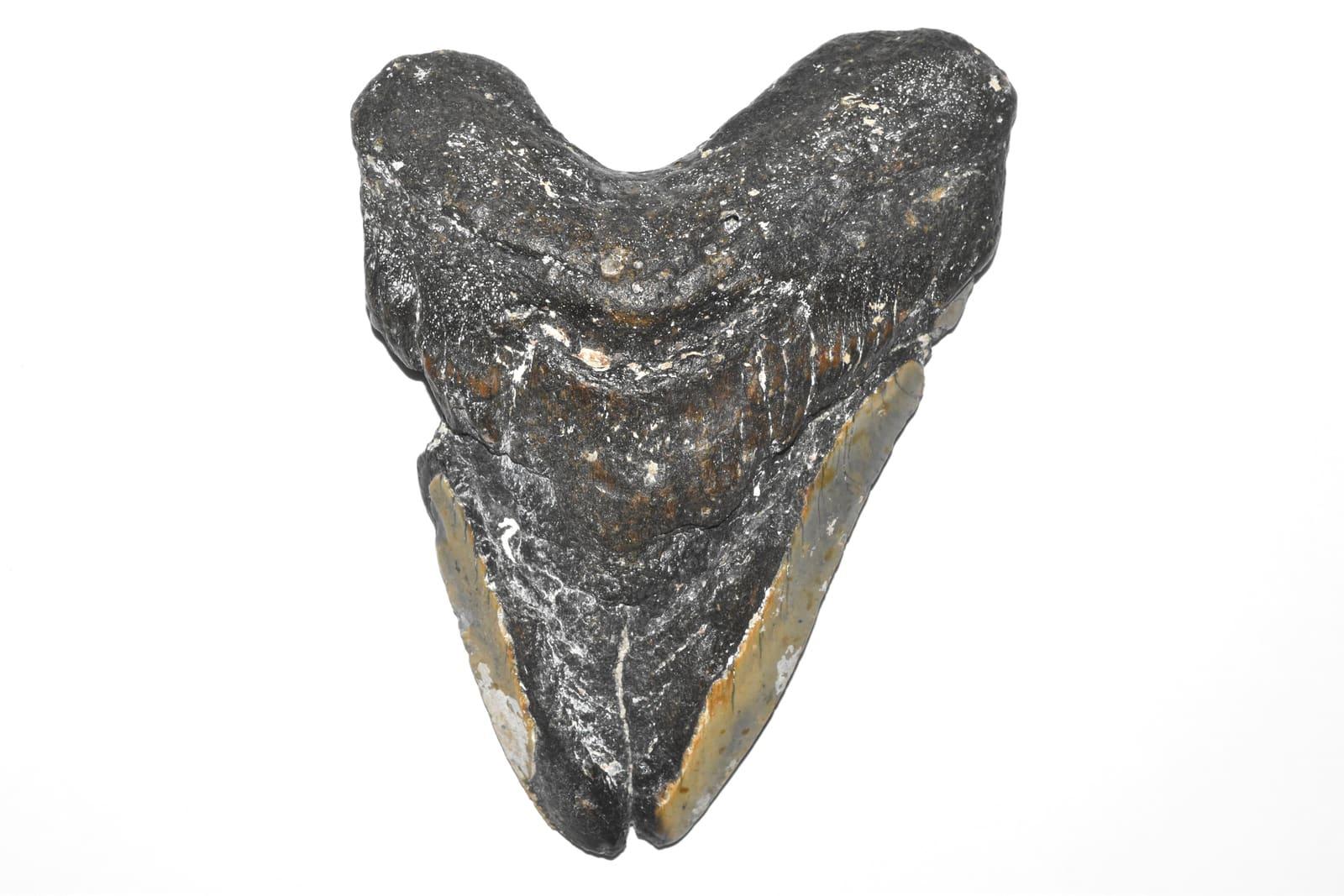
Fossil shark teeth are the main find, mostly small teeth from sand tiger, lemon, bull, and requiem sharks, with the occasional larger tooth and rare worn megalodon fragment after storms. The fossil teeth are black, brown, or dark gray, which is the easiest way to spot them against light sand and shell. Alongside the teeth you may find pieces of fossil bone and a range of marine shells.
Finds are loose surface material on the open beach. The best conditions come at low tide and after storms or high winds, when waves and currents churn up and redeposit material along the shore. Slow, careful scanning of the wet sand and wrack line beats covering long distances quickly.
Geologic History
The fossils on Hunting Island's beaches are reworked from older deposits rather than eroding from a rock outcrop on the island itself. The teeth and bone derive from Neogene marine sediments (Miocene and Pliocene) and Pleistocene Ice Age deposits that underlie the region's continental shelf and shoreface. As the barrier island migrates and erodes, waves and currents winnow the sand and concentrate the heavy, durable fossils, dropping them along the modern beach as a lag. That is why collecting here means walking the active beach for loose teeth rather than digging a fossil layer.
 Photo: bobistraveling, CC BY 2.0, via Wikimedia Commons
Collecting Rules and Regulations
South Carolina allows collecting a reasonable amount of fossil teeth from above the low-water mark for personal use. Collecting is limited to surface material that is already visible. Digging of any kind, with or without tools, is prohibited, and it is generally illegal to dig into the banks of waterways or the beach because of erosion concerns. Inside a state park, take only loose surface finds, keep quantities reasonable and non-commercial, and do not disturb dunes, vegetation, or wildlife. Pay the park admission and follow posted park rules. If you plan to dive or collect elsewhere in South Carolina waterways, note that a separate state Hobby License is required for that activity.
Safety
Plan around the tide chart and aim for low tide, which exposes the most beach and the freshest wrack line. Watch for rip currents if you wade, and be careful near eroding sections where trees and stumps litter the beach and footing is uneven. Sun and heat are the main hazards on a long walk, so bring water, sun protection, and footwear suited to wet sand and debris. Be aware of changing weather and the incoming tide so you are not caught out on a narrowing beach. A small scoop or sifter can help spot teeth in the wet sand but is not required.
Sources
https://southcarolinaparks.com/hunting-island/top-5 https://discoversouthcarolina.com/articles/fossil-hunting-in-south-carolina https://www.fossilguy.com/sites/coastal-south-carolina/index.htm https://discoversouthcarolina.com/articles/five-beaches-for-shark-tooth-sleuthing