Wrightsville Beach Fossil Hunting Guide
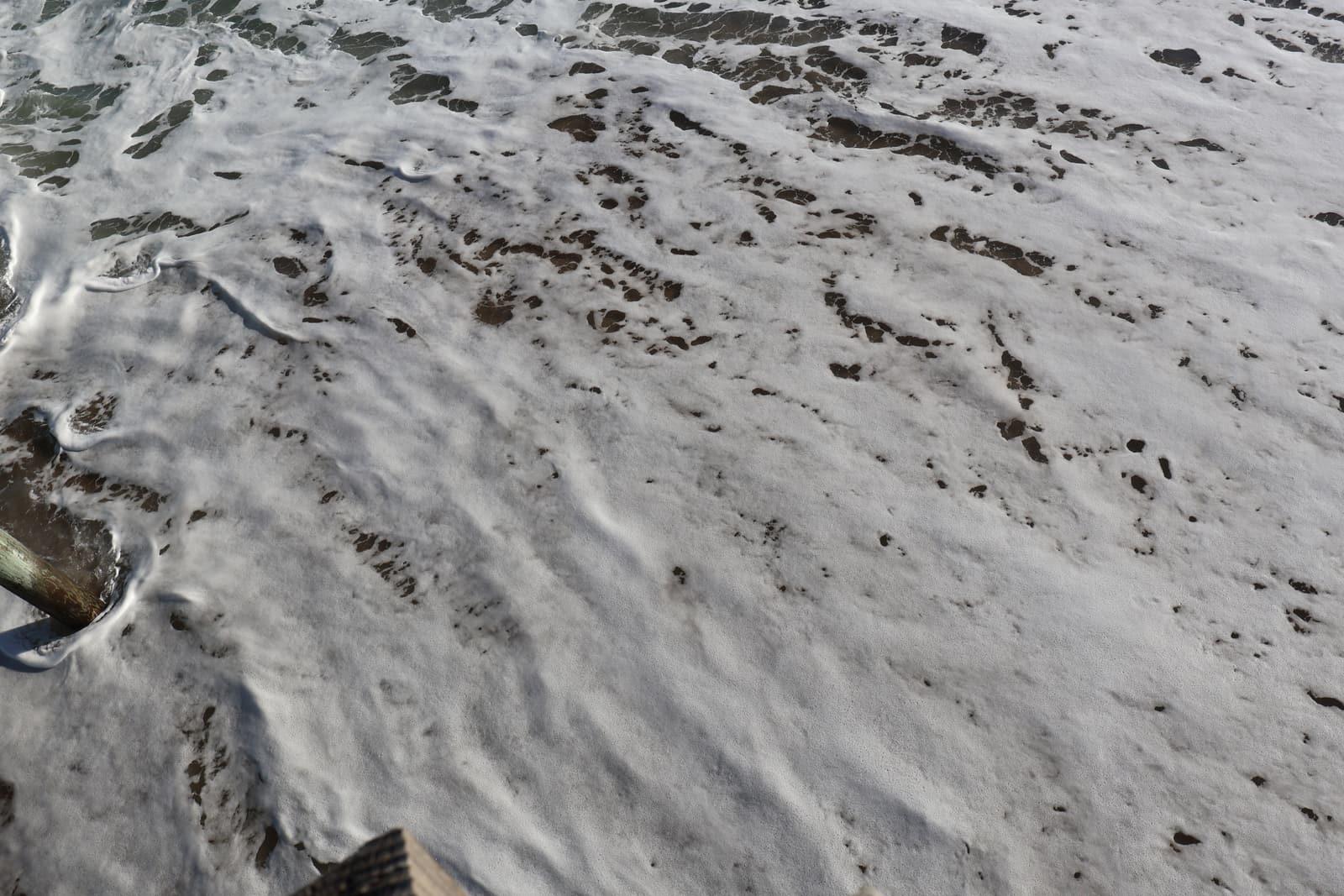
Image: DiscoA340 (CC BY-SA 4.0)
Wrightsville Beach near Wilmington is the launch point for the offshore "Meg Ledge" dive sites, a set of submerged ledges in the Frying Pan Shoals that hold one of the highest concentrations of megalodon teeth anywhere. Certified divers reach them by charter 26 to 43 miles offshore. The beach itself yields smaller fossil shark teeth to walkers at low tide.
By Edward Chen · Updated 1 August 2026
Introduction
Wrightsville Beach is best known to fossil hunters as the jumping-off point for the offshore megalodon ledges rather than for the beach itself. About two dozen miles out, a set of submerged sandy ledges nicknamed the "Meg Ledge" sits in the Frying Pan Shoals, and the diving community rates it as one of the densest sources of megalodon teeth in the world. Certified divers reach the ledges by charter boat and surface-collect teeth from the gravel along the ledge bases at depths around 100 to 110 feet.
The public beach at Wrightsville is a separate, easier option. Walkers find smaller fossil shark teeth along the tide line, the same dark mineralised teeth that wash up all along this coast. The two experiences sit at very different skill levels, so plan according to whether you are diving or beachcombing.
Location and Directions
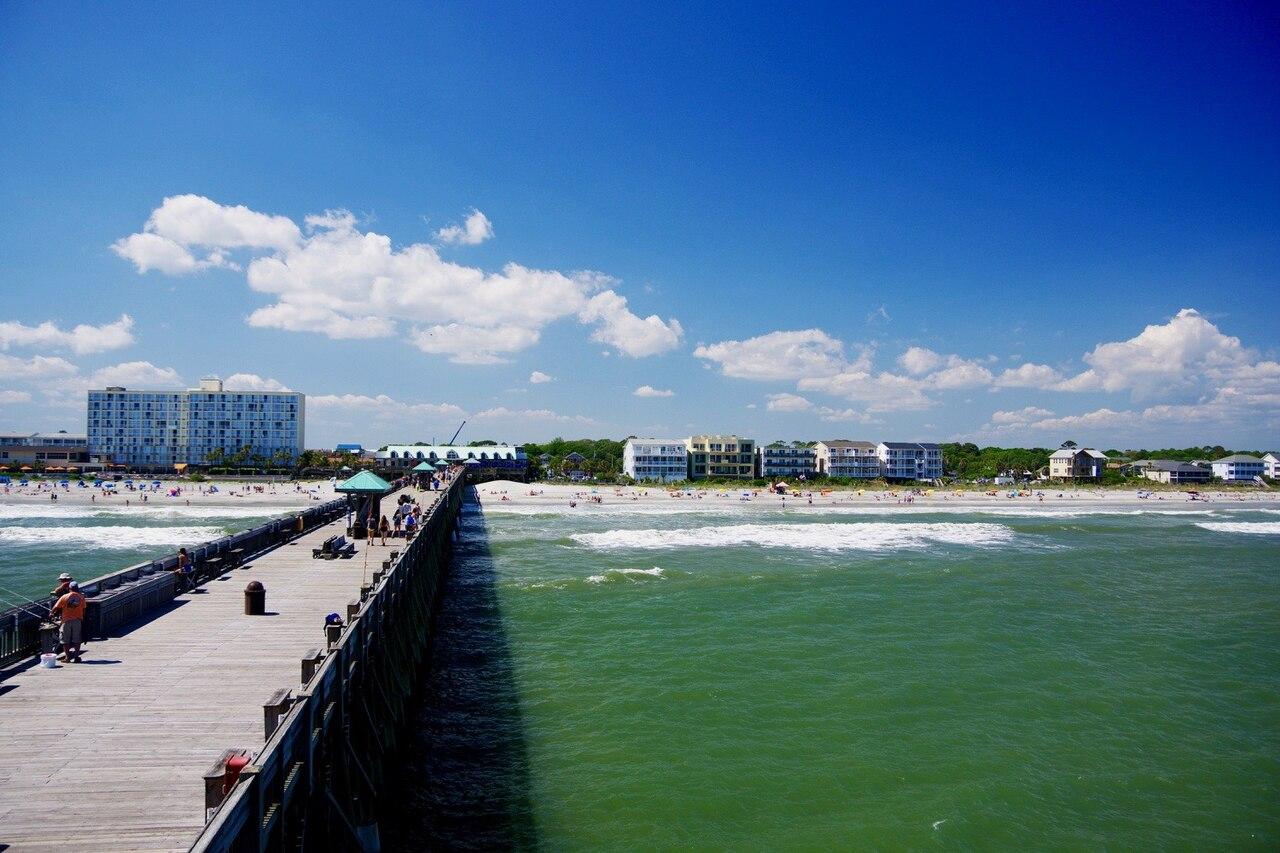
Wrightsville Beach is in New Hanover County, just east of Wilmington and reached by US 74/76. The town beach centers near 34.208°N, 77.796°W, with public access points and metered parking. It is the closest ocean beach to Raleigh, which is part of why it draws so many visitors.
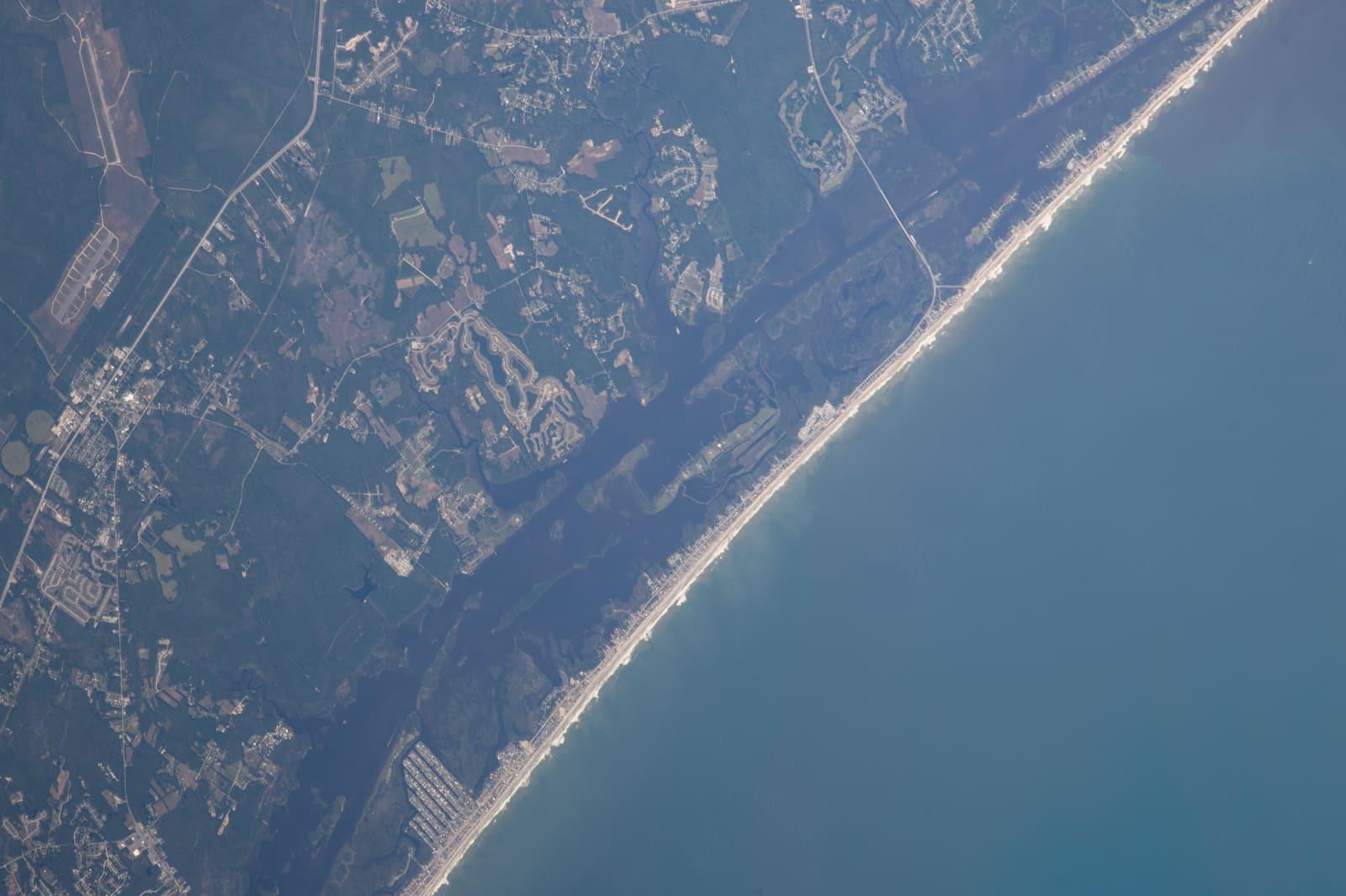
The Meg Ledge dive sites lie offshore in the Frying Pan Shoals, a zone of ancient submerged riverbeds landmarked by an abandoned Coast Guard light tower roughly 40 miles from shore. Charter companies based in the Wilmington and Wrightsville Beach area run trips anywhere from 26 to 43 miles out, a boat ride that can take up to about two and a half hours each way. You cannot reach the ledges without a charter and a scuba certification.
 Photo: Zed Kolk zedkolk, CC0, via Wikimedia Commons
What Fossils You'll Find
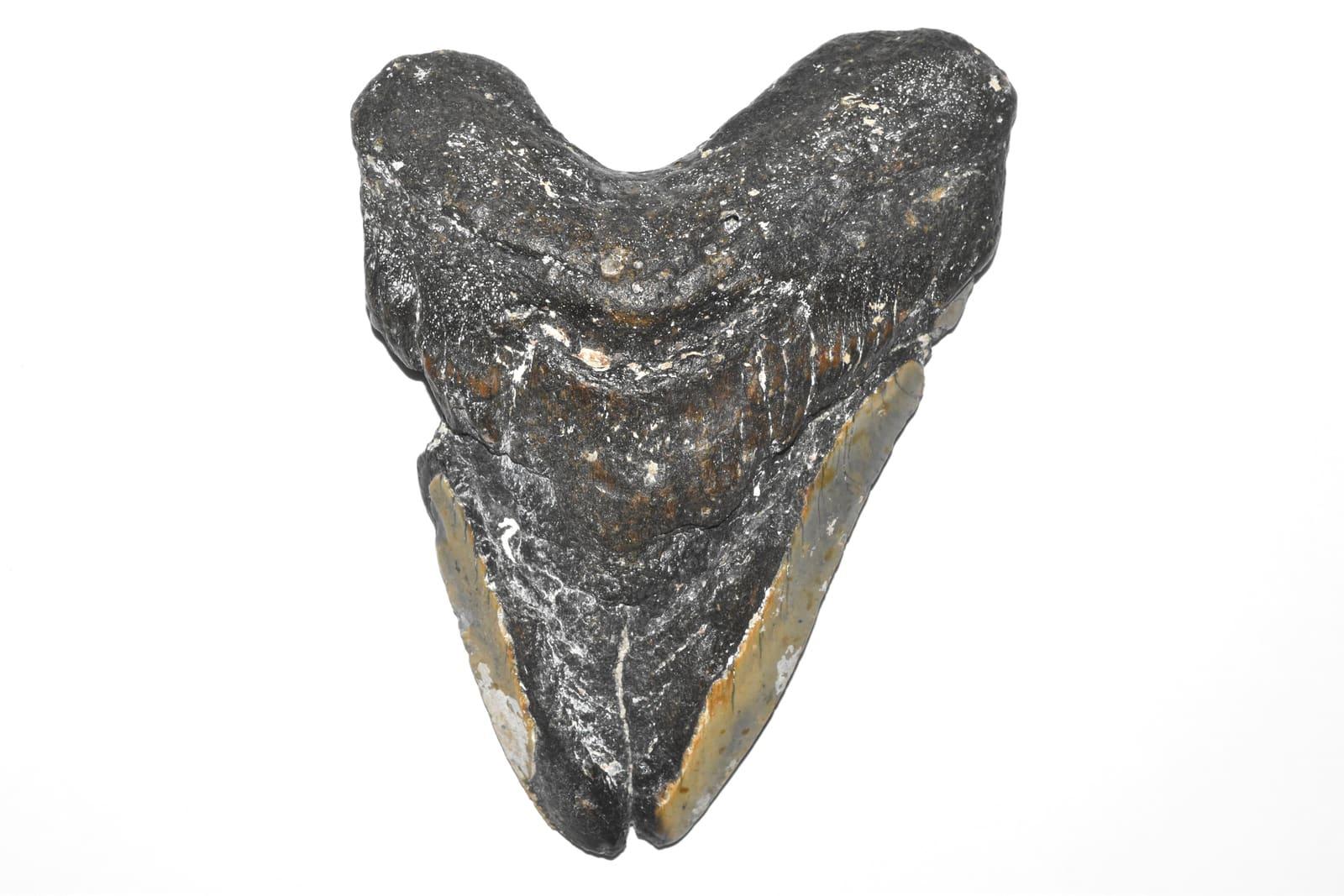
The offshore ledges are famous for megalodon teeth, the serrated teeth of the extinct giant shark Otodus megalodon. Large examples over six inches are sought after and valuable, though most teeth recovered are smaller. Divers also bring up teeth from other extinct and living sharks, ray dental plates, and fragments of fossil marine bone.
On the beach itself, the typical finds are small fossil shark teeth from sand tiger, lemon, bull, and requiem sharks. They are dark gray to black, usually under an inch, and easiest to spot in the wet sand and shell hash at low tide. A megalodon tooth on the open beach is rare but not impossible after heavy storms.
Geologic History
The teeth come from Miocene and Pliocene marine deposits, the Pungo River and Yorktown Formations, laid down between roughly 23 and 3 million years ago when the sea covered the present coastal plain and the continental shelf. During the last ice age, lower sea levels exposed the shelf, and rivers cut channels across what is now seabed. Those ancient riverbeds and ledges concentrated heavy material, including shark teeth, into gravel lags. When the sea rose again it drowned the channels, leaving the tooth-bearing ledges that divers work today. The same source deposits feed the smaller teeth onto the modern beach.
 Photo: Ken Thomas, Public domain, via Wikimedia Commons
Collecting Rules and Regulations
Walking the public beach and collecting loose shark teeth from the open sand is free and requires no permit. Do not disturb the protected dunes. Diving the offshore ledges is a different undertaking. It requires an open-water scuba certification, and most divers go through a licensed charter operator who locates the sites and manages the deep, current-prone conditions. Surface collecting of teeth lying loose on the seabed is the normal practice. Confirm current rules and any reporting requirements with your charter operator before the trip, since offshore collecting conditions and access can change.
Safety
The offshore dives are advanced. Depths around 100 to 110 feet, low visibility, strong currents, and a long boat ride put the Meg Ledge beyond beginner range. Dive only within your training and certification, and go with an experienced charter crew. On the beach, the hazards are ordinary coastal ones. Watch for rip currents if you wade, plan around low tide for the best collecting, and bring water and sun protection for a long walk. Keep clear of the inlets and piers where currents are strong.
Sources
https://www.whoi.edu/oceanus/feature/wilmingtons-shark-tooth-divers-thank-the-last-ice-age-for-their-treasure-trove/ https://www.wilmingtonandbeaches.com/blog/post/shark-teeth-nc-coast/ https://wcti12.com/news/local/nc-coast-is-hot-spot-for-prehistoric-megalodon-shark-teeth-05-04-2021 https://waltermagazine.com/explore/shop/best-north-carolina-beaches-for-shark-teet/
.jpg)
