Folly Beach Fossil Hunting Guide
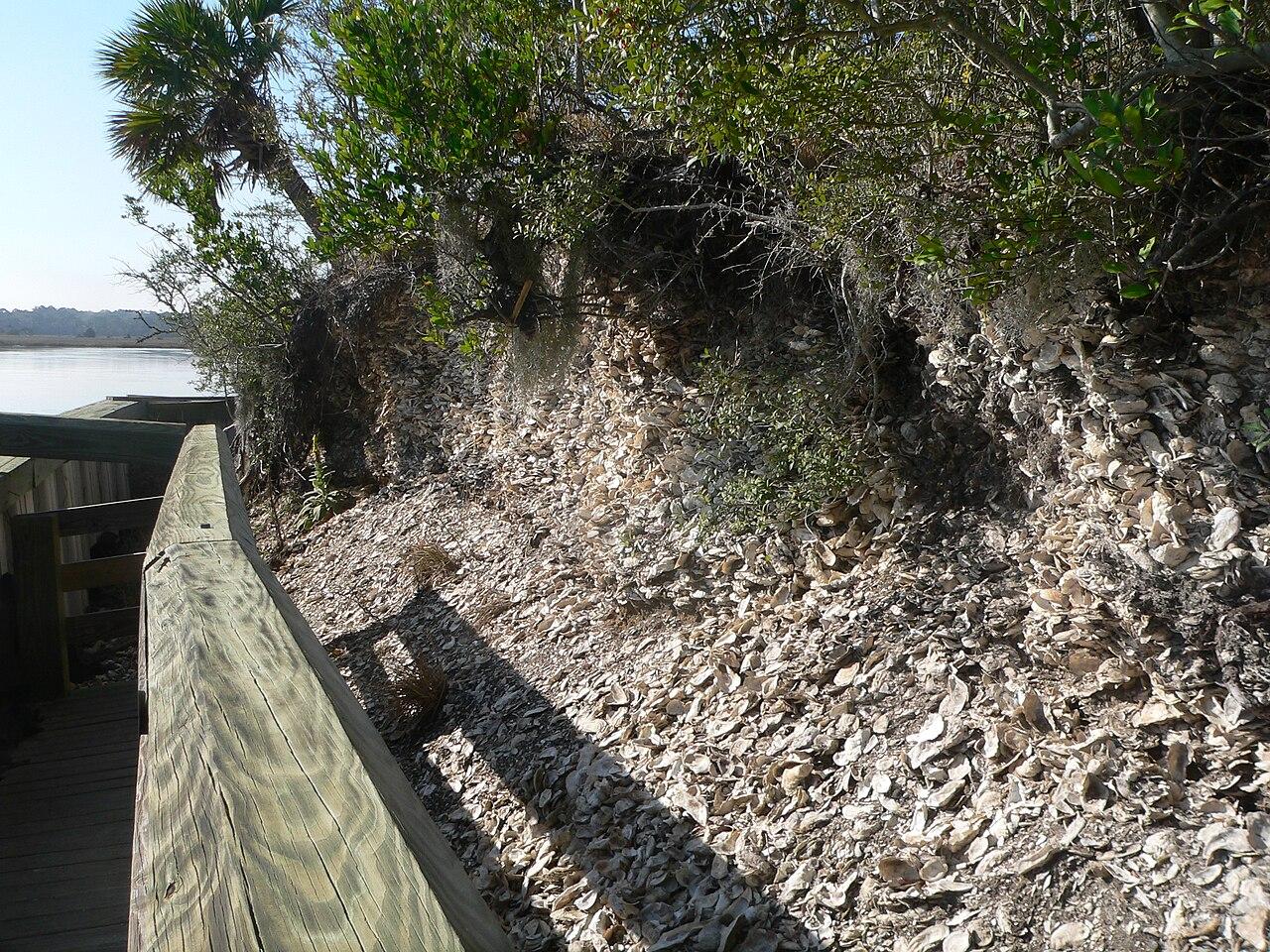
Image: Brian Stansberry (CC BY 4.0)
Folly Beach south of Charleston, South Carolina, is one of the Atlantic coast's best beaches for surface-collecting fossil shark teeth. Eroded from offshore Pliocene–Pleistocene phosphate beds and tumbled in by the surf, sand-tiger, mako, tiger, bull, and the occasional megalodon teeth wash up along the strand line. Free collecting above the low-water mark. SC hobby licence required for diving or below-tide-line dredging.
By Edward Chen · Updated 1 August 2026
Introduction
Folly Beach is a 6-mile barrier-island town just south of Charleston Harbor, South Carolina. Local rivers (the Ashley, Cooper, Stono, and Wando) and offshore currents continuously deliver fossil material, shark teeth, whale bone, ray plates, and the occasional megalodon, from eroding Miocene to Pleistocene phosphatic and marine units in the South Carolina Lowcountry. Tumbled smooth and concentrated in the swash line at low tide, these fossils are some of the easiest in the United States to collect: no permit, no digging, just walking the wrack line and scanning for the black, glossy enamel of a tooth against the pale sand.
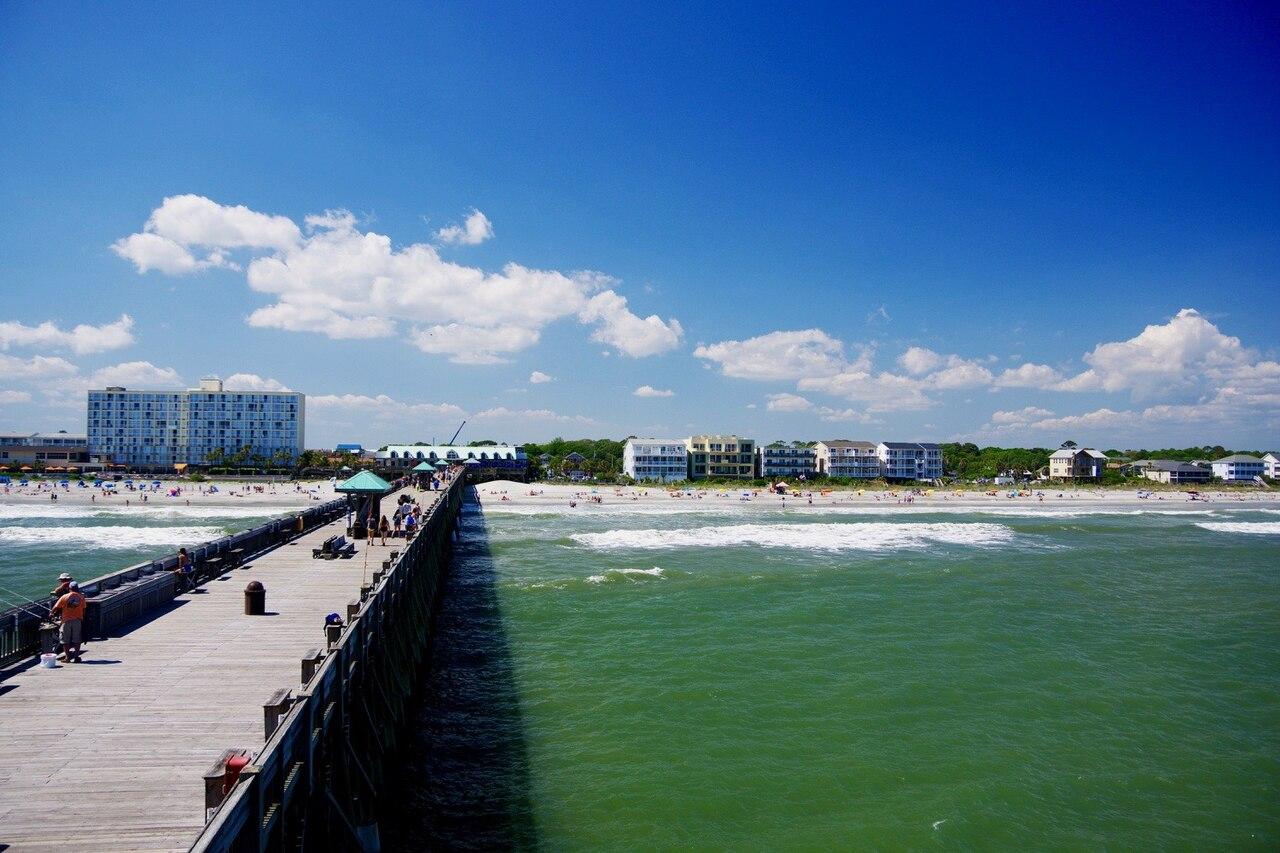
South of the iconic Folly Beach Pier is the most-recommended stretch. The south end of the island (the "Washout") and Morris Island just to the north (reached only by boat) are favoured by serious collectors. Megalodon teeth are rare but Folly Beach and nearby Edisto are the two most-likely Atlantic beaches in the United States to find one.
Location and Directions
Folly Beach sits on Folly Island in Charleston County, 12 miles southeast of downtown Charleston via SC-171 / Folly Road.
Directions to Folly Beach
From central Charleston, take SC-171 (Folly Road) south to Folly Island. Parking is available at the pier (paid) and along the residential side streets (metered or zoned). Two public parking areas serve the south end of the island near the Washout.
Best collecting strategy: come at low tide on a falling tide, ideally after a winter or autumn storm has reworked the strand line. Winter months are quieter and more productive than summer. Walk slowly along the swash line scanning for small dark triangles against the lighter sand. Concentrated patches of black shell-hash and tumbled phosphate pebbles are good places to slow down. Bring a small mesh bag, a film canister or tooth-vial for tiny teeth, sunscreen, and water. Tides matter, consult the Charleston tide table.
For the best chances on a megalodon, consider booking a boat-based fossil-hunting tour out of Folly or Charleston to Morris Island or to the Cooper River (Charleston Outdoor Adventures, Charleston Fossil Adventures, Flipper Finders, and others operate regular trips).
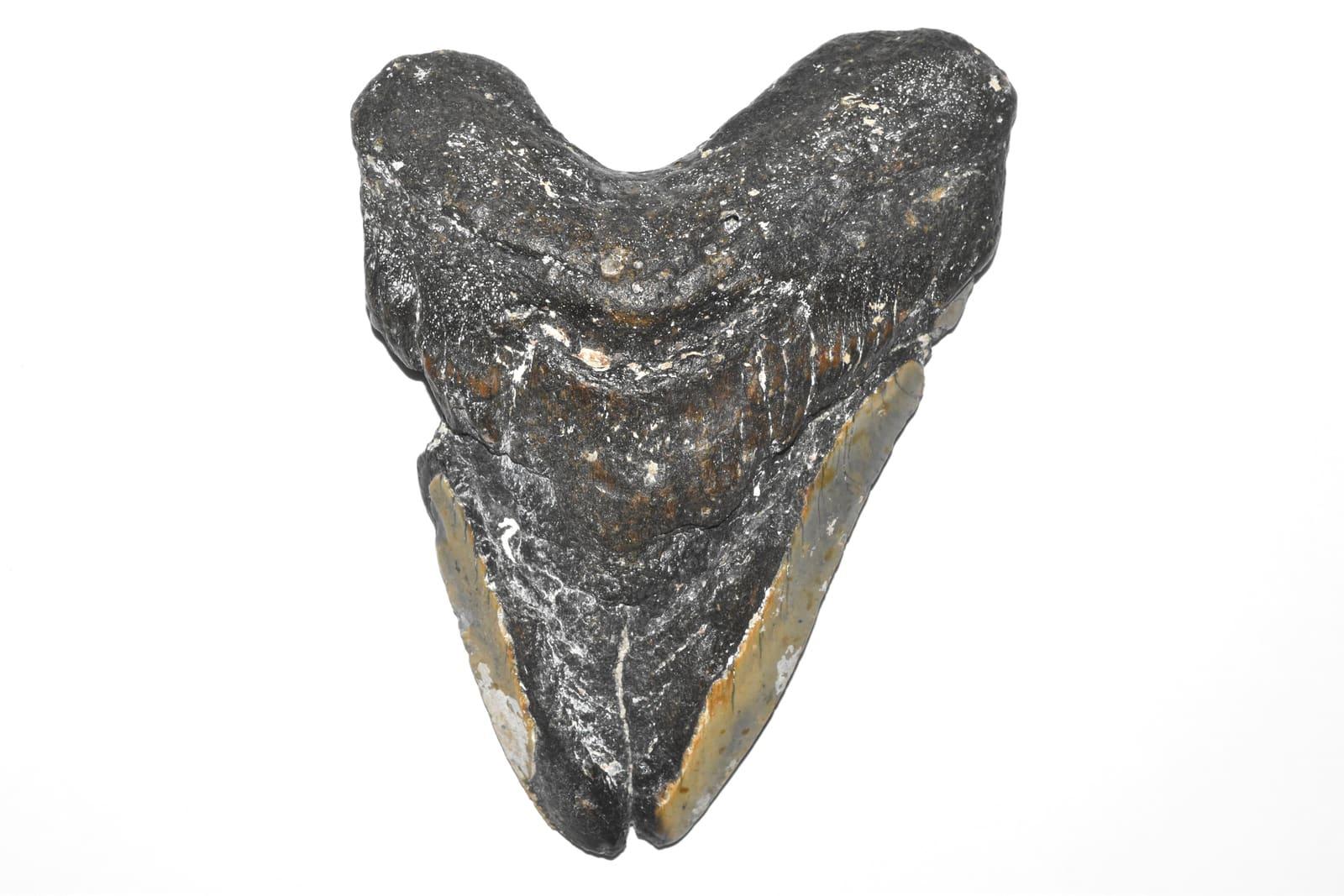
 Photo: ProfReader, CC BY-SA 4.0, via Wikimedia Commons
What Fossils You'll Find
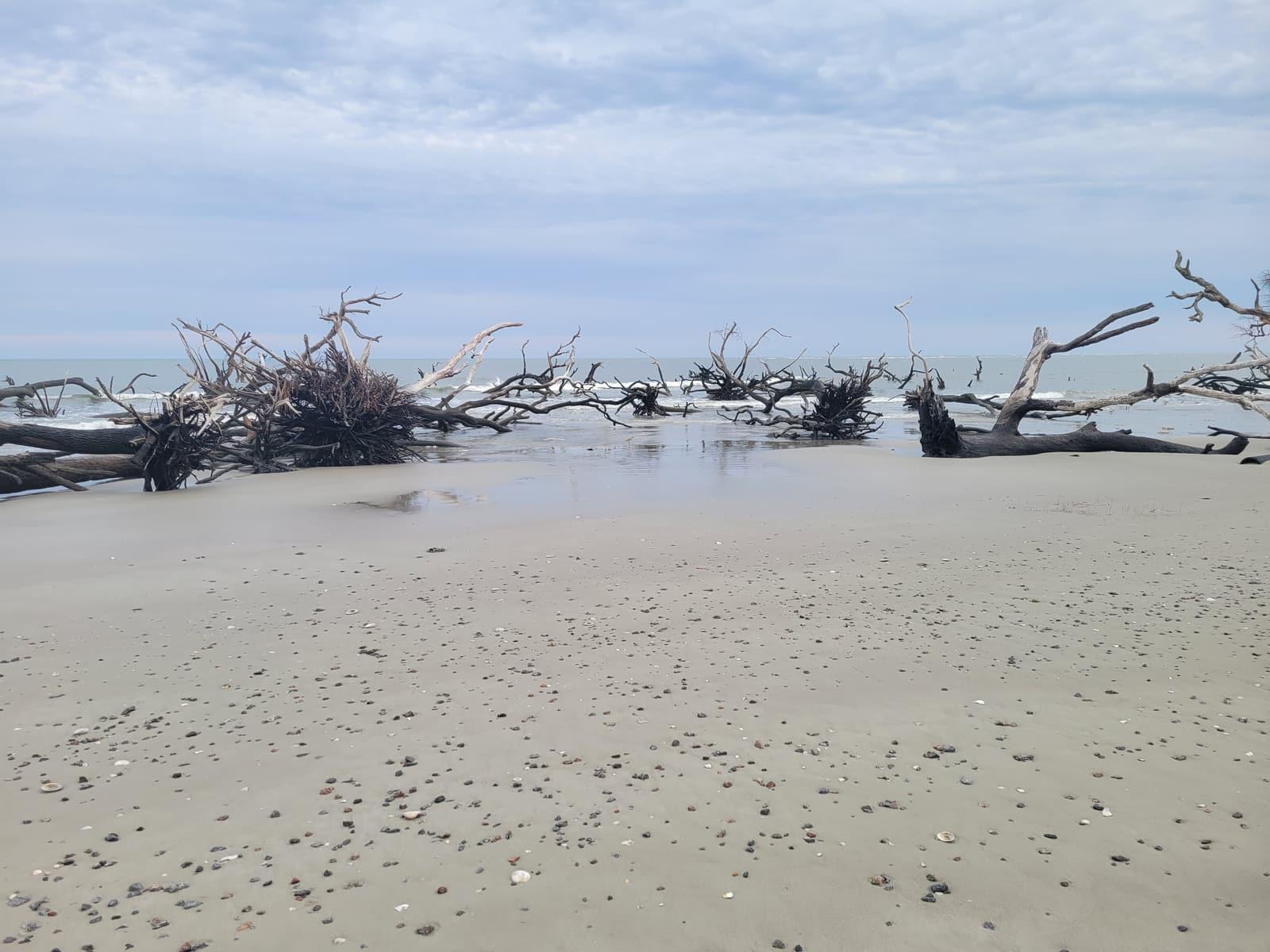
Beach finds at Folly are a blend of reworked Miocene to Pliocene phosphates (in the same family as the Aurora, North Carolina fossils across the state line) and Late Pleistocene material from the Lowcountry's drowned ice-age forests. The fossils have been tumbled and polished by longshore currents and the surf, so most are smoothed and broken, collectors learn to recognise their characteristic black, glossy enamel against the pale beach sand.
Small shark teeth dominate by sheer numbers. The most common are sand tiger teeth (Carcharias and Striatolamia), slender, multi-cusped, and typically only 1 to 2 centimetres long. Mako teeth (Isurus hastalis and Isurus oxyrinchus) are nearly as common but harder to identify when worn, with smooth-edged narrow blades. The snaggletooth shark Hemipristis serra, with its strongly serrated lateral cusps, is a coveted small find, the lower teeth are particularly distinctive. The tiger shark Galeocerdo cuvier contributes the iconic curved, deeply serrated cockscomb teeth, and the bull shark Carcharhinus leucas leaves smaller triangular teeth that are easy to overlook. Lemon shark, dusky shark, and great white shark (Carcharodon carcharias) teeth all turn up regularly along the swash line. Larger and more striking finds come less often: megalodon (Otodus megalodon) teeth, usually as worn rootless tips or partial blades 1 to 3 centimetres across, occasionally as complete 2- to 4-inch specimens, and very rarely as 5-inch monsters. A complete 6-inch megalodon tooth from a Folly or Morris Island excursion is the holy grail and probably the most-shared social-media find in the Carolinas.
Marine mammals are well represented as broken bone and tooth fragments. Whale ear bones (bullae) of the family Cetotheriidae and Balaenopteridae are common enough that experienced collectors recognise them by silhouette. Small whale vertebrae, rib fragments, and the occasional dolphin tooth round out the cetacean material. Ray dental plates of the eagle ray Aetobatus and the bull ray Myliobatis are easy to find as polished black sub-rectangular slabs. Other regular finds include sea-turtle shell fragments, alligator teeth and scutes from the South Carolina swamps, occasional Pleistocene horse and bison tooth fragments, and the heavy iron-stained phosphate pebbles that are a giveaway that the swash line is concentrated for fossils.
"While megalodon teeth can be found in South Carolina, they are rare, with Folly Beach and Edisto Beach being the most likely locations to find them." Charleston Life
Geologic History
The South Carolina Lowcountry's fossil-bearing units include the Miocene Hawthorn Group phosphates (locally divided into the Pungo River and Marks Head formations) and the overlying Late Pliocene to early Pleistocene Goose Creek and Raysor formations. The Hawthorn Group accumulated in shallow shelf and lagoonal settings during a long interval of phosphogenesis along the southeastern U.S. continental margin. The Pungo River Formation in particular is so phosphate-rich that the Nutrien Corporation across the state line in Aurora, North Carolina, mines it commercially today. Pliocene-Pleistocene units record repeated transgressions of the continental shelf as global sea levels oscillated by tens of metres in step with northern-hemisphere ice volume.
Sea-level fluctuation through the Pleistocene repeatedly drowned and exposed the South Carolina continental shelf, depositing thin transgressive marine veneers in some intervals and incising the underlying Miocene phosphates in others. Storms and longshore currents continuously rework these phosphates and concentrate the heavier mineralised fossils along modern beaches. The bone bed effectively migrates landward as sea level rises. The Charleston barrier-island system is geologically very young, and its beaches are essentially a moving sand body that accumulates fossils from older offshore deposits.
Folly Beach specifically is fed fossil material from three principal sources: the offshore Pliocene-Pleistocene phosphate beds (transported landward by longshore drift and storm surge), the Ashley and Stono river systems (which drain Lowcountry catchments full of reworked Miocene material), and the eroding back-beach Pleistocene units exposed at low tide on the south end of the island. The fossils on the beach today were buried elsewhere millions of years ago, exhumed, redeposited, possibly reworked again, and finally washed onto Folly by some combination of all three sources.
The South Carolina Department of Natural Resources Marine Resources Division regulates collecting below the low-tide mark, primarily on the Cooper, Ashley, and Edisto rivers where divers recover Otodus megalodon and other large fossils, to prevent over-extraction and to fund the SCDNR's amateur palaeontology programs.
How Folly Beach Came to Be a Collecting Site
Folly Beach has long been Charleston's local "shark tooth beach." The pier was built in 1931 and rebuilt in 2024 after Hurricane Ian damage. The public-access pier and beach are administered by the City of Folly Beach with parking enforcement. The post-Hurricane Hugo beach renourishment of 1990 stirred up older offshore sediments that produced a brief surge of megalodon finds, and subsequent renourishment events in 2014 and 2024 produced similar (smaller) windows. Year-round, the Charleston Outdoor Adventures, Charleston Fossil Adventures, and Flipper Finders boat-based tours work the harbour and Morris Island for the larger and rarer fossils that don't quite make it to the beach.
Collecting Rules and Regulations
Is Fossil Collecting Allowed?
Yes, surface collecting above the low-tide mark is free and unrestricted for reasonable personal-use quantities.
Key Points:
- Free collecting above the low-tide mark
- Below the low-tide mark or for SCUBA diving, a South Carolina Hobby Diver Licence is required ($5 in-state / $10 out-of-state per year, SCDNR)
- No commercial collection without a permit
- No dredging, sifting equipment, or large-volume excavation
- Stay off dunes and sea oats, they're legally protected
Safety
Folly is a busy barrier-island beach with lifeguards in season on the main stretch, and the hazards are those of the open Atlantic and the Lowcountry climate rather than anything geological.
Rip currents are the serious risk. The Atlantic here generates strong rips, particularly around the pier, the jetties, and the washout at the island's west end, and they are the leading cause of rescues on this coast. If you are wading to sift, stay shallow, know where the flags and lifeguards are, and if you are pulled out, swim parallel to the shore rather than against the current.
The Folly Beach washout and the far ends of the island are unguarded, and the water there is less predictable. Do not wade deep away from the guarded stretch.
Heat and sun. Lowcountry summers are hot and humid, the beach has no shade, and reflected light off wet sand burns quickly. Carry water, use strong sun protection, and hunt early around low tide, which is cooler and considerably more productive.
In the shallows, use the stingray shuffle, sliding your feet rather than stepping down. Jellyfish are common in the warmer months, and broken shell makes footwear sensible. Sharks are present, as they are all along this coast, and the practical precautions are the ordinary ones of not swimming at dawn or dusk and staying out of murky water near baitfish.
Watch the sky in summer for fast-building thunderstorms, and note that Folly is a low-lying barrier island with limited exit routes during tropical weather.