Twin Cities Decorah Shale Trilobite Sites Fossil Guide
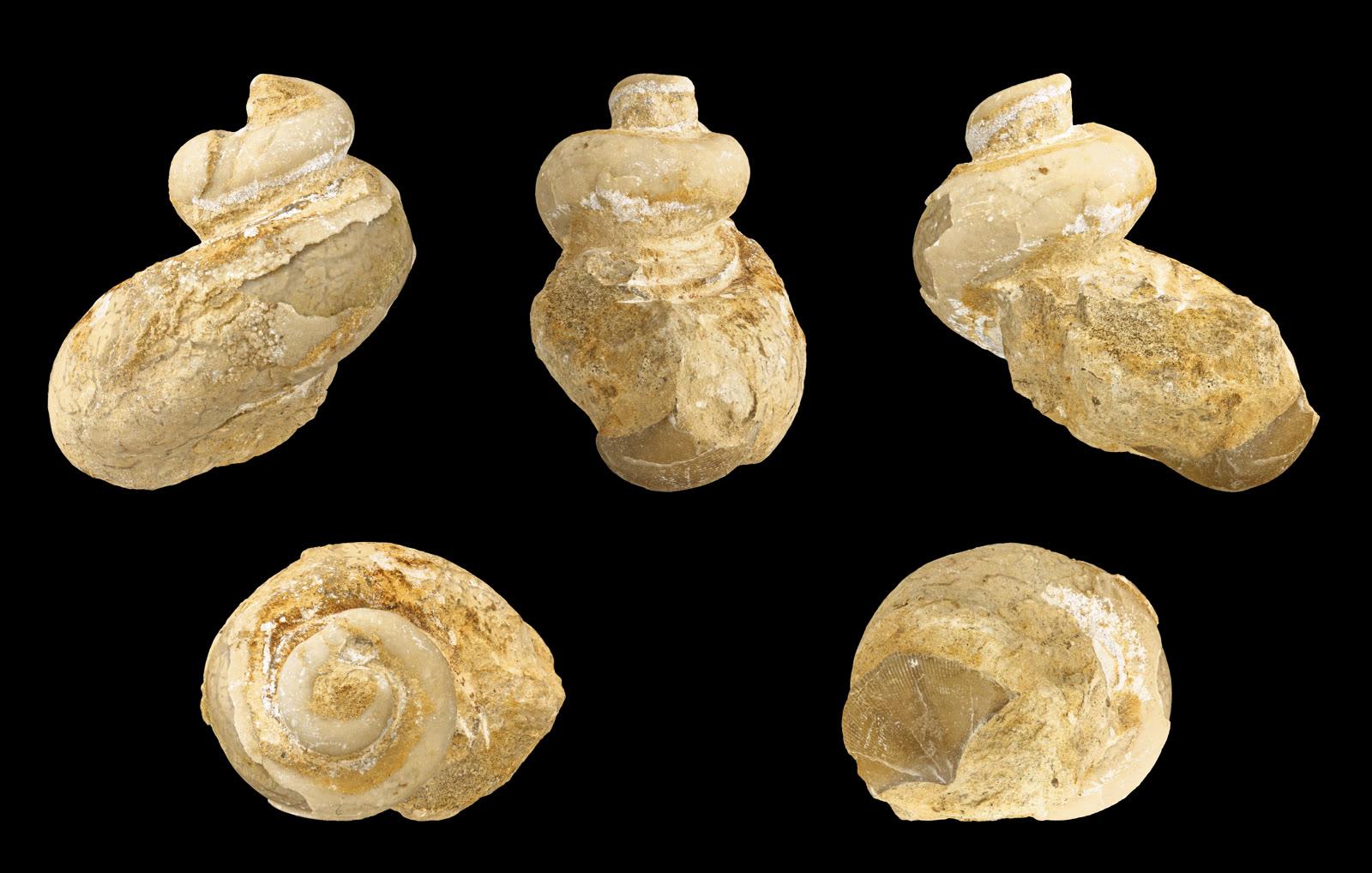
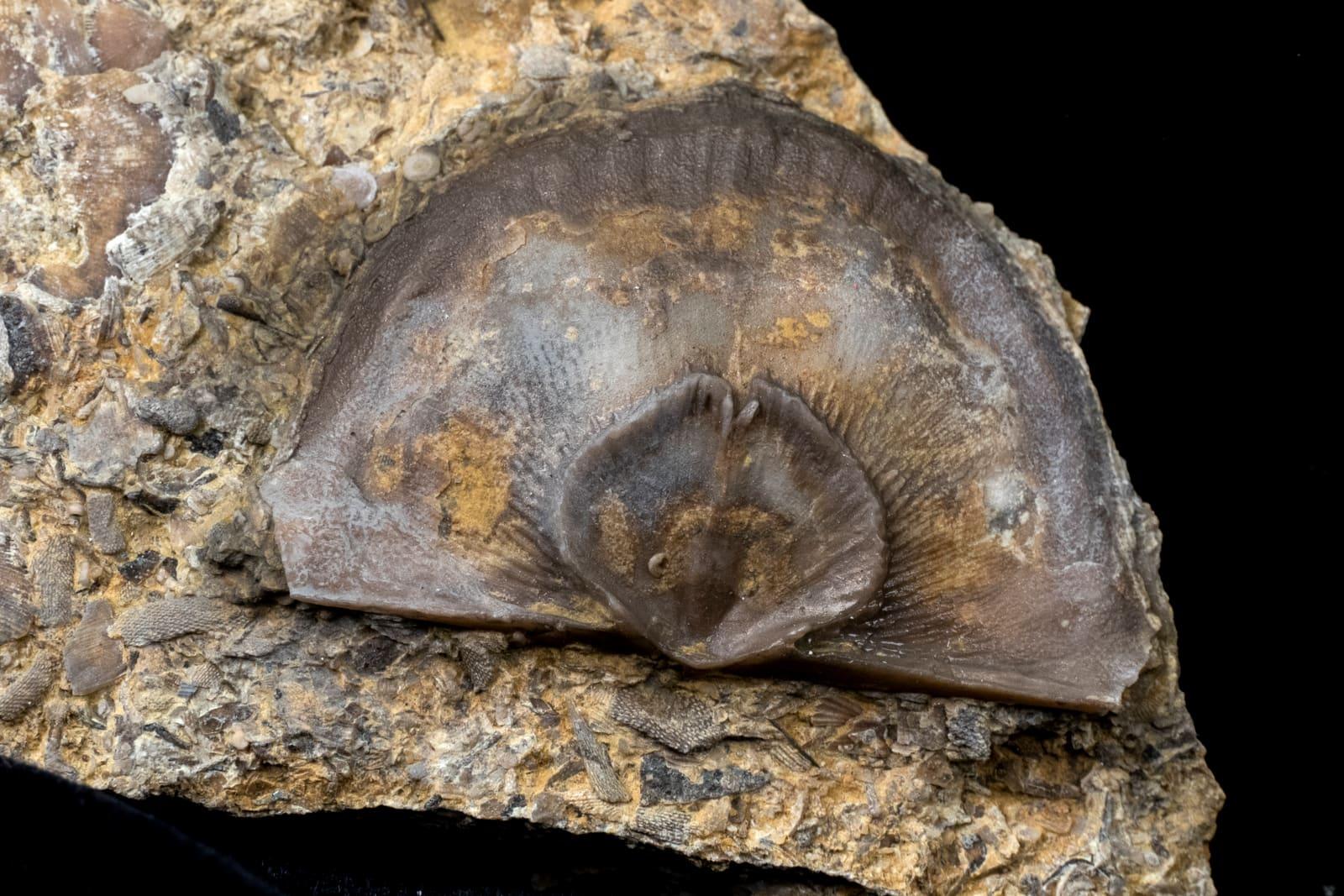
Image: Rynoceras (CC BY-SA 4.0)
The Decorah Shale exposed in bluffs around Saint Paul and Minneapolis holds the richest Late Ordovician fauna in Minnesota, including trilobites, brachiopods, and bryozoans that weather loose from soft shale. Lilydale Regional Park is the classic locality, though its fossil grounds require a city permit and have been closed at times, while Shadow Falls and other river bluffs offer in-situ viewing.
By Edward Chen · Published 22 June 2026
Introduction
The Decorah Shale is the most fossil-rich Ordovician rock in Minnesota, and some of its best exposures sit inside the Twin Cities of Saint Paul and Minneapolis. Where the soft, blue-grey shale crops out in the bluffs above the Mississippi River, fossils weather free of the rock and collect in the loose debris at the base of the slopes, making the Decorah one of the friendliest formations in the Upper Midwest for a beginning collector. Trilobites, brachiopods, bryozoans, snails, and crinoid stems all turn up here.
The classic collecting locality is Lilydale Regional Park in Saint Paul, on the old brickyard bluffs, which expose one of the most complete sections of Decorah Shale in the state. Collecting there has long required a city permit, and the fossil grounds have been closed at times for safety and management reasons, so the area is best treated as permit-controlled rather than open. Other bluff exposures, such as Shadow Falls Park, are good places to see the same fossils in place.
Location and Directions
Lilydale Regional Park lies on the south bank of the Mississippi River across from downtown Saint Paul, near 44.92°N, 93.12°W, reached from Water Street off Highway 13. The historic brickyard area on the bluff is where the thickest Decorah Shale section is exposed. Shadow Falls Park sits a short distance upriver on the Saint Paul side near the Ford Parkway, where the shale appears in the gorge below the trail.
Before visiting Lilydale to collect, contact Saint Paul Parks to confirm whether fossil permits are currently being issued and whether the fossil grounds are open. Wear sturdy footwear, bring water, and carry small bags or boxes for specimens. The shale is soft and the bluffs can be muddy and unstable, so stay off steep faces and collect from loose material where possible.
What Fossils You'll Find
The Decorah Shale holds the most diverse and abundant Ordovician fauna in Minnesota. Brachiopod shells, bryozoan fragments, and crinoid columnals are by far the most common finds, often present in great numbers in the weathered shale. Snail (gastropod) shells and trilobite fragments are the next most common, and patient searching turns up partial and occasionally complete trilobites.
Trilobites here include genera typical of the Galena Group such as Isotelus, Ceraurus, and Flexicalymene, usually found as disarticulated heads, tails, and body segments rather than whole animals. Brachiopods, branching and fan-shaped bryozoan colonies, straight-shelled and coiled cephalopod fragments, and the occasional starfish or ostracode round out a fauna that records a shallow, warm Ordovician sea. Because the fossils erode loose from soft shale, most collecting is a matter of splitting and sorting the crumbly grey rock rather than hard quarrying.
Geologic History
The Decorah Shale is the lowermost formation of the Galena Group, lying above the Platteville Limestone and below the overlying Galena carbonates. It was deposited during the Late Ordovician, roughly 455 to 452 million years ago, when a shallow tropical sea spread across the stable interior of North America and what is now Minnesota lay near the equator. Fine mud settling into this quiet, well-circulated sea buried the shells and skeletons of a thriving seafloor community, producing the thin shale interbedded with limestone that collectors split today.
Long after burial and lithification, the Pleistocene Mississippi River and its tributaries carved deep valleys through the flat-lying Paleozoic rock, exposing the Decorah in the bluffs of the Twin Cities. The same erosion that created the river gorges keeps fresh shale exposed at the surface, where weathering continues to free fossils from the rock.
Collecting Rules and Regulations
Collecting in the Twin Cities is governed by who owns the land, and access varies from site to site. At Lilydale Regional Park, the city of Saint Paul has historically required a paid fossil-collecting permit obtained in advance, and the fossil grounds have been closed at times, so do not collect there without first confirming current permit availability and access with Saint Paul Parks. At Shadow Falls and many other riverside parks, the rock is best treated as viewing-only, and removing fossils is generally not allowed without permission. Collecting is prohibited on land within the Mississippi National River and Recreation Area and other federal or protected parcels. Always confirm the rules for the specific parcel before taking anything, leave vertebrate material and anything unusual in place, and keep collecting to a few representative invertebrate specimens for personal study.
Safety
The river bluffs are steep, and the Decorah Shale and overlying rock can be loose and unstable, with a real risk of slides and falling rock near the cliff faces. Stay back from the base of high, fresh exposures, collect from gentle slopes and loose talus rather than undercutting banks, and never climb the bluffs. The ground is often muddy and slippery, especially in spring and after rain, so wear boots with good grip. Bring water and sun protection in summer, watch for poison ivy and ticks in the wooded slopes, and keep track of your footing on the trails down to the river.
Sources
https://en.wikipedia.org/wiki/Decorah_Shale https://www.nps.gov/miss/planyourvisit/brickyards.htm https://www.stpaul.gov/facilities/lilydale-regional-park https://www.mprnews.org/story/2013/07/25/lilydale-fossil-hunting https://equatorialminnesota.blogspot.com/2016/01/the-decorah-shale.html