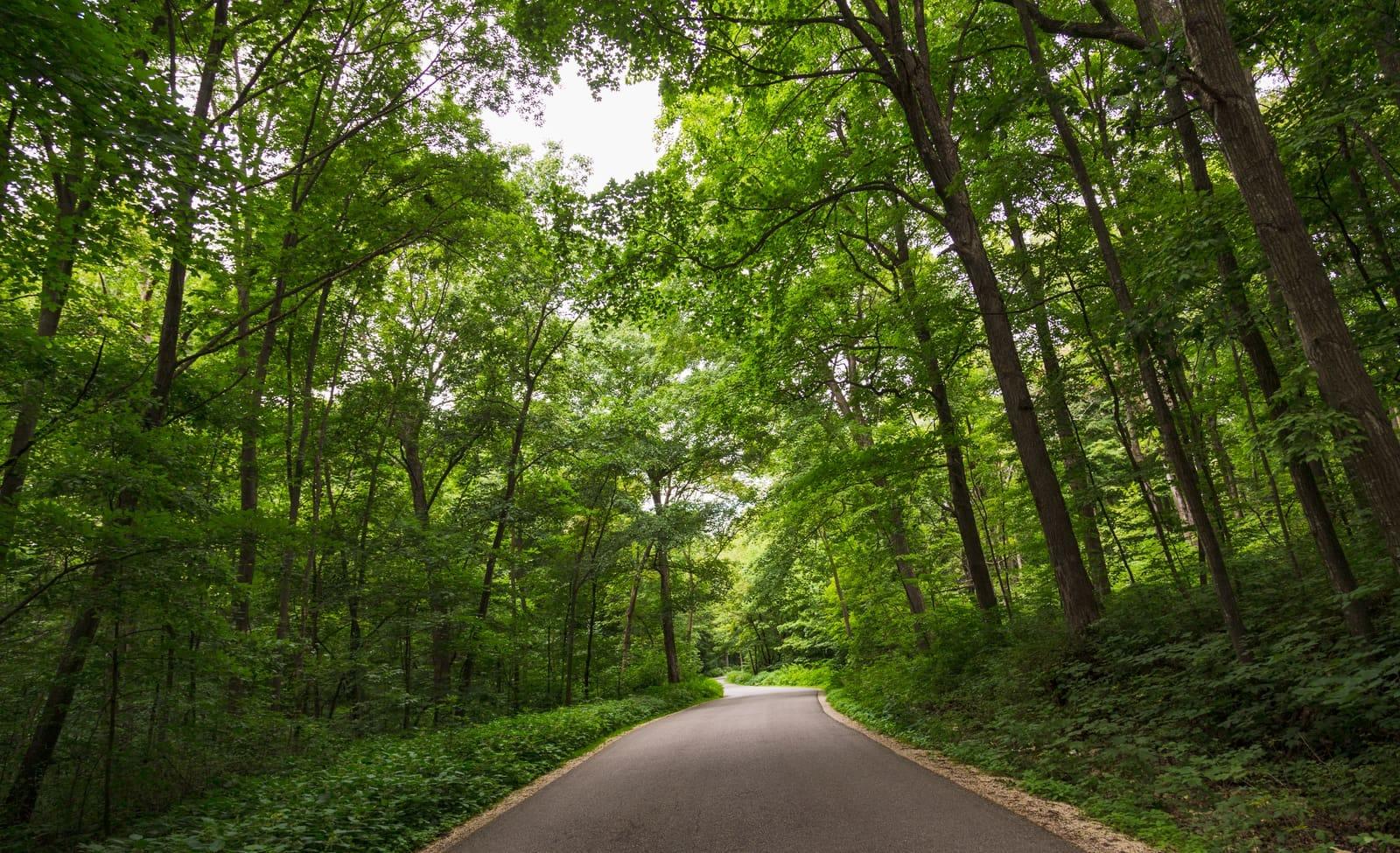
Lanesboro Karst Country (Forestville/Mystery Cave) Fossil Guide
Image: Tony Webster (CC BY-SA 2.0)
The Driftless karst country around Lanesboro and Preston in Fillmore County, Minnesota, exposes Ordovician Galena Group limestones packed with brachiopods, cephalopods, gastropods, and trilobite fragments. Forestville/Mystery Cave State Park has designated fossil-hunting areas and a fossil camp, and the region's sinkholes and caves record the slow dissolution of the same rock.
By Edward Chen · Updated 30 July 2026
Introduction
The bluff country of Fillmore County in southeastern Minnesota, centered on the towns of Lanesboro and Preston, is one of the best fossil regions in the state. This is the heart of Minnesota's Driftless karst landscape, where Ordovician limestones of the Galena Group lie at or near the surface and are riddled with sinkholes, springs, and caves dissolved out of the same rock. The limestones formed in a clear, shallow tropical sea and are full of fossils, including brachiopods, cephalopods, gastropods, bryozoans, crinoids, and trilobite fragments.
The anchor for a visit is Forestville/Mystery Cave State Park, between Spring Valley and Preston, which has designated fossil-hunting areas and runs a fossil camp that takes guests to productive sites. Mystery Cave itself, the longest cave in Minnesota, is a guided showcase of how groundwater slowly dissolved these carbonate rocks into karst.
Location and Directions
Forestville/Mystery Cave State Park lies in Fillmore County near 43.64°N, 92.23°W, off County Road 118 south of Highway 16 between Spring Valley and Preston, a short drive from Lanesboro. A Minnesota state park vehicle permit is required to enter, available daily or annually at the park or online.
The park is split into two areas, the Mystery Cave area to the west and the historic Forestville townsite and trails to the east. Fossil-hunting locations are spread across the park, and staff or the park map can point you to where collecting is allowed. The Mystery Cave fossil camp and naturalist programs are the easiest way to learn the rock and the fauna. Bring water, sturdy footwear, sun protection, and small containers for specimens, and check at the park office for current fossil-area access before you start.
What Fossils You'll Find
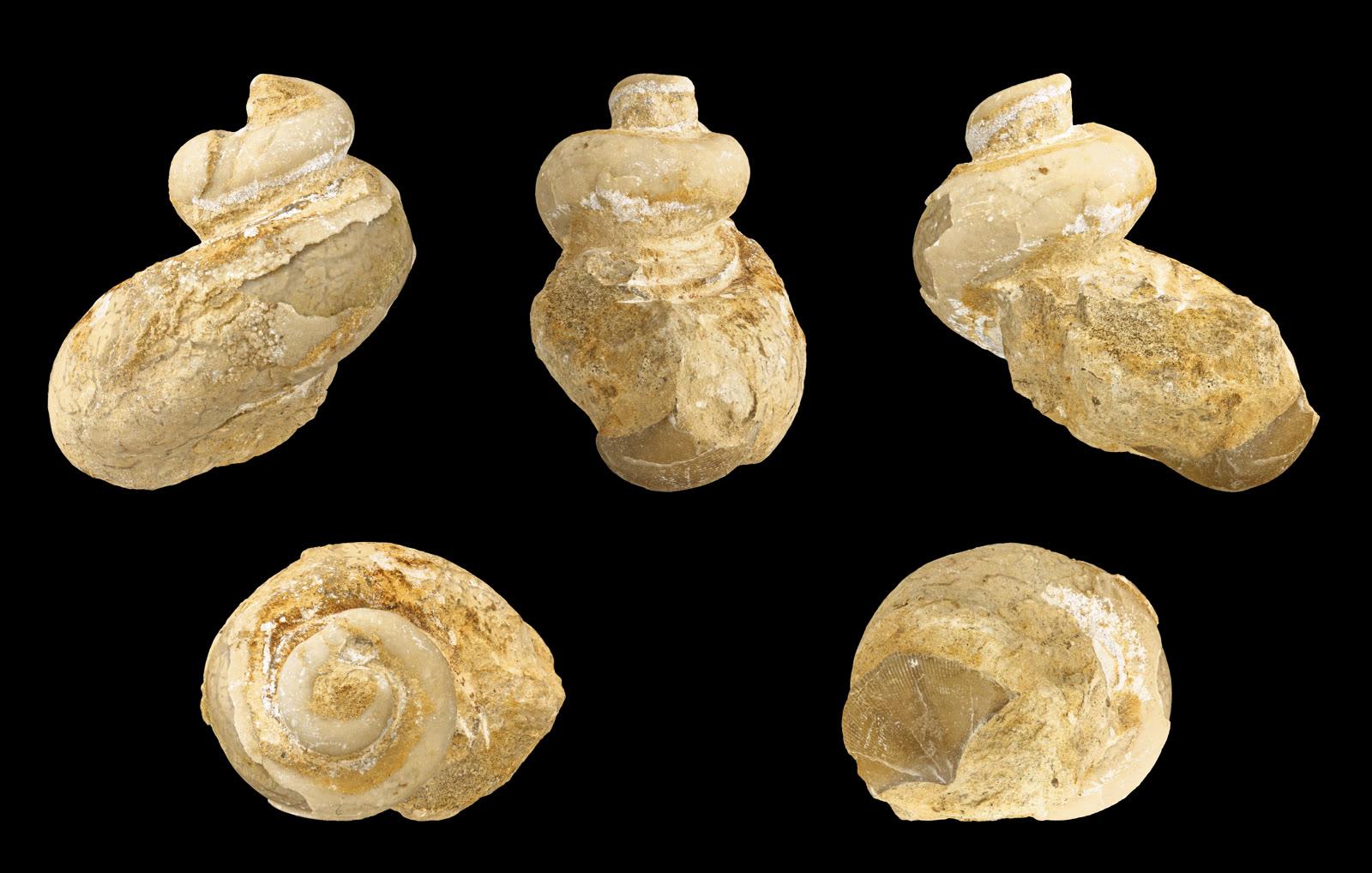
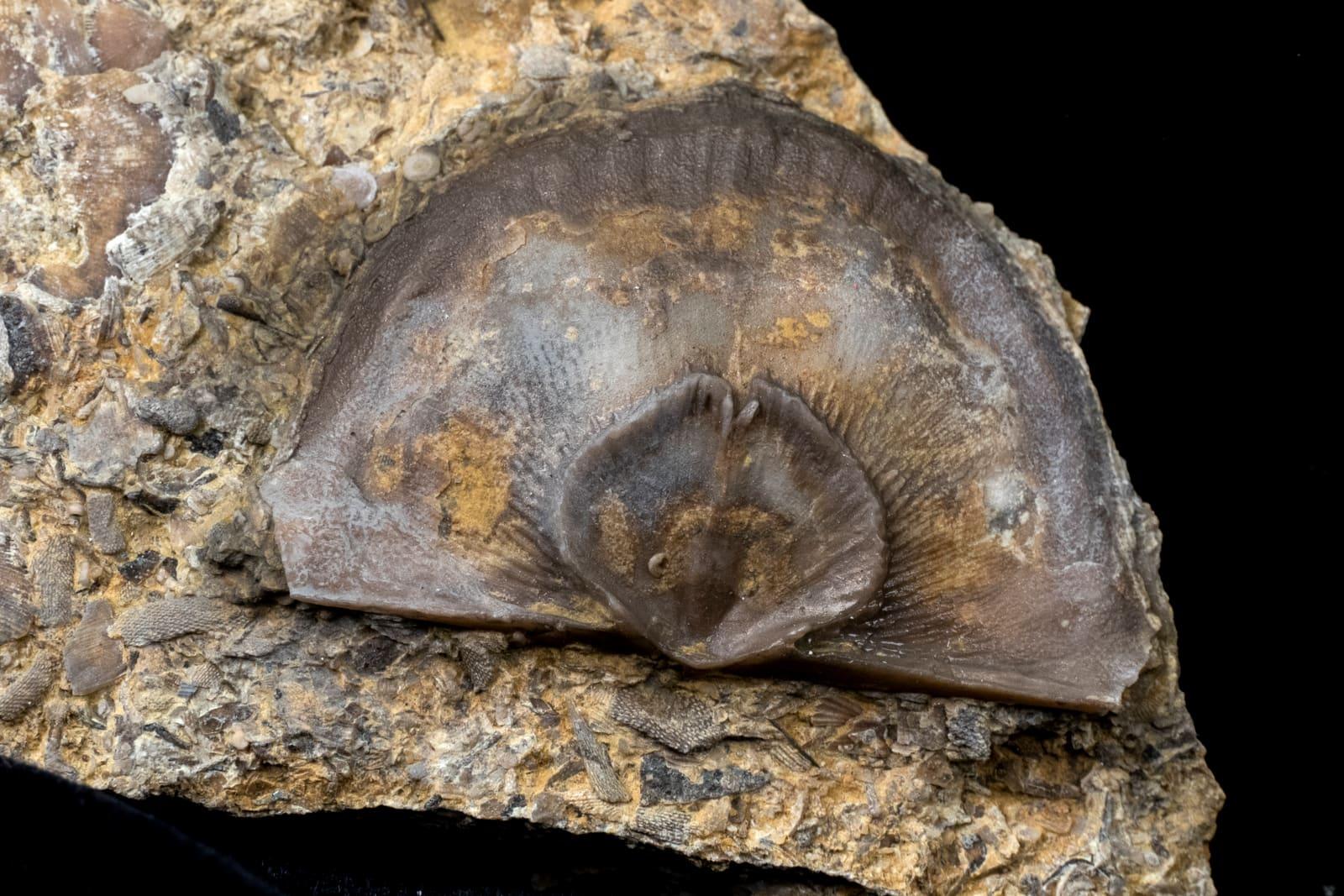
The Galena Group limestones and the underlying Platteville Formation in this region were deposited in clear, quiet, shallow water and are densely fossiliferous. Brachiopods are the most abundant and easily recognized fossils, followed by bryozoan colonies and crinoid stem segments. Gastropod (snail) shells and the shells of straight and coiled cephalopods are common, and the area is known for occasional large nautiloid cephalopods. Trilobites occur mostly as disarticulated pieces, with heads and tails the usual finds.
The wider Fillmore County area has produced ancient sea life including gastropods, cephalopods, trilobites, the receptaculitid alga Fisherites (the so-called "sunflower coral"), bryozoans, and brachiopods. Most fossils are found weathered loose from the limestone in road cuts, stream beds, and slopes, or split from thin-bedded layers, rather than chiseled from hard rock.
Geologic History
The rocks around Lanesboro belong to the Ordovician Galena Group and the formations just below it, deposited roughly 455 to 450 million years ago when a warm, shallow sea covered the stable interior of North America and this region lay in the tropics. The carbonate sediments that became these limestones accumulated in clear water under quiet conditions, which is why they preserve such abundant and well-formed fossils.
Long after the sea withdrew, this corner of Minnesota escaped the scouring of the most recent glaciers, leaving it in the unglaciated "Driftless Area." Slightly acidic rainwater and groundwater have slowly dissolved the carbonate bedrock over millions of years, producing the region's classic karst: more than ten thousand sinkholes, disappearing streams, springs, and caves such as Mystery Cave. The same dissolution that built the caves also keeps fresh fossil-bearing rock exposed in cuts, ravines, and stream channels across the county.
Collecting Rules and Regulations
Forestville/Mystery Cave is a Minnesota state park, so a vehicle permit is required to enter, and collecting is allowed only where the park permits it. Use the park's designated fossil-hunting areas and ask staff before taking anything, since removing rocks and fossils from non-designated areas of a state park is not allowed. Surface collecting of common invertebrate fossils for personal, non-commercial use is the norm at the designated sites. Leave vertebrate fossils, archaeological material, and cave formations untouched, and never collect inside the cave. On private land elsewhere in Fillmore County, always get the landowner's permission first, and never collect on road cuts where stopping is unsafe or prohibited. Take only a few representative specimens and leave the site as you found it.
Safety
Karst country has specific hazards. Stay away from open sinkholes and the edges of bluffs and ravines, which can be unstable, and never enter wild caves or springs without proper equipment, training, and permission. Stick to the guided Mystery Cave tour. Road cuts can have loose, falling rock, so wear a hard hat near fresh faces and keep well clear of traffic. Streams can rise quickly after rain, so watch the weather. In the warmer months bring water and sun protection, watch for poison ivy and ticks in the wooded bluffs, and wear sturdy boots for uneven, slippery ground.
Sources
https://www.dnr.state.mn.us/mystery_cave/index.html https://www.dnr.state.mn.us/education/geology/digging/fossils.html https://en.wikipedia.org/wiki/Paleontology_in_Minnesota https://www.dnr.state.mn.us/mystery\_cave/index.html