Galve Dinosaur Trail Fossil Hunting Guide
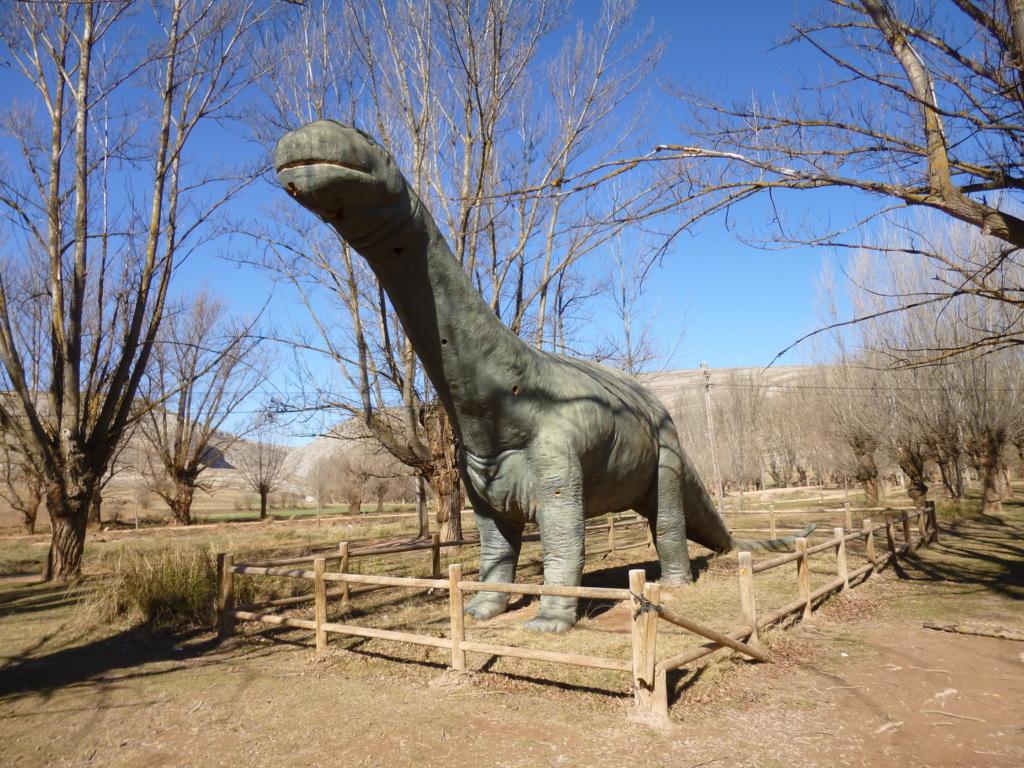
The Sendero de los Dinosaurios de Galve in Teruel, eastern Spain, follows a public riverside path past five life-size reconstructions and four bedrock tracksites that record sauropods, theropods, and ornithopods from the Villar del Arzobispo and El Castellar formations.
By Edward Chen · Published 4 June 2026
Introduction
Galve is a village of about 100 residents in the Sierra de los Pinares, in the southern province of Teruel, Spain. The land around the village sits within the Maestrazgo UNESCO Global Geopark and contains an extended sequence of Late Jurassic to Early Cretaceous fluvial and floodplain rocks that record the type locality of Aragosaurus ischiaticus, the first dinosaur ever named from Spain. The Sendero de los Dinosaurios de Galve is a free, signposted walking path that loops about 3 kilometres along the Vega del Alfambra river and through the gypsiferous outcrops of the Villar del Arzobispo and El Castellar formations. Along the way it passes four protected tracksites, five life-size dinosaur reconstructions, and a small interpretive centre. Casual visitors can walk the loop year round at no charge. Active research collection at the Galve dig sites is restricted under regional heritage law, but the trail itself is laid out for public viewing of footprints in situ. This guide covers how to reach Galve, what is visible on each tracksite, the geological background, and the rules that apply to a UNESCO Global Geopark site.
Location and Directions
Galve sits in the upper Alfambra valley, about 35 kilometres north of the city of Teruel and 175 kilometres south of Zaragoza. From Teruel, take the A-23 north to the N-420 east, then the TE-V-8003 to Camarillas and a final 9 kilometres on the TE-V-8024 to Galve. The drive takes about 45 minutes from Teruel.
The trail begins at the village hall in the centre of Galve. GPS for the trailhead is 40.7197 degrees north, 0.8369 degrees west. A small public car park sits on the south edge of the village. The trail is signposted in green with the Sendero de los Dinosaurios marker.
The route can be walked in either direction. The full loop covers about 3 kilometres of mostly level ground with one moderate climb to the El Castellar viewpoint. Allow 2 to 3 hours including time at each tracksite and the interpretive centre.
The Museo Paleontológico de Galve, also in the village, is the indoor companion to the trail. The museum is open on weekends and during holiday periods. Standard adult admission is 3 euros. Group bookings can be arranged through the local tourism office.
The closest commercial airports are Zaragoza (about two and a half hours) and Valencia (about three hours). Fuel and basic groceries are available in the larger town of Aliaga, about 20 minutes south. Lodging in Galve itself is limited to a few rural guest houses.
What Fossils You'll Find
You will not collect at Galve. What you can do is walk to four signed tracksites and see footprints in their original rock surfaces, with scale outlines and species attribution posted on weather-proof panels. Identifications below follow the 2022 Maestrazgo UNESCO Global Geopark trackway study.
- Sauropod trackways. Wide, rounded prints attributed to a brachiosaur-grade sauropod, likely close to Aragosaurus ischiaticus. The largest single track at the Las Cerradicas site reaches about 80 centimetres across.
- Theropod footprints. Three-toed prints in the upper Villar del Arzobispo Formation, attributed to mid-sized carnivorous theropods and assigned to the ichnogenus Megalosauripus.
- Ornithopod footprints. Broader three-toed prints with rounded toe pads, attributed to early iguanodontians. Several trackways at Las Cerradicas show parallel ornithopod sequences interpreted as a small herd.
- Aragosaurus ischiaticus body fossils. The original skeletal material from the Las Zabacheras site, recovered in 1958 and described in 1987 by José Luis Sanz and colleagues, is on display at the Museo Paleontológico de Galve. The Las Zabacheras locality itself sits adjacent to the trail.
- Galveosaurus herreroi. A second sauropod taxon described from Galve material in 2005. Vertebral and limb material is on display in the museum.
- Microvertebrate material. Multituberculate mammal teeth, lizard remains, and crocodyliform fragments have been recovered from the same units.
The interpretive centre on the trail holds replicas of the Las Zabacheras quarry layout and explanatory panels in Spanish and English.
Geologic History
The fossil-bearing rocks at Galve belong to two stacked Iberian Range formations. The lower unit is the Villar del Arzobispo Formation, a mixed clastic and carbonate sequence deposited in coastal floodplain and shallow marine settings during the latest Jurassic (Tithonian) and earliest Cretaceous (Berriasian), roughly 150 to 140 million years ago. The upper unit is the El Castellar Formation, an Hauterivian to Barremian alluvial succession dated to roughly 135 to 125 million years ago.
Through this interval the Iberian basin was opening as part of the early Atlantic and Tethyan rifting that separated Iberia from the European plate. The Galve area sat on a wide coastal plain with meandering rivers, brackish swamps, and seasonally dry mudflats. Dinosaurs walked across damp lake and channel margins, leaving footprints that were buried under fresh sand pulses during seasonal floods. The Las Cerradicas and Cuesta de la Bota tracksites preserve the resulting print surfaces.
The body-fossil locality at Las Zabacheras is interpreted as a partial carcass deposited on a floodplain channel bar, then buried under reworked sand. Diagenesis cemented the surrounding sandstone hard, which protected the bone material from later erosion.
After Cretaceous deposition, the Iberian Range was uplifted during the Alpine orogeny. The Villar del Arzobispo and El Castellar formations now dip moderately to the east across the Galve area, and modern stream and gully cutting in the Alfambra valley exposes the productive horizons.
How Galve Became a Fossil Site
Local resident José María Herrero Marzo found bone material in a hillside above the village in 1958 and protected the locality through decades of casual visits by university researchers. Systematic excavation began in the late 1970s under José Luis Sanz of the Universidad Autónoma de Madrid. The 1987 publication of Aragosaurus ischiaticus established Spain on the dinosaur map and brought further attention to the wider Teruel region.
Track surveys through the 1990s and 2000s, run by the Fundación Conjunto Paleontológico de Teruel-Dinópolis (FCPTD), documented hundreds of footprints in the Villar del Arzobispo and El Castellar exposures around Galve and led to the protected designation of the four tracksites along the modern trail. The Maestrazgo UNESCO Global Geopark, established in 2015, formalised regional protection and added the Galve sites to a wider network of geosites across southern Aragón.
Collecting Rules and Regulations
Collecting is prohibited. The four signed tracksites along the Sendero de los Dinosaurios and the Las Zabacheras body-fossil locality are protected as Bien de Interés Cultural under Spanish Law 16/1985 on Spanish Historical Heritage. Aragón regional heritage regulations require any collection from the Villar del Arzobispo or El Castellar formations in Teruel to be reported to the Government of Aragón.
Practical rules:
- Stay on the marked path between tracksites. Walking on the trackway surfaces themselves is not permitted.
- Photography for personal use is welcomed at every panel and view stop.
- The trail and outdoor tracksites are free of charge. The Museo Paleontológico de Galve charges a small admission.
- Drones require advance permission from the Maestrazgo geopark office.
- Pets are allowed on leash on the trail and not allowed inside the museum.
- Research collection is permitted only to teams working under Aragón regional permit.
Safety
The trail is at about 1,000 metres elevation. Summer temperatures regularly reach 32 degrees Celsius with strong sun and very little shade on the open mudstone slopes. Carry water and sun cover. Winter can bring snow and ice on the higher trail sections.
The path crosses gully drainages that can run with water after summer storms. Wear sturdy walking shoes with good grip on loose gravel.
The tracksite slabs are smooth and slick when wet. Stay on the wooden viewing boardwalks and behind the chain barriers at each site.
The village is small and quiet. Cell coverage is reliable along the trail and around the village, but emergency response from larger towns can take 30 to 45 minutes. Carry a printed map and a charged phone.
Sources
- Turismo Comarca Teruel, "Sendero de los Dinosaurios: Galve." https://turismocomarcateruel.com/en/rutas-andatela-2/senderos-locales-2/sendero-de-los-dinosaurios-galve-2/
- Cobos, A., Royo-Torres, R., and Alcalá, L., 2022. "Dinosaur Tracksites from the Maestrazgo UNESCO Global Geopark (Teruel, Spain)." https://www.researchgate.net/publication/358042022_Dinosaur_Tracksites_from_the_Maestrazgo_UNESCO_Global_Geopark_Teruel_Spain
- Sanz, J.L. et al., 1987. "Saurópodos del Cretácico inferior de Galve (Teruel, España)." Estudios geológicos, 43.
- Royo-Torres, R., Cobos, A., and Alcalá, L., 2009. "A new sauropod from the Tithonian-Berriasian of Spain (Villar del Arzobispo Formation): Galveosaurus herreroi." Geobios, 42.
- Maestrazgo UNESCO Global Geopark visitor centre, on-site, accessed June 2026.
Nearby sites
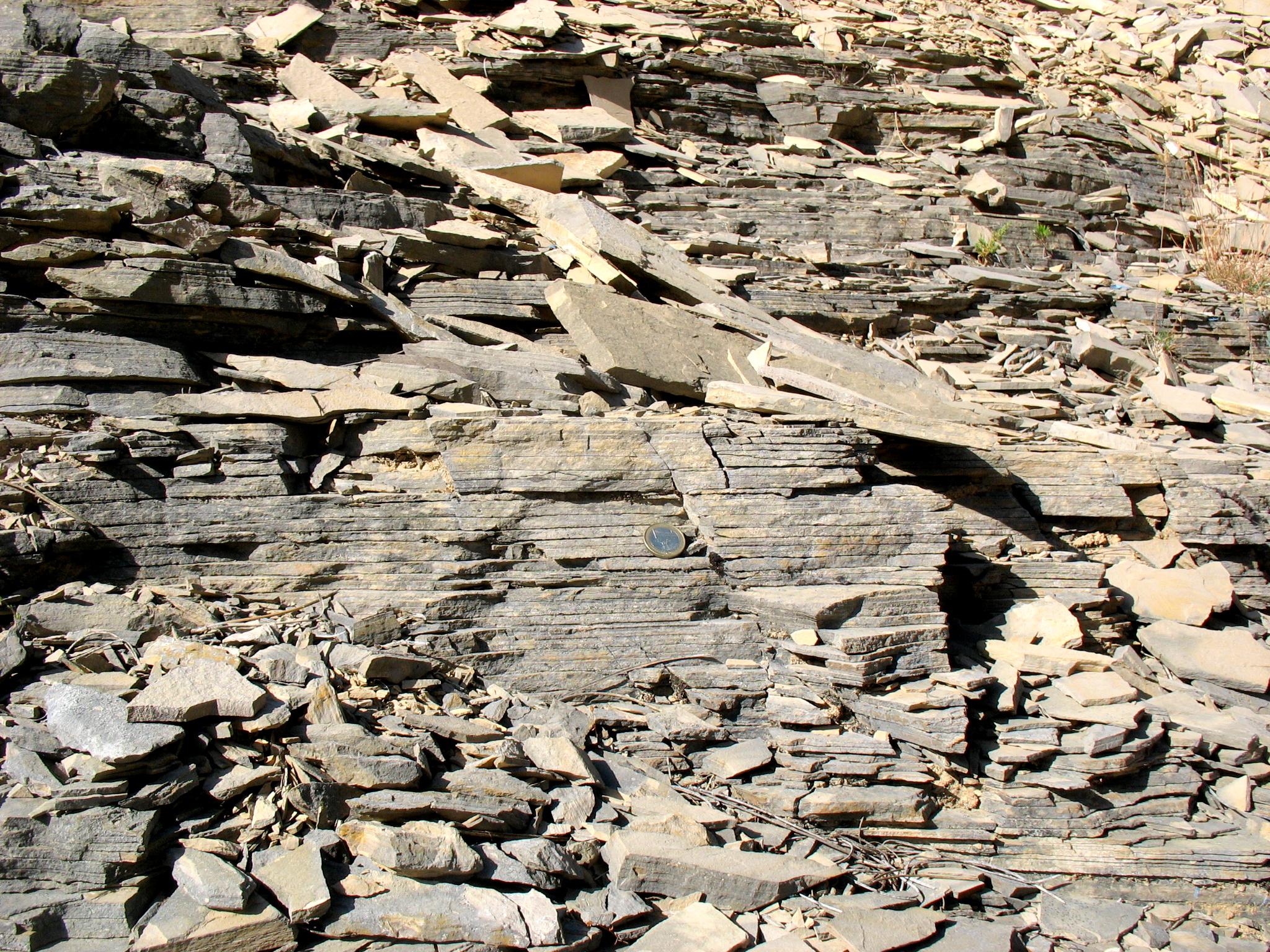 Las Hoyas Lagerstätte Fossil Hunting GuideConcavenator corcovatus (carcharodontosaurid), Iberomesornis romerali (early bird)
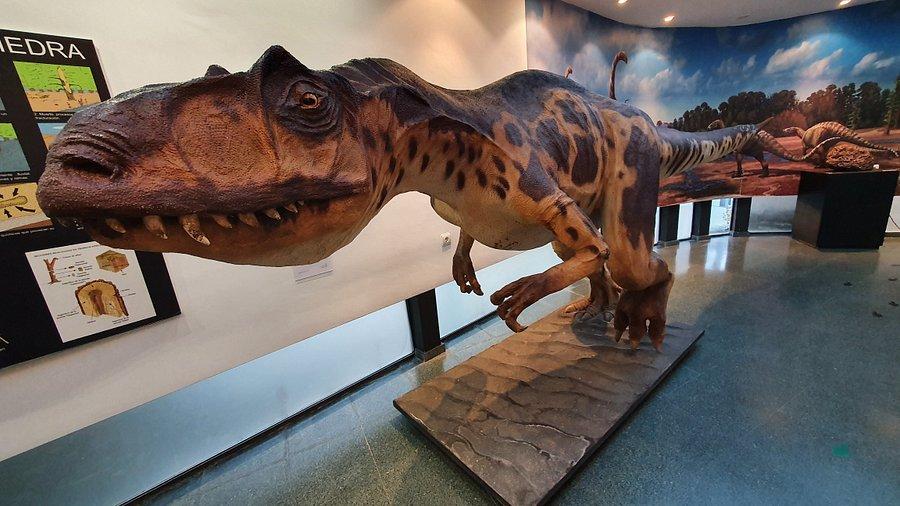 Salas de los Infantes Dinosaur Sites Fossil Hunting GuideDemandasaurus darwini (sauropod), Europatitan eastwoodi
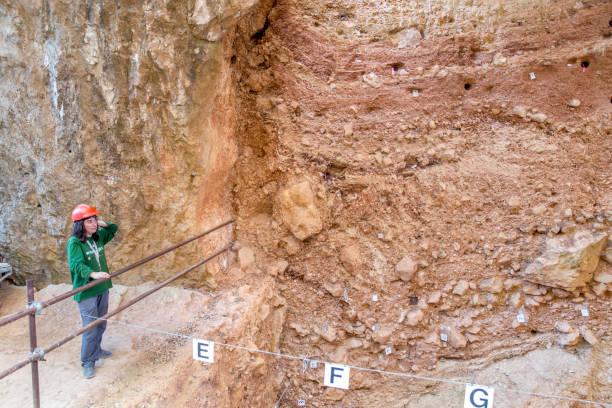 Atapuerca Archaeological Site Fossil GuideHominin remains, Homo antecessor
 Lourinhã Jurassic Dinosaur Coast Fossil Hunting GuideDinosaur eggs and embryos, Sauropod bone (Lusotitan, Dinheirosaurus)