Petrified Forest of Khorixas Fossil Hunting Guide
Image: Olga Ernst (CC BY-SA 4.0)
A Namibian national monument where enormous silicified logs lie where a Permian flood stranded them nearly 280 million years ago. Guided tours run daily, the ground is shared with living Welwitschia plants, and every stone on site is legally protected.
By Edward Chen · Published 14 September 2026
Introduction
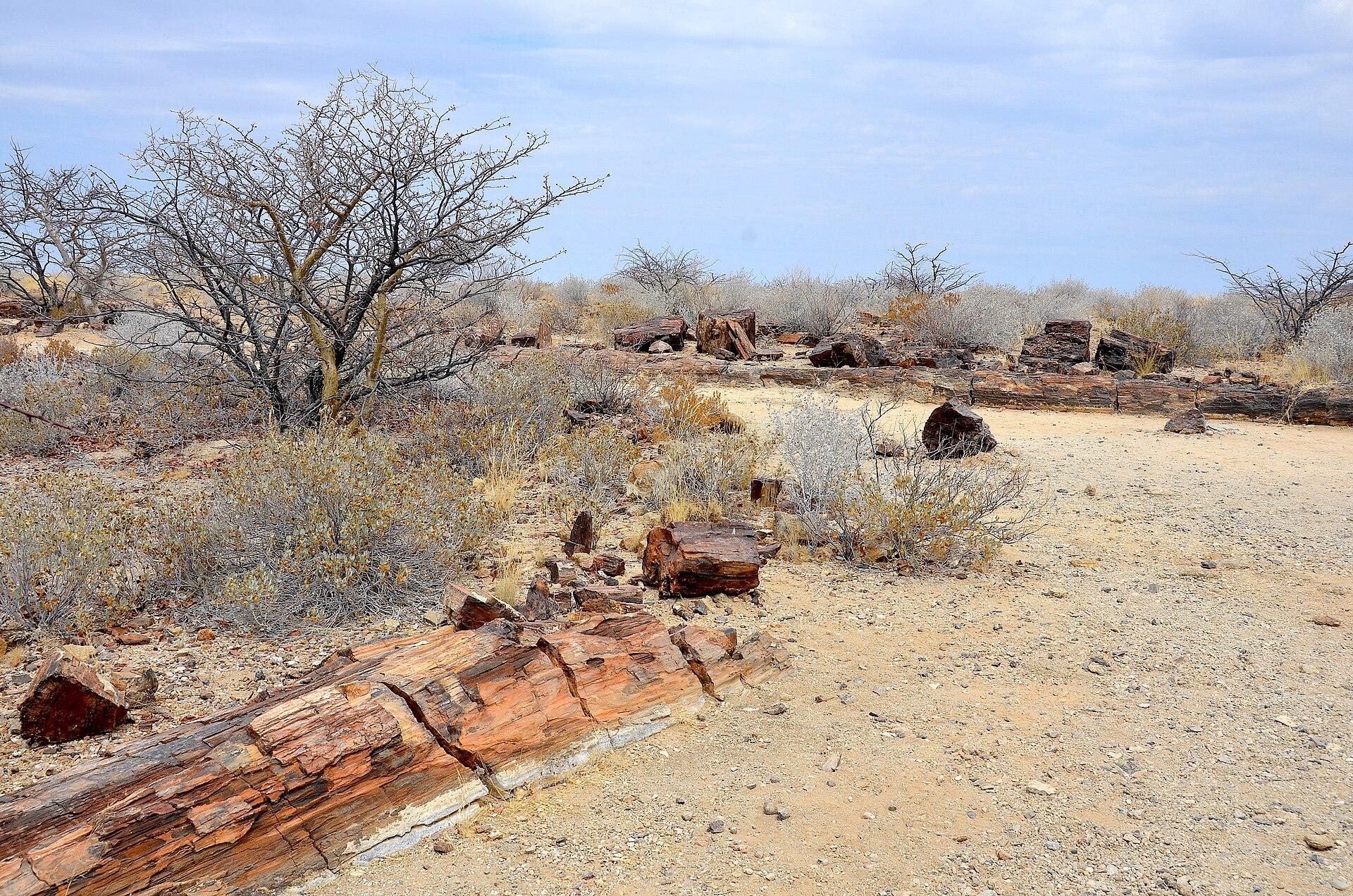
The Petrified Forest near Khorixas is not a forest in the ordinary sense. No trees grew here. What lies on this stony Damaraland hillside are trunks that were carried in by water and stranded, then turned to stone.
At least two are fully exposed at about 45 metres long, and they run well over a metre across. Bark texture, growth rings and knots survive in the silica. The wood is recognisable as wood at a glance, not as a vague stony shape.
The trees date to the Permian, roughly 280 million years ago, and belong to the Gondwanan flora that grew across the southern supercontinent. Glossopterid and cordaitalean affinities have been suggested for the material.
Namibia declared the area a national monument in 1950. It is one of the country's more modest tourist stops in scale and one of its more genuinely remarkable in content.
The scale takes a moment to register. A visitor expects a curiosity and finds trunks the size of the trees in a modern forest. They lie in a landscape where nothing larger than a shrub now grows.
 Photo: Olga Ernst, CC BY-SA 4.0, via Wikimedia Commons
.jpg)
Location and Directions
The site is around 40 kilometres west of the town of Khorixas in the Kunene Region, in the area often called Damaraland.
GPS: 20.4385°S, 14.6064°E.
Khorixas is roughly 500 kilometres north-west of Windhoek by road. The route is long but the roads are reasonable, with gravel on the final approaches.
Most visitors include the site in a Damaraland circuit that takes in Twyfelfontein rock engravings, the Organ Pipes and Burnt Mountain, all within a short drive.
Third-party listings give opening as daily 08:00 to 17:00. They put entry at around 250 Namibian dollars for foreign visitors and about 100 for SADC residents, with a guide included. The site itself publishes none of this, so confirm before you travel.
The guided arrangement is not optional. Guides take every visitor round, and the walk follows a short marked path.
Take on fuel and supplies in Khorixas. Services thin out quickly beyond it.
 Photo: Lidine Mia, CC BY-SA 4.0, via Wikimedia Commons

What Fossils You'll Find
Petrified wood is the whole of it. There are no bones, shells or leaves to look for.
Trunks lie exposed on the surface with more still buried. Two of the largest are the centrepiece of the guided walk.
The silicification is excellent. Cell structure, ring boundaries and bark are preserved in fine detail, and polished cut faces at the entrance show the internal texture.
Living Welwitschia mirabilis plants grow on the site. This is a genuinely strange gymnosperm, endemic to the Namib region, with two leaves that keep growing throughout the plant's life. The guides always point them out.
The landscape itself is part of the interest. Open, stony, almost bare, with table mountains on the horizon.
Several private operations nearby also advertise petrified forests. The national monument is the official site and the one with protected status, so confirm which you are being taken to.
 Photo: Lidine Mia, CC BY-SA 4.0, via Wikimedia Commons

Geologic History
The rocks belong to the Ecca Group of the Karoo Supergroup, deposited in the Permian across a large part of southern Gondwana.
The Karoo sequence begins with glacial deposits. The Dwyka glaciation covered this region in ice, and as it retreated, meltwater rivers ran across the exposed land.
Those rivers carried tree trunks from wherever the forests grew and dumped them in sandbars. The trunks have no roots and no branches attached, which is the clearest evidence that they were transported rather than buried where they stood.
Silica-rich groundwater then permeated the buried wood. Cell by cell, quartz replaced the organic material. The structure survived and the substance changed completely.
Erosion has since stripped away the sandstone that covered them, leaving the trunks lying on the modern surface.
The Karoo Supergroup is one of the great sedimentary records on Earth. It runs from Permian glaciation through to Jurassic desert across southern Africa, and South Africa's portion holds the finest record anywhere of the end-Permian extinction.
 Photo: Joaquín Romero Redondo, CC BY-SA 4.0, via Wikimedia Commons
.jpg)
Collecting Rules and Regulations
Removing petrified wood from Namibia is illegal. The National Heritage Act protects the site, and the monument status dates to 1950.
Enforcement happens at road blocks and at the airport. Travellers have been stopped with petrified wood in their luggage, and the penalties are real.
Do not buy petrified wood offered at the roadside in Damaraland either. Much of it was taken illegally from this area, and buying it feeds the removal.
Stay on the marked path with your guide. Do not turn the trunks or chip at them.
Photography is fine and encouraged.
 Photo: Hans Hillewaert, CC BY-SA 3.0, via Wikimedia Commons
.jpg)
Safety
Damaraland is hot and dry, and shade on the site is minimal. Carry water and wear a hat.
The ground is loose stone and uneven. Wear proper shoes.
Distances between settlements are long. Carry spare fuel, water and a spare tyre, and do not rely on mobile coverage.
Gravel roads in Namibia cause a high rate of rollovers among visiting drivers. Reduce speed well below what feels natural, especially on corners and loose surfaces.
Do not drive at night. Livestock and wildlife on unfenced roads are a serious hazard after dark.
 Photo: Nanosanchez, CC BY-SA 3.0, via Wikimedia Commons

Sources
https://en.wikipedia.org/wiki/Petrified_forest,_Khorixas https://www.namibiatourism.com.na/ https://en.wikipedia.org/wiki/Karoo_Supergroup https://en.wikipedia.org/wiki/Welwitschia
Nearby sites
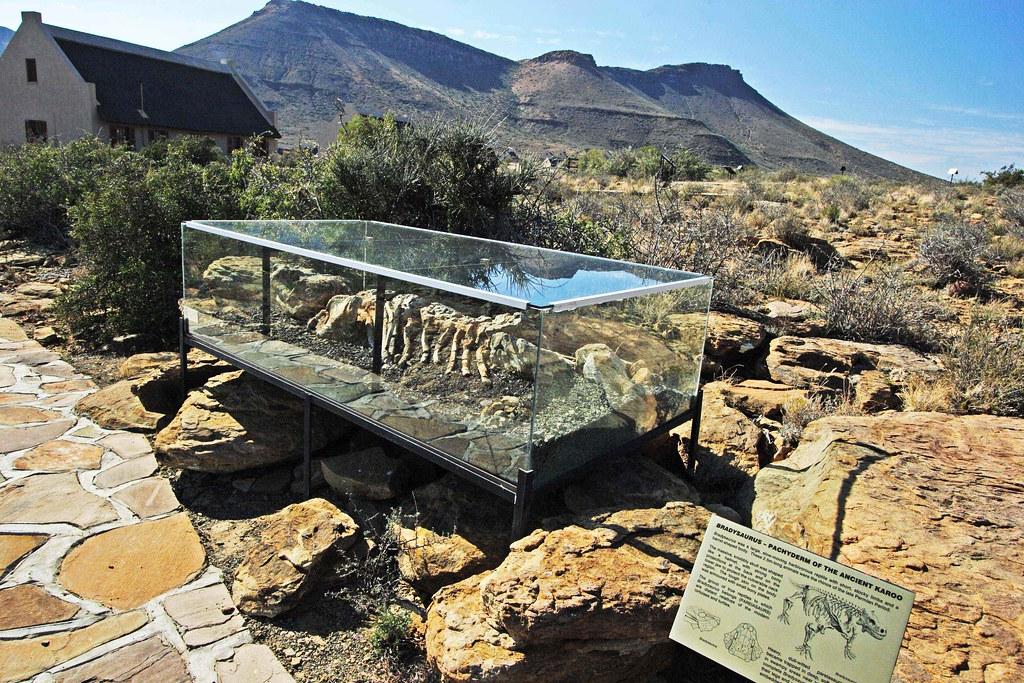 Karoo National Park Fossil Trail Fossil Hunting GuideDicynodonts (Aulacephalodon, Oudenodon), Gorgonopsids (Rubidgea)
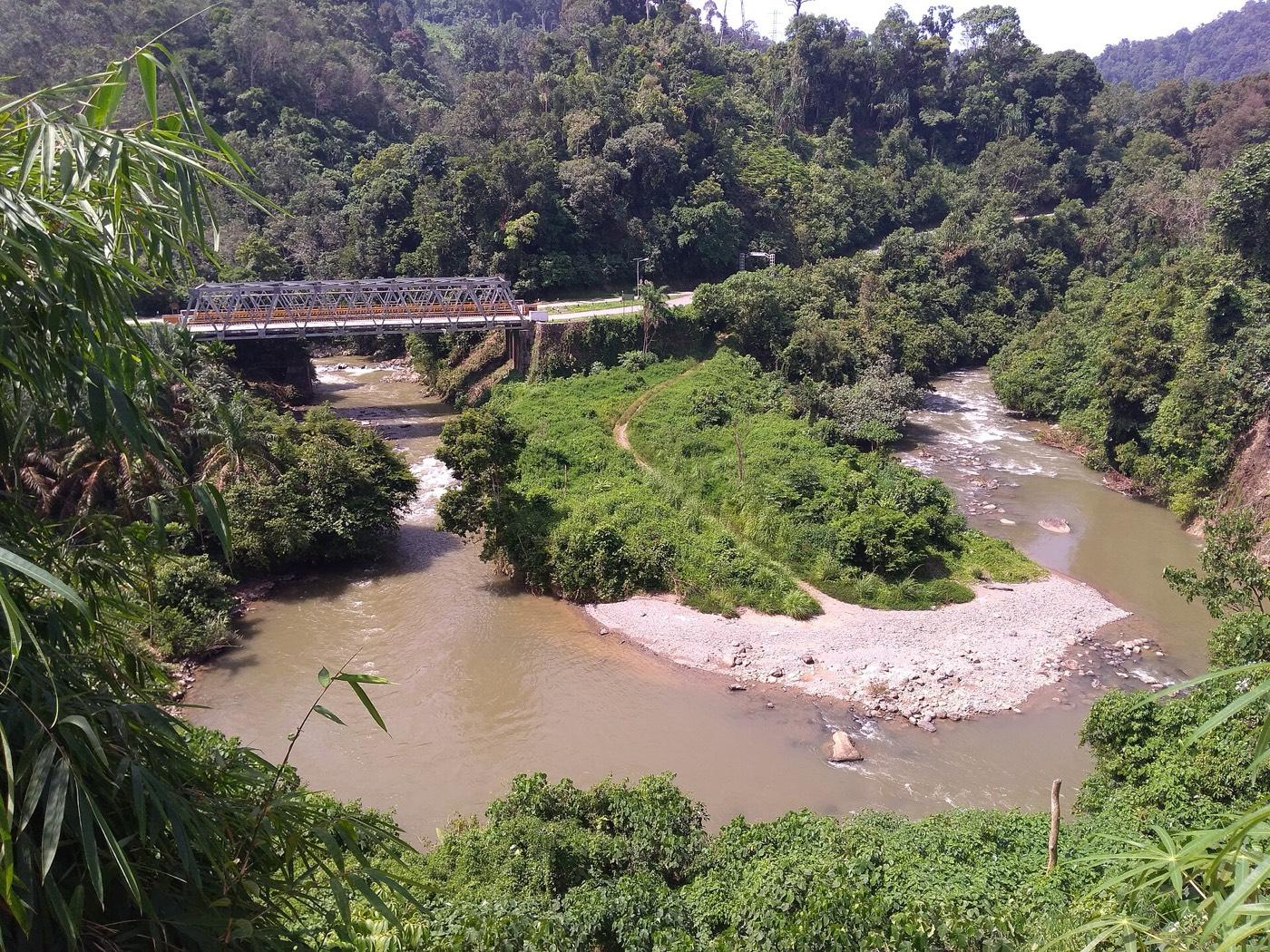 Batang Merangin River Fossil Route Fossil Hunting GuidePlants, Petrified wood
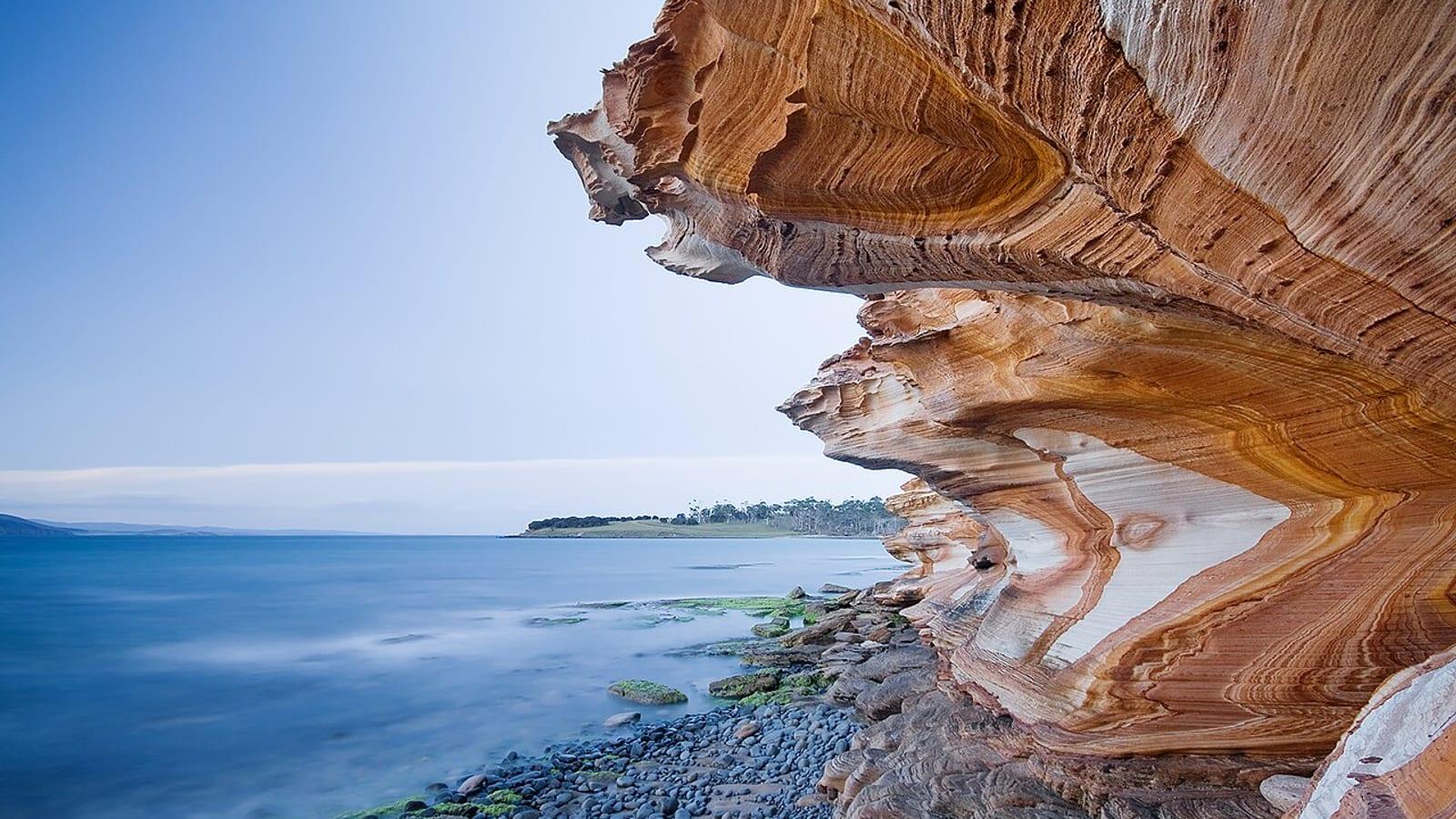 Maria Island Fossil Cliffs Fossil Hunting Guidebrachiopod shells, bryozoans
 Porcupine Gorge National Park Fossils Fossil Hunting GuideGlossopteris, Glossopteris leaves