Ocucaje Desert, Ica Fossil Hunting Guide
One of the world's great marine fossil deposits, in a Peruvian desert where whale bones and shark teeth lie on the surface. A 2021 law makes every one of them protected paleontological heritage, so this is a place to look.
By Edward Chen · Published 17 September 2026
Introduction
The Pisco Formation is among the finest marine fossil deposits anywhere on Earth. Palaeontologists rank it alongside the Solnhofen limestone and the Burgess Shale for what it preserves.
The desert south of Ica exposes it across a wide area, and at Ocucaje the bones sit at the surface. Whale skeletons weather out complete, with the bones still articulated.
Preservation goes beyond the skeleton. Researchers have recovered baleen, soft tissues and stomach contents from these sediments.
The list of animals is long. Baleen whales, sperm whales, dolphins, seals, penguins, turtles and sharks all occur.
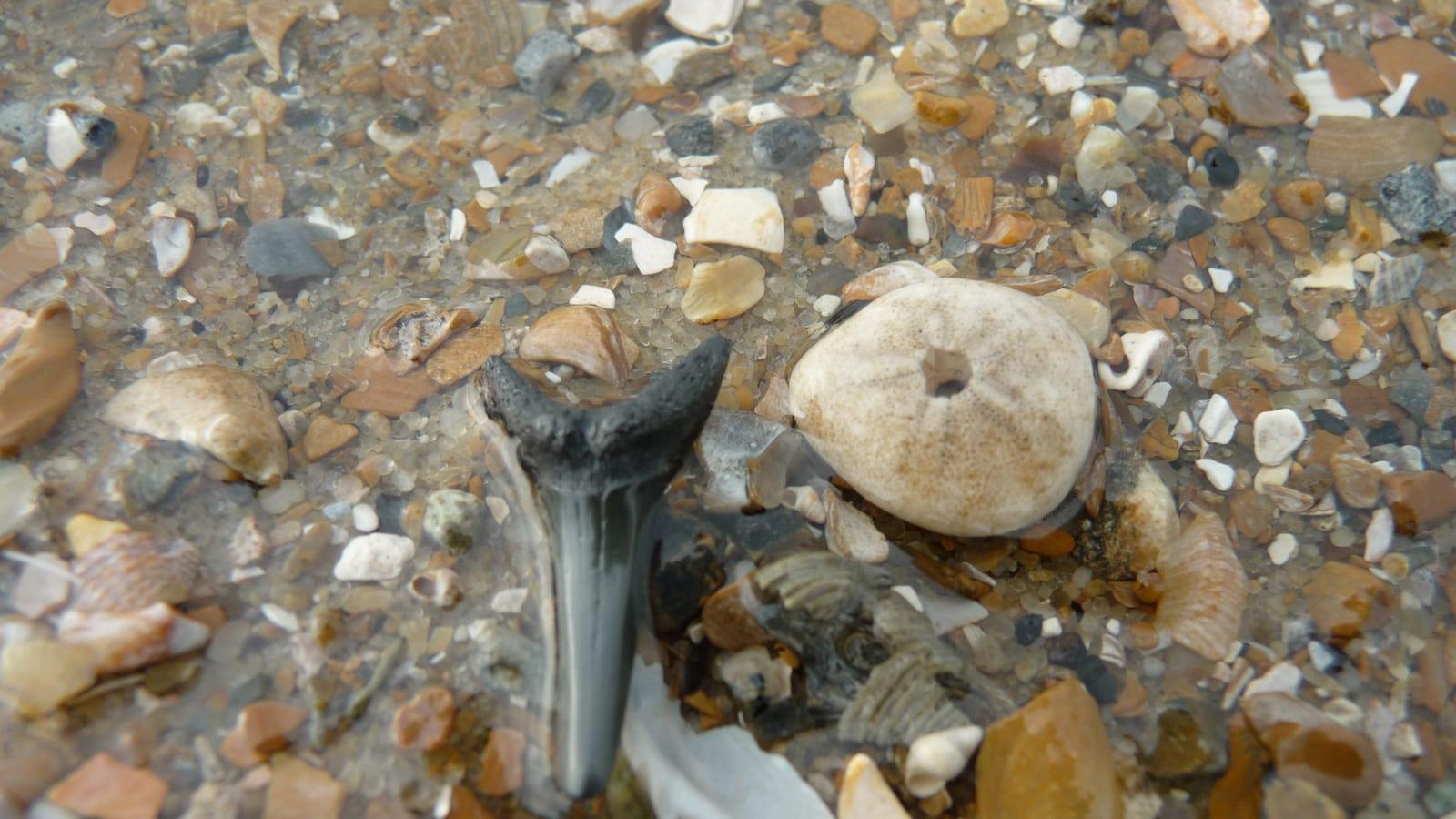
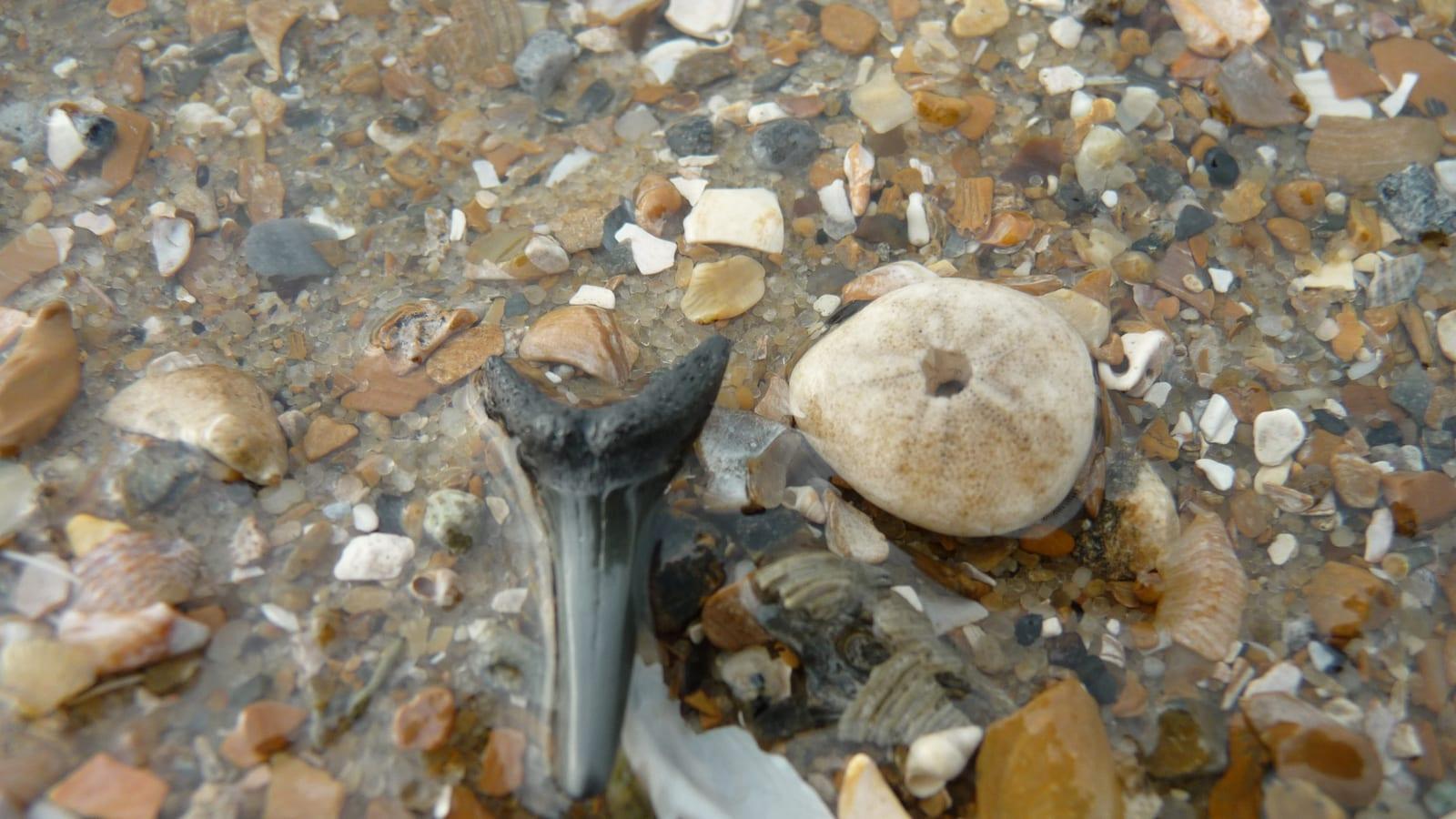
Shark teeth are scattered across the ground in numbers that visitors find hard to believe.
None of it can leave. Since 2021 Peru has treated fossils as patrimonio paleontológico under a law of their own. That single fact shapes a visit.
Location and Directions
Ocucaje is a district in Ica Province, in the desert south of the city of Ica, about 300 km south of Lima.
Ica is reachable by road from Lima in around four hours. The oasis village of Huacachina beside it is the usual base for visitors.
The fossil ground is open desert without made roads. Reaching it needs a four-wheel-drive vehicle and someone who knows the tracks.
Tours run from Ica, led by local guides who know the ground.
Go with a guide. No law requires one, but the desert here is trackless, unsigned and unforgiving, and independent driving is a poor idea.
The winter months from June to September give cooler daytime temperatures.
What Fossils You'll Find
You will see far more than you can imagine and take none of it.
Whale material dominates. Skeletons of baleen whales and sperm whales weather out of the pale sediment, sometimes nearly complete.
Shark teeth cover the surface in places. The Pisco beds produce teeth from a wide range of species, including very large ones.
Penguin remains occur here too, and they belong to Spheniscus, about a metre tall. The giant Peruvian penguins that reach the headlines are older, from the Eocene rocks of the Paracas and Otuma formations rather than the Pisco.
Dolphins, seals and marine birds fill out the fauna. Turtle material appears as well.
The palaeontological importance of what is visible is a reason to look carefully and to leave everything undisturbed.
Geologic History
The Pisco Formation accumulated on a shelf along the Peruvian coast during the Miocene, between roughly 15 and 7 million years ago.
The Humboldt Current drove upwelling of cold, nutrient-rich water, exactly as it does today. That upwelling made the sea extraordinarily productive.
Whales, seals and seabirds gathered to feed. When they died, their bodies settled into fine sediment on a quiet bottom.
Low oxygen in the sediment slowed decay. Diatom-rich mud then sealed the carcasses quickly, which is why soft tissues survive at all.
Later uplift of the Andean margin raised the sea floor into the air. The hyper-arid climate of the coastal desert has preserved it since.
Erosion now does the excavating. Wind strips sediment away and exposes new skeletons continuously.
Collecting Rules and Regulations
Take nothing. Since 29 May 2021 the governing statute has been Ley 31204, the Ley General del Patrimonio Paleontológico del Perú.
That law moved fossils out of the cultural heritage regime. The competent authority is now INGEMMET, the geological institute under the Ministry of Energy and Mines, which issues permits and supervises work on paleontological heritage.
Ley 28296, the cultural heritage law, still applies to fossils found in a cultural context or altered by people in the geological past. A shark tooth weathering out of the Pisco Formation is not one of those.
Export is possible only as a temporary loan, authorised by INGEMMET, for a limited period. A visitor has no route to a permit, so nothing you pick up can lawfully go home with you.
Peru does seize fossils at its borders and from vendors, and the penal code carries custodial sentences for offences against this heritage. The practical position for a visitor is simple and unchanged by the new law.
Fossils are nonetheless sold to visitors around Ica. Buying one funds damage to the deposit and creates a problem for you on departure.
Site protection here is genuinely weak, and reporting describes looting as an ongoing loss. A visitor who takes nothing is part of the solution rather than the problem.
Photograph what you see, note where it is, and tell your guide about anything that looks significant.
Safety
This is hyper-arid desert. Carry several litres of water per person and do not ration it.
Daytime heat is severe and shade does not exist. Start early.
Ultraviolet exposure is extreme. Cover your skin rather than relying on sunscreen alone.
Sand and dust get into everything, cameras included. Bring a sealed bag for equipment.
There is no mobile coverage across much of the area and no settlement nearby. This is the strongest single argument for a guided trip.
Do not walk away from the vehicle alone. The terrain looks similar in every direction.