Olduvai Gorge, Ngorongoro Fossil Hunting Guide
Image: Wegmann (CC BY-SA 3.0)
A ravine cut into the Serengeti plains that holds one of the longest continuous records of human ancestry anywhere. Almost two million years of Pleistocene sediment preserve hominin fossils and stone tools, and a museum on the rim interprets them for visitors.
By Edward Chen · Published 14 September 2026
Introduction
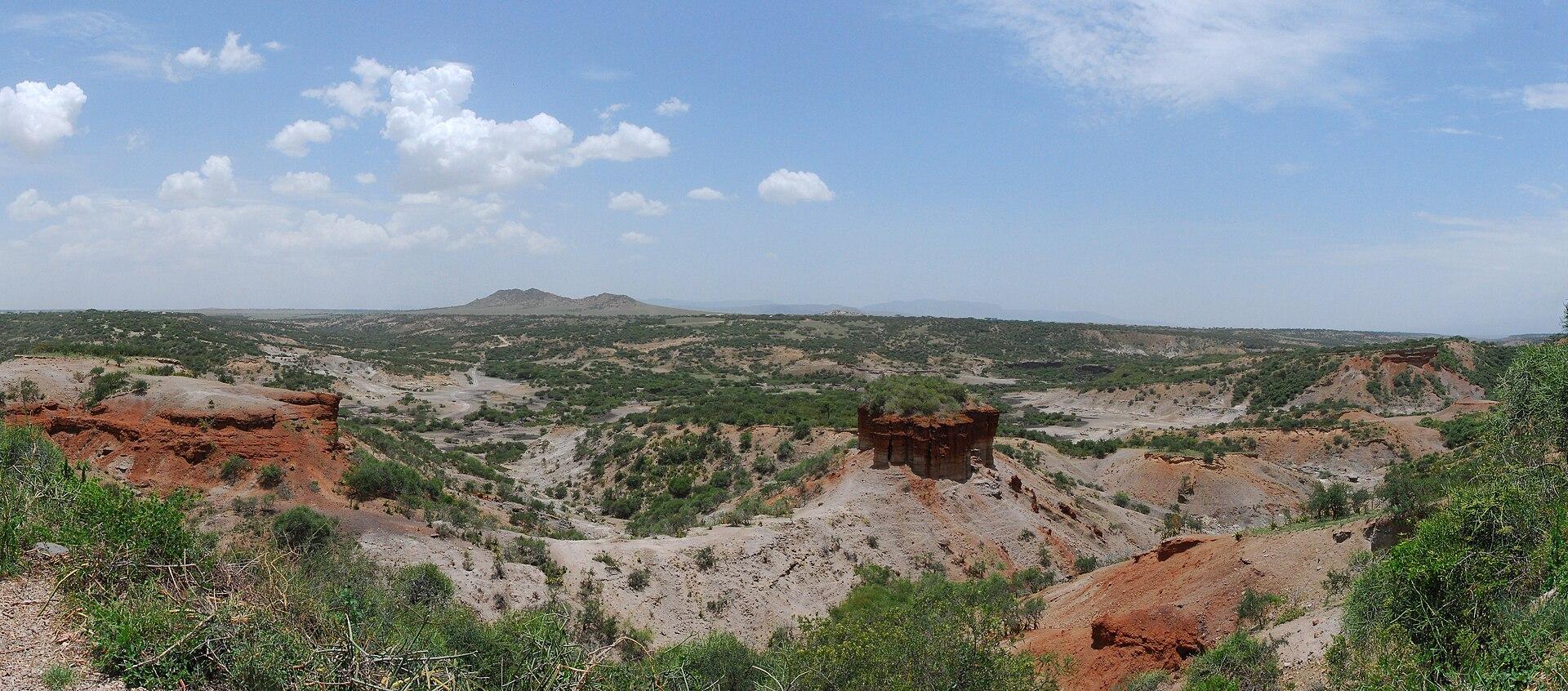
Olduvai Gorge is a steep ravine roughly 48 kilometres long, cut into the eastern Serengeti plains within the Ngorongoro Conservation Area. It is not a large feature by geological standards, but it is among the most important palaeoanthropological sites on Earth.
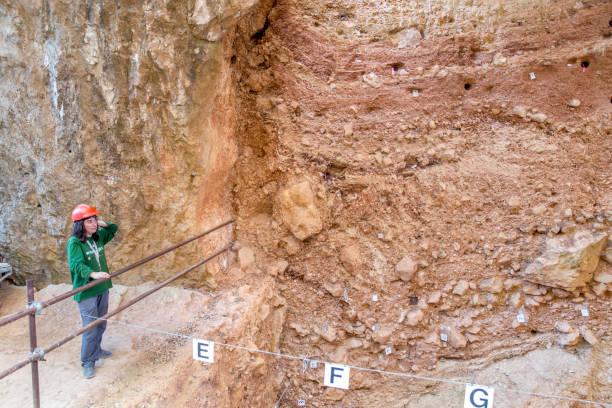
The reason is stratigraphy. The gorge slices through nearly two million years of lake and floodplain sediment in a single continuous sequence. Hominin fossils and stone tools occur through almost all of it.
Louis and Mary Leakey worked here for decades. Their finds included Paranthropus boisei in 1959 and the material that became Homo habilis in 1964. The work reshaped understanding of where and when human ancestry unfolded.
The name comes from the Maasai word oldupai, the place of the wild sisal, after the East African wild sisal that grows through the gorge. The spelling Olduvai came from an early mistranscription, and Oldupai is the form now often preferred locally.
 Photo: Kufundisha, CC BY-SA 4.0, via Wikimedia Commons
Location and Directions
The gorge lies in the Ngorongoro Conservation Area in northern Tanzania, between the Ngorongoro Crater and the Serengeti plains.
GPS: 2.9936°S, 35.3512°E.
Access is on the main road between Ngorongoro Crater and Serengeti National Park, and almost all visitors arrive as part of a northern-circuit safari. Arusha is the gateway city, about 150 kilometres east in a straight line and around 250 by road.
Entry to the Ngorongoro Conservation Area requires a permit and fees, which are paid at the gate and are separate from the museum. Fees are substantial for non-residents.
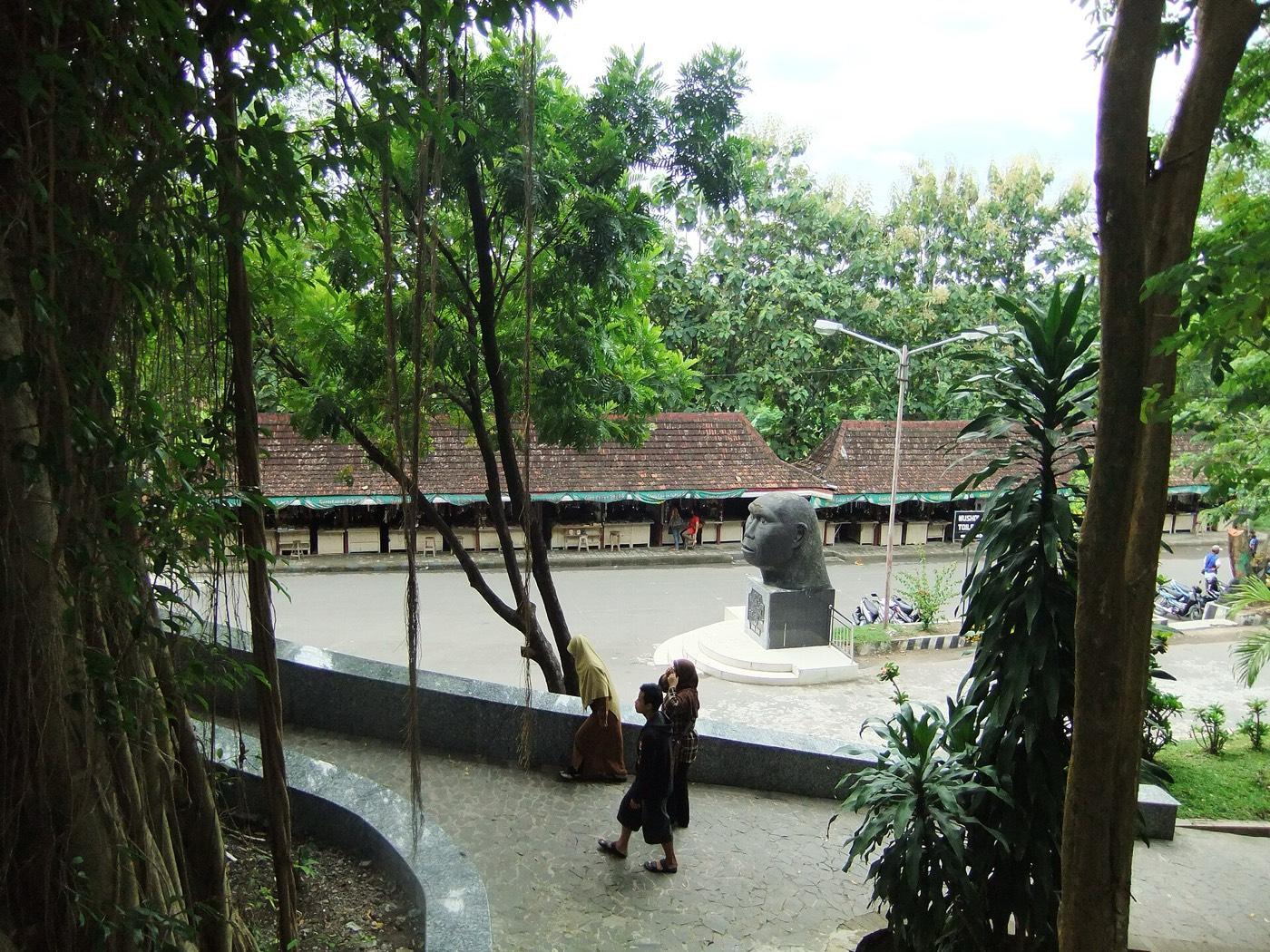
The Olduvai Gorge Museum sits on the rim, with exhibits and a viewpoint over the excavation areas. Guided talks are given on site.
Laetoli, where 3.6 million year old hominin footprints were found in volcanic ash, lies roughly 45 kilometres south. The original trackway was reburied to protect it and is not on public display, so the museum's cast is what visitors see.
 Photo: Locutus at English Wikipedia, CC BY 2.5, via Wikimedia Commons
What Fossils You'll Find
This is a viewing and interpretation site. Collecting is prohibited. The value of the visit is the sequence itself, visible in the ground.
Hominin material from the gorge includes Paranthropus boisei, Homo habilis and Homo erectus. These are museum specimens, not things encountered on a visit.
Stone tools are the most visible archaeology. The Oldowan industry, the oldest widely recognised stone tool tradition, takes its name from this gorge, and the later Acheulean handaxes also occur here.
The mammal fauna is extensive and includes extinct elephants, giant buffalo, hippos, horses and many antelope. These animals give the environmental context for the hominin record.
From the rim you can see the marker beds and tuffs that divide the sequence. Nothing demonstrates more clearly why this place became so important.
The displays are better than the gorge's remote position might suggest. Casts, reconstructions and original material are shown together.
 Photo: Gerbil, CC BY 3.0, via Wikimedia Commons
Geologic History
The gorge lies on the margin of the East African Rift. Volcanoes nearby, among them Olmoti and Kerimasi, erupted repeatedly through the Pleistocene.
Their ash falls blanketed the landscape and are the key to the whole site. Volcanic tuffs can be dated radiometrically, so the sediment between them is bracketed in time with unusual precision.
A shallow alkaline lake occupied the basin for much of the period, expanding and contracting with climate. Animals and hominins used its margins, and the lake muds buried what they left.
The Olduvai Beds are divided into Beds I through IV and younger units, spanning roughly two million years to the recent past.
Faulting and then river incision in the last few hundred thousand years cut the gorge and opened the whole sequence to view.
The Laetoli footprints to the south record something the gorge does not. A wet volcanic ash roughly 3.6 million years old preserved them. They show an upright gait well before the brain expanded. That settled a long argument about the order in which human traits appeared.
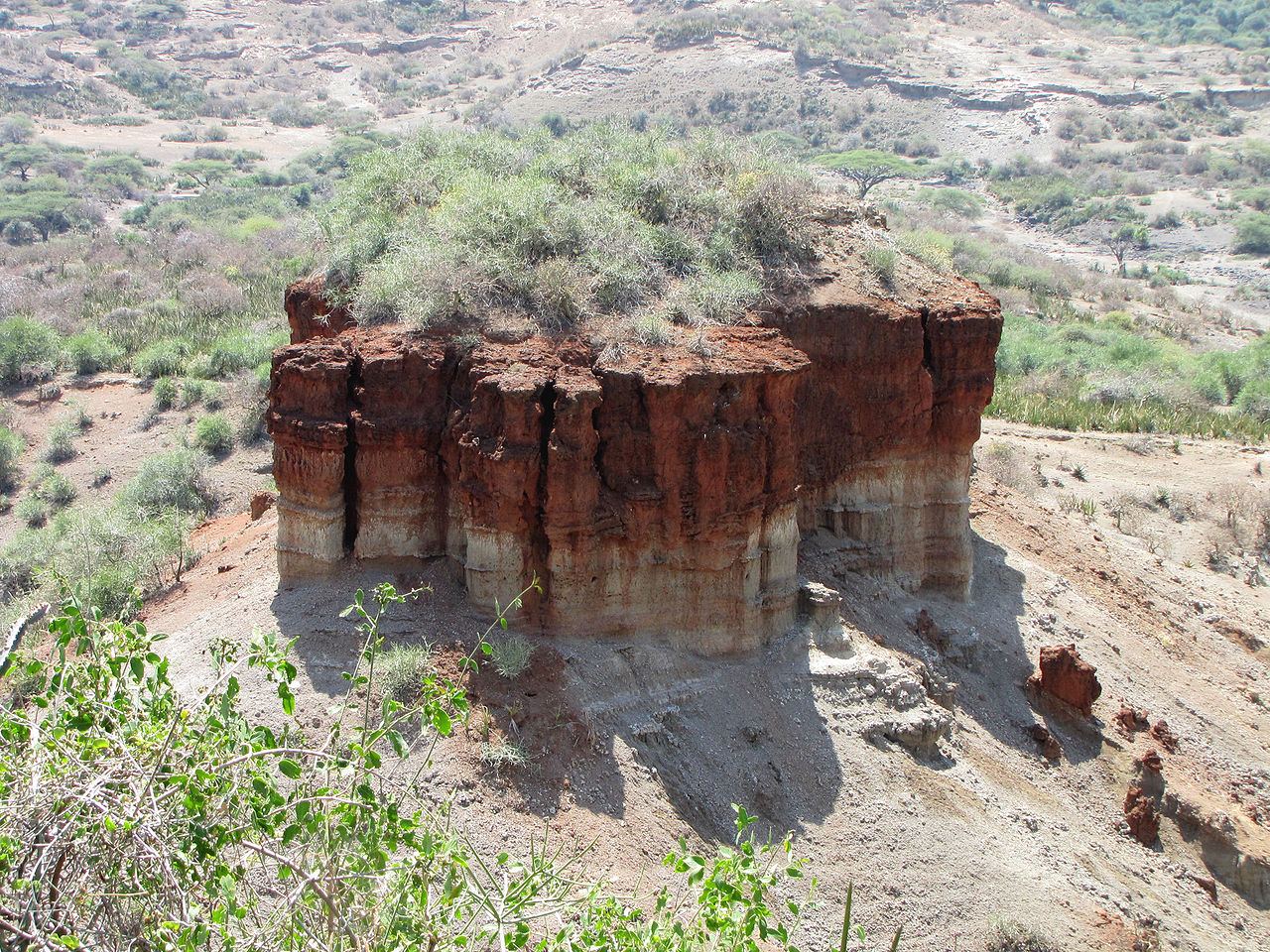 Photo: D. Gordon E. Robertson, CC BY-SA 3.0, via Wikimedia Commons
Collecting Rules and Regulations
Collect nothing here. Olduvai lies within the Ngorongoro Conservation Area, a UNESCO World Heritage Site, and Tanzanian antiquities law protects the fossils and artefacts absolutely.
Do not pick up stone tools, even ones lying loose on the surface. Their position is data, and removing them destroys it.
Visitors stay on the designated viewpoints and paths. Walking into the excavation areas is not permitted without authorisation.
Photography for personal use is normally fine. Commercial filming needs a permit.
Buying antiquities or fossil material in Tanzania is illegal and export is prosecuted.
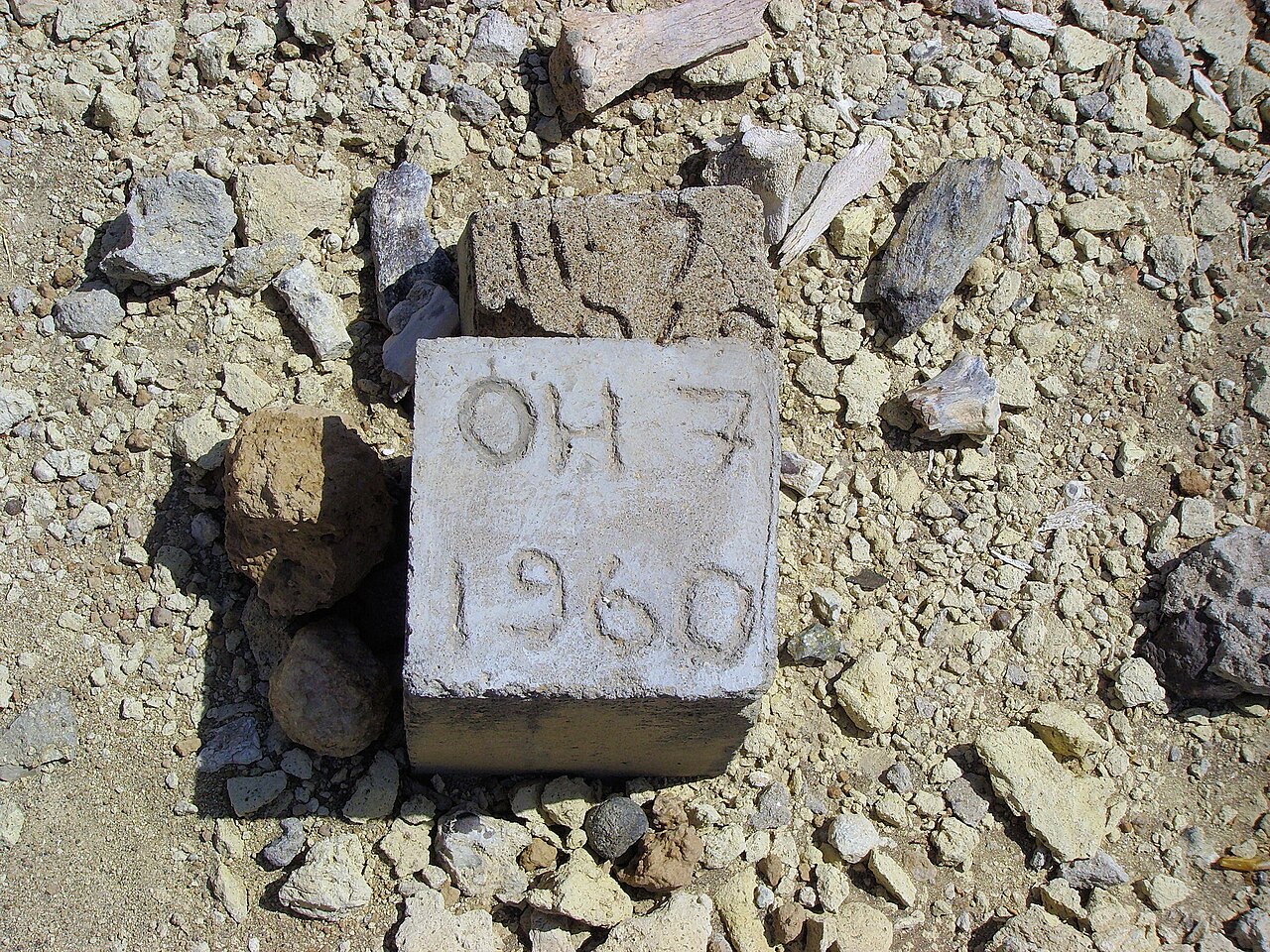 Photo: Gerbil, CC BY 3.0, via Wikimedia Commons
Safety
The Ngorongoro Conservation Area holds free-ranging wildlife, including lion, elephant and buffalo. This is not a park you walk around in on your own.
Stay with your guide and remain in the designated areas. The rules exist because the animals are genuinely dangerous.
The gorge sides are steep and loose. Do not descend outside guided routes.
Equatorial sun at around 1,500 metres altitude is intense. Sun protection and water matter.
Roads in the conservation area are rough and dusty. Journeys take longer than distances suggest.
Malaria risk exists in the wider region. Take medical advice before you travel.
 Photo: Noel Feans, CC BY 2.0, via Wikimedia Commons
Sources
https://en.wikipedia.org/wiki/Olduvai_Gorge https://www.ngorongorocrater.go.tz/ https://whc.unesco.org/en/list/39/ https://en.wikipedia.org/wiki/Laetoli