Pratts Ferry Carboniferous Fossil Site Guide
Image: IvanSakhno (CC BY 4.0)
Pratts Ferry, on the Cahaba River in Bibb County, Alabama, is a historic Carboniferous fossil locality where ancient limestones and shales preserve marine invertebrates and, in the region's coal-age rocks, fossil plants. The site is now The Nature Conservancy's Pratt's Ferry Preserve, open for daytime visits and river access but protected, so it is for viewing rather than collecting.
By Edward Chen · Published 22 June 2026
Introduction
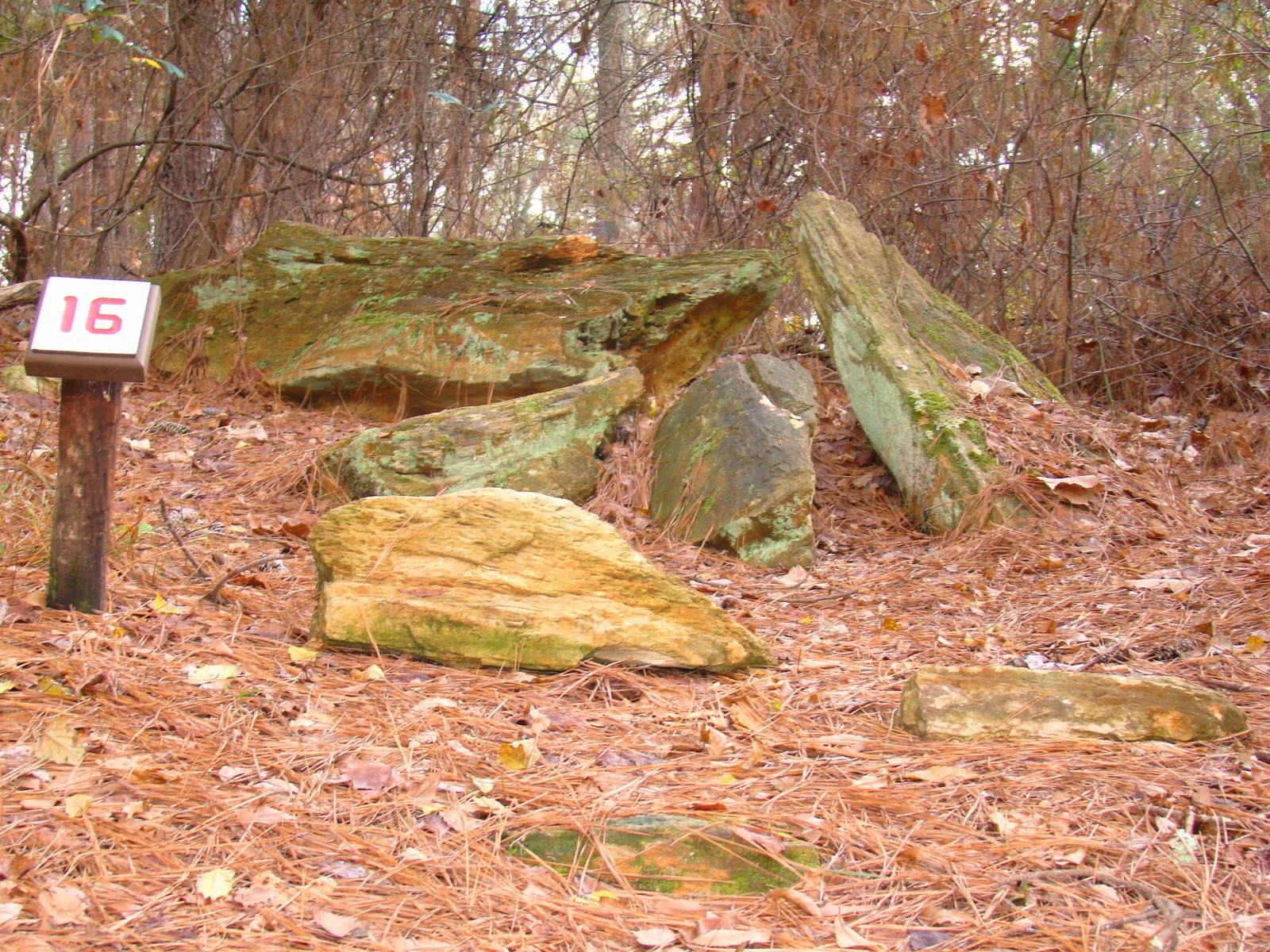
Pratts Ferry is a historic spot on the Cahaba River in Bibb County, central Alabama, where a rocky limestone slope on the south bank has long been known to geologists for its Carboniferous fossils. The river here cuts through some of Alabama's coal-age rock, and the region's Carboniferous strata preserve both marine life, in the limestones and shales laid down in shallow seas, and fossil plants, in the swampy deposits that later became the state's coal. For more than a century, students of Alabama geology have visited the Cahaba Valley to study this slice of deep time.
Today Pratts Ferry is protected as The Nature Conservancy's Pratt's Ferry Preserve, part of the larger effort to conserve the famously biodiverse Cahaba River. The preserve is open to the public during daylight hours and is a popular canoe and kayak access point, but as a protected natural area it is a place to look at the rock and the river rather than to dig and collect.
Location and Directions
Pratt's Ferry Preserve sits on the Cahaba River in Bibb County, near 33.07°N, 86.98°W, southeast of the Centreville and West Blocton area. The historic ferry crossing dates to the 1800s, and the modern access is owned and operated by The Nature Conservancy of Alabama as a put-in and take-out for paddlers on the Cahaba.
The preserve is reached by local roads off the main highways through Bibb County. Check The Nature Conservancy's site for current directions and any access notes. It is open during daylight hours only. Wear sturdy shoes for the rocky riverbank, bring water and sun protection, and treat the area as a sensitive natural preserve, staying on established access points and out of the water hazards. Because this is a conservation site, plan to observe and photograph the geology rather than to collect.
What Fossils You'll Find
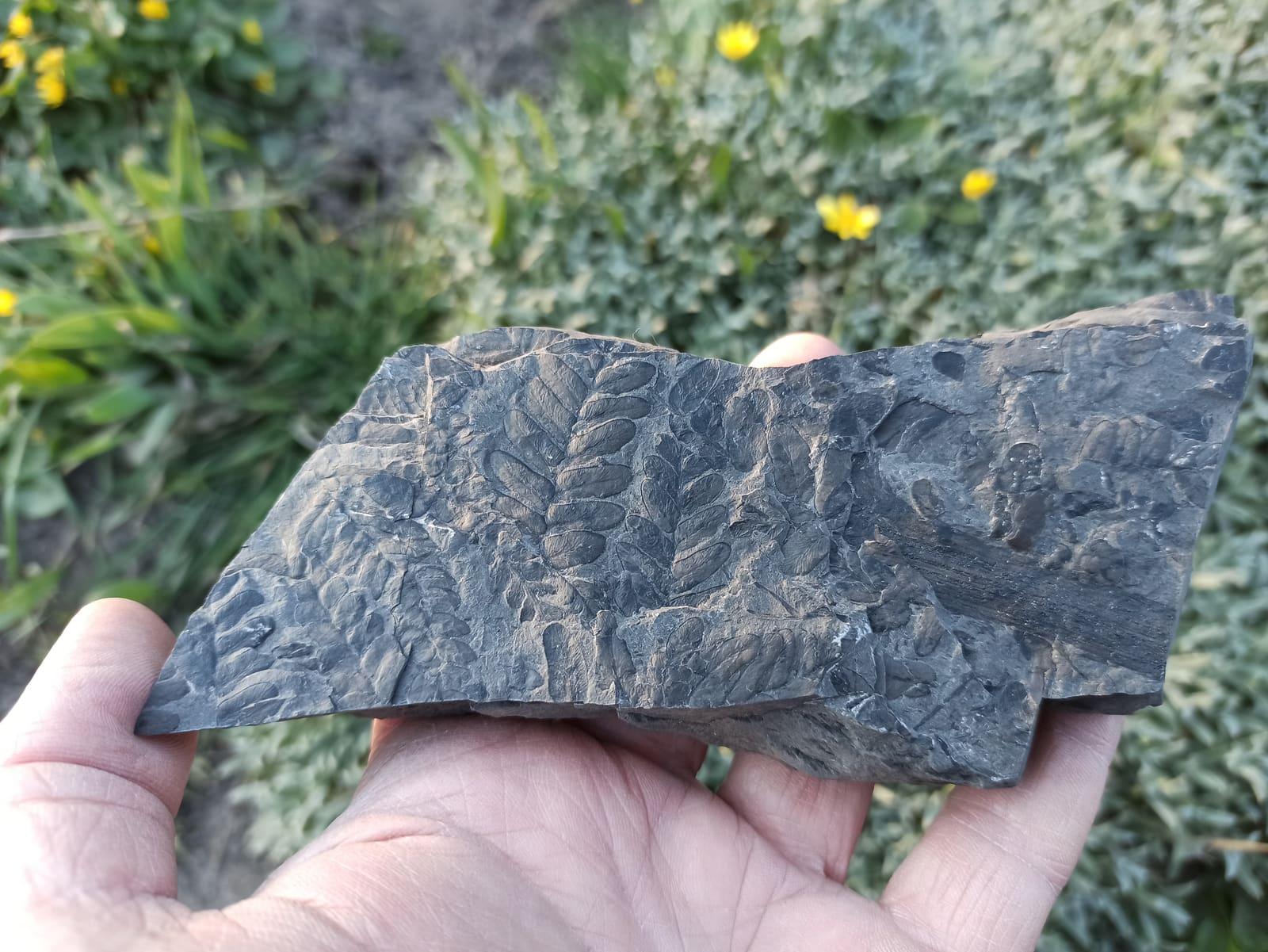
The Carboniferous rocks of the Cahaba Valley and Bibb County preserve two very different kinds of fossil. The Mississippian limestones and shales, including the limestone exposed at Pratts Ferry, formed in shallow seas and contain marine invertebrates typical of Alabama's Mississippian: crinoids (sea lilies) and their stem segments, brachiopods, bryozoans, corals, and blastoids. The younger Pennsylvanian rocks of the region, the coal-bearing Pottsville Formation, preserve fossil plants in great detail, including the bark impressions of giant club mosses such as Lepidodendron, fern-like foliage, and other plants of the Carboniferous coal swamps.
At the Pratts Ferry preserve itself, these fossils are features of the rock to be observed in place. The marine fossils appear on weathered limestone surfaces along the riverbank, while the classic plant fossils of the region are best known from coal-age exposures and museum collections elsewhere in Bibb County and the Black Warrior Basin.
Geologic History
During the Carboniferous Period, roughly 340 to 320 million years ago, Alabama lay near the equator on the margin of a shallow tropical sea. In the earlier Mississippian, clear, warm seas covered the region and built up thick limestones full of crinoids, brachiopods, corals, and other marine life, the rocks now exposed along the Cahaba at Pratts Ferry. As the Carboniferous went on, the shoreline shifted and vast coastal swamps spread across the area in the Pennsylvanian, burying lush forests of club mosses, horsetails, and early ferns whose remains became the coal and plant fossils of the Pottsville Formation.
Later mountain-building during the assembly of the supercontinent Pangaea folded and faulted these rocks along the edge of the Appalachians, and long erosion has since exposed them in the river valleys of central Alabama. The Cahaba River continues to cut through the Carboniferous section, keeping the fossil-bearing rock exposed along its banks.
Collecting Rules and Regulations
Collecting is not appropriate at Pratt's Ferry Preserve. The site is a protected natural area owned and managed by The Nature Conservancy, established to conserve the Cahaba River and its exceptional biodiversity, so removing rocks, fossils, plants, or other natural materials is not allowed. Treat the geology as something to observe and photograph in place, stay on the established access points, and follow all posted rules and daylight-hours access. Anyone wishing to collect Carboniferous fossils in Bibb County should instead seek out exposures on private land with the owner's permission, or join an Alabama paleontological society outing, and should never collect within a preserve or other protected area. If you find anything unusual, leave it in place and report it to a museum or the Geological Survey of Alabama.
Safety
The riverbank at Pratts Ferry is rocky and uneven, and the limestone is slick when wet, so wear shoes with good grip and watch your footing. The Cahaba River can have strong currents and deep, cold water, so stay back from the edge, supervise children closely, and do not wade or swim in hazardous spots. Summers are hot and humid. Carry water and sun protection. Watch for venomous snakes, ticks, chiggers, and poison ivy along the bank and trails. Because the river level can change, check conditions before any paddling, and visit only during the preserve's daylight hours.
Sources
https://www.nature.org/en-us/get-involved/how-to-help/places-we-protect/pratts-ferry-cahaba-river/ https://www.cahabablueway.org/pratts-ferry/ https://en.wikipedia.org/wiki/Paleontology_in_Alabama https://encyclopediaofalabama.org/article/fossils/