Canadian Fossil Discovery Centre Fossil Hunting Guide
Image: Mike Beauregard (CC BY 2.0)
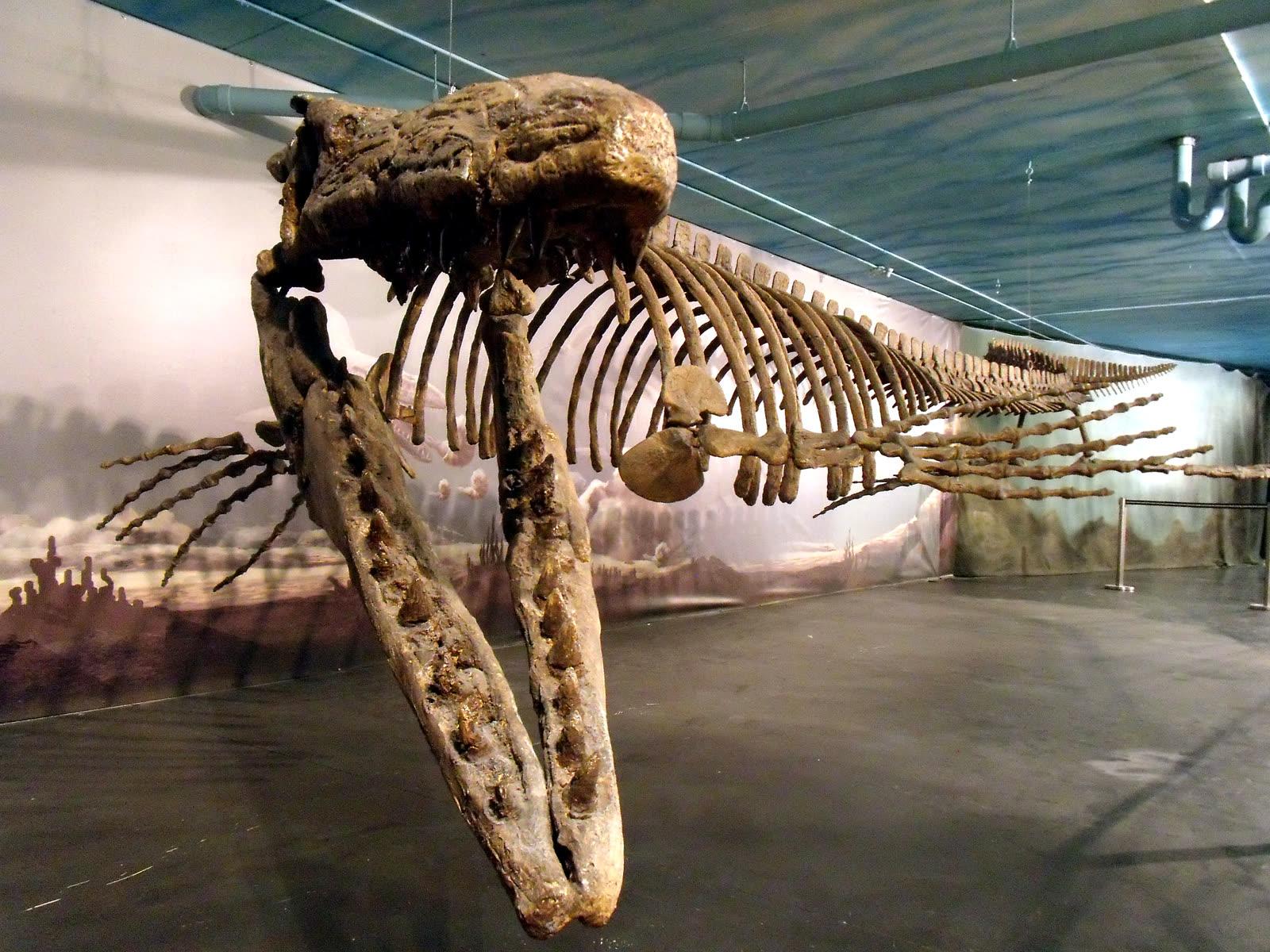
The Canadian Fossil Discovery Centre in Morden, Manitoba, displays Bruce, a 13 meter Tylosaurus pembinensis and the largest mosasaur on public display. It runs paid dig tours into Late Cretaceous Pierre Shale on the Manitoba Escarpment. Participants do not keep fossils, because Manitoba law reserves that right for permit holders.
By Edward Chen · Published 1 October 2026
 Photo: Shahnoor Habib Munmun, CC BY 3.0, via Wikimedia Commons
.JPG)
Introduction
The Canadian Fossil Discovery Centre in Morden, Manitoba, houses Bruce. Bruce is a 13 meter Tylosaurus pembinensis and holds the Guinness record for the largest mosasaur on public display. The Centre also runs paid dig tours into Late Cretaceous shale on the Manitoba Escarpment. Participants do not keep what they find.
The museum holds the largest collection of marine reptile fossils in Canada. The collections room holds more than 10,000 specimens. Visitors see animals that lived in the Western Interior Seaway about 80 million years ago.
Two kinds of visit exist. The museum visit takes about 90 minutes and costs $10.75 for an adult. The dig tour lasts eight hours and costs $200 plus GST for one person. You work with the research team, but the Centre keeps the fossils.
Location and Directions
The Centre is at 111-B Gilmour Street in Morden, on the lower level of the Access Event Centre. Morden lies about one hour and 20 minutes by road from the Winnipeg perimeter, by Highway 3. In Morden, turn north on the second street off Thornhill Street. That road leads to the Morden Community Centre.
Park in the Access Event Centre lot. Inside the building, follow the bird footprints on the floor to the museum desk. Dig tour guests meet at the same Museum Admission Desk at 9:00 am.
Museum hours are 10:00 am to 5:00 pm Monday to Friday. On weekends and statutory holidays the museum opens at noon and closes at 5:00 pm. Hours change on some holidays. The museum is closed on 30 September, Remembrance Day, 24 to 26 December, 31 December and 1 January.
Admission plus tax is $10.75 for adults and $7.75 for students aged 5 to 17 and college or university students. Children aged 4 and under enter free. A family pays $20.75. Seniors and military personnel with ID receive a 10 percent discount. Guided museum tours cost extra.
The dig sites are on private farmland. You cannot go to them on your own. Dig guests ride in Centre vehicles from the museum to the land.
Dig tours run on weekdays. The 2026 schedule ran from 1 June to 29 September. The Centre had not posted 2027 dates on the page used for this guide. One person pays $200 plus 5 percent GST, a total of $210. Two people pay $360 plus GST, and a group of ten pays $1,400 plus GST. The fee includes transport, lunch and training.
What Fossils You'll Find
 Photo: Shahnoor Habib Munmun, CC BY 3.0, via Wikimedia Commons
.JPG)
Bruce is the centerpiece. Bentonite miners found him in 1974, north of Thornhill and about 10 km west of Morden. Crews needed two field seasons to excavate him. They recovered 65 to 70 percent of the original bones.
The skeleton on display is part cast. The Centre made casts of the skull bones and carved a complete skull. Its staff restored missing vertebral parts in clay.
The galleries show other animals from the Pierre Shale. They include plesiosaurs such as Dolichorhynchops, the large squid Tusoteuthis longa and the flightless diving bird Hesperornis lumgairi. Wikipedia reports the bird from the Pembina Member of Manitoba.
On a dig tour, you work to expose and collect marine vertebrate fossils from an active excavation. The Centre states that the fossils are 83 million years old. You learn field techniques, work with the research team and see the lab afterward.
You do not take any specimen home. The Centre keeps every fossil.
Geologic History
The fossils come from the Pembina Member of the Pierre Shale. The Pembina and Millwood members crop out along the Manitoba Escarpment in the Red River Valley. The shale is Campanian, in the Late Cretaceous. The Centre dates Bruce to about 80 million years ago and its dig fossils to 83 million years ago.
During the Late Cretaceous, the Western Interior Seaway split North America in two. It ran from the Arctic Ocean to the Gulf of Mexico. Manitoba lay under a deep sea. Mud settled on the sea floor and later turned to shale. Bentonite beds in the shale come from volcanic ash.
The seaway was salt water. The Centre points out that the fossils do not come from glacial Lake Agassiz, a freshwater lake that covered southern Manitoba only 12,000 years ago.
Bruce hunted in this sea. He belonged to the tylosaurs, the largest group of mosasaurs. The Centre says he ate plesiosaurs and ammonites.
Collecting Rules and Regulations
You cannot keep any fossil. The Centre states that Manitoba requires a Heritage Permit for legal collection of vertebrate fossils, and that only organizations with that permit may collect. The Centre is an annual permit holder. Dig tour participants work under that permit, and the Centre keeps the fossils.
If you find a fossil on your own, leave it in the ground. Remember exactly where it is. The location and nearby fossils give researchers vital data.
You cannot visit the dig sites without a guide, because they are on private property. Many owners are local farmers who allow the Centre access.
To book a dig, complete the registration form and a waiver. Send the forms to info@discoverfossils.com or deliver them to the Centre. You can reserve a place by telephone at 204-822-3406. Book and pay at least one week ahead. The Centre does not refund late arrivals.
Safety
The dig day is long and physical. The Centre says you need to sit on rough ground for long periods in the sun. You need to walk up to 2 km. The tour is not accessible for wheelchairs or strollers.
Dress for sun and wind. The tour runs in most weather, including light rain and hot weather. The Centre cancels only for extreme weather such as severe heat or heavy rain. It tells guests by the evening before. If you hear nothing, arrive as scheduled.
The dig day runs from 9:00 am to about 5:00 pm. Lunch is at the field station. Children aged 12 and under need a paying adult, and each adult may bring two youths at most.
Pack water, sun protection and sturdy footwear. Stay with your guide on the private land.
Sources
https://discoverfossils.com/fossil-dig-adventure-tours/ https://discoverfossils.com/faq/ https://discoverfossils.com/meet-bruce/ https://discoverfossils.com/hours-admission/ https://discoverfossils.com https://en.wikipedia.org/wiki/Canadian_Fossil_Discovery_Centre https://en.wikipedia.org/wiki/Pierre_Shale
Nearby sites
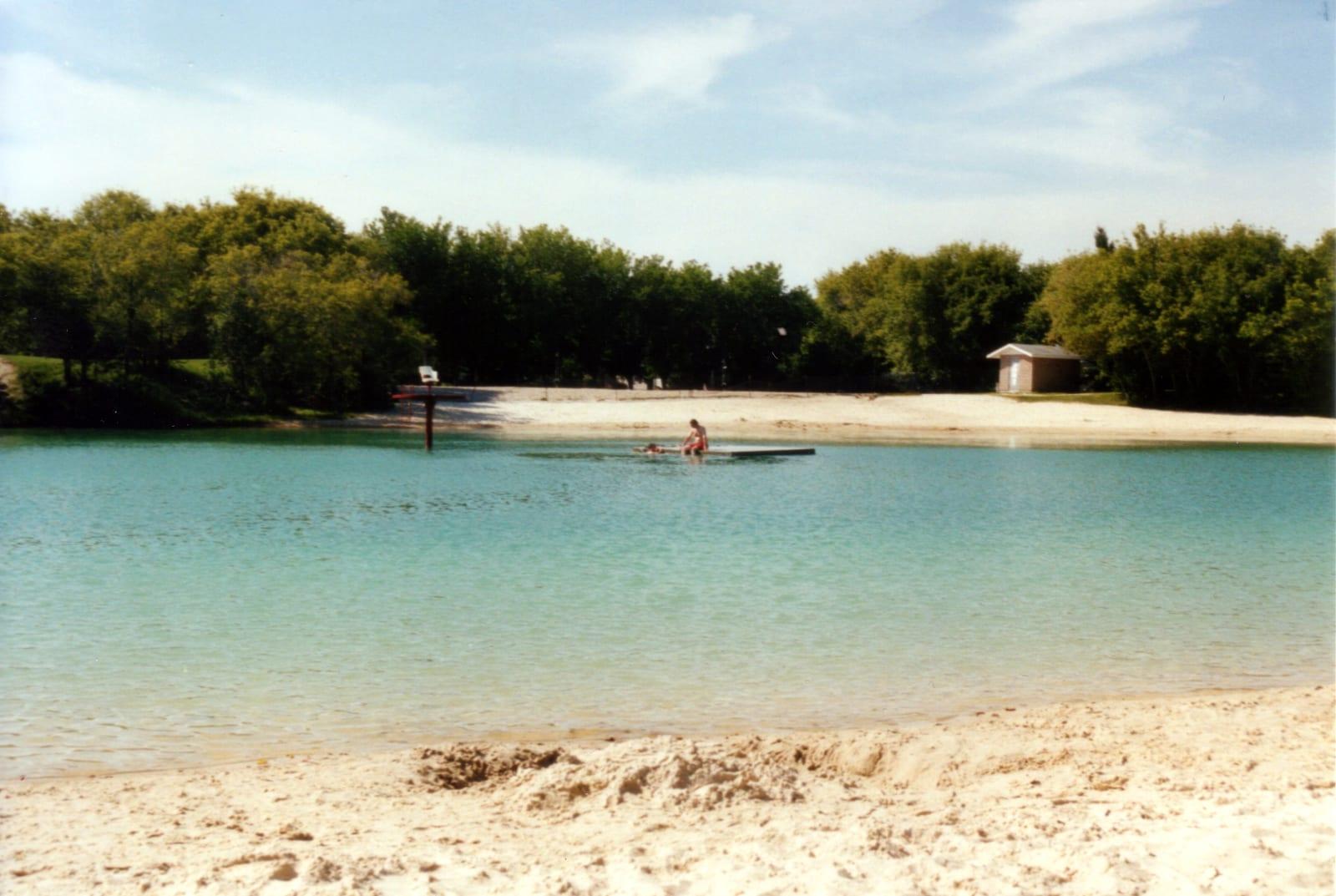 Stonewall Quarry Park Manitoba Fossil Hunting GuideCephalopods, Brachiopods
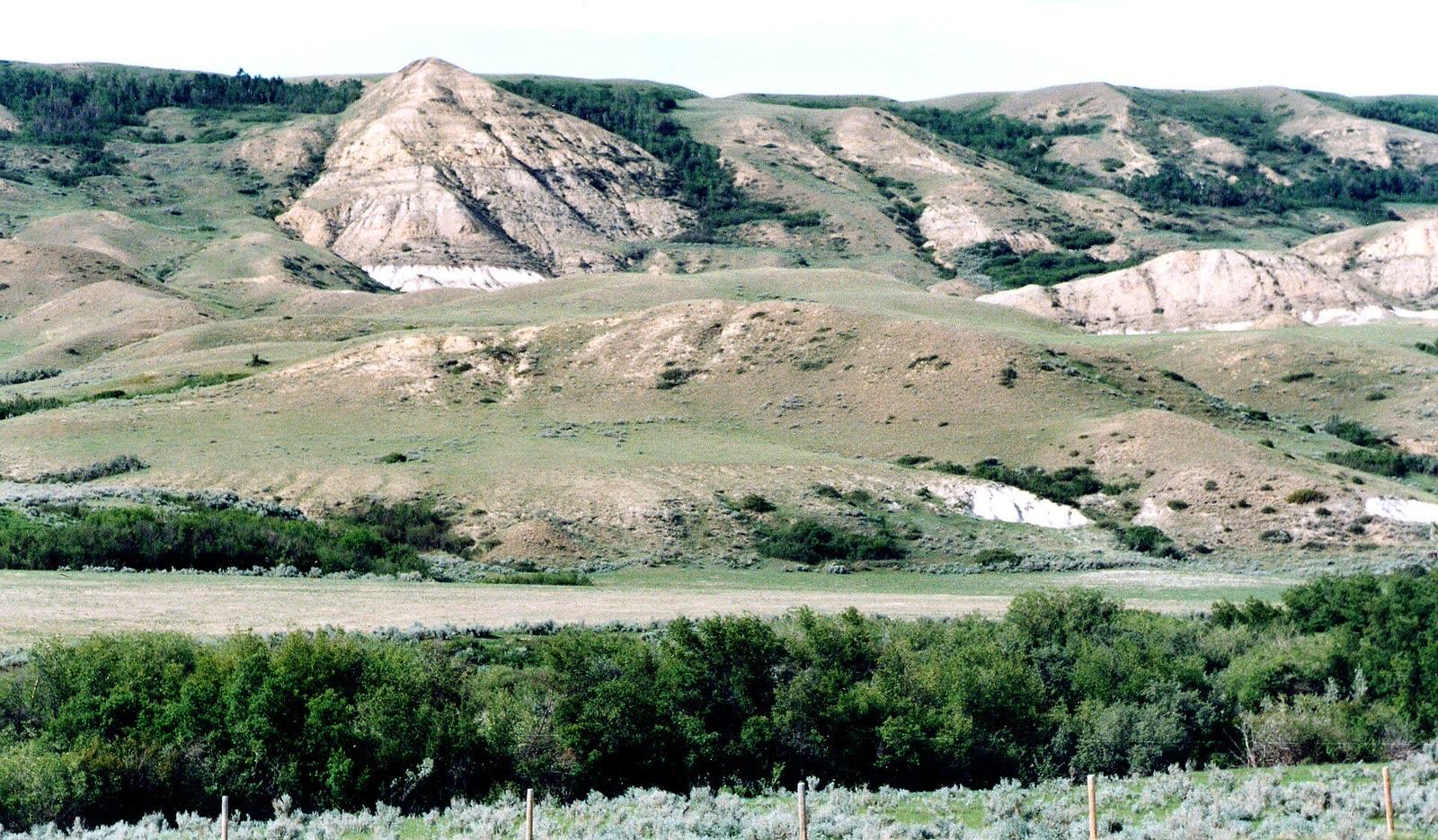 T.rex Discovery Centre, Eastend Fossil Hunting GuideDinosaurs, Tyrannosaurs
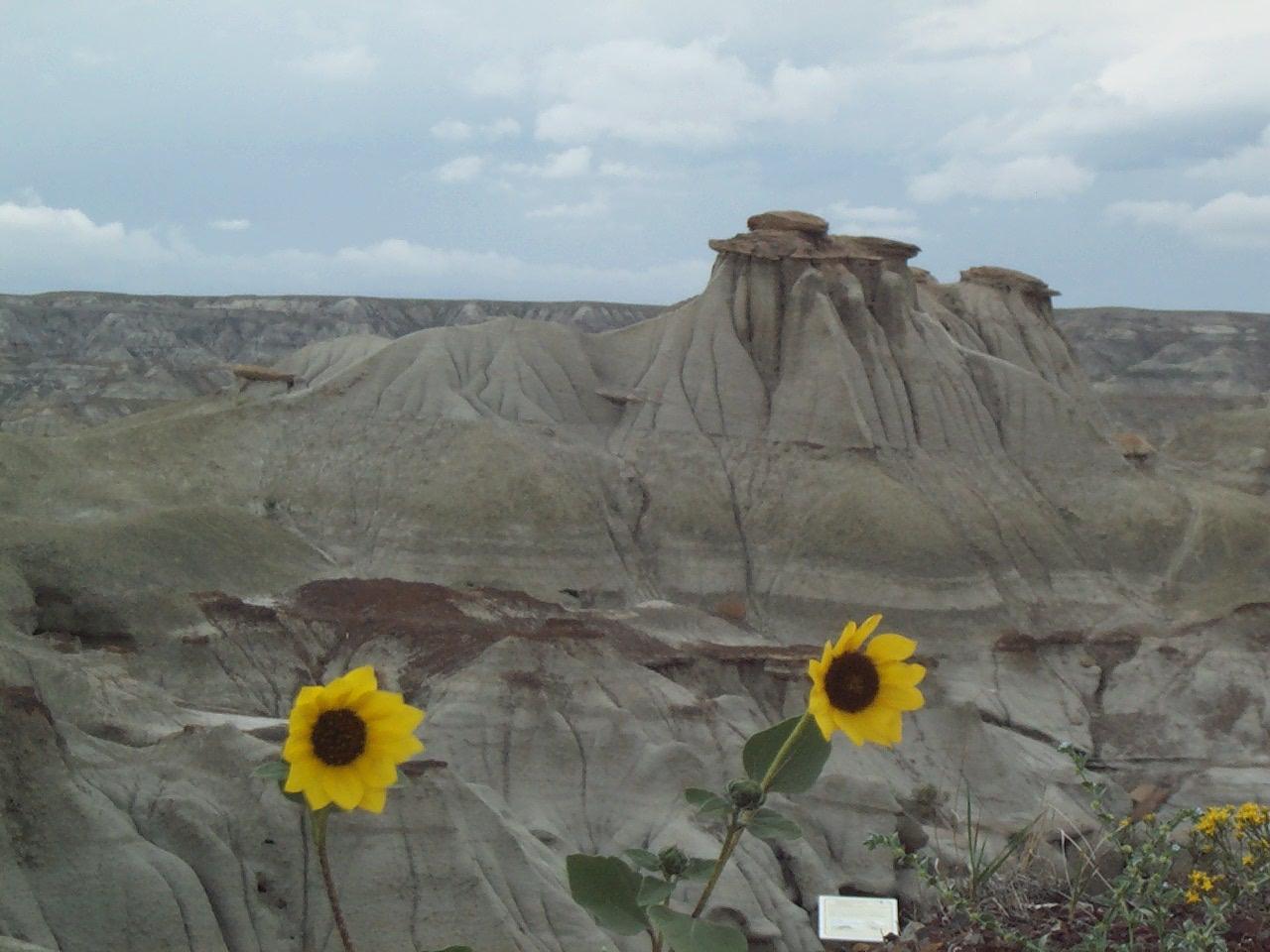 Dinosaur Provincial Park Fossil Hunting GuideHadrosaurs, Ceratopsians
 Devil's Coulee Dinosaur Heritage Museum Fossil Hunting GuideDinosaur eggs, Eggshell