Country
Fossil hunting in Canada
Canada holds five UNESCO World Heritage fossil sites, more than almost any other country, plus two UNESCO Global Geoparks and a string of provincial and municipal heritage parks that together cover almost every period from the Ediacaran of Newfoundland to the late Cretaceous of Alberta. Most are protected. Collecting is restricted to permit-holders at the marquee sites.
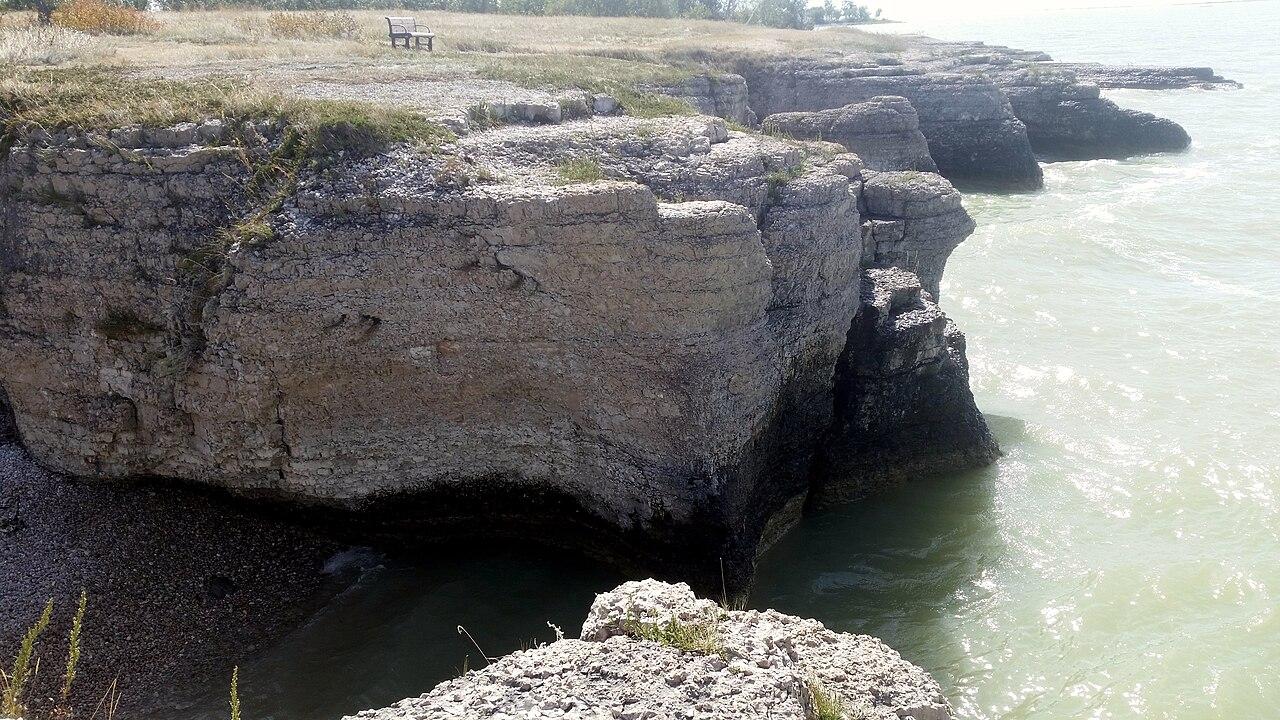
Canadian fossil-protection law operates at three levels. National-park sites (Burgess Shale, Miguasha's Parks Canada twin listing) are protected under the Canada National Parks Act. Collecting and removal are federal offences. Provincial sites are protected by provincial statute: Alberta's Historical Resources Act, Nova Scotia's Special Places Protection Act, Quebec's Loi sur le patrimoine culturel, Manitoba's Heritage Resources Act, and Newfoundland and Labrador's Wilderness and Ecological Reserves Act all make unauthorised fossil removal illegal at the marquee sites. The two UNESCO Global Geoparks (Stonehammer in New Brunswick, Tumbler Ridge in British Columbia) work in partnership with provincial and municipal authorities to maintain the same protection model.
There are exceptions. Joggins beach in Nova Scotia is free to walk year-round outside the cliff face. Only collection requires a Heritage Research Permit. Rock Glen Conservation Area in Ontario operates a one-fossil-per-visitor surface souvenir policy under conservation-authority management. The municipal Stonewall Quarry Park in Manitoba treats fossils as part of a heritage-interpretation experience rather than a collecting target.
Plan around the season. Burgess Shale and Dinosaur Provincial Park guided programmes run roughly July through September. Reservations open in mid-February (Burgess) or late January (DPP) and the marquee hikes sell out within hours of opening. Joggins beach access is tide-dependent (the Bay of Fundy has the world's highest tides) and the Joggins Fossil Centre operates roughly May through November. Mistaken Point tours run mid-May to mid-October weather permitting. Miguasha runs early June to mid-October. The Manitoba and Ontario sites operate year-round but the post-snowmelt window in May and early June produces the freshest fossil exposures at Rock Glen.
22 fossil sites
Updated 1 October 2026
Top fossil hunting sites in Canada
Nine sites cover the marquee Canadian record: five UNESCO World Heritage Sites, two UNESCO Global Geoparks, an Ontario conservation area with a souvenir-collecting policy, and a Manitoba municipal heritage park inside an old lime quarry.
- Burgess Shale, Yoho National Park (BC) — The Walcott Quarry and Mount Stephen Trilobite Beds are accessible only via Parks Canada-licensed guided hikes operated by the Burgess Shale Geoscience Foundation. The site is inscribed within the Canadian Rocky Mountain Parks UNESCO World Heritage property. (UNESCO ref 304)
- Dinosaur Provincial Park (Alberta) — More than 50 dinosaur species and 500 skeletons have been recovered from the Dinosaur Park Formation badlands. UNESCO inscribed the park in 1979 and most of the property is a Natural Preserve accessible only on Alberta Parks guided programmes. (UNESCO ref 71)
- Joggins Fossil Cliffs (Nova Scotia) — Joggins is what UNESCO calls 'the iconic site of the world's Coal Age', with upright lycopsid trunks, the earliest known reptile Hylonomus lyelli, and 15 km of continuous Pennsylvanian section exposed by the world's highest tides. (UNESCO ref 1285)
- Miguasha National Park (Quebec) — Miguasha is the only Devonian site on the UNESCO World Heritage List and preserves the world's best-known record of the Late Devonian sarcopterygian fish that gave rise to the first four-legged tetrapods. (UNESCO ref 686)
- Mistaken Point Ecological Reserve (Newfoundland and Labrador) — Mistaken Point preserves more than 10,000 catalogued Ediacaran body fossils on a single bedding plane dated to about 565 million years ago. The reserve is accessible by booked guided tour only, free of charge. (UNESCO ref 1497)
- Stonehammer UNESCO Global Geopark (New Brunswick) — The first UNESCO Global Geopark in North America, covering 2,500 km² around Saint John with more than 60 geosites tracing a billion-year rock record from Precambrian stromatolites through Carboniferous tetrapod trackways. (UNESCO Global Geoparks)
- Tumbler Ridge UNESCO Global Geopark (BC) — Tumbler Ridge protects Cretaceous dinosaur trackways including the only documented tyrannosaurid footprints. The Tumbler Ridge Museum runs guided trackway tours. (UNESCO Global Geoparks)
- Rock Glen Conservation Area (Ontario) — A small conservation area near Arkona where the Ausable River cuts a canyon through the Middle Devonian Widder Formation. The Ausable Bayfield Conservation Authority allows hand-picked surface souvenir collecting (one fossil per visitor, no tools). (Ausable Bayfield CA)
- Stonewall Quarry Park (Manitoba) — A municipal heritage park in the worked-out Winnipeg Supply and Fuel lime quarry north of Winnipeg. The Town of Stonewall's heritage walk identifies cephalopods, brachiopods, trilobites, crinoids, corals and gastropods in the uppermost-Ordovician Stonewall Formation visible in the Red Pit walls. (Town of Stonewall)
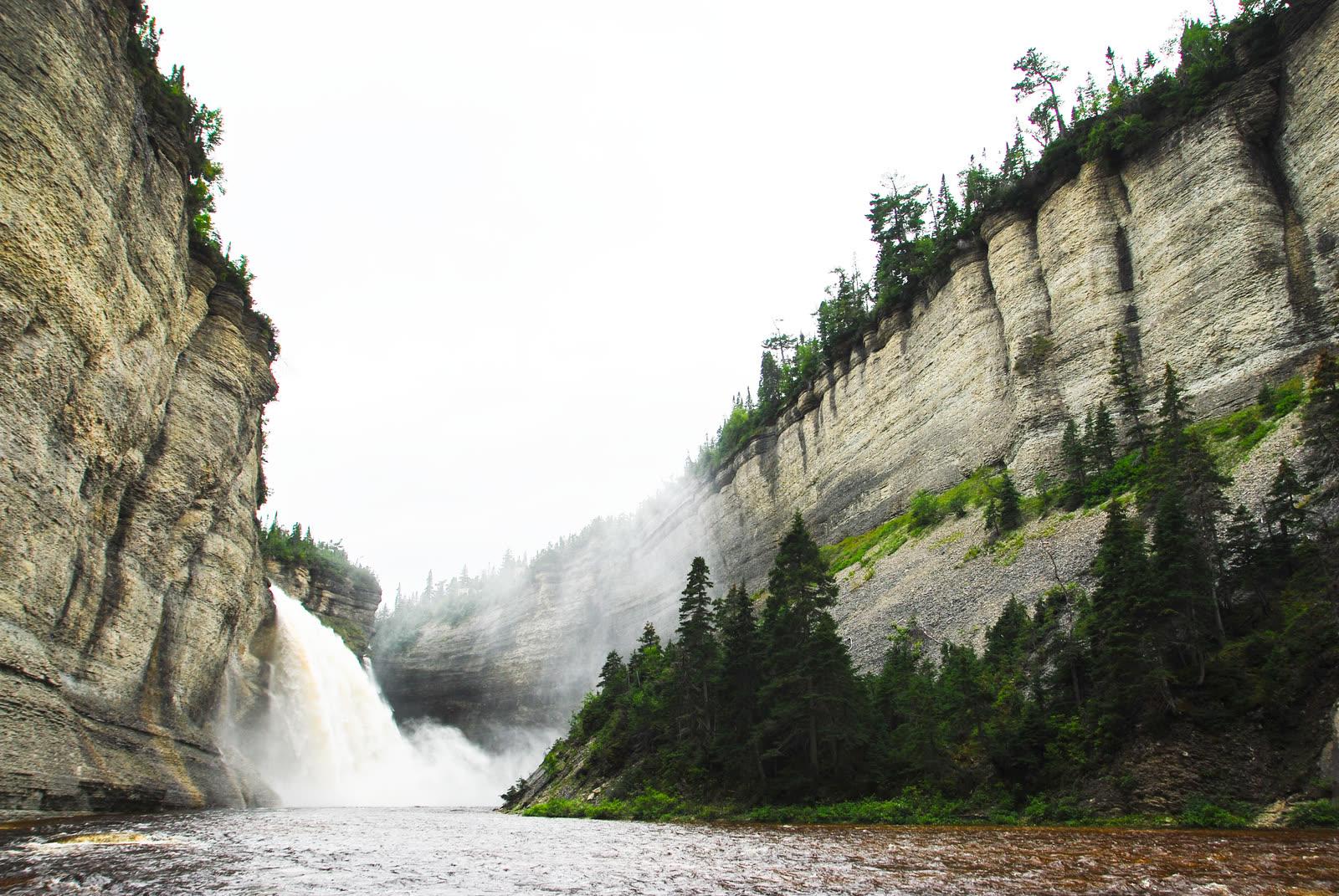
Anticosti Island Fossil Hunting Guide
Quebec, Canada
Corals, Brachiopods, Gastropods, Graptolites
Arisaig Provincial Park Fossil Hunting Guide
Nova Scotia, Canada
Brachiopods, Trilobites, Crinoids, Gastropods
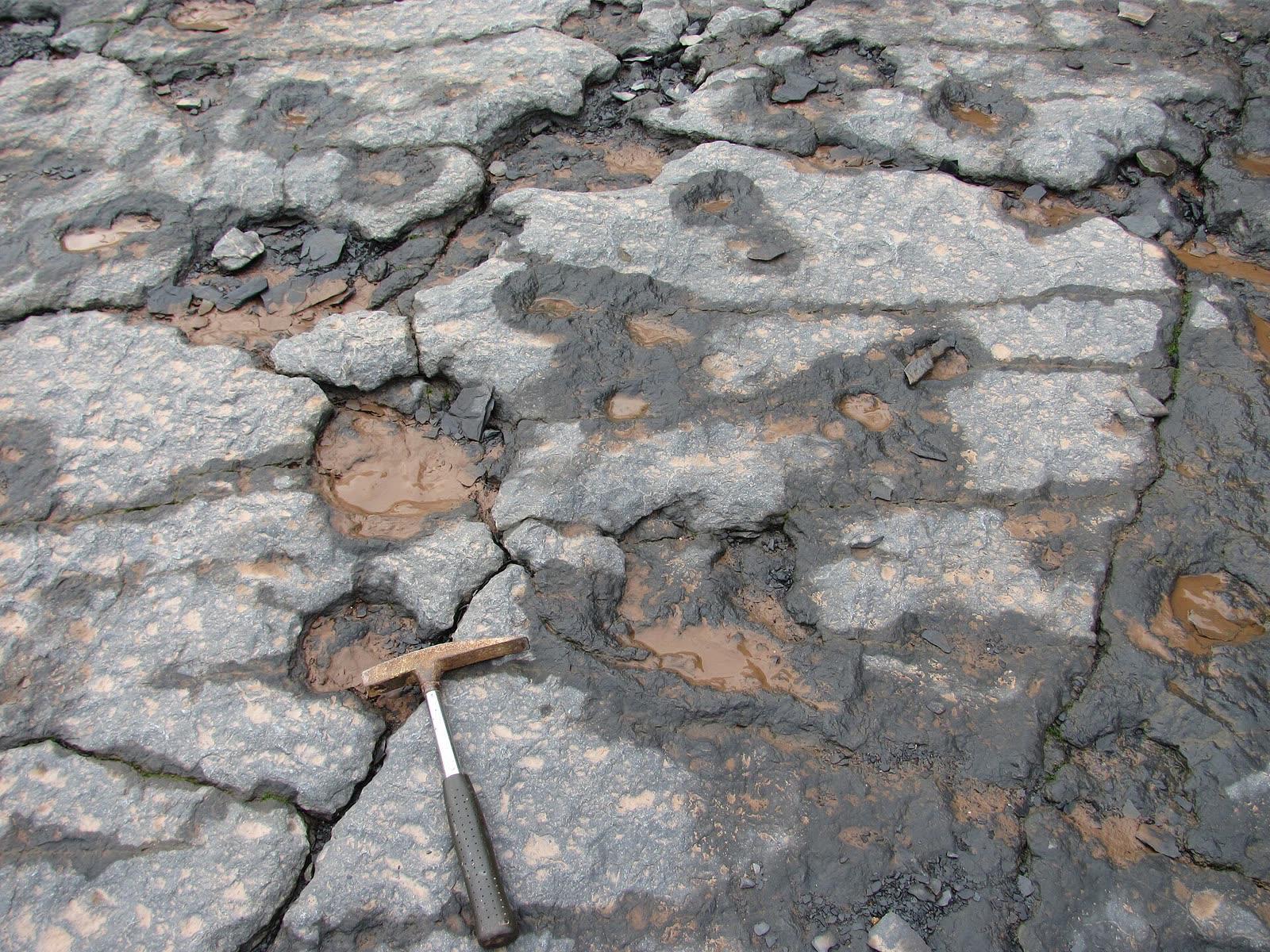
Blue Beach, Avonport Fossil Hunting Guide
Nova Scotia, Canada
Early tetrapods, Tetrapod trackways, Fish, Plants
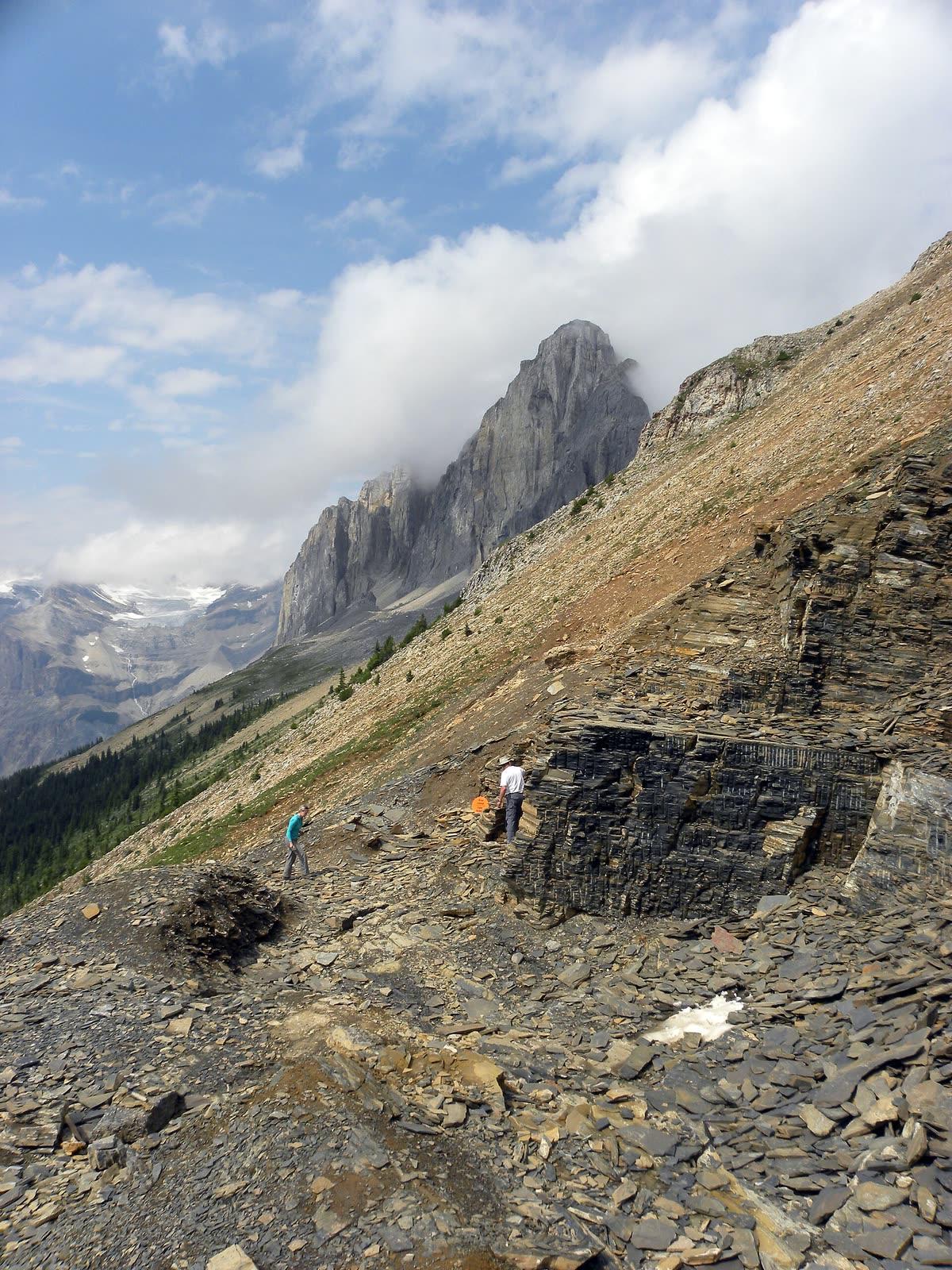
Burgess Shale Fossil Hike Guide
British Columbia, Canada
Trilobites, Anomalocaris, Marrella, Opabinia
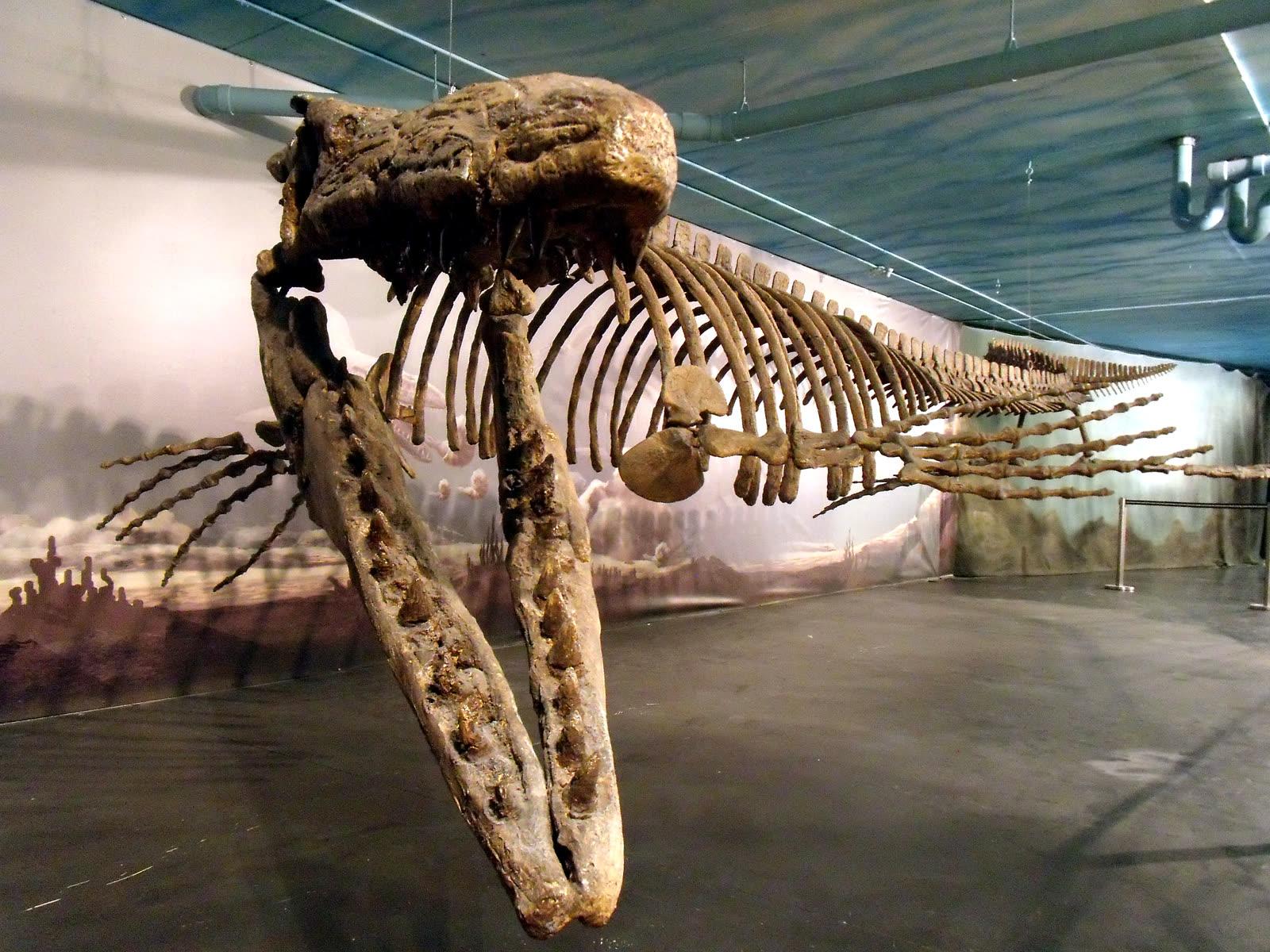
Canadian Fossil Discovery Centre Fossil Hunting Guide
Manitoba, Canada
Mosasaurs, Plesiosaurs, Marine reptiles, Marine birds
Devil's Coulee Dinosaur Heritage Museum Fossil Hunting Guide
Alberta, Canada
Dinosaur eggs, Eggshell, Hadrosaurs, Theropods
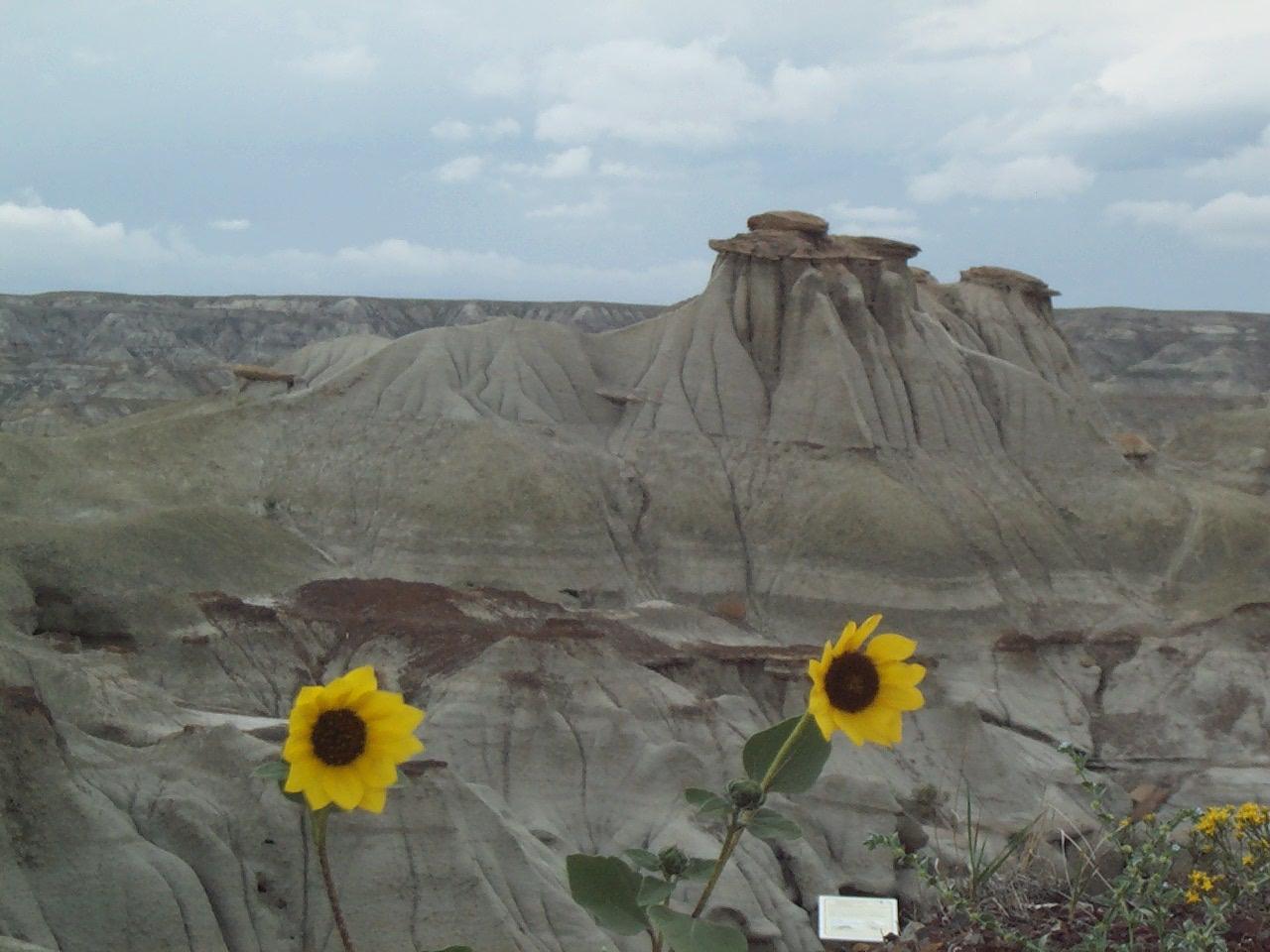
Dinosaur Provincial Park Fossil Hunting Guide
Alberta, Canada
Hadrosaurs, Ceratopsians, Tyrannosaurs, Ankylosaurs
Driftwood Canyon Provincial Park Fossil Hunting Guide
British Columbia, Canada
Fish, Insects, Plants, Leaves
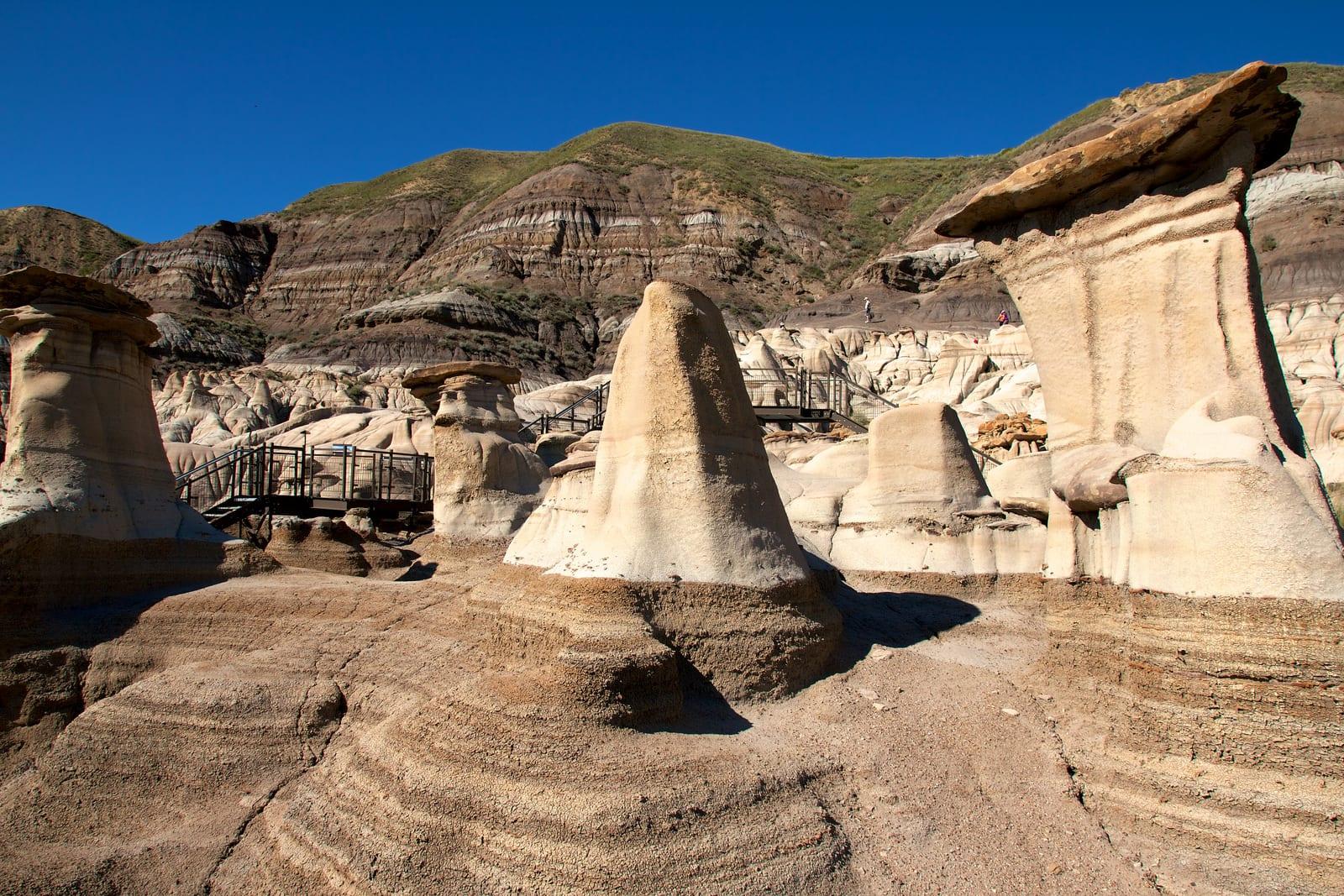
Drumheller Hoodoos Fossil Hunting Guide
Alberta, Canada
Hadrosaur bone, Dinosaur tooth fragments, Fossil plants, Fossil wood
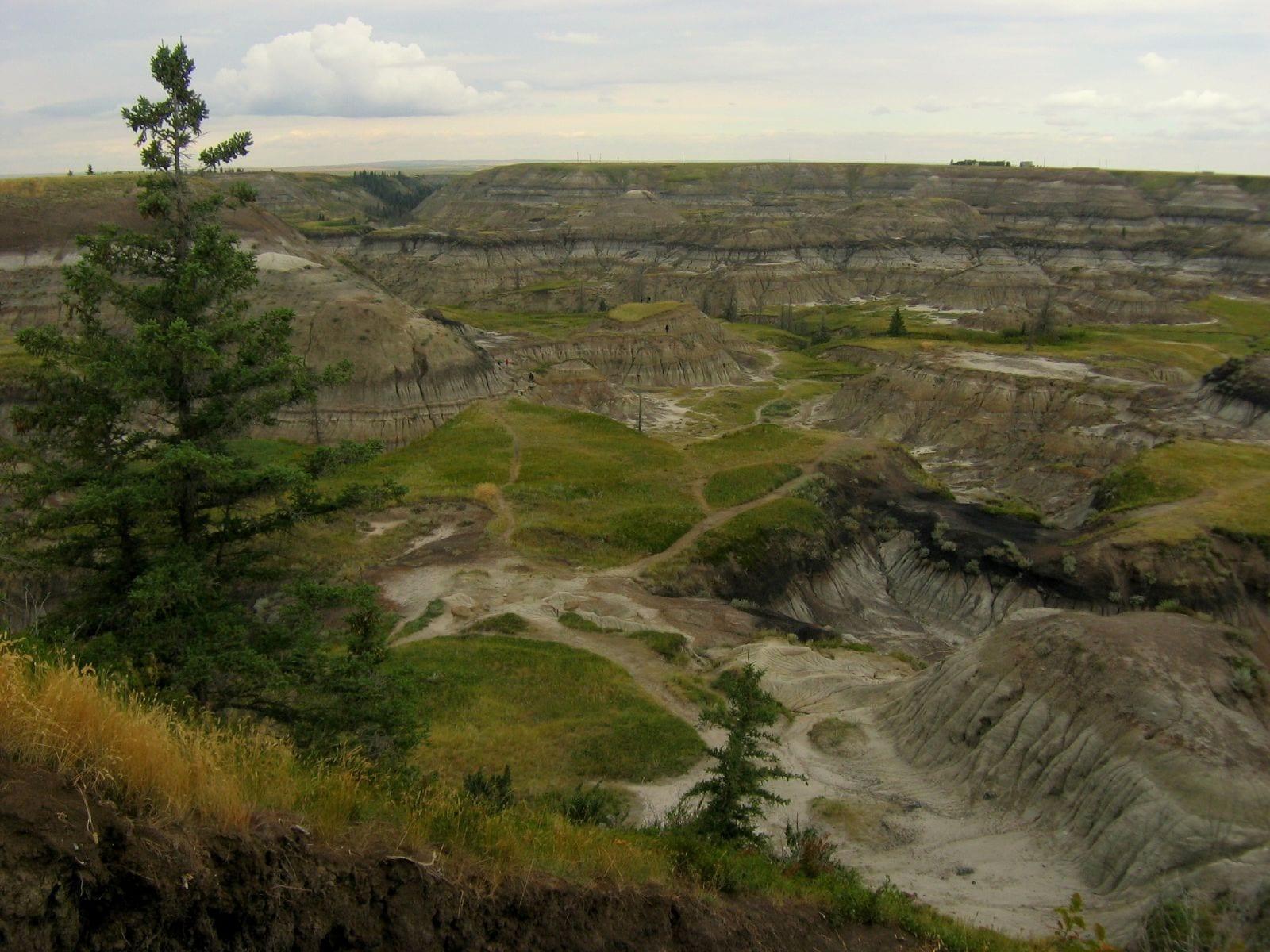
Horseshoe Canyon (Drumheller) Fossil Hunting Guide
Alberta, Canada
Hadrosaur bone, Theropod material, Fossil plants, Fossil wood
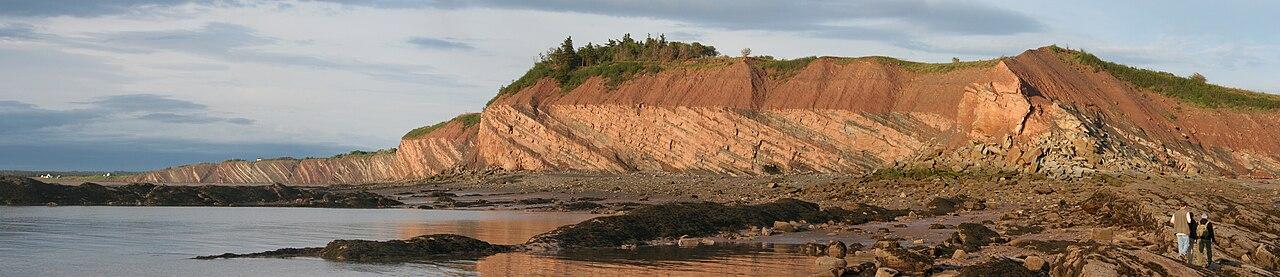
Joggins Fossil Cliffs Fossil Hunting Guide
Nova Scotia, Canada
Lycopsid trees, Plant fossils, Tetrapod trackways, Early reptiles
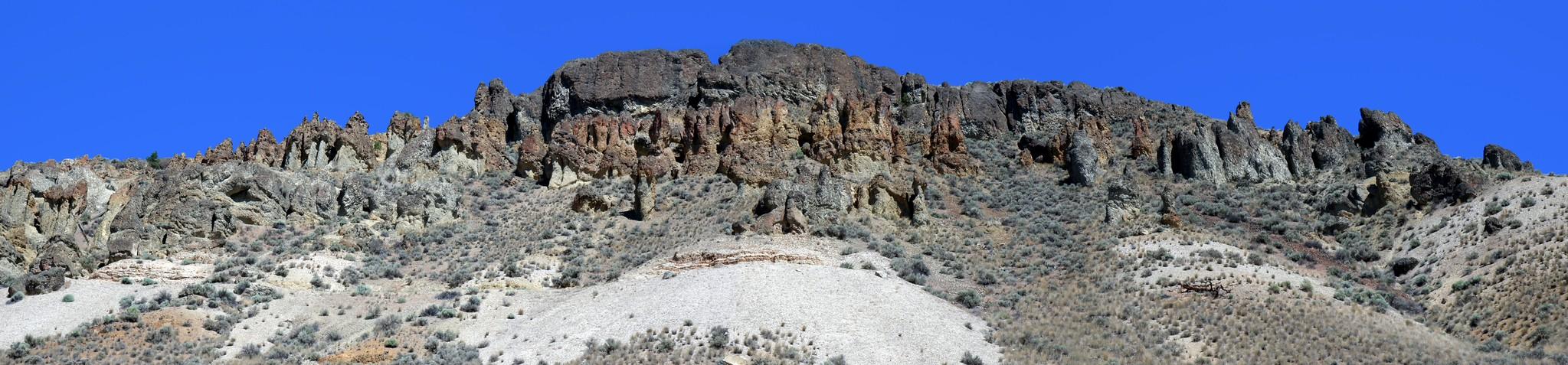
McAbee Fossil Beds Fossil Hunting Guide
British Columbia, Canada
Plants, Leaves, Insects, Fish
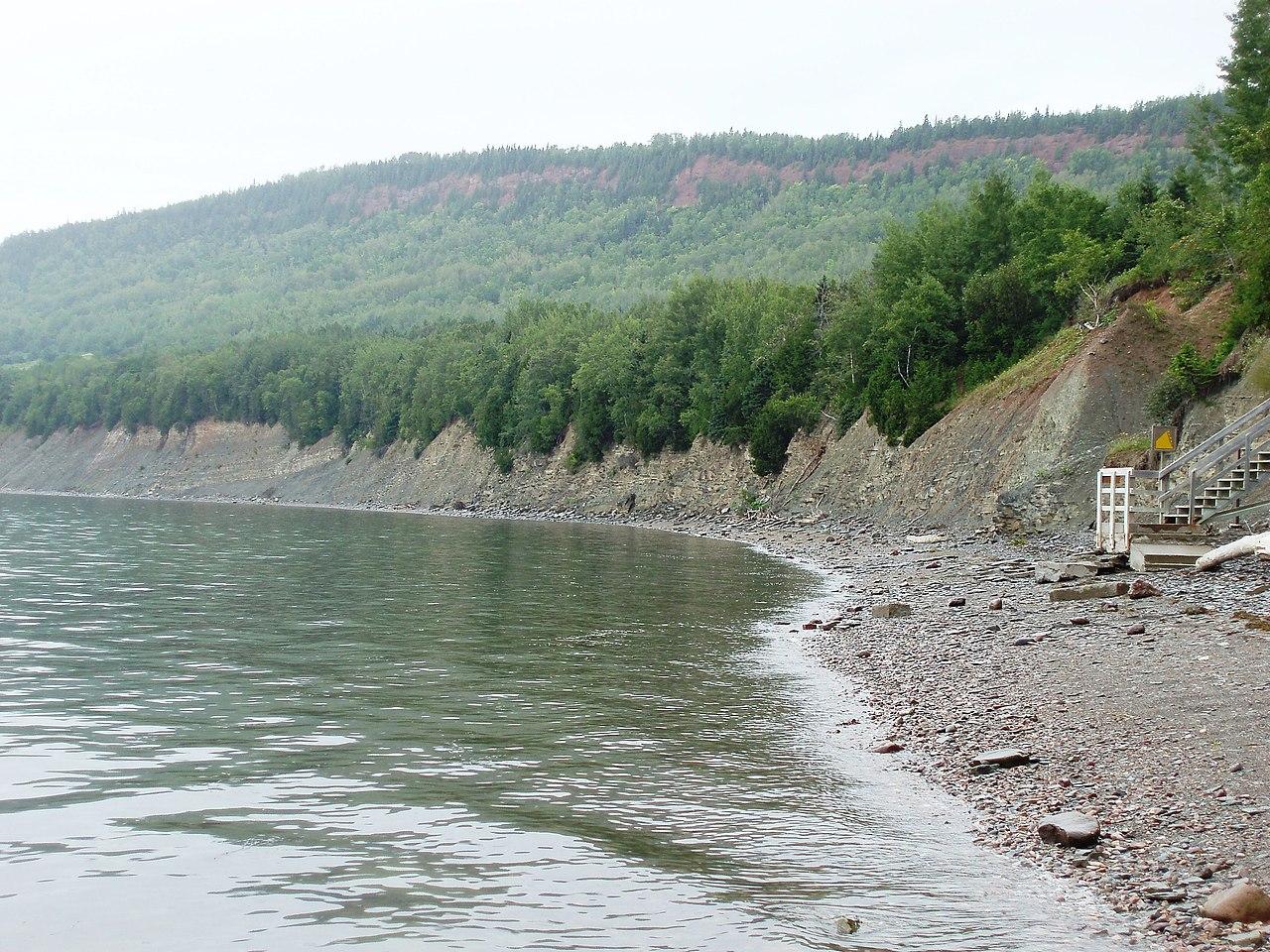
Miguasha National Park Fossil Guide
Quebec, Canada
Sarcopterygian fish, Placoderms, Acanthodians, Early tetrapod ancestors
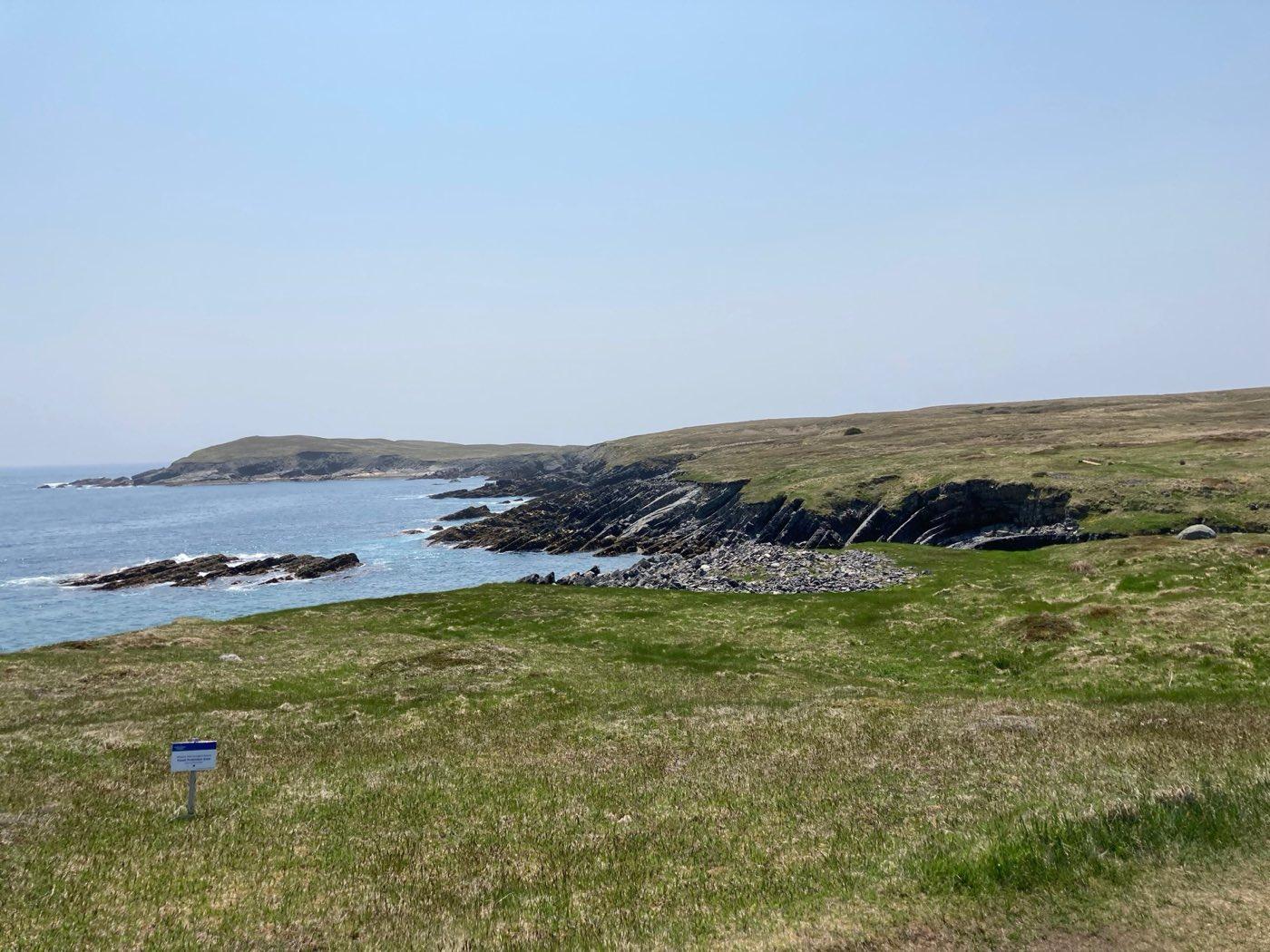
Mistaken Point Ecological Reserve Fossil Hunting Guide
Newfoundland and Labrador, Canada
Fractofusus, Charnia, Charniodiscus, Bradgatia
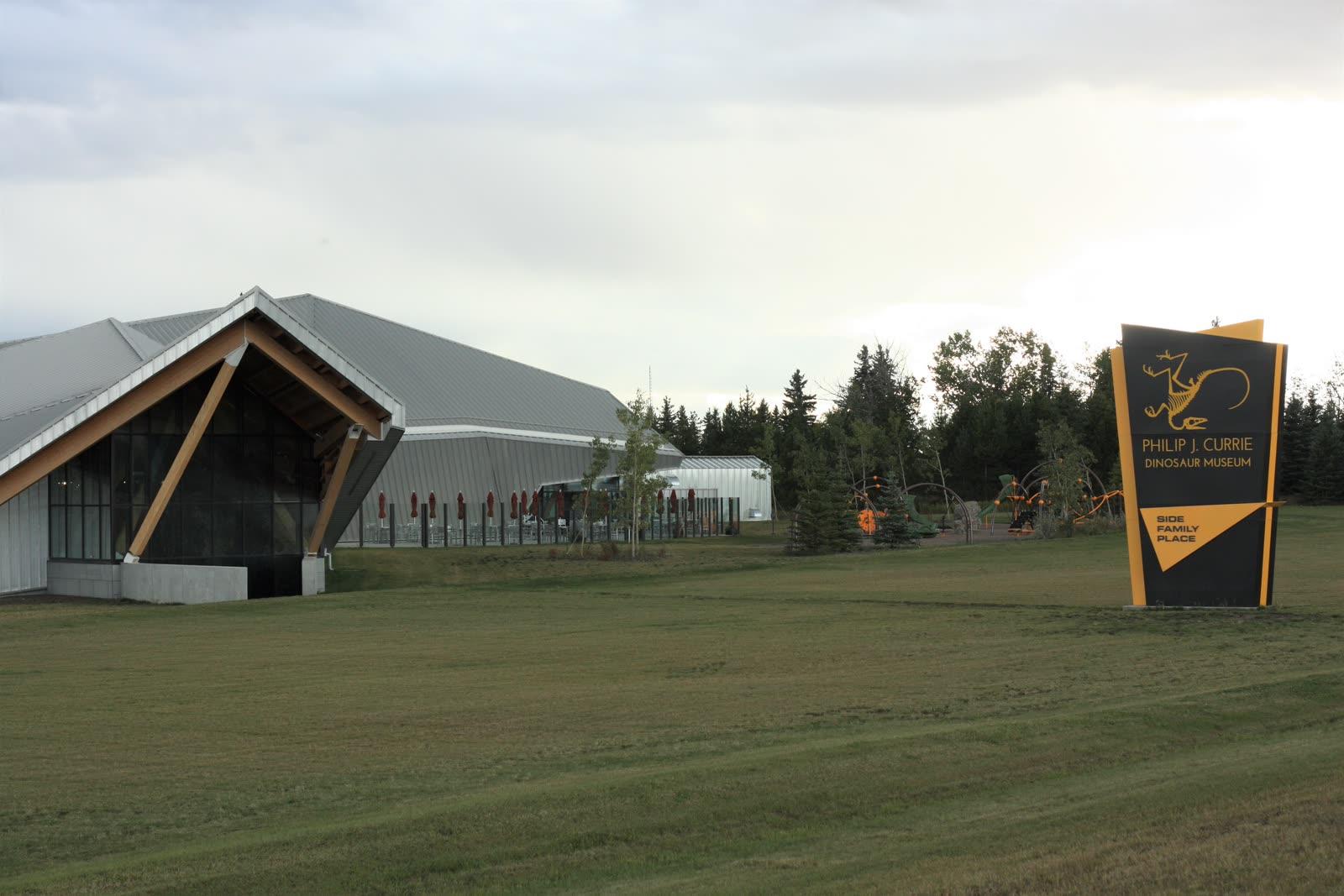
Pipestone Creek Bonebed Fossil Hunting Guide
Alberta, Canada
Dinosaur bones, Ceratopsians, Pachyrhinosaurus
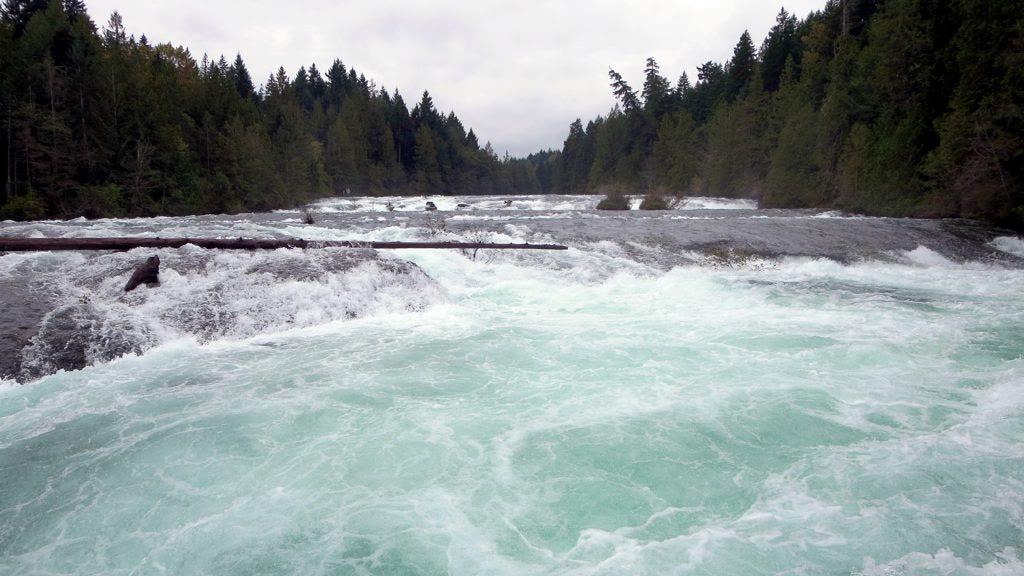
Puntledge River, Courtenay Fossil Hunting Guide
British Columbia, Canada
Marine reptiles, Elasmosaurs, Traskasaura, Mosasaurs
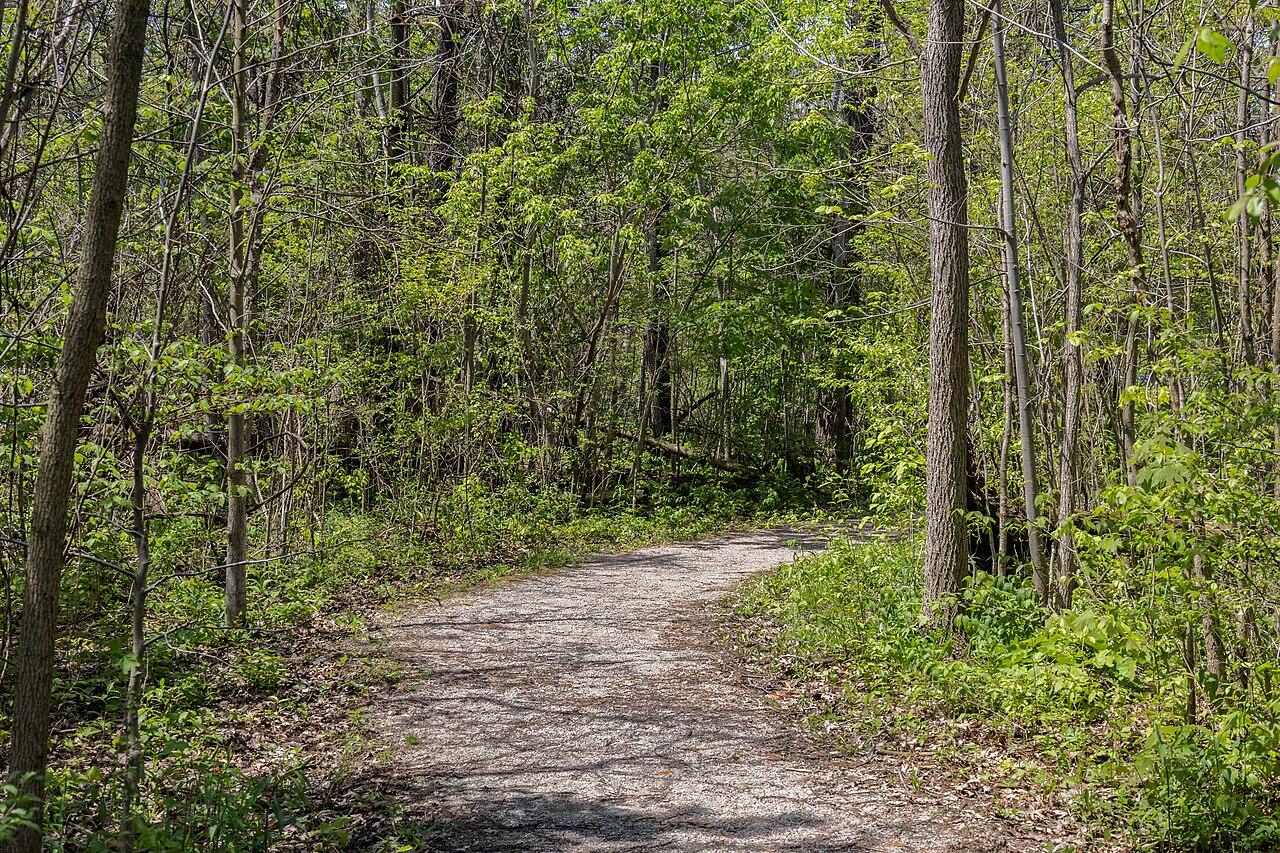
Rock Glen Conservation Area Fossil Guide
Ontario, Canada
Brachiopods, Horn corals, Crinoids, Phacops trilobites
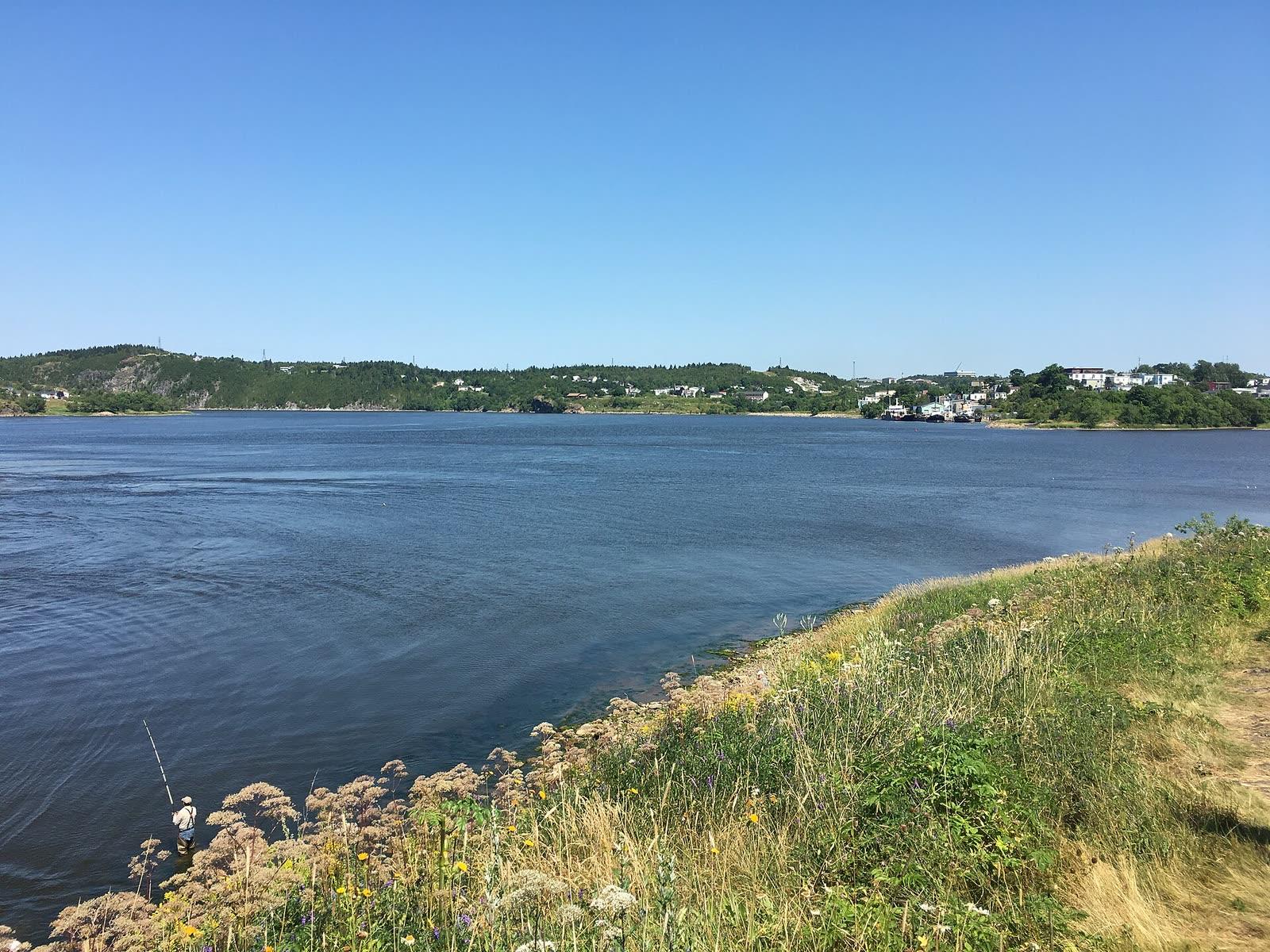
Stonehammer UNESCO Global Geopark Fossil Hunting Guide
New Brunswick, Canada
Paradoxides regina (trilobite), Carboniferous tetrapod trackways, Precambrian stromatolites, Silurian eurypterids
Stonewall Quarry Park Manitoba Fossil Hunting Guide
Manitoba, Canada
Cephalopods, Brachiopods, Trilobites, Crinoids
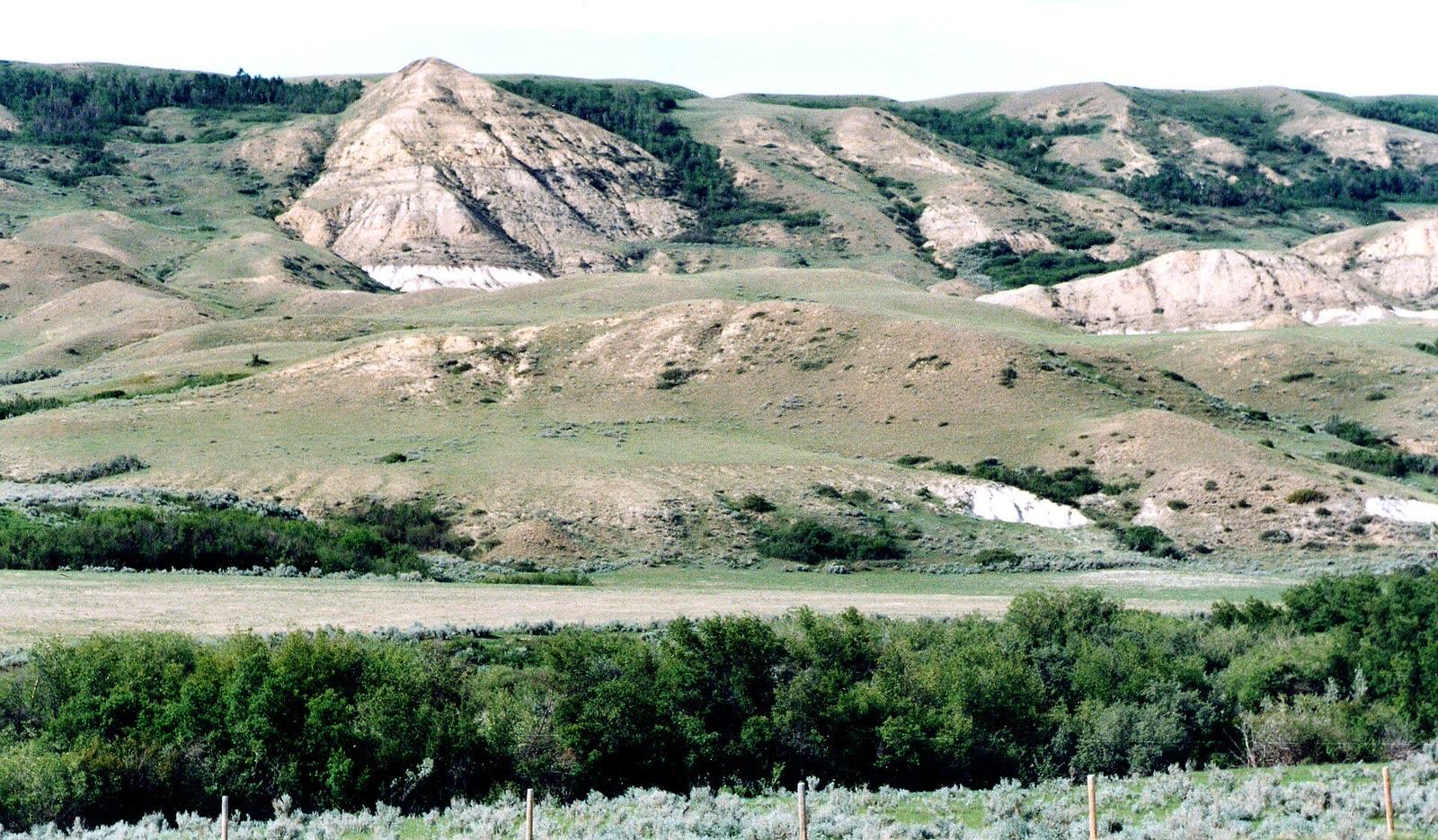
T.rex Discovery Centre, Eastend Fossil Hunting Guide
Saskatchewan, Canada
Dinosaurs, Tyrannosaurs, Ceratopsians, Turtles
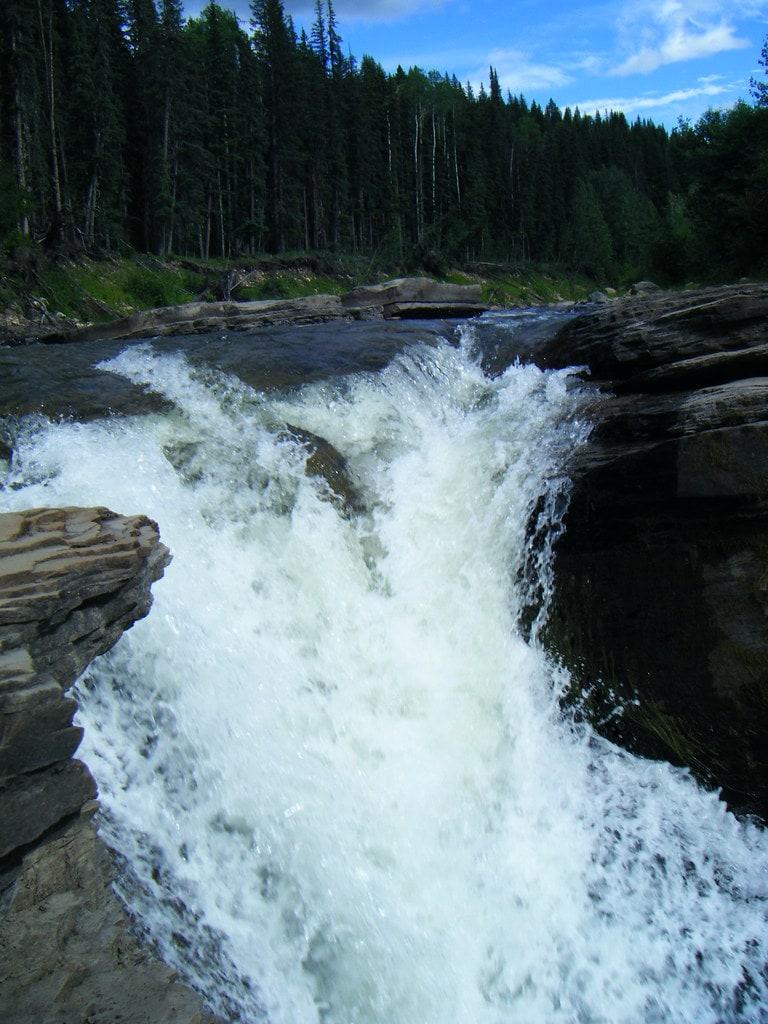
Tumbler Ridge UNESCO Global Geopark Fossil Hunting Guide
British Columbia, Canada
Tyrannosaurid trackways, Ankylosaur footprints, Theropod footprints, Hadrosaur footprints
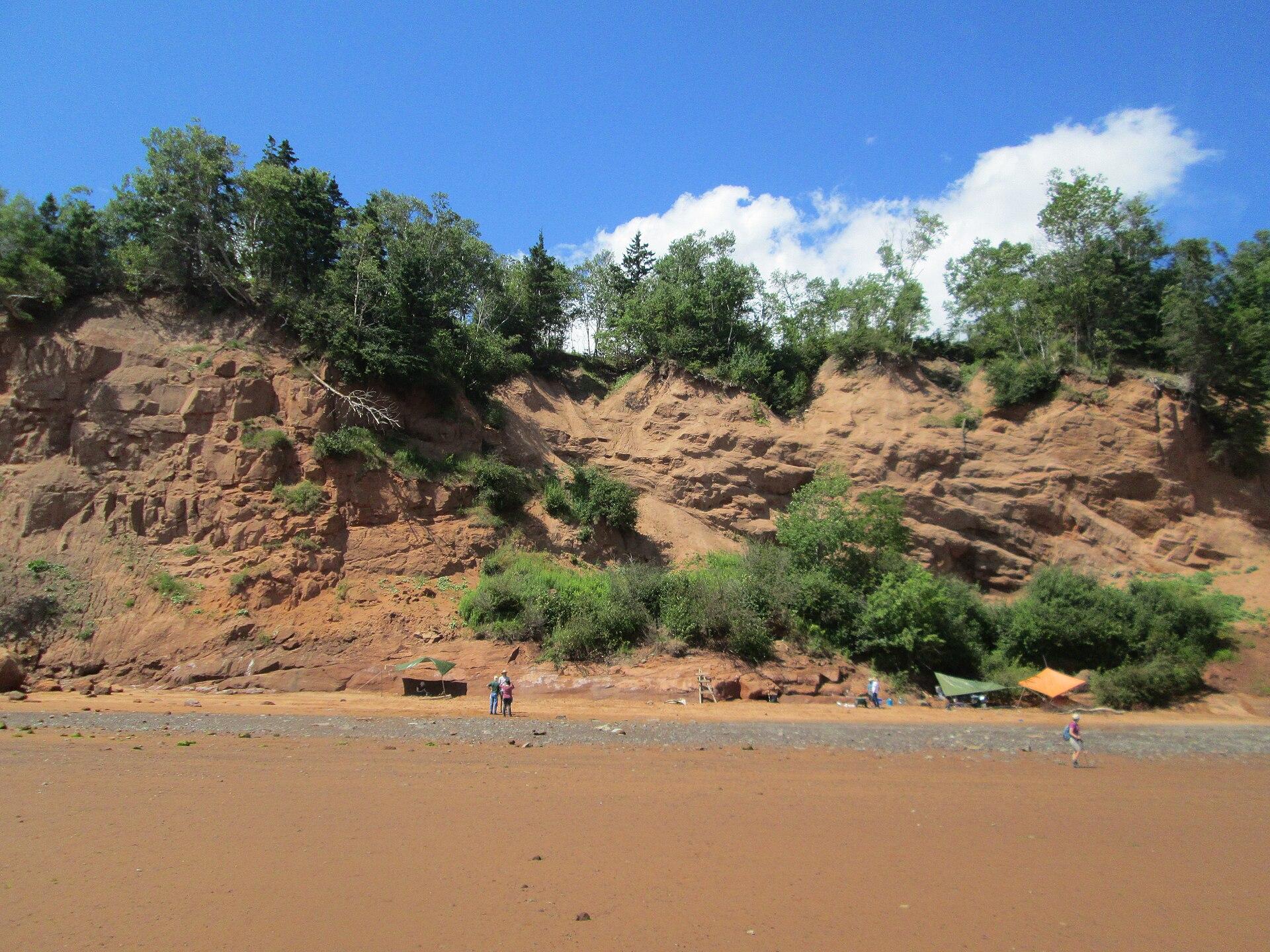
Wasson Bluff, Parrsboro Fossil Hunting Guide
Nova Scotia, Canada
Dinosaurs, Dinosaur tracks, Crocodylomorphs, Sphenodontians
Frequently asked questions
- Where can I go fossil hunting in Canada?
- Canada's most accessible fossil sites are spread across six provinces. British Columbia: the Burgess Shale guided hikes in Yoho National Park (Cambrian Lagerstätte) and the Tumbler Ridge UNESCO Global Geopark trackway tours in the northeast (Cretaceous dinosaur footprints). Alberta: Dinosaur Provincial Park's Fossil Safari and Centrosaurus Bonebed programmes (Late Cretaceous Dinosaur Park Formation). Manitoba: Stonewall Quarry Park, a free municipal heritage park in an old lime quarry exposing the uppermost-Ordovician Stonewall Formation. Ontario: Rock Glen Conservation Area near Arkona (Middle Devonian Widder Formation, one-fossil souvenir policy). Quebec: Miguasha National Park (UNESCO Devonian fish-to-tetrapod transition). New Brunswick: Stonehammer UNESCO Global Geopark. Nova Scotia: Joggins Fossil Cliffs (UNESCO Carboniferous Coal Age forests). Newfoundland and Labrador: Mistaken Point Ecological Reserve (UNESCO Ediacaran fronds).
- Do I need a permit to collect fossils in Canada?
- Yes at every UNESCO site and most provincial parks. In Alberta the Historical Resources Act regulates all fossil collection. In Nova Scotia the Special Places Protection Act requires a Heritage Research Permit from the Nova Scotia Museum to collect at Joggins or any designated provincial heritage site. In Newfoundland and Labrador the Wilderness and Ecological Reserves Act prohibits removal from Mistaken Point. In Quebec, Miguasha National Park is closed to collecting under provincial law. National-park sites including Burgess Shale are protected under the Canada National Parks Act. The exception is Rock Glen Conservation Area in Ontario, which permits hand-picked surface souvenir collecting under a one-fossil-per-visitor conservation-authority rule with no tools.
- What is the most famous fossil site in Canada?
- The Burgess Shale in British Columbia is the most internationally famous Canadian fossil site. Charles Doolittle Walcott discovered the Walcott Quarry on August 31, 1909, and went on to collect more than 65,000 specimens that now form the core of the Smithsonian Burgess Shale collection. UNESCO inscribed the site in 1980 (now part of the Canadian Rocky Mountain Parks property, ref. 304). The site preserves more than 200 species of mid-Cambrian soft-bodied animals, including the lace crab Marrella splendens, the apex predator Anomalocaris canadensis, the five-eyed Opabinia regalis, and the small chordate Pikaia gracilens, the earliest accepted member of our own phylum. Access is by Parks Canada-licensed guided hike only.
- When are Canadian fossil sites open?
- Most are seasonal. Burgess Shale guided hikes run roughly late June to mid-September with reservations opening in mid-February (the Walcott Quarry hike sells out within hours of opening each year). Dinosaur Provincial Park's guided programmes run mid-May to early October with reservations opening late January. Mistaken Point Ecological Reserve runs guided tours from mid-May to mid-October. Miguasha National Park is open early June to mid-October. Joggins Fossil Cliffs operates roughly May to November, with daily access governed by Bay of Fundy tide windows (leave the beach at least two hours before high tide). Stonehammer Global Geopark and Tumbler Ridge Global Geopark run their museum-based programmes year-round, with field-tour seasons concentrated June through September. Rock Glen Conservation Area and Stonewall Quarry Park are open year-round during daylight hours.
- Can I bring fossils home from Canada?
- Fossils legally collected at the one fossil-souvenir site (Rock Glen Conservation Area in Ontario) and any future municipally-licensed sites are yours to keep within the operator's per-visit limits. Anything collected at a UNESCO site, a national park, or a provincially-protected heritage site is property of the federal Crown or the relevant province under the statutes cited above, and removal is an offence. Canada is also bound by international heritage instruments, so fossils of significant scientific or cultural value require export authorisation. If you find an articulated vertebrate skeleton, a complete soft-bodied specimen, or any obviously rare material at any Canadian site, photograph and report it rather than collecting. The site operator or provincial museum will normally credit the finder.