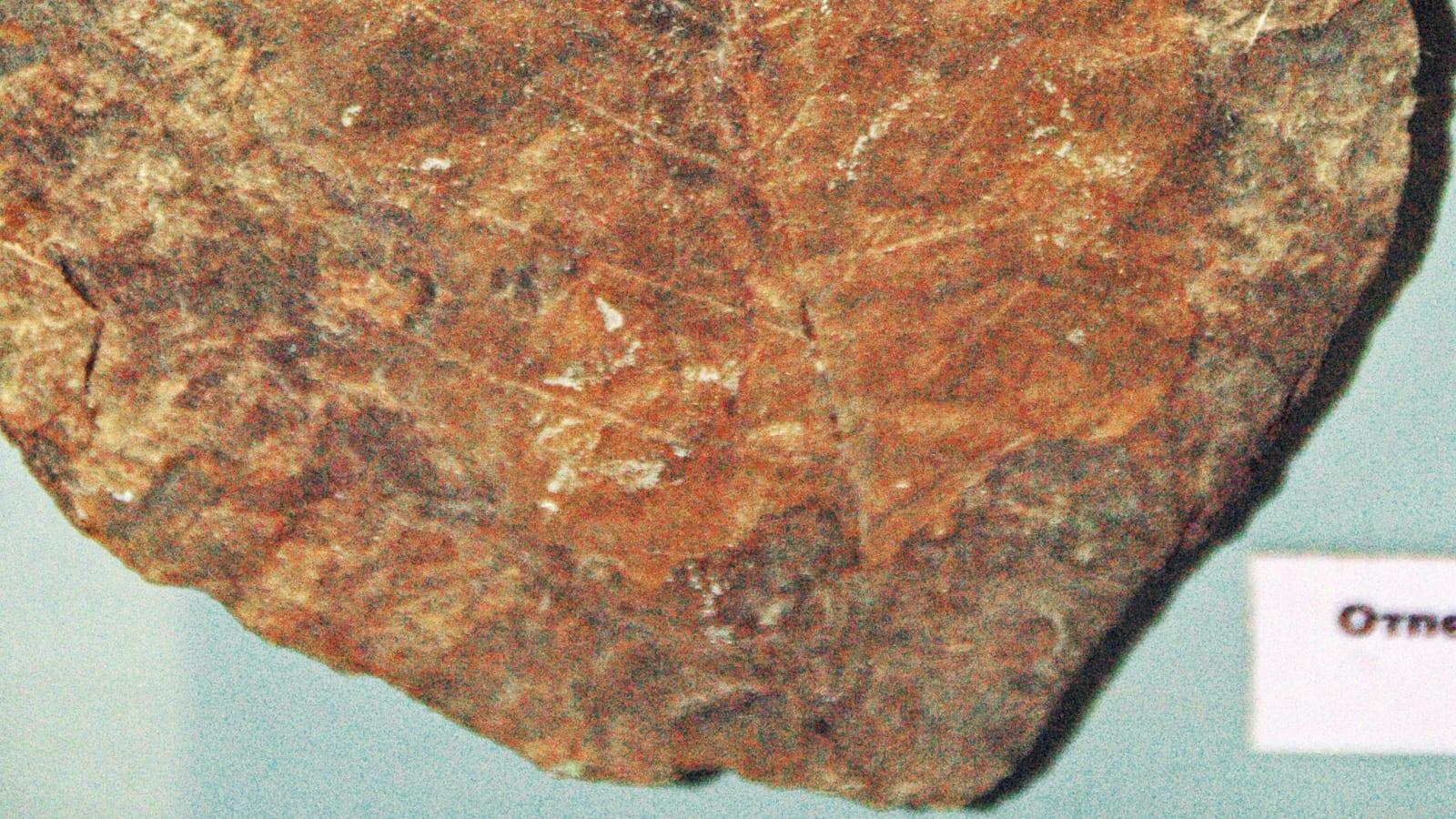
Florissant Fossil Quarry Fossil Hunting Guide
Image: Kent G. Budge (CC0)
A private pay-to-dig quarry in Florissant, Colorado, splitting Late Eocene lake shale for leaf, insect, and fish fossils. Tools and instruction are included in the hourly fee, and you keep what you find. It sits a mile from the National Monument, where collecting is prohibited.
By Edward Chen · Updated 1 August 2026
Introduction
The Florissant Fossil Quarry is a private, family-run pay-to-dig operation in Teller County, Colorado, about an hour west of Colorado Springs. It works the same Late Eocene lake shale that made the Florissant valley famous, and it exists to let the public do something they cannot do a mile up the road.
That distinction is the single most useful thing to understand before planning a trip. Florissant Fossil Beds National Monument, the celebrated site with the giant petrified redwood stumps, is federal land where collecting is prohibited outright. It is a superb place to visit, walk, and look, but nothing leaves with you. The quarry, roughly a mile north, is private ground where you pay by the hour, are handed tools and a lesson, and keep what you split out.
Location and Directions
The quarry lies about one mile north of the National Monument, near 38.945 degrees north, 105.284 degrees west, on the county road running north from the village of Florissant. It is signed from the road, and the village sits on US-24 between Colorado Springs and Hartsel.
The practical plan for a day here is to do both sites. Visit the Monument for the petrified stumps, the visitor centre, and the interpretive trails, then drive the mile north to the quarry to actually collect. They complement each other, and the Monument's exhibits make the shale you split afterwards a good deal more meaningful.
Hours run Monday to Saturday, roughly ten in the morning to five in the afternoon, with the last group starting an hour before closing so there is time to dig. The quarry is seasonal and weather-dependent at this altitude, so check before a long drive. Payment has been cash only, which catches people out, so bring notes.
What Fossils You'll Find
The Florissant Formation is a lake deposit, and lake deposits preserve things that marine rocks almost never do.
Plant fossils are the mainstay and the most reliable find. Leaves come out as dark impressions on pale shale, often complete, with vein structure clear enough to identify the tree. The valley's flora was a temperate mix, and beech, elm, maple, and redwood are among the plants described from these beds.
Insects are what makes Florissant internationally known. The lake preserved them in fine detail, wings, legs, and antennae included, and the formation has yielded well over a thousand insect species. They are less common than leaves in an hour of splitting, but they do turn up, and a good one shows wing venation down to the individual cell.
Fish occur, smaller and less frequent than the Green River fish of Wyoming but present. Petrified wood is in the mix as well, the same material that formed the Monument's famous stumps.
The technique is simple and taught on site. The shale is fine, papery, and splits along its bedding, so you work a slab apart layer by layer and check each new surface. Staff show you how, and the tools are included.
Geologic History
Around 34 million years ago, in the Late Eocene, this valley held a lake. It formed when a volcanic mudflow from the nearby Guffey volcanic centre dammed a stream, and it persisted long enough to accumulate a deep sequence of very fine sediment on its floor.
Two things then combined to produce exceptional preservation. Volcanic ash fell repeatedly into the lake, and diatoms bloomed in the water. Ash and diatom debris settled together as an extremely fine, soft mud that entombed anything falling into the lake, and the still, oxygen-poor lake bottom meant nothing disturbed or decayed what landed there. A leaf or an insect that drifted onto the water was buried gently and completely, which is why the detail survives.
The same volcanic mudflows buried the bases of the redwood trees growing around the lake shore, and silica-laden groundwater turned them to stone. Those are the stumps preserved at the National Monument. The quarry works the lake beds themselves rather than the stumps, which is why it produces leaves and insects rather than petrified trunks.
Collecting Rules and Regulations
This is a commercial operation on private land, so the rules are the quarry's own and are straightforward.
Pay by the hour, per collector. The rate has been twenty dollars per collector per hour, cash only. Children collecting count as collectors.
Everything is provided. Splitting tools, brushes, magnifying glasses, and eye protection come with the fee, along with instruction. You do not need to bring equipment.
You keep what you find. There is no size limit or reporting requirement, this being private ground.
Follow staff direction about where to dig and which spoil to work, since the quarry manages its faces.
Do not confuse this permission with the Monument. Collecting anything at Florissant Fossil Beds National Monument, including a leaf or a chip of petrified wood, is a federal offence. Keep your collecting to the quarry.
Safety
The quarry is a managed site with staff present, which makes it one of the more controlled fossil experiences, but shale splitting still has hazards. Chips fly when rock is struck, which is why eye protection is issued, and it should be worn rather than carried. Shale edges are sharp enough to cut, so gloves are worth having.
The bigger factor here is altitude. Florissant sits above 8,000 feet, and visitors arriving from lower elevations feel it. Drink more water than you think you need, take the work at a slower pace than you would at sea level, and give yourself time to acclimatise. Sun at this elevation is fierce even when the air is cool, so sun protection matters year-round.
Mountain weather changes fast. Afternoon thunderstorms build quickly in summer and an open quarry is exposed to lightning, so be prepared to break off. Bring layers, since a warm morning can turn cold in minutes. Supervise children around the tools and on the uneven spoil.
Sources
https://www.florissantfossilquarry.com/ https://www.florissantfossilquarry.com/hours-directions/ https://www.nps.gov/flfo/index.htm https://coloradogeologicalsurvey.org/
Frequently asked questions
- How much does the Florissant Fossil Quarry cost?
- Twenty dollars per collector per hour at the time of writing, cash only. Tools, instruction, and eye protection are included, and you keep what you find. Confirm current rates with the quarry before travelling.
- Can you collect fossils at Florissant Fossil Beds National Monument?
- No. The National Monument is a protected federal site where fossil collecting is prohibited. The private quarry a mile up the road is where collecting is allowed.
- Do you need to bring tools to the Florissant Fossil Quarry?
- No. Splitting tools, brushes, magnifying glasses, and eye protection are all provided, along with a lesson in how to split the shale.
Nearby sites
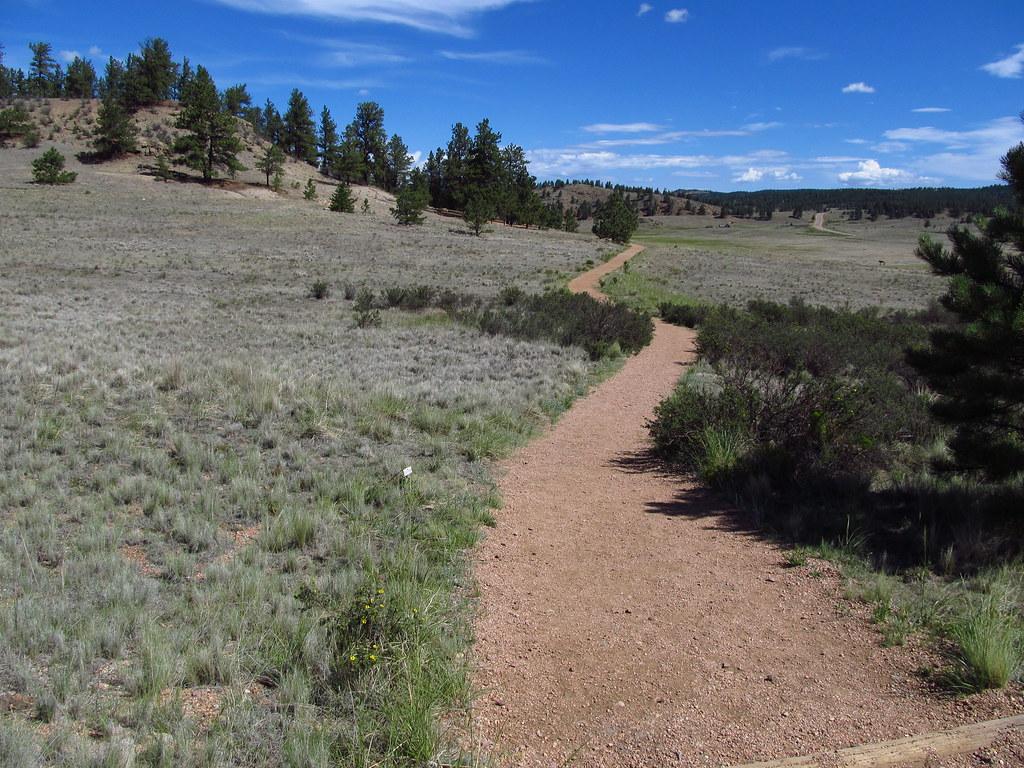 Florissant Fossil Beds National Monument Fossil Hunting GuideInsects, Plant leaves
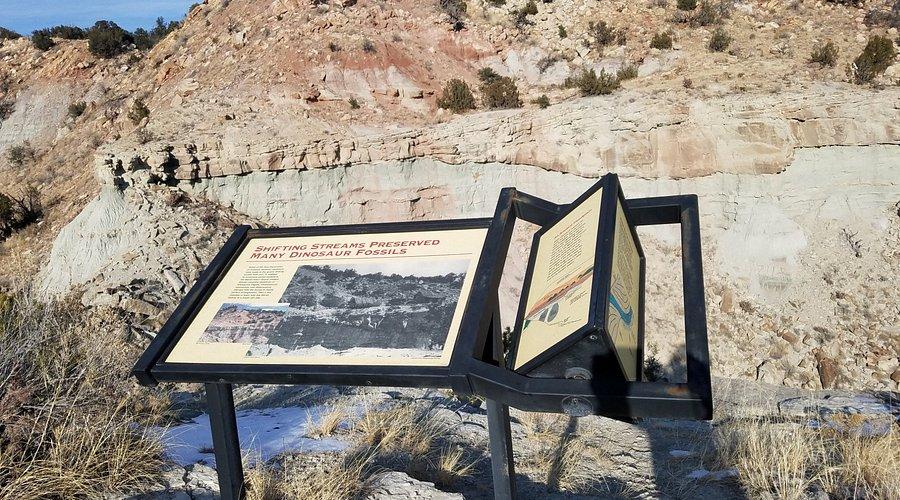 Garden Park Fossil Area Fossil Hunting GuideAllosaurus fragilis (type), Stegosaurus stenops (type)
 Dinosaur Ridge: Dinosaur TrackwaysDinosaur Tracks, Dinosaur Bones
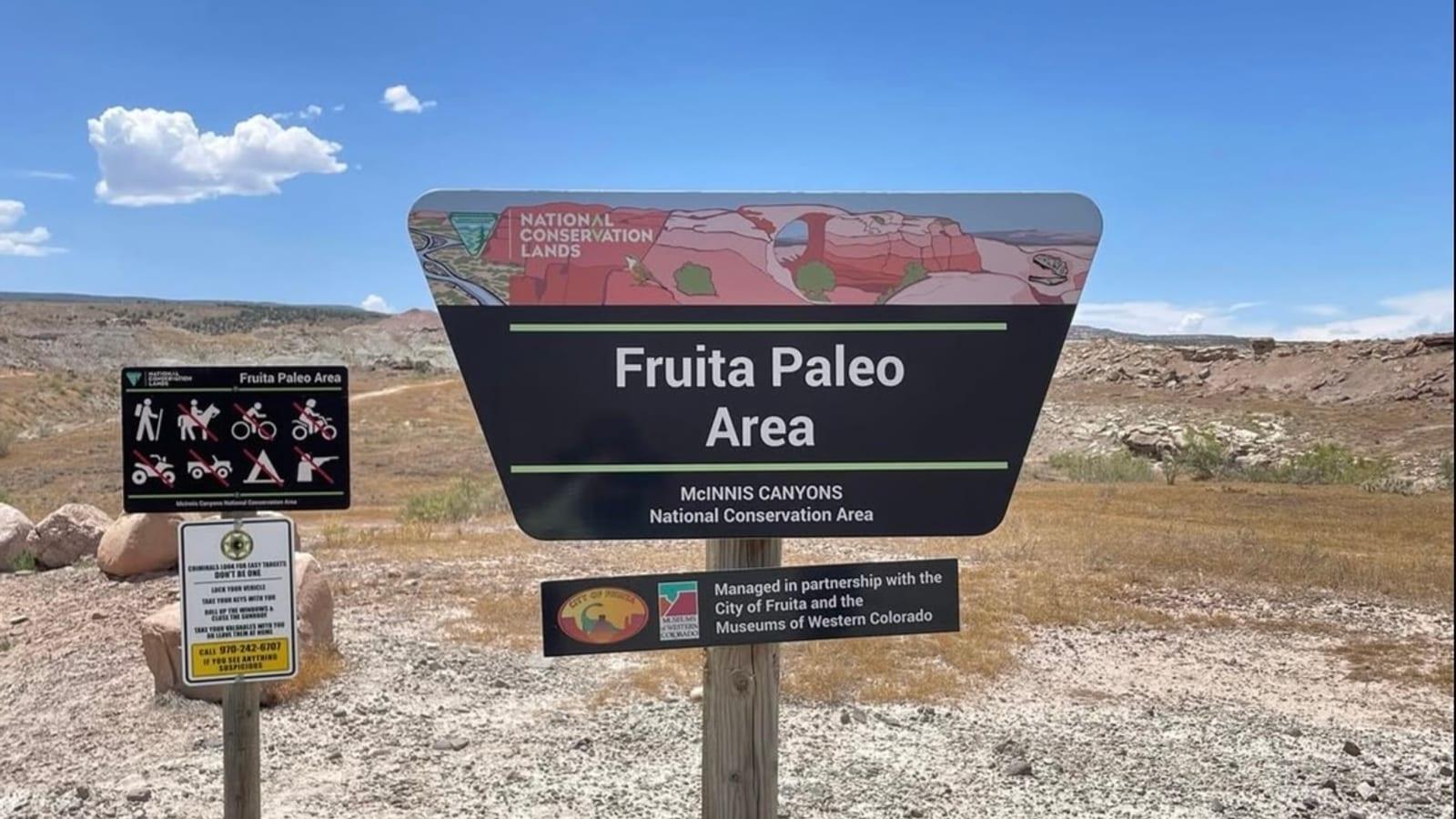 Fruita Paleontological Area Fossil Hunting GuideDinosaur bones, Mammal remains