Seaton Fossil Hunting Guide
Image: Lewis Clarke (CC BY-SA 2.0)
Discover ammonites, echinoids, brachiopods, bivalves at Seaton in Seaton, Devon. Complete guide with directions and geology.
By Edward Chen · Updated 2 August 2026
Introduction
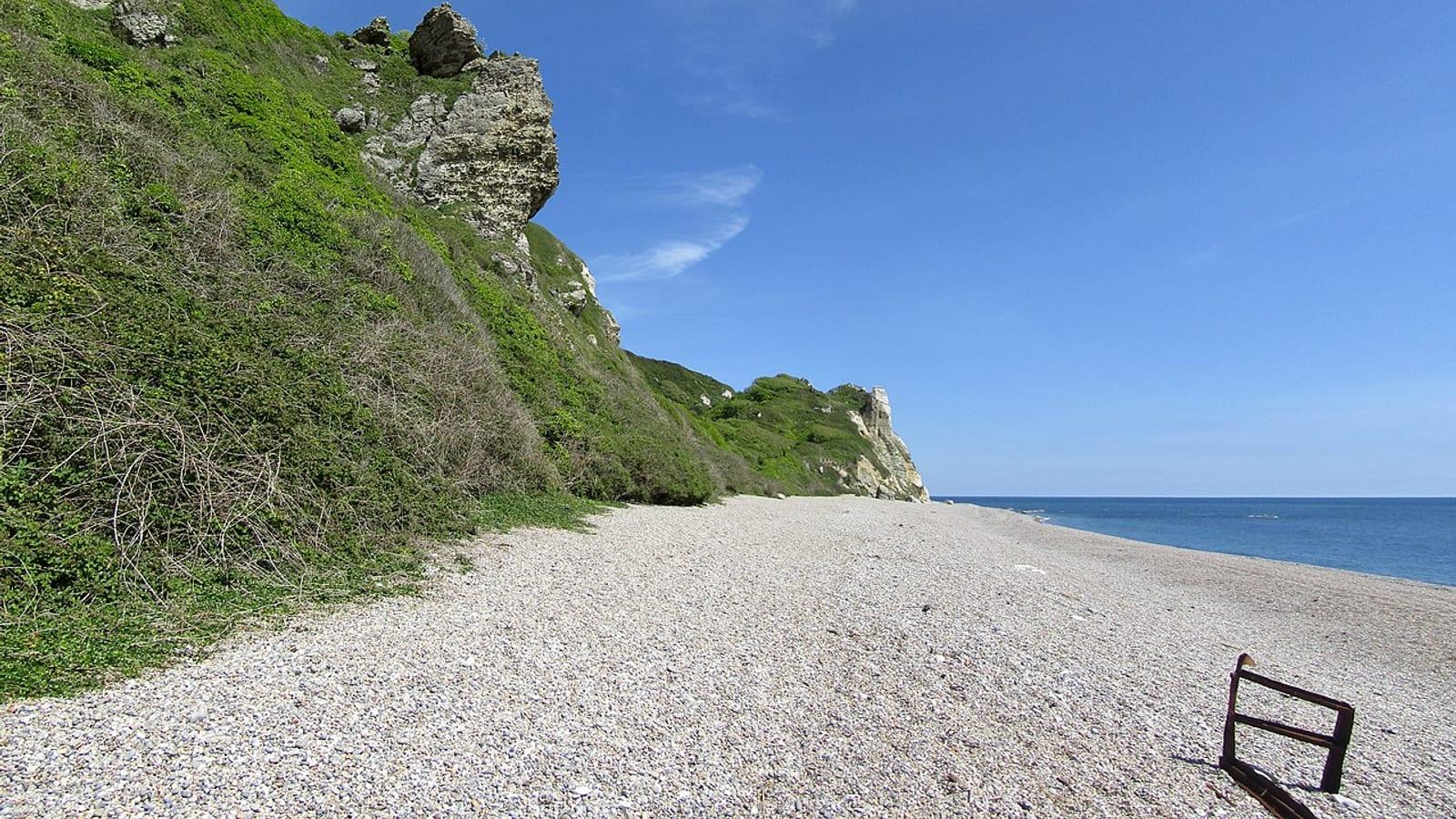
Seaton sits at the eastern end of Devon's Jurassic Coast, where the rock is not Jurassic at all but Late Cretaceous. The cliffs east of the town toward Beer expose the Upper Greensand Formation and the white Chalk Group above it, and both shed fossils onto the beach. Ammonites, echinoids, brachiopods, and bivalves are the common finds, roughly 95 to 89 million years old.
Seaton is an easy, family-friendly stop on a coast famous for fossils. The collecting happens on the foreshore and in fallen blocks rather than by digging the cliffs, which are unstable, and regular cliff falls keep refreshing what washes down to the beach.
 Photo: Lewis Clarke, CC BY-SA 2.0 via Wikimedia Commons
Location and Directions
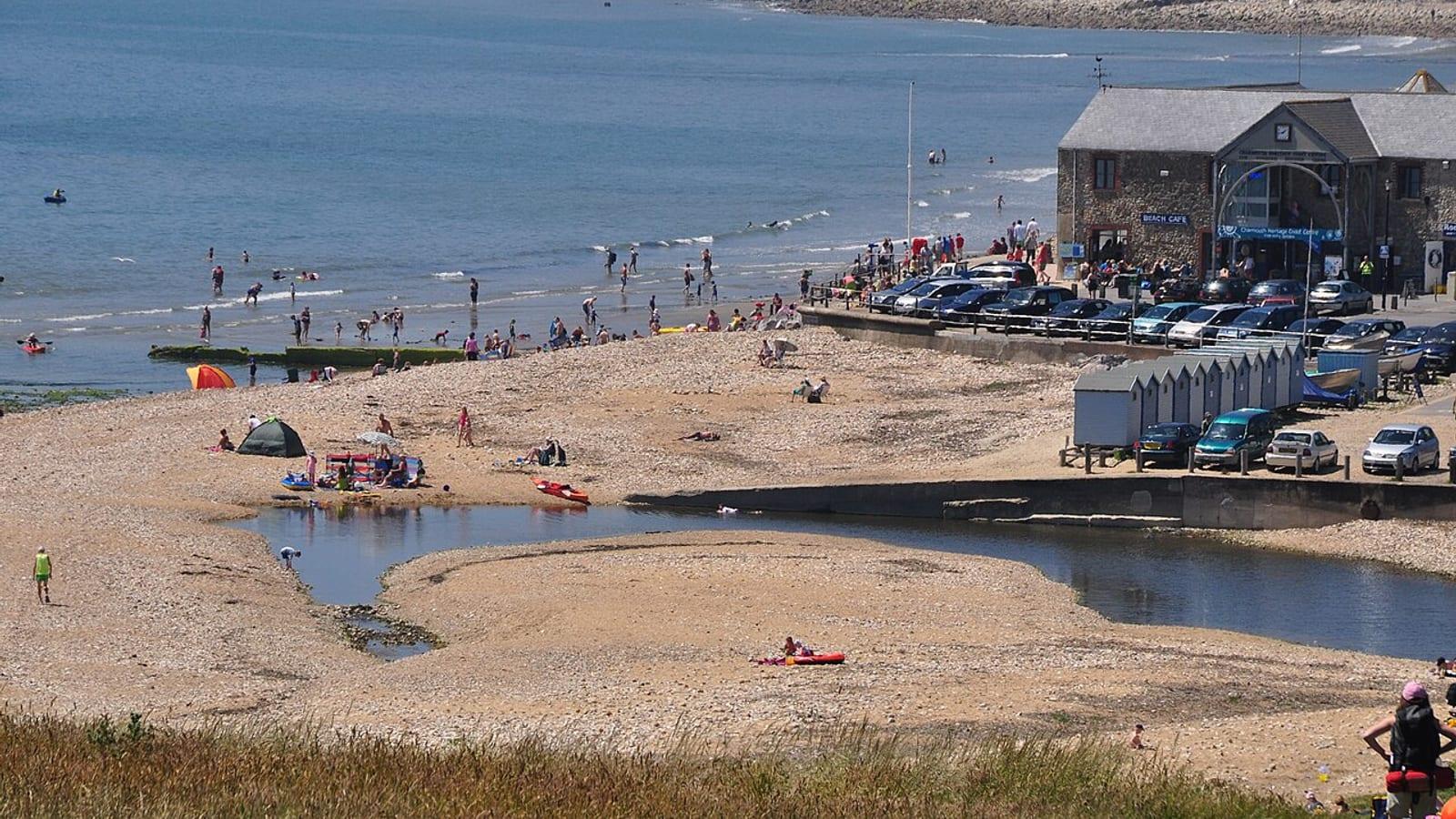
Seaton can be found at Seaton Beach, Beer Road, Seaton, Devon EX12.
From Seaton town center, follow signs to seafront. Park at the parking lot at the seafront and access the beach from the promenade. Chalk and Upper Greensand cliffs are to the east toward Beer. Collect fossils from the foreshore and from fallen blocks. Check tide times to be mindful of what deposits will be exposed and collecting conditions.
 Photo: Seaton : Photographer & Sea by Lewis Clarke, CC BY-SA 2.0, via Wikimedia Commons
What Fossils You’ll Find
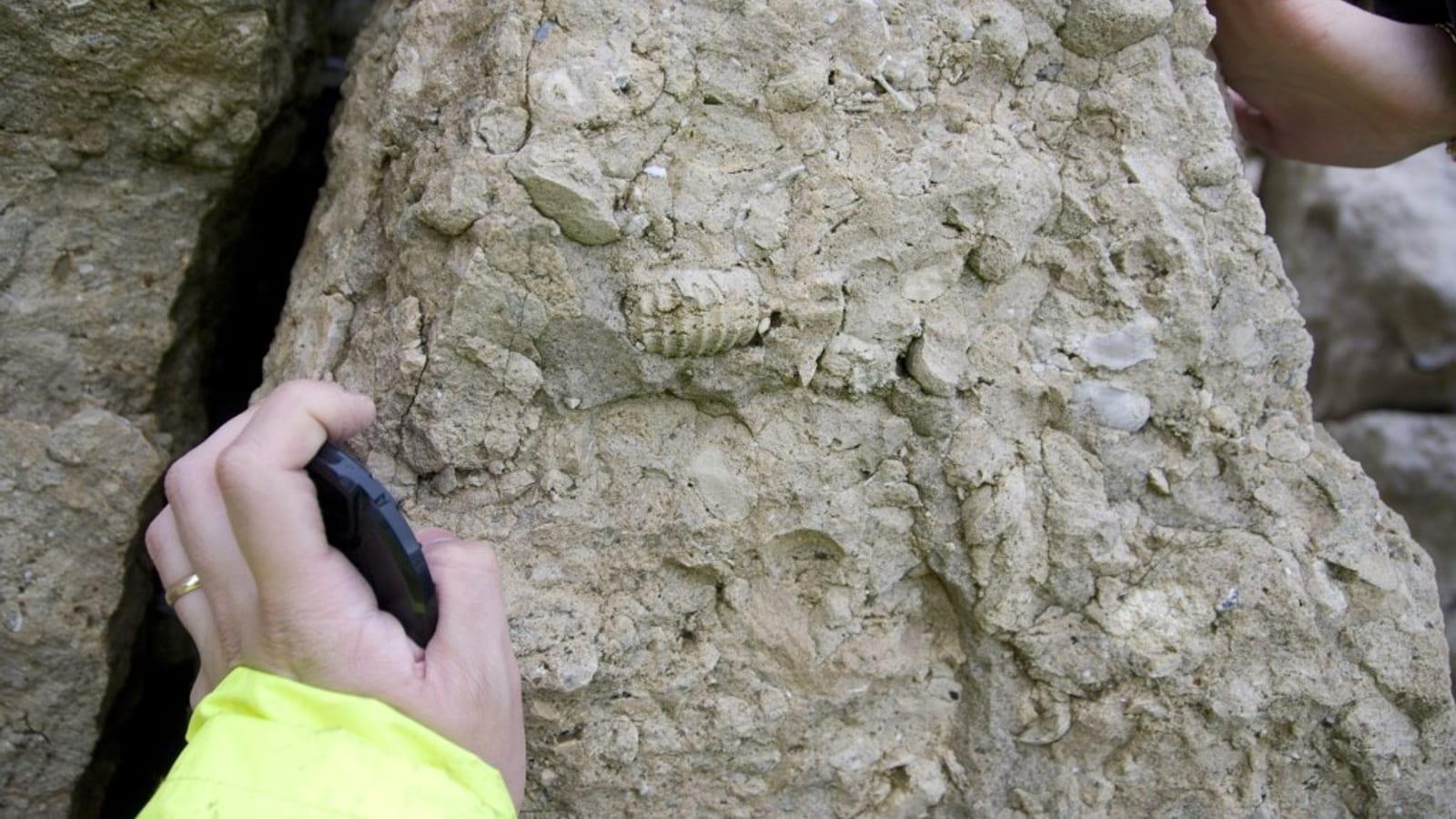
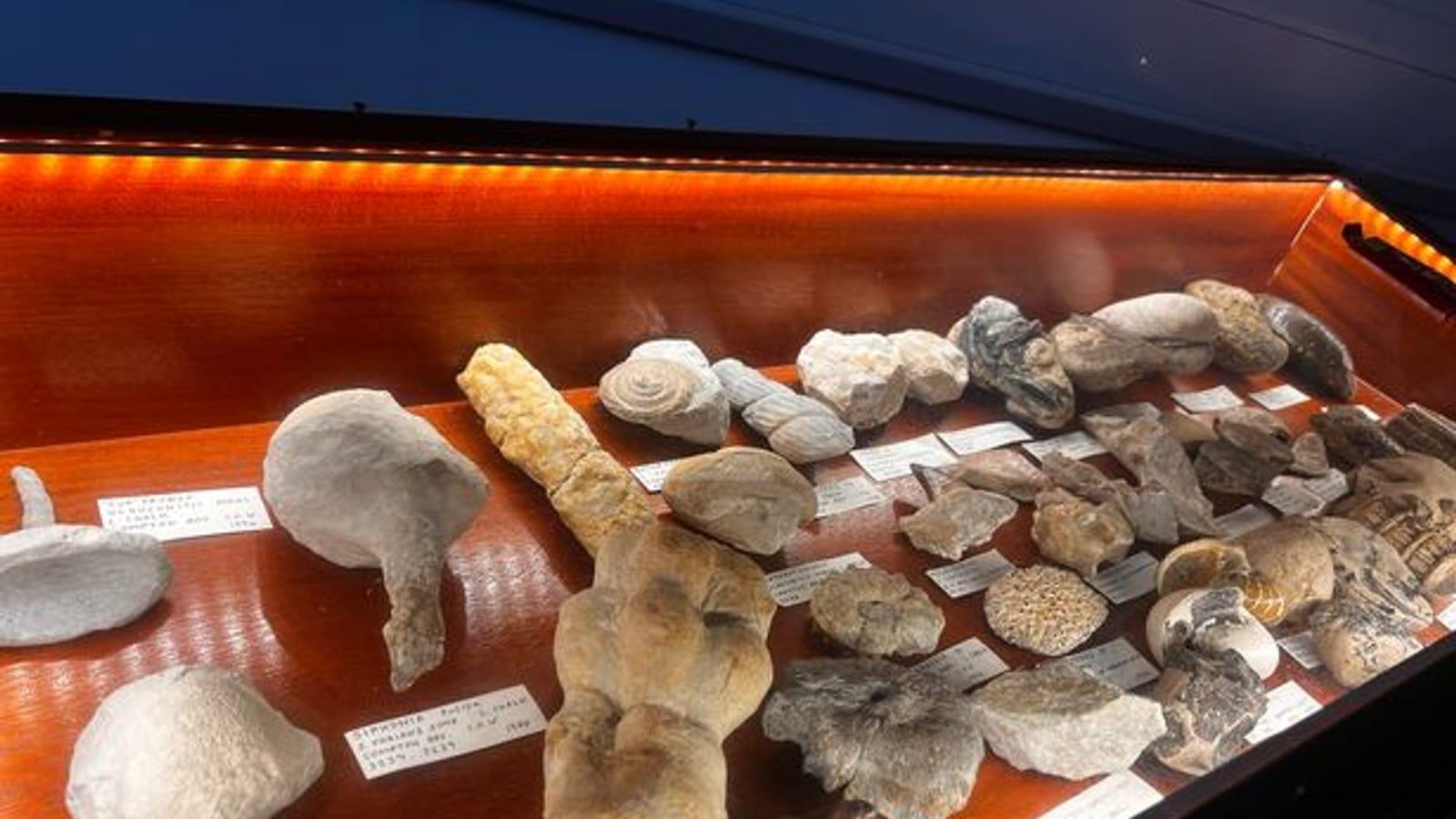
The most commonly found fossils at Seaton are ammonites, echinoids, brachiopods, and bivalves from the Cretaceous, Cenomanian to Turonian in age, about 95 to 89 million years old. Echinoids, the sea urchins, weather out of the chalk and greensand as rounded tests and are among the more prized finds. Brachiopods and bivalves are common as shells and casts, and ammonites turn up in the greensand, sometimes preserved with the sandy green mineral glauconite that gives the formation its name. Work the foreshore and the fallen blocks below the cliffs rather than the cliff faces, and search after storms or a fresh cliff fall when new material has come down.
Geologic History
The cliffs here record a change in the sea, and you can read it from the bottom up.
The lower unit is the Upper Greensand Formation, laid down during the Cenomanian roughly 95 to 93 million years ago. It is a sandy deposit, and its green cast comes from glauconite, a mineral that forms on sea floors where sediment accumulates slowly. Sand meant a shelf sea close enough to land to receive material washed off it.
Above it sits the Chalk Group, and the difference is stark. Chalk is not sand at all. It is made almost entirely of coccoliths, the microscopic calcite plates of single-celled algae, which settled through clear water over millions of years. For chalk to form, the supply of sand and mud from land had to stop.
What stopped it was sea level. Global sea levels in the Late Cretaceous were among the highest in Earth's history, and the greenhouse climate of the period left no polar ice. Britain was drowned, and the shoreline retreated so far that almost nothing terrestrial reached this sea floor. The transition visible in the cliffs at Seaton is that drowning, recorded as a change from sandy shelf to pure carbonate.
The fossils reflect both settings. Greensand fauna lived in a shallower, sandier, more turbid sea, while the chalk fauna lived in clear open water, which is why the two units produce noticeably different material.
 Photo: grumpylumixuser, CC BY 3.0, via Wikimedia Commons
Site History
Seaton is part of the UNESCO World Heritage Jurassic Coast (though technically Cretaceous here). This important exposure of Upper Greensand and Chalk Group shows the transition from sandy shelf to pure carbonate deposition. It’s a popular collecting site for Cretaceous fossils with good preservation of ammonites and echinoids, and is an accessible location with regular cliff falls refreshing fossil exposures.
Collecting Rules and Regulations
Collecting loose fossils from the foreshore at Seaton is open and free, in keeping with the Jurassic Coast collecting code. Take only what you find loose on the beach and in fallen blocks. Do not hammer or dig into the cliffs, which is dangerous and damages the exposure that produces the finds. Record anything scientifically important and report significant vertebrate finds, as the code asks.
Safety
The cliffs here are unstable and the reason to stay off them. Do not climb, dig, or stand directly beneath them, since rockfalls happen without warning. Chalk and greensand both fail readily, and the falls that make this site productive are the same falls that make it hazardous. Keep a distance from the base that a falling block would not cross, and be more cautious after heavy rain or a frost, when failures are most likely.
Tides matter here more than at most sites. The foreshore below the cliffs can be cut off by a rising tide, leaving you trapped between deep water and an unstable cliff with no way out. Check a tide table before you set out, work the outgoing tide rather than the incoming one, and know your escape route back to the promenade. This is the single most common way people get into difficulty on this coast.
Wear sturdy footwear. The beach is shingle, which is tiring to walk on and turns an ankle easily, and the exposed rock ledges are slippery with algae and weed.
Bring sun protection and water, and do not underestimate the walk back along the shingle with a bag of chalk. Keep an eye on children near both the water and the cliff base. If you plan to walk east toward Beer, check the tide for that stretch specifically, since access varies along the coast.
Sources
https://www.bgs.ac.uk/discovering-geology/fossils-and-geological-time/ https://jurassiccoast.org/visit/fossil-hunting/ https://ukfossils.co.uk/ https://www.devon.gov.uk/environment/geology/