Triassic · 251.9 – 201.4 Ma
Triassic fossil sites
Life recovered slowly from the Permian extinction. The earliest dinosaurs, mammals, and modern coral groups all appeared in the Triassic. Marine fossil sites favor ammonites and the first ichthyosaurs and plesiosaurs.
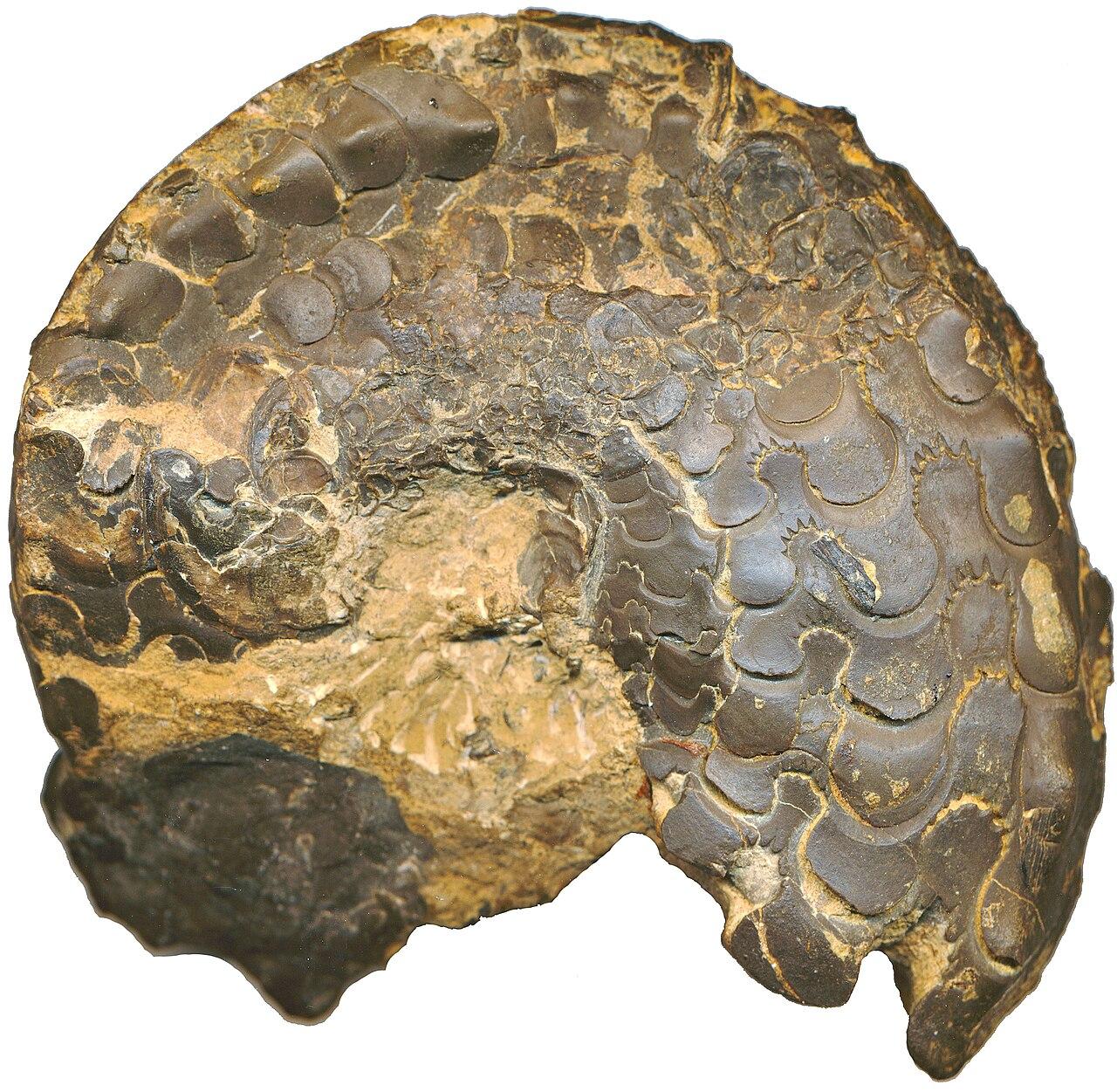
The Triassic opens on an emptied world. The end-Permian extinction had removed most life, and recovery took millions of years. Into that space came the first dinosaurs, the first mammals, and the first pterosaurs. In the sea, ichthyosaurs and nothosaurs took the roles that earlier marine reptiles had vacated.
Triassic rocks are often red. Iron oxide formed in the dry Pangaean interior and stained the sandstones and mudstones that fill many basins. Those beds preserve reptile bones and trackways rather than shells. Marine Triassic rock is scarcer but yields ammonoids and the large ichthyosaurs that made the period famous.
The Triassic list runs to eleven entries. Eight are viewing sites and only two allow free collecting. Berlin-Ichthyosaur State Park in Nevada preserves ichthyosaurs where excavators found them. The Paleorrota area of southern Brazil produces some of the oldest dinosaurs known anywhere. Petrified Forest National Park in Arizona exposes the Chinle Formation, where whole logs of silicified wood lie across the desert surface.
11 fossil sites
Updated 3 August 2026
Life of the period
Three to know from the Triassic
You will not find all of these yourself. They are the animals and plants that make the period worth reading about.

Giant ichthyosaurShonisaurus Around 15 metres long, and Nevada's state fossil. Berlin-Ichthyosaur State Park preserves several individuals in the rock where they were excavated, left in place rather than removed to a museum.
Carpenter, Kenneth, CC BY-SA 4.0

Early dinosaurHerrerasaurus One of the oldest dinosaurs known, from roughly 231 million year old rock in Argentina. It stood about a metre at the hip. Dinosaurs spent their first 30 million years as a minor part of the fauna.
Zach Tirrell, CC BY-SA 2.0

Ghost Ranch theropodCoelophysis A quarry at Ghost Ranch in New Mexico produced hundreds of individuals stacked together, probably a mass death at a drying water hole. Few dinosaur bone beds anywhere have produced so many animals from one place.
bryan, CC BY-SA 2.0
All Triassic sites
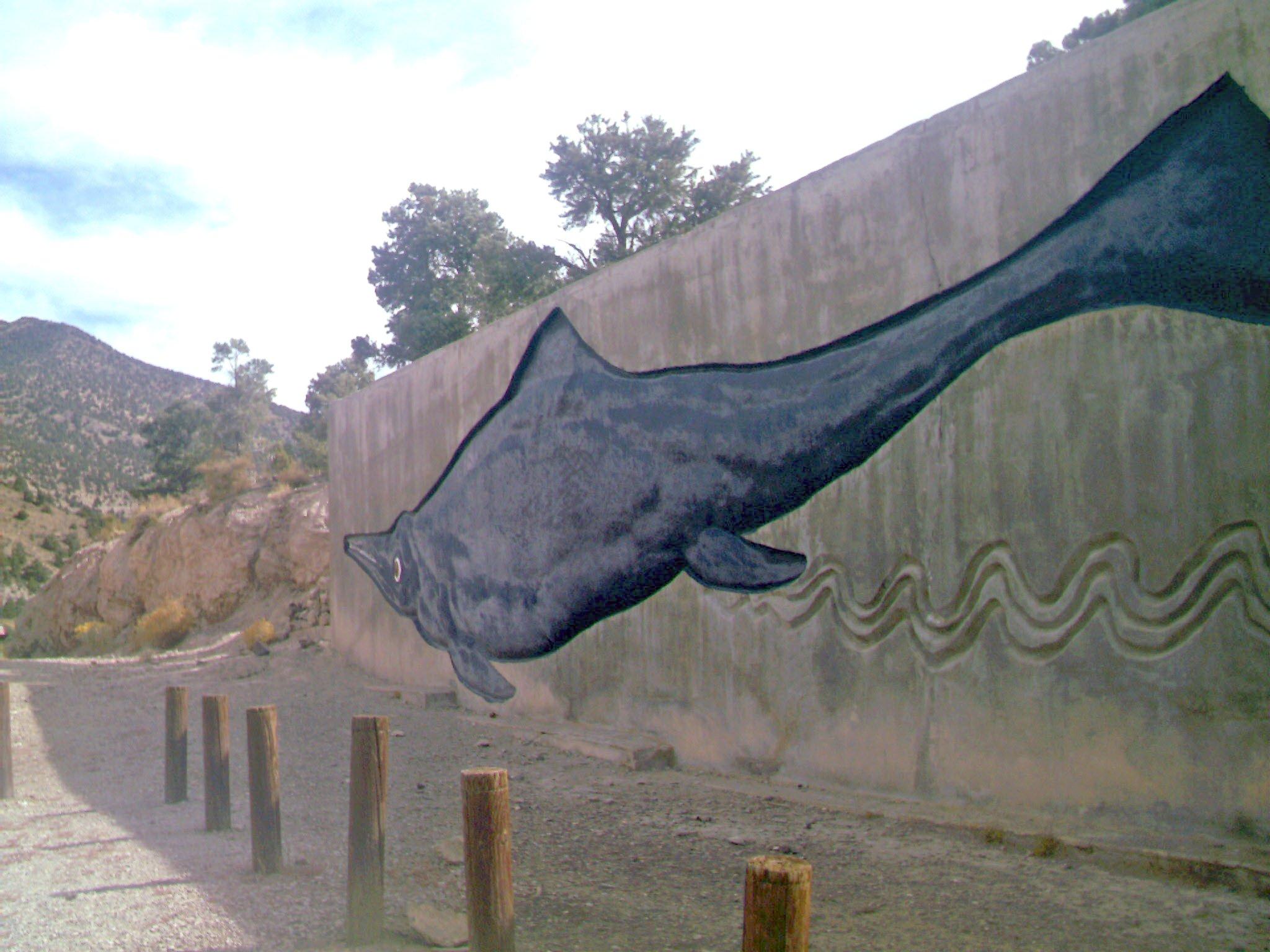
Berlin-Ichthyosaur State Park Fossil Hunting Guide
Nevada, United States
Shonisaurus popularis (giant ichthyosaur), Ammonites, Bivalves
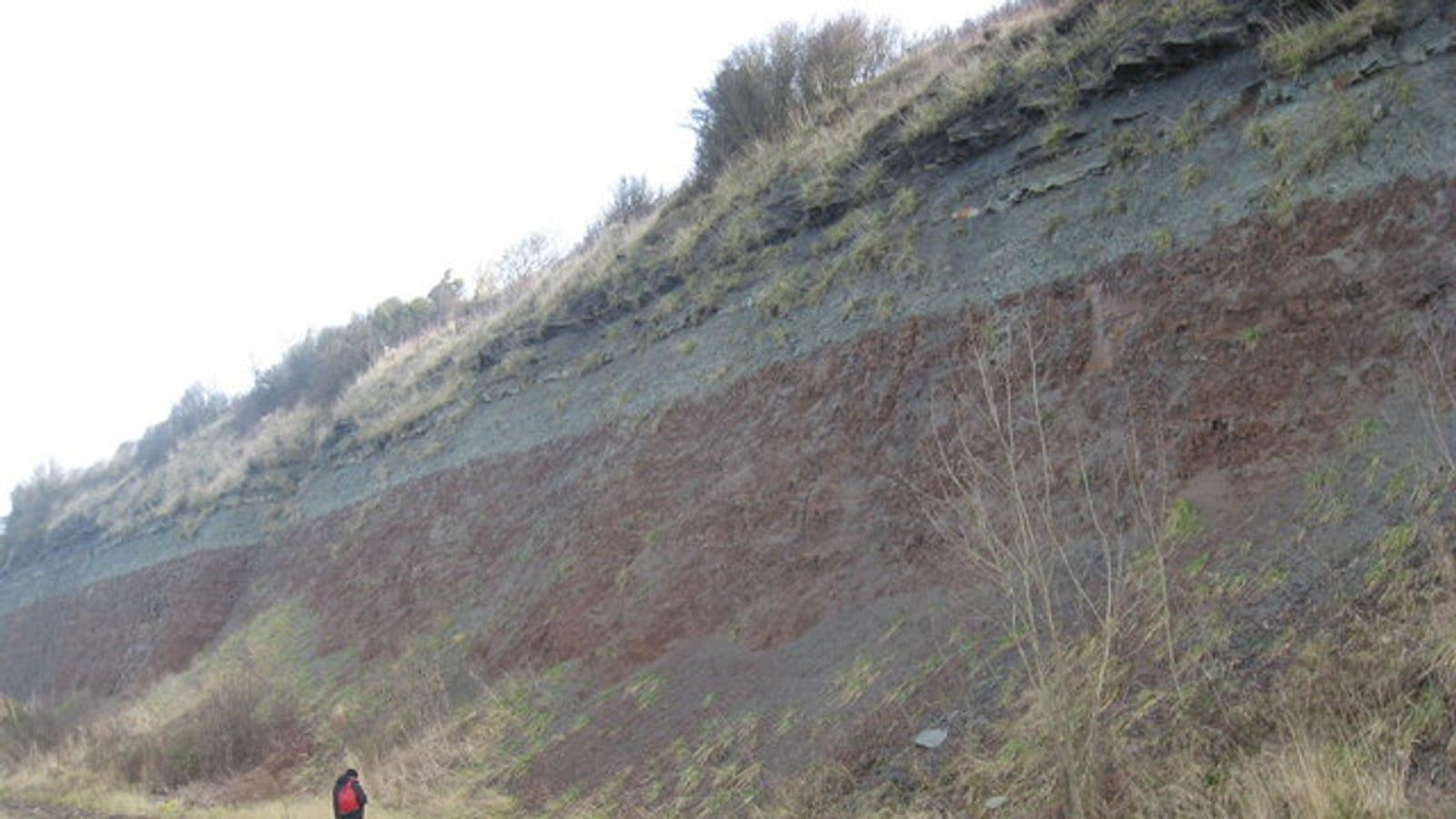
Fossils of Aust Cliff Fossil Hunting Guide
England, United Kingdom
Shark teeth, Fish scales and teeth, Reptile remains, The Blue Lias
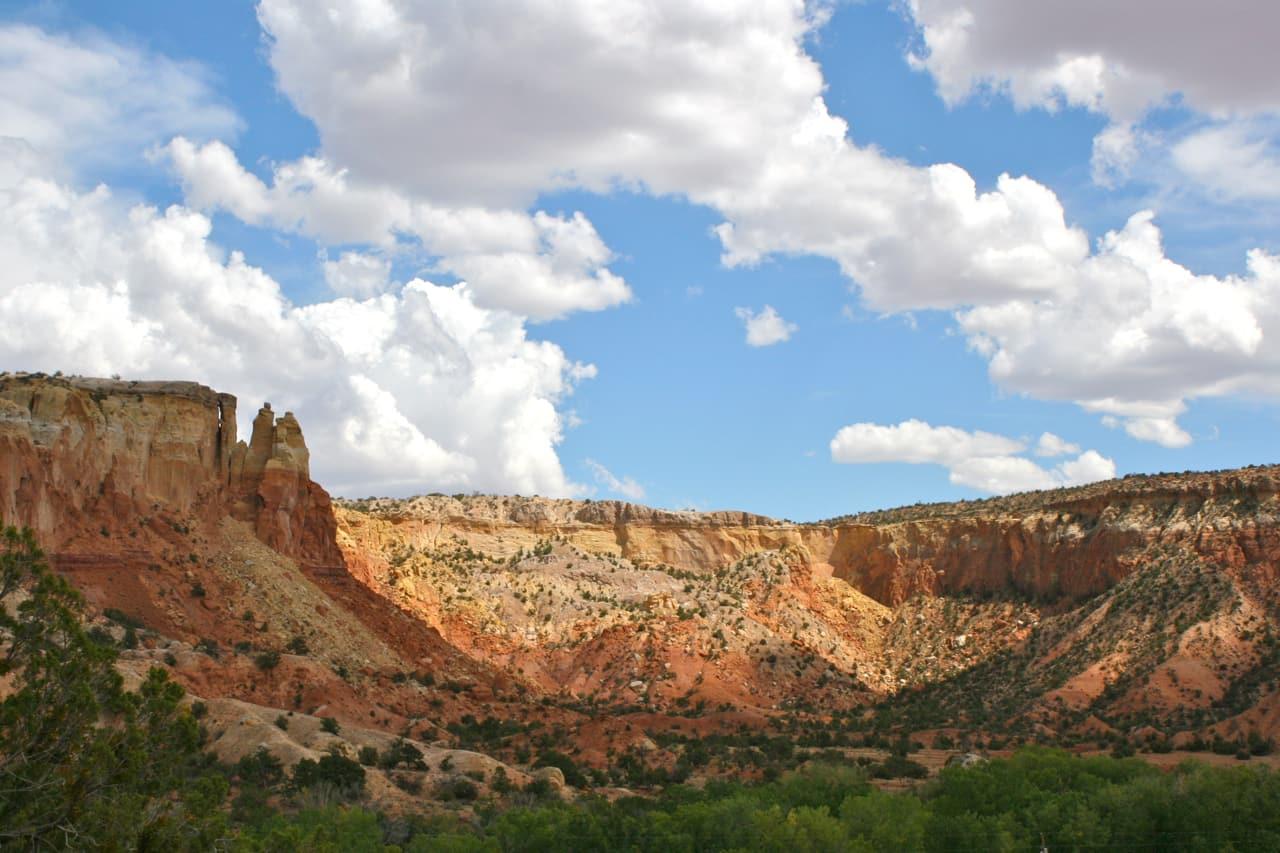
Ghost Ranch Coelophysis Quarry Fossil Guide
New Mexico, United States
Coelophysis bauri, Phytosaurs, Aetosaurs, Triassic reptiles
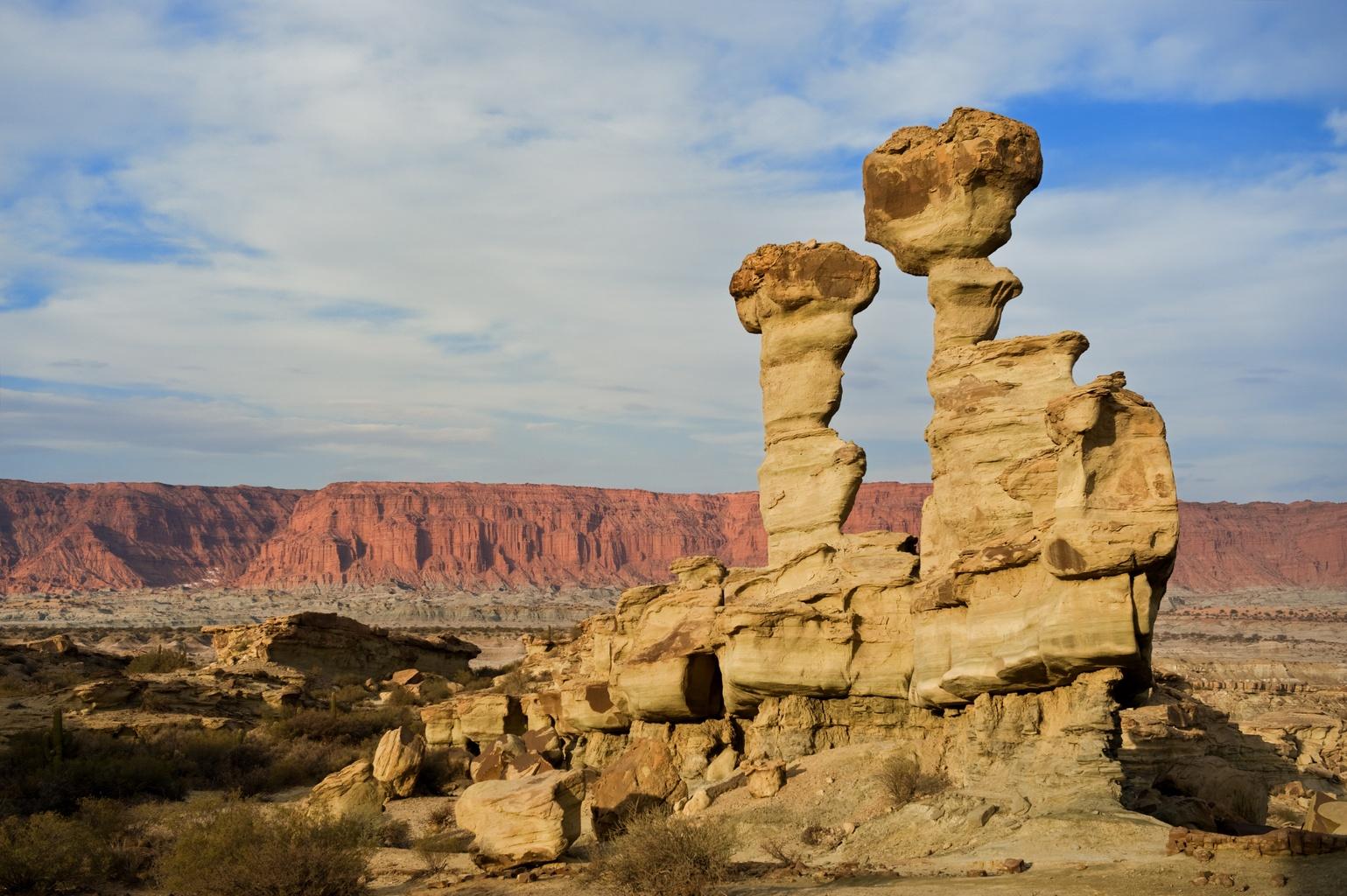
Ischigualasto Provincial Park Fossil Guide
San Juan, Argentina
Early dinosaurs, Eoraptor, Herrerasaurus, Rhynchosaurs
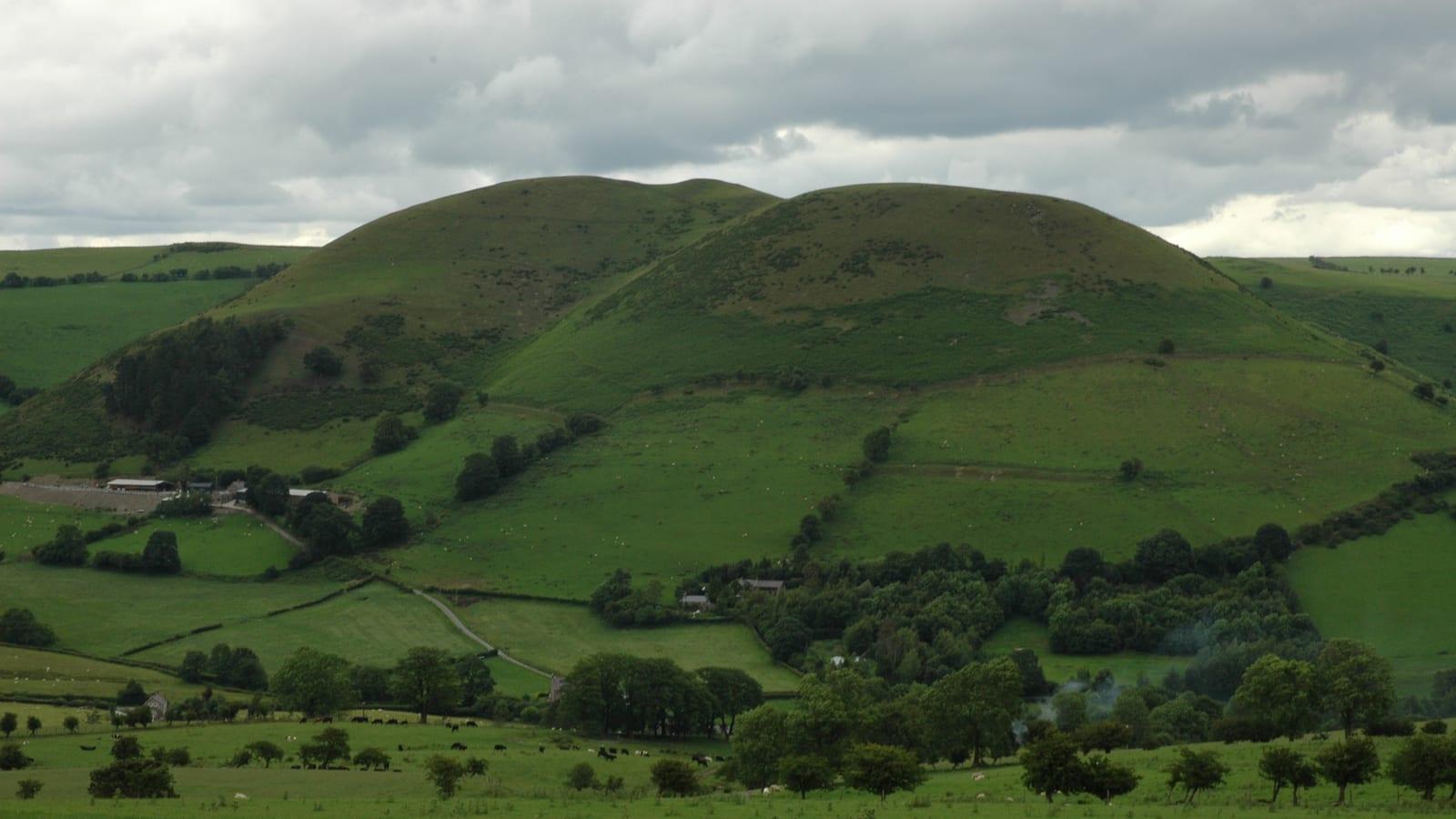
Lavernock Fossil Hunting Guide
Wales, United Kingdom
Ammonites, Brachiopods, Bivalves, Marine Reptiles
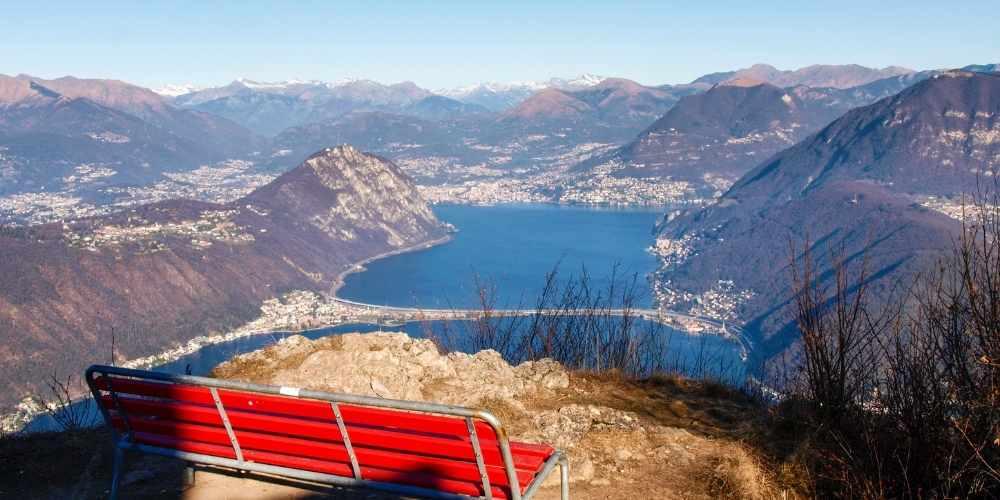
Monte San Giorgio (Besano-Meride) Fossil Hunting Guide
Lombardy, Italy
Besanosaurus leptorhynchus, Ceresiosaurus calcagnii, Saurichthys, Tanystropheus longobardicus
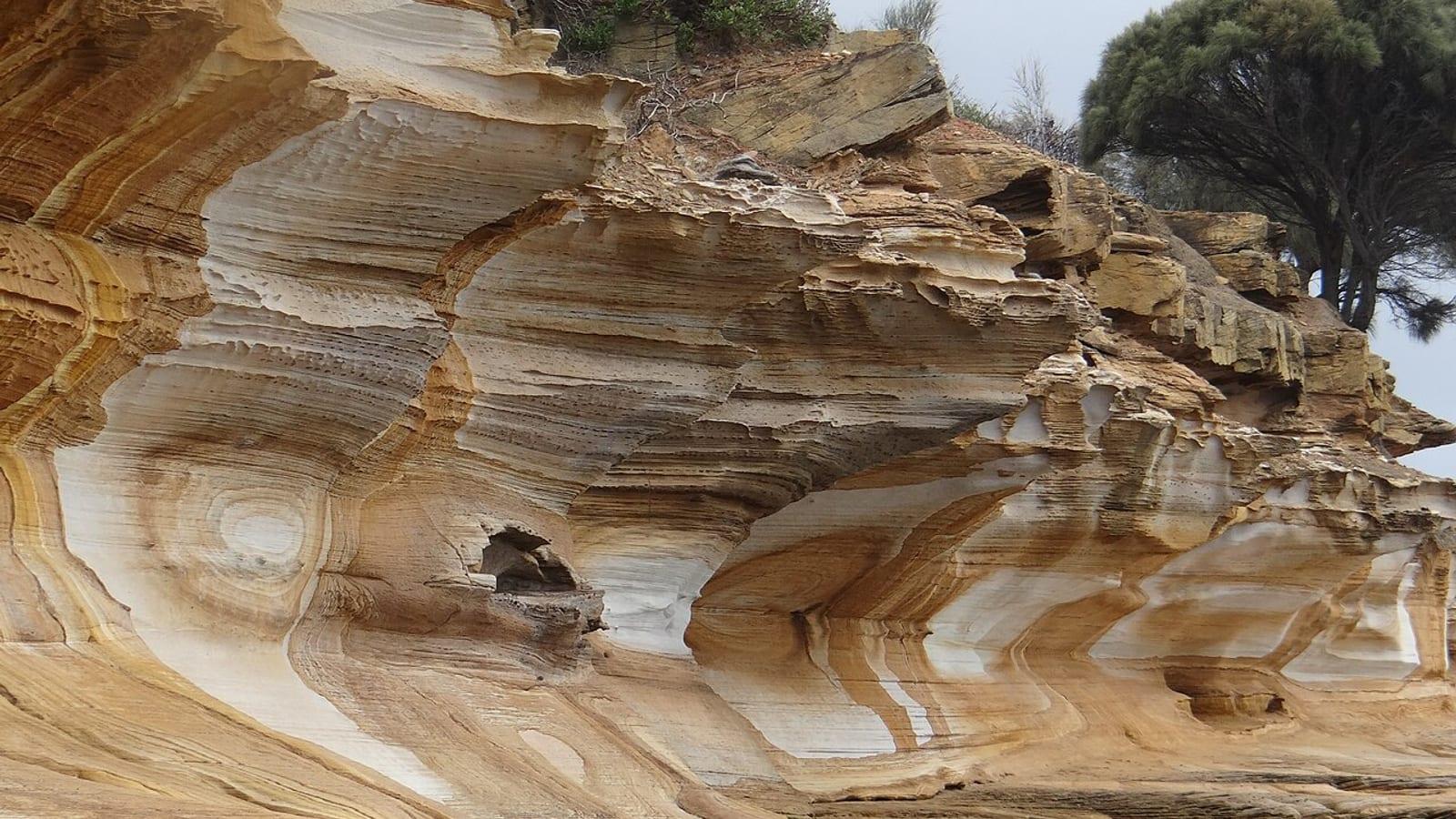
Painted Cliffs Maria Island Fossil Hunting Guide
within Maria Island National Park
trace fossils, sedimentary structures, Ripple marks, Cross-bedding
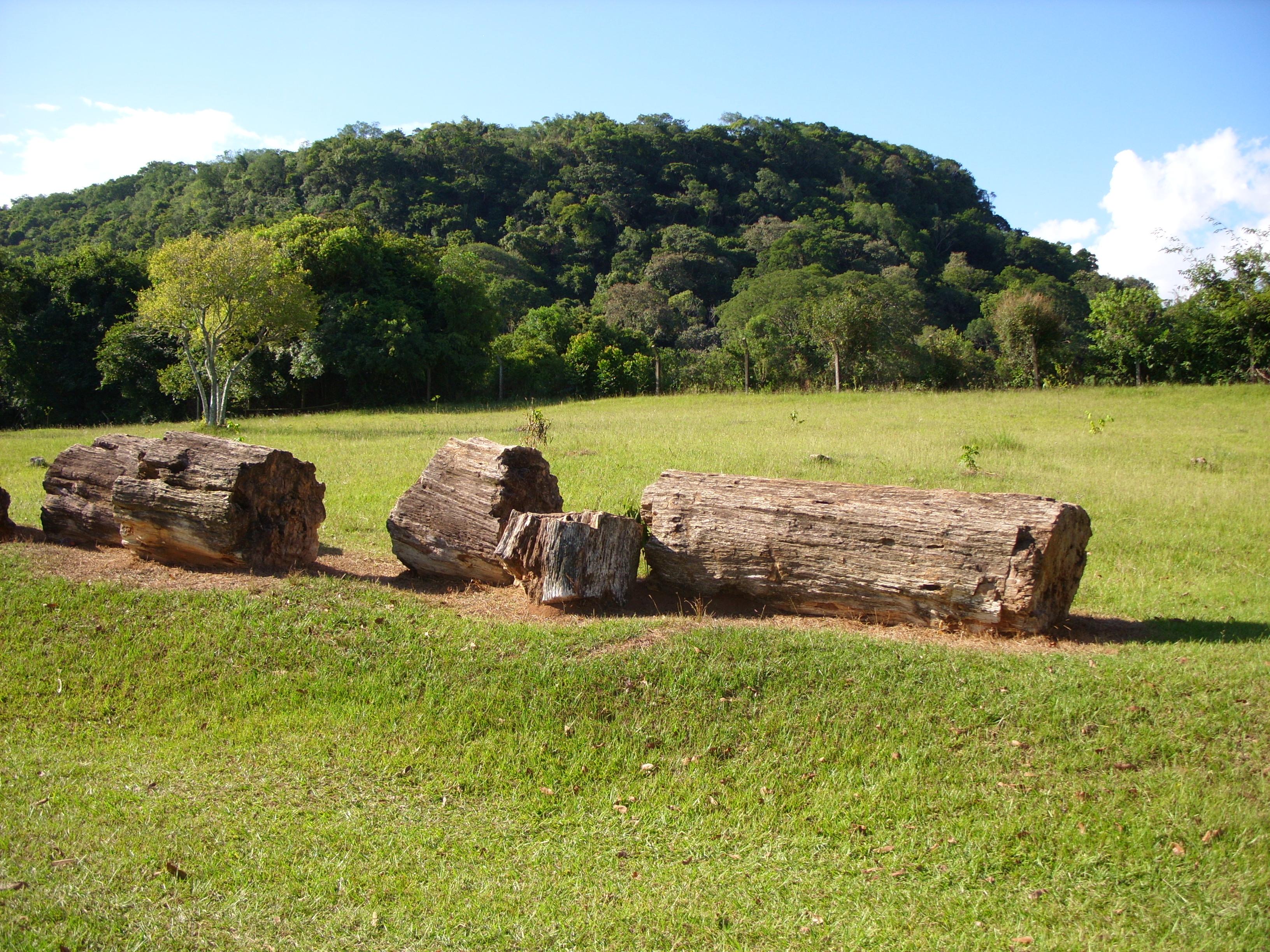
Paleorrota Geopark Fossil Hunting Guide
Rio Grande do Sul, Brazil
Staurikosaurus pricei (early dinosaur), Hyperodapedon (rhynchosaur), Dinodontosaurus (dicynodont), Exaeretodon (cynodont)

Penarth Beach Fossil Hunting Guide
South Wales, United Kingdom
Ammonites, Bivalves, Brachiopods, Gastropods
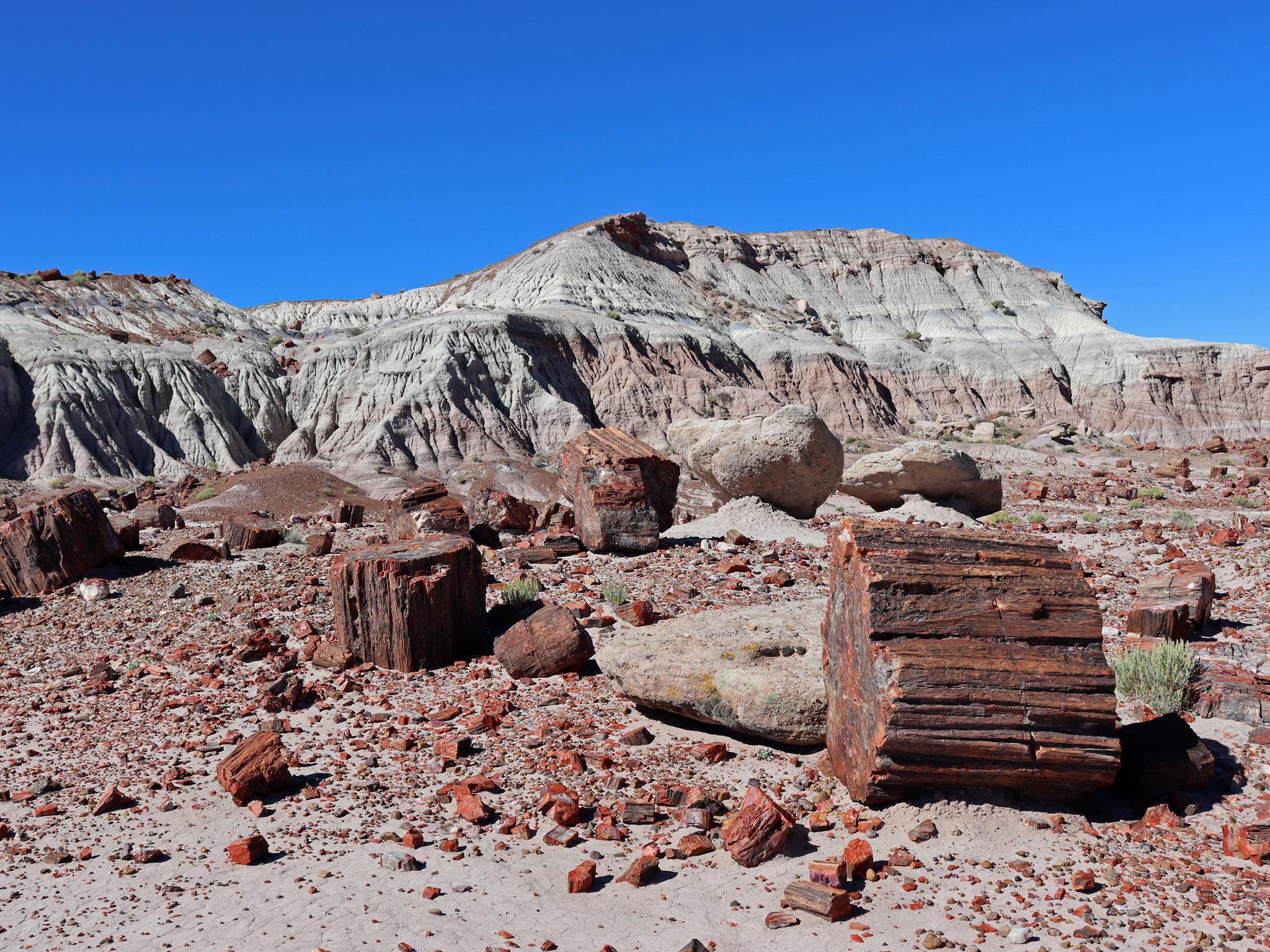
Petrified Forest National Park Fossil Hunting Guide
Arizona, United States
Petrified Araucarioxylon logs, Phytosaurs, Aetosaurs, Coelophysis-grade dinosaurs
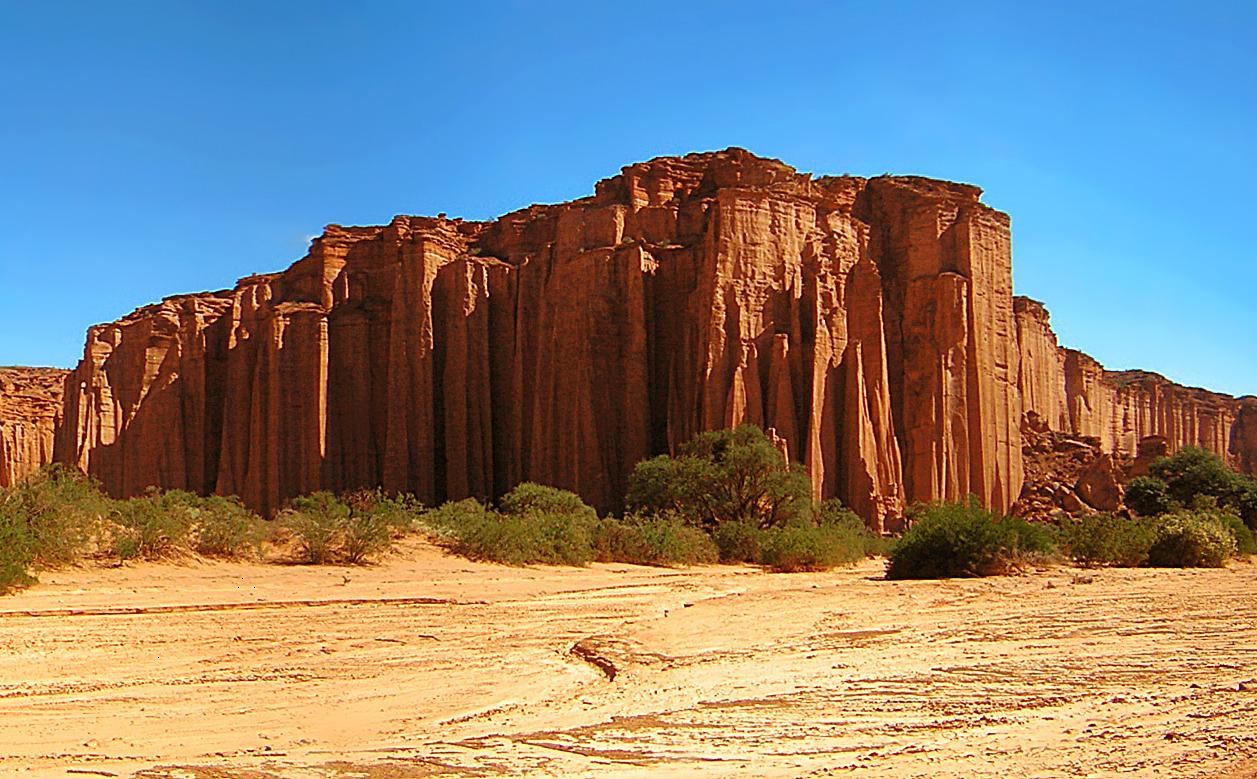
Talampaya National Park Fossil Hunting Guide
La Rioja, Argentina
Dicynodonts (Dinodontosaurus), Cynodonts (Massetognathus), Rhynchosaurs (Hyperodapedon), Early dinosaurs (Eoraptor, Herrerasaurus relatives)
Frequently asked questions
- What are the oldest dinosaurs?
- The earliest widely accepted dinosaurs come from Late Triassic rocks in Argentina and southern Brazil, around 230 million years old. Herrerasaurus and Staurikosaurus are among them. They were small, walked on two legs, and were far from dominant at the time.
- Why is so much Triassic rock red?
- Iron in the sediment oxidized in a dry, well-drained setting. The result is the red beds that fill Triassic basins across North America, Europe, and Africa. Red does not mean the rock is barren, but it does mean the sediment settled on land.
- Can I collect Triassic fossils?
- Rarely at the sites in this guide. Eight of the eleven are viewing only, and several sit inside national parks where collecting is a federal offense. Read each page before you plan a visit.