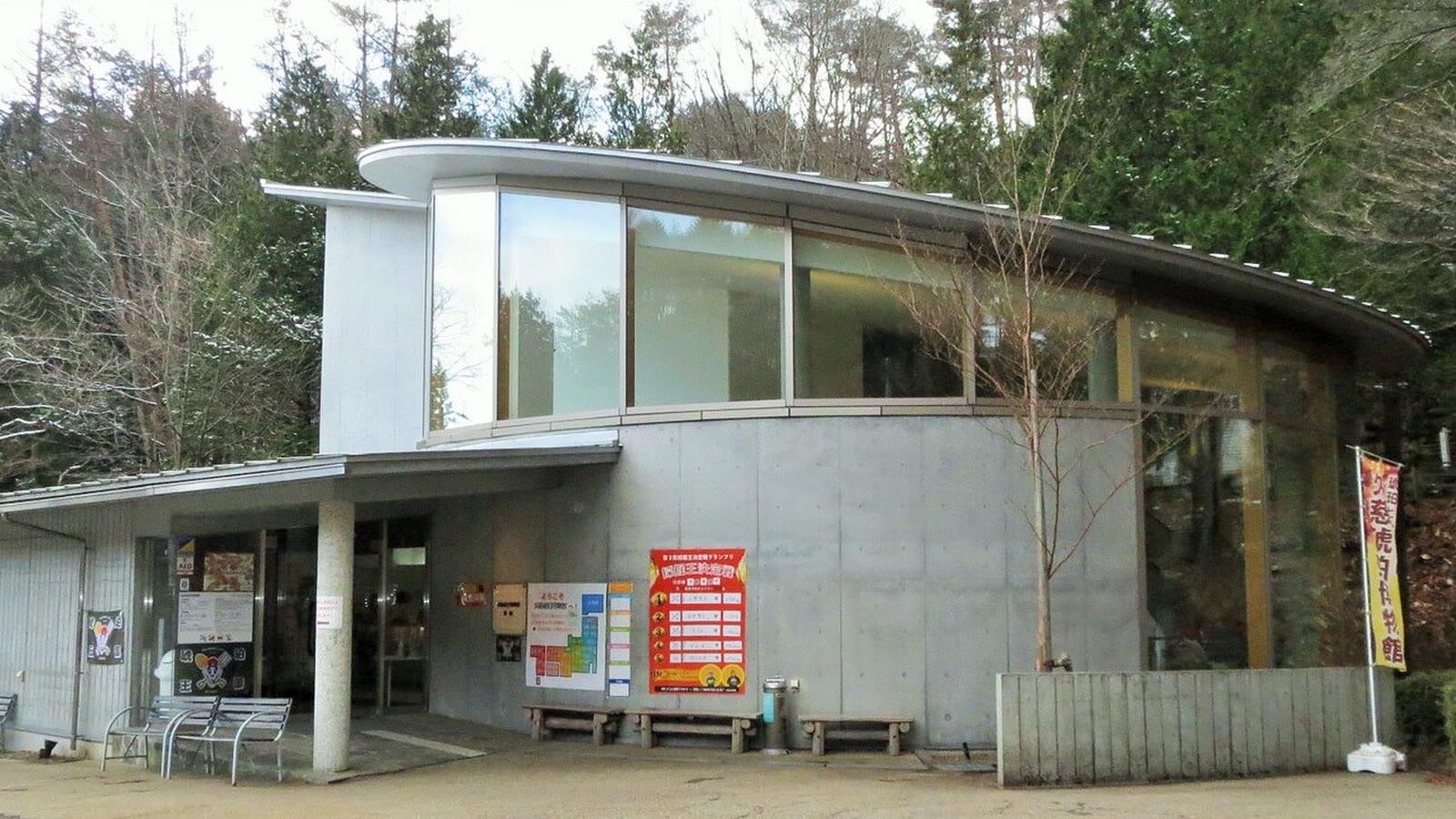
Kuji Amber Museum and Amber Mine Fossil Hunting Guide
Image: Ty19080914 (CC BY-SA 4.0)
The Kuji Amber Museum in Iwate Prefecture stands on the Cretaceous amber deposit it exhibits, and runs a supervised digging session on its own ground about 300 metres away. The amber comes from the Tamagawa Formation of the Kuji Group. Visitors keep the amber they dig, and the same beds have produced a tyrannosauroid tooth and a named turtle.
By Edward Chen · Published 12 October 2026
Introduction
Amber from the Tamagawa Formation at Kuji formed about 90 million years ago. The Kuji Amber Museum stands on the deposit that yields it. The museum describes itself as the only museum in Japan given over to amber.
The attraction for a collector is the digging session. For about one hour you work the Cretaceous beds at the museum's own excavation ground. Staff supervise. The tools are an ice pick and a planting trowel. You keep what you find, within limits set out below.
The same ground has produced more than amber. A visitor digging there on 24 June 2018 found a tyrannosauroid tooth 9 mm tall. It is the first firmly identified Late Cretaceous tyrannosauroid tooth from Japan. A nearly complete turtle shell from the site in 2008 became the holotype of Adocus kohaku, named by Ren Hirayama and colleagues.
Waseda University excavates the formation jointly with the museum. As of June 2023 it reported 2,955 vertebrate fossils of about 30 species from the Tamagawa Formation.
The museum also keeps the old amber mine. A tunnel worked until about 1918 runs into the hillside behind the building, and visitors follow a set route through it.
Location and Directions
The museum is at 19-156-133 Kokuji-cho, Kuji, Iwate Prefecture 028-0071. It sits in a wooded valley south-west of Kuji city centre, on the Sanriku coast of northern Honshu.
GPS: 40.1699°N, 141.7238°E.
Kuji Station is the terminus of the JR Hachinohe Line and the northern end of the Sanriku Railway. From the station the museum lies a short drive inland. The museum runs a free shuttle from the nearest bus stop, booked by telephone on 0194-59-3831 by 15:00 the day before.
Opening hours run 09:00 to 17:00, with last admission at 16:30. Staff clear the building at 17:00 even if you are mid-visit.
Admission costs 500 yen for adults and 200 yen for elementary and junior high school pupils. Groups of 20 or more pay 400 yen and 150 yen. Admission covers both the main building and the new building.
The museum closes every Tuesday from December to February, on 31 December and 1 January, and on the last day of February.
What Fossils You'll Find
The amber digging site sits about 300 metres north-east of the museum, beside a tributary of the Osawada River. The session lasts about one hour and runs outdoors.
The 2026 season opened on 18 April. The museum does not publish a closing date, so confirm the current period when you book. Sessions run at 09:30, 11:00 and 13:30. The museum has suspended its 15:00 slot.
Fees are 1,500 yen for high school age and above, and 1,000 yen for elementary and junior high pupils. Children below school age pay 300 yen. A child below school age must come with a companion of high school age or older. Gloves cost 50 yen if you do not bring your own.
Book by telephone or through the museum's web form. Walk-in places exist, but booked visitors take priority when the site is busy. The museum asks groups of five or more to book.
Amber is the main find. The museum states that the source tree was probably an araucarian conifer, and that about 1,000 insect-bearing pieces have come from the Kuji area. More than 800 insect inclusions from Kuji amber still await formal description.
One of the described insects is Kujiberotha teruyukii, a thorny lacewing named in 2018 from a piece collected at Kuji in 2006. The holotype is held at the museum.
The surrounding beds also yield vertebrate bone and teeth. Finds published or announced from the museum's digging ground and the adjacent research excavation include a crocodilian tooth and the Adocus kohaku turtle shell. The list also holds an ornithischian dinosaur hip bone, a pterosaur wing bone, choristodere vertebrae and the 2018 tyrannosauroid tooth.
A separate indoor ammonite digging activity costs 550 yen per session, needs no booking, and takes children from the age of three.
Geologic History
The Kuji Group runs north-west to south-east along the coast of northern Iwate and divides into three formations. In ascending order these are the Tamagawa, the Kunitan and the Sawayama.
The Tamagawa Formation is the amber-bearing unit and reaches about 180 metres in maximum thickness. Conglomerate forms the lower part. Sandstone and carbonaceous mudstone in the middle and upper parts carry the amber and the phytoliths. Oyster shell beds occur in the middle part. Researchers reconstruct the setting as a river and river mouth.
Above it, the Kunitan Formation records shallow marine conditions across about 170 metres. It yields ammonites such as Polyptychoceras, the inoceramid Inoceramus naumanni and mosasauroid teeth. The Sawayama Formation above that is about 70 metres of terrestrial conglomerate and sandstone with plant fossils.
The age of the amber-bearing beds is genuinely disputed, and a visitor should know that. Arimoto and colleagues dated the amber matrix to the middle Santonian, about 85.9 plus or minus 0.7 million years. They used uranium-lead dating of zircon from volcaniclastic rock. Uno and colleagues, and later Hirayama and colleagues, dated volcanic ash within the bone bed to 90.51 plus or minus 0.54 million years. That ash lies in the upper Tamagawa Formation.
Pollen from the bone bed outcrops matches a Turonian flora rather than a younger one. Matsumoto and colleagues concluded in 2021 that the bone bed falls between the Turonian and the Santonian. They judged a Turonian age more likely. The range quoted on this page, 91 to 85 million years, spans the published estimates rather than settling between them.
 Photo: Hajime NAKANO, CC BY 2.0, via Wikimedia Commons
.jpg)
Collecting Rules and Regulations
Dig only inside the museum's booked session, on the ground the museum provides. The mine and the surrounding land belong to the operating company, and the research excavation nearby is closed to the public.
The museum states that you may take home all the amber you dig. Three categories stay behind. Amber containing insects goes to research. Animal fossils that are not amber go to research. Any single piece of amber over 300 grams is retained as research material.
Show every find to the staff. The 2018 tyrannosauroid tooth reached science because a visitor handed it in rather than pocketing it.
Pickaxes and crowbars are banned from the site. Use the ice pick and planting trowel the museum issues.
Japan protects designated natural monuments strictly, and several fossil localities elsewhere in the country are closed outright. Access here is a commercial arrangement by one company on its own land, not a general right to collect.
 Photo: Nakamine H, Yamamoto S (2018), ZooKeys 802, CC BY 4.0, via Wikimedia Commons
_Figure_2.jpg)
Safety
Wear clothes you are willing to ruin. The digging ground is open ground beside a stream and the sediment is dirty.
Bring your own boots. The museum has suspended its rubber boot loan. Reception sells shoe covers if you arrive in ordinary shoes.
Bad weather can cancel a session. Light rain does not always stop it, so carry a raincoat rather than an umbrella. The museum asks visitors not to use umbrellas on the site.
Dress warmly from October. The museum warns that the outdoor session becomes very cold from that month, and northern Iwate holds snow through the winter.
Wear the gloves. An ice pick and a trowel worked against rock will mark bare hands quickly.
The old mine tunnel has a wet floor, low headroom and uneven ground. Follow the marked route and watch your footing.
Children below school age must be accompanied by someone of high school age or older, which is a museum rule rather than advice.
Sources
https://www.kuji.co.jp/experience/ https://www.kuji.co.jp/museum/ https://www.kuji.co.jp/surroundings https://www.kuji.co.jp/story https://en.kuji.co.jp/ https://www.waseda.jp/top/news/64570 https://www.waseda.jp/top/en/news/78408 https://discovery.ucl.ac.uk/id/eprint/10134692/1/Evans_The%20first%20choristoderan%20record%20from%20the%20Upper%20Cretaceous%20of%20Asia.pdf https://pmc.ncbi.nlm.nih.gov/articles/PMC6290048/ https://www.sciencedirect.com/science/article/abs/pii/S0195667118301885 https://www.wikidata.org/wiki/Q74825456
Nearby sites
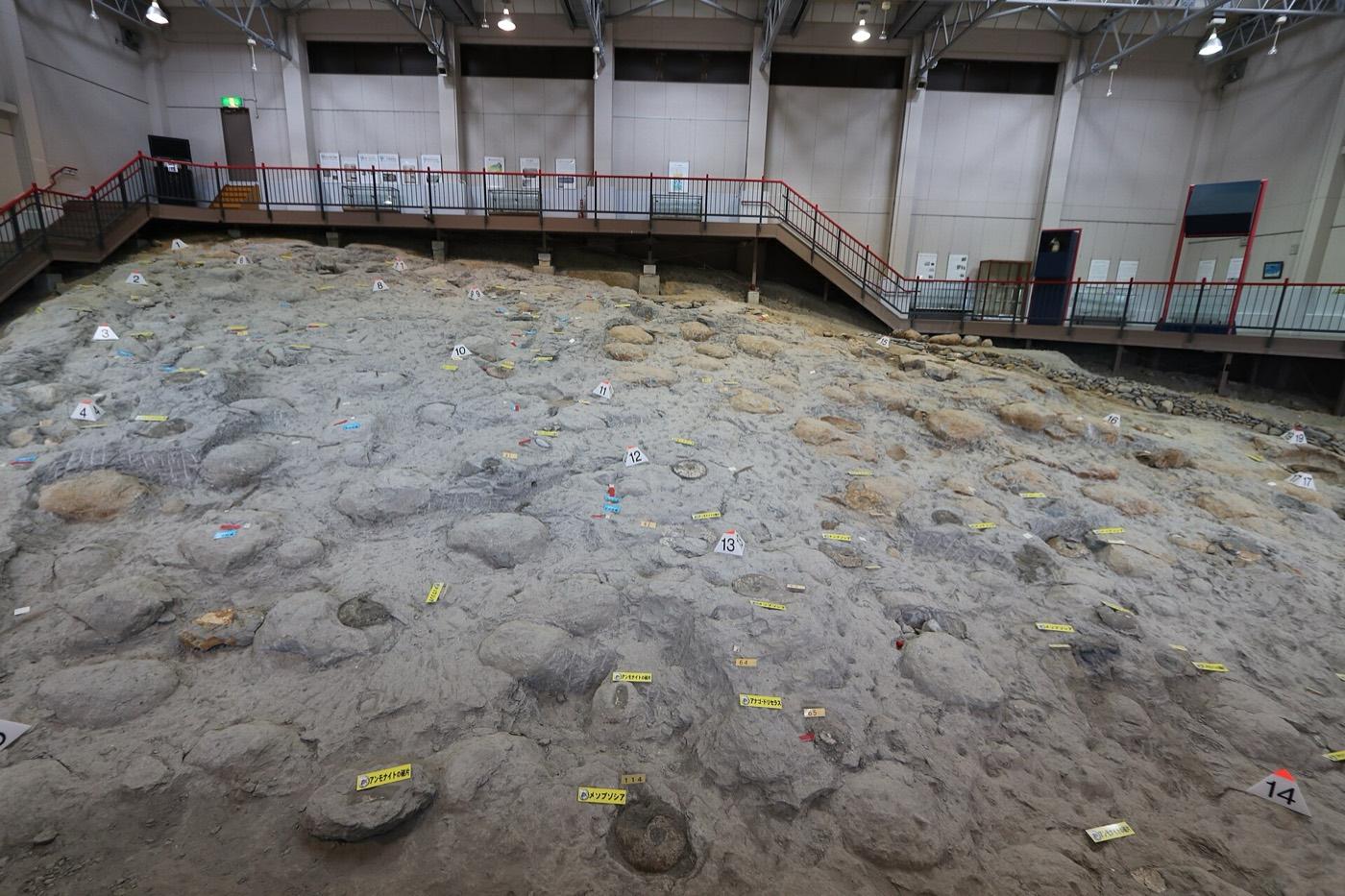 Iwaki City Ammonite Center Fossil Hunting GuideAmmonites, Bivalves
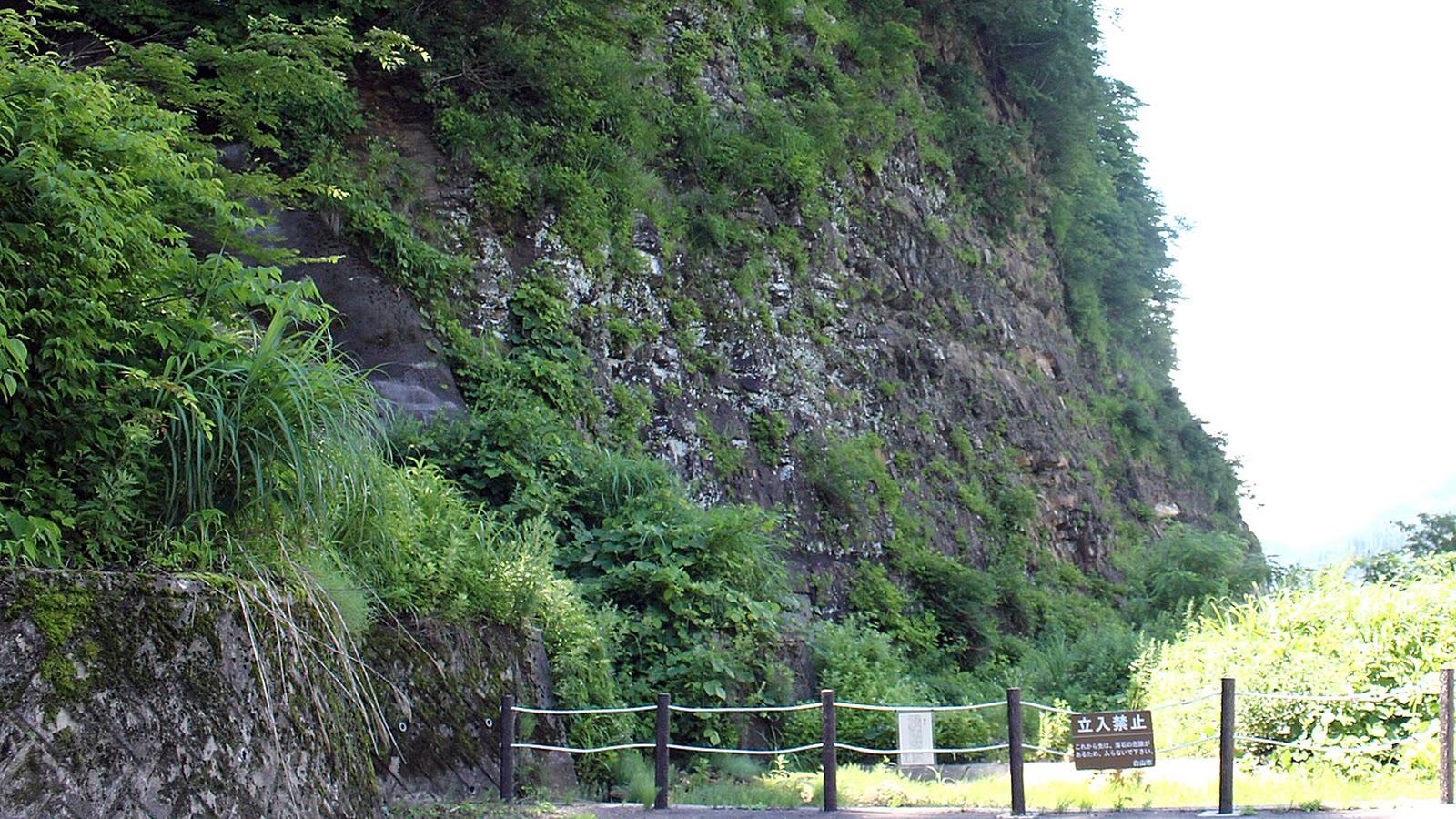 Kuwajima Fossil Wall and Hakusan Dinosaur Park Shiramine Fossil Hunting GuidePlants, Dinosaurs
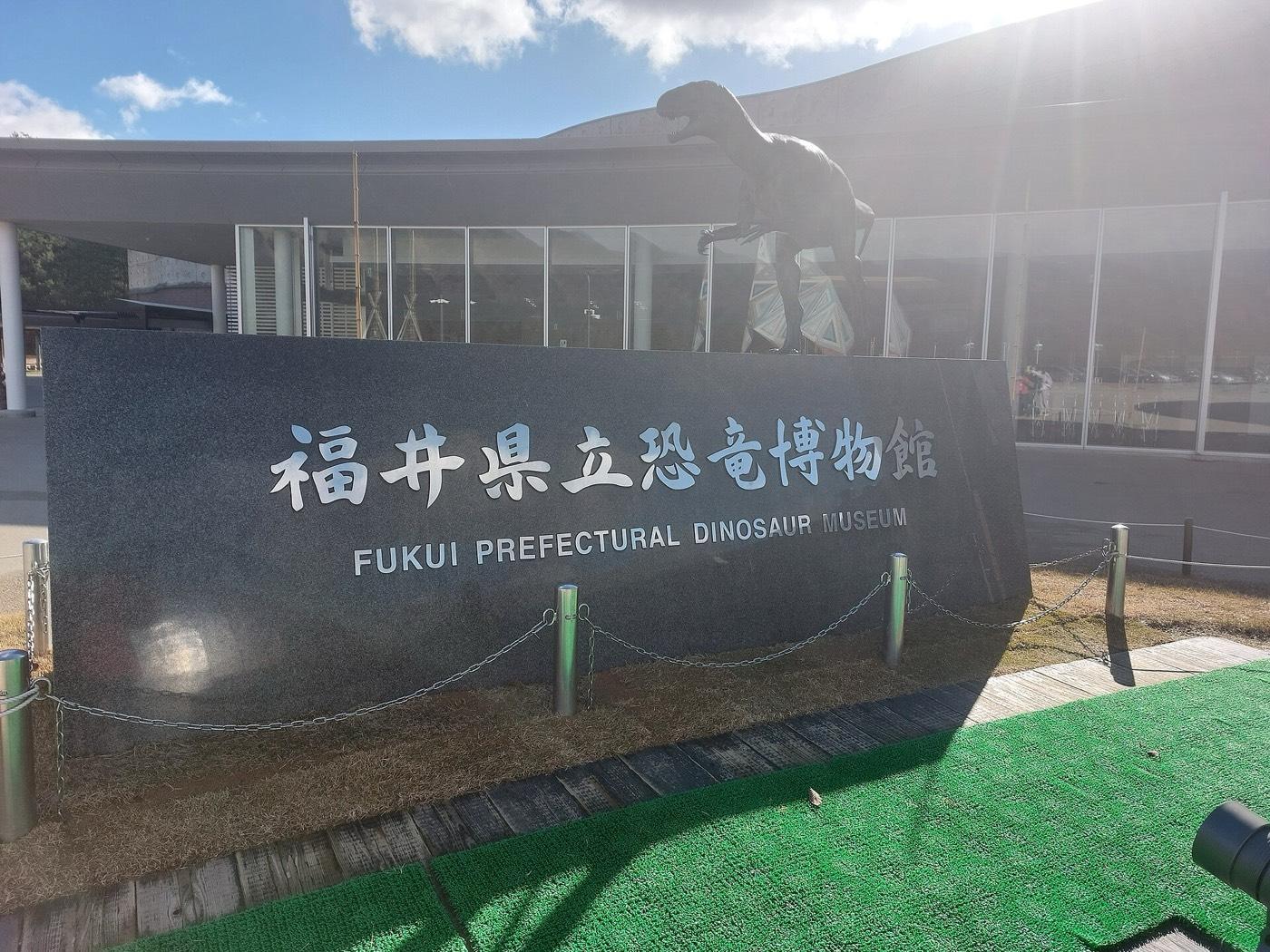 Fukui Prefectural Dinosaur Museum and Katsuyama Dig Fossil Hunting GuideDinosaurs, Plants
 Sangjogam County Park Dinosaur Trackway Fossil Hunting GuideTrace fossils, Dinosaur tracks