Museo El Fósil, Monquirá Fossil Hunting Guide
A seven-metre pliosaur lying exactly where three local men found it in 1977, under a roof on the road to Santa Sofía. One of very few marine reptiles anywhere still displayed at its own excavation site.
By Edward Chen · Published 17 September 2026
Introduction
In 1977 Samuel Vargas, Enrique Zubieta and German Zubieta struck bone on Tito Hurtado's land, in the vereda of Monquirá outside Villa de Leyva.
What emerged was a nearly complete pliosaur, a short-necked marine reptile with a head far out of proportion to anything alive now. The skull alone measures 2.45 metres from the snout tip to the back of the right squamosal.
The decision that followed is what makes this site worth a page. Nobody moved the animal.
A roof went up over the excavation and the skeleton stayed in the rock. It lies in the position it held for over 110 million years, and the museum grew around it.
The species carried the name Kronosaurus boyacensis for decades. In 2021 a review reassigned it to a new genus, Monquirasaurus, named for the farming community that found it.
Very few pliosaurs anywhere are displayed at their own excavation site. This is one.
Location and Directions
Villa de Leyva is a colonial town in Boyacá, roughly three hours by road north of Bogotá, and a Colombian national monument in its own right.
The museum is about 5 km from the town centre, in the vereda of Monquirá, on the road towards Santa Sofía.
Taxis and local transport run the route constantly. Many visitors cycle it, and the road is flat by Colombian standards.
The museum opens daily, through the middle of the day rather than on museum hours, and charges a small entry fee in pesos.
Rates and hours move. Confirm both locally before you set out, because the published figures date quickly.
The museum is community-run rather than national, and the collection has grown with material from the surrounding countryside.
What Fossils You'll Find
You see rather than collect. The value here is one animal, in place.
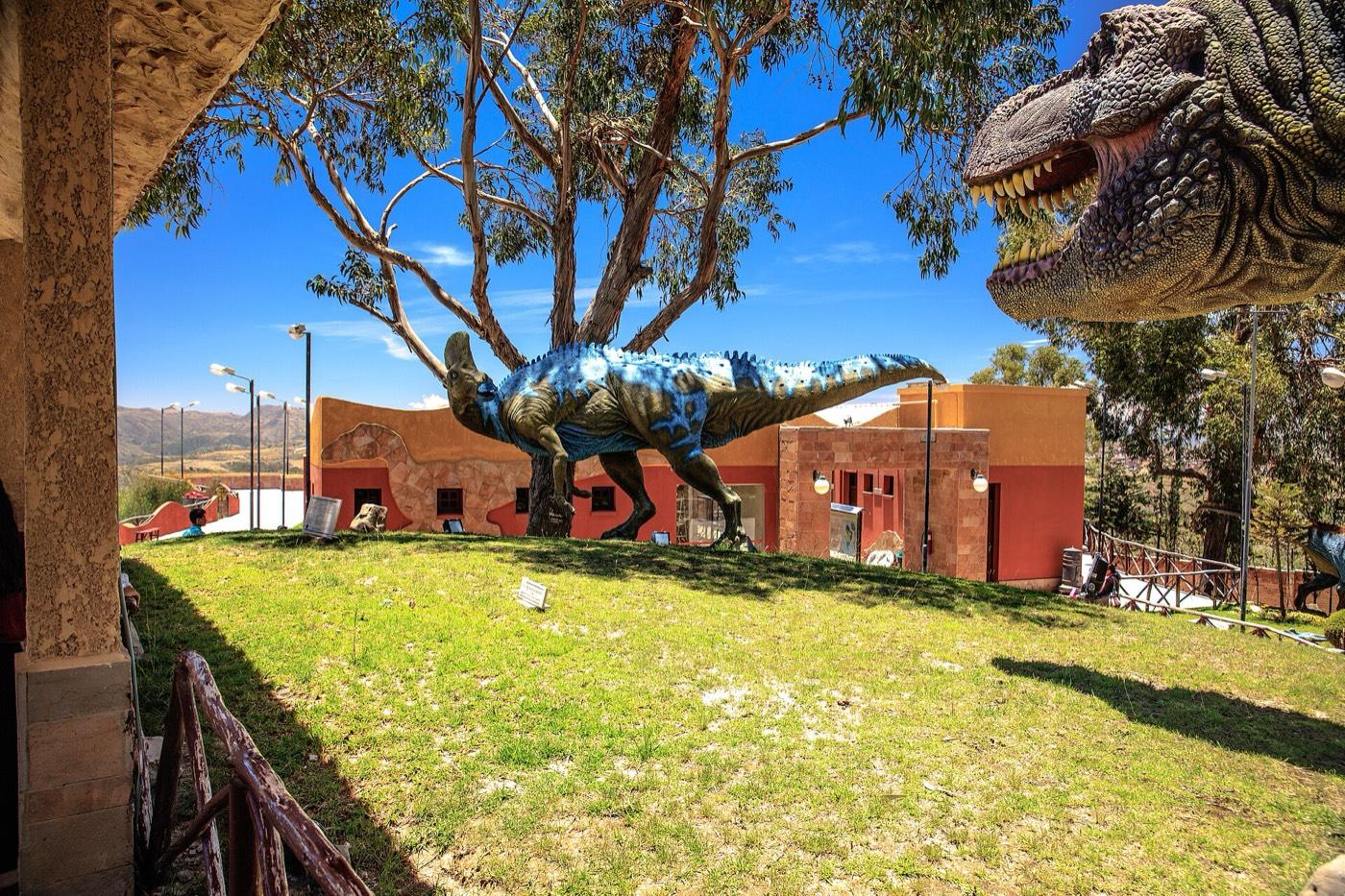
Monquirasaurus boyacensis is the specimen. The holotype is about 7 metres long as preserved. Body-size analysis suggests the living animal reached 9 to 11 metres and close to 10 tonnes.
Look at the skull first. The proportions explain the animal better than any label does. That head seized large prey.
The surrounding collection holds ammonites, bivalves and further marine reptile material from the Paja Formation.
The hills of the vereda are fossil-rich, and other sites in the area open to visitors. Ask at the museum which of them are currently accessible.
Do not expect to find anything yourself. This is a place to understand a Cretaceous sea, not to work it.
Geologic History
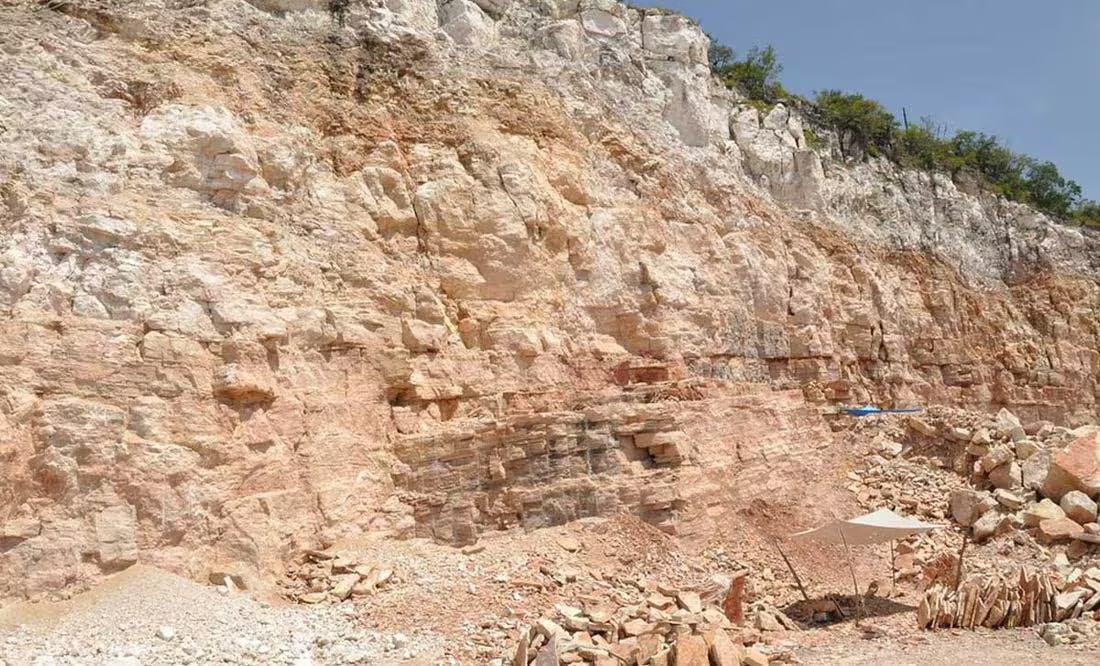
The rock is the Paja Formation, a sequence of dark shale and limestone concretions of Early Cretaceous age. The member that holds the pliosaur is late Aptian, roughly 119 to 112 million years.
At that time the land that became the Eastern Cordillera of Colombia lay under a shallow, poorly oxygenated sea.
Low oxygen at the sea floor is the reason the preservation is so good. Scavengers could not survive down there to break a carcass apart.
The same conditions produced the region's ammonites, which occur in concretions through the shale.
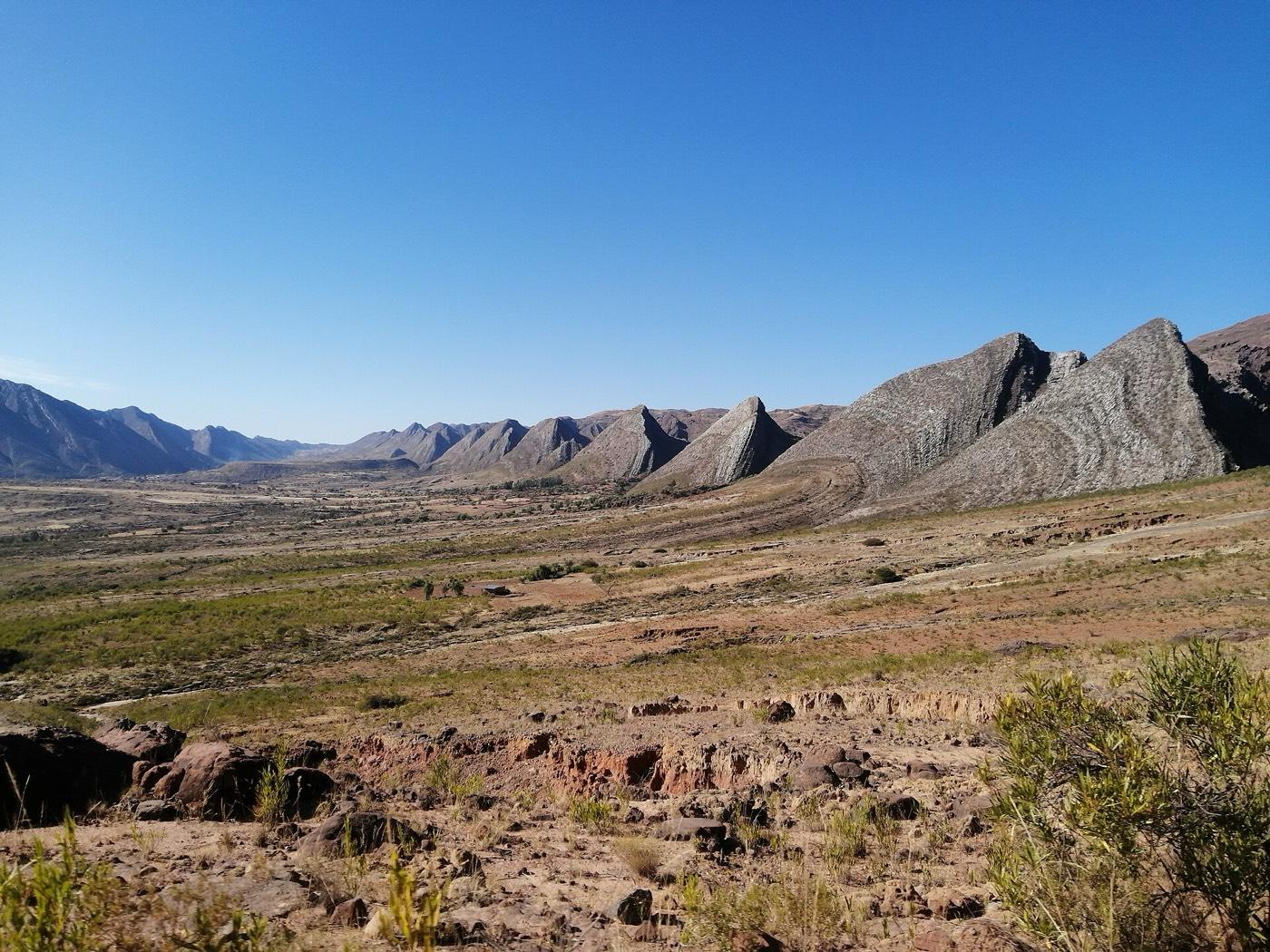
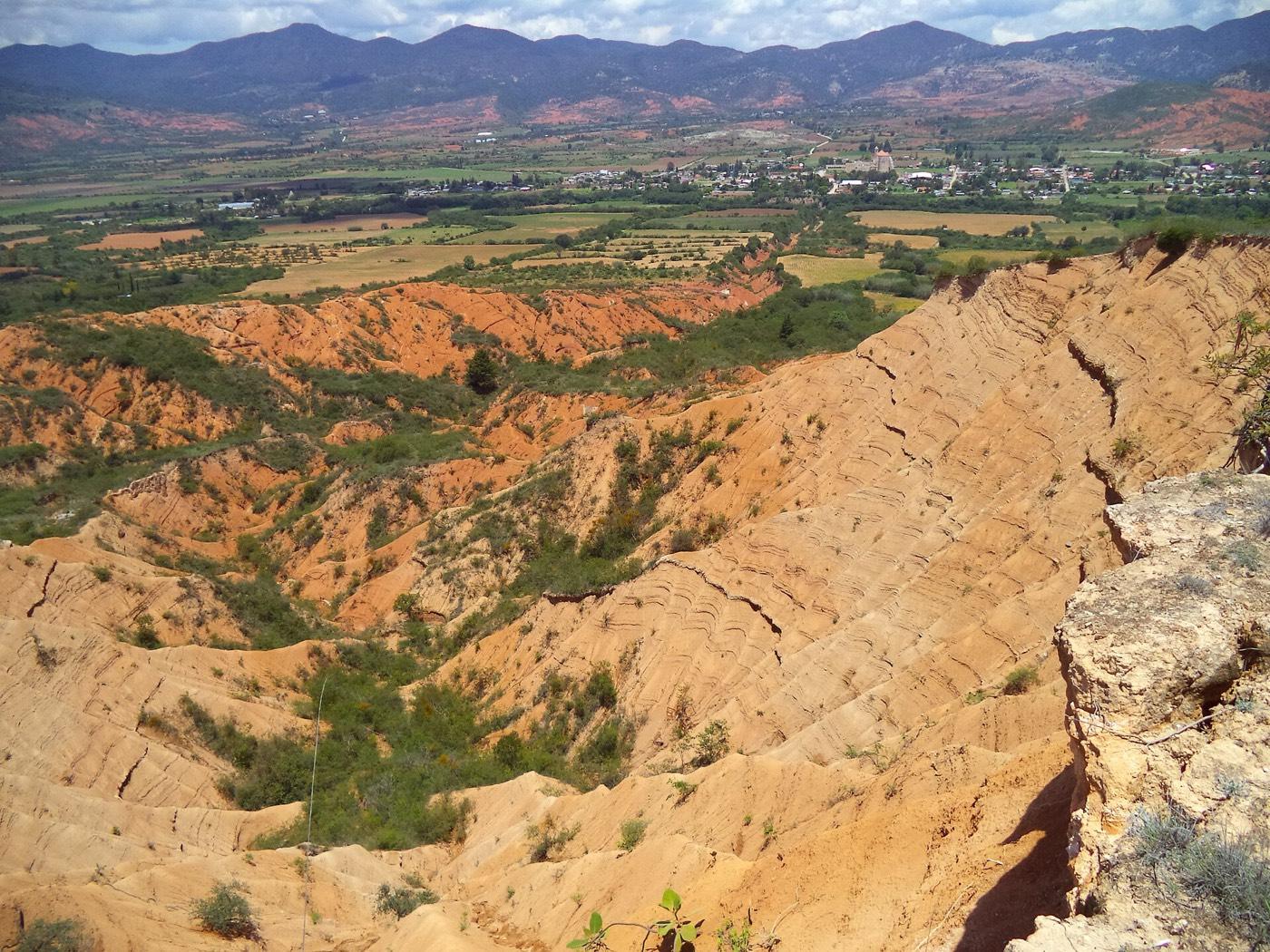
Later the Andes rose. Compression lifted these marine beds thousands of metres and tilted them, and erosion has since cut into them around Villa de Leyva.
The result is a Cretaceous sea floor sitting at 2,100 metres above the modern one.
Collecting Rules and Regulations
Nothing at the museum is collectable. It is a protected in-situ specimen inside a managed site.
Colombian law protects palaeontological material as part of the national heritage. Removing fossils from the country is prohibited.
Fossils are sold openly in shops around Villa de Leyva. Buying them is legally and ethically fraught, and a purchase can become an offence at the border.
The honest position is simple. Look, photograph, pay the entry fee that supports a community museum, and take nothing.
If you visit other sites in the vereda, go with local guidance. Farmers work much of the surrounding ground.
Ask before you photograph staff or other visitors, as you would anywhere.
Safety
Villa de Leyva sits at about 2,100 metres. Altitude affects some visitors, so take the first day gently.
Equatorial sun at that height burns fast even when the air feels cool.
The road to Monquirá carries traffic and has no footway for much of its length. Cycle or walk it with care.
Afternoon rain is common in the wet seasons and the unpaved side tracks turn to mud.
Carry water. The valley is dry and dusty for most of the year.