Penn Dixie Fossil Park & Nature Reserve Fossil Hunting Guide
Image: RealGatba (CC BY-SA 4.0)
A 54-acre fossil park in Blasdell, New York, on the Middle Devonian Windom Shale. Trilobites are the draw and they are abundant. Pay admission, get a trowel and an identification card, and keep everything you find. Open Wednesday to Sunday in season.
By Edward Chen · Updated 2 August 2026
Introduction
Penn Dixie Fossil Park and Nature Reserve occupies 54 acres in Blasdell, just south of Buffalo in Erie County, New York. The ground was a shale quarry worked for cement, and when the operation closed, the site was saved and turned into what is now one of the best-regarded public fossil localities in the United States.
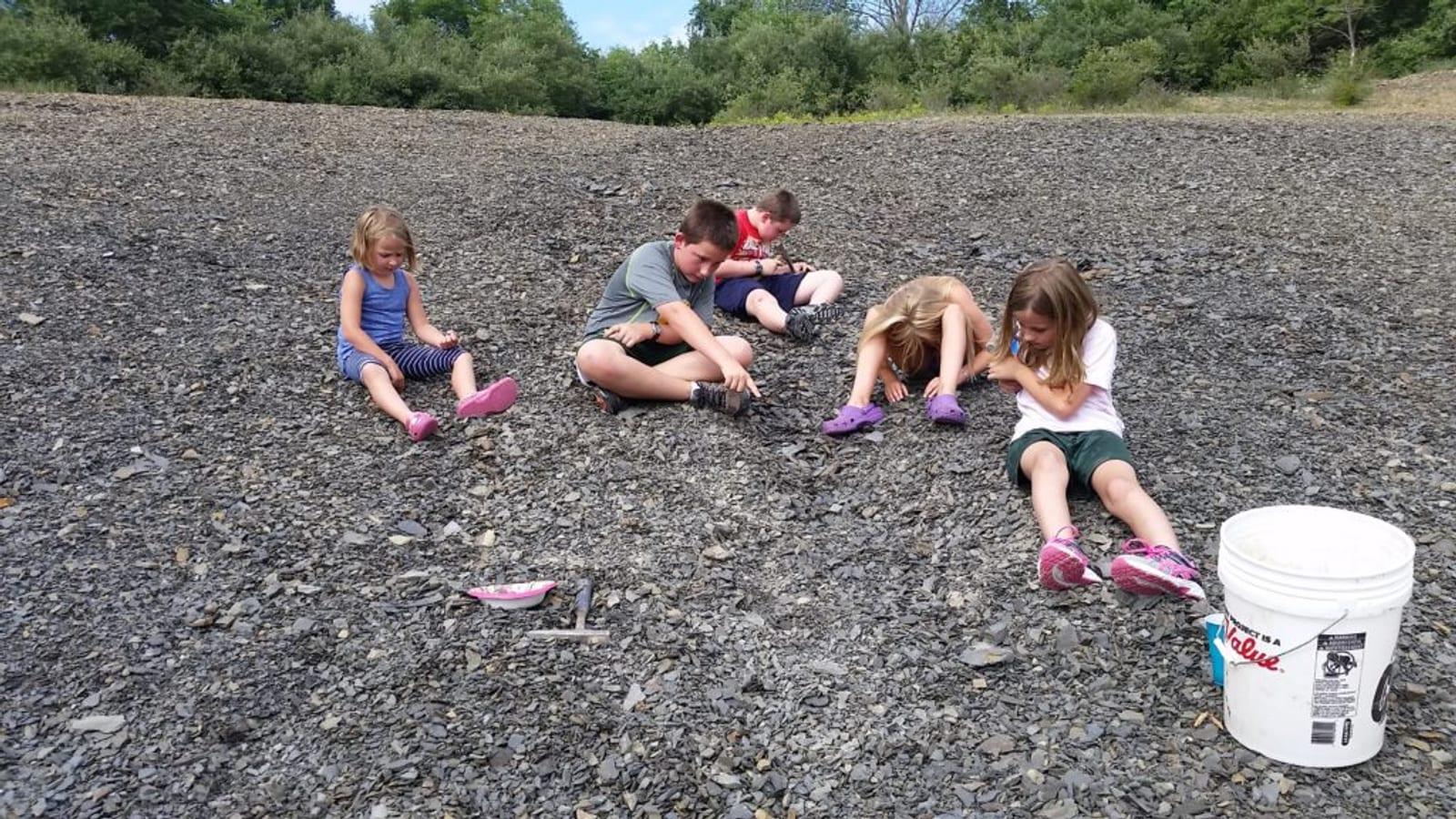
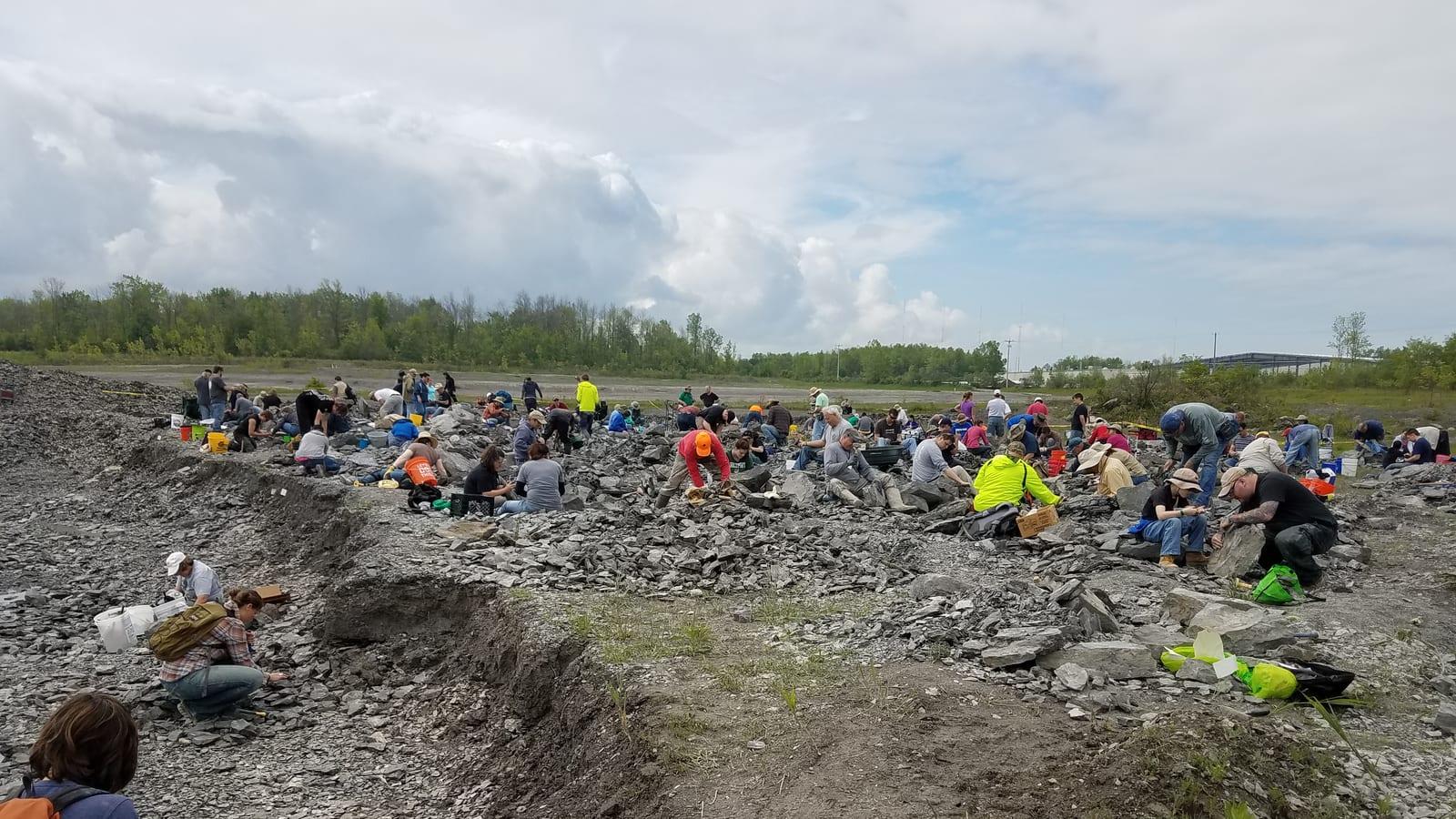
The rock is the Middle Devonian Windom Shale, and the draw is trilobites. They are genuinely abundant here, which is not something most publicly accessible sites can claim, and the park is set up so that a complete beginner has a realistic chance of finding one within the first hour. You pay admission, you are handed a trowel and an identification card, a volunteer walks you to a productive spot, and everything you dig out is yours to keep.
Location and Directions
The park is at 4050 North Street, Blasdell, near 42.784 degrees north, 78.828 degrees west, roughly fifteen minutes south of downtown Buffalo and easily reached from Interstate 90.
Check the calendar before you go. Penn Dixie operates seasonally rather than year-round. It opens Wednesday to Sunday, roughly 9am to 4:30pm, with the main summer season running from late June through Labor Day. The park also runs special events and dig days outside that window, so the website is the authority.
Admission is charged per person and supports the park, which is run as a non-profit educational organisation rather than a commercial quarry. First-time visitors are offered a complimentary twenty-minute orientation tour. It is not compulsory, but it is worth the time, because someone showing you what a trilobite looks like in the ground saves an hour of guessing.
The park provides a trowel and a fossil identification card. Bring your own food and drink, sunscreen, and any additional tools you prefer. Safety glasses are required, so bring a pair if you have them.
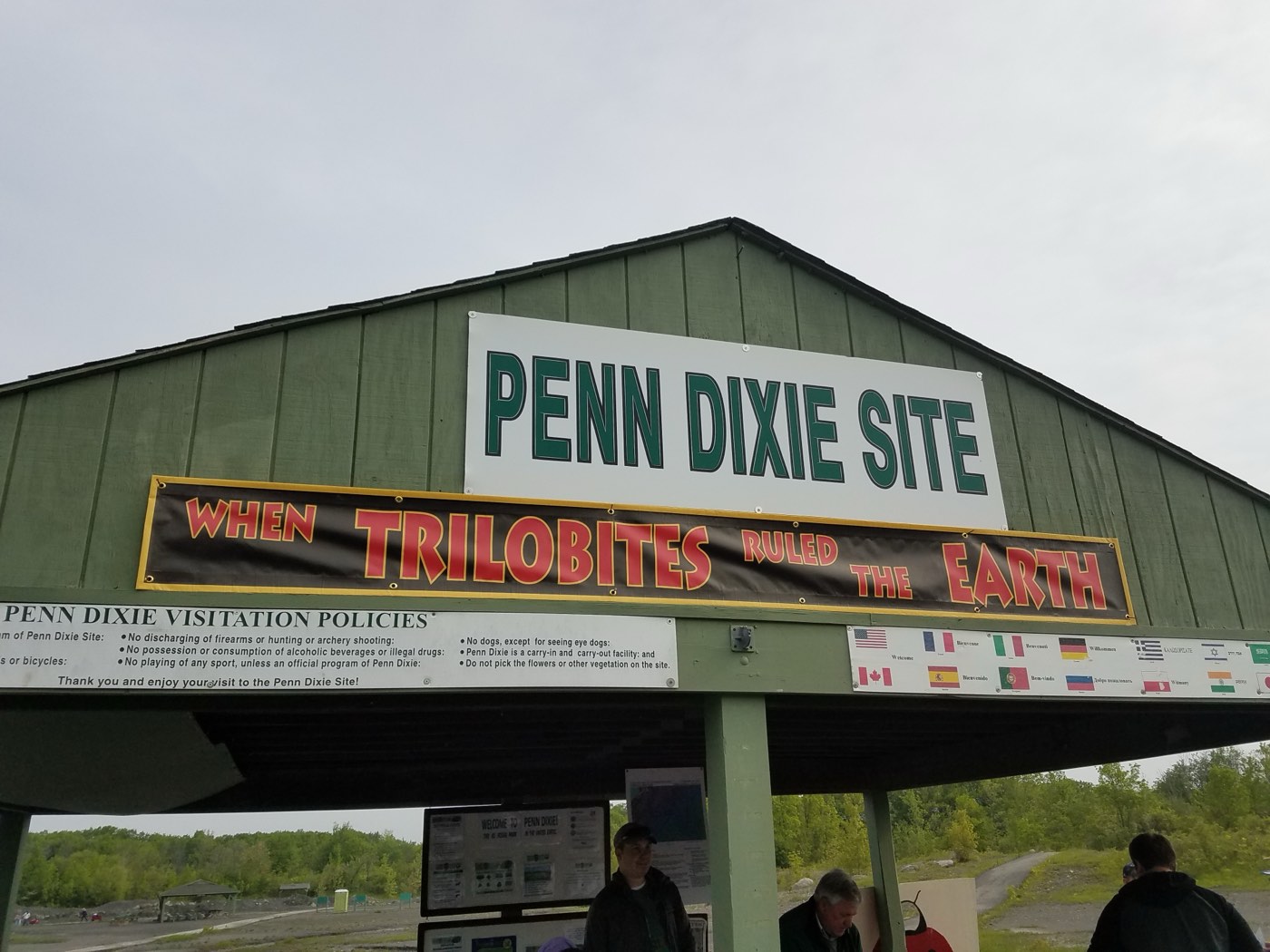 Photo: PennDixieFossils, CC BY-SA 4.0, via Flickr
What Fossils You'll Find
Trilobites are what Penn Dixie is known for. Eldredgeops rana, which older references call Phacops rana, is the common one, a rounded trilobite with large compound eyes whose individual lenses are often visible. Enrolled specimens turn up, curled into a ball and buried that way. Greenops is the other trilobite to know, spinier and less frequent. Complete specimens are found regularly here, which is unusual.
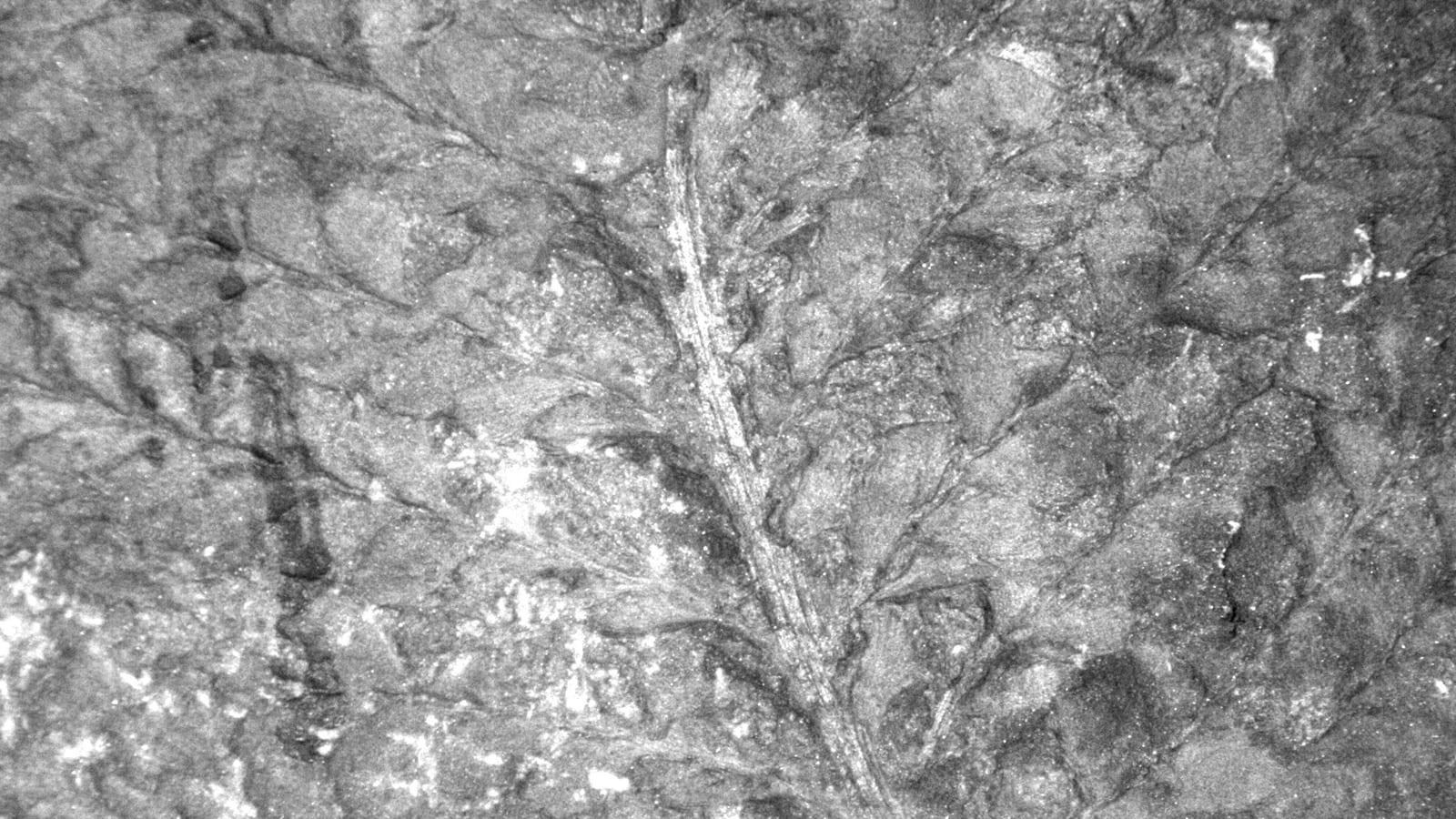
Brachiopods are the most abundant fossil overall and come in a range of shapes and sizes. Crinoid remains occur as stem sections and columnals, bryozoans as delicate branching and lacy fragments, and corals as small solitary horn forms and colonial masses.
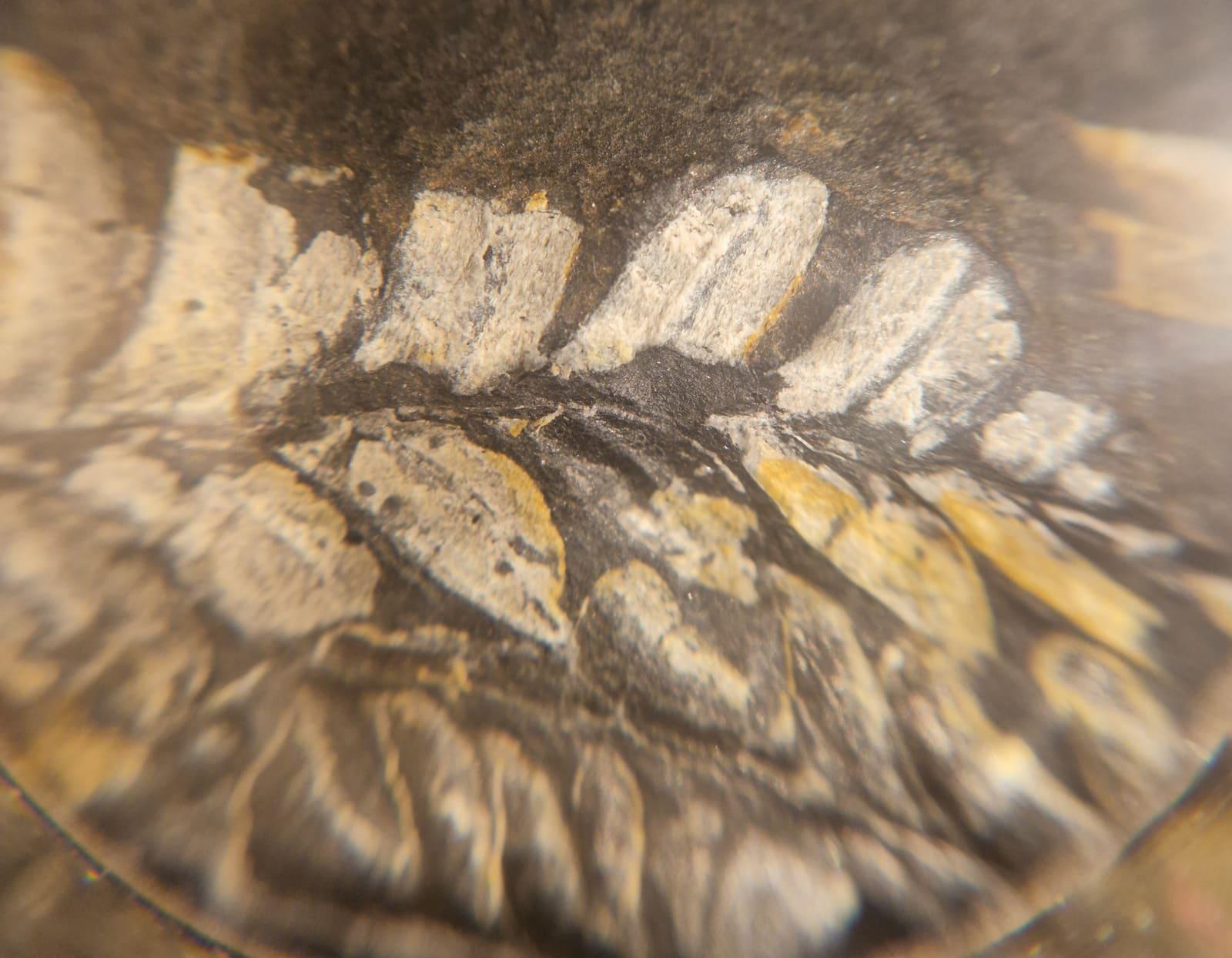
The park is also known for producing occasional pyritised material, where fossils have been replaced by iron pyrite and come out with a metallic golden sheen.
The method is to dig into the soft shale with your trowel and split what you turn up. The rock is weathered and soft rather than hard rock requiring heavy tools, which is exactly why the site works for families and school groups. Volunteers are stationed around the digging areas and will identify anything you are unsure about, which is one of the genuine advantages of a staffed site over a roadside exposure.
Geologic History
The Windom Shale is the uppermost member of the Moscow Formation, part of the Hamilton Group, deposited in the Middle Devonian roughly 383 to 380 million years ago. At that time western New York lay south of the equator beneath a shallow tropical sea, on the western side of the rising Acadian mountain belt.
Rivers draining those mountains carried mud west into the sea, and it settled slowly onto a quiet, poorly oxygenated sea floor. That combination is why the preservation is good. Fine sediment buried animals gently and completely, and low oxygen meant few scavengers to break them apart, so trilobites survive whole rather than as scattered fragments.
The Hamilton Group is one of the most intensively studied Devonian sequences in the world, and the fauna of these beds underpins a great deal of what is understood about Devonian marine communities. Quarrying for cement stripped the cover from the Windom Shale here, and when the quarry closed, that exposure became the park.
Collecting Rules and Regulations
Penn Dixie is a non-profit park with straightforward terms.
Pay admission, then dig freely. There is no permit and no separate collecting fee.
Keep everything you find. There is no quantity limit and no reporting requirement for ordinary material. Show anything unusual to a volunteer, who will want to see it and can tell you what it is.
Safety glasses are required and are enforced. Bring them or check whether the park can lend a pair.
Dig where staff direct you. Volunteers manage which areas are open, partly to spread wear across the site and partly because some areas produce better than others.
Stay out of closed areas. The site is a nature reserve as well as a fossil park, with wetland and grassland habitat and a bird population, and parts of it are not for digging.
Safety
The digging areas are shale spoil, uneven and loose underfoot, so wear boots or sturdy closed shoes with a firm sole. Shale breaks with sharp edges, so gloves are worth having, and the park's requirement for safety glasses exists because splitting rock sends chips flying. Wear them rather than carrying them.
The site is open with very little shade, and a few hours crouched over shale in July is more sun exposure than it feels like at the time. Carry water, wear a hat, and use sunscreen. Buffalo weather changes quickly, so bring layers and something waterproof.
The ground gets muddy after rain and the shale becomes slick, which is also when fresh material weathers out, so expect to trade footing for finds. Supervise children around the tools and on the spoil slopes. Ticks are present in the grassland areas of the reserve, so check afterwards if you have walked the trails.
Sources
https://penndixie.org/ https://www.nysm.nysed.gov/research-collections/geology https://www.iloveny.com/listing/penn-dixie-fossil-park-&-nature-preserve/3060/ https://www.newyorkbyrail.com/penn-dixie-fossil-park-nature-reserve/
Frequently asked questions
- Can you keep the fossils you find at Penn Dixie?
- Yes. Visitors collect and keep Devonian trilobites, brachiopods, crinoids, and other fossils. There is no limit and no permit.
- Do you need to book a guided tour at Penn Dixie?
- No. Admission is general and you dig on your own. First-time visitors are offered a complimentary 20-minute orientation tour, which is worth taking but is not a requirement.
- When is Penn Dixie open?
- Wednesday to Sunday, roughly 9am to 4:30pm, during the operating season. The main summer season runs from late June through Labor Day, so check the park's current calendar before travelling.