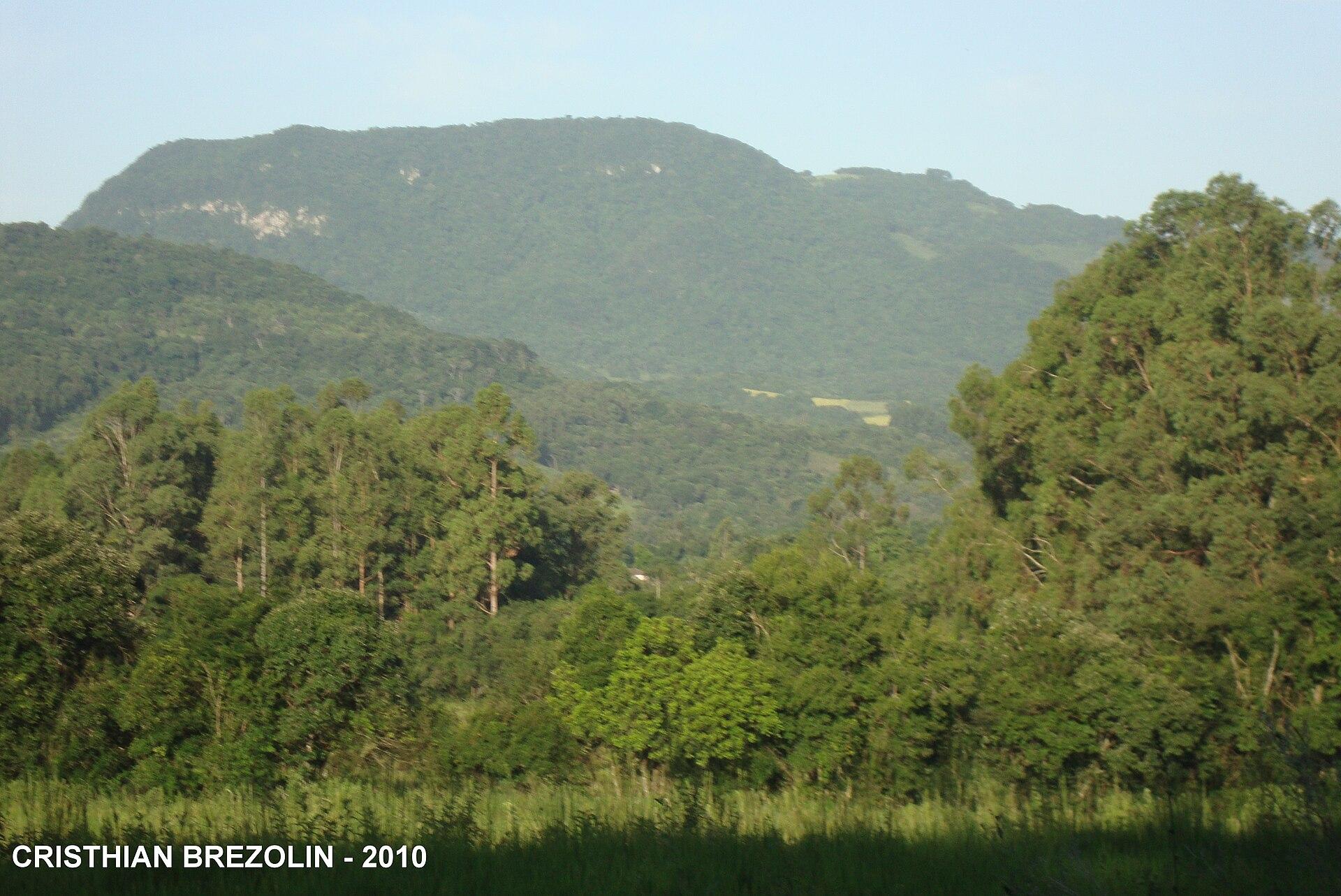
Quarta Colônia Geopark Fossil Hunting Guide
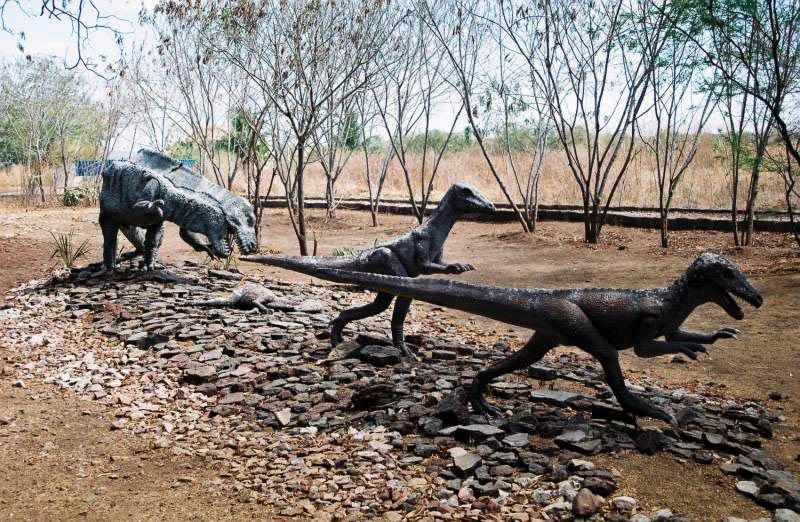
Image: Cristhian.9876 (Public domain)
A UNESCO Global Geopark in Rio Grande do Sul built around some of the oldest dinosaur-bearing rocks on Earth. Triassic beds here produced Staurikosaurus, the first dinosaur named from Brazil, and several palaeontological sites are open to visitors.
By Edward Chen · Published 14 September 2026
Introduction
Dinosaurs did not begin large or dominant. They began as modest bipedal animals living alongside far more abundant reptiles, and the rocks that record that beginning are rare.
Southern Brazil has some of the best of them. The Triassic beds of central Rio Grande do Sul, between roughly 233 and 225 million years old, sit at the very base of the dinosaur record.
Staurikosaurus pricei, named in 1970, was the first dinosaur described from Brazil and came from these rocks. Saturnalia, Buriolestes and other early forms have followed, and the region continues to produce new species.
Quarta Colônia was designated a UNESCO Global Geopark, recognising both the fossils and the cultural landscape left by Italian and German settlement in the nineteenth century. The name means Fourth Colony, after the fourth settlement region established in the province.
The geopark designation ties the two together deliberately. Visitors come for stone churches, vineyards and Italian dialect as much as for Triassic reptiles, and the fossil sites sit inside working farmland.
Location and Directions
The geopark covers a group of municipalities in the centre of Rio Grande do Sul, including São João do Polêsine, Faxinal do Soturno and Agudo, north-east of Santa Maria.
GPS: 29.6139°S, 53.4458°W.
Santa Maria is the regional centre and the practical base, roughly 290 kilometres west of Porto Alegre. A car is needed to move between the geopark sites.
Porto Alegre has the nearest major airport. Long-distance buses run to Santa Maria.
Individual palaeontological sites within the geopark have their own arrangements. The Sítio Paleontológico Buriol and the palaeontological centre at São João do Polêsine are the usual starting points.
Contact the geopark or the local visitor centre before you travel, to confirm what is open.
What Fossils You'll Find
Visiting here means seeing excavations and collections, not collecting. Brazilian law does not allow private collecting, and the sites are managed accordingly.
The fauna is dominated by animals that are not dinosaurs. Rhynchosaurs, beaked plant-eating reptiles, are the most abundant fossils in some beds, and dicynodont therapsids are common.
Cynodonts occur throughout and are important because they include the ancestors of mammals. Some of the small Brazilian cynodonts are close to the mammal line.
Early dinosaurs are the scientific headline but are genuinely uncommon. Staurikosaurus was a light bipedal predator around two metres long, a long way from the giants that followed.
Petrified wood is abundant in parts of the sequence, and the region has extensive silicified logs.
The practical experience is of red mudstone badlands in low road cuts and hillsides, rather than of dramatic exposures. Bone weathers out as dark fragments against the red, and trained eyes find it where an untrained one sees only gravel.
Local collections hold the important specimens. The palaeontological centres in the geopark municipalities display material found within a few kilometres of where it is shown.
Geologic History
These rocks belong to the Paraná Basin, an enormous intracratonic basin that covers much of southern Brazil and extends into Paraguay, Uruguay and Argentina.
In the Triassic the basin was far inland on the supercontinent Pangaea, in the region that would later become the interior of Gondwana. Rivers, lakes and floodplains laid down red mudstones and sandstones under a seasonally dry climate.
The Santa Maria Supersequence is divided into successive fossil-bearing assemblage zones. Each records a different stage in the turnover that followed the end-Permian extinction, as therapsids declined and archosaurs rose.
The dinosaur-bearing levels fall in the Carnian, at the point where dinosaurs first appear in the record anywhere. Argentina's Ischigualasto beds are close in age and share elements of the same fauna.
Later basalt flows of the Serra Geral capped the sequence as the South Atlantic began to open.
Those basalts form the escarpment that defines the geopark's northern skyline. They are roughly 134 million years old, far younger than the fossil beds beneath them, and they protected the softer Triassic rocks from erosion.
Collecting Rules and Regulations
Fossils in Brazil belong to the Union. Collecting without authorisation is illegal, and so is export.
The geopark exists partly to protect these sites, which are vulnerable to unauthorised digging.
Do not collect, and do not buy fossil material offered locally. Purchased Brazilian fossils are very likely to be illegal.
Visit the interpreted sites and the museums, and if you find exposed bone, report it.
Some sites sit on private farmland within the geopark. The geopark arranges access. Do not simply walk in.
Safety
The sites are rural and access roads are unsealed in places. A vehicle with reasonable clearance helps, particularly after rain.
Summer heat from December to February is significant, and shade is limited on the exposures.
Rain can be heavy and turns tracks to mud quickly.
Snakes are present in the grassland and scrub. Wear boots and watch your footing.
Mobile coverage varies across the rural municipalities. Tell someone your route.
Sources
https://www.unesco.org/en/iggp/quarta-colonia-unesco-global-geopark https://en.wikipedia.org/wiki/Staurikosaurus https://www.unesco.org/en/iggp/geoparks https://en.wikipedia.org/wiki/Santa_Maria_Formation
Nearby sites
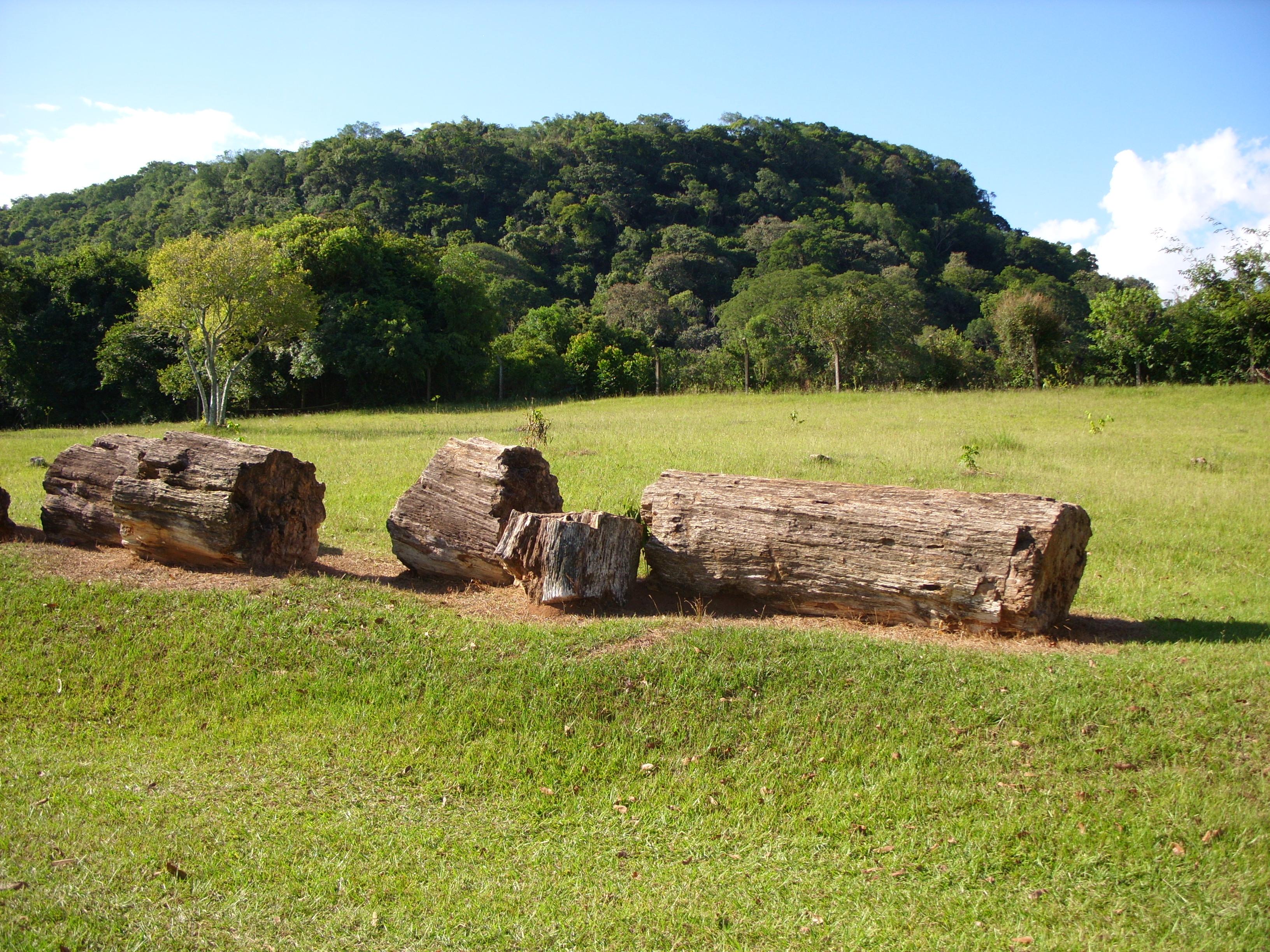 Paleorrota Geopark Fossil Hunting GuideStaurikosaurus pricei (early dinosaur), Hyperodapedon (rhynchosaur)
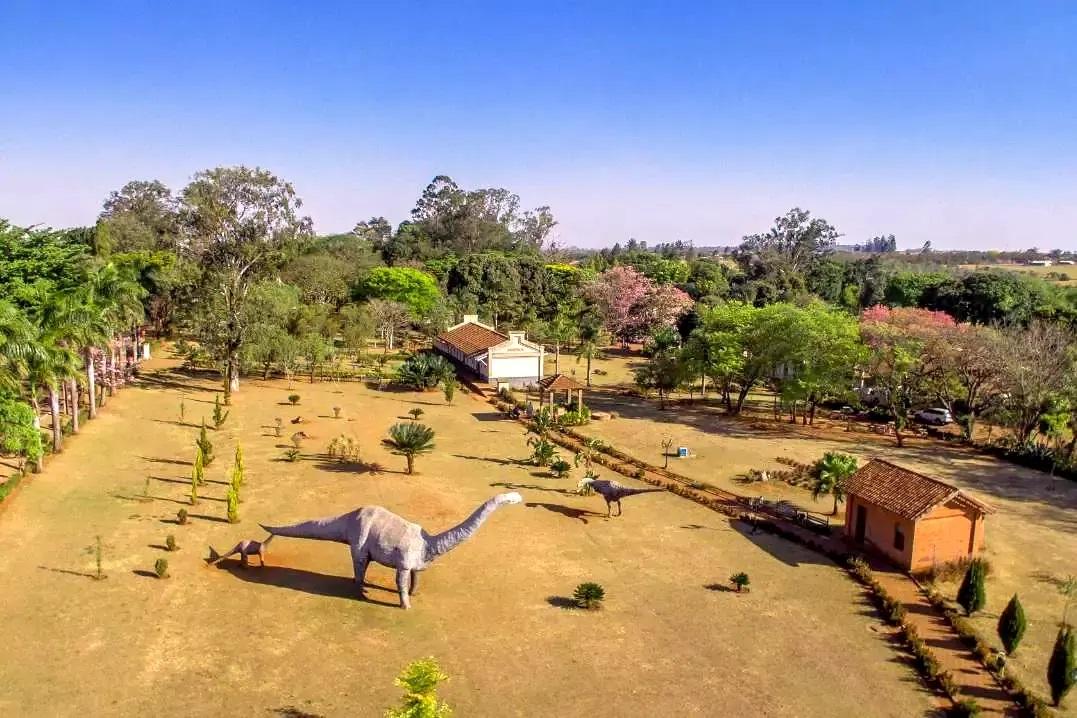 Peirópolis, Uberaba Fossil Hunting GuideDinosaurs, Titanosaurs
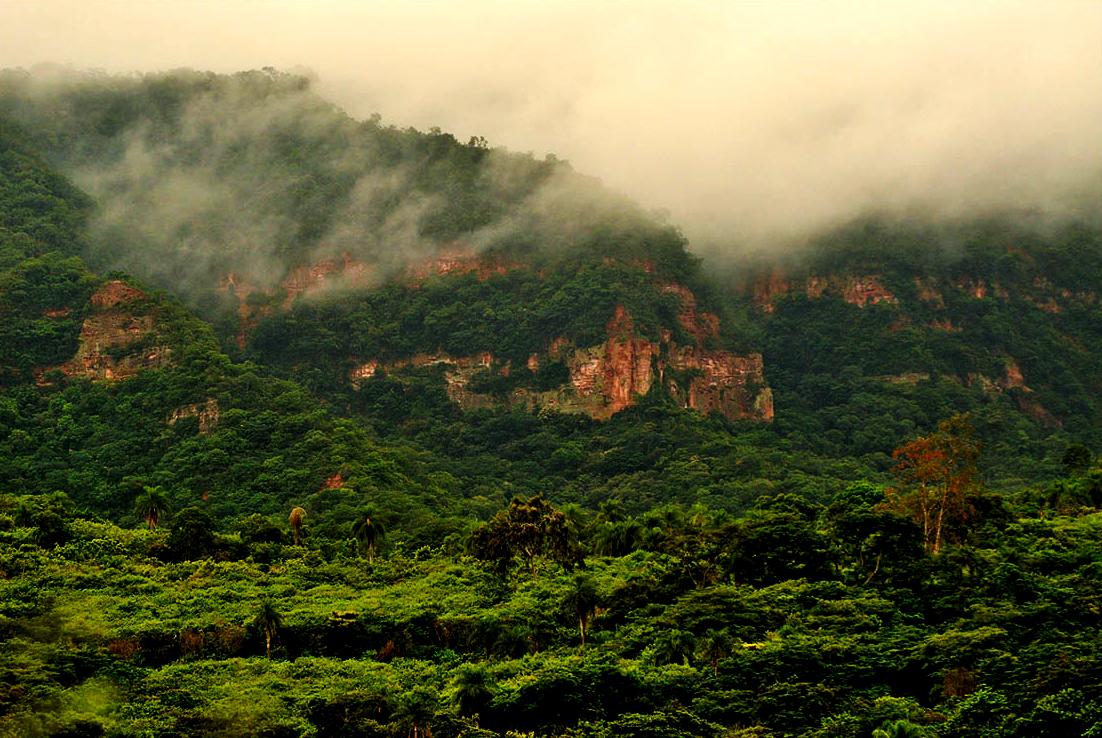 Araripe Geopark Fossil GuidePterosaurs, Fish
 Vale dos Dinossauros (Sousa Basin) Fossil Hunting GuideSauropod trackways, Theropod footprints