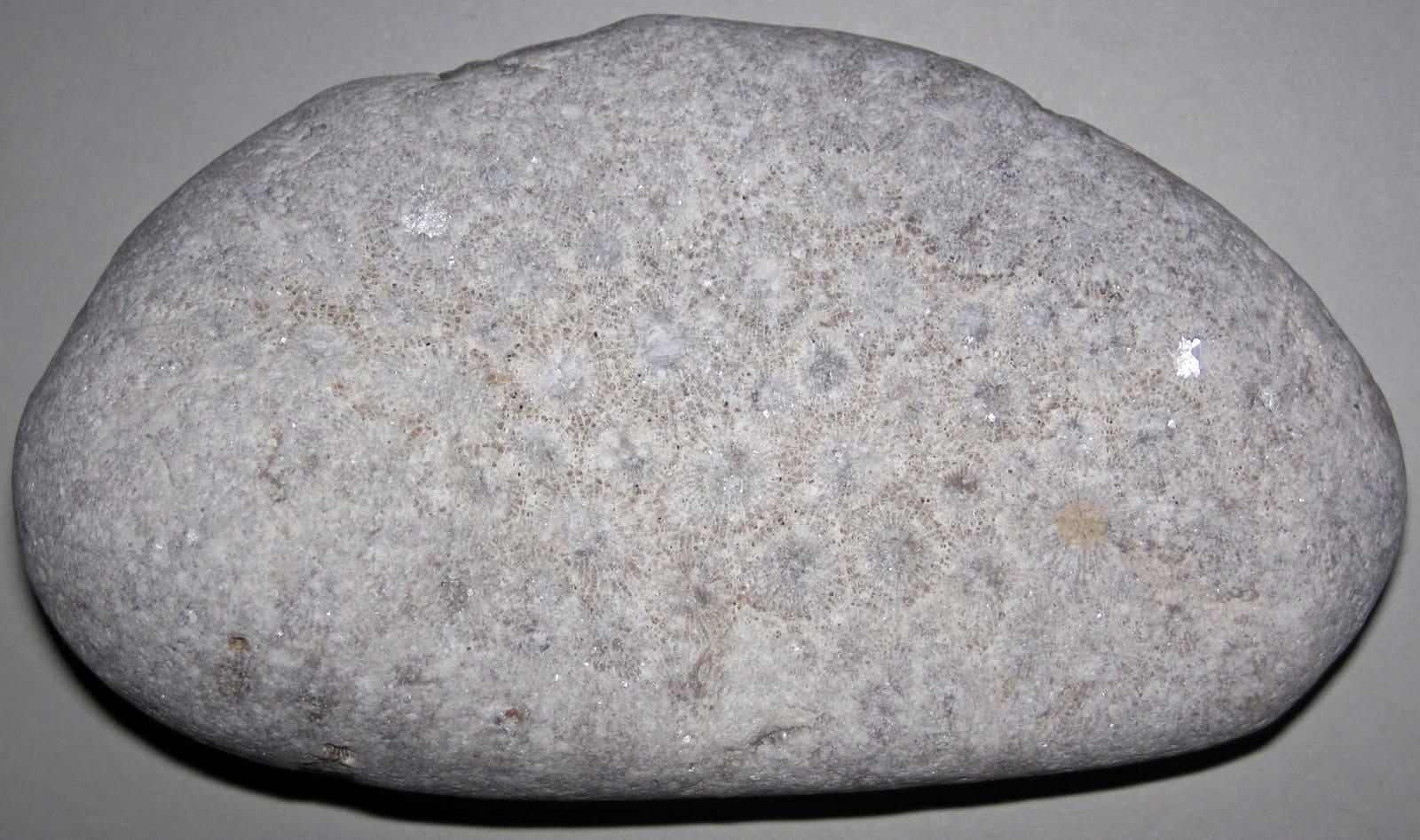
Rockport State Recreation Area Fossil Guide
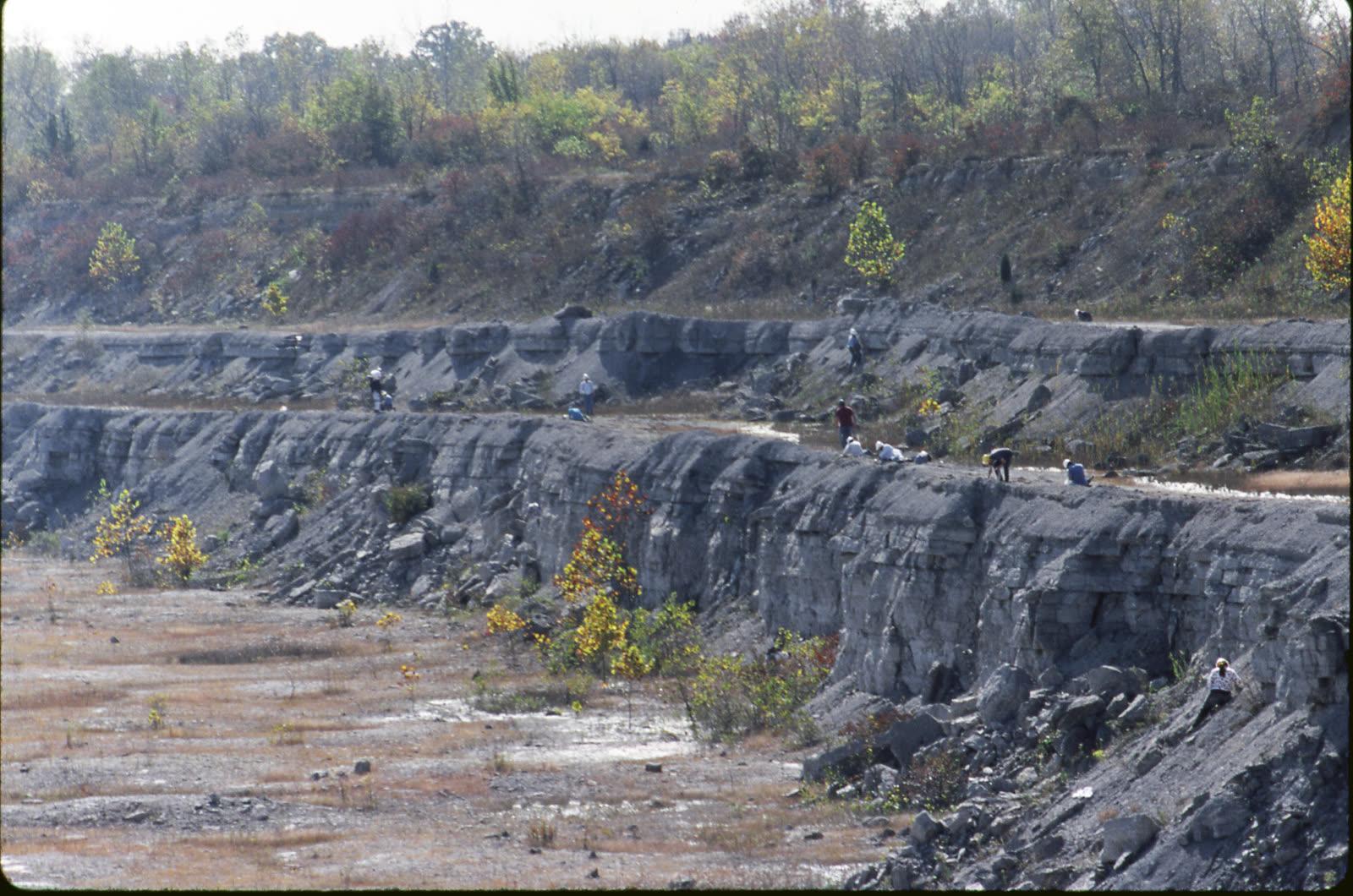
Image: James St. John (CC BY 2.0)
Rockport State Recreation Area near Alpena, Michigan, centers on a 300-acre abandoned limestone quarry packed with Middle Devonian fossils from the Traverse Group. Corals, brachiopods, crinoids, bryozoans, and trilobite pieces weather out of the broken rock. Michigan allows visitors to collect up to 25 pounds of fossils and rock per person per year here.
By Edward Chen · Updated 3 August 2026
Introduction
Rockport State Recreation Area is built around a 300-acre abandoned limestone quarry that doubles as one of Michigan's most accessible fossil sites. The broken rock across the quarry floor is Middle Devonian limestone of the Traverse Group, deposited when Michigan sat near the equator under a warm, shallow sea. That sea floor was covered in reefs and shell beds, and the rubble now yields corals, brachiopods, crinoid stems, bryozoans, and pieces of trilobite. Because the quarry left loose, fossil-bearing rock lying at the surface, you can walk in and start finding fossils without any digging.
The park covers 4,237 acres along Lake Huron in Alpena and Presque Isle counties and includes the quarry, a protected deep-water harbor, sinkholes, and forest. Fossil hunting is the main reason collectors come, and Michigan's collecting rules here are genuinely visitor-friendly.
Location and Directions
Rockport sits on the Lake Huron shore about 10 miles north of Alpena, in northeastern Michigan's Lower Peninsula, near 45.196°N, 83.382°W. From Alpena, follow US Highway 23 north and turn east on Rockport Road, which leads to the park and the quarry parking area.
There is no entrance booth charging a per-person fee, though Michigan state parks normally require a Recreation Passport on the vehicle, which residents add to their license plate registration and non-residents can buy on entry or online. Park at the quarry lot and walk out onto the quarry floor, where the loose limestone rubble holds the fossils. The footing is broken rock, so the productive ground is right where you park.
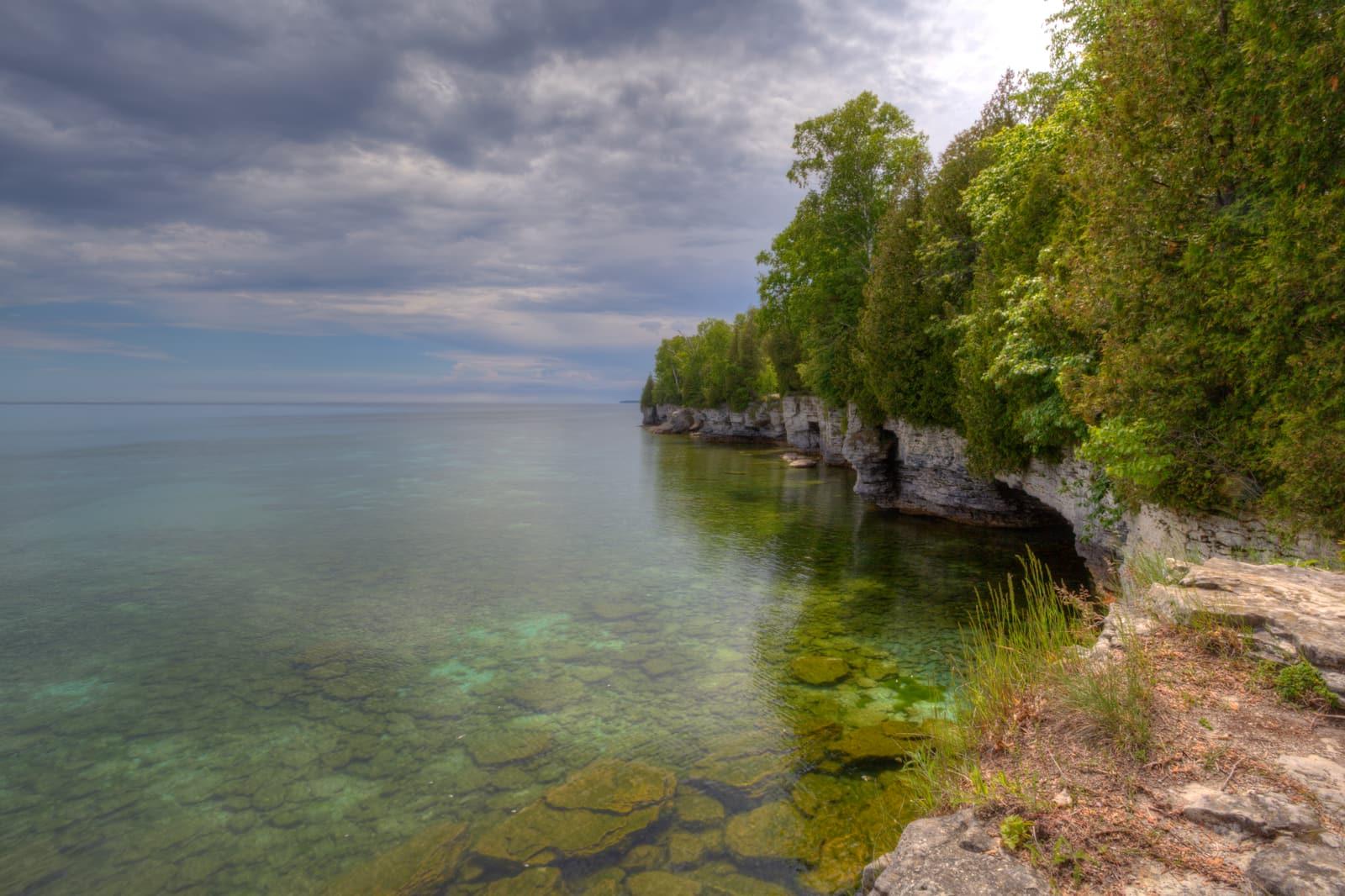
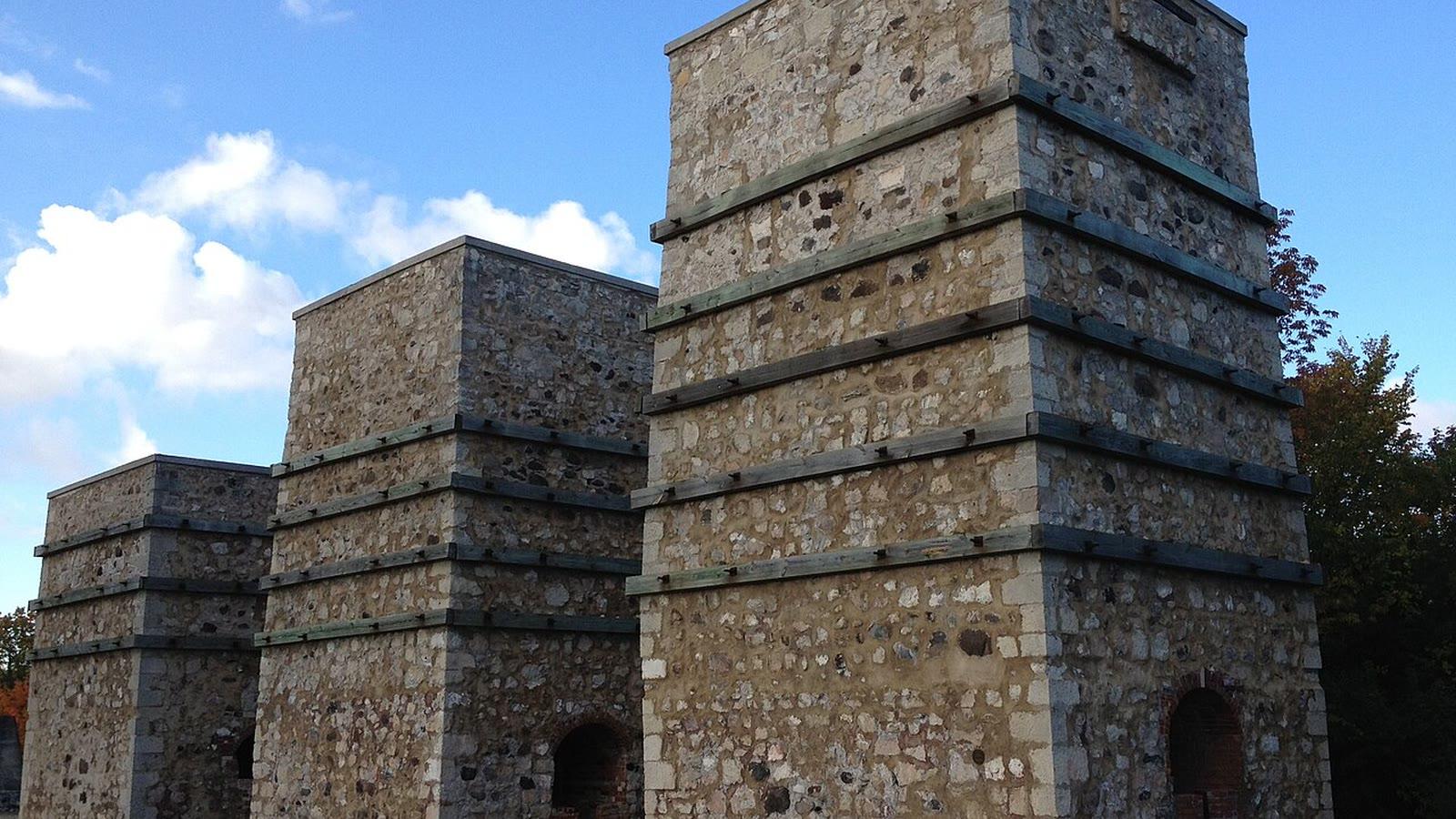
 Photo: DawnBreaksOverMarblehead, CC BY-SA 4.0, via Wikimedia Commons
What Fossils You'll Find
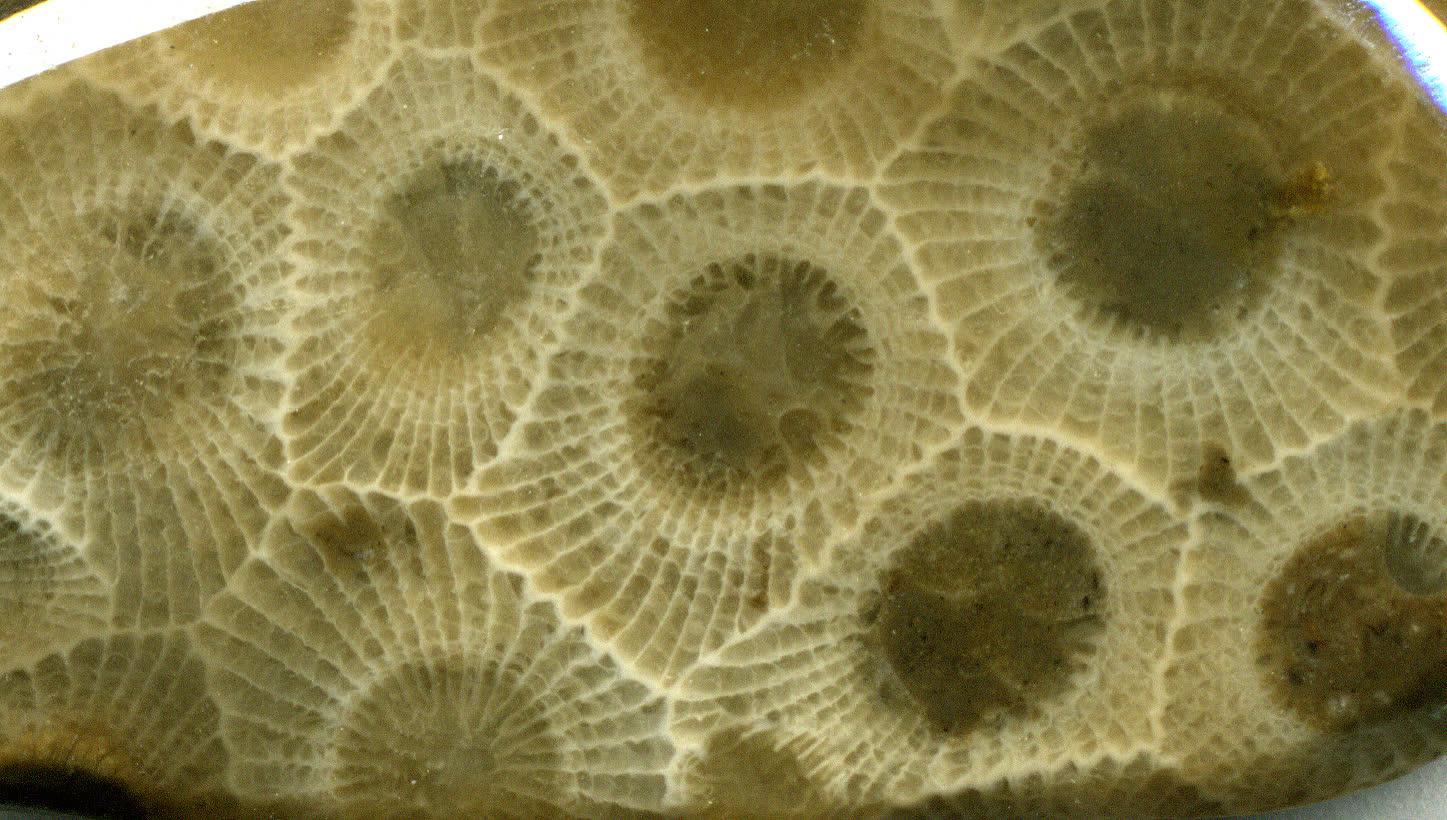
The quarry rubble is full of Devonian marine invertebrates. Corals are the standout, including both rugose (horn) corals and colonial tabulate corals from the reefs that built up in this sea. Brachiopods, which are hard-shelled animals with two valves, are common, as are the disc-shaped segments of crinoid (sea lily) stems and the lacy or branching colonies of bryozoans. Pieces of trilobite turn up with patient searching.
Most fossils are found by walking slowly and turning over loose rock on the quarry floor, looking for shapes and textures that stand out from the gray limestone. Rain-washed surfaces and freshly broken rock show fossils best. No hammering of bedrock is needed, since the loose rubble already holds plenty of material.
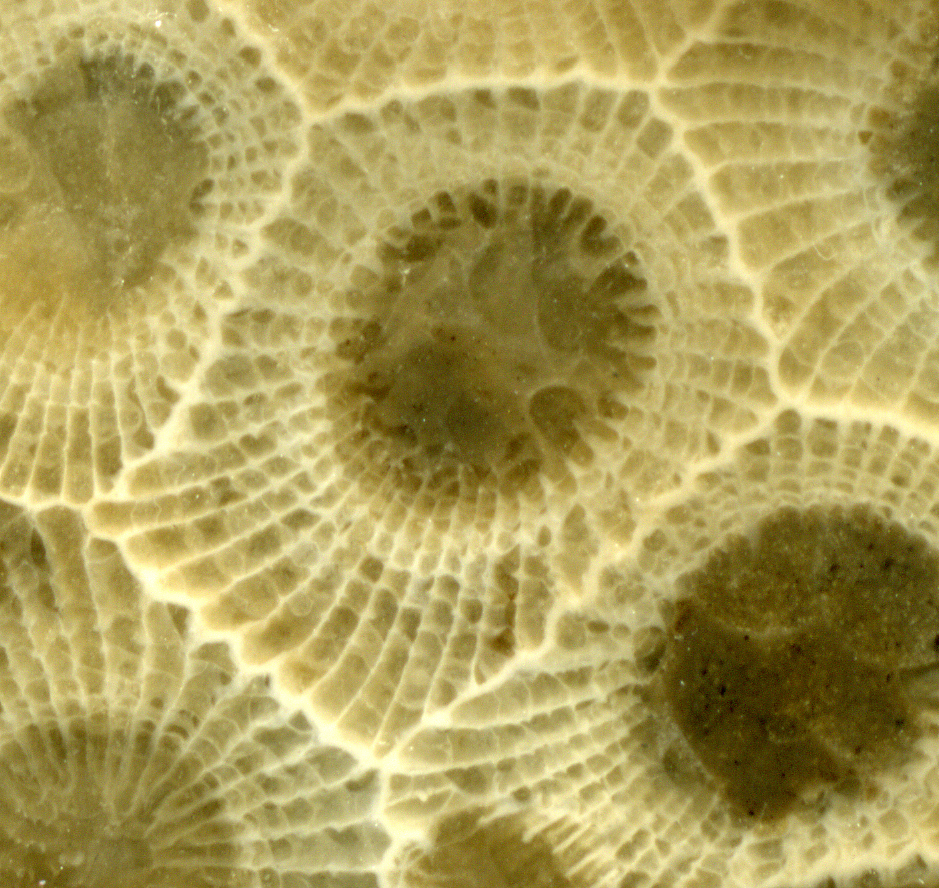 Photo: James St. John, CC BY 2.0, via Wikimedia Commons
Geologic History
The Traverse Group limestones formed in the Middle Devonian, roughly 388 to 382 million years ago, during a time often called the Age of Fishes. Michigan then lay near the equator, covered by a warm, shallow tropical sea that supported widespread reefs and thriving shell-bottom communities. Corals, brachiopods, crinoids, and bryozoans lived and died on that sea floor, and their hard parts accumulated in the lime mud that hardened into limestone. Much later, the limestone was quarried for industry, which broke the rock and spread fossil-bearing rubble across the quarry floor, putting Devonian sea life within easy reach at the surface.
Collecting Rules and Regulations
Michigan allows visitors to collect fossils and rock at Rockport for personal use, up to 25 pounds per person per year. The limit covers loose surface material such as the quarry rubble, and collecting is for personal, non-commercial use. Take what you can carry within the limit, leave the site as you found it, and do not collect outside the area's posted rules. A Recreation Passport is required for the vehicle to enter Michigan state parks and recreation areas, so make sure your plate has it or buy one on arrival. Follow any posted restrictions within the park, and keep to the quarry and trail areas open to the public.
Safety
The quarry floor is uneven, broken rock, so wear sturdy boots with ankle support and watch your footing, especially on loose or wet limestone. Bring gloves to protect your hands from sharp edges and safety glasses if you do any rock breaking. There is little shade on the open quarry floor, so carry water and sun protection in summer, and dress warmly in the cooler months, since Lake Huron keeps the area cold and windy. Watch children near quarry edges, water-filled pits, and the deep harbor. Carry out all trash and let someone know your plans, as cell coverage can be limited.
Sources
https://en.wikipedia.org/wiki/Rockport_State_Recreation_Area https://www.visitalpena.com/adventures/fossil-hunting/ https://www.visitalpena.com/unearthing-age-fish-fossil-hunting-rockport-state-recreation-area/ https://adventuresinnorthernmichigan.com/rockport-state-recreation-area-fossil-hunting-in-a-400-million-year-old-quarry/

_(Traverse_Group,_Middle_Devonian;_Michigan,_USA)_2_(15201883941).jpg)