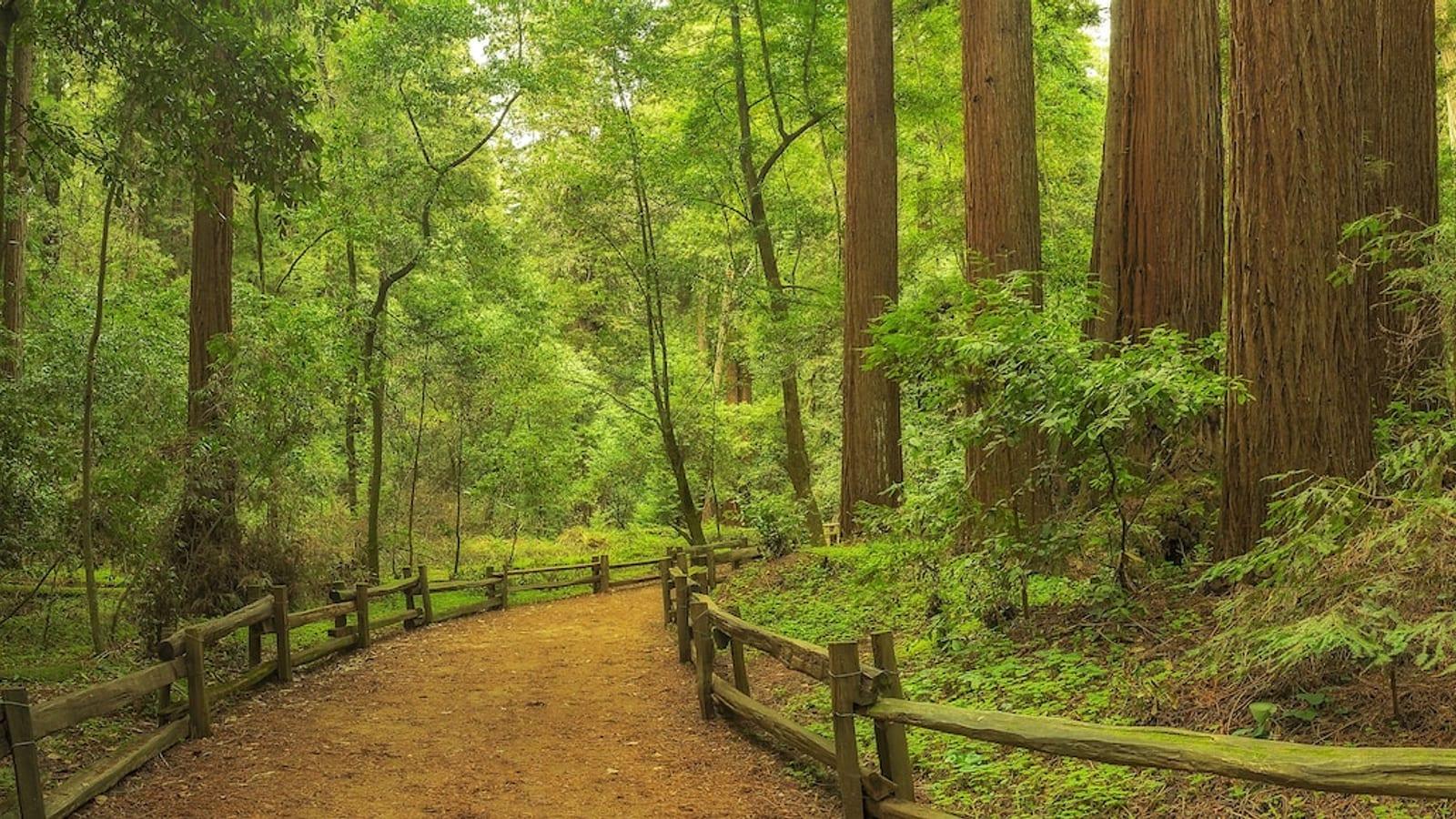
Scotts Valley Fossil Hunting Guide
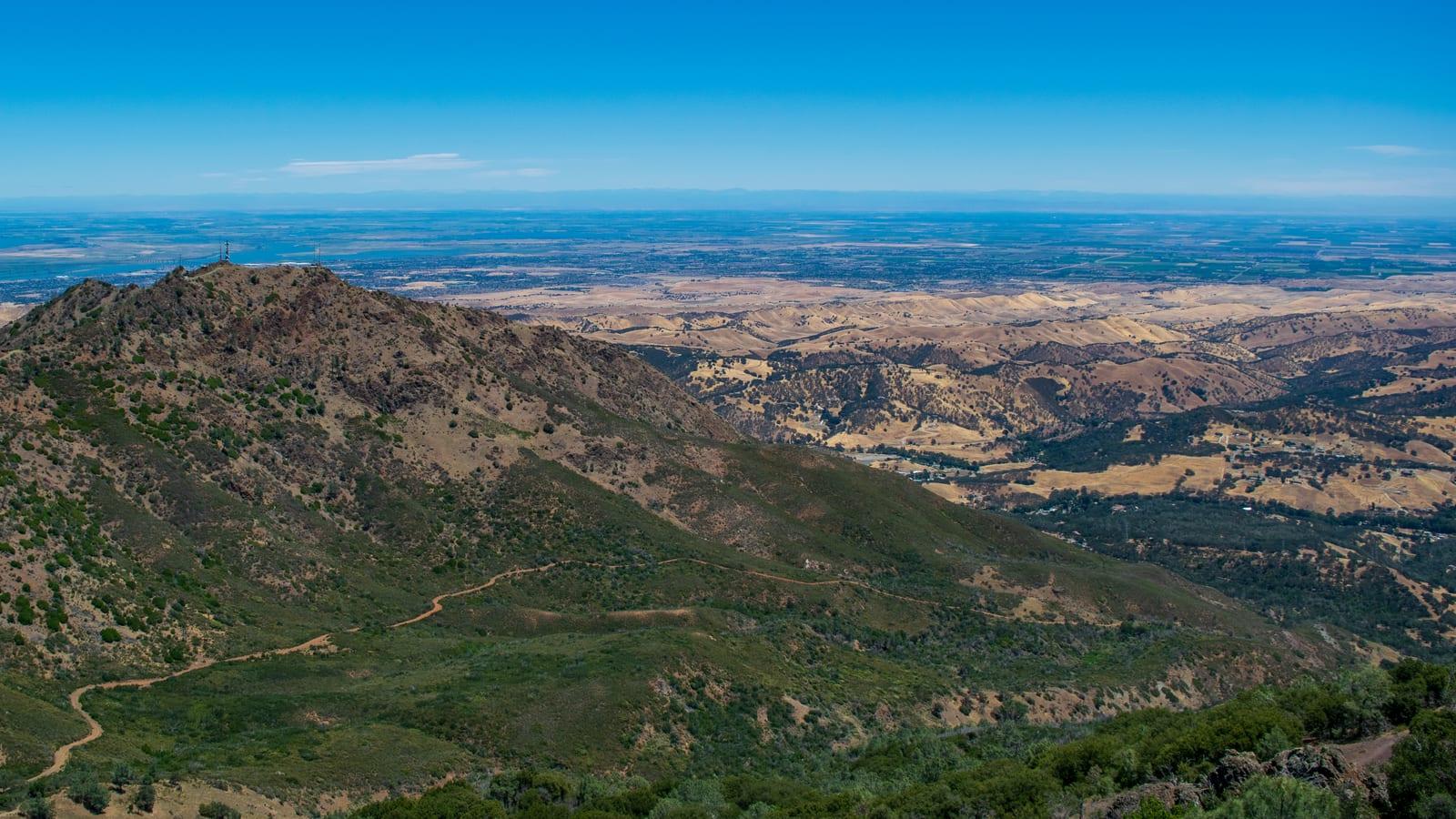
Image: Ken Lund (CC BY-SA 2.0)
The Santa Margarita Sandstone that forms the Santa Cruz Sandhills around Scotts Valley is a late Miocene marine deposit rich in shark teeth, marine mammal bone, and sand dollars. Much of it is sensitive habitat or private land, so it is largely a viewing area rather than an open collecting site.
By Edward Chen · Updated 3 August 2026
Introduction
Scotts Valley sits in the Santa Cruz Mountains, where the late Miocene Santa Margarita Sandstone forms the pale, sandy outcrops known as the Santa Cruz Sandhills. The same sand that makes this rare inland dune habitat also holds a marine fossil record, including shark teeth, sand dollars, shells, and the bones of whales and other sea mammals from a shallow sea of about 12 to 10 million years ago.
The fossils are well documented here. Land trusts and the local natural history museum have cataloged finds from the Sandhills, and a Pliocene whale skeleton was uncovered near Scotts Valley in 2015. Much of the sandstone, though, lies on private property or within protected Sandhills habitat, so this is a place to learn about and view the geology far more than a place to dig.
Location and Directions
Scotts Valley is just off State Route 17 between San Jose and Santa Cruz, near 37.05°N, 122.01°W. Sandy roadcuts and hillside exposures of the Santa Margarita Sandstone appear around the town, including along Mount Hermon Road and Bean Creek Road, and the white sand is easy to recognize where it shows through.
Note that specific well-known exposures, including the sandy roadcut on Bean Creek Road, are on private land and posted with No Trespassing signs. There is no public fossil park here, so treat the sandstone you see from the road as a landmark rather than an invitation.
 Photo: Dvortygirl, CC BY-SA 3.0, via Wikimedia Commons
What Fossils You'll Find
The Santa Margarita Sandstone preserves a shallow-marine fauna.
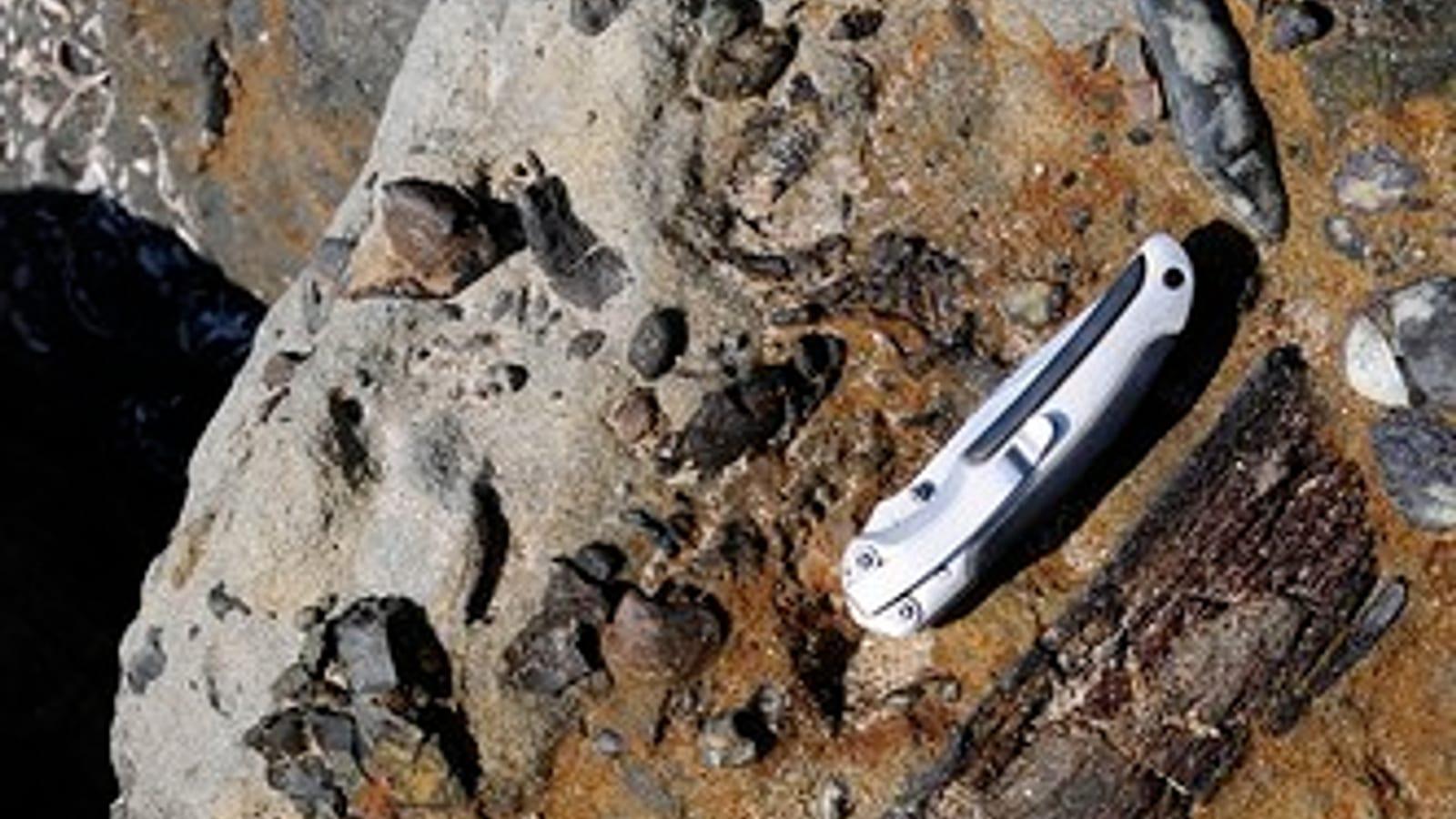
Shark teeth are the signature find, from small species up to large Otodus megalodon and mako teeth, dark and glossy against the pale sand. Sand dollars are common and among the easiest fossils to recognize. Bivalves and other shells occur through the beds. Bone from marine mammals, including whales, dolphins, sea cows, and walrus relatives, has been recovered from the area and is scientifically important.
Where you have legal access, look in loose sand at the base of exposures, where weathering concentrates the heavier teeth and shells. Elsewhere, the Santa Cruz Museum of Natural History displays local specimens that show what the Sandhills produce.
Geologic History
During the late Miocene, a shallow sea covered what is now the Santa Cruz Mountains, and clean sand accumulated along its shoreline to form the Santa Margarita Sandstone. Sharks, marine mammals, and shelled invertebrates lived and died in that sea, and their remains were buried in the sand.
Uplift along the San Andreas and related faults later raised these beds thousands of feet above sea level. Erosion of the soft sandstone created the Sandhills, an unusual dry, sandy habitat that supports plants and animals found nowhere else, which is part of why so much of the outcrop is now protected.
Collecting Rules and Regulations
Access is the central issue here. The best-known exposures are on private property, and entering or collecting without the owner's permission is trespassing. Beyond that, the Sandhills are a sensitive, protected habitat with rare and endangered species, and disturbing them is both harmful and, in protected areas, illegal.
Because of this, Scotts Valley is best treated as a viewing and study area rather than a collecting site. Do not dig into protected Sandhills ground, and never enter posted land. Vertebrate fossils such as marine mammal bone are protected, and significant finds should be reported to a museum or land trust rather than removed.
Safety
Roadcuts along Mount Hermon and Bean Creek Roads carry fast traffic and have little shoulder, so do not stop or stand where it is unsafe. The sandstone is loose and steep, and faces can slump, so keep clear of overhanging or undercut slopes. Watch for poison oak, ticks, and rattlesnakes in the brush, and remember that most attractive exposures here are off limits without permission.
Sources
https://santacruzmuseum.org/exhibit/geology-and-fossils/ https://www.santacruzsandhills.com/geology_and_soils.html https://pubs.usgs.gov/pp/1168/report.pdf