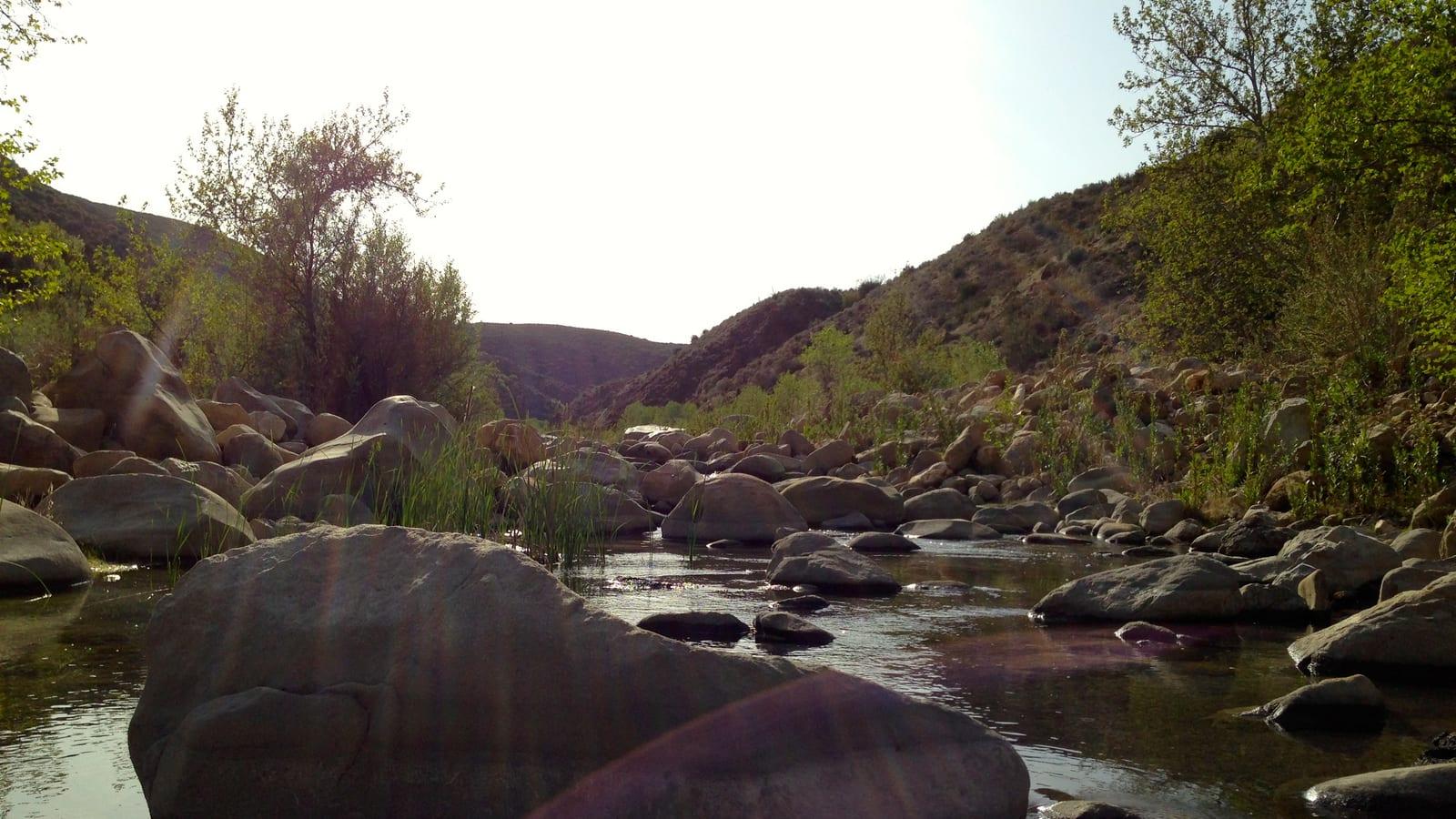
Sespe Wilderness Fossil Hunting Guide
Image: Ken Lund (CC BY-SA 2.0)
The Sespe Wilderness in the Topatopa Mountains of Ventura County exposes Middle Eocene marine sandstones, including the Coldwater Sandstone with its oyster beds and Turritella snails, about 40 million years old. Wilderness and national forest rules apply.
By Edward Chen · Updated 4 August 2026
Introduction
The Sespe Wilderness spreads across the Topatopa Mountains of Ventura County, in the Transverse Ranges north of Ojai. The high ridges here are built largely of Eocene marine sandstones, and where those beds are exposed on the trails and in the loose boulders, marine fossils turn up in numbers. The shells are roughly 40 million years old, from a shallow sea that covered this part of southern California long before the mountains rose.
The most productive unit is the Coldwater Sandstone, which carries thick oyster beds and abundant marine snails. Because the area is federally designated wilderness inside Los Padres National Forest, and includes the Sespe Condor Sanctuary, this is a viewing and study site rather than a collecting one. The reward is seeing well-preserved shells weathering out of boulders along the trail in a remote backcountry setting.
 Photo: Ken Lund from Reno, Nevada, USA, CC BY-SA 2.0, via Wikimedia Commons
Location and Directions
The Sespe Wilderness lies in the Topatopa Mountains north of Ojai, near 34.586°N, 119.022°W, within Los Padres National Forest in Ventura County. Access is on foot from trailheads reached by forest roads out of the Ojai Valley, and the fossil-bearing exposures are along trails and in boulders in the foothills and ridges.
Ojai is the nearest town for fuel, food, and supplies, and it is the last real stop before the backcountry. Forest roads to the trailheads can be rough and are sometimes closed seasonally or for fire, so check current conditions with the Los Padres National Forest before you go. This is remote terrain that requires hiking and self-sufficiency.
What Fossils You'll Find
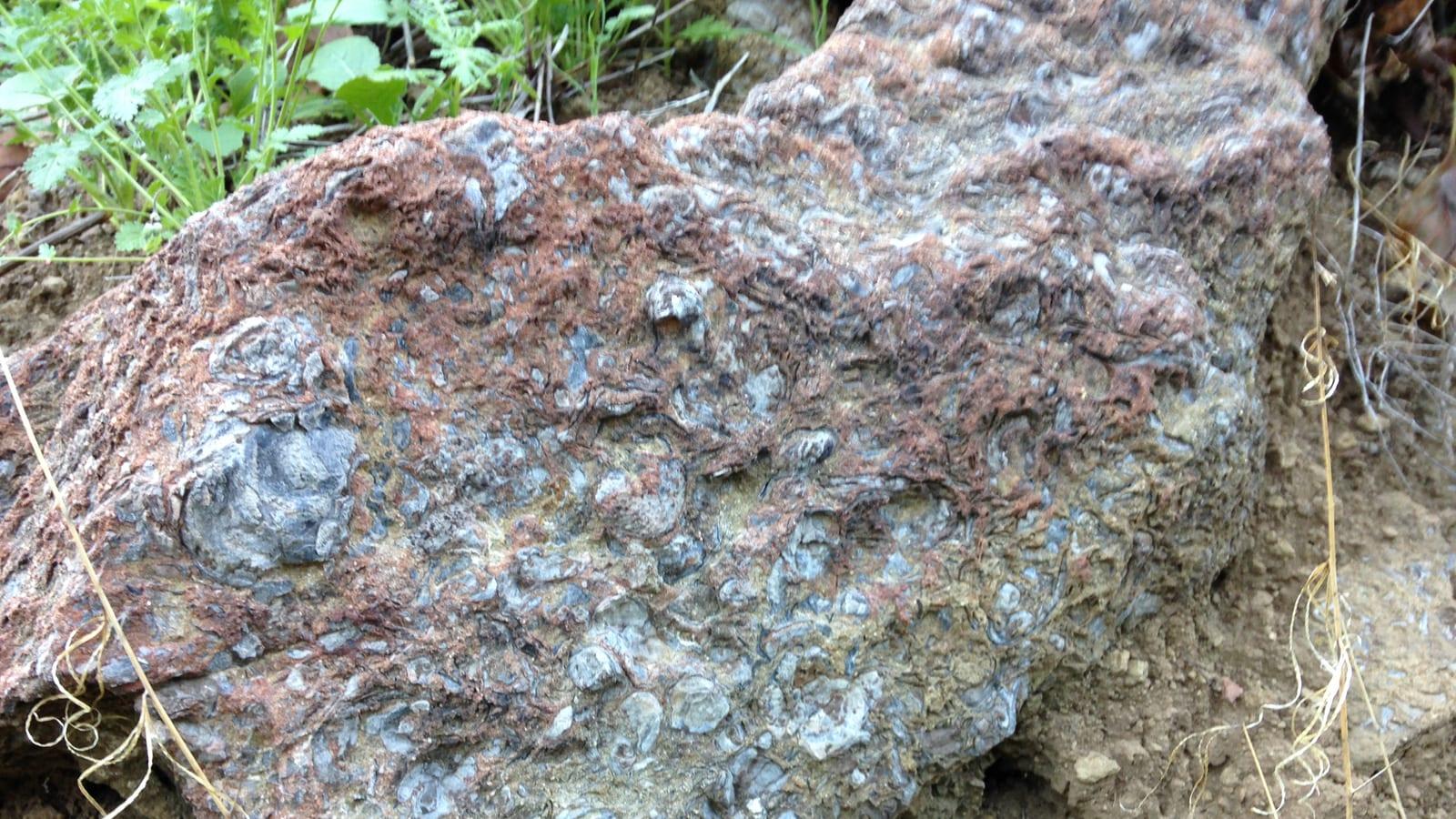
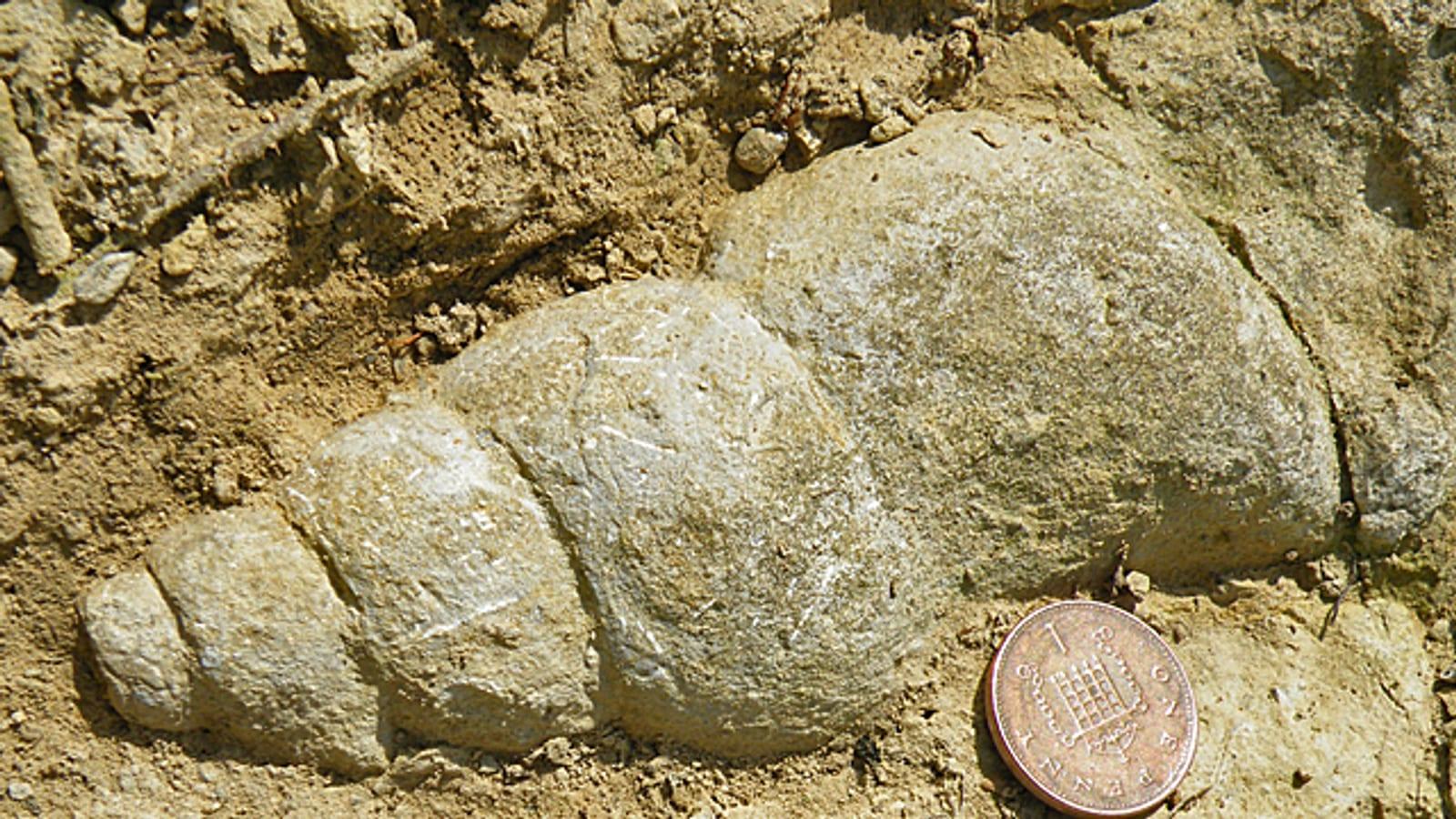
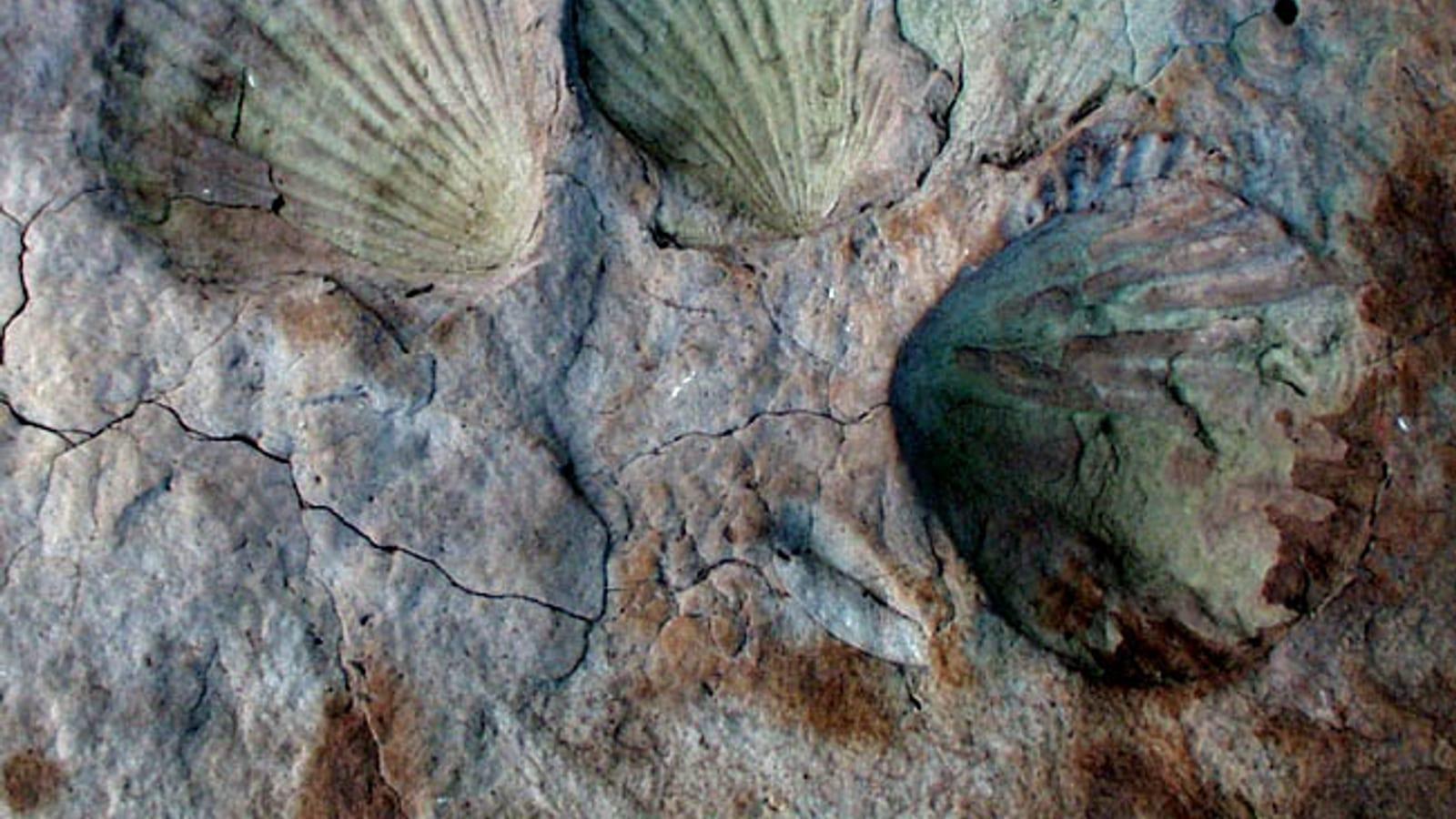
The Coldwater Sandstone is the key unit. Its record includes large oyster beds, which formed in a brackish nearshore setting, and many gastropods, particularly snails of the genus Turritella, which are most common near the top of the formation where the sea was shallowest. Other bivalves and occasional corals occur through the marine sandstones of the Topatopa section, which also includes the older Juncal, Matilija, and Cozy Dell formations.
Marine shells show up on the outsides of eroded, smoothed boulders and on the surfaces of tilted strata in the foothills. Look on weathered boulder faces along the trail, where the shells stand out in relief as the surrounding rock wears away.
Geologic History
During the Middle Eocene, roughly 42 to 38 million years ago, a shallow sea covered this part of southern California, and sand shed from the land built up along its margin. The Coldwater Sandstone records the shallowest phase, when the sea was retreating, with oyster banks and snail-rich sands marking a nearshore, partly brackish setting.
Long afterward, the Transverse Ranges rose as the crust here was compressed and rotated, driven by faults such as the San Cayetano fault. That uplift tilted the once-flat marine beds and lifted them thousands of feet into the Topatopa Mountains, where erosion now exposes the fossils along ridgelines and in the boulders below them.
 Photo: Ken Lund from Reno, Nevada, USA, CC BY-SA 2.0, via Wikimedia Commons
Collecting Rules and Regulations
The Sespe Wilderness is federally designated wilderness within Los Padres National Forest, and it includes the Sespe Condor Sanctuary. Collecting is restricted, and the area is managed to preserve its natural and scientific values. Vertebrate fossils are protected everywhere on federal land, and wilderness and sanctuary rules add further limits.
Treat the Sespe as a viewing and photography site. Leave shells and boulders as you find them, stay on established trails, respect all sanctuary closures, and confirm current rules with the Los Padres National Forest before any visit. Removing fossils from this wilderness is not the intent of this guide.
Safety
This is rugged, remote backcountry with real consequences. Carry plenty of water, sun protection, and a map, and do not rely on a cell signal. Summer heat in these canyons is severe, and the terrain is steep with loose rock, so wear sturdy boots and watch your footing near eroded slopes and boulders. Watch for rattlesnakes, ticks, and poison oak, and check fire restrictions and trail closures before you go, since this range burns and closes periodically. Tell someone your route and expected return.
Sources
https://research.nhm.org/pdfs/33598/33598-001.pdf https://en.wikipedia.org/wiki/Coldwater_Sandstone https://www.fs.usda.gov/lpnf
.jpg)
.jpg)