Topanga Canyon Fossil Hunting Guide
Image: Trldp (CC BY-SA 4.0)
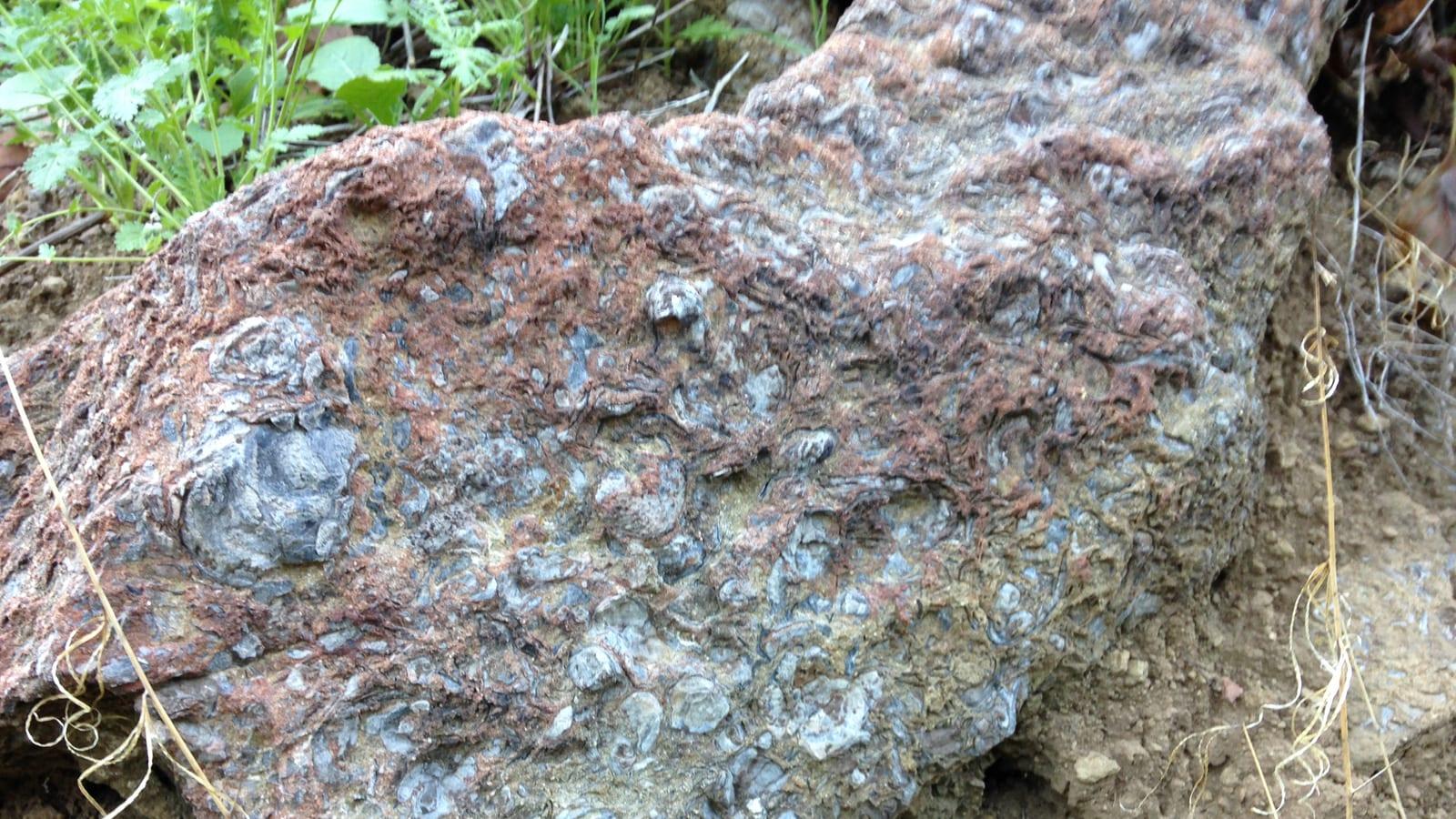
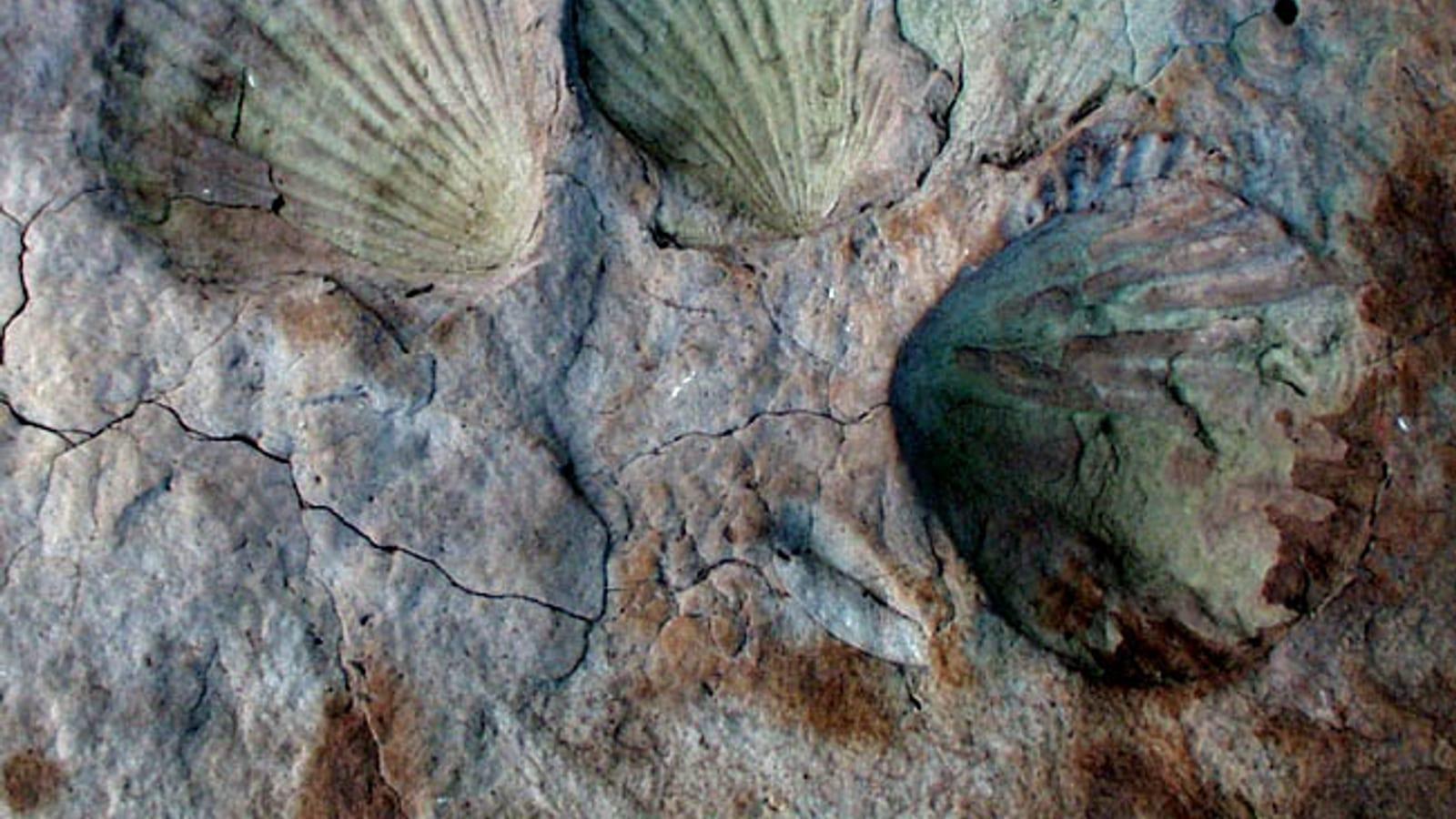
Old Topanga Canyon Road cuts through the middle Miocene Topanga Formation in the Santa Monica Mountains, exposing sandstone packed with marine snails, clams, and oyster beds from a sea of about 17 to 14 million years ago. Much of the surrounding land is parkland, so treat the road cuts as a viewing area.
By Edward Chen · Updated 11 July 2026
Introduction
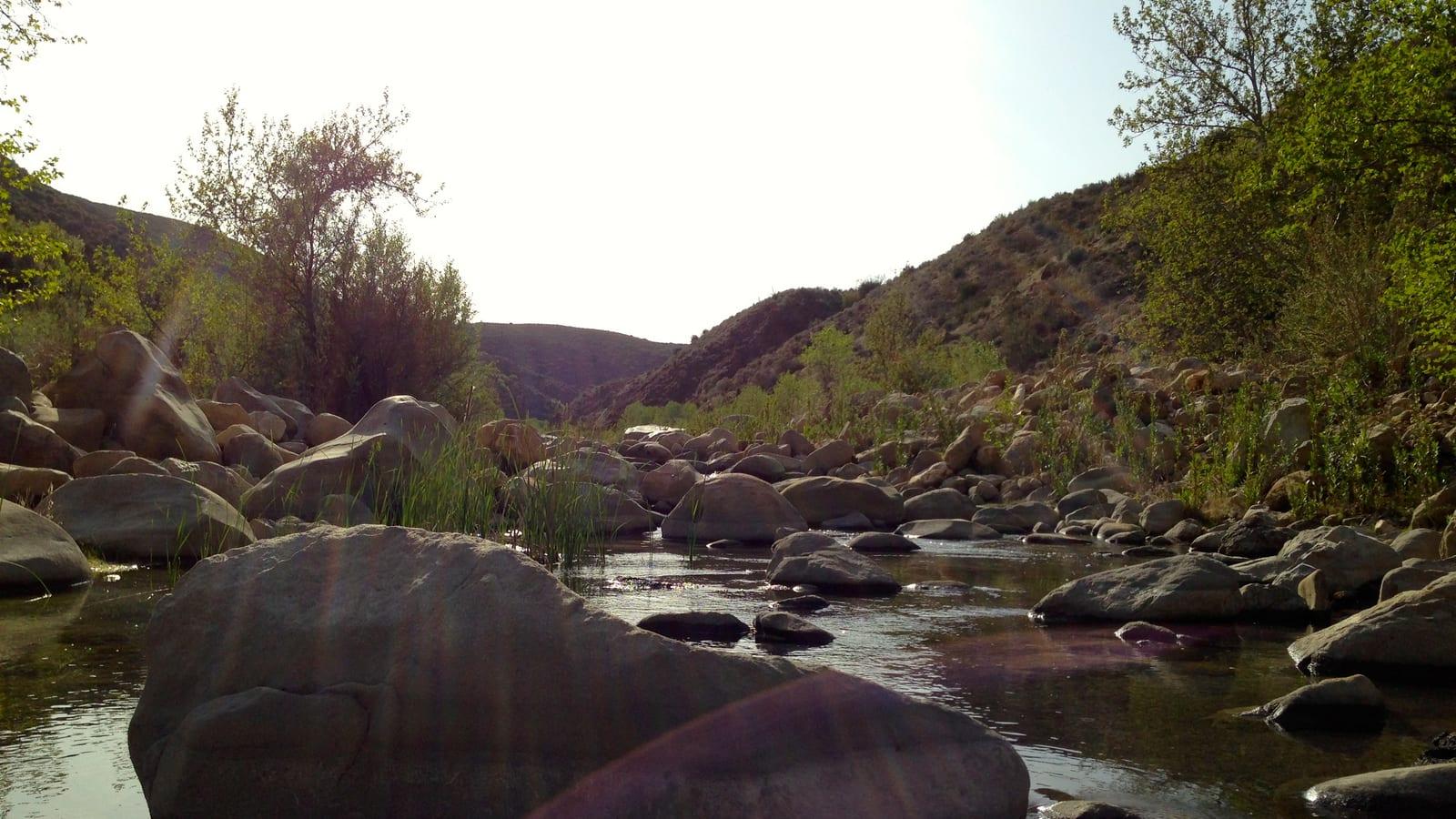
Topanga Canyon, in the Santa Monica Mountains between the San Fernando Valley and the coast, gives its name to the Topanga Formation, a middle Miocene marine unit exposed in the road cuts along Old Topanga Canyon Road. The tan and brown sandstone here is packed with marine snails and clams, and one of the first road-side embankments is a solid bed of fossil oysters.
These beds formed in a shallow sea between roughly 17 and 14 million years ago. Beyond the shells, the Topanga Formation across the Santa Monica Mountains has produced fish and a marine tetrapod fauna that includes whales, sea cows, seals, and seabirds, which is why it is a well-studied formation. Much of the land around the canyon is state and national parkland, so the road cuts are best used as a place to see the fossils rather than to dig them out.
Location and Directions
Topanga Canyon lies in the Santa Monica Mountains near 34.19°N, 118.61°W, reached from the San Fernando Valley by way of Mulholland Drive and Old Topanga Canyon Road. Fossil-bearing road cuts appear along Old Topanga Canyon Road as it climbs, on the uphill side, with the oyster bed among the first embankments.
There are no facilities at the road cuts, and shoulders are narrow. Nearby Topanga State Park and the Santa Monica Mountains National Recreation Area have trailheads, parking, and restrooms.
What Fossils You'll Find
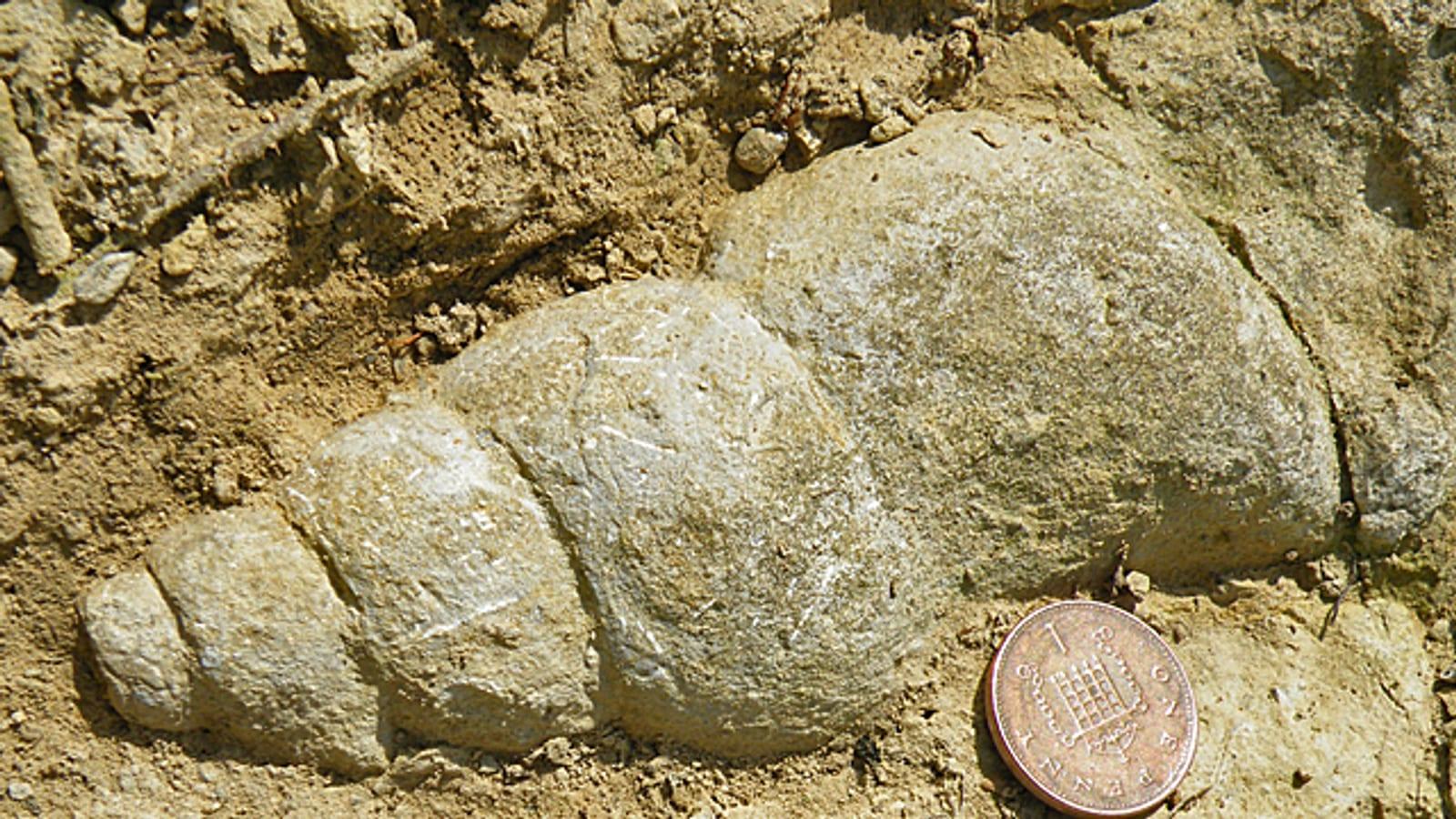
The Topanga Formation here is richest in mollusks. Gastropods, the marine snails, and bivalves, including clams and scallops, are common, mostly as shells and shell imprints in the sandstone. Whole beds of fossil oysters form the most obvious feature, standing out as masses of thick, curved shell.
Elsewhere in the same formation, fish remains and the bones of marine mammals such as whales, sea cows, and early seals have been documented, though those are rare and scientifically important. The best time to look at the road cuts is after rain, when runoff has washed some of the shells partly free of the matrix. Low-angle light helps the shapes stand out.
Geologic History
During the middle Miocene, a shallow sea covered this part of Southern California, and sand, silt, and shell built up along its floor to form the Topanga Formation. Volcanic rocks are layered into the lower part of the formation, recording eruptions along the coast at the same time. The oyster beds mark spots where these animals grew thickly in the warm, shallow water.
The Santa Monica Mountains were later pushed up and folded along the region's faults, tilting the marine beds and lifting them well above sea level. Road cuts through the canyon now slice across those tilted layers and expose the fossils.
Collecting Rules and Regulations
Much of the Santa Monica Mountains is protected as state park and national recreation area land, where collecting fossils, rocks, and other natural features is prohibited. Treat the road cuts and any parkland as viewing and photography sites.
Collecting from a road cut itself is a legal gray area, the ground next to it is often private, and stopping on these narrow, winding roads is dangerous. For those reasons, this guide treats Topanga Canyon as a place to observe the fossils in place. Vertebrate fossils are protected everywhere, and significant finds should be reported to a museum or the park rather than removed.
Safety
Old Topanga Canyon Road is narrow, winding, and busy, with little room to pull over, so do not stop or stand where traffic makes it dangerous. The road cuts are steep and loose and can shed rock, so keep clear of undercut faces. Watch for poison oak, ticks, and rattlesnakes in the brush, and bring water and sun protection, since the canyon gets hot and shade is limited.
Sources
https://pubs.usgs.gov/of/2007/1385/of2007-1385.pdf https://ngmdb.usgs.gov/Geolex/Units/Topanga_12121.html https://www.nps.gov/articles/000/burnt-scallops-and-fish-fossils-on-filmsets-assessment-of-the-2018-woolsey-fire-on-paleontological-resources-at-santa-monica-mountain-national-recreation-area.htm