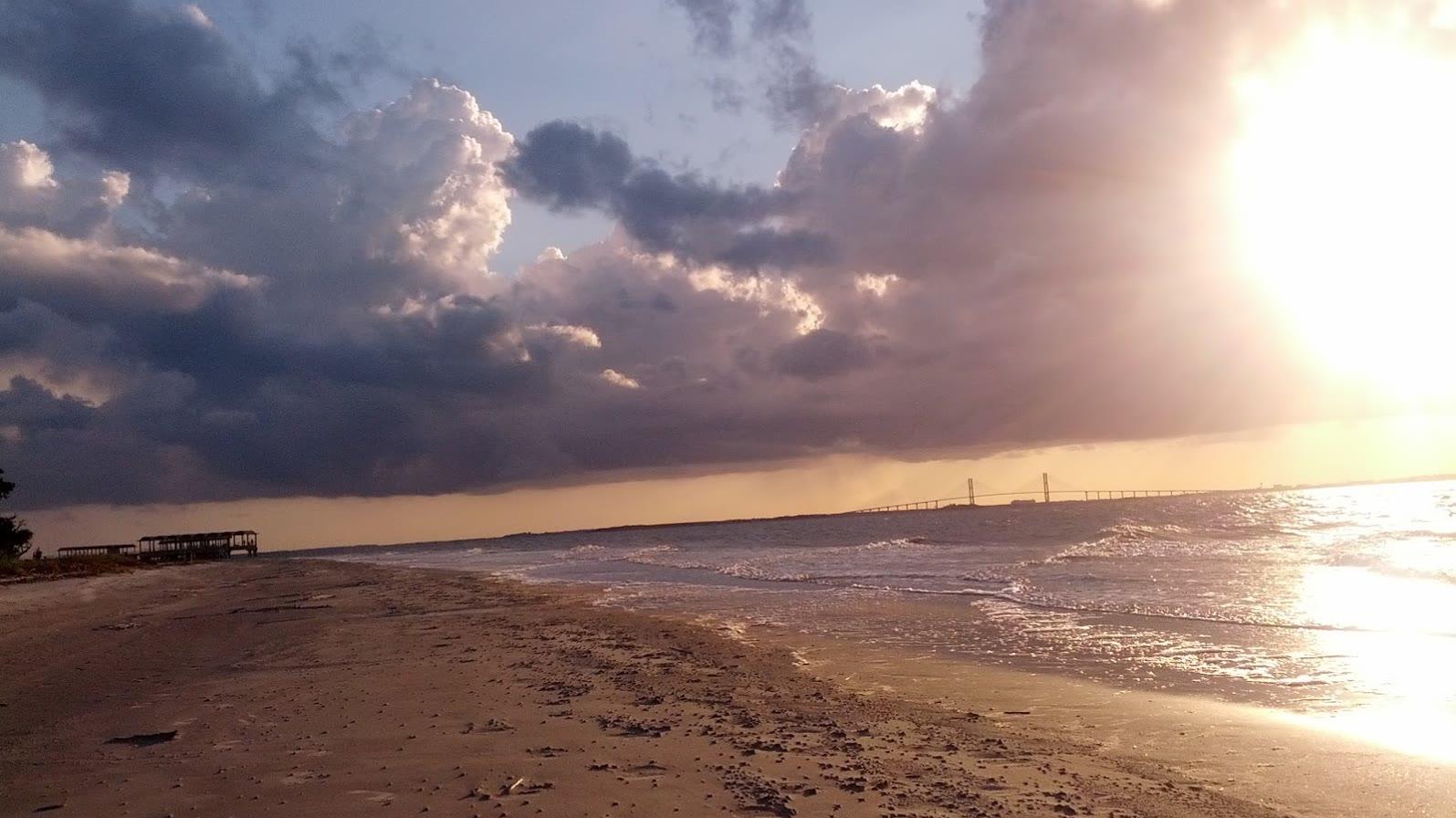
Shark Tooth Beach, Jekyll Island Fossil Hunting Guide
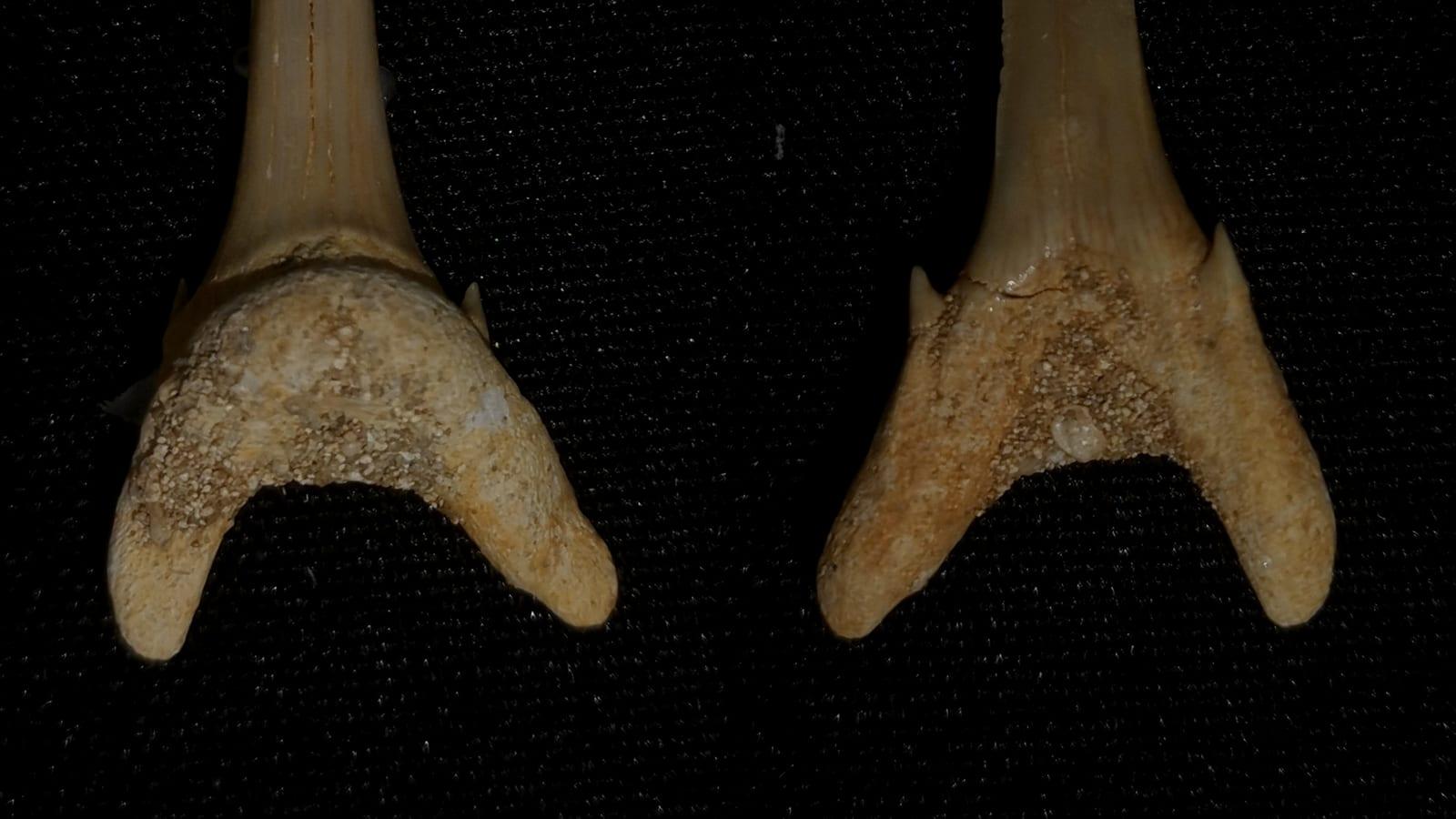
Image: Tetraeder (CC BY-SA 4.0)
A rocky strip on Jekyll Creek reached by a mile of maritime forest trail. Not a beach in the usual sense, but shark teeth collect among the oyster shells and the walk keeps the crowds away.
By Edward Chen · Published 17 September 2026
Introduction
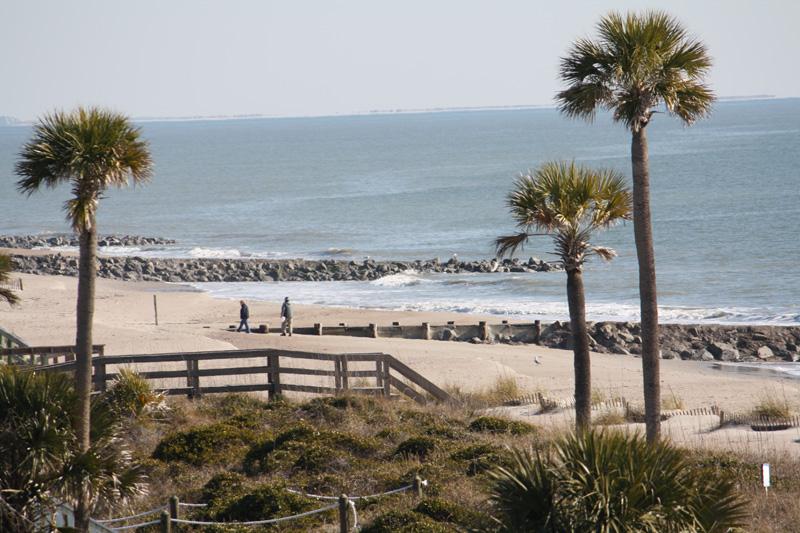
Jekyll Island has ten miles of Atlantic beach, and almost nobody looking for fossils goes to any of them.
The place to go faces the other way. Shark Tooth Beach sits on Jekyll Creek, on the landward side of the island, where the marsh meets the water.
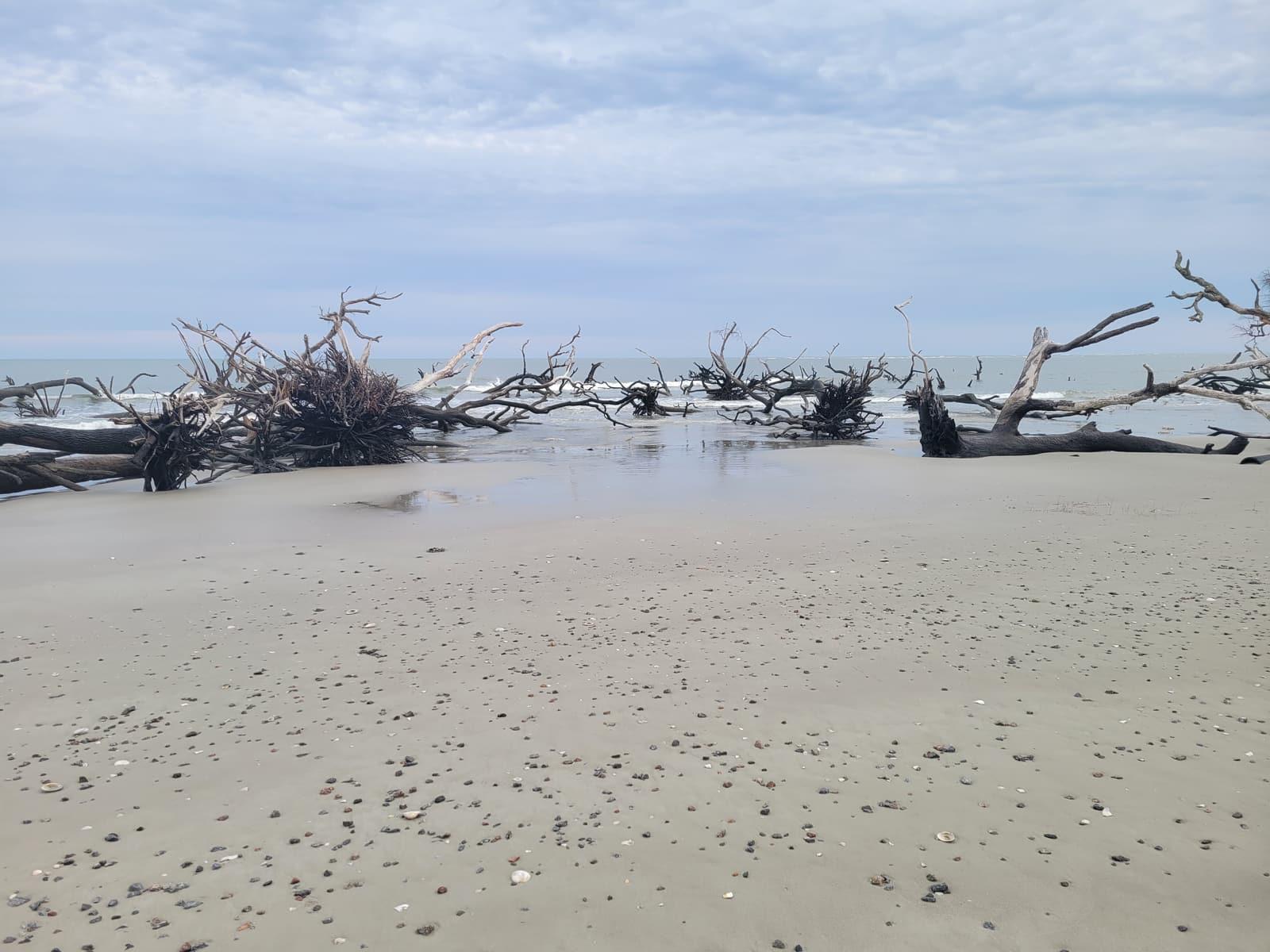
It is barely a beach. The description most visitors settle on is a rocky strip of jagged stone, oyster shell and mud.
That coarse surface is exactly why teeth collect there. Current sorts the material and leaves the dense pieces behind.
Getting to it takes a walk of about a mile through maritime forest and grass. The walk is the reason the site stays quiet.
The rules help too, within limits. The island's own ordinance allows what it calls casual collecting of fossils, and that phrase does real work.
Location and Directions
Jekyll Island is one of Georgia's Golden Isles, reached by a causeway from Brunswick. The island charges a daily parking fee, so check the current rate before you arrive.
The trailhead is on Riverview Drive, close to the entrance of the Summer Waves water park, on the western side of the island.
Look for an unmarked metal gate. There is no sign for Shark Tooth Beach and no vehicle access beyond the gate.
The trail runs for over a mile through coastal forest and grass fields bordering marshland. Allow about 25 minutes each way.
Time the walk for a falling tide. At low water a narrow strip of the muddy bottom is exposed, and that strip is where the teeth are.
What Fossils You'll Find
Fossil shark teeth are the target. Most are small. Larger teeth turn up less often.
Bone fragments occur in the same material, worn and usually unidentifiable to species.
Ray tooth plates turn up for people who look carefully. They are flat and ribbed, and they are easy to dismiss as pebbles.
Modern oyster shell covers much of the surface. It is not fossil, and separating it from the older material is most of the skill here.
A small hand sifter or a kitchen colander helps more than any other tool. Work the coarse lag lying on the surface. The ordinance allows surface collection only, so do not dig.
Storms improve the odds. Heavy wind and wave scour the bottom and concentrate dense material.
Geologic History
Georgia's coastal plain is a wedge of sediment that thickens seaward, laid down over tens of millions of years as sea level rose and fell.
The teeth at Jekyll Creek are not in place. They eroded out of older Miocene to Pleistocene beds and the current redeposited them.
That reworking is why an age range for the site is wide rather than precise. A single handful can mix material of very different ages.
Sea level did most of the work. During glacial low stands the shoreline lay far to the east, and rivers cut into older deposits and carried the contents seaward.
When the sea rose again, that material spread across the modern nearshore and into the creeks behind the barrier islands.
Jekyll Creek now runs through the result, sorting it a little more with every tide.
Collecting Rules and Regulations
Jekyll Island is a Georgia state park run by the Jekyll Island Authority, and the rules here are the Authority's own ordinance rather than a general Georgia statute.
That ordinance prohibits removing, digging, disturbing, buying, selling or giving away paleontological resources anywhere in the park, with one exception. The exception is casual collecting.
Casual collecting has a definition in the text: a reasonable amount of common paleontological resources, for non-commercial personal use, by surface collection.
Read that as four limits. Take only what the surface offers, take a reasonable quantity, keep it, and do not sell it or give it away.
Digging is not surface collection. Use a sifter to sort loose material. Do not cut into the bank with it.
Metal and mineral detectors are prohibited across the park under a separate paragraph of the same ordinance.
Live animals are protected separately. Do not take live shellfish, and leave live sand dollars where they are.
Keep to the trail on the walk in. The route passes through protected marsh margin, so stay on the path.
Safety
Rattlesnakes have been reported along the trail. Stay on the path, wear closed shoes and watch where you put your feet.
Biting insects are constant in the warmer months. Use repellent, and expect mosquitoes in the forest section.
The exposed strip is mud and jagged rock. Footing is poor and the surface cuts, so wear shoes you do not mind ruining.
Watch the tide. The strip underfoot disappears, and the walk back is a mile.
Carry water. There is nothing on the trail and Georgia summers are severe.