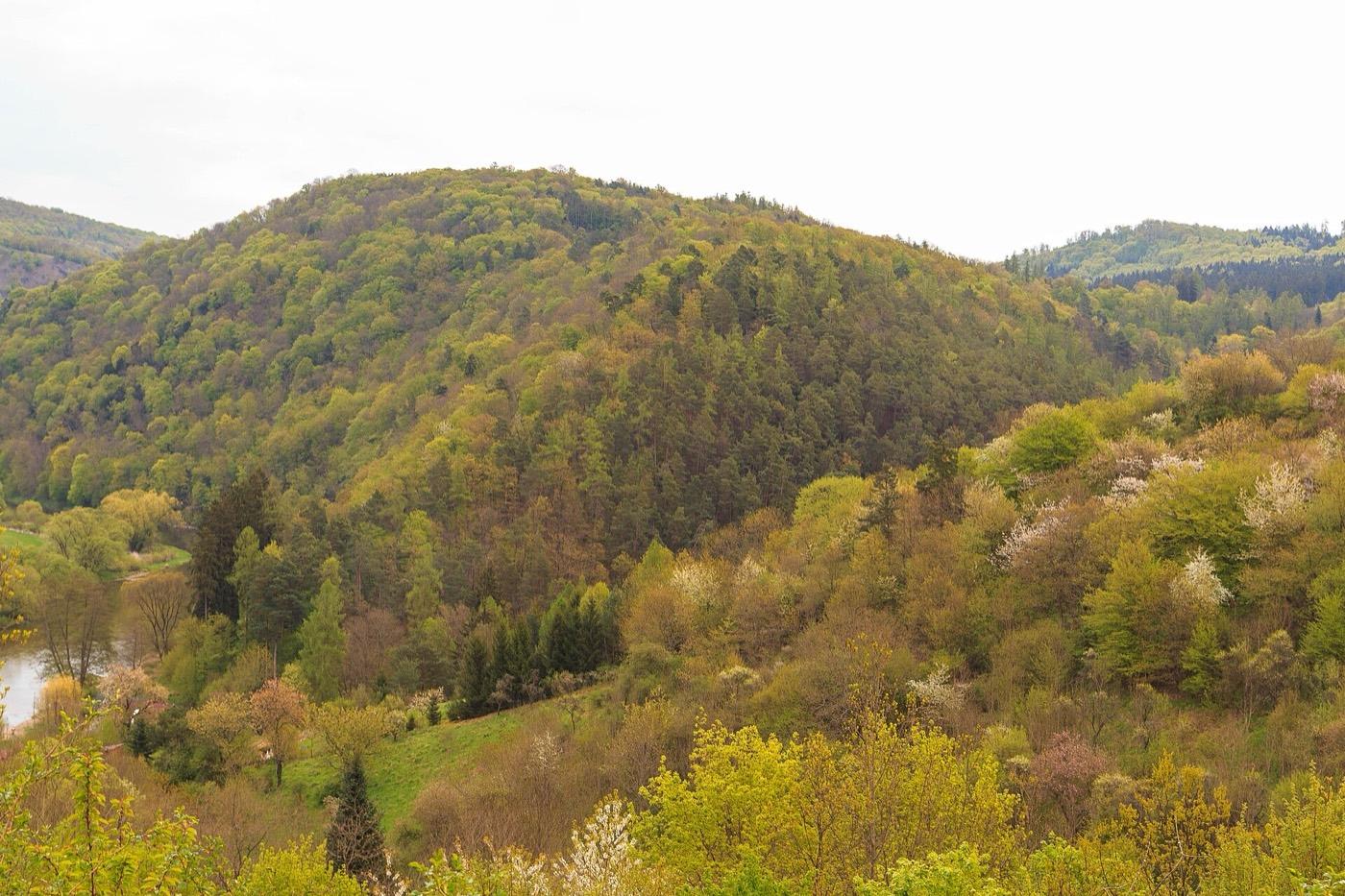
Skryje Trilobite Locality Fossil Hunting Guide
Image: Petr1888 (CC BY-SA 4.0)
A declared nature monument in the Czech Barrandian where free fossil collecting is permitted at a designated spot. The Cambrian shales of the Skryje-Týřovice Basin hold 22 polymeroid and 7 miomeroid trilobite species, described by Joachim Barrande from 1852.
By Edward Chen · Published 11 September 2026
Introduction
Czech trilobites carry two centuries of science behind them. The French engineer Joachim Barrande began describing the Lower Palaeozoic fauna of the Prague basin in 1852, and the region is now called the Barrandian after him. Skryje is one of the classic localities in that work.
What makes Skryje unusual today is not the fauna but the permission. Fossil collecting is often prohibited in protected areas. Here, inside a declared nature monument within the Křivoklátsko Protected Landscape Area, free collecting is permitted at a designated spot.
The Skryjsko-týřovické kambrium nature monument covers Cambrian rocks of the Skryje-Týřovice Basin, the smaller of the two Cambrian basins in the Barrandian. The other is the Příbram-Jince Basin, whose Jince Formation is the more famous of the pair among collectors.
Czech state tourism publishes the locality as a visitor activity, which is a reasonable indication that visitors are expected.
Location and Directions
Skryje is a village in the Rakovník district of Central Bohemia, in the valley of the Berounka river, roughly 60 kilometres west of Prague.
GPS: 49.9649°N, 13.7646°E.
The locality lies inside the Křivoklátsko Protected Landscape Area, which is a UNESCO biosphere reserve. The classical collecting ground is around Luh u Skryjí, where spoil heaps from historic working give access to the shales.
There is no ticket, no gate and no opening time. There is also no visitor centre on site, so arrive with what you need.
The National Museum in Prague holds the principal Barrande collection. It is the right place to see what good material looks like before you try to find your own.
What Fossils You'll Find
The Skryje-Týřovice fauna comprises 22 polymeroid and 7 miomeroid trilobite species, alongside brachiopods and echinoderms. Polymeroid means many thoracic segments, and miomeroid means few. Agnostids, the small blind miomeroids, are a distinctive element.
Paradoxides is the animal most collectors come for. These are large Cambrian trilobites with long, swept-back genal spines, and complete specimens are impressive.
Hyoliths occur in the Buchava Formation and have been the subject of recent research. They are small conical shells of uncertain affinity, long treated as a puzzle in early animal evolution.
The nearby Týřovice exposures are known for Sao hirsuta, preserved through its growth stages from protaspid to meraspid. That is to say from larva to juvenile. An unusual Cambrian trilobite larva from the Skryje-Týřovice Basin was described in the scientific literature in 2014.
Work the spoil heaps and split the shale along the bedding. Fresh surfaces are where the trilobites appear.
 Photo: Dwergenpaartje, CC BY-SA 3.0, via Wikimedia Commons

Geologic History
The Buchava Formation is Cambrian, and the Skryje Member is the fossil-bearing unit. It sits in the Drumian stage of the Miaolingian Series, broadly 505 to 500 million years ago. Older literature, and most collectors, call this the Middle Cambrian.
The sediments were laid down in a marine basin on the margin of Gondwana, at high southern latitude. The Barrandian basins were small, partly isolated troughs, which is one reason their faunas are distinctive enough to be recognised across Europe.
The shales are fine-grained, and that is what preserves the trilobites as flattened but complete animals rather than scattered fragments.
Barrande's own work is the reason the fauna is so thoroughly documented. He published 22 volumes on the Bohemian Palaeozoic, largely at his own expense, and described upwards of 3,500 species. A trilobite you split out of the shale at Skryje has almost certainly been named already, and named by him.
 Photo: Chmee2, CC BY-SA 4.0, via Wikimedia Commons
.jpg)
Collecting Rules and Regulations
Free fossil collecting is permitted at a designated location within the nature monument. That permission is specific. It does not extend across the whole Křivoklátsko Protected Landscape Area, and it does not licence digging into protected outcrops.
Work the loose material and the spoil heaps. Leave the exposures alone.
Collect less than you want. Luh u Skryjí is recorded as under pressure from amateur collectors, and that pressure is the most likely reason for the permission to be withdrawn. Take a few good pieces, not a rucksack.
If you find something unusual, the National Museum in Prague is the appropriate contact.
Confirm the current position locally before you collect. Protected-area rules change, and signage on site is the authority.
Combine the trip with Prague if you can. The National Museum holds Barrande's collection. Seeing well-prepared Skryje and Jince material before you go out makes it far easier to recognise a partial trilobite in a split block of shale.
 Photo: Chmee2, CC BY-SA 4.0, via Wikimedia Commons

Safety
Splitting shale sends sharp fragments flying. Wear eye protection. This is the single most important precaution at any trilobite locality.
Spoil heaps are loose and can shift underfoot. Keep off steep faces and do not undercut them.
The Berounka valley is wooded and steep in places, and paths are slippery after rain.
Ticks are present in Czech woodland and carry tick-borne encephalitis as well as Lyme disease. Cover your legs, use repellent, and check yourself afterwards.
Mobile coverage is patchy in the valley. Tell someone your route.
Sources
https://www.kudyznudy.cz/aktivity/naleziste-trilobitu-ve-skryjich https://lokality.geology.cz/1281 https://www.sciencedirect.com/science/article/abs/pii/S1871174X14000687 https://www.nm.cz/en/about-us/science-and-research/palaeontological-collection
Nearby sites
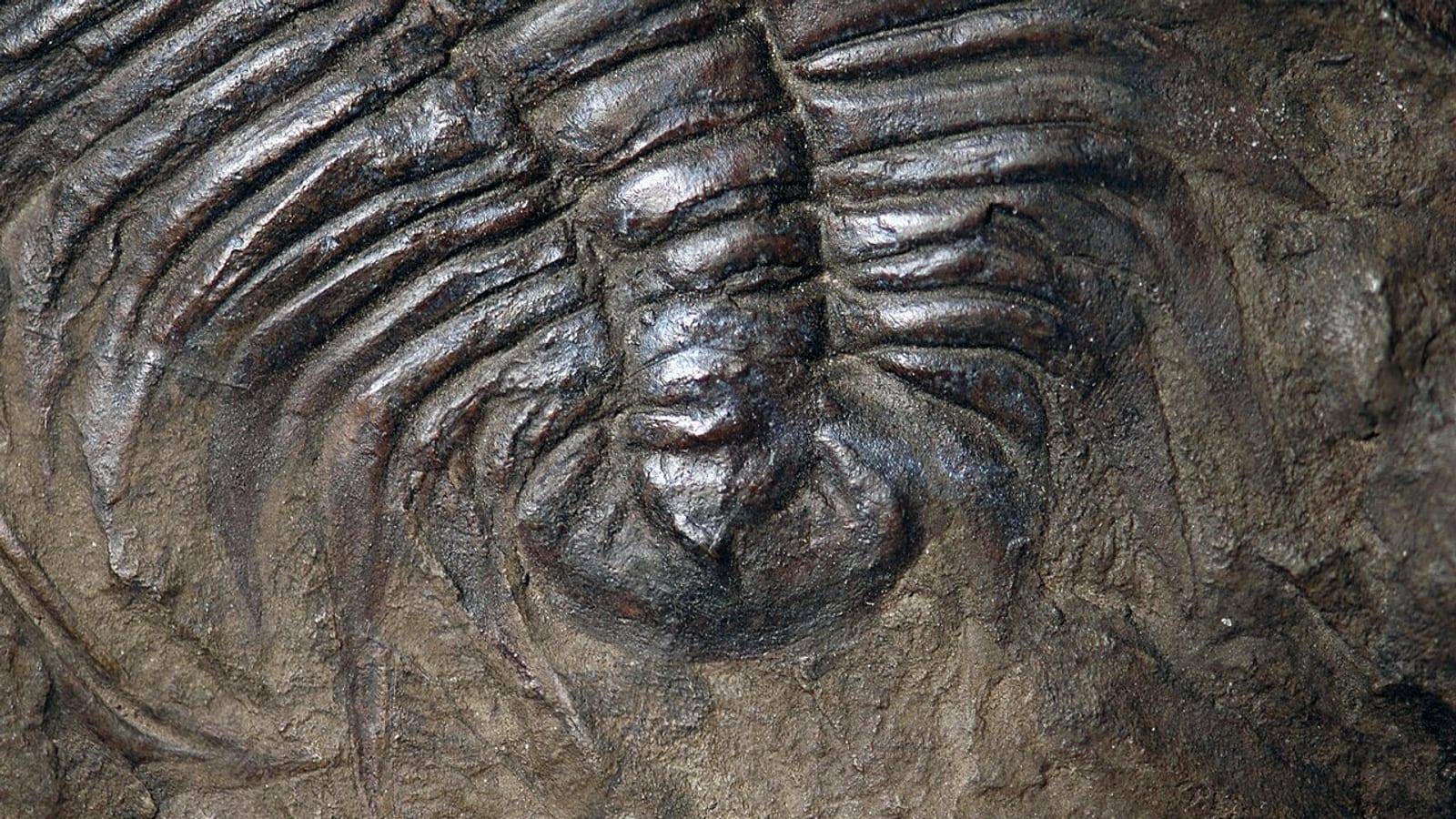 Cambrian Paradoxides Site North of Alnif Fossil Hunting GuideParadoxides, Cambropallas telesto
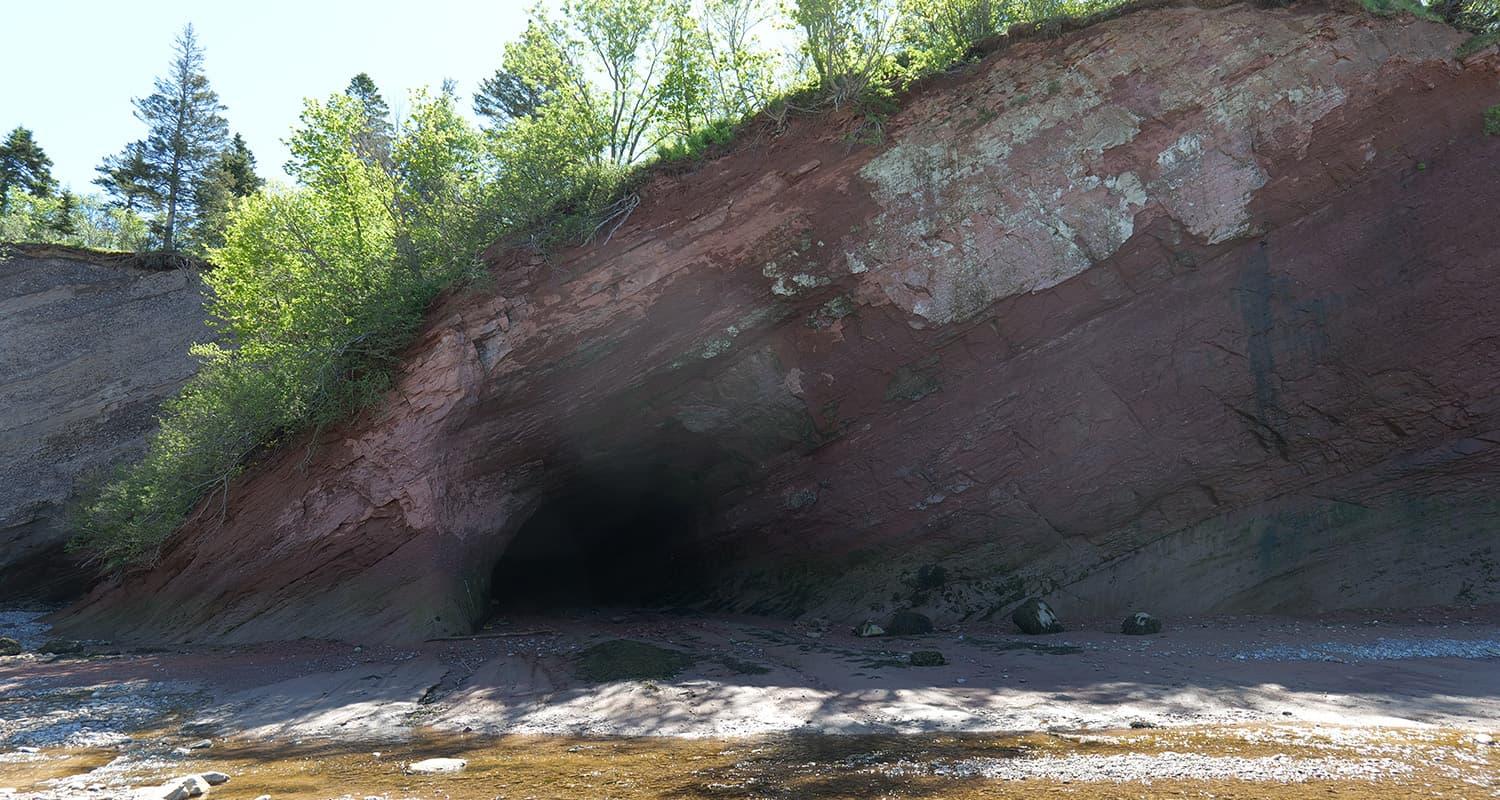 Stonehammer UNESCO Global Geopark Fossil Hunting GuideParadoxides regina (trilobite), Carboniferous tetrapod trackways
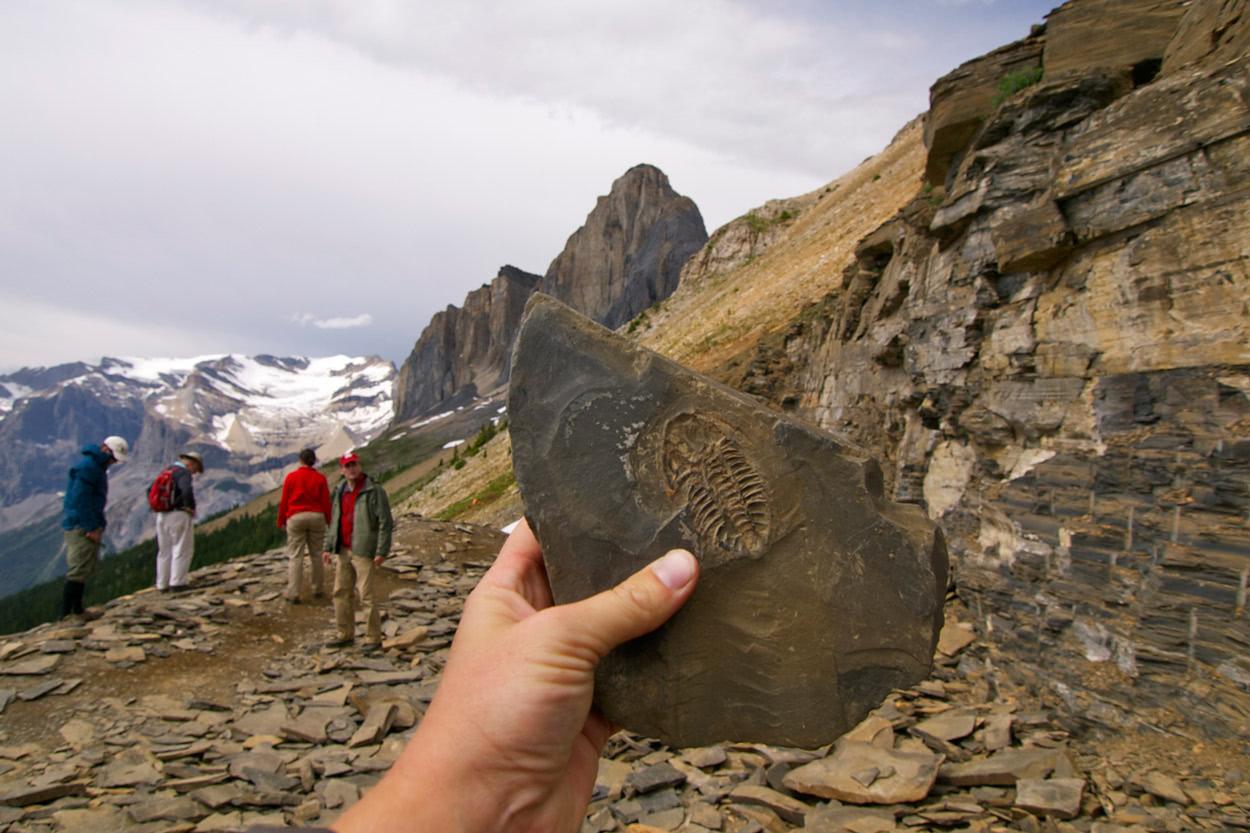 Burgess Shale Fossil Hike GuideTrilobites, Anomalocaris
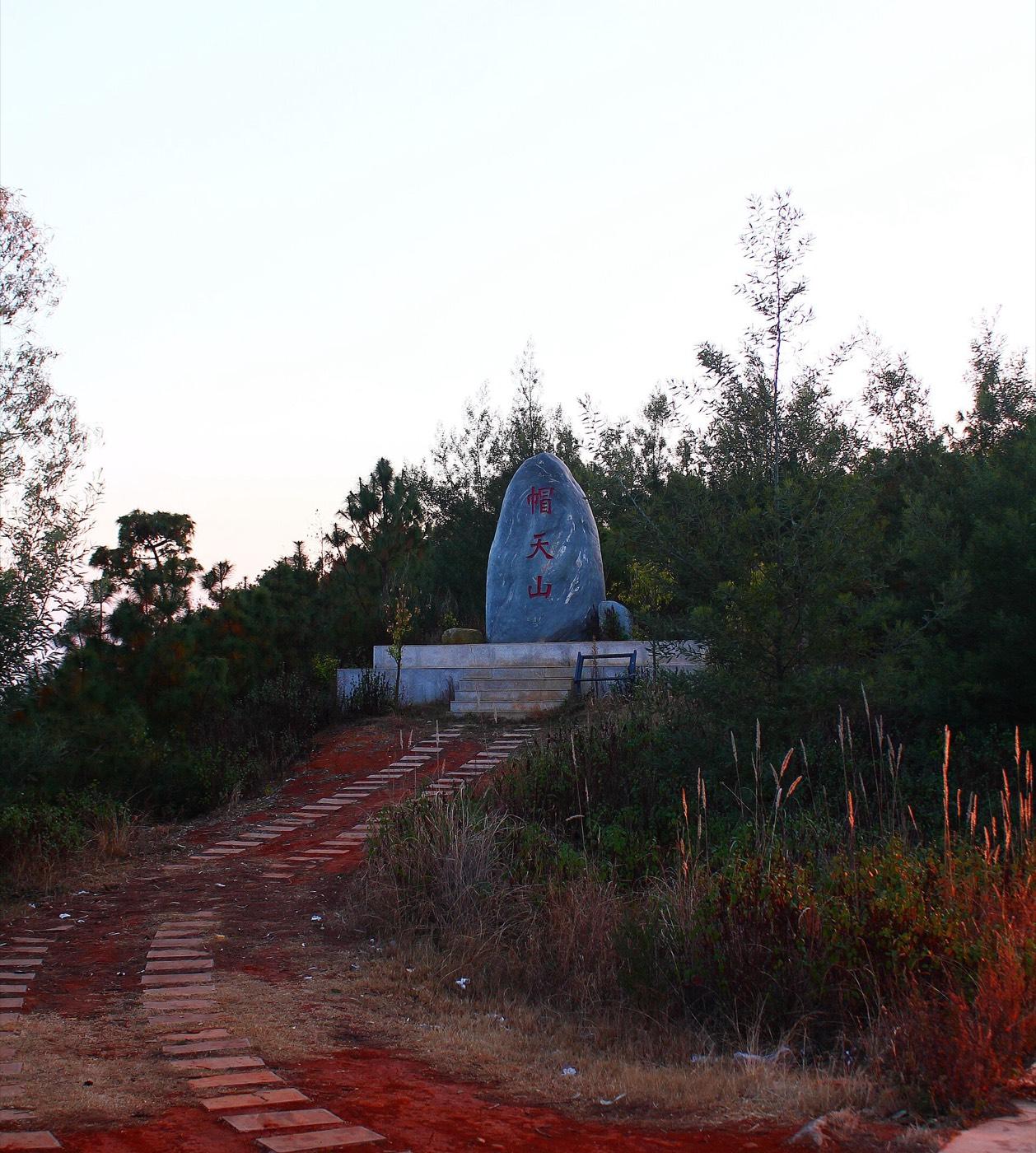 Chengjiang Fossil Site, Maotianshan Fossil Hunting GuideTrilobites, Arthropods