Sperry Wash Fossil Hunting Guide
Image: blmcalifornia (Public domain)
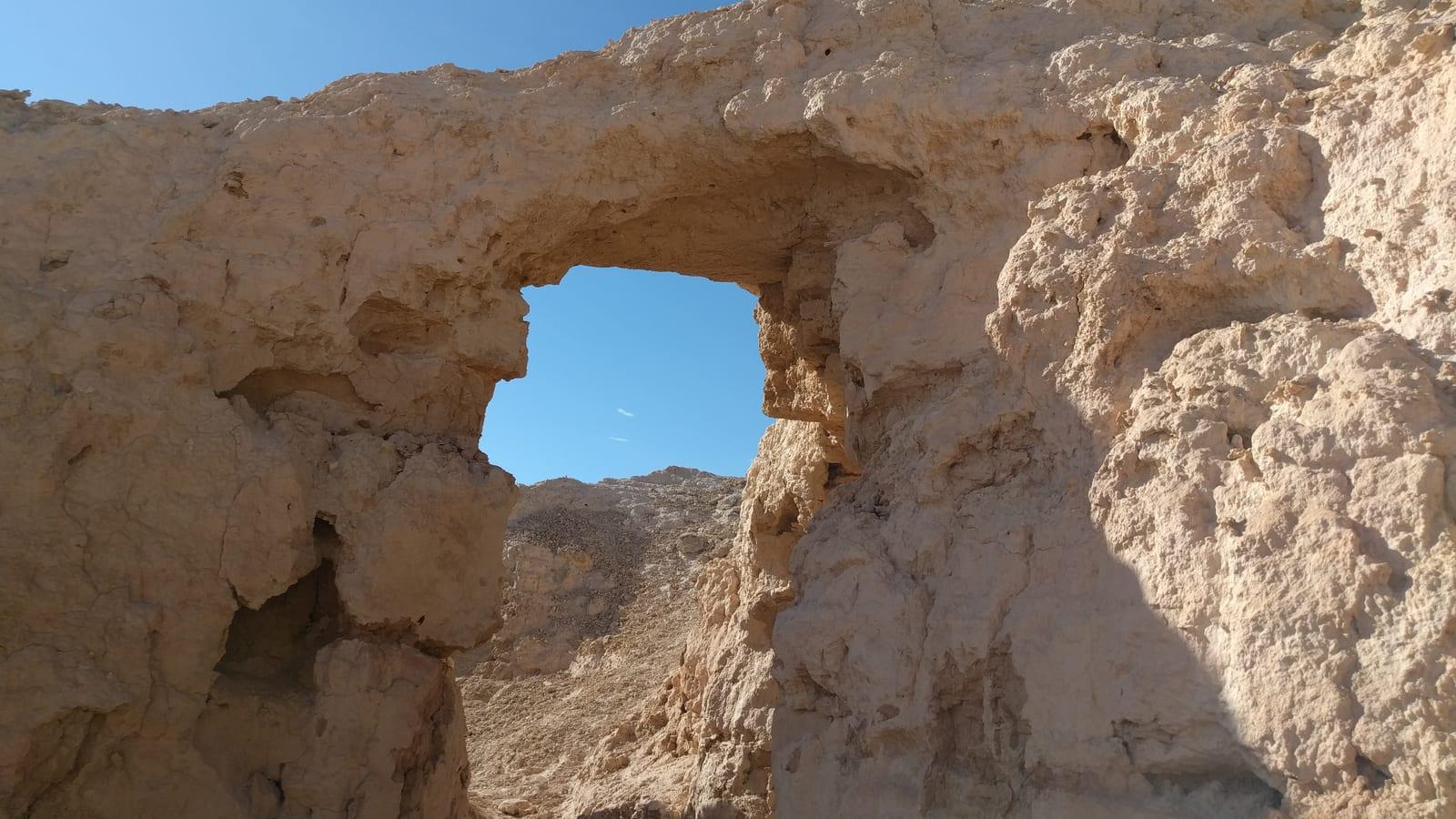
Sperry Wash, in the hills near Tecopa on the edge of the Death Valley region, cuts through the Miocene China Ranch beds. The wash is best known for petrified wood, including petrified palm, from a warm, wet landscape of roughly 10 million years ago. It sits on Bureau of Land Management ground.
By Edward Chen · Updated 11 July 2026
Introduction
Sperry Wash drains the Alexander and Sperry Hills near Tecopa and China Ranch, on the southern edge of the Death Valley region. It cuts through the China Ranch beds, a thick sequence of Miocene lake and stream sediments, and the wash is best known among collectors for petrified wood, including petrified palm.
Roughly ten million years ago this was a warm, wet landscape of swamps and streams rather than desert, and the wood that fell into that setting was buried and turned to stone. The petrified material comes in grey, orange, red, and pink, and pieces of trunk, palm, root, and twig have all been found here. The wash sits on Bureau of Land Management land, though much of the best material was dug out long ago.
Location and Directions
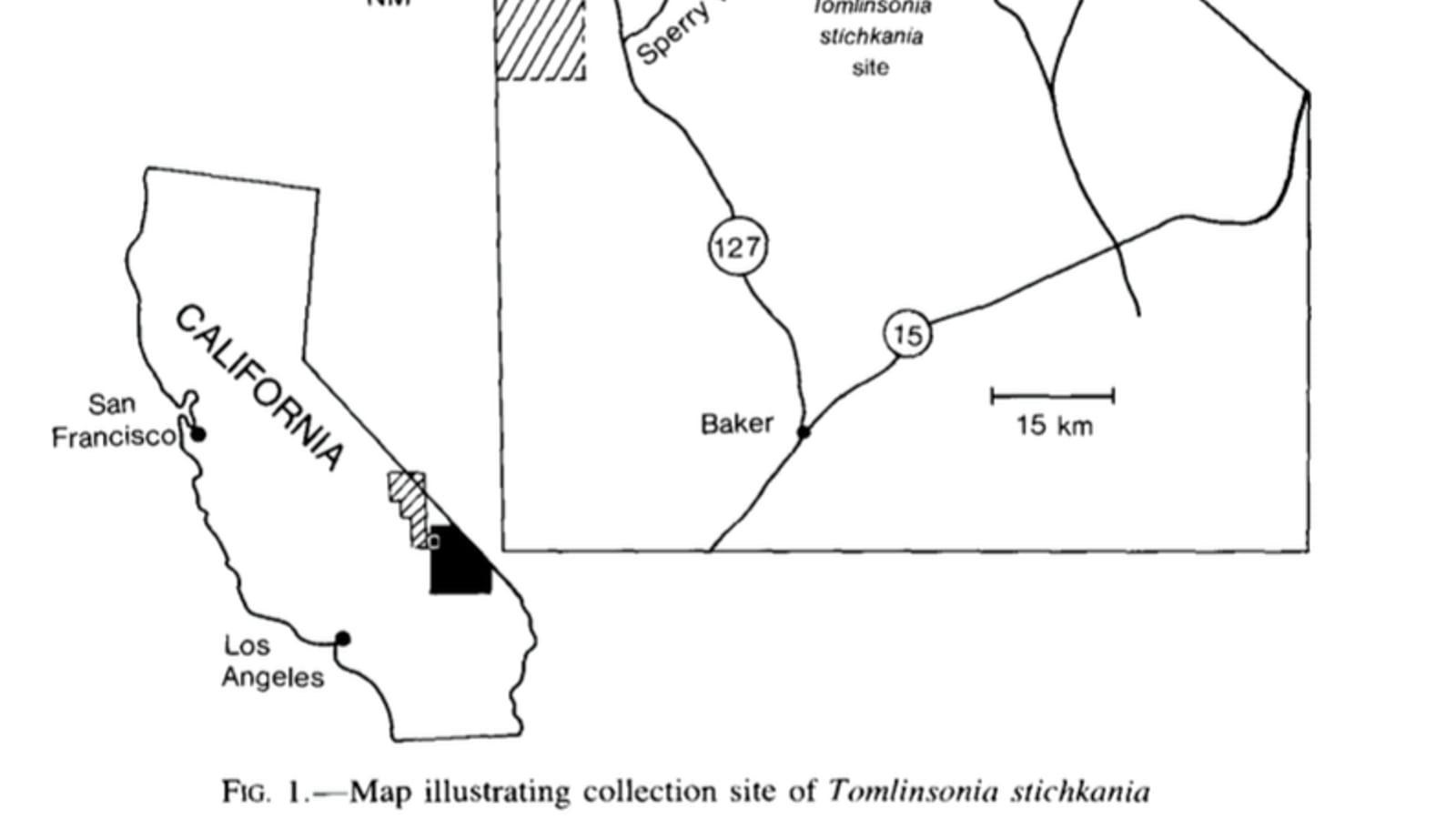
Sperry Wash lies near Tecopa in Inyo County, close to 35.78°N, 116.13°W, off the roads that run between Tecopa, Shoshone, and the China Ranch date farm. The area is reached by unpaved desert roads, and an old railroad grade runs through part of the wash.
There are no services at the site. Fill up on fuel and water in Tecopa or Shoshone, carry everything you need, and be ready for rough, sandy roads where a high-clearance vehicle helps. Cell coverage is poor.
What Fossils You'll Find
The signature find here is petrified wood. Look for pieces of silicified trunk, root, and twig weathering out of the pale lakebed sediments, often colored grey, orange, red, or pink. Petrified palm, recognizable by its pattern of rod-like dots, is the material the wash is most famous for, though large pieces are now hard to find after decades of collecting. Other plant remains occur in the same beds.
Petrified palm is worth knowing how to recognise, since it is the material this wash is named for among collectors. Palms are not true woody trees, and instead of growth rings they have bundles of vascular tissue scattered through the trunk. Silicified, those bundles show as a field of small dark rods or dots in cross-section, and as fine parallel lines along the grain. Once you have seen it, it is unmistakable, and it is quite unlike the concentric rings of a petrified conifer.
Search the loose material in the wash and on eroding slopes, where runoff concentrates the harder silicified wood. Because so much has already been removed, patience and a willingness to accept small pieces both help.
The wash restocks itself slowly, and the mechanism is flash flooding. Storm runoff strips the soft lakebed sediments and rolls fresh silicified wood into the channel, so the period after a significant desert storm is the best time to look. That is also the only time this landscape is genuinely dangerous, which is covered below.
Geologic History
During the Miocene, a basin here filled with sediment from lakes and streams to build the China Ranch beds, more than a thousand meters thick, with layers of conglomerate, marly limestone, and volcanic ash. Wood from the wetter landscape of the time was buried in these sediments, and groundwater carrying dissolved silica slowly replaced the wood with silica, preserving its structure as petrified wood.
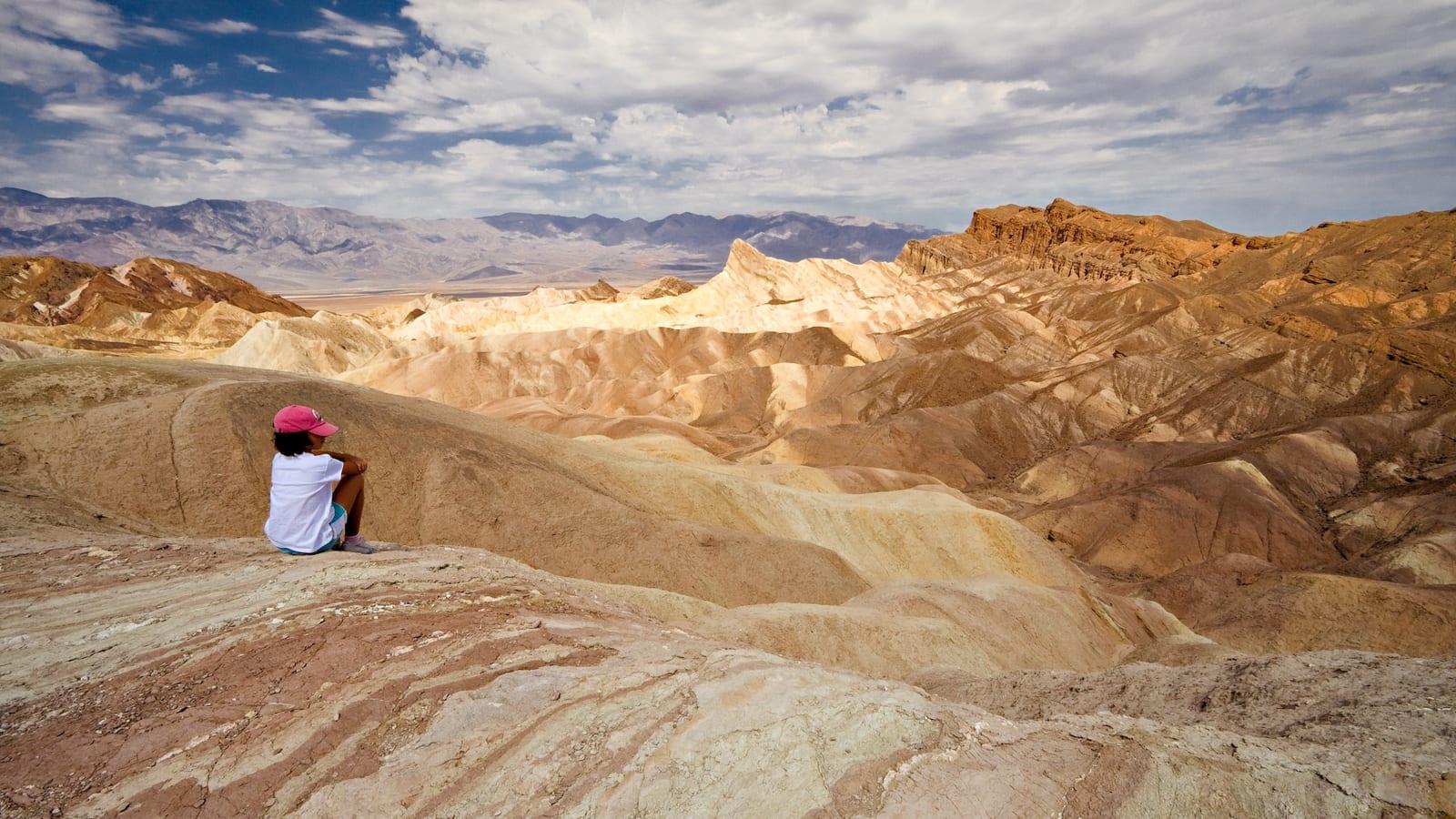
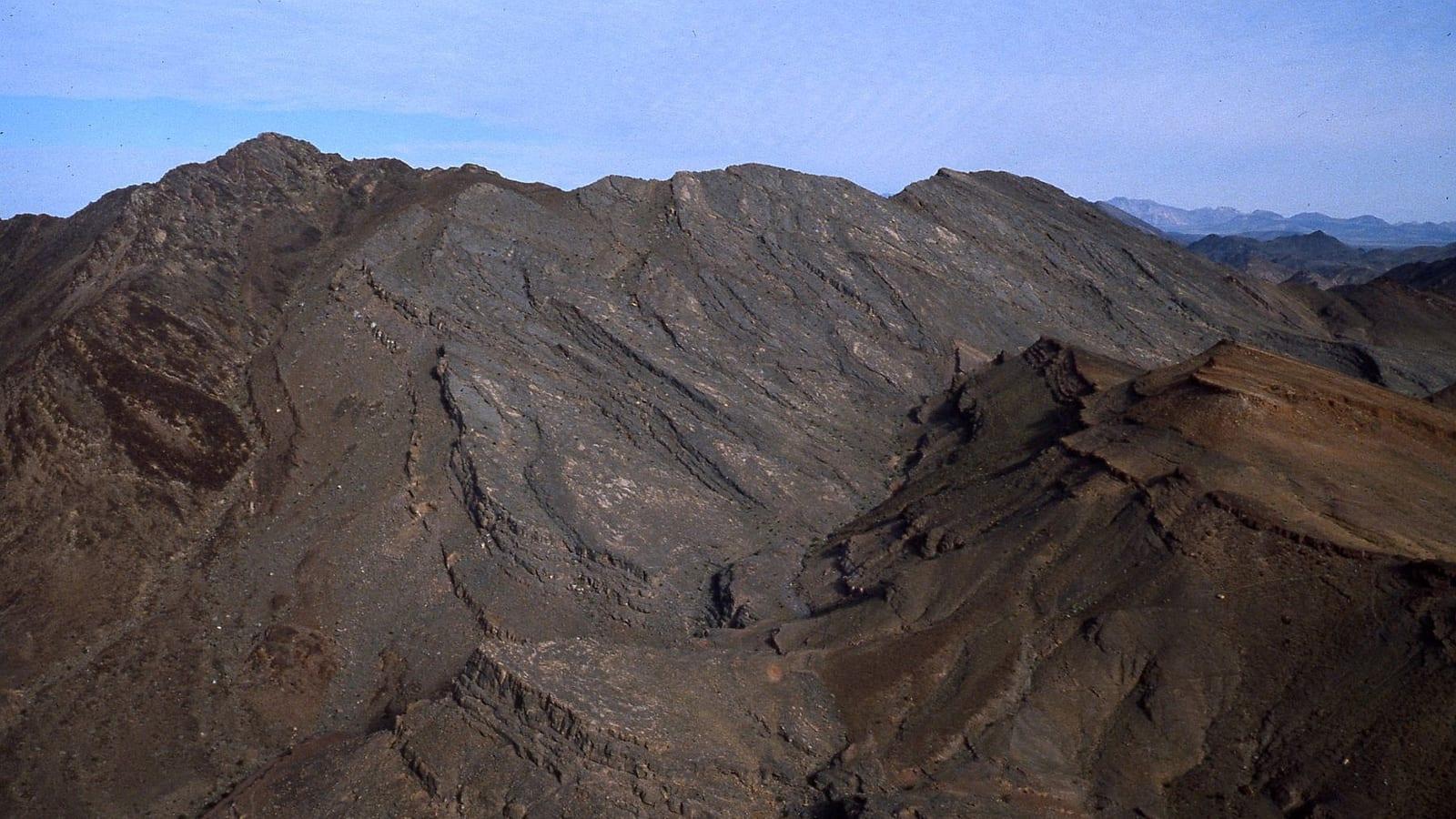
Later faulting and uplift in this seismically active region tilted the beds, and erosion carved the badlands and washes, such as Sperry Wash, that now expose the fossil wood.
Collecting Rules and Regulations
Sperry Wash is on Bureau of Land Management land. On BLM ground, the public may collect reasonable amounts of petrified wood for personal, non-commercial use, subject to daily and annual limits set by the BLM, and vertebrate fossils are protected and may not be collected. Commercial collecting and the use of tools or equipment beyond hand tools are not allowed without authorization.
The BLM's standing limits for petrified wood are worth knowing before you fill a bucket. The general federal allowance is 25 pounds plus one piece per person per day, up to a maximum of 250 pounds in a calendar year, and pooling several people's daily allowances to remove a single large piece is not permitted. Selling what you collect, or bartering it, is prohibited outright.
Confirm current BLM rules and limits before collecting, and check whether any part of the area is designated wilderness, where collecting and vehicles are restricted. Wilderness boundaries in this part of the Mojave are not always obvious on the ground, and the surrounding country includes designated areas, so establish where you are before you start picking things up.
Take only a little, fill any holes, and leave the wash as you found it. Stay on existing roads and tracks. Desert soils and their crusts recover over decades rather than seasons, and a single vehicle track off-route lasts a very long time here.
Safety
This is remote Mojave Desert country, and the hazards here are the serious kind rather than the inconvenient kind.
Summer heat is dangerous. Temperatures in this corner of the Death Valley region regularly exceed 115 degrees Fahrenheit, and there is no shade in the wash. Plan visits for the cooler months, roughly October through April, and carry far more water than you expect to drink, with a reserve left in the vehicle. Heat illness comes on faster than people expect when they are absorbed in looking at the ground.
Sandy roads strand vehicles. A high-clearance vehicle helps and a second vehicle helps more. Carry recovery gear, a full-size spare, and the means to fix a puncture, because a breakdown here is not a phone call, it is a walk.
Flash floods fill the wash. A wash is a drainage channel, and it can run bank to bank within minutes of rain falling on high ground you cannot see from where you are standing. Watch the sky in every direction, not just overhead, and get out of the channel and onto higher ground if weather builds. Never camp in the wash bottom.
Watch for rattlesnakes, which shelter under ledges and in the shade of rocks during the day, and for the spines of cholla and other desert plants, which detach readily and are painful to remove. Tell someone your route and your expected return time, carry a paper map, and do not rely on a phone signal in this area, because there generally is not one.
Sources
https://ucmp.berkeley.edu/2016/07/a-photo-essay-death-valley-field-trip-spring-break-2016/ https://en.wikipedia.org/wiki/Lake_Tecopa https://www.blm.gov/office/barstow-field-office