Mazourka Canyon Fossil Hunting Guide
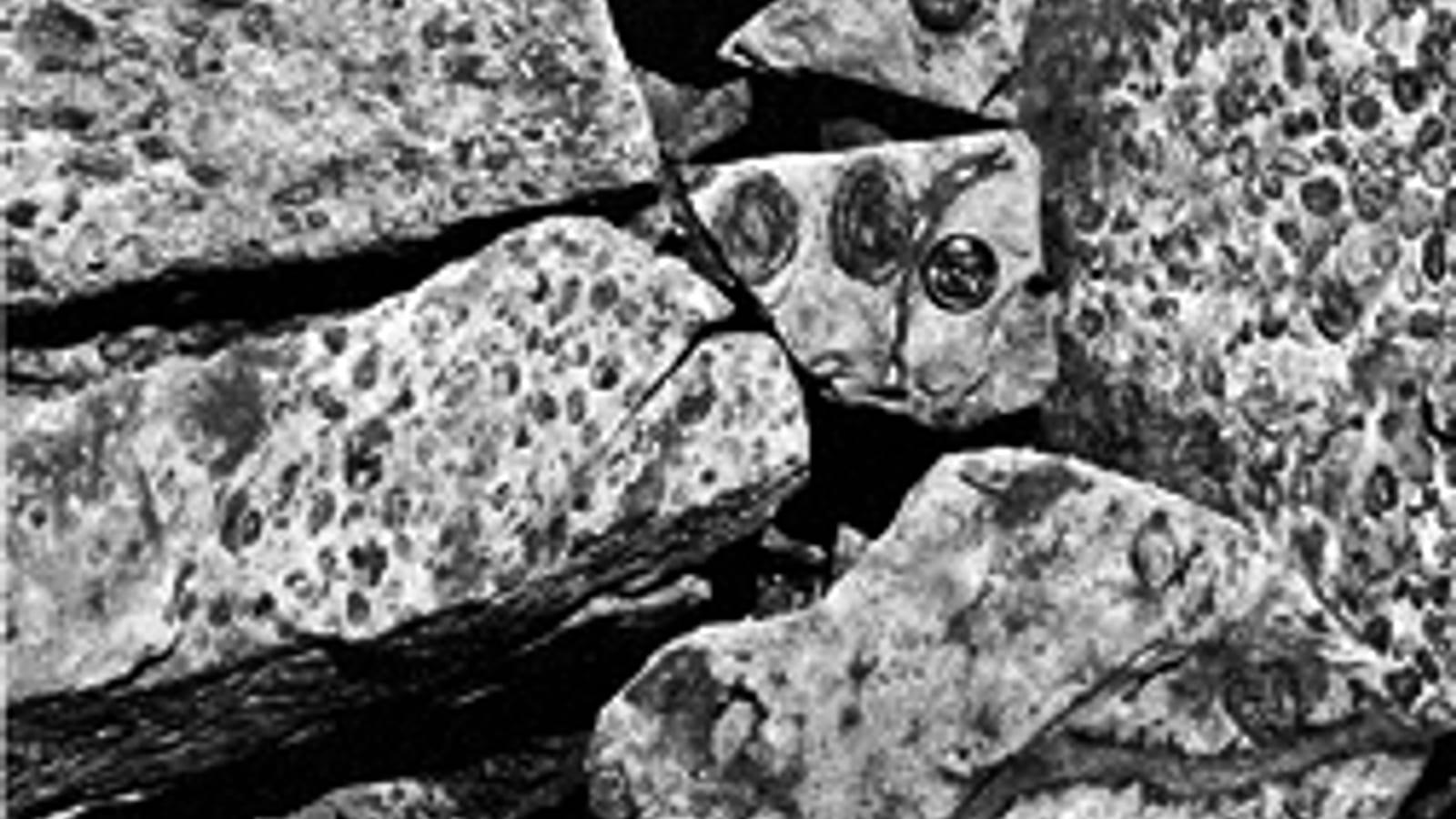
Mazourka Canyon east of Independence in the Inyo Mountains exposes a thick Ordovician marine section, including the fossil-rich Badger Flat Limestone, with trilobites, brachiopods, and receptaculitids around 470 million years old. BLM land with casual-collecting rules.
By Edward Chen · Updated 21 July 2026
Introduction
Mazourka Canyon cuts east into the Inyo Mountains from the Owens Valley near Independence, and it slices through one of the better Ordovician marine sections in eastern California. The canyon drains a large part of the range, and the erosion that carved it has exposed layer after layer of Paleozoic rock, including fossil-bearing limestones roughly 470 million years old.
The fossils here are marine invertebrates from a sea that covered this region long before the Sierra Nevada existed. Trilobites, brachiopods, and the distinctive sunflower-like receptaculitids weather out of the gray limestone. Most of the canyon is public land managed by the Bureau of Land Management, which makes it one of the more accessible Ordovician sites in the state for careful casual collecting.
Location and Directions
Mazourka Canyon Road leaves U.S. Highway 395 just south of Independence in Inyo County and runs east toward the Inyo Mountains, near 36.834°N, 118.087°W. The road travels roughly 6 miles into the canyon, where the fossil-bearing limestone beds are exposed in the walls and slopes.
Independence has limited services, and the larger towns of Bishop and Lone Pine are a short drive north and south on Highway 395. The canyon road is graded dirt that can be rough, so a high-clearance vehicle helps, and conditions change with weather. Carry water and fuel, since there are no services in the canyon.
What Fossils You'll Find
The standout unit is the Badger Flat Limestone, a Middle Ordovician gray silty limestone described as abundantly fossiliferous. It carries brachiopods, trilobites, gastropods, receptaculitids, and pelmatozoan (crinoid-relative) debris. Older beds lower in the section, including the Al Rose Formation, carry graptolites, and calcareous algae such as Girvanella and solitary horn corals occur in the canyon as well.
Look in the weathered slopes and the loose limestone rubble below outcrops, where the harder fossils concentrate as the rock breaks down. A hand lens helps with the smaller shells, and the receptaculitids are worth learning to spot, since their honeycomb pattern is easy to mistake for a coral at first glance.
Geologic History
During the Ordovician, this part of eastern California lay under a shallow tropical sea on the western margin of North America. Lime mud, sand, and the skeletons of sea-floor animals accumulated over millions of years to build a thick carbonate and shale section, of which the Badger Flat Limestone is one fossil-rich part.
Hundreds of millions of years later, the rise of the Inyo Mountains and the deep erosion of Mazourka Canyon tilted and exposed these ancient beds. The result is a canyon where you can walk up through successive Ordovician formations, reading the section the way early geologists did when they first mapped the range.
Collecting Rules and Regulations
Most of Mazourka Canyon is Bureau of Land Management land. On BLM ground, casual collecting of reasonable amounts of common invertebrate fossils, such as brachiopods and trilobite pieces, for personal, non-commercial use is generally allowed. Vertebrate fossils are protected and may not be collected without a permit, and commercial collecting is not permitted.
Confirm current BLM rules with the Bishop Field Office before you collect, watch for any private inholdings or mining claims and do not collect on them without permission, and take only a modest amount. Leave outcrops intact and avoid hammering where loose material already supplies what you need.
Safety
This is high desert with big temperature swings, so carry water, sun protection, and warm layers for the elevation. The canyon road is remote and rough, cell coverage is poor, and help is far away, so tell someone your plans and check your vehicle and fuel first. Loose rock on the slopes can shift and fall, so wear eye protection when breaking rock and keep clear of unstable faces. Watch for rattlesnakes in warm weather, and be alert for flash floods in the canyon during storms.
Sources
https://en.wikipedia.org/wiki/Barrel_Spring_Formation https://en.wikipedia.org/wiki/Al_Rose_Formation https://pubs.usgs.gov/bul/1181o/report.pdf