Surtarbrandsgil Fossil Hunting Guide
Image: Bromr (CC BY-SA 3.0)
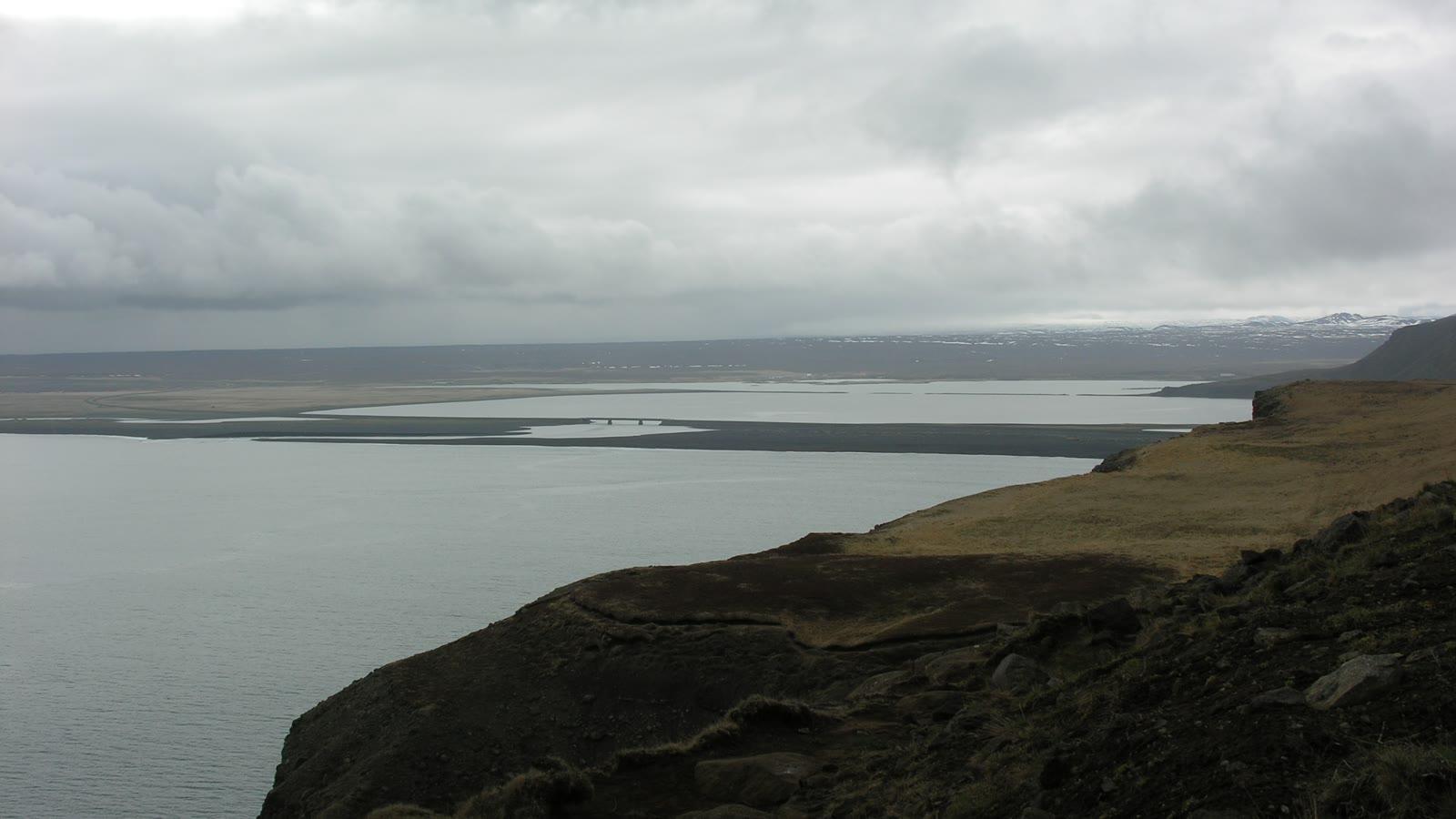
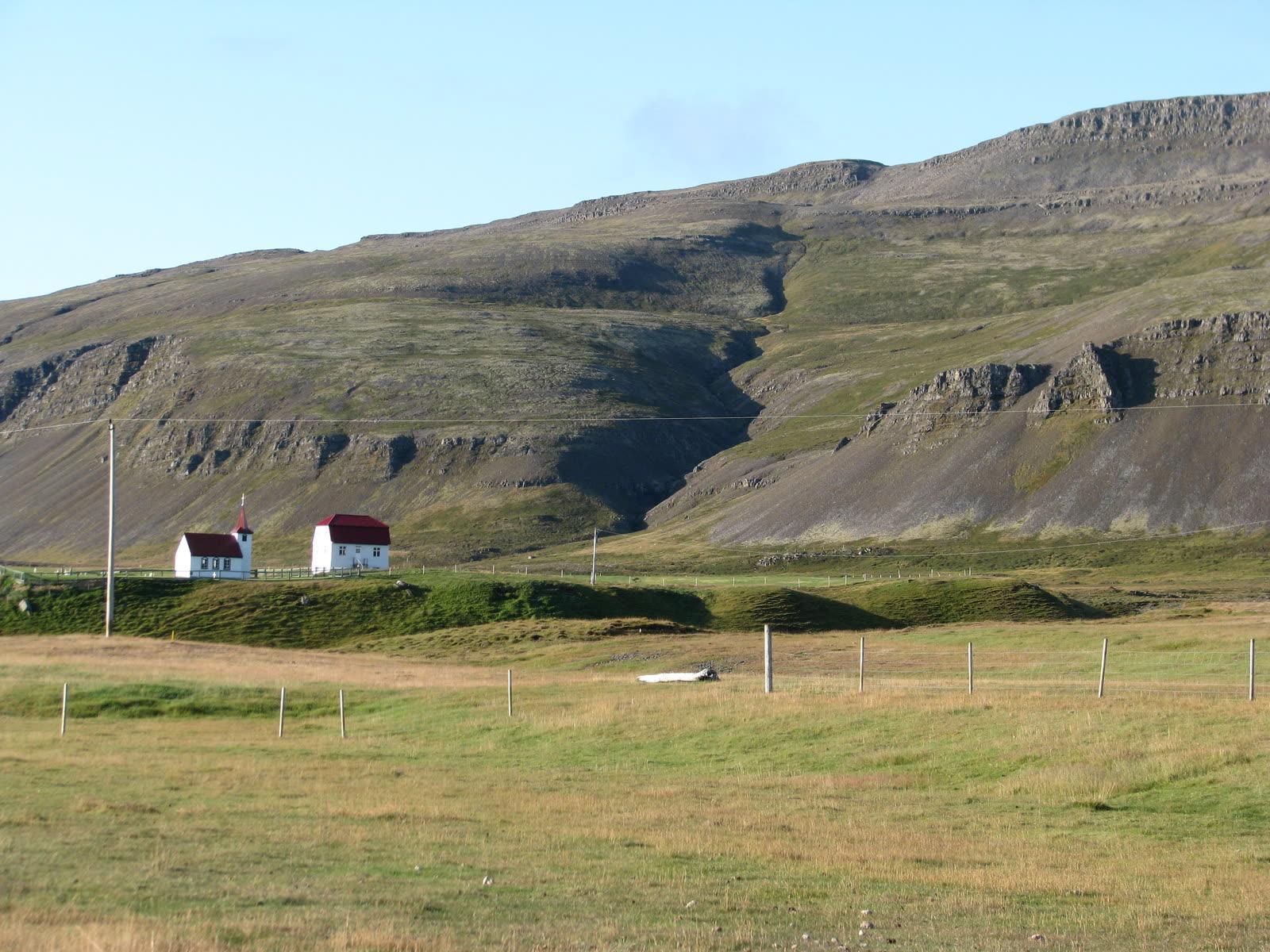
A protected ravine near Brjánslækur in the Westfjords where Miocene leaf fossils lie in lignite between basalt flows. Visitors may enter only with a ranger, and removing any fossil or lignite is illegal.
By Edward Chen · Published 1 October 2026
Introduction
Surtarbrandsgil is a ravine near Brjánslækur in the Westfjords. Its pale sediments and thin lignite beds hold the fossil leaves of a Miocene forest. The beds lie between basalt flows.
Iceland declared the ravine a natural monument in 1975. The Environment Agency of Iceland manages it. The monument covers 272 hectares and sits in IUCN category III. The land belongs to the Icelandic state.
The rule is strict. The public may not walk up the ravine without a land ranger. Nobody may break or remove fossils or lignite without special permission.
The management plan counted 284 visitors with permission in 2016 and 151 between 1 June and 31 August 2017. Few people enter the ravine each year.
That makes this a guided site. You can see the fossils with a ranger, and you can look at the exhibition at the old vicarage for free. You cannot collect.
The ranger leads the walk from the vicarage up to the ravine.
Location and Directions
The exhibition and the start of the walk are at the old vicarage at Brjánslækur. It stands at about 65.5246°N, 23.2010°W. Brjánslækur lies on Route 62 along the south coast of the Westfjords peninsula, west of the Vatnsfjörður reserve.
You can also arrive by ferry. The Baldur ferry serves Brjánslækur from Stykkishólmur and Flatey. Check the operator's timetable, because the schedule varies by season.
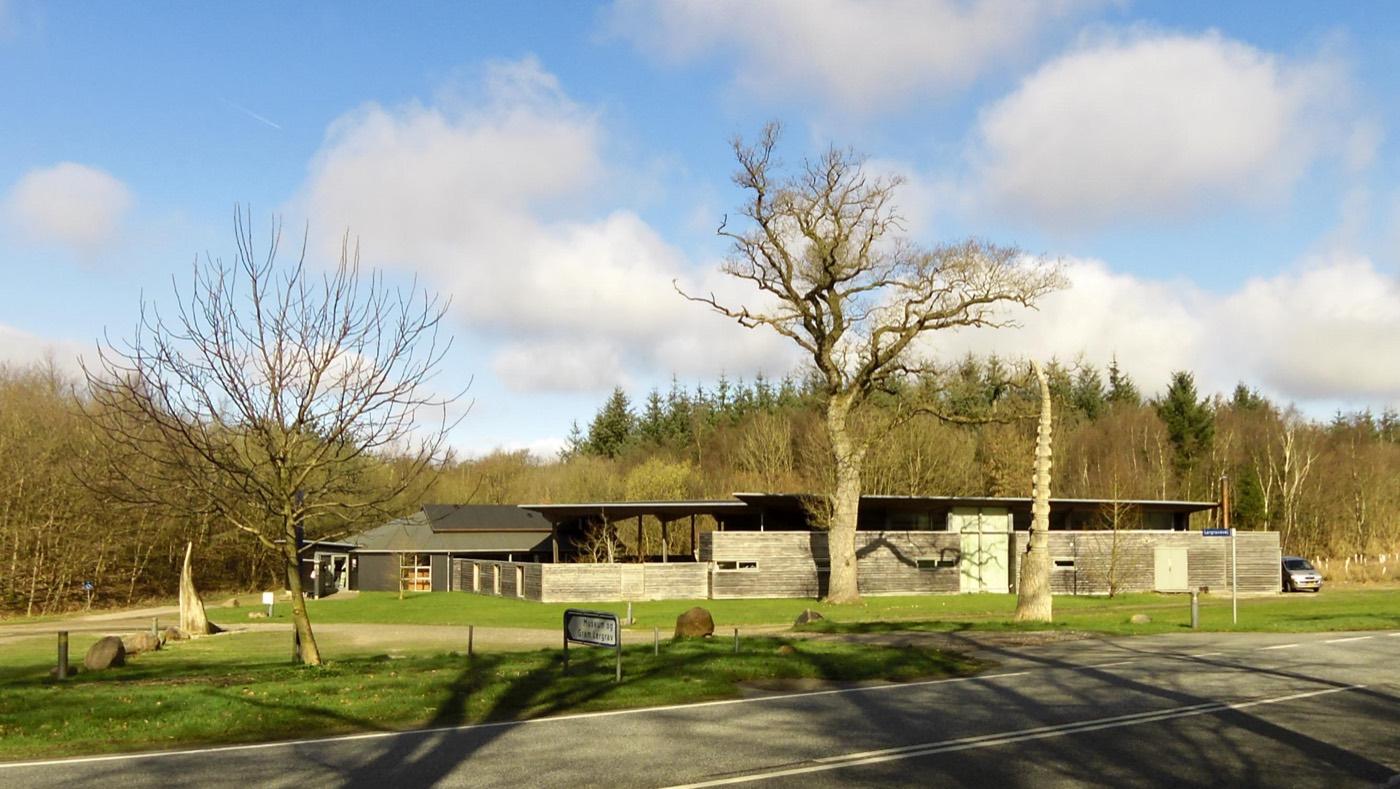
Parking is at the old vicarage. The house dates from 1912. It holds the exhibition, a summer café that opens from 12:30 to 17:00, and guest rooms.
The exhibition is open daily in summer, and admission is free. One regional listing gives the dates as 10 June to 10 August. The listing does not state the year, so confirm the 2026 dates before you travel.
Ranger hikes leave on Tuesdays, Wednesdays, Thursdays and Saturdays at 13:00. Telephone 822-4080 or 831-9675, or call 591-2000. Icelandic numbers use the country code +354. The agency does not state a fee for the hike.
The management plan says rangers lead walks at least five times a week from mid June to mid August. Requests for an escort outside the season get a case-by-case answer.
A marked footpath of about 2.7 kilometers runs from the vicarage to the ravine. It takes just over half an hour. No road or track reaches the ravine. The walk is not wheelchair accessible, and the exhibition has steps.
What Fossils You'll Find
You see plant fossils. They are leaf impressions, fruits and pollen in pale sediment, and plant remains in black lignite.
Grímsson and Símonarson (2008) describe the Brjánslækur and Seljá floras as the most varied known from Iceland. The management plan counts about 65 plant species from leaves, seeds or pollen.
The most common leaves are Alnus cecropiifolia, an alder, Betula islandica, a birch, and Acer crenatifolium subsp. islandicum, a maple. Others include Comptonia hesperia, Sassafras ferrettianum, Magnolia, Carpinus, Corylus and Juglans.
Conifers also occur. The record has fir, spruce and Cryptomeria anglica. Ferns and horsetails appear too, such as Osmunda parschlugiana and Equisetum.
The sediment slabs are pale, with a film of diatoms on one side and dark on the other. The agency notes that leaf outlines show very clearly. Researchers also record beetle remains in the lignite and sponge spicules of Spongilla cf. fragilis.
The ravine records a lakeshore forest that included magnolia and sassafras.
Geologic History
 Photo: Aconcagua, CC BY-SA 3.0, via Wikimedia Commons
The beds belong to the Brjánslækur-Seljá Formation. Grímsson and Símonarson date the plants to about 12 million years ago, in the Miocene. The Environment Agency says the lignite and sediment are Miocene and younger than 15 to 16 million years.
The ravine records a shallow lake. Lakeshore woodland and mixed broadleaf and conifer forest surrounded it. Lava flows covered the lake deposits later.
The sediments sit between basalt flows. One flow lies below the lignite and another lies above it.
Scientists have long known the ravine. The Danish naturalist Ole Worm mentioned it in the book Museum Wormianum in 1655. Eggert Ólafsson visited between 1750 and 1760.
A 2016 study by Wappler and Grimsson looked at plant-insect associations in the Neogene of Iceland. It counted 4,349 fossil angiosperm leaves from six formations at 18 localities.
Collecting Rules and Regulations
Do not collect here. The 1975 notice forbids breaking or removing fossils, including lignite, without special permission from the Environment Agency or its delegate. The penalties follow the nature conservation law.
The management plan repeats this. Article 60 of Nature Conservation Act 60/2013 bans removal without permission. Natural objects may not leave Iceland without permission from the Icelandic Institute of Natural History.
The 1975 notice also says the public may pass through the ravine with the permission of the resident farmer at Brjánslækur. The agency's current rule is stricter. It requires a ranger.
Illegal removal is the main threat to the site. Visitors and scientists took a considerable quantity of fossils without permission in earlier years. The agency states that fossilized plant remains are not renewable.
All geological research in the area needs the agency's permission.
Safety
Watch for rockfall where the rock overhangs. Do not stand under overhangs, and keep to the route the ranger shows.
Landslides come off the slopes in spring thaw. Ask the ranger whether the ravine is safe before you set out.
Paths can be hazardous in wet weather where they run beside unstable river banks. Wear boots with grip and carry waterproof clothing.
No road reaches the ravine, and the walk is on foot. Tell someone your plan and keep with the ranger.
Sources
https://www.ust.is/english/visiting-iceland/protected-areas/westfjords/surtarbrandsgil https://www.ust.is/library/Skrar/Einstaklingar/Nattura/Fridlysingar/Surtarbrandsgil.pdf https://ust.is/library/Skrar/utgefid-efni/Verndaraaetlanir/surtarbrandsgil%20m%20undirr.pdf https://jokull.jorfi.is/articles/jokull2008.58/jokull2008.58.303.pdf https://www.westfjords.is/en/service/gamli-baerinn-brjanslaek https://en.wikipedia.org/wiki/Paleontology_in_Iceland