Tjörnes Fossil Beds Fossil Hunting Guide
Image: Hansueli Krapf (CC BY-SA 3.0)
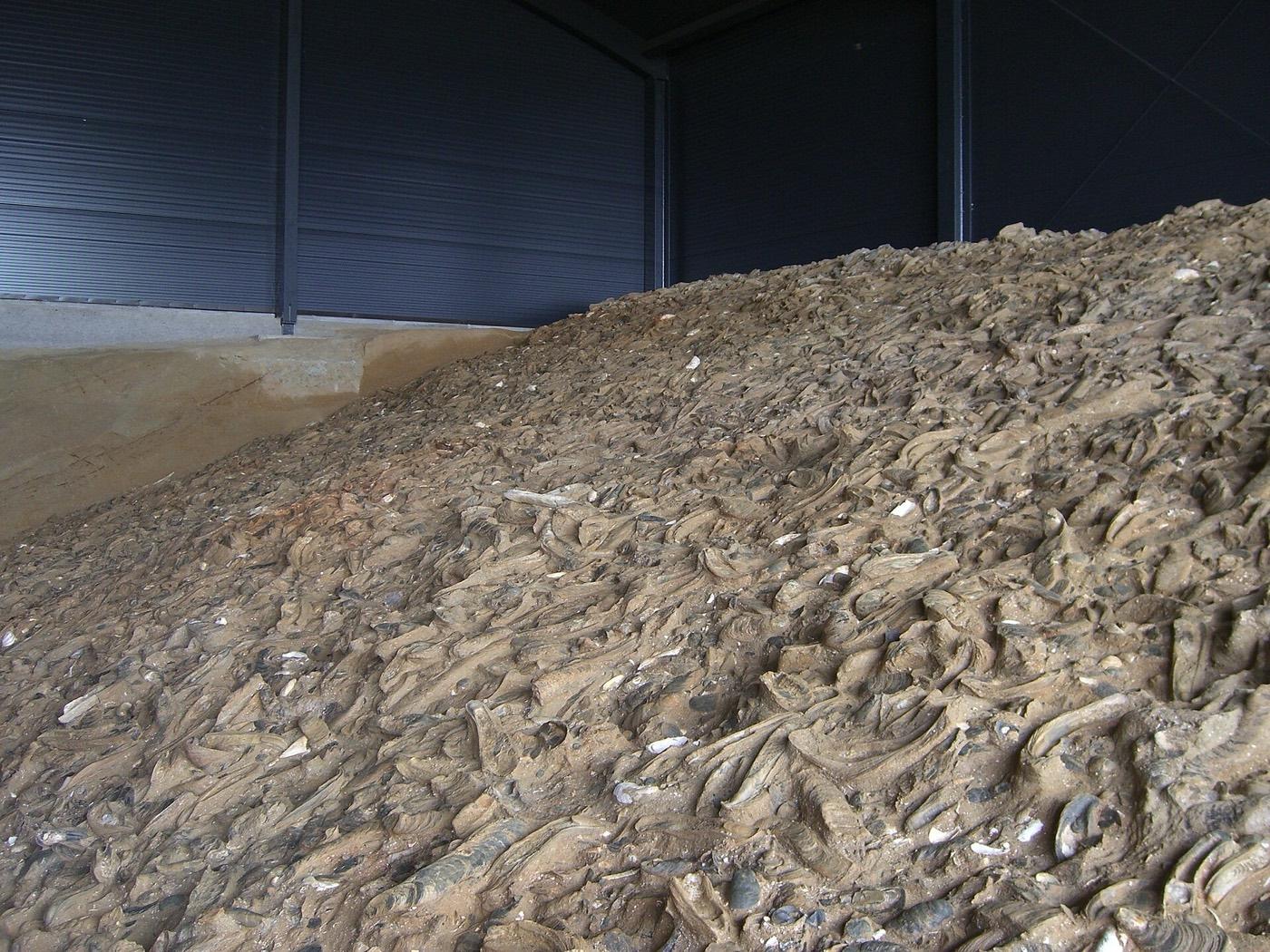
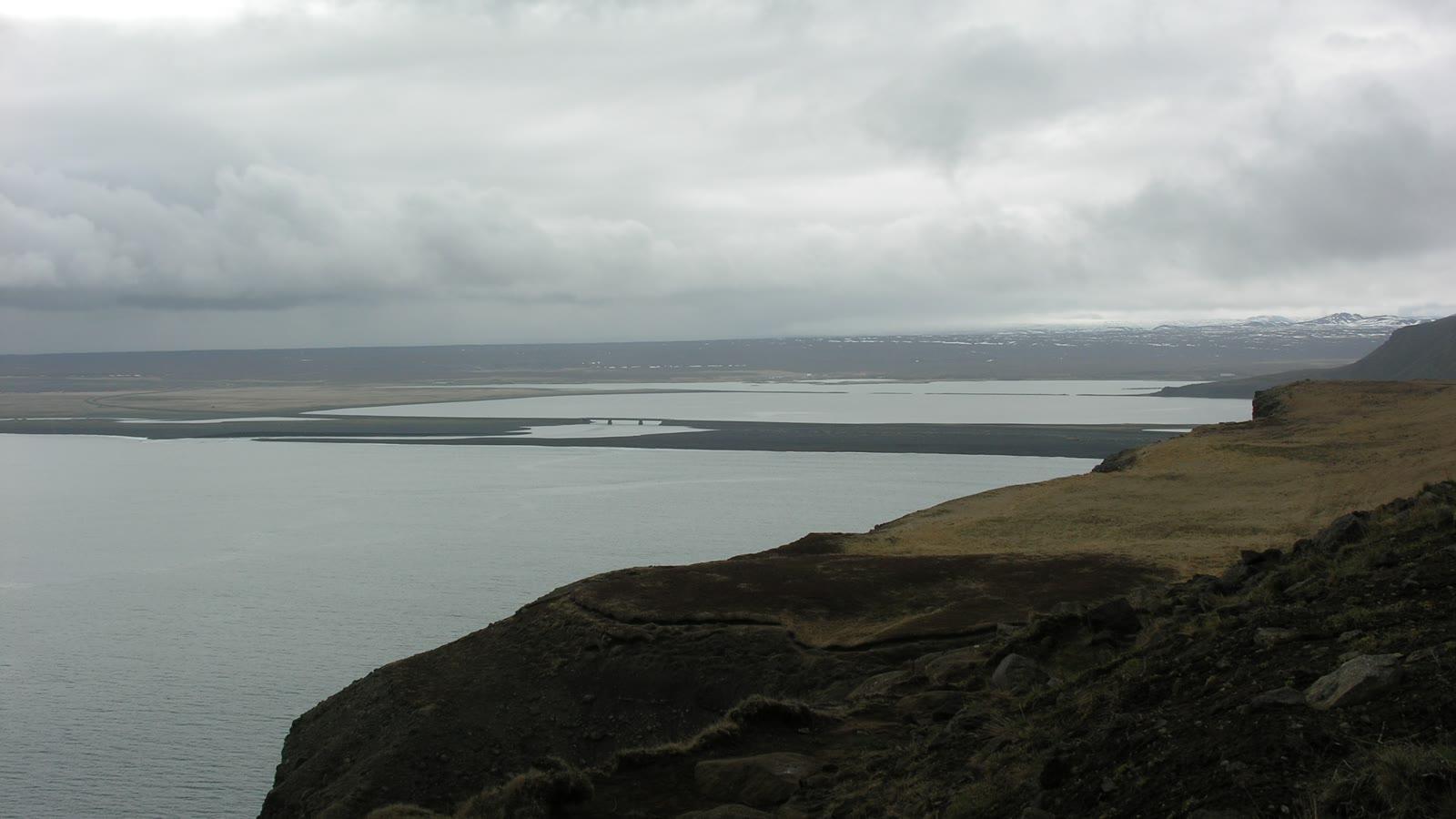
Layered Pliocene cliffs north of Húsavík that record the moment the Bering Strait opened and Pacific molluscs first reached the Atlantic. Shells sit in the exposed sediment. Icelandic law forbids removing any of them.
By Edward Chen · Published 17 September 2026
Introduction
Iceland is made of lava. Almost every rock you can touch on the island came out of a volcano, and fossils are correspondingly rare.
Tjörnes is the exception that palaeontologists care about. The peninsula holds a thick pile of sediment laid down in shallow sea and on land during the Pliocene.
Inside that pile is a record of a global event. Partway up the sequence, molluscs of Pacific origin appear for the first time.
They arrived because the Bering Strait opened. A seaway between Asia and North America let Pacific species reach the Atlantic, and Tjörnes caught the moment in its shells.
The beds are exposed in coastal cliffs and in a section at Hallbjarnarstaðakambur. Shells sit visible in the sediment face.
Nothing may leave. Icelandic conservation law protects fossils where they lie, and the site is worth visiting on those terms.
Location and Directions
The fossil beds are on the west side of the Tjörnes peninsula, roughly 12 km north of Húsavík on Route 85, the Norðausturvegur.
Húsavík is about 480 km from Reykjavík, or five to six hours by road. It is best known for whale watching in Skjálfandi Bay.
Heading north from Húsavík, watch for the turn towards Tungulending and Tjörneshöfn. The track down to the coast is narrow, rough and easy to miss.
Park at the top rather than driving down. The descent to the shore is steep and the walk back up is the harder half.
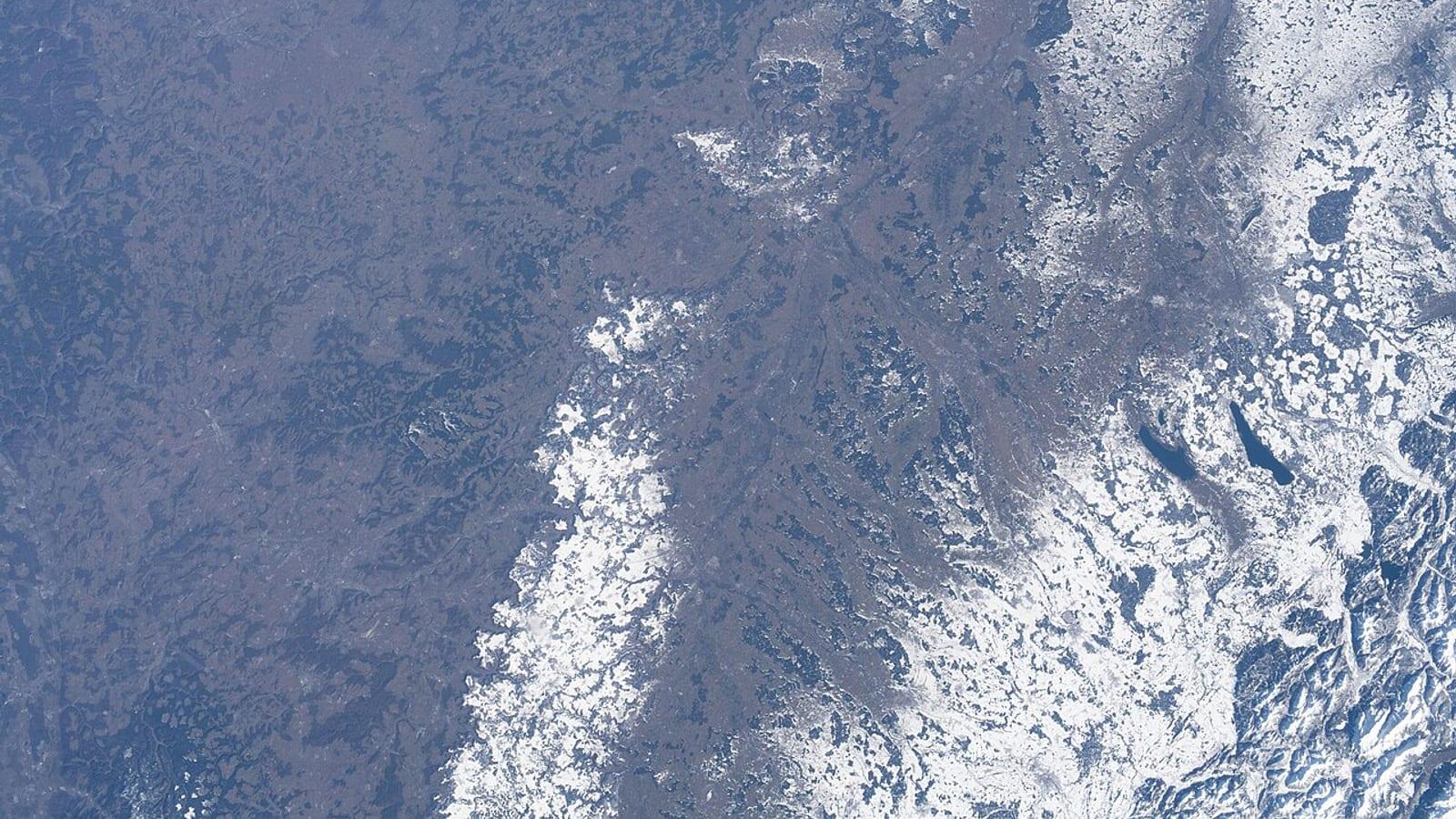
A useful satellite fix is 66.1455°N, 17.2593°W. Signage is minimal, so a phone map helps more than a road sign here.
Summer gives the long daylight that makes the walk sensible. Between June and August you have light almost around the clock.
 Photo: Jóna Þórunn, CC BY 3.0, via Wikimedia Commons
What Fossils You'll Find
Shells, in quantity, and in the rock rather than in your hand.
Bivalves dominate. The sequence is divided by the shells it contains, and geologists name its zones after them.
Gastropods occur through the same beds. Together the molluscs give Tjörnes its scientific value, because the changing species list tracks a changing ocean.
Plant material occurs in the lignite seams that run through the sequence. Those seams record land surfaces between marine phases.
Seal bones have been reported from the strata. Vertebrate material is rare and it is not what a visitor should expect to see.
The boulder on the shore is a curiosity of a different kind. It is not local rock, and it is understood to have drifted here on an iceberg from Greenland.
Geologic History
The shell-bearing part of the sequence is the Barmur Group, and it is Pliocene. Recent dating puts it at roughly six to four million years, and an older model at about four to two and a half.
The Pleistocene units that people sometimes fold into the name are the overlying Breiðavík Group, which is a separate thing.
They alternate between marine sandstone and siltstone, and lignite that formed on land. That alternation records sea level moving up and down over the site.
The famous change comes in the marine units. Lower down the fauna is Atlantic in character, and higher up Pacific species appear alongside it.
That switch records the first arrival of Pacific species in the North Atlantic. It followed the opening of the Bering Strait, an event that reorganised marine life across the northern hemisphere.
Iceland sits on the Mid-Atlantic Ridge, and the Tjörnes Fracture Zone crosses the peninsula. Movement along that zone helped tilt and expose the sequence.
The result is a section of soft sediment in a country otherwise built of basalt.
Collecting Rules and Regulations
Collecting is illegal. Icelandic nature conservation law prohibits removing fossils from the place they are found. Permission from the responsible ministry goes to research and museum work, not to visitors.
That rule exists because a fossil separated from its bed loses the information that makes it useful. At Tjörnes the position of a shell in the sequence is the whole point of the shell.
Do not dig into the face, and do not pocket loose shells from the beach below it. The prohibition covers both.
Photograph what interests you and leave the rest. Close photographs of the exposed layers are genuinely valuable to the next visitor.
The land is in private and municipal ownership. Behave as you would on any working farm.
Safety
The cliffs shed rock. Beyond the first river crossing behind the guesthouse the bay narrows and material falls from above, so do not linger under the face there.
The descent to the shore is steep and loose. Wear boots with grip rather than trainers.
Tides and swell matter on this coast. Keep an eye on the water and do not get cut off at the base of a headland.
Weather in north Iceland changes within the hour. Carry windproof and waterproof layers in any season.
Mobile coverage is patchy on the peninsula. Tell someone your plan before you set out.