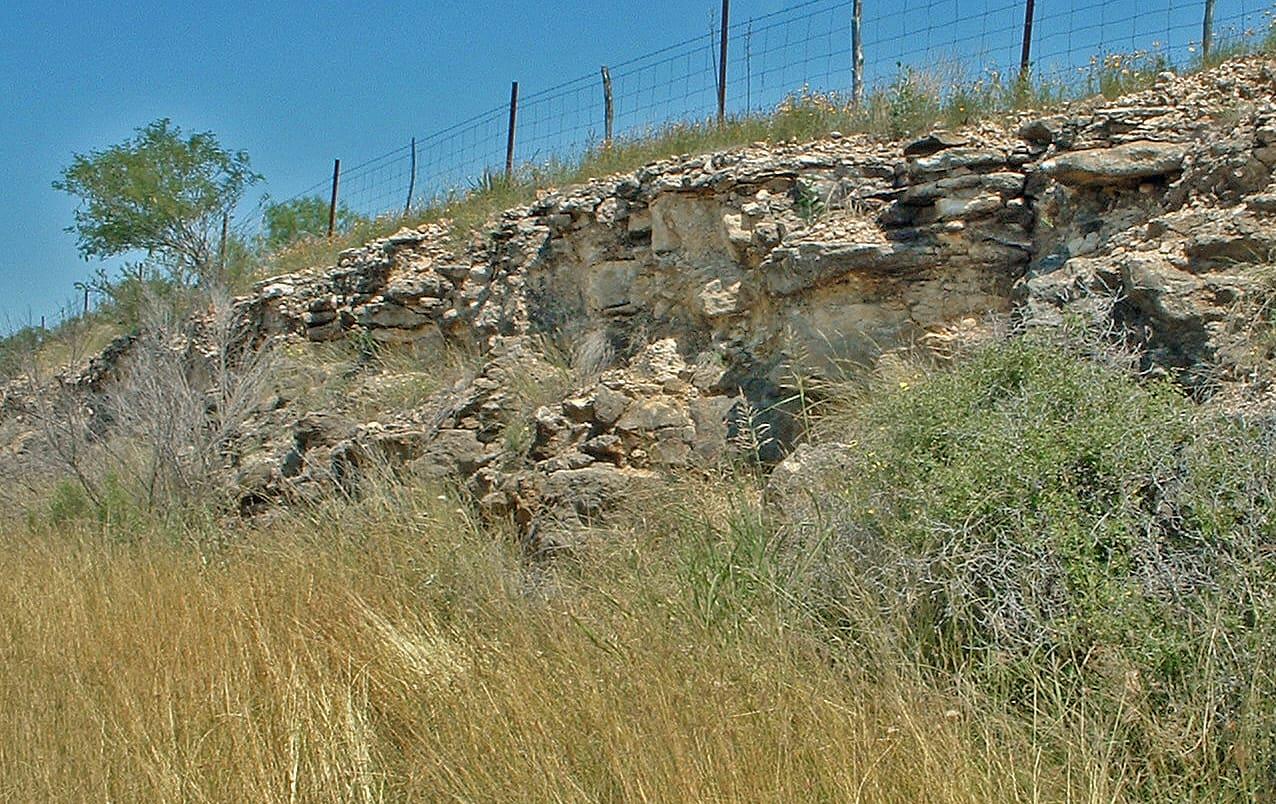
Austin Chalk Roadcuts Fossil Hunting Guide
Image: U.S. Geological Survey (Public domain)
Roadcuts and creek beds around Pflugerville and Dessau, north of Austin, Texas, expose the Upper Cretaceous Austin Chalk. The white to tan chalk weathers out ammonites, Inoceramus clams, oysters, sea urchins, and shark teeth, with rare bones of marine fish such as Xiphactinus. Surface collecting from weathered exposures is the usual approach.
By Edward Chen · Updated 1 August 2026
Introduction
The Austin Chalk is an Upper Cretaceous marine limestone that runs in a belt across central Texas, and its type exposures sit near Austin. North of the city, around Pflugerville and the Dessau area, roadcuts, quarry edges, and creek beds slice into the white-to-tan chalk and the marl beds within it. Weathered surfaces release ammonites, the large flat clam Inoceramus, oysters, sea urchins, and shark teeth. The chalk also produces, far less often, the bones of large marine fish such as Xiphactinus, a predatory bony fish of the Cretaceous seas.
The Austin Chalk Group is divided into named units, including the Dessau Chalk and the Pflugerville Formation, which is why those two place names attach to local collecting. The rock formed on the floor of a warm, open sea, and the fossils are the shells and bones that settled into the lime mud.
Photo: Smithsonian National Museum of Natural History, CC0, via Smithsonian Open Access
Location and Directions
Pflugerville sits in Travis County, just north of Austin and east of Interstate 35, near 30.454°N, 97.620°W. The Dessau area lies a few miles southwest, between Pflugerville and Austin. Exposures of the Austin Chalk in this zone show up mainly in roadcuts, in the banks and beds of creeks, and around construction and quarry sites where the soil has been stripped away.
Public road right-of-way access varies, and many of the best fresh cuts are on or beside private land or active construction. Creek beds within public parks and greenbelts can give legal access to weathered chalk. Confirm that any specific cut or creek is open to the public before collecting, and do not enter private property, fenced quarries, or active work sites.
 Photo: Lynn75, CC BY-SA 3.0, via Wikimedia Commons

What Fossils You'll Find
Ammonites are a headline find, including coiled and partially uncoiled forms preserved as body chambers in the chalk, with documented central Texas species such as Pachydiscus travisi and Barroisiceras dentatocarinatum. The thin, large-shelled clam Inoceramus is common, often as broken plates of its distinctive prismatic shell. Oysters, including the curved Pycnodonte, and several kinds of sea urchin weather out of the marl beds.
Shark teeth turn up in the softer marl layers, and patient searching of weathered surfaces can produce fish material. The rare prize is bone from a large marine vertebrate such as Xiphactinus or a mosasaur. Most fossils are found loose on weathered slopes where rain has washed away the soft chalk and left the harder shells behind.
Geologic History
The Austin Chalk was deposited between roughly 89 and 83 million years ago, during the Coniacian to early Campanian ages of the Late Cretaceous, when a broad arm of the sea covered Texas. Fine carbonate mud, much of it the remains of microscopic plankton, settled across the sea floor and hardened into chalk and chalky marl. Shells of clams, ammonites, oysters, and urchins were buried in that mud, along with the occasional fish or marine reptile. Later uplift and erosion brought the chalk to the surface in a band across central Texas, and modern roads, creeks, and quarries cut through it, exposing the fossils.
Collecting Rules and Regulations
There is no organised fossil park here, so collecting depends entirely on legal access to the specific spot. Roadcuts on public right-of-way occupy a legal gray area in Texas, and stopping on highway shoulders to collect can be unsafe and is often not permitted. The safest legal access is weathered chalk in creek beds within public parks and greenbelts, where surface collecting of common invertebrate fossils for personal use is generally accepted. Do not collect on private land without the owner's permission, and do not enter active or fenced quarries. Take only loose surface material and leave the exposures as you found them.
Safety
Roadside cuts are dangerous because of traffic. Do not park on or walk along busy highway shoulders to reach a cut. Choose creek and park exposures with safe parking instead. The chalk can be slick when wet and crumbly when dry, so watch your footing on slopes and avoid undercut banks that can collapse. Central Texas heat is a real hazard, so carry water, wear sun protection, and avoid midday collecting in summer. Watch for snakes in creek-bottom brush, and wear safety glasses when breaking rock.
Sources
https://en.wikipedia.org/wiki/Austin_Chalk http://www.txgeology.com/formation/austinchalk/ https://www.northtexasfossils.com/austin.htm https://mrdata.usgs.gov/geology/state/sgmc-unit.php?unit=TXKau%3B0
Nearby sites
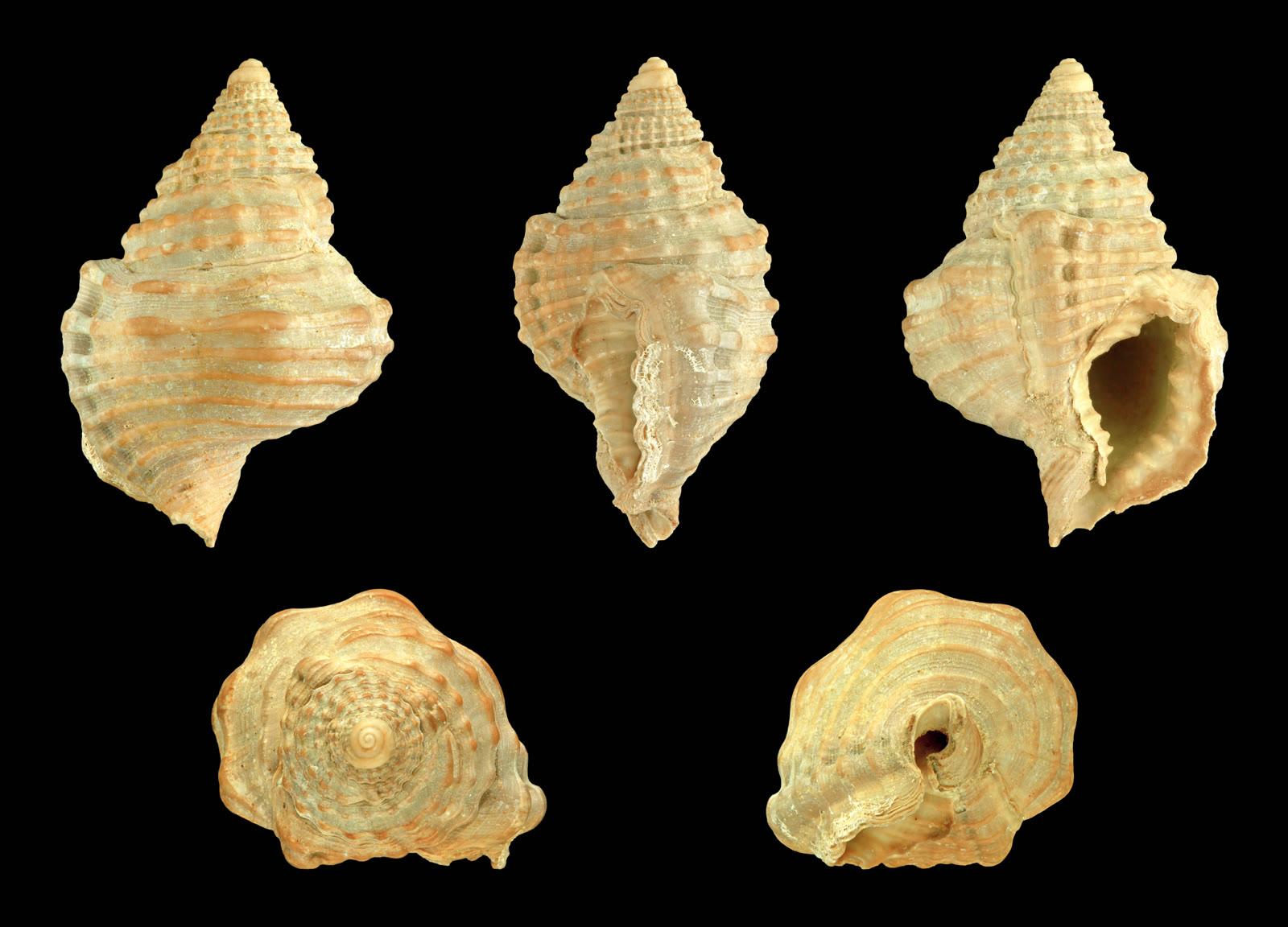 Whiskey Bridge (Stone City Bluff) Fossil GuideGastropods, Bivalves
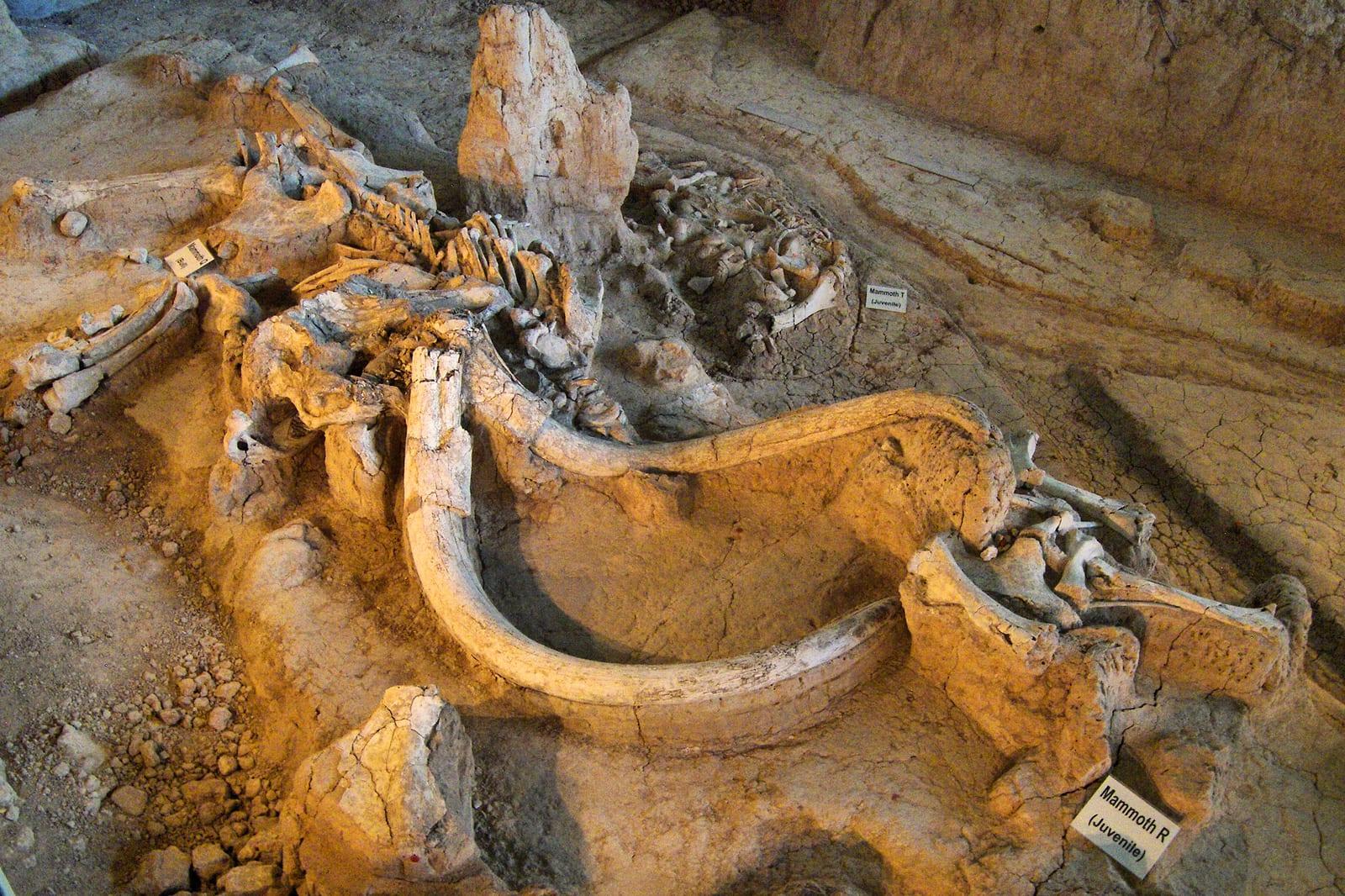 Waco Mammoth National Monument Fossil Hunting GuideColumbian mammoth (Mammuthus columbi), American camel (Camelops)
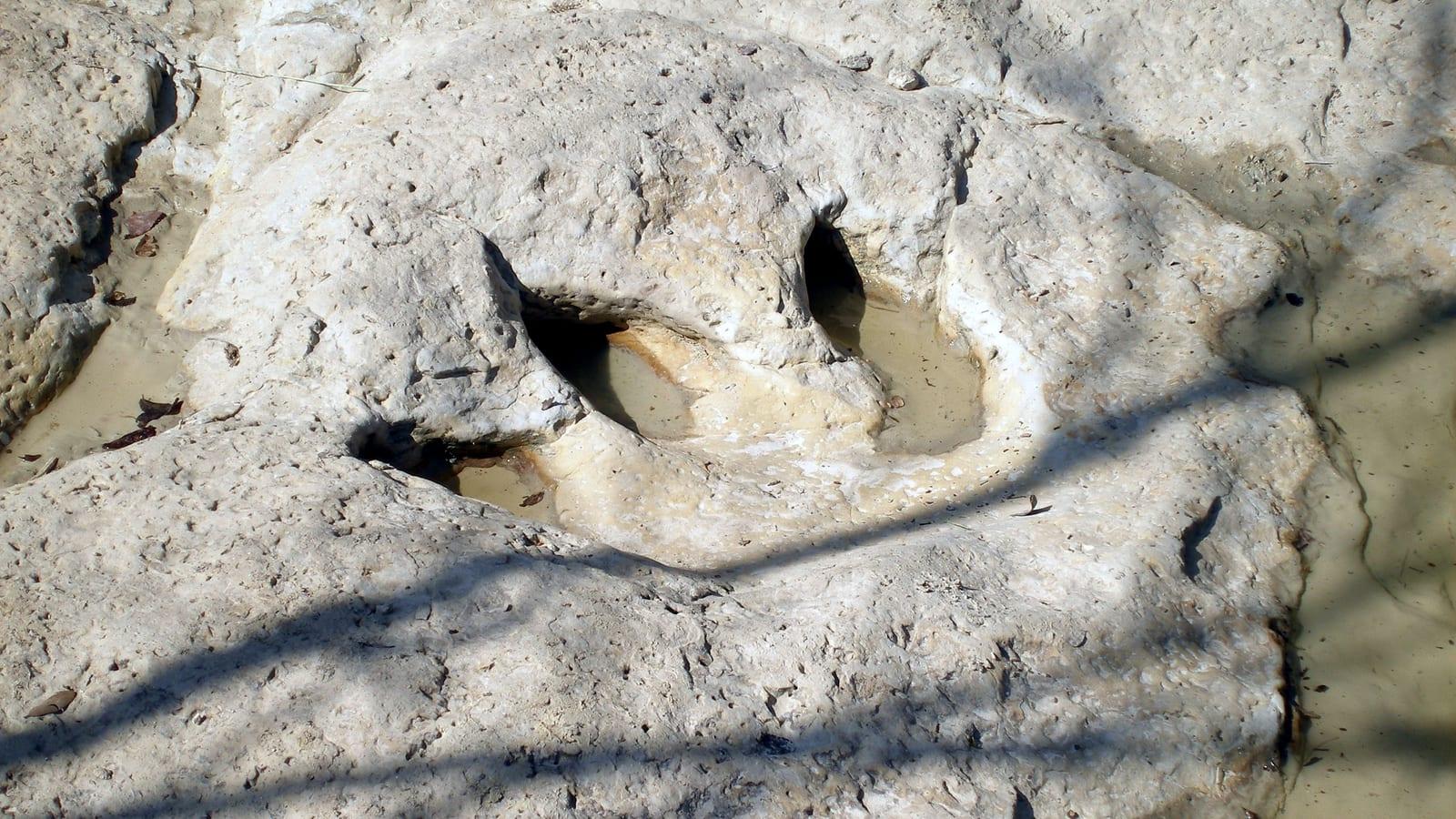 Dinosaur Valley State Park: Dinosaur TrackwaysDinosaur Tracks, Trace Fossils
 Mineral Wells Fossil Park Fossil Hunting GuideCrinoids, Echinoids