Fossilienwelt Weinviertel Fossil Hunting Guide
Image: Dreamacat (CC BY-SA 3.0 AT)
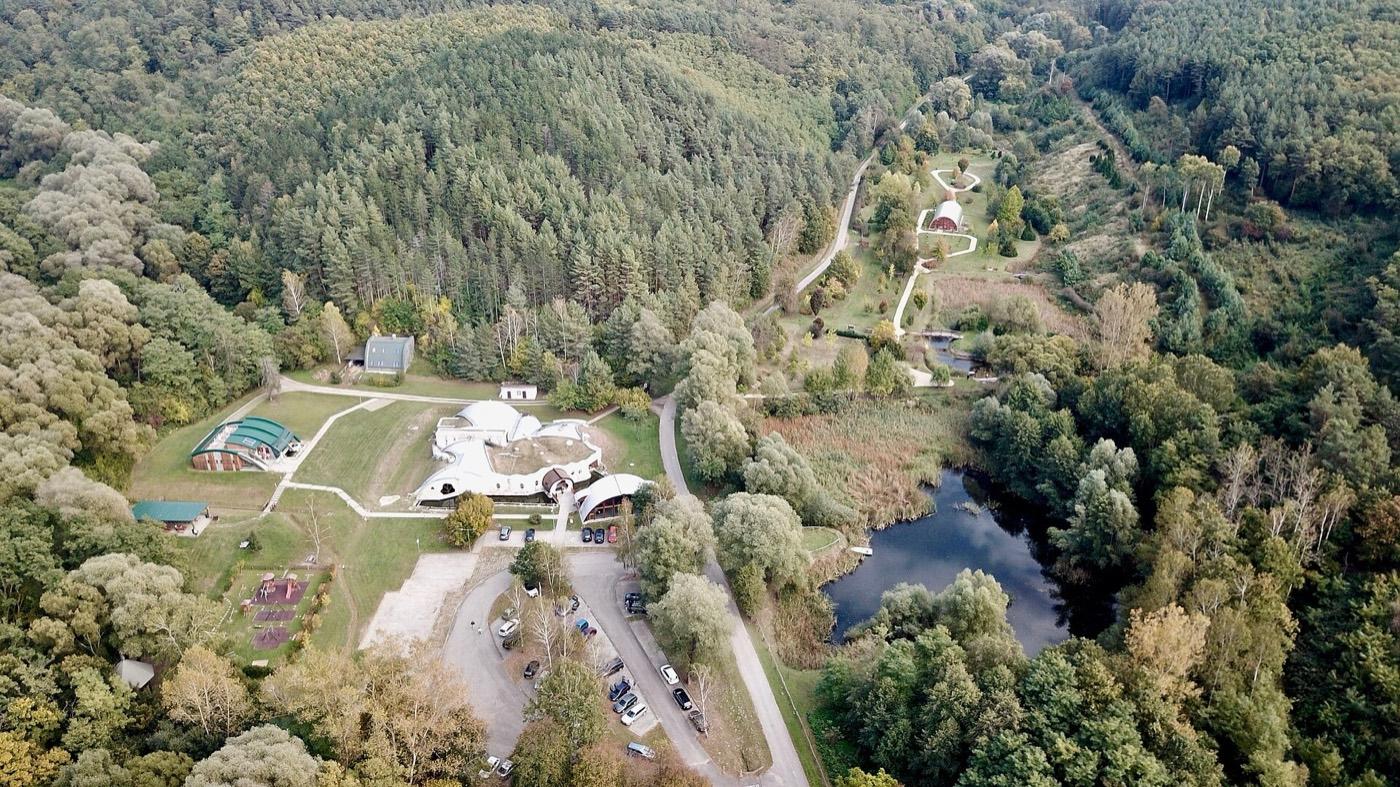
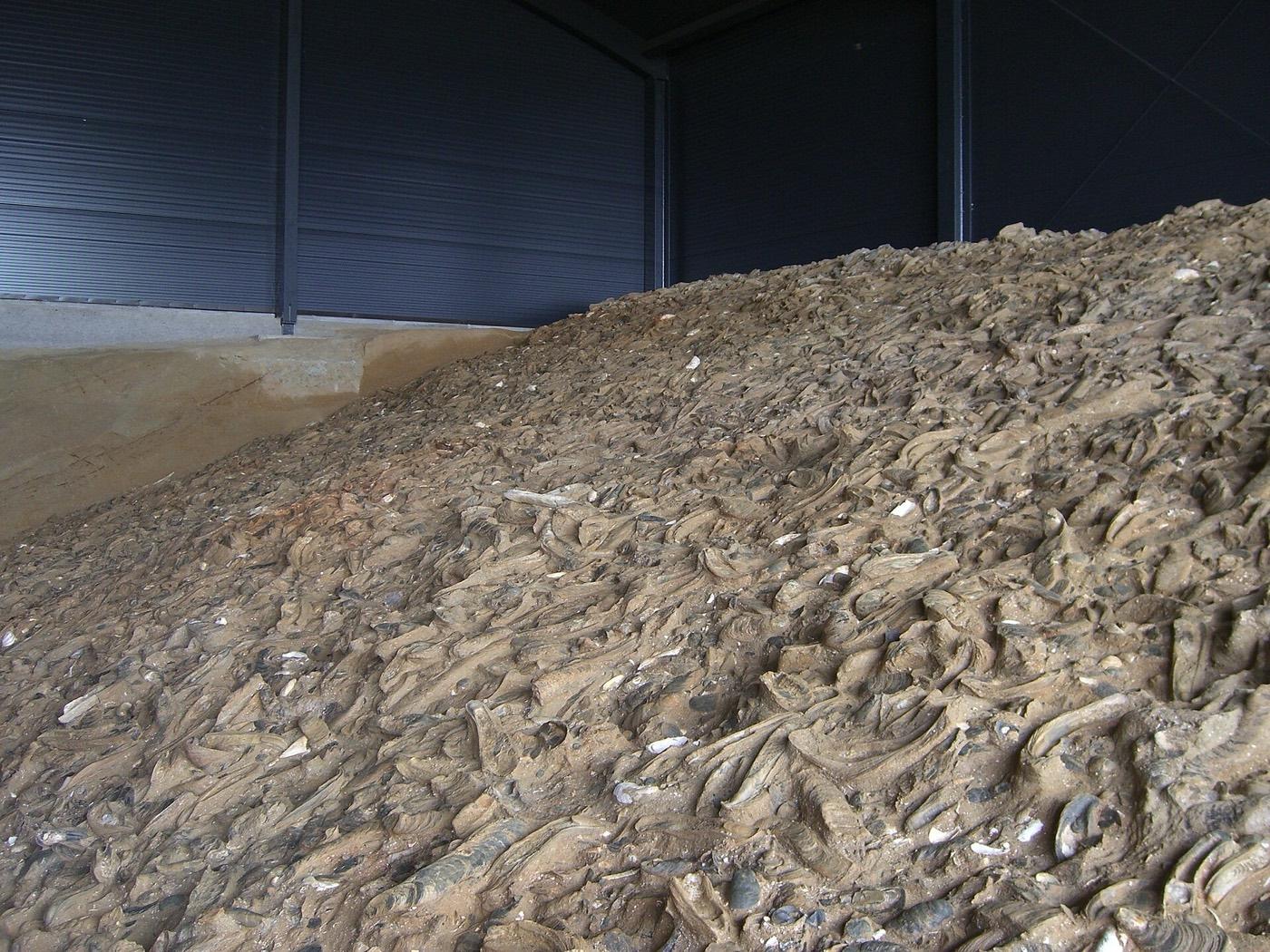
The largest accessible fossil oyster reef on Earth, about 15,000 Miocene giant oysters uncovered in place under a roof at Stetten, half an hour north of Vienna. A supervised washing area lets visitors sort screened sediment and keep what they find.
By Edward Chen · Published 11 September 2026
Introduction
A reef is usually built by corals. This one was built by oysters, and it is the largest fossil example anywhere that you can walk into.
Around 15,000 giant oysters lie uncovered at Stetten, in the Weinviertel north of Vienna. They are still in the sediment that buried them, and the excavation is roofed so that the surface survives the weather. Visitors cross it on a walkway.
The species is Crassostrea gryphoides, a very large oyster. Individual shells reach a size that is hard to credit until you see them in the ground.
The site does something most in-situ excavations cannot. Alongside the protected reef it runs a supervised washing area, where visitors sort screened sediment and take home what they find. The reef is untouched and the visitor still gets a fossil.
Location and Directions
Fossilienwelt Weinviertel, Austernplatz 1, 2100 Stetten, Lower Austria. The address translates as Oyster Square, which is a fair indication of what the village is known for.
GPS: 48.3664°N, 16.3592°E. Stetten is roughly half an hour north of Vienna by road, near Korneuburg.
Published opening for the 2026 season runs 27 March to 1 November. Hours are Tuesday to Sunday and public holidays, 10:00 to 17:00. Mondays are closed except public holidays. During the Austrian summer holidays the site opens Monday to Sunday, 10:00 to 17:00.
Tickets run from about 7 to 24 euros depending on the combination of attractions, with a discount on family tickets. Entry is included with the Niederösterreich-Card.
Contact: +43 2262 62409, info@fossilienwelt.at. Confirm hours before you travel, because the season dates move.
What Fossils You'll Find
Two different experiences, and it is worth being clear about which is which.
In the excavation hall you see Crassostrea gryphoides in place, thousands of them, along with the sediment structures of the reef. Nothing is collected here.
In the washing area you sort provided sediment. The Korneuburg Basin material yields small gastropods, bivalves, shark teeth and other marine microfossils. Turritella, the tall screw-shaped gastropod, and Melongena cornuta are among the species recorded from the deposit.
The site supplies that sediment for the purpose. It is one of the few places in central Europe where a family can legitimately keep what they find.
Crassostrea gryphoides is the largest oyster known, with shells reported at around 70 centimetres. Modern oysters rarely pass 20. Size like that needs warm water, steady nutrients and years of undisturbed growth, and the Korneuburg Basin supplied all three.
 Photo: Dreamacat, CC BY-SA 3.0 at, via Wikimedia Commons
Geologic History
About 17 million years ago the Korneuburg Basin was a shallow, warm, marine embayment. It lay on the edge of the Paratethys, the sea that once covered much of central and eastern Europe.
The Paratethys formed as the Alpine collision broke up the older Tethys ocean. Over the following millions of years it became progressively isolated, and its remnants include the Black Sea, the Caspian and the Aral.
Oysters need hard substrate, moving water and a steady supply of food. The Stetten reef records a setting where all three were available long enough for a very large colony to build up. The animals lived densely, generation upon generation, and were then buried.
Rapid burial is what preserved the reef in growth position rather than as a rubble of broken shell.
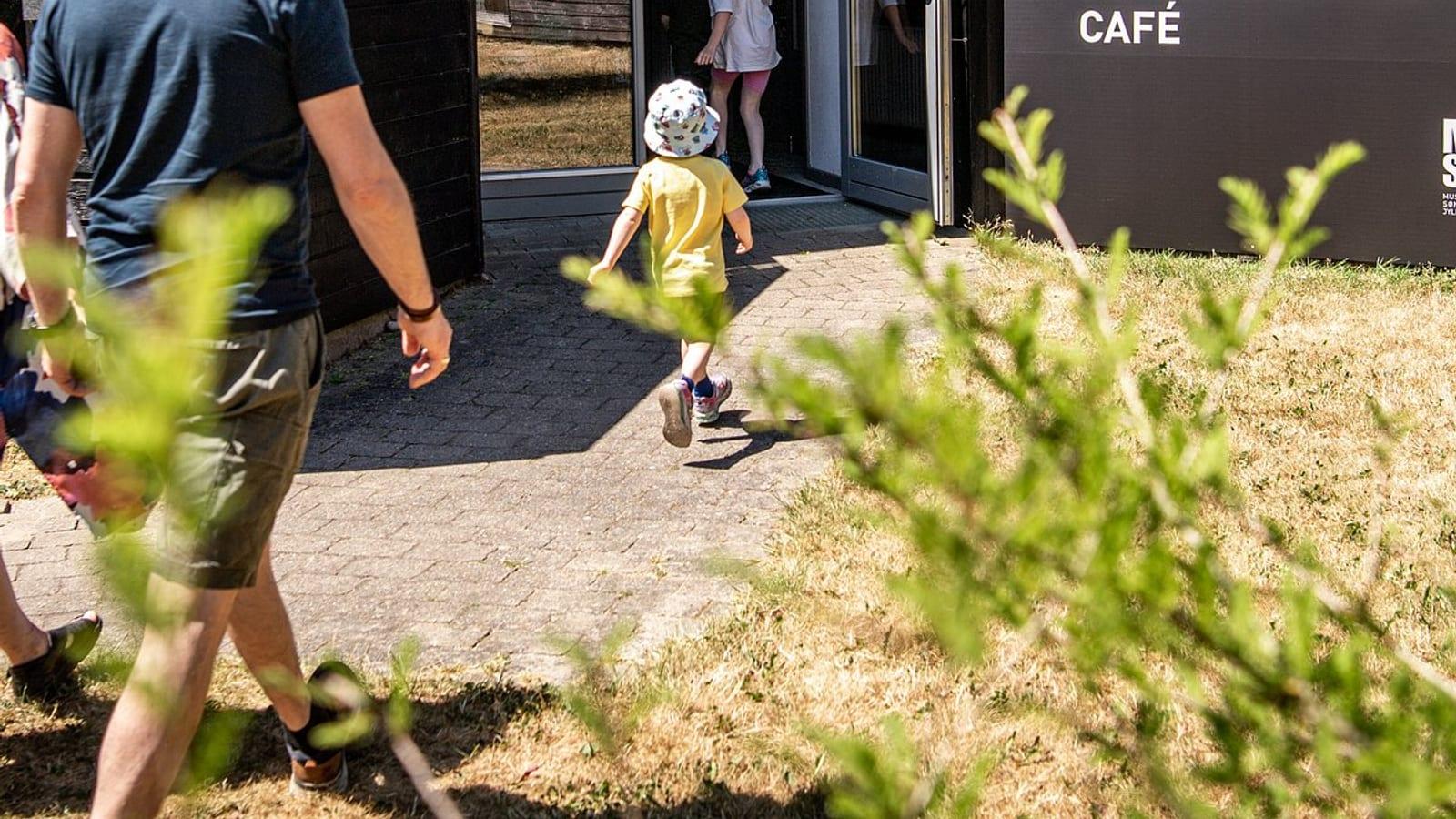
The washing area is worth planning around if you bring children. Sorting wet sediment for small shells and shark teeth holds attention far better than a walkway over an excavation. It is the part most families remember. Allow more time for it than the site's own suggested itinerary implies.
 Photo: Dreamacat, CC BY-SA 3.0 at, via Wikimedia Commons
Collecting Rules and Regulations
The oyster reef is a protected natural monument, recorded in the Lower Austrian register, and nothing is collected from it. It is a viewing exhibit.
The washing area is the opposite. Sediment is supplied for visitors to sort, and you keep what you find. That is the arrangement the ticket pays for.
Do not touch or lean on the exposed shells in the excavation hall. Keep to the walkway.
Austria regulates fossil collecting at state level and rules differ between Bundesländer. What applies at Stetten is site policy, not a general permission for Lower Austria.
The site was rebuilt recently and reopened after a redevelopment, so older descriptions of the layout may not match what you find. The published visitor information is the reliable source for what is currently open.
Stetten combines easily with Vienna. The city is under an hour away and the Naturhistorisches Museum there holds one of the great European palaeontological collections, including the Venus of Willendorf. So the two make a coherent day.
 Photo: Dreamacat, CC BY-SA 3.0 at, via Wikimedia Commons
Safety
This is a managed indoor and outdoor visitor attraction with walkways, and it presents no unusual hazards.
The excavation walkway can be slippery in wet weather.
The washing area involves water and wet surfaces. Supervise young children, and expect to get wet hands.
The site is a popular school destination, so expect groups during Austrian term time.
Sources
https://www.fossilienwelt.at/en/visitor-information https://www.weinviertel.at/en/stammlisten-az/a-fossil-world https://www.lower-austria.info/excursion-destinations/a-fossil-world https://www.noemuseen.at/museum/detail/fossilienwelt-weinviertel/