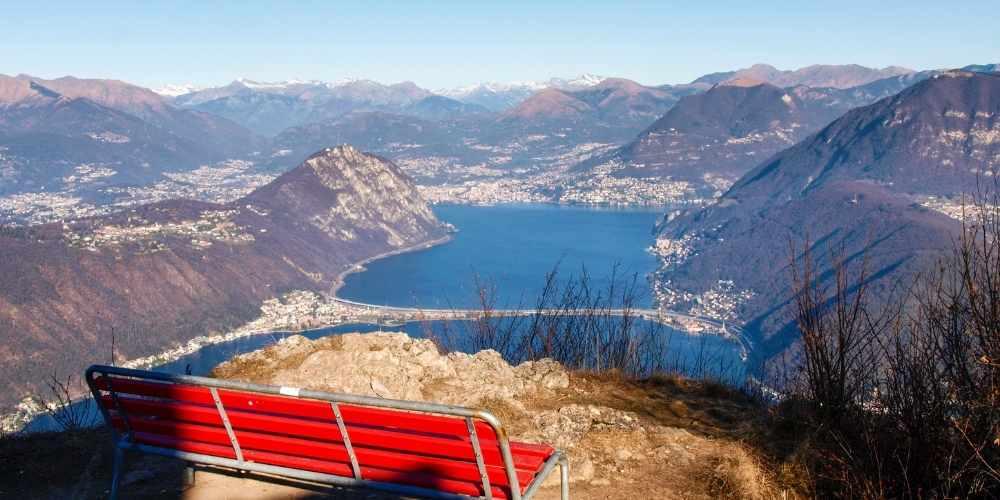
Monte San Giorgio (Besano-Meride) Fossil Hunting Guide
The Italian flank of Monte San Giorgio on the Lombardy-Ticino border contains the Besano Formation and Meride Limestone, Middle Triassic Konservat-Lagerstätten that have produced more than 12,000 marine reptile, fish, and invertebrate specimens. The Museo dei Fossili di Besano displays the principal Italian collection.
By Edward Chen · Published 4 June 2026
Introduction
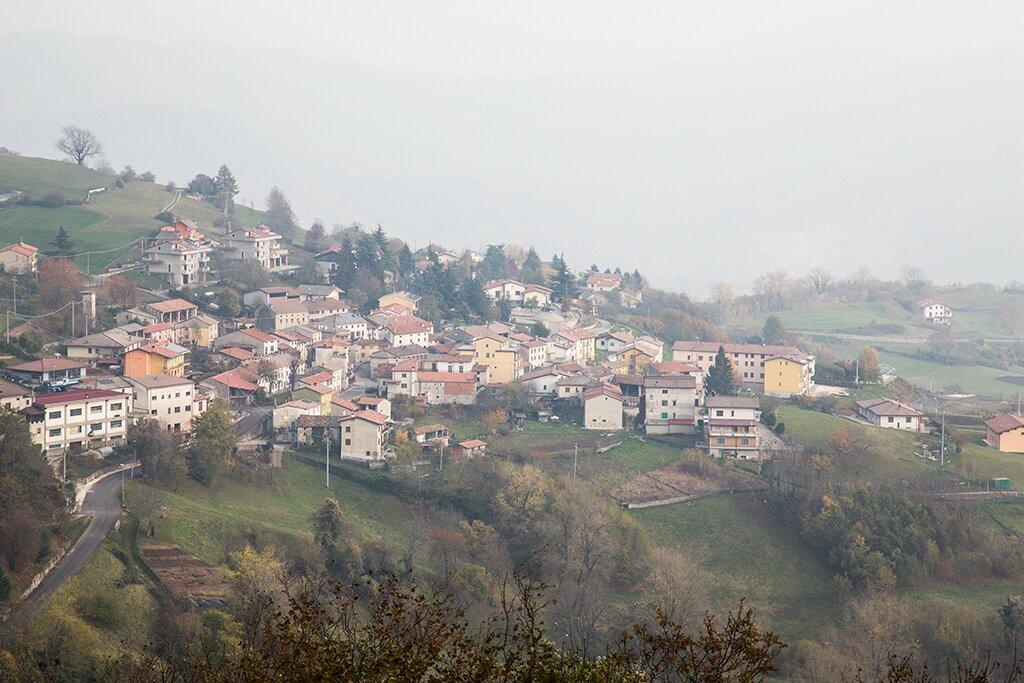
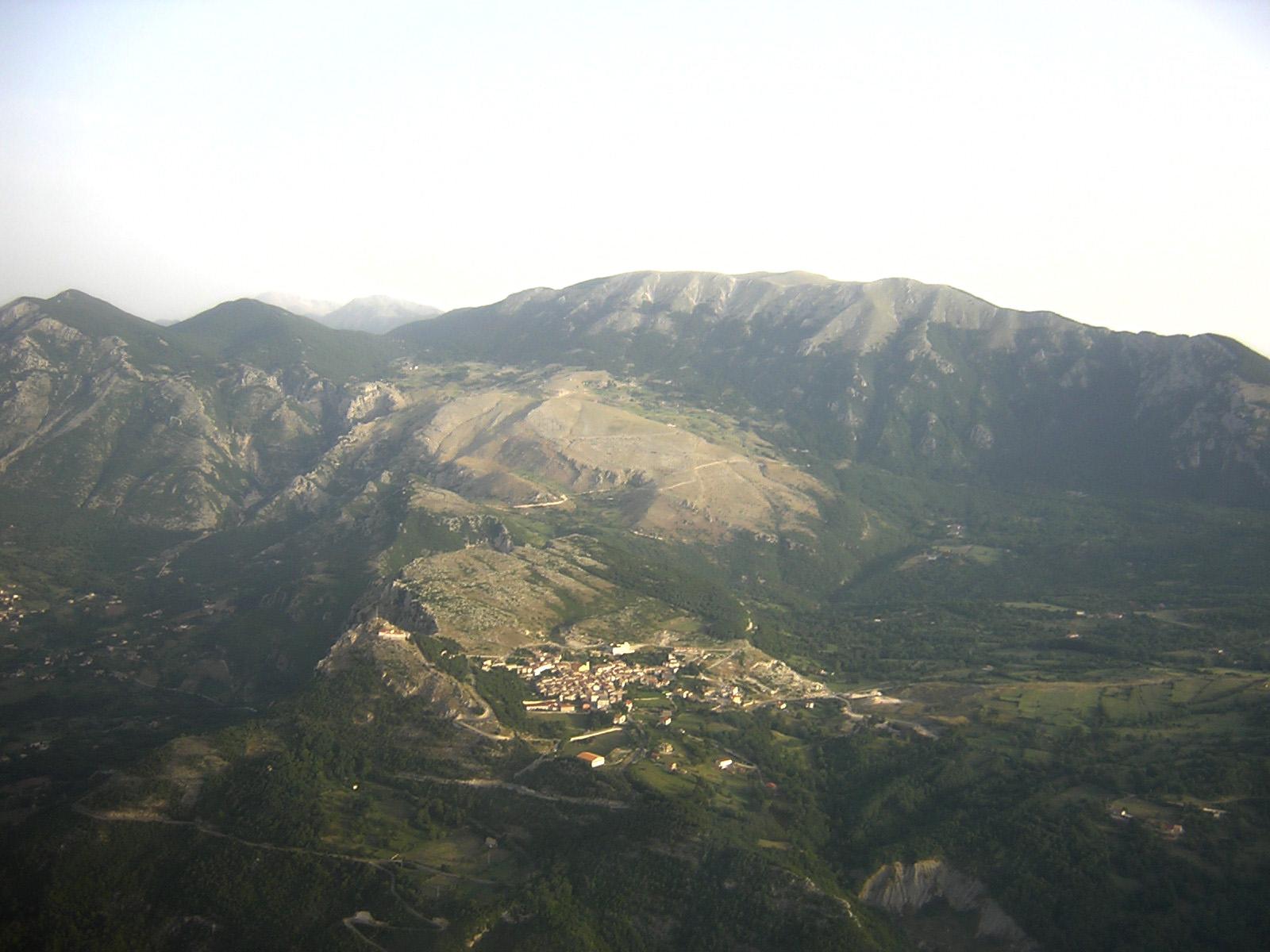
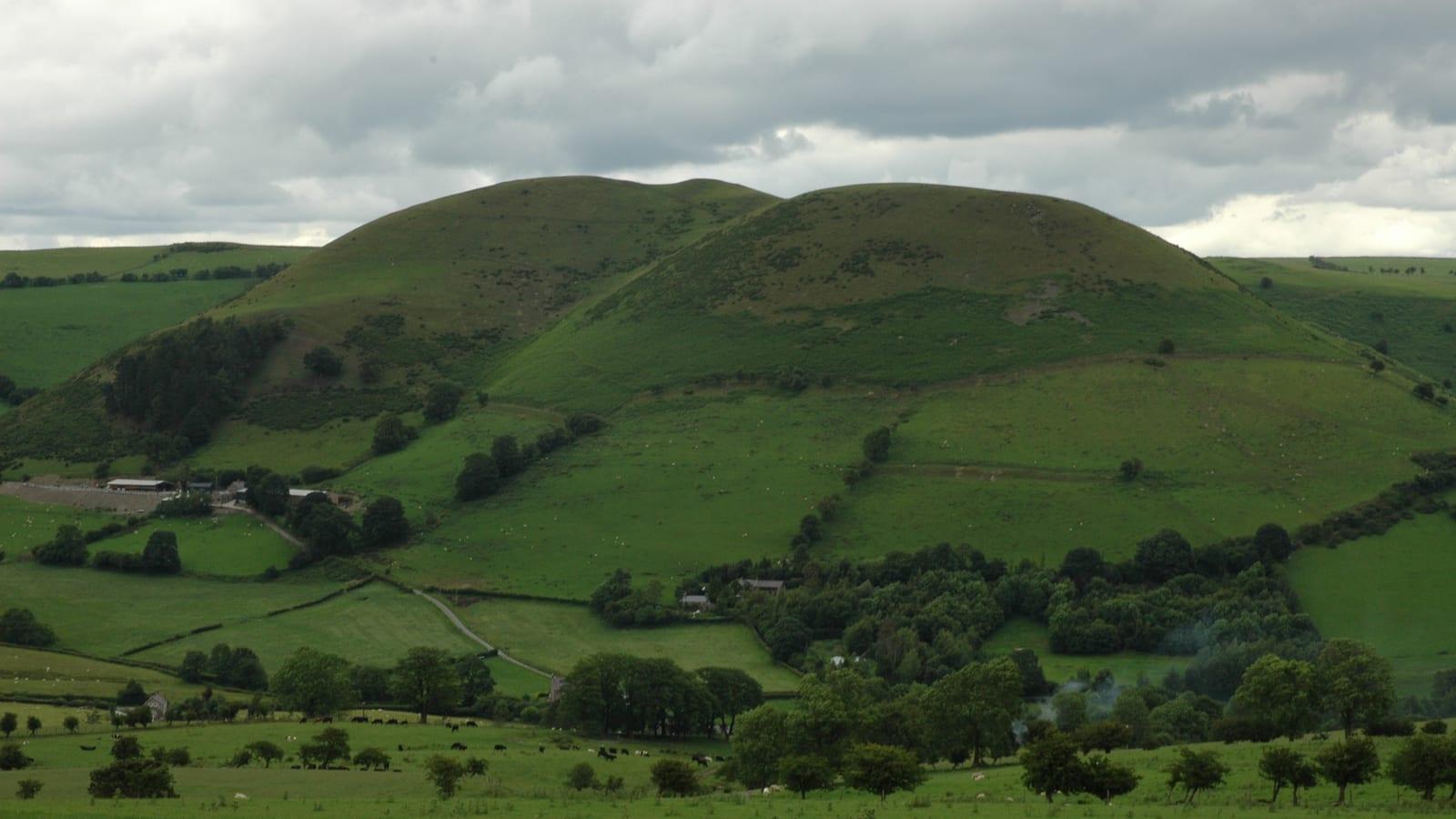
Monte San Giorgio is a 1,100-metre wooded pyramid on the Lombardy-Ticino border, overlooking Lake Lugano at the foot of the southern Alps. The Swiss side of the mountain was inscribed on the UNESCO World Heritage list in 2003. The Italian flank, taking in the villages of Besano, Porto Ceresio, Brusimpiano, and Viggiù in Lombardy, was added as a transboundary extension in 2010. The rocks exposed across both flanks include the Besano Formation, a Middle Triassic black bituminous shale, and the overlying Meride Limestone, both of which formed in a quiet, partially restricted lagoon facing the open Tethys Ocean. The lagoon trapped a near-continuous record of Middle Triassic marine life over an interval of roughly 12 million years, between 247 and 235 million years ago, and preserved more than 30 marine reptile species, 80 fish species, and a long list of invertebrates, plants, and land animals washed in from the surrounding islands. More than 12,000 catalogued vertebrate specimens have been collected from the mountain since systematic excavation began in the 1850s. The Italian side is centred on the Museo Civico dei Fossili di Besano, the principal national collection, with secondary stops at Porto Ceresio and Viggiù. The mountain itself is laced with marked hiking trails and a geo-paleontological educational route that links the main excavation sites. Collecting is prohibited. This guide covers how to plan a visit, what each stop shows, the Triassic geology, and the rules that apply.
Location and Directions
Monte San Giorgio sits in the Province of Varese in Lombardy, about 90 kilometres northwest of Milan and 30 kilometres north of the city of Como. The closest international airports are Milan Malpensa (40 minutes by car) and Lugano Agno (20 minutes by car, in Switzerland).
The Museo Civico dei Fossili di Besano is at Via Prestini 5, 21050 Besano (VA), Italy. GPS is 45.8956 degrees north, 8.8628 degrees east. The museum sits in the centre of the small village of Besano, with on-street parking nearby. The museum is open Wednesday through Sunday, generally from 10 a.m. to 12 p.m. and 2 p.m. to 6 p.m., with seasonal variation. Standard adult admission is 5 euros at the time of writing, with reduced rates for students and seniors.
The Italian-side educational geo-paleontological trail is about 11 kilometres in total, looping from Porto Ceresio up to the summit of Monte San Giorgio (1,096 metres) and back via Brusimpiano. The route is signposted with weather-proof panels at the historic excavation sites of Cava Tre Fontane, Sasso Caldo, and Cassina. The full loop takes most walkers about five to six hours with breaks.
The Swiss-side companion is the Museo dei Fossili di Monte San Giorgio in Meride, redesigned by Mario Botta in 2012, which receives roughly 11,000 visitors a year and holds a wider selection of full-skeleton mounts.
What Fossils You'll Find
You will not collect at Monte San Giorgio. What you can do is walk the educational trail past in-place exposures of the Besano Formation and visit the Besano and Meride museums to see prepared specimens. Identifications follow the Monte San Giorgio Foundation reference list and published work by Silvio Renesto, Rudolf Stockar, and Heinz Furrer.
- Besanosaurus leptorhynchus. A 6-metre ichthyosaur described from Cava Tre Fontane material in 1996. The Besano specimen is the type and is on display at the Museo Civico dei Fossili di Besano.
- Ceresiosaurus calcagnii. A 3-metre nothosaur described from Italian-side Meride Limestone material in 1933.
- Tanystropheus longobardicus. A long-necked archosauromorph with a 3-metre neck, known from multiple complete specimens on both sides of the mountain.
- Saurichthys. A long-bodied predatory fish, abundant in the Besano Formation and represented by multiple species.
- Helveticosaurus zollingeri. A small marine reptile of uncertain affinity.
- Ammonites. Procladiscites, Daxatina, and Halilucites ammonites are common in the Besano Formation and useful biostratigraphic markers.
- Plant material. Voltzia conifer branches, equisetalean stems, and seeds were washed in from the surrounding islands.
- Insects. Rare but well-preserved insect compressions in the Meride Limestone.
The Besano museum holds the largest single concentration of Italian-side type material, including a near-complete Besanosaurus skeleton, several Tanystropheus specimens, and a wide array of fish. The Meride museum on the Swiss side complements it with the Saltriovenator carnivorous-dinosaur cast and a tall ichthyosaur mount.
Geologic History
The Besano Formation and overlying Meride Limestone were deposited in an intra-shelf basin on the southern margin of the Tethys Ocean during the Middle Triassic. The basin sat between a series of low islands and was partially restricted from the open sea, with a euxinic bottom that prevented decay and allowed for the high-fidelity preservation of articulated skeletons. Radiometric ages on volcanic ash beds within the section, supported by ammonite and conodont biostratigraphy, place the productive horizons between roughly 247 and 235 million years ago, spanning the latest Anisian through Ladinian stages.
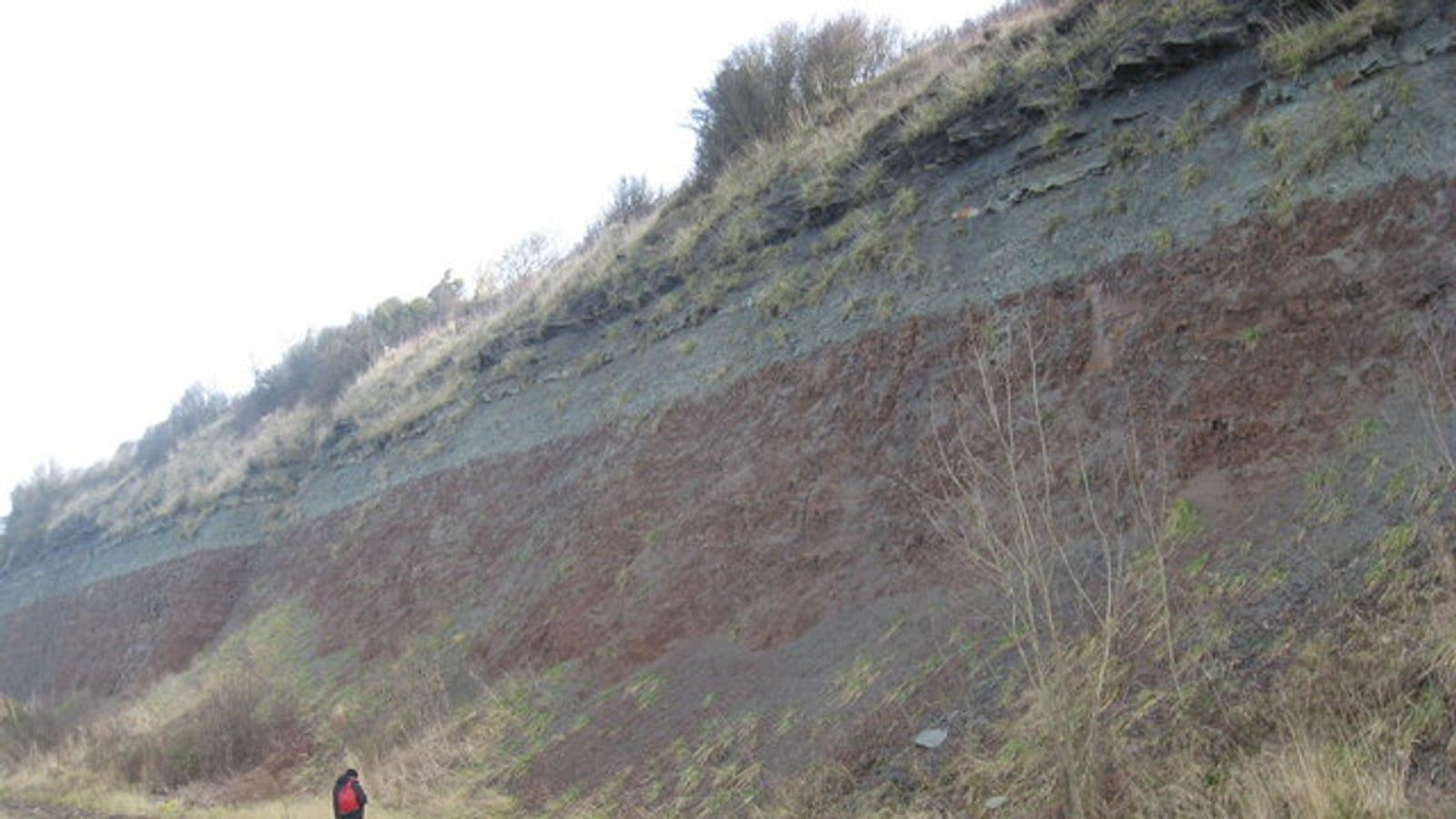
The Besano Formation, the lower of the two productive units, is a thin (about 16-metre) sequence of bituminous black shale and dolomitic limestone with a high organic content. Its anoxic basin floor preserved the most complete articulated marine reptile and fish specimens, often with body outlines and soft-tissue features. The overlying Meride Limestone is a thicker (around 600 metres) sequence of laminated limestone with several distinct fossil-bearing horizons, including the Cassina, Cava Inferiore, and Cava Superiore beds.
The geological setting of a quiet, partially restricted carbonate basin near land explains the mix of marine reptiles, oceanic fish, and washed-in terrestrial fauna and flora seen in both formations. After Triassic deposition, the basin was buried under thick Jurassic and Cretaceous strata, then folded and uplifted during Alpine compression in the Cenozoic. Modern erosion has exposed the productive horizons in steep ravines on the Italian and Swiss flanks of the mountain.
How Monte San Giorgio Became a Fossil Site
The first fossils from the Besano-Meride area were collected in the 1850s by mining operations that worked the bituminous shale of the Besano Formation for an early form of fuel oil. Local resident Giulio Curioni published the first descriptions of Italian-side material in 1864. Antonio Stoppani, the Milanese geologist, used Monte San Giorgio specimens in his Corsi di Geologia in 1873.
Systematic scientific excavation began on the Swiss side in 1924 under Bernhard Peyer of the Paläontologisches Institut at the University of Zürich. Peyer ran annual digs through 1968 and built the foundational University of Zürich collection that now anchors the Meride museum. On the Italian side, Giuseppe Pinna, Maurizio Tintori, and Cristina Lombardo of the Università degli Studi di Milano led modern excavations beginning in the 1970s.
The Swiss part of Monte San Giorgio was inscribed on the UNESCO World Heritage list in 2003 under natural criterion (viii). The Italian extension covering the Lombardy flank was added in 2010. Active research collection continues each summer under permits from the Province of Varese and the Canton of Ticino.
Collecting Rules and Regulations
Collecting is prohibited. The Italian part of Monte San Giorgio is protected as a Sito UNESCO under Italian Legislative Decree 42/2004 (Codice dei beni culturali e del paesaggio) and as a regional Site of Community Importance under the EU Habitats Directive. Removing fossils, rocks, or any material from the protected area is an offence under Italian federal law.
Practical rules:
- Stay on the marked geo-paleontological trail and at signed viewing zones at each historic quarry. Climbing into the gated active research excavations is not permitted.
- Photography for personal use is welcomed at all sites and inside the Besano museum.
- The Besano museum charges a modest admission. The hiking trail is free of charge.
- Drones are restricted in the UNESCO buffer zone and require advance permission.
- Pets must be leashed on the trail and are not permitted inside the museum.
- Research collection is restricted to permitted teams working under the Province of Varese and the Università degli Studi di Milano.
Safety
Monte San Giorgio reaches 1,096 metres at the summit. The trail loop involves about 800 metres of cumulative ascent and descent, with several short steep sections. Wear sturdy hiking boots with ankle support. Trekking poles help on the descent.
Summer temperatures in Lombardy reach 30 degrees Celsius, with humid afternoons. Carry water and sun cover on the trail. Spring and autumn are the most pleasant hiking seasons.
Winter brings rain and occasional snow on the upper slopes. The trail can become slippery on wet limestone. Some upper sections close in winter.
Cell coverage is reliable around the museum and the lower villages and intermittent on the summit ridge. Carry a printed map and a charged phone.
Sources
- UNESCO World Heritage Centre, "Monte San Giorgio." https://whc.unesco.org/en/list/1090/
- Fondazione del Monte San Giorgio, "Museo dei Fossili di Meride." http://www.montesangiorgio.org/en/Musei/Museo-dei-Fossili-di-Meride.html
- Wikipedia, "Monte San Giorgio." https://en.wikipedia.org/wiki/Monte_San_Giorgio
- Renesto, S. et al., 2018. "The Middle Triassic of the Monte San Giorgio Lagerstätte." Swiss Journal of Geosciences, 111.
- Stockar, R., 2010. "Facies, depositional environment, and palaeoecology of the Middle Triassic Cassina beds (Meride Limestone, Monte San Giorgio, Switzerland)." Swiss Journal of Geosciences, 103.