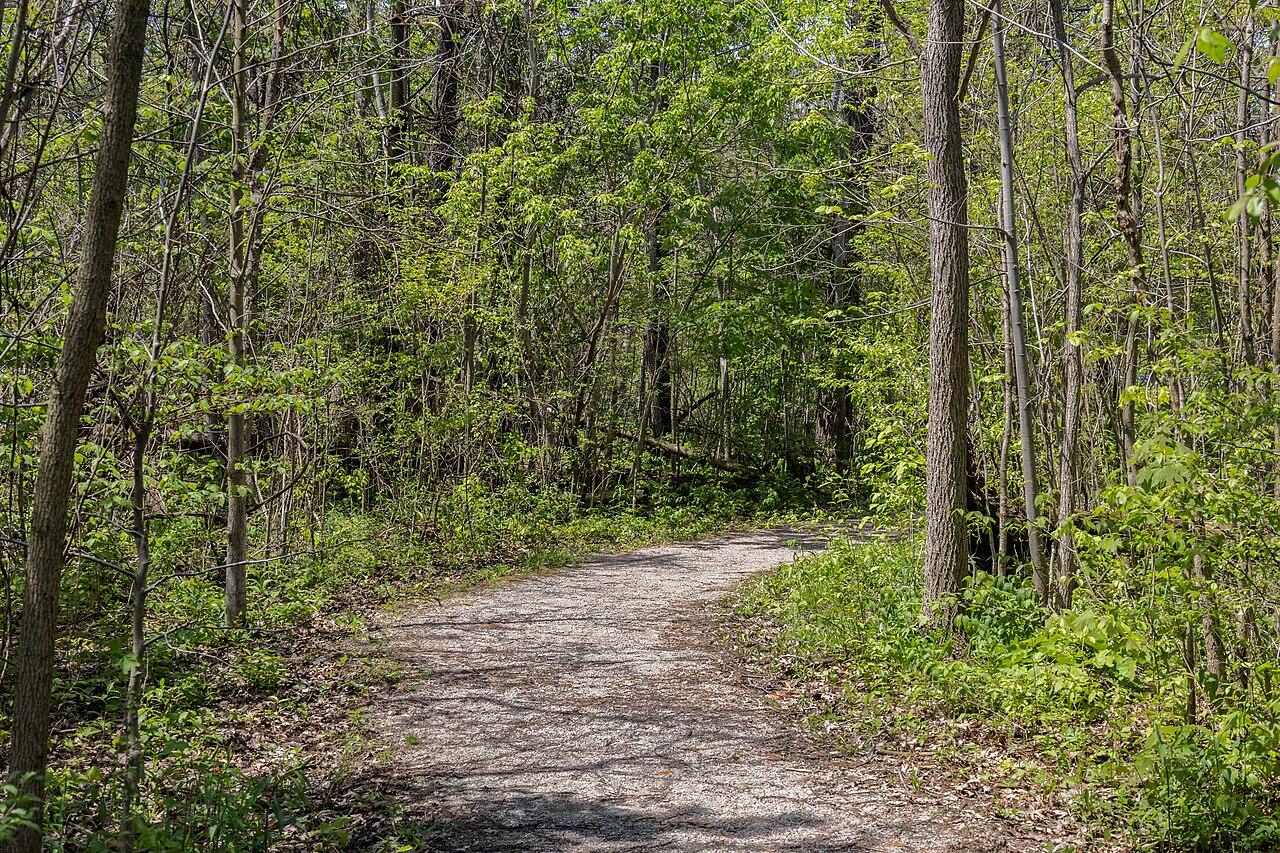
Rock Glen Conservation Area Fossil Guide
Image: Chris Woodrich (CC BY 4.0)
Rock Glen Conservation Area near Arkona, Ontario, exposes the Hungry Hollow Member of the Widder Formation, a Middle Devonian shale famous for abundant brachiopods, horn corals, crinoid stems, and the trilobite Phacops rana. The Ausable River and Rock Glen Falls cut a small canyon where surface fossils wash out continuously. Modest admission fee. One-fossil-per-visitor souvenir collecting policy.
By Edward Chen · Updated 31 July 2026
Introduction
Rock Glen Conservation Area is a 33-hectare park managed by the Ausable Bayfield Conservation Authority outside the village of Arkona in North Middlesex County, southwestern Ontario. The park's centrepiece is Rock Glen Falls and the small wooded canyon it has cut into the Ausable River valley, exposing the Middle Devonian (Givetian, roughly 388 million years ago) Widder Formation and its fossil-packed Hungry Hollow Member.
Hungry Hollow is one of the most accessible Devonian fossil localities in eastern North America: the soft, easily eroded shale weathers out brachiopods, horn corals, crinoid stems, bryozoans, and the iconic Devonian trilobite Phacops rana directly onto the river bank and the canyon talus. Rock Glen is owned by the conservation authority, and a modest day-use admission applies. The park has an interpretive centre, the Arkona Lions Museum collection of local fossils and Indigenous artifacts, a picnic area, and a maintained trail to the falls.
Note: under the conservation authority's rules, each visitor may take home only one fossil souvenir, and no tools or digging are allowed. For more intensive collecting, the nearby Hungry Hollow quarries are accessible only through organised trips by member clubs of the Central Canadian Federation of Mineralogical Societies (CCFMS).
Photo: Smithsonian National Museum of Natural History, CC0, via Smithsonian Open Access
Location and Directions
Arkona is roughly 75 km west of London, Ontario, and 40 km southeast of the Lake Huron shoreline at Grand Bend.
Directions to Rock Glen Conservation Area
From London, take Highway 402 west to Highway 21 north, then local roads (Lambton Road 12, Rock Glen Road) to the conservation area entrance at 8680 Rock Glen Road. From Sarnia, take Highway 402 east, then Highway 21 north. Day-use parking fees apply at the entrance gate.
The park is open year-round during daylight hours. The falls and fossil sites are most productive in spring after snowmelt and after summer thunderstorms, when fresh shale slumps from the canyon walls into the riverbed. Bring rubber boots or river shoes (the riverbed is wet and slippery), a small bag for your one souvenir, sun protection, and bug repellent in summer. No hammers, chisels, picks, or digging tools are permitted.
The Arkona Lions Museum inside the conservation area displays the regional Devonian fauna in detail and is the right first stop to learn what to look for.
 Photo: СССР, CC BY-SA 2.5 ca, via Wikimedia Commons

What Fossils You'll Find
The Hungry Hollow Member of the Widder Formation records a Middle Devonian (Givetian, about 388 million years ago) shallow-marine shelf in the Michigan Basin, with abundant epibenthic invertebrates living on soft mud bottoms. The fauna is dense, varied, and famously easy to recognise.
Brachiopods dominate the assemblage by number. The most distinctive species is Mucrospirifer mucronatus, a small spiriferid with characteristically long lateral spines that give the shell a "winged" outline. Whole Mucrospirifer with the spines preserved are the iconic Hungry Hollow find. The smaller Athyris, the flat Stropheodonta, the strongly ribbed Atrypa and the spinier Spinatrypa all occur in great numbers. The pentamerid Pentamerella and the productid Productella round out the brachiopod fauna.
Crinoid columnals, small donut-shaped ossicles that supported the crinoid stem, are everywhere across the surface scree and the canyon floor. Rare complete or partial crinoid crowns of the camerate crinoid Megistocrinus, the disparid Synbathocrinus, and the cladid Decadocrinus turn up occasionally, often as the highlight of a club field trip. Bryozoans occur in ramose (branching), fenestrate (lace-like), and encrusting growth forms and are abundant but harder to recognise without practice. Gastropods include Loxonema, Bembexia, and the small Platyceras. Bivalves include the rounded clam Paracyclas and the larger Modiomorpha. Cephalopods are represented by straight-shelled nautiloid fragments and the rare coiled Stenopoceras.
The most prized find for many visitors is a trilobite. Phacops rana, the large-eyed, easily recognised middle Devonian trilobite that is the type species for Phacops, the Pennsylvania state fossil, and one of the most-illustrated trilobites in textbooks, occurs at Rock Glen in modest numbers. Most are recovered as isolated head shields (cephala) and tail shields (pygidia), but whole enrolled specimens have been found in the soft fissile shales of the lower canyon. The smaller, longer-eyed Greenops also occurs as scattered carapace fragments. Other invertebrates include conulariids, scaphopods, ostracods, and starfish fragments.
"The fossils at Hungry Hollow in North Middlesex are mid-Devonian in age (between 393–382 million years), during a time known as the Age of Fishes." GeoscienceInfo
Geologic History
During the Middle Devonian, the area now occupied by southern Ontario was a warm, shallow tropical epicontinental sea on the western margin of the Michigan Basin, a large intracratonic basin that extended west to modern Michigan, north into Ontario, and south into Ohio. The basin lay near 20 degrees south latitude and supported broad shallow shelves with patch reefs, lagoons, and mixed carbonate-siliciclastic deposition under monsoonal seasonal climate.
Sluggish currents and intermittent storm reworking deposited thin shales and limestones in alternating beds. Each storm event reworked living and recently dead invertebrate communities into shell-rich coquina layers separated by quieter-water mudstones. The Hungry Hollow Member is the lower of two principal fossil-bearing units within the Widder Formation. Both belong to the broader Hamilton Group, which extends across southern Ontario, western New York, Michigan, and northern Ohio. The Hamilton Group is one of the internationally studied Middle Devonian reference sequences for marine invertebrate biostratigraphy, and Hungry Hollow material has been used as a Givetian reference fauna since the late 19th century.
The Hungry Hollow Member sits stratigraphically above the older Arkona Shale (a more clay-rich, less fossiliferous deeper-water shale) and below the Ipperwash Limestone. Quaternary glaciation by the Wisconsinan ice sheet planed off Tertiary and overlying Mesozoic cover from southern Ontario, depositing thick glacial till across most of the region. The deeper pre-glacial Ausable River valley was carved during one of the earlier Quaternary glacial-meltwater episodes. Post-glacial fluvial erosion by the modern Ausable River and its tributaries produced the small canyon at Rock Glen Falls and exhumed the fossil-bearing Hungry Hollow Member at the modern surface.
The site has been collected by amateurs and university geology classes for more than a century. Detailed work by the Geological Survey of Canada, the Royal Ontario Museum, and the University of Western Ontario through the 20th century established the modern faunal lists and biostratigraphic framework. The active Hungry Hollow drainage-tile quarries downstream of Rock Glen produced commercial aggregate from the 1920s through the late 20th century and continue to be accessible to Central Canadian Federation of Mineralogical Societies (CCFMS) member-club field trips today.
How Rock Glen Came to Be a Conservation Area
Rock Glen was acquired and developed as a conservation area in the 1960s by the Ausable Bayfield Conservation Authority, with the explicit goal of protecting the falls and the fossil exposures from quarrying and inappropriate collecting pressure. The Arkona Lions Club, in partnership with the conservation authority, operates the on-site Arkona Lions Museum and Information Centre, which houses a substantial collection of locally-collected Devonian fossils and Aboriginal artifacts.
 Photo: Chris Woodrich, CC BY 4.0, via Wikimedia Commons

Collecting Rules and Regulations
Is Fossil Collecting Allowed?
Yes, but only one fossil per visitor as a souvenir, and only by hand-picking from the surface.
Key Points:
- Modest day-use admission fee
- One fossil souvenir per visitor only
- No digging, no hammers, chisels, picks, or other tools
- No commercial collection
- Stay on the maintained trail and inside the canyon's posted areas
- Heavier collecting at the nearby Hungry Hollow quarries only via CCFMS club trips
Safety
Rock Glen is a managed conservation area with stairs, marked trails, and staff on site, which makes it one of the more controlled sites in this region. The hazards are those of a small river gorge.
The gorge is steep and the footing is poor. Access to the creek bed is by stairways and a descent into the ravine, and the shale underfoot is slick, particularly near the falls where it stays permanently wet. Wear boots with a firm sole and good grip, use the handrails, and take the stairs deliberately rather than quickly. Wet shale is as slippery as ice.
Stay away from the base of the gorge walls and off the falls themselves. The shale walls shed rock and slump, and the rock at the lip of the waterfall is smooth and undercut. Do not climb the walls, do not scramble for a better angle on the falls, and keep back from the edge above.
Water levels change. The Ausable River and the creek rise quickly after heavy rain and snowmelt, and the gorge can become unsafe in a short time. Do not enter the creek bed when the water is high or rising, and check conditions at the gate if there has been recent weather.
Collecting in the creek means wet feet, and the water is cold outside high summer. Supervise children closely on the stairs and near the water. Poison ivy grows along the ravine trails, and mosquitoes are active near the water in the warmer months.
Sources
- Ausable Bayfield Conservation Authority: Rock Glen Conservation Area
- Wikipedia: Rock Glen Conservation Area
- GeoscienceInfo: Hungry Hollow: southwestern Ontario's important little treasure
- GeoscienceInfo: Bob O'Donnell: Fossils at Hungry Hollow
- University of Waterloo Earth Sciences Museum: Paleozoic fossils in Ontario
Nearby sites
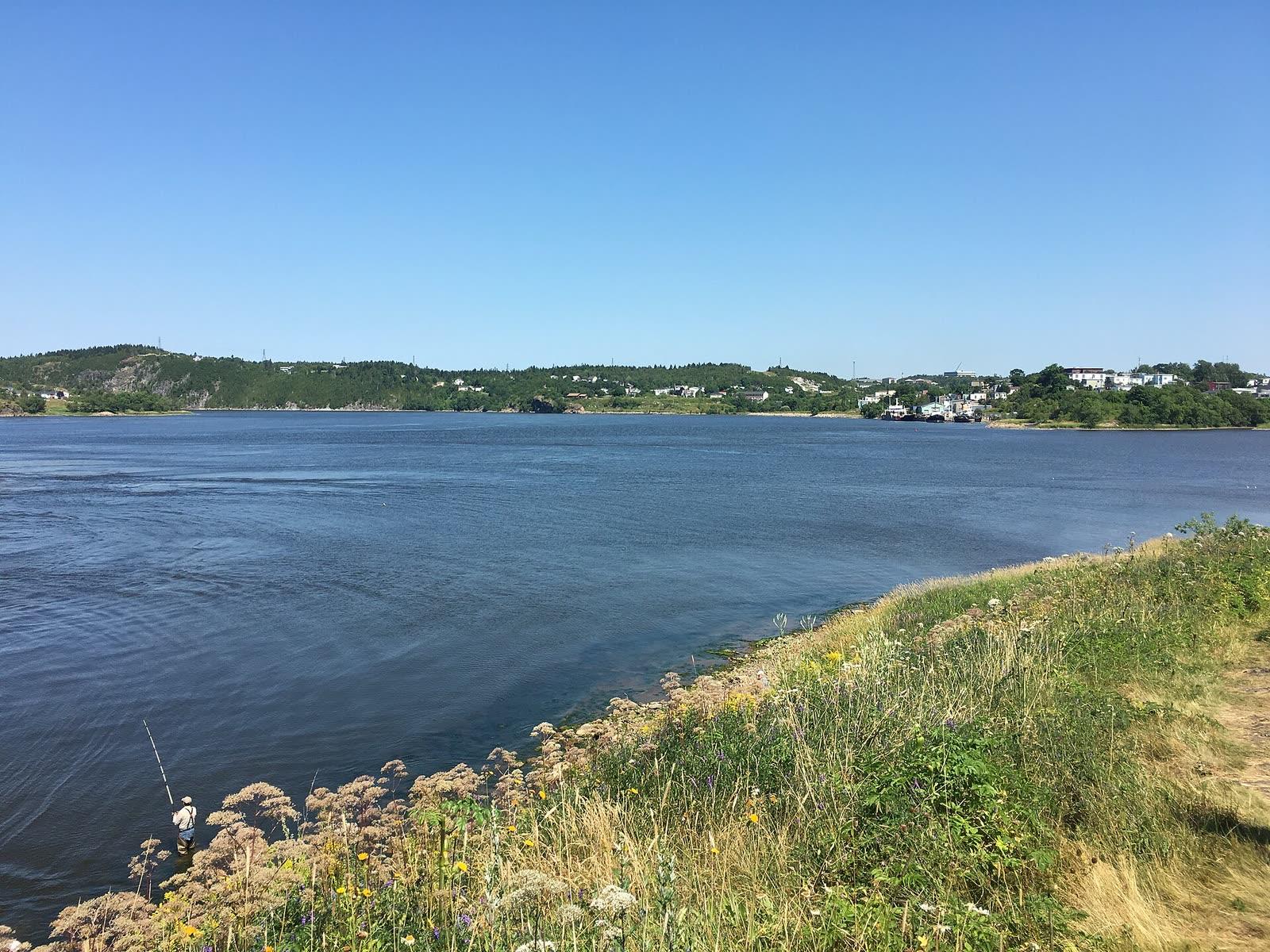 Stonehammer UNESCO Global Geopark Fossil Hunting GuideParadoxides regina (trilobite), Carboniferous tetrapod trackways
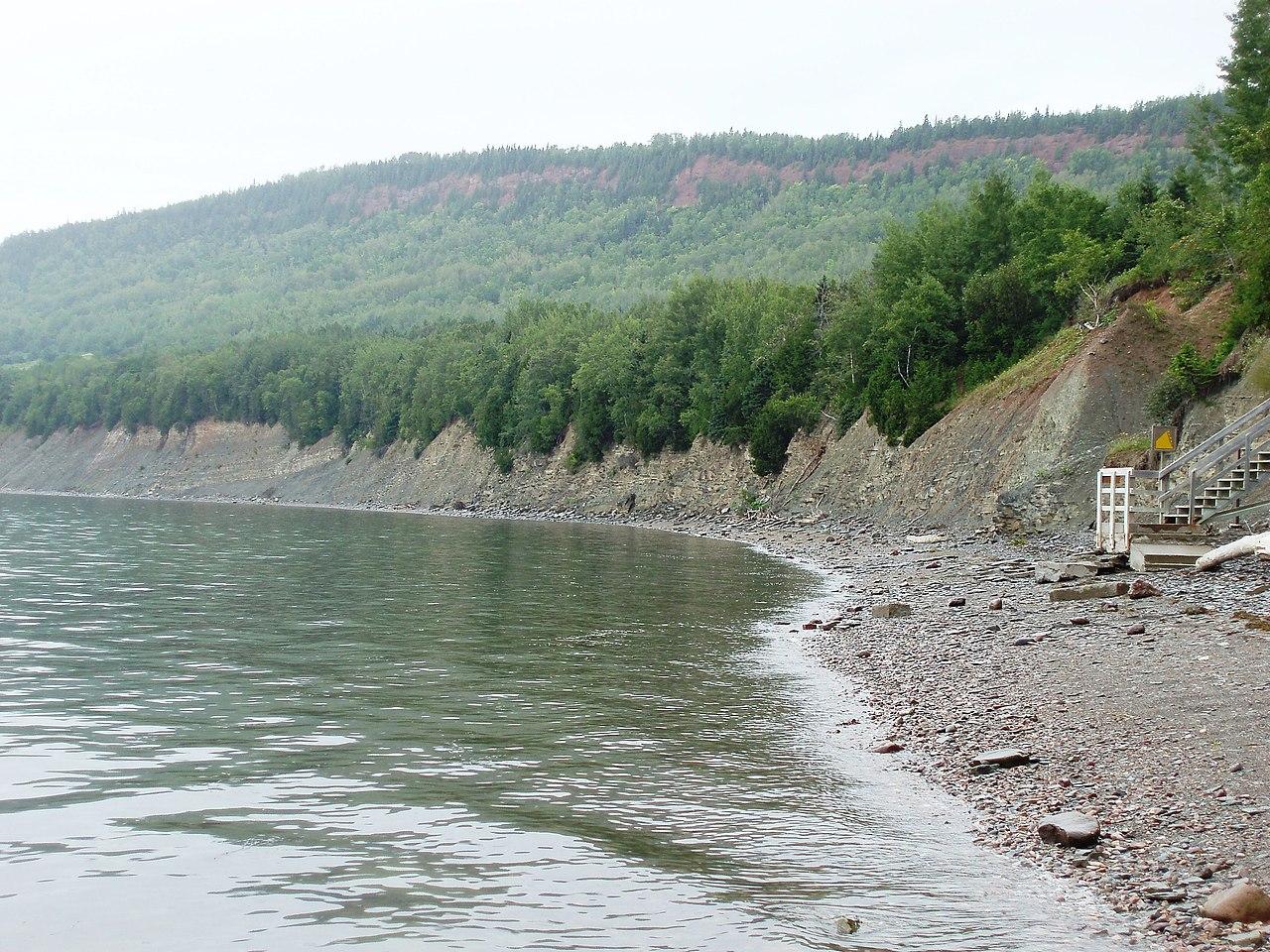 Miguasha National Park Fossil GuideSarcopterygian fish, Placoderms
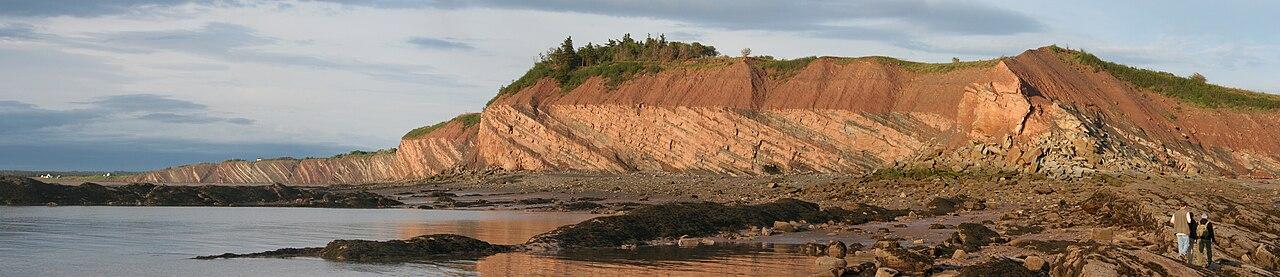 Joggins Fossil Cliffs Fossil Hunting GuideLycopsid trees, Plant fossils
 Stonewall Quarry Park Manitoba Fossil Hunting GuideCephalopods, Brachiopods